













India to Host the Prestigious WTTC Global Summit After 21 Years
It competed with 20 world destinations to emerge as the premier choice to host the annual gathering of powerful global stakeholders in the travel and tourism segment.

By Deepali Nandwani
For sceptics of India’s potential to attract high-paying, HNI travellers, here is a spot of news.
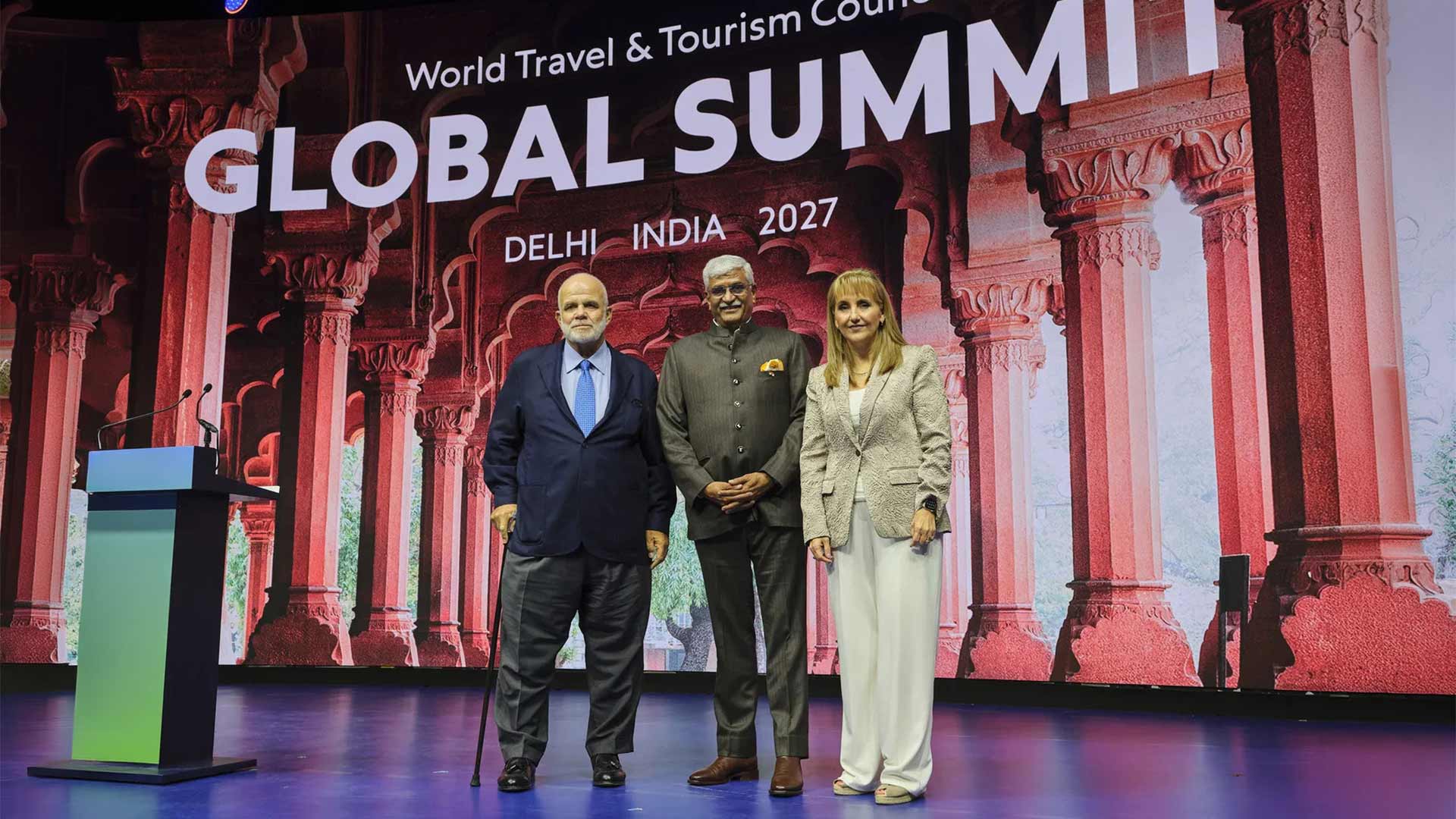
The World Travel & Tourism Council (WTTC) has announced that India will host the 2027 edition of the WTTC Global Summit. The news broke in Malta, where the powerful global tourism phalanx had gathered for the 2026 summit. India was represented by the top lineup of the Indian tourism galaxy, such as Union Tourism Minister Gajendra Singh Shekhawat, Additional Secretary & Director General, Ministry of Tourism, Govt. of India, Suman Billa, and IHCL Chairman & Managing Director and Chairman of FAITH, Puneet Chhatwal.
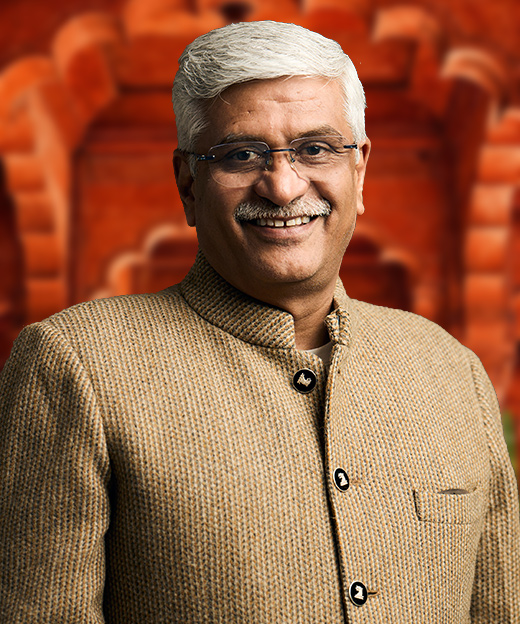
Gajendra Singh Shekhawat, Union Minister of Tourism and Culture.
India is ambitious and hungry to attract high-paying foreign travellers, and the summit is the right step in that direction. “India aims to reach 100 million foreign tourist arrivals by 2047 and is working with industry stakeholders to promote inbound tourism,” said Gajendra Singh Shekhawat, Union Minister of Tourism and Culture. 2047 is the centenary of India’s independence. ‘This will be a big win for India, and instrumental in promoting inbound tourism in a big way. It will also help us position India as a premier destination in South Asia to host large global events, especially after successfully hosting the G20 last year and the BRICS Summit last month.”
The summit was not handed on a platter to India, as many believe. The country was selected after a highly contested and competitive process involving 21 destinations that expressed interest in hosting the event. Manfredi Lefebvre d’Ovidio, Chairman, WTTC, has said: “New Delhi will provide the perfect stage for global leaders to come together, drive collaboration, and continue shaping the future of the sector.”
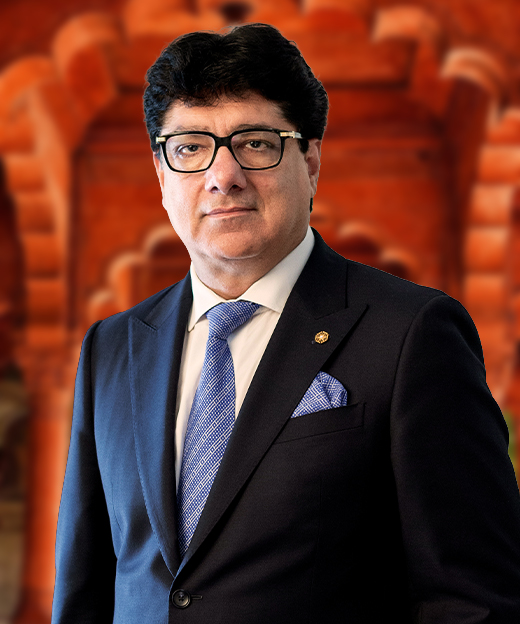
Puneet Chhatwal, Chairman & MD, IHCL & Chairman of FAITH.
According to Puneet Chhatwal, Chairman, FAITH, “India hosting the WTTC Global Summit 2027 is a defining moment for the tourism sector and is a testament to the country’s growing influence on the global travel landscape. It presents a unique opportunity to showcase India’s extraordinary diversity and world-class hospitality while strengthening the partnerships that will define the future of travel and tourism.” India as a host country is a testament to its rising stature as one of the largest and fastest-growing travel markets, backed by buoyant domestic travellers. But what it lacked were international tourists, as numbers of global tourist arrivals (non-NRIs, non-business) had been flailing for years.
Incidentally, the WTTC summit is coming back to India after a 21-year gap. Rajesh Magow, Co-founder and Group CEO, MakeMyTrip, says, “India last hosted the WTTC Global Summit in 2005. A lot has changed since then. Domestic travel has grown into the backbone of the sector, and the next step is growing inbound travel. Bringing the world’s travel leaders to India lets them see the country’s range for themselves and then promote India in their respective countries. We look forward to working with the Ministry of Tourism and the industry to make the most of this opportunity.”
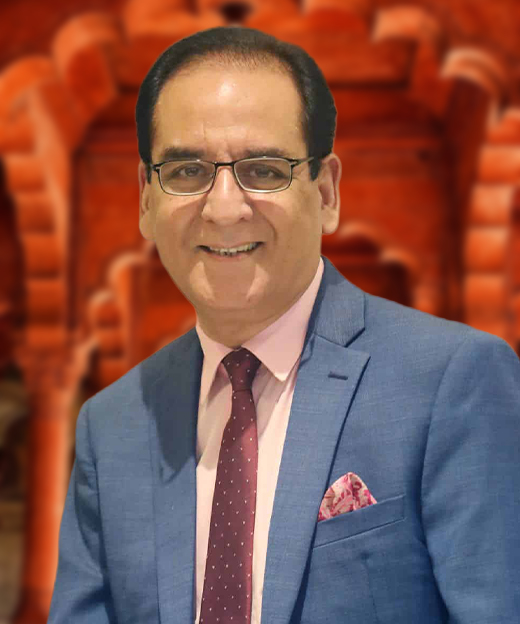
K B Kachru, Chairman Emeritus & Principal Advisor, Radisson Hotels Group – South Asia.
As the sector’s significant global event, the WTTC Global Summit attracts the highest level of public and private sector participation. The 2027 Summit will clearly provide a global platform to showcase India’s tourism potential and the strength of its domestic visitor economy, even as world leaders in tourism and travel will debate and discuss the opportunities and challenges shaping the future of travel and tourism.
K B Kachru, Chairman Emeritus & Principal Advisor, Radisson Hotels Group – South Asia, is enthused by the news: “This is truly super news for Indian tourism! The WTTC Global Summit in 2027 is a tremendous opportunity to position India on the global tourism map and showcase our immense potential to the world. From our heritage and culture to our leisure destinations, cuisine and diverse travel experiences, India has so much to offer. The Summit will send a strong message about the seriousness of our industry and government in making India a leading global tourism destination, while opening doors to new markets and attracting more international travellers. My congratulations to everyone who worked towards making this possible, particularly our tourism minister, Mr Shekhawat, the MOT team led by Mr Suman Billa, and our own Puneet Chatwal, who have been consistently working to showcase India to the world. A great beginning, and an opportunity we must collectively seize to put Indian tourism firmly on the global stage.”
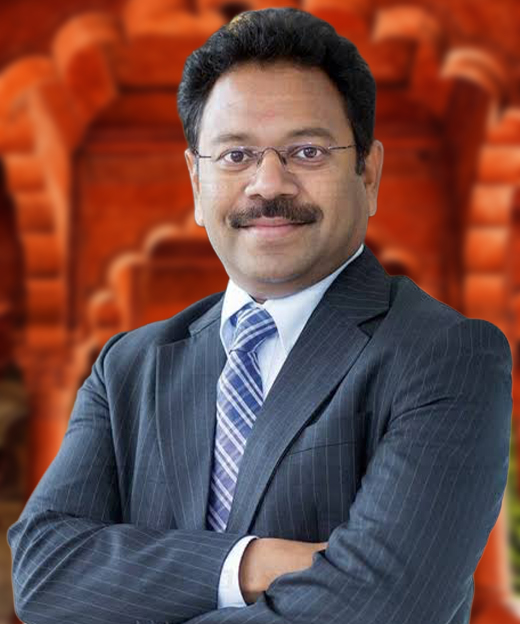
Suman Billa, Additional Secretary and DG, Ministry of Tourism.
India has clearly emerged as one of the world’s fastest-growing travel and tourism economies, if one goes by the numbers. According to WTTC’s Economic Impact Research, the sector contributed US$263.6 billion to India’s economy in 2025, growing by 7.3% and supporting 46.2 million jobs. More than one in every ten jobs in the country comes from the tourism sector. WTTC forecasts that the tourism sector’s contribution to India’s economy will grow by 8.5% in 2026, reaching US$286.1 billion, while supporting 48.1 million jobs. Over the next decade, the sector is projected to almost double in economic size, reaching US$527 billion by 2036.
WTTC’s research projects that India will move from being the world’s 10th-largest travel and tourism economy to fourth by 2036, underlining the scale of the opportunity ahead. India’s expanding infrastructure is shaping tourism across leisure, business travel, hospitality, aviation, technology, investment and destination development. The 2027 Summit will not just bring world leaders to India’s shores, but will also offer opportunities for entrepreneurs, tourism boards and other stakeholders to explore partnerships across its tourism ecosystem.
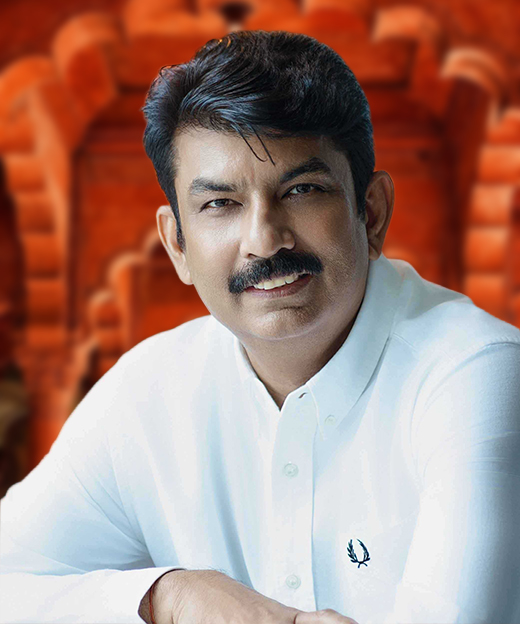
Rajesh Magow, Co-founder & Group CEO, MakeMyTrip.
The government sees the summit as a lever for investment. “The strategy is to position India as a viable investment destination by engaging states and securing investment decisions at an upcoming summit. The plan involves structured engagement, early conversations, and facilitating investments, with a target of at least five thousand attendees for the conference,” says Suman Billa, Additional Secretary and DG, Ministry of Tourism.
Gloria Guevara, President & CEO, WTTC, has said: “India is a country with extraordinary tourism potential and a sector that is already delivering remarkable economic growth. Its scale, ambition and growing global connectivity make it a natural place to bring the world’s Travel & Tourism leaders together. This will be an opportunity to showcase the country to our global membership, strengthen public-private partnerships and look at how India can capture even more of the international demand that is driving the next chapter of global travel and tourism.”
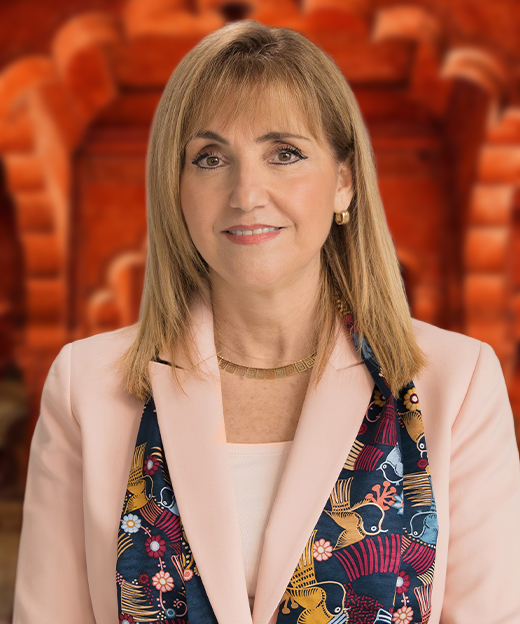
Gloria Guevara, President & CEO, World Travel & Tourism Council.
The next phase of tourism growth is likely to focus on expanding its international visitor economy. WTTC’s research highlights the opportunity to build on India’s strong domestic foundation and attract a greater share of international visitor spending, said a statement from the global body, with increased collaboration between governments and the private sector.
While the Indian government has said that inbound recovery is already under way, and the country welcomed around 20 million international visitors in 2024, roughly 2.3 million more than in 2019, a lot of ground still needs to be covered, and India needs to amp up its efforts to attract high-value tourists who contribute to the economy instead of charter flights, as it is doing in Goa. Converting that momentum into the spending WTTC forecasts will rest heavily on the connectivity and visa measures the council has flagged.
WTTC, over the last year, has recommended that India turn to closer collaboration between government and industry, continued e-visa reform, expanded international air connectivity, invested in transport infrastructure such as the Mumbai-Ahmedabad High-Speed Rail corridor, launched sharper destination marketing in priority overseas markets, and further investment in heritage, cultural, nature and eco-tourism that encourages longer stays and higher spending.