










Fateh Collection Unveils a New Chapter in Authentic Udaipur Luxury
As Udaipur rides the wave of wedding tourism, Fateh Collection is bringing the spotlight back to authentic Rajasthani hospitality through its new Khas Mahal Suites approach.

By Chandreyi Bandyopadhyay
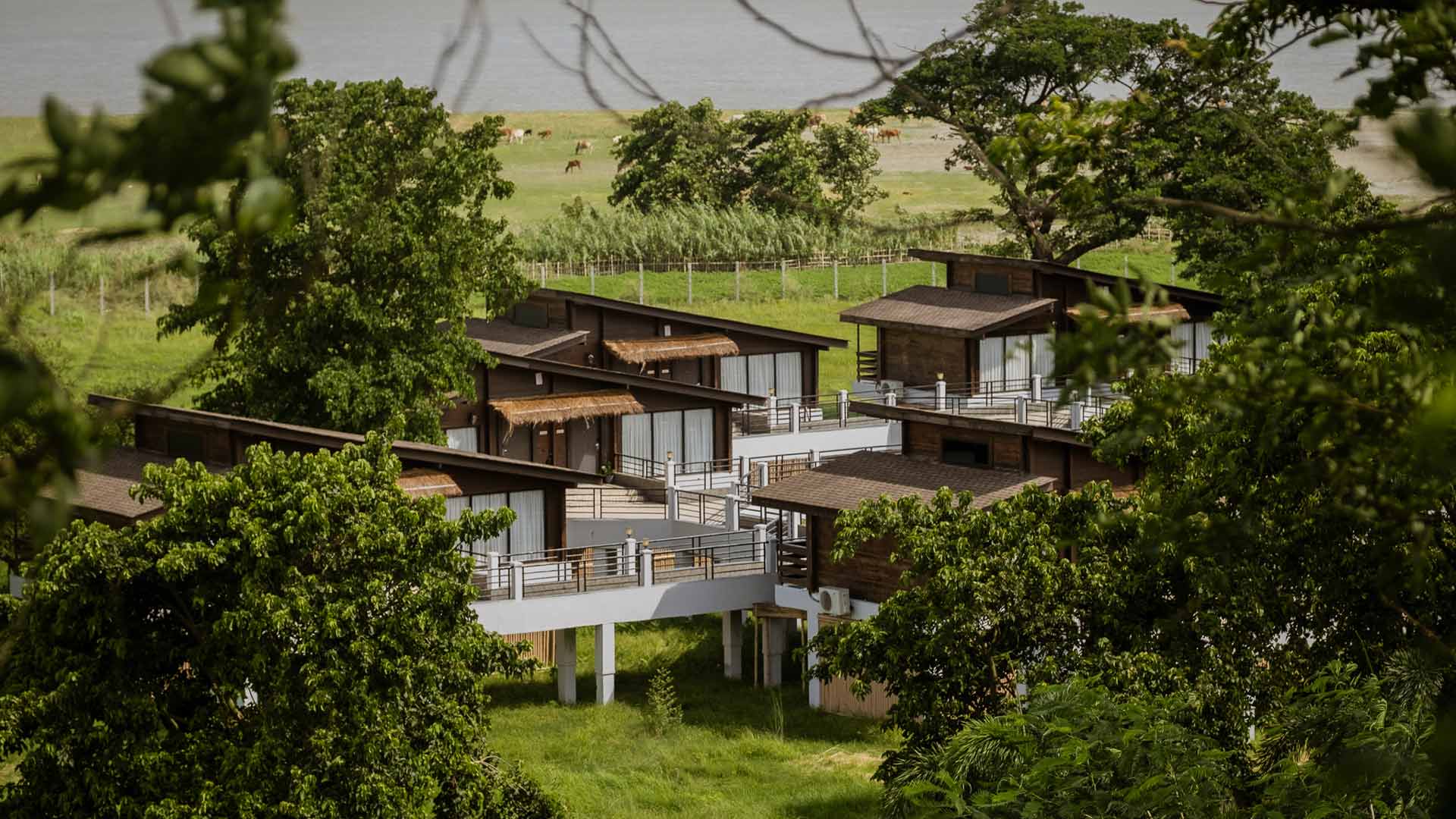
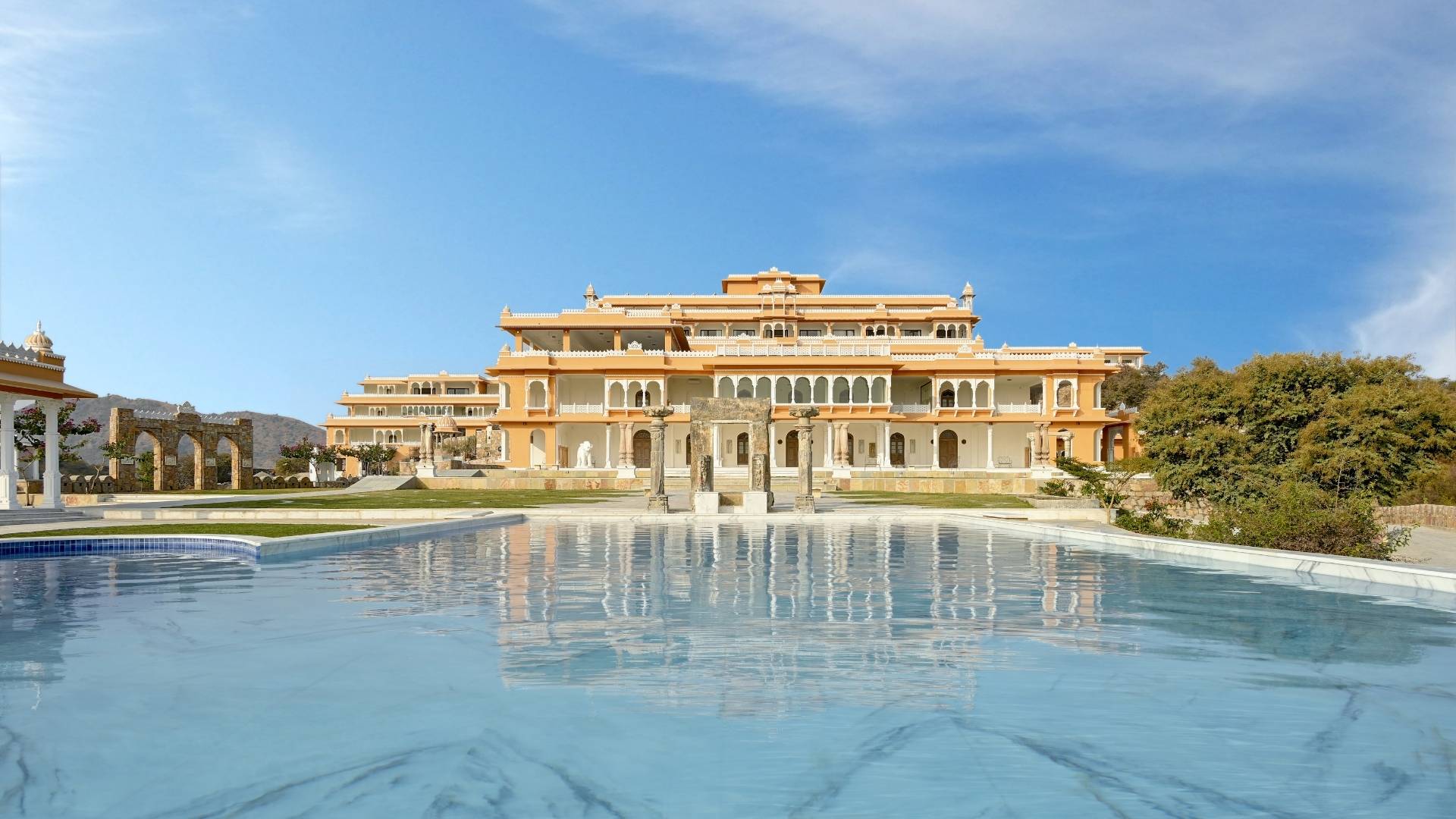
Among Udaipur’s rapidly expanding hospitality offerings, families owning ancestral landholdings or heritage havelis often face the dilemma of continuing to operate heritage homes amid high upkeep costs and rising competition from swanky new palace hotels backed by larger brands. Against this backdrop, Fateh Collection makes a bold statement with the addition of Khas Mahal Suites, perched on a hill within the same premises as two of its grander properties — Fateh Vilas and Fateh Garh.
Rajasthan’s luxury hospitality landscape has learnt to perform heritage rather fluently. The familiar grammar of grand staircases, folk-style arrivals, marble opulence, lavish outdoor dining setups, and infinity pools continues to sell effectively. Fateh Collection embraces a similar language, but with a more deeply rooted and intentional sense of time and place.
For over two decades, the Kelwa Rathore family has nurtured a strong hospitality business, growing slowly and mindfully. Today, they own and operate seven distinctive boutique hotels across Udaipur and Kumbhalgarh, along with the lakeside restaurant Rajbagh. The history they interpret is entirely their own; this is the land where they have lived for centuries. As a result, there is a warmth to the hospitality that never feels performative — only deeply heartfelt.
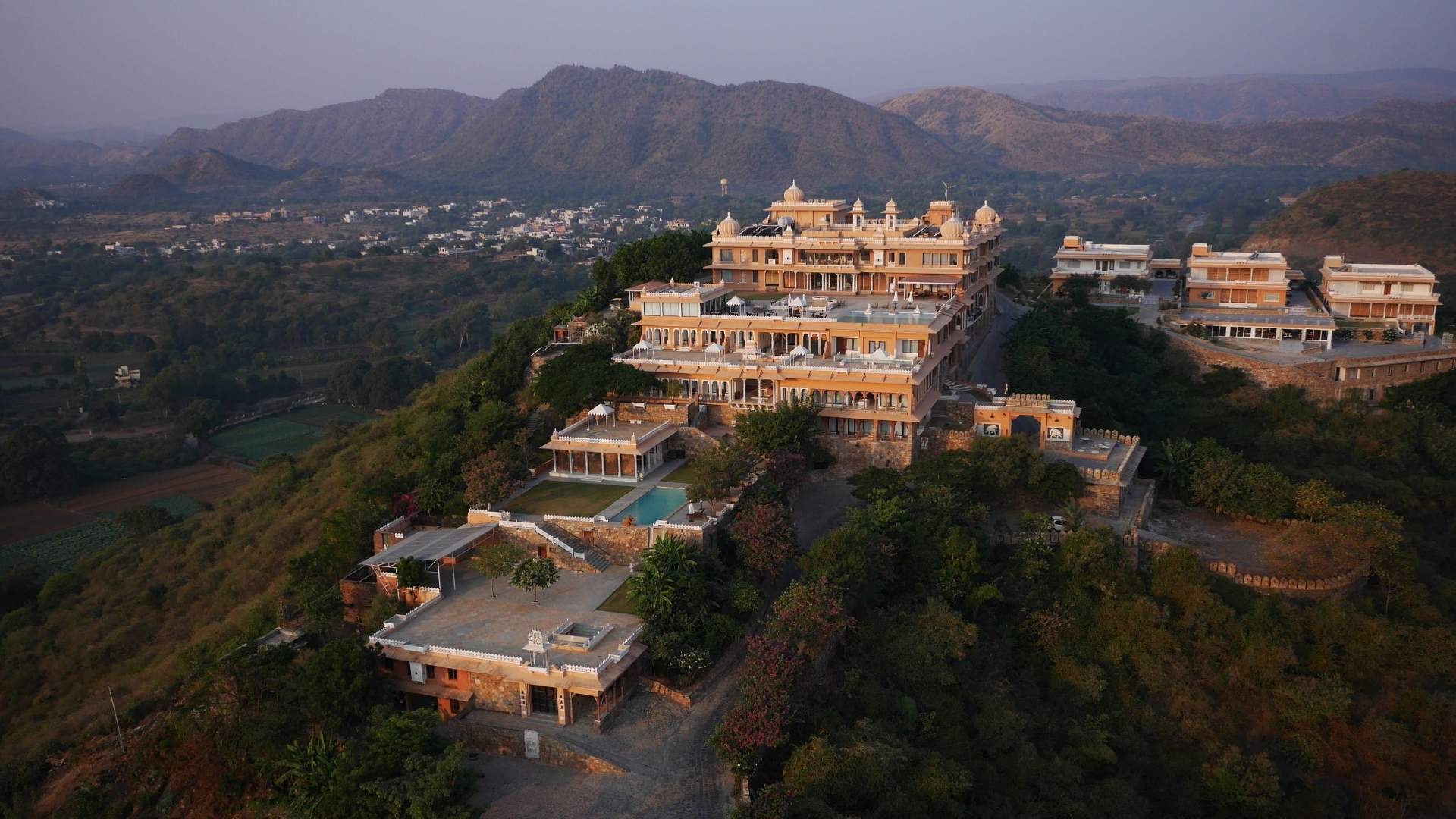
Built keeping water conservation needs in mind, the premises offer a rare sense of intimacy amid grand scale, crafted by the warmth of service and hospitality.
Lineage to Heritage Renaissance
The family’s history traces back to the Suryavanshi Rajputs and the Gahadavala rulers of Kannauj, their bond with Mewar forged through an act of sacrifice in the early 16th century. During Rana Sanga’s reign over Chittor, the jagir of Kelwa — strategically positioned within the Aravalli pass as a refuge for Mewar’s rulers — was bestowed upon the family in recognition of their role in his ascension. Centuries later, those same hills have evolved into the setting for a different kind of sanctuary, one the family has shaped from reclaimed stone and inherited memory.
Jitender Rathore, the youngest of the three brothers and often regarded as the group’s visionary — “The Renaissance Man” — has spent decades shaping a hospitality philosophy that resists the easier comforts of nostalgia.
He is also the custodian of an extraordinary vintage automobile collection comprising over twenty-five restored vehicles, seven jeeps, multiple two-wheelers, and cart carriages, all of which lend the aura of a royal household to the Fateh Collection experience. The automobiles are regularly showcased at rallies and thoughtfully integrated into guest experiences through curated drives.
“Our philosophy is rooted in revival rather than replication,” says Jitender Rathore. “We seek to resurrect the spirit of Rajasthan’s architectural and cultural legacy through a process of ‘heritage renaissance’ — salvaging stones, pillars, jalis, and architectural elements from dilapidated havelis and forts, transporting them stone by stone, and reassembling them according to traditional Vastu principles while infusing contemporary sensibilities. It stems from a deep respect for our ancestors’ craftsmanship and a desire to create living spaces that breathe history without feeling like museums.”
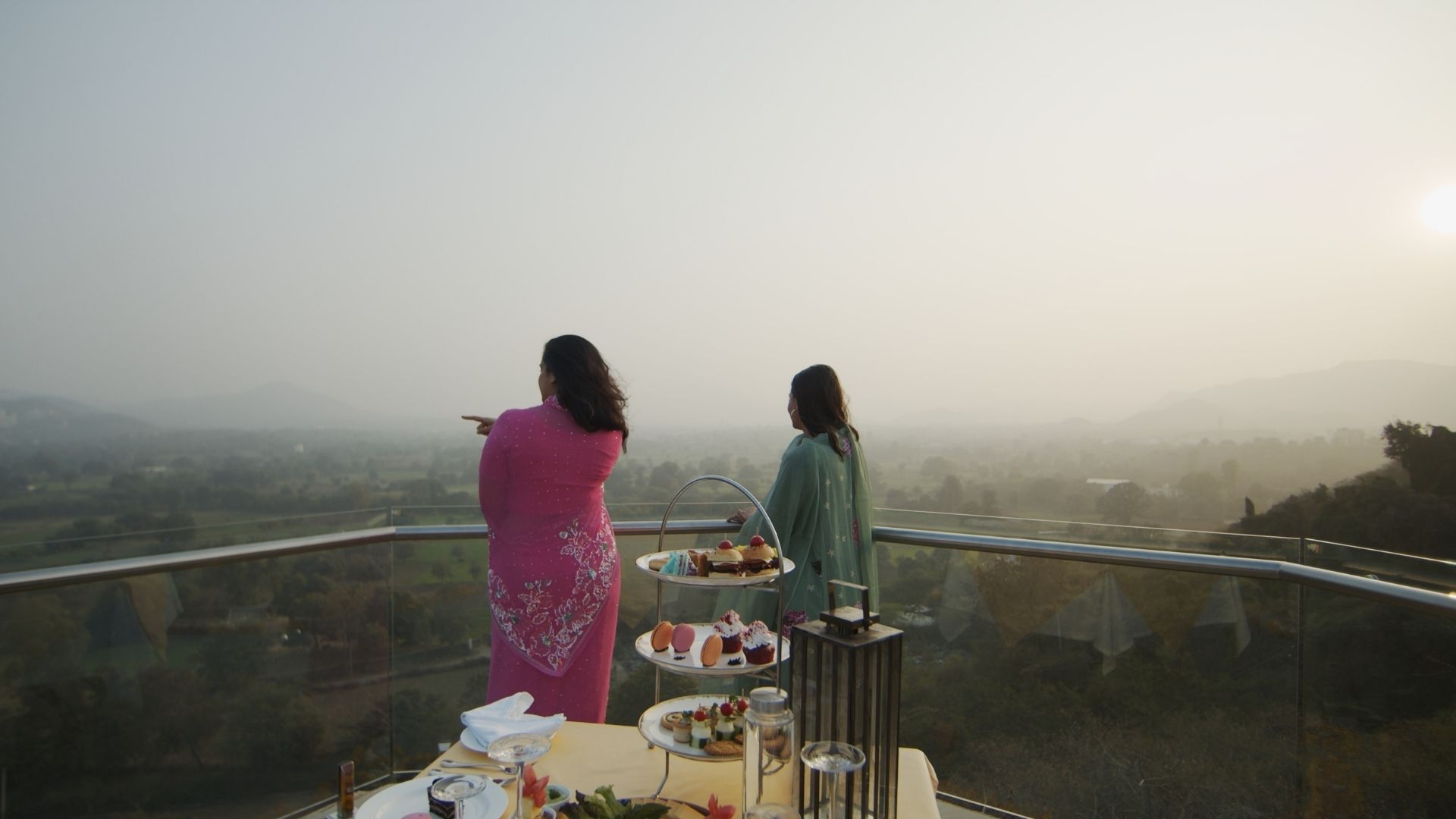
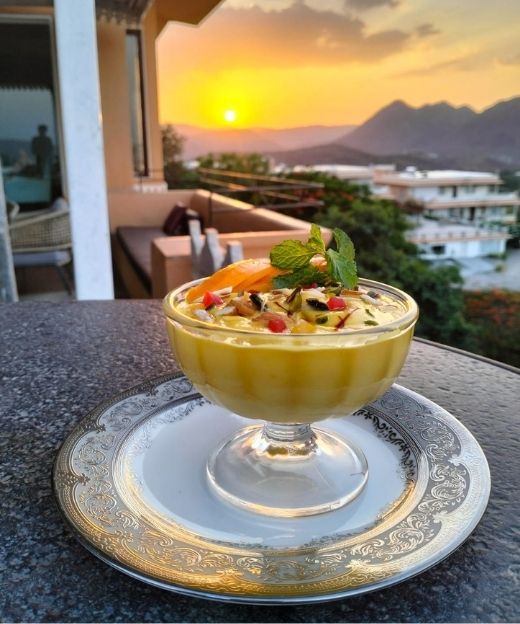
This philosophy is reflected throughout the property — in the jalis, pillars, carved stone facades, and wooden doors worn smooth at the edges over time. From sculptural elements to original temple doorways featuring intricate carvings and figurines, the spaces feel neither like a museum nor a pastiche. Terraces open into sweeping views of the Aravallis and Udaipur’s distant lakes, while Sajjangarh Fort rises prominently on the horizon.
Frescoed corridors and hand-painted artworks by Madhavi Kelwa further animate the interiors with restrained, minimalist compositions. Her expressive animal forms, held against expansive negative space, create a visual language that reinforces the idea of culture not as an asset for monetisation, but as a living inheritance requiring constant and attentive stewardship.
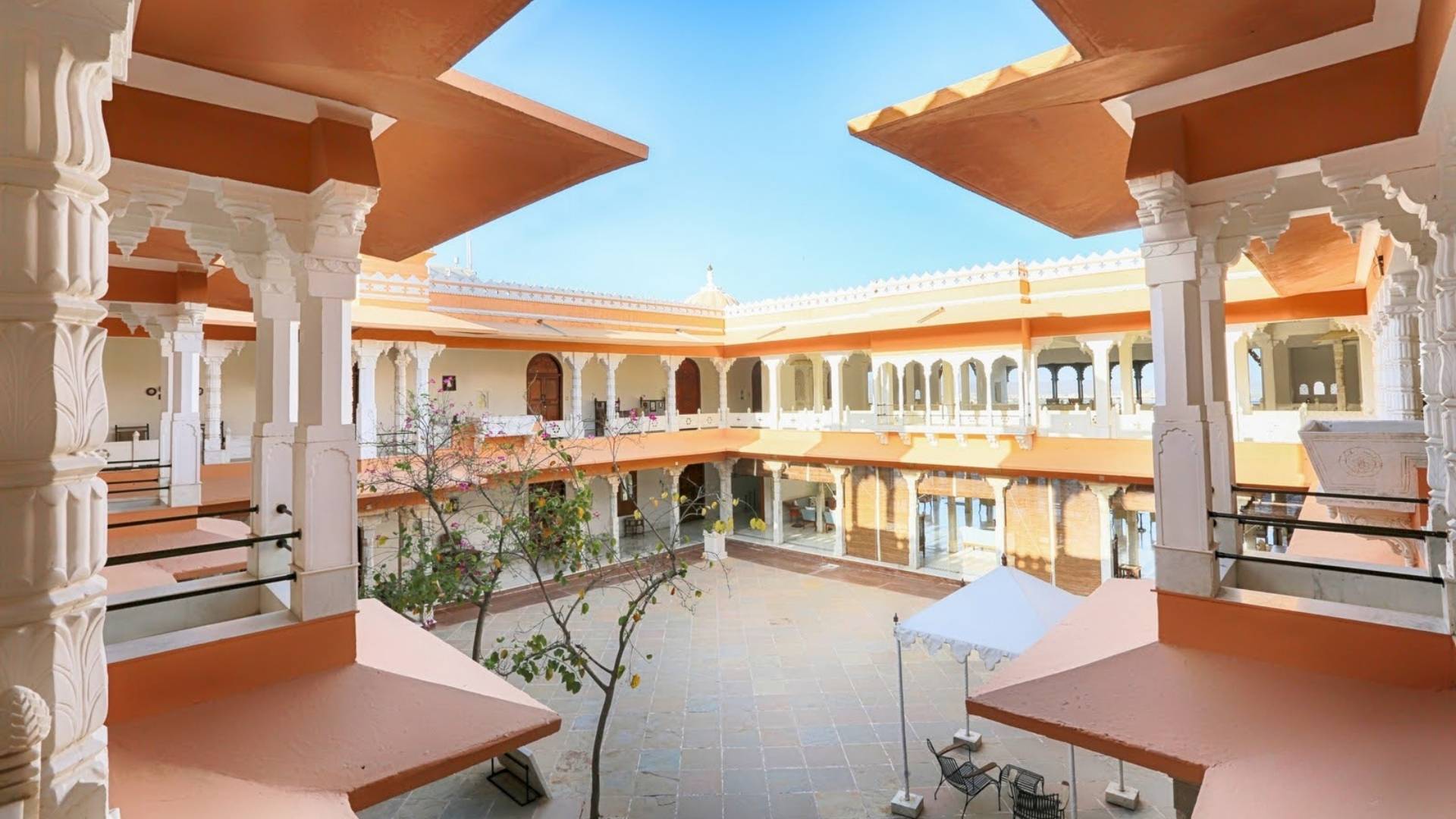
The Janana Chowk at Fateh Collection.
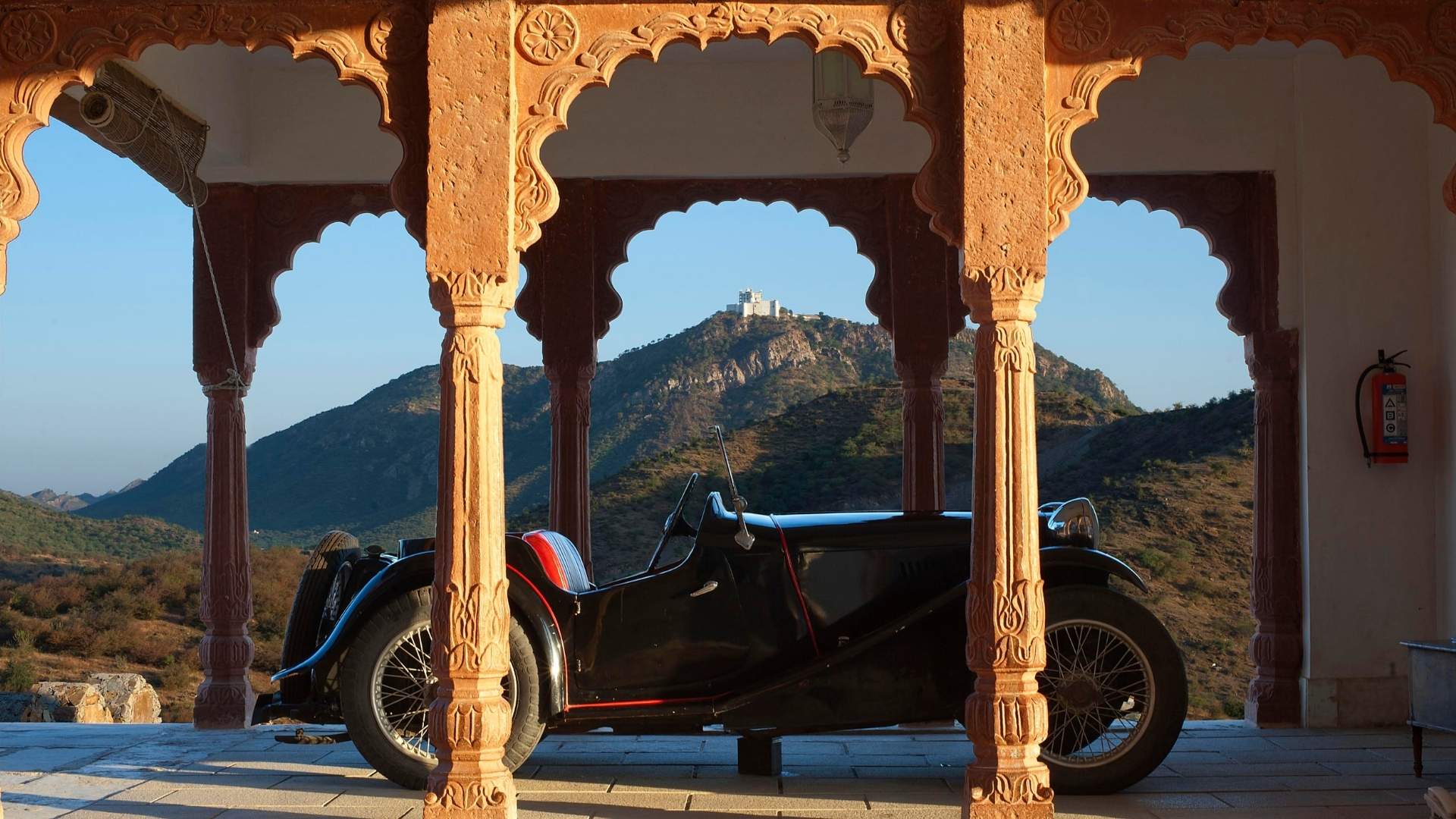
A vintage car sits with Sajjangarh Palace, a monsoon home for Kings, in the backdrop.
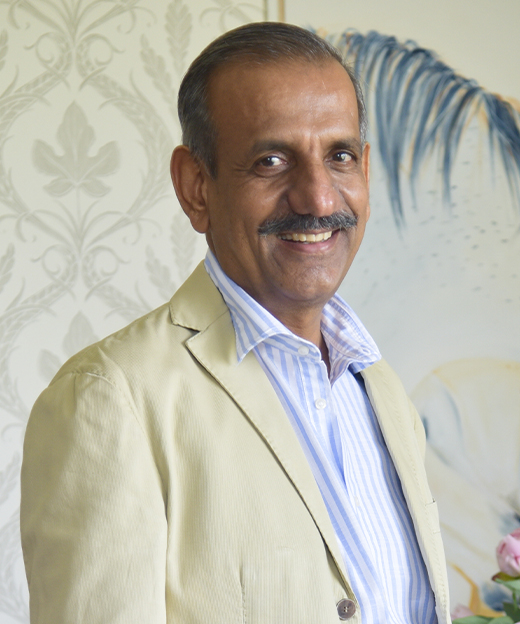
We seek to resurrect the spirit of Rajasthan’s architectural and cultural legacy through a process of ‘heritage renaissance’.
Jitender Rathore

Building For Modern Needs
The outdoors remain central to the Fateh Collection experience, with several properties designed around the natural hilly terrain rather than imposed upon it. Safe wildlife passages have been consciously integrated into the landscape, allowing native fauna to move undisturbed through the region. The design philosophy across Fateh Vilas, Fateh Garh, and the newly opened Khas Mahal Suites also incorporates natural water-harvesting systems inspired by the geometry of Rajasthan’s historic stepwells. Low-density planning allows the landscape to breathe, preserving the character of the hills that once sheltered warriors and princes, along with their natural inhabitants.
Natural stone, marble sourced from the family’s own mines, and traditional craft detailing enrich the spaces — from guest rooms and courtyards to the restaurants. Yet, the most powerful force sustaining this ecosystem is the family’s deep-rooted connection to the region and its people. A majority of the staff comes from nearby communities, and the warmth they extend to guests carries the ease of familiarity rather than the polish of rehearsed hospitality.
Experiences curated by the family often extend into neighbouring villages, revealing relationships nurtured over decades and living traditions that continue to thrive. Whether it is witnessing the making of rabri or visiting the home of a sikligar (traditional weapon maker) still using tools inherited from his grandfather, these encounters feel deeply personal rather than performative. Such experiences are only possible when a family has remained rooted in a place long enough for the land and its people to trust them in return.
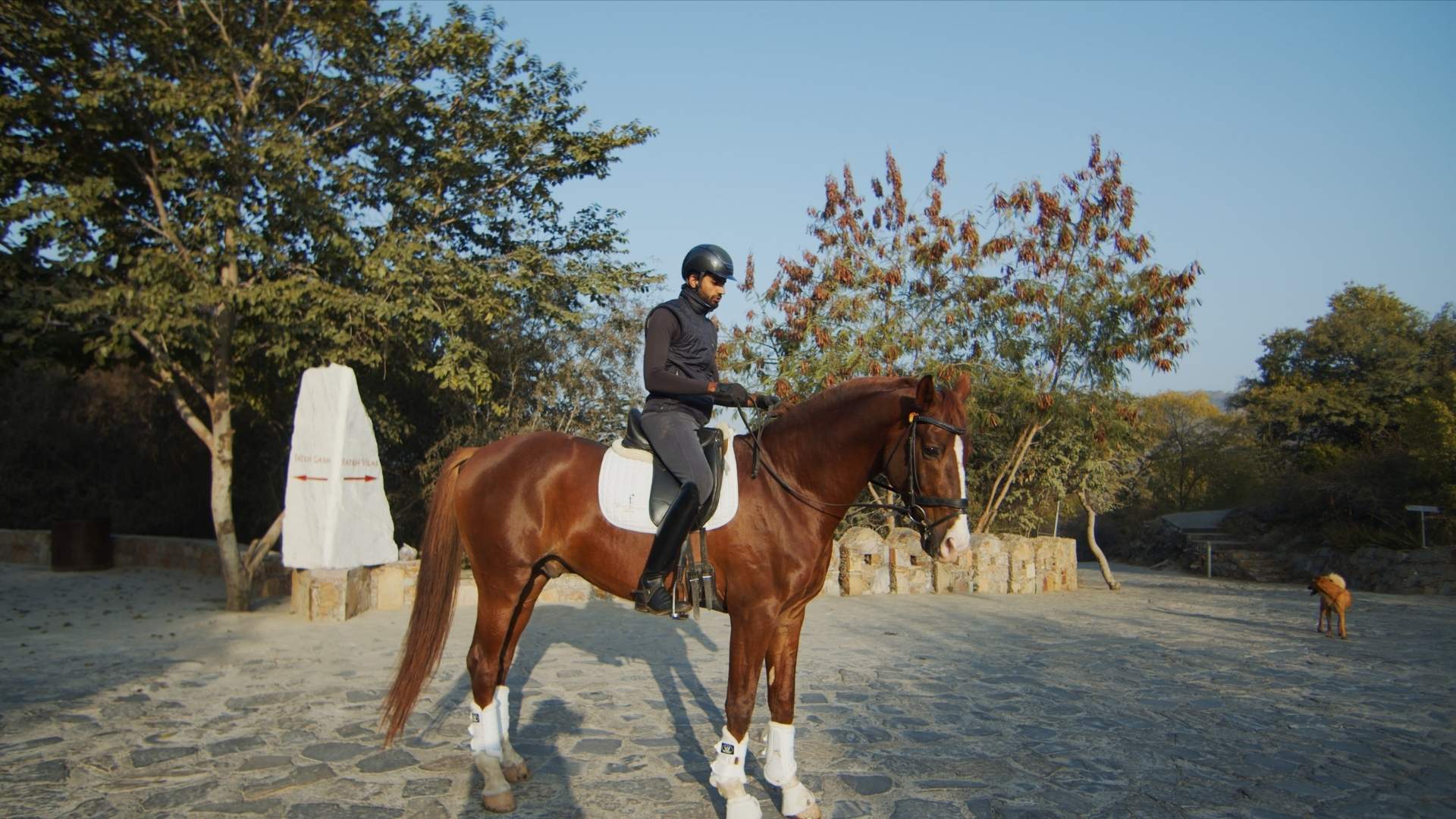
Young generations of the family business are bringing a fresh outlook toward their valued traditions, skills and interests in terms of guest experiences.
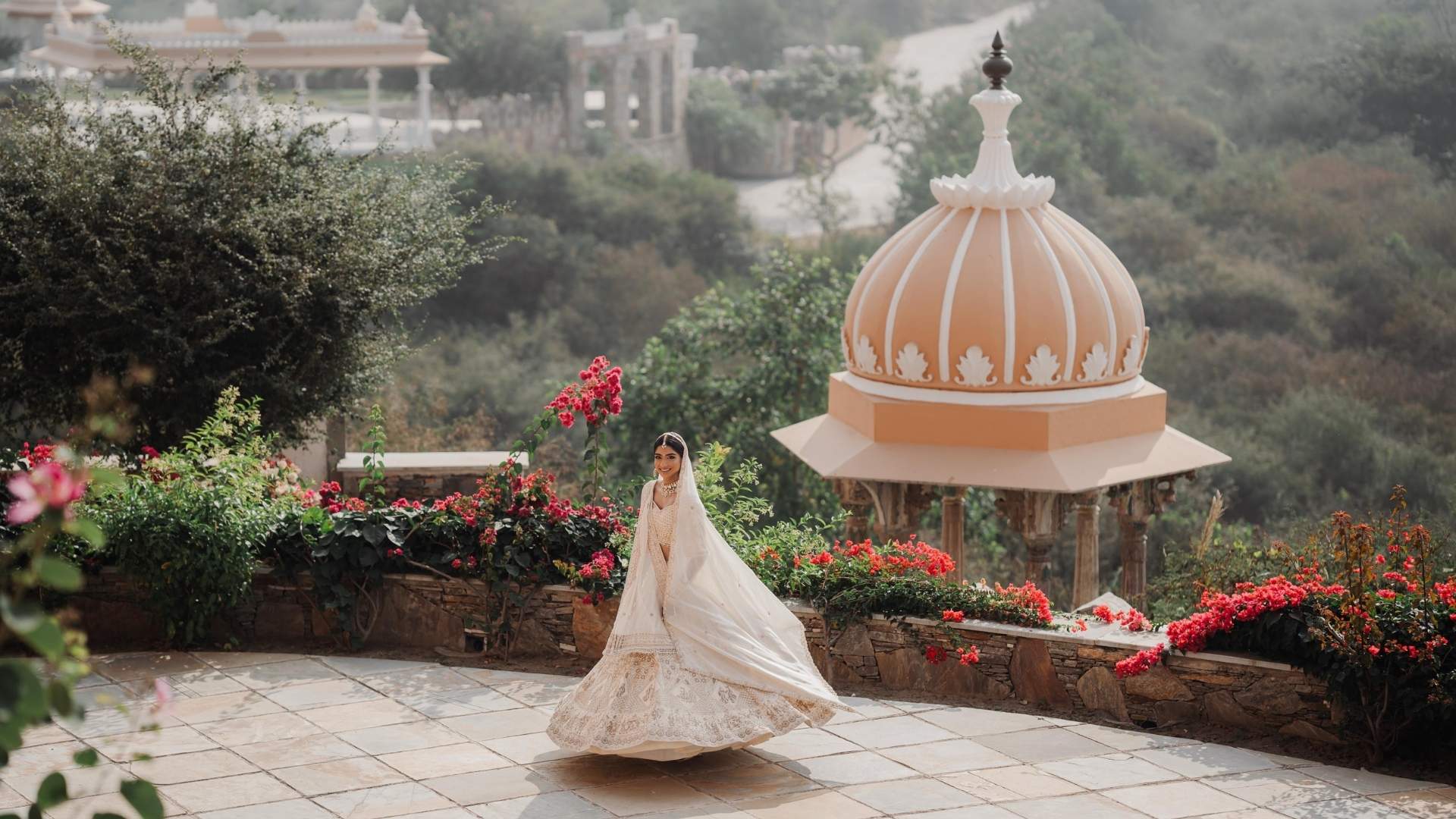
Fateh Collection intends to craft memorable weddings with a distinguished category of accommodations across an entire hillside, a mighty fortress with every amenity and Udaipur's grandeur.
Anant Rathore’s eldest son, Dushyant Singh Rathore, is now stepping into a leadership role within the hospitality business with the quiet confidence and demeanour befitting a Kunwar (prince), alongside a deep interest in and understanding of the complexities of managing a large hospitality enterprise. His wife, Shivanjali Singh, brings a compelling curatorial voice to the brand, shaping its approach to food, design, and artistic programming with a refined instinct for what each space requires.
“We want Fateh Collection to be known as a beacon of thoughtful, feminine-infused heritage luxury,” says Shivanjali Singh. “Warm, intuitive, and empowering — a place where heritage renaissance meets modern grace, and where every detail is designed to nurture the soul.”
The transition from one generation to the next feels less like a shift and more like a natural continuation of the family’s legacy. As the baton gradually passes to Dushyant, Yaduraj, and Rajyavardhan Singh Rathore, the business is also being shaped by a distinctive feminine perspective brought in by Madhavi, Shivanjali, and Riddhi, each playing an active role in defining the group’s modern approach.
Designed to host both intimate celebrations and opulent weddings, the collection remains deeply committed to creating meaningful impact in the lives of those associated with the group. The continuity feels genuine, rooted, and gloriously unperformed.
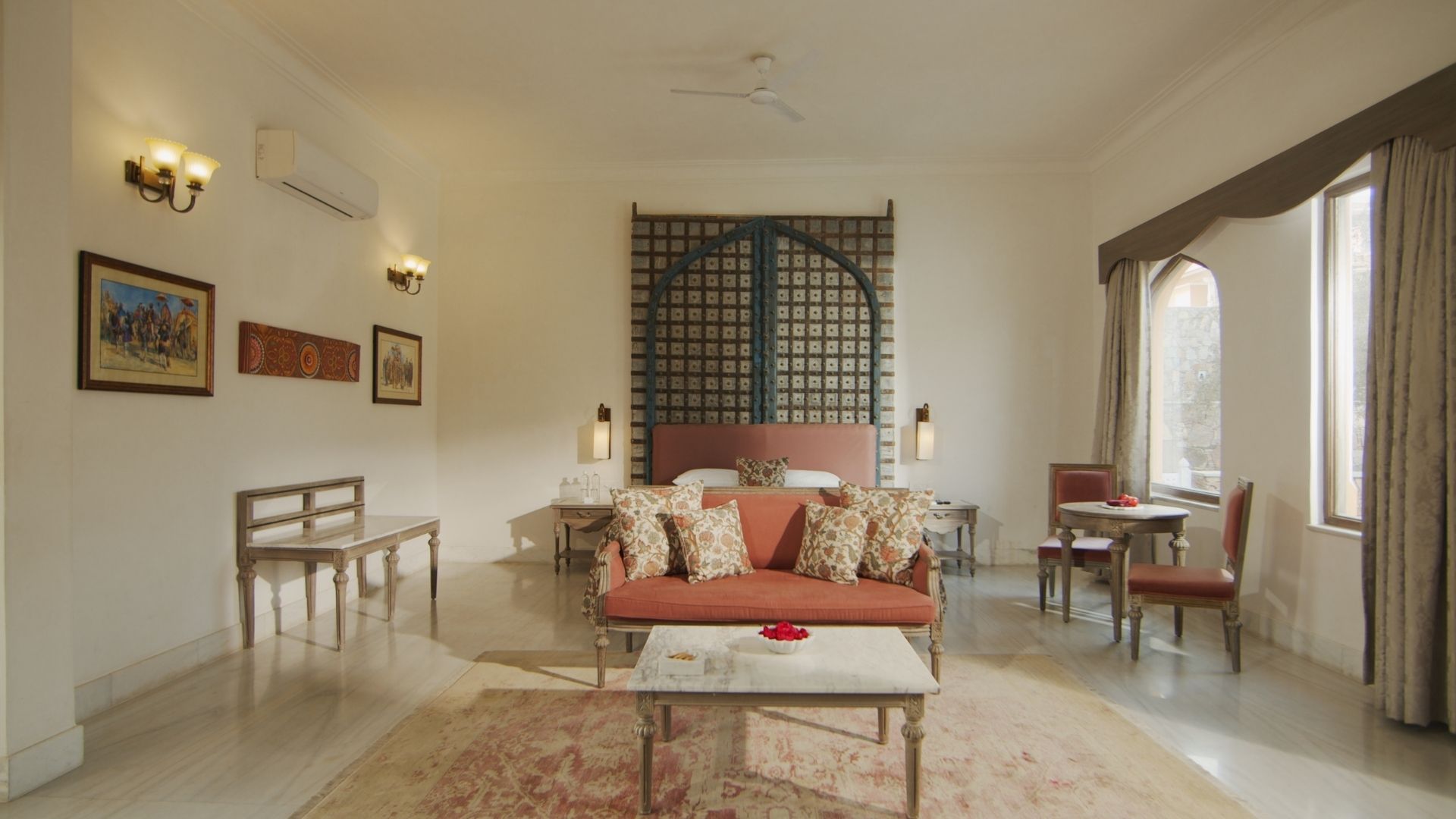
A charming royal reimagination makes Fateh Collection stand out with its expansive sites and a grand sense of space.