



















Beyond Green: How Hospitality Is Redefining Sustainability
From renewable energy and food waste reduction to regenerative tourism initiatives, the hospitality sector is exploring new ways to balance growth with environmental responsibility.


By Rachna Virdi
As World Environment Day brings renewed focus to the need for environmental action, the hospitality industry stands at a pivotal moment. Hotels and resorts are increasingly expected to reduce their environmental footprint while meeting the demands of a growing segment of sustainability-conscious travellers. In response, businesses across the sector are investing in eco-friendly initiatives, energy efficiency and generation, waste management, responsible tourism, and conservation efforts. Yet questions remain about how effectively these sustainability commitments translate into meaningful impact.
With this year’s theme, “Inspired by Nature. For Climate. For Our Future,” spotlighting the path forward, it is time to look at how the hospitality sector is embedding sustainability across every stage of the guest journey.
Committed to sustainable practices
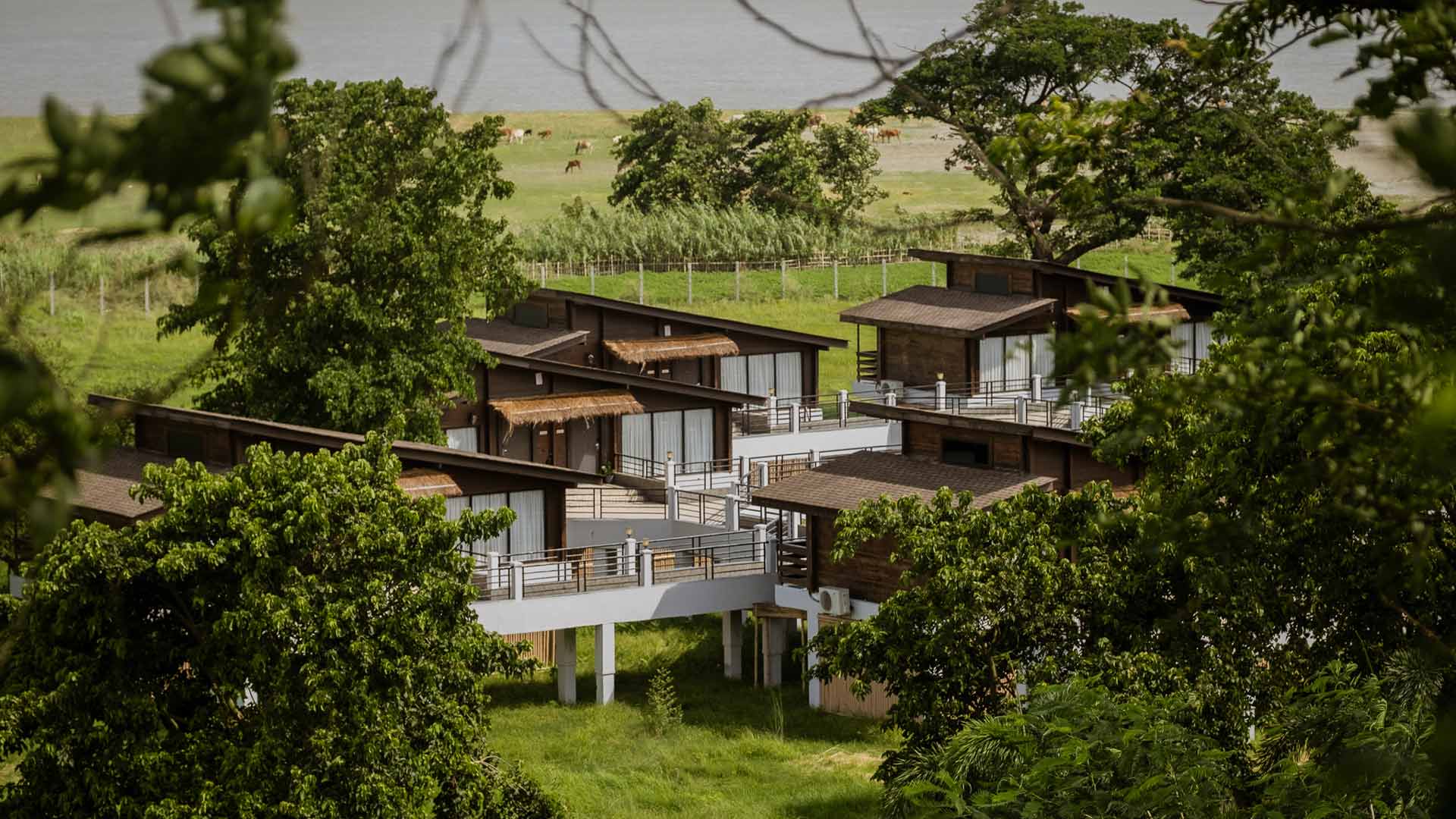
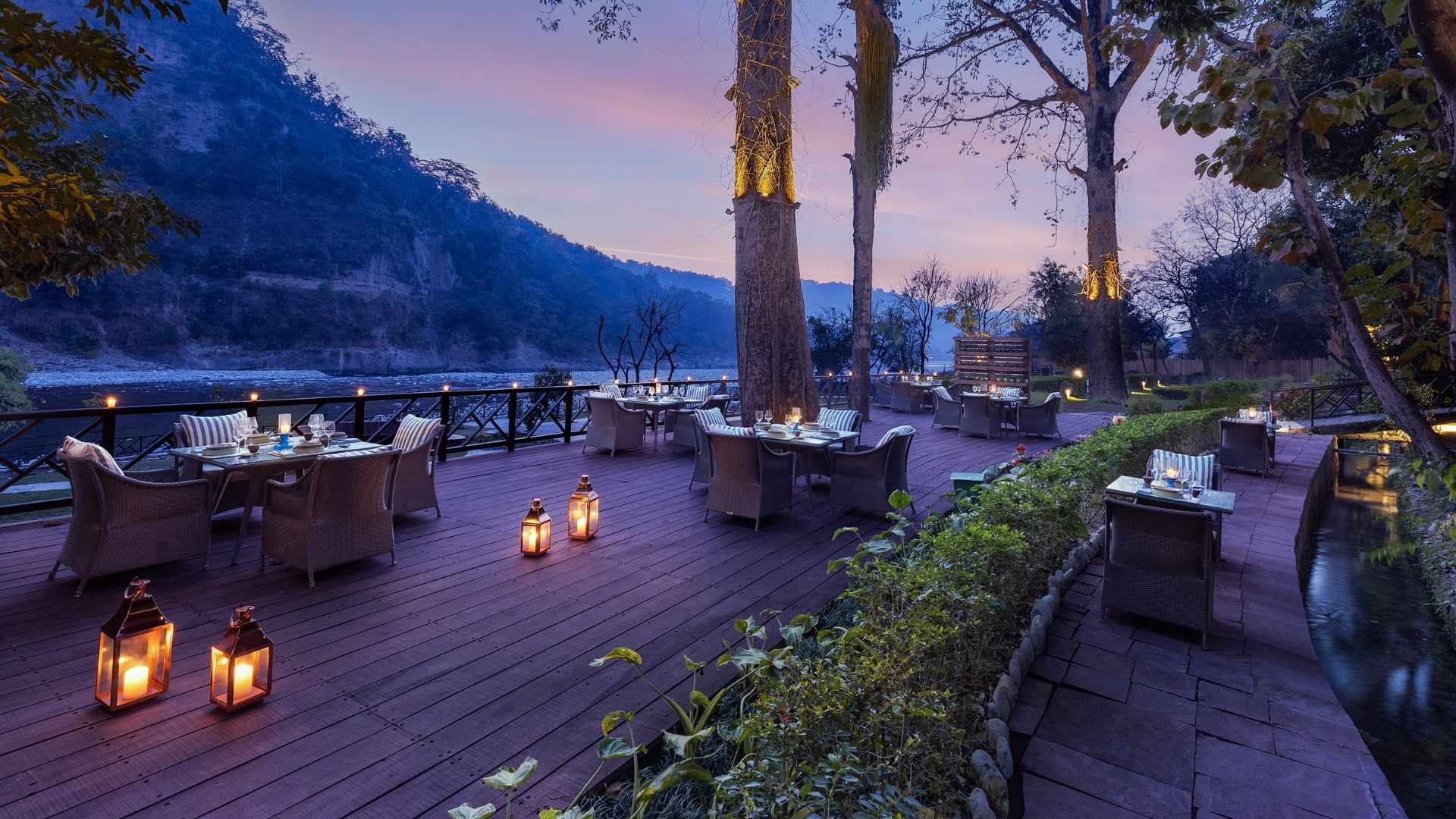
At Taj Corbett Resort & Spa, sustainability initiatives include solar energy, EV charging infrastructure, wastewater recycling, plantation drives, and the elimination of single-use plastics. Guests can also participate in river-cleaning activities and engage with local artisans and communities.
Rooted in IHCL’s Paathya framework, sustainability feels personal and deeply connected to the destination. Guests are encouraged to engage with the local ecosystem and community through river-cleaning initiatives, plantation activities, and interactions with regional artisans whose craftsmanship finds expression across the resort through handcrafted Munj grass amenities and locally sourced elements. The simplest gesture such as a thoughtfully packed local indigenous products gifted at departure or hyperlocal produce featured in everyday dining becomes reminders of a more mindful way of travelling.
According to industry experts, sustainability initiatives are no longer viewed as optional brand differentiators but as operational necessities. Rising energy costs, increasing consumer awareness, and evolving ESG expectations are encouraging hospitality companies to invest in efficiency measures that can deliver both environmental and financial benefits.
Practicising environmental responsibility
As part of their sustainability agenda, leading hotel groups are addressing food waste, single-use plastics, laundry consumption, and energy efficiency without compromising the guest experience.
Accor is strengthening its commitment to environmental responsibility through the adoption of zero-waste kitchen practices across its hotels in India. By integrating sustainable culinary techniques into daily operations, the Group is reimagining food and beverage services with sustainability at the core of its philosophy.
During high-volume service periods such as breakfast buffets, Accor hotels have implemented a range of measures to minimise food waste. These include using smaller plates to encourage mindful portion sizes, chef-led real-time replenishment of buffet stations, and batch cooking that aligns closely with guest demand. The initiative is further supported by the daily monitoring of occupancy levels and consumption patterns, enabling kitchens to accurately forecast requirements and reduce excess production.
Together, these practices not only help curb waste but also demonstrate how operational efficiency and environmental stewardship can go hand in hand, setting new benchmarks for responsible hospitality.
However, environmental advocates caution that isolated initiatives—such as eliminating single-use plastics or introducing electric mobility options—must be accompanied by broader efforts to reduce overall resource consumption and carbon emissions if the sector is to achieve meaningful sustainability goals.

Promoting mindful mobility
At The Leela Gandhinagar, guests can explore the property using e-cycles, offering a low-impact alternative to conventional transport. The initiative reflects a broader trend of hotels introducing environmentally conscious experiences alongside traditional luxury offerings. Designed as a low-impact alternative to conventional transportation, the experience encourages guests to explore the property’s serene surroundings at a relaxed pace while reducing their environmental footprint.
The initiative reflects a broader shift in luxury travel, where guests increasingly seek meaningful and environmentally responsible experiences without compromising on comfort or sophistication. By promoting conscious exploration, the hotel offers travellers an opportunity to connect more deeply with their surroundings while supporting sustainable practices.
“The introduction of e-cycles is a step towards encouraging mindful exploration, while reinforcing our ongoing efforts to embed sustainability into every aspect of the guest journey,” says Vikas Sood, General Manager, The Leela Gandhinagar.
Through initiatives such as these, The Leela Gandhinagar is not only advancing its sustainability goals but also inspiring guests to adopt more conscious travel choices. As environmental awareness continues to shape consumer preferences, experiences that blend luxury with responsibility are increasingly becoming a defining feature of modern hospitality.

Investing in renewable energy
Renewable energy is becoming a key focus area for hospitality businesses looking to reduce their environmental footprint. At Siyam World Maldives, the first phase of a new solar photovoltaic system is now generating 300 kW of renewable energy, with plans to expand capacity to 2.7 MW.
The project is expected to produce nearly six million kWh of clean energy annually across the group, reducing reliance on diesel-powered generation. The first phase alone generates around 1,080 kWh of electricity daily, cutting diesel consumption by an estimated 280 litres a day.
Beyond lowering emissions, the initiative also includes training for local engineering teams in solar system management and maintenance, highlighting how renewable energy investments can support both environmental goals and long-term operational resilience.

Marine conservation programmes
Four Seasons Resorts Maldives’ most globally recognised conservation initiative is the Maldives Manta Conservation Programme (MMCP). Over the past two decades, MMCP has identified nearly 6,000 individual reef manta rays from more than 90,000 photo-identification sightings, the largest known manta population anywhere on the planet. Research extends beyond identification into behavioural studies, population dynamics, and understanding how environmental conditions and tourism interactions influence manta movements across the Maldivian archipelago.
In the UNESCO-protected waters of Baa Atoll, MMCP scientists are also decoding the precise environmental “recipe” that drives zooplankton blooms in Hanifaru Bay knowledge that allows researchers to better predict the timing of extraordinary mass manta feeding events. For guests, this science translates into rare experiences such as Manta On Call, where sightings prompt immediate alerts and speedboat departures for unforgettable encounters on the open ocean.

Rethinking packaging
For Great Galleon Ventures Limited (GGVL), sustainability begins at the source. Rather than treating environmental responsibility as a standalone initiative, the company has embedded it across its operations through its Bold Planet charter—from raw material sourcing and manufacturing processes to packaging design and product lifecycle management. The approach is already delivering measurable results. Nearly 60 per cent of the company’s bottle utilisation now comes from recycled glass, placing it among the industry leaders in circular packaging practices. At the same time, mono-cartons are being phased out of future packaging designs to further reduce material consumption and waste.
“Most of the industry still treats sustainability as a communication exercise—you launch a green campaign, print something on the label, and call it done,” says Utsav Kedia, Vice President–Business Growth, Great Galleon Ventures Limited. “We’re trying to make it an engineering problem instead. That means going back to basics: what is the bottle made of, how heavy is it, and what happens to it after it’s emptied.”
The transition to rPET reduces water consumption by more than 5.7 million litres, lowers energy use by 3.8 million megajoules, cuts carbon emissions by 140 tonnes, and decreases solid waste generation by 42 per cent across the product lifecycle. These gains are particularly significant in a market where less than one-third of plastic waste is recycled.

Responsible river tourism
By combining authentic exploration with environmental care and respect for local communities, Antara Cruises continues to reinforce its leadership in sustainable cruising.
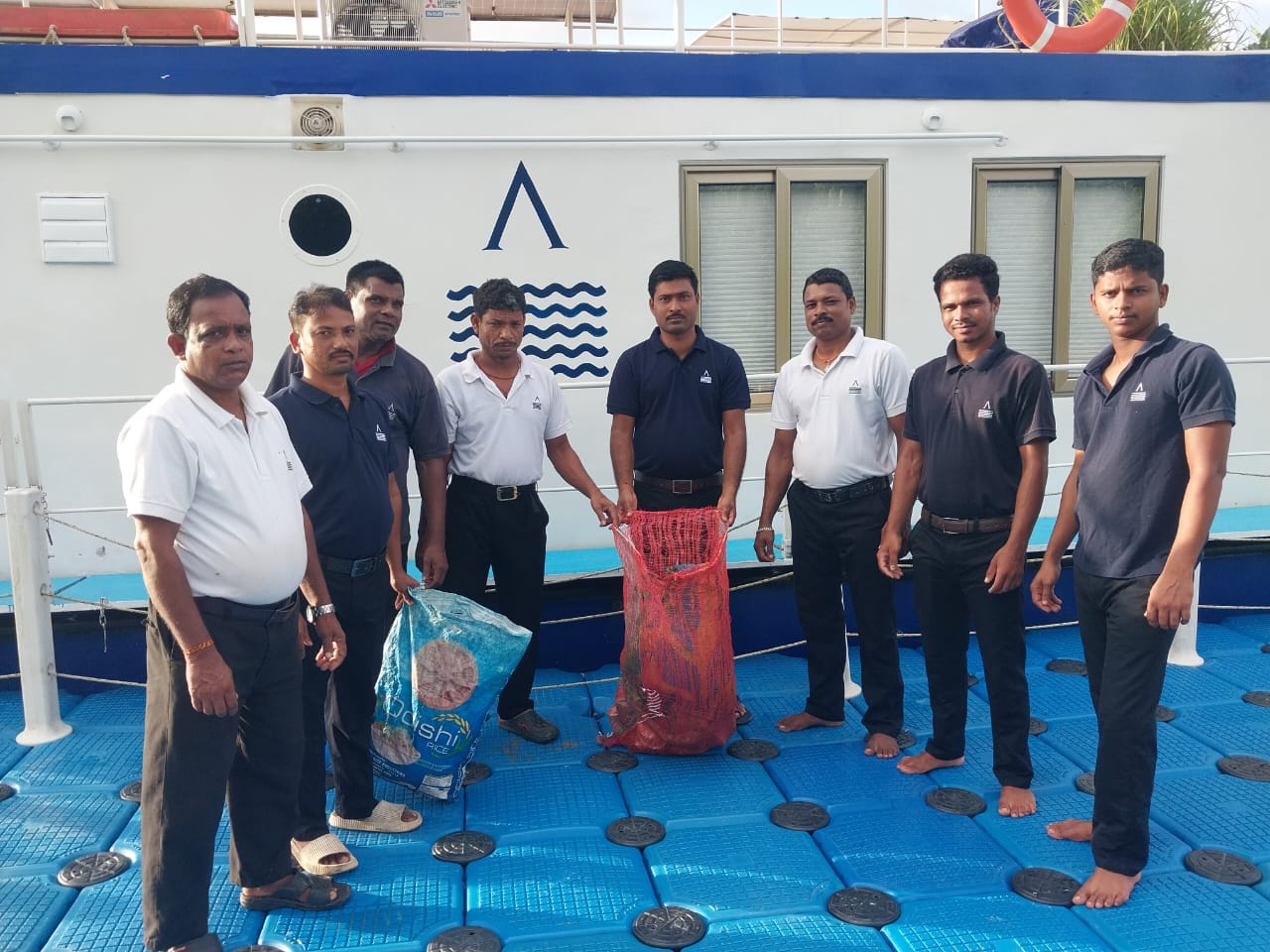
In Bhitarkanika National Park, Antara’s catamarans and crew follow rigorous cleanliness and waste management practices around Gupti jetty and during guest excursions. The team ensures that the jetty area remains clean and free from litter such as plastic bottles and wrappers. During each cruise, onboard waste is brought back to land and disposed of responsibly in bins installed by the Forest Department. Antara’s naturalists and accompanying forest guides also collect any plastic bottles or wrappers spotted during jungle walks with guests, ensuring they are discarded in designated bins.
“Bhitarkanika is one of India’s most pristine and biodiverse mangrove ecosystems. Our team takes immense pride in preserving its purity by maintaining high standards of cleanliness and environmental care,” says Vineet Arora, Chief Operating Officer, Antara Cruises. “At Antara, sustainability is not an initiative—it is an integral part of how we operate and engage with nature.”
While the sector has made visible progress through various sustainable initiatives, the real test lies in scaling these efforts and delivering measurable outcomes.