












Hilton and Royal Orchid Hotels to Accelerate India’s Mid-Market With Roll-Out of Hampton by Hilton
Royal Orchid Hotels’ partnership with Hilton to bring 125 Hampton of Hilton Hotels to India is designed for India’s next hospitality curve, and responds to a clear gap in the country’s mid-scale segment.

By Deepali Nandwani
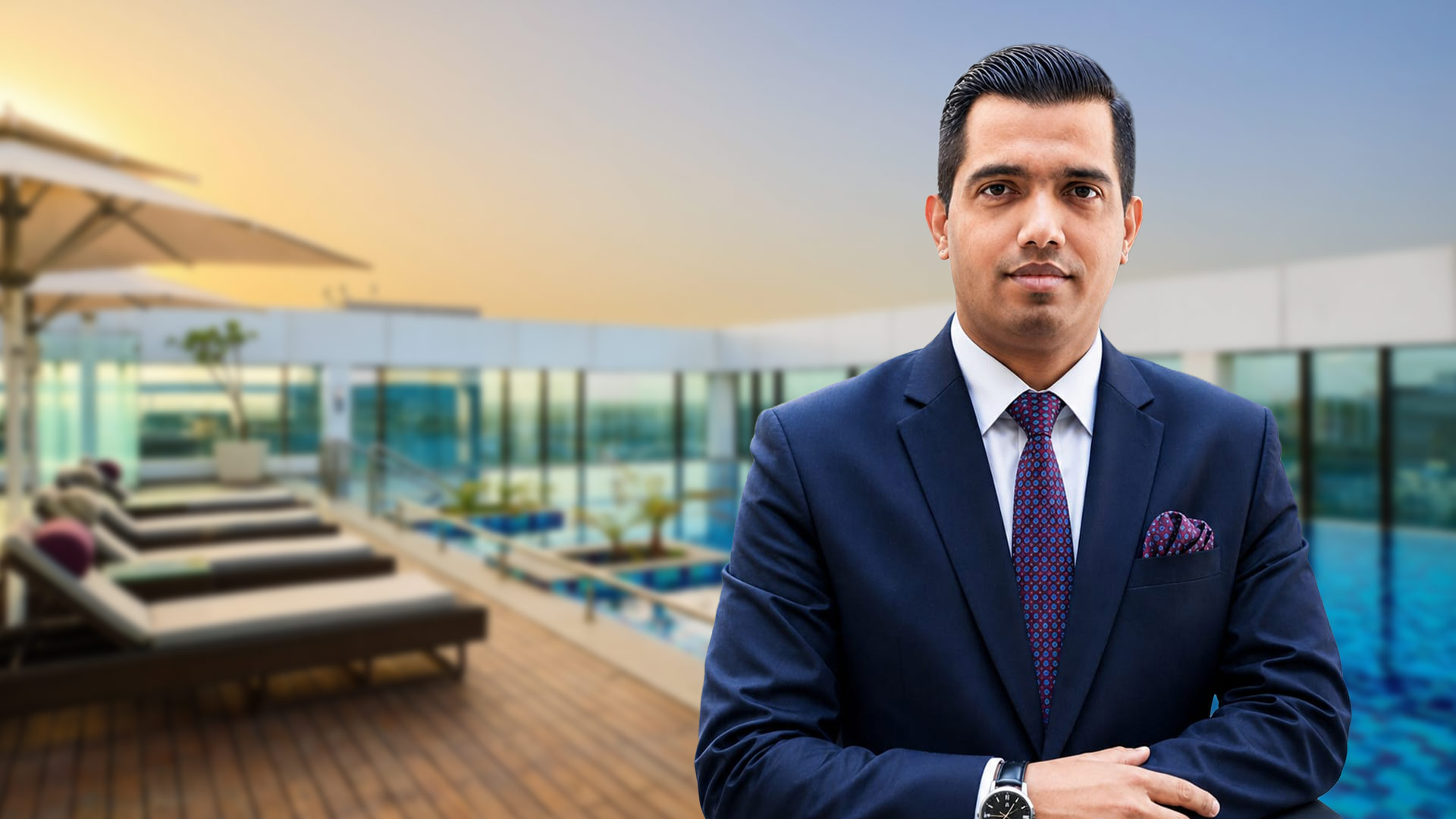
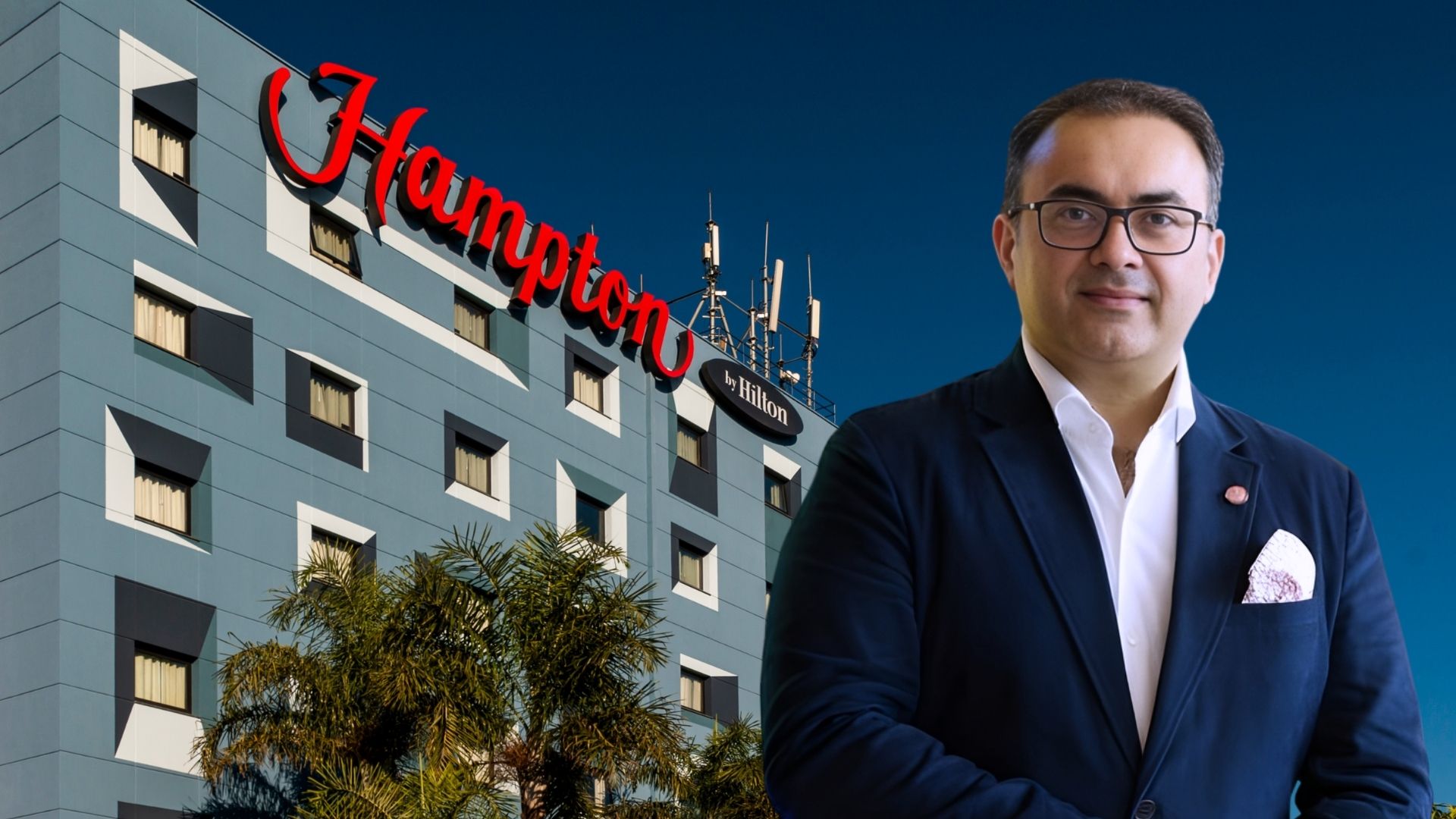
In a move that would change the mid-market dynamics in the Indian hospitality industry, particularly in the Tier-2 and 3 cities, Arjun Baljee, President, Royal Orchid Hotels and Founder, ICONIQA Hotels & Resorts, has partnered with Hilton to bring the Hampton of Hilton Hotels to India.
Baljee plans to build 125 Hampton by Hilton hotels across India. Geographically, the company is prioritising six states—Goa, Karnataka, Andhra Pradesh, Telangana, Tamil Nadu and Maharashtra—where the mix of metros, business hubs, pilgrimage circuits and leisure destinations creates sustained demand. “We see immense opportunity between the metros and tier 2, tier 3 cities,” he says. “There’s enough to do.” The ambition to roll out 125 hotels reflects confidence not only in the brand but also in the underlying demand structure of India’s mid-scale segment.
In a hospitality landscape animated by consolidation headlines, strategic alliances are increasingly common. Yet not all partnerships are created equal. Some are designed to capture momentum in a buoyant market. Others emerge from a more deliberate exercise in portfolio building. For Baljee, the decision to partner with Hampton by Hilton appears firmly in the latter category—one shaped by structural gaps, long-term brand architecture and a clear-eyed view of where Indian hospitality growth is headed.
“These partnerships take time, and they happen over a couple of years because it’s more like a marriage,” the hotelier says candidly. “This isn’t us selling a stake. This is us being custodians of the Hampton brand.” The distinction is important. Stewardship requires alignment, not only on commercial outcomes but also on values, positioning and operational discipline. “They have to be comfortable knowing that you will do right by their brand,” Baljee explains, “and then you have to figure out the math behind it… Everything we do has to accrete shareholder value.”
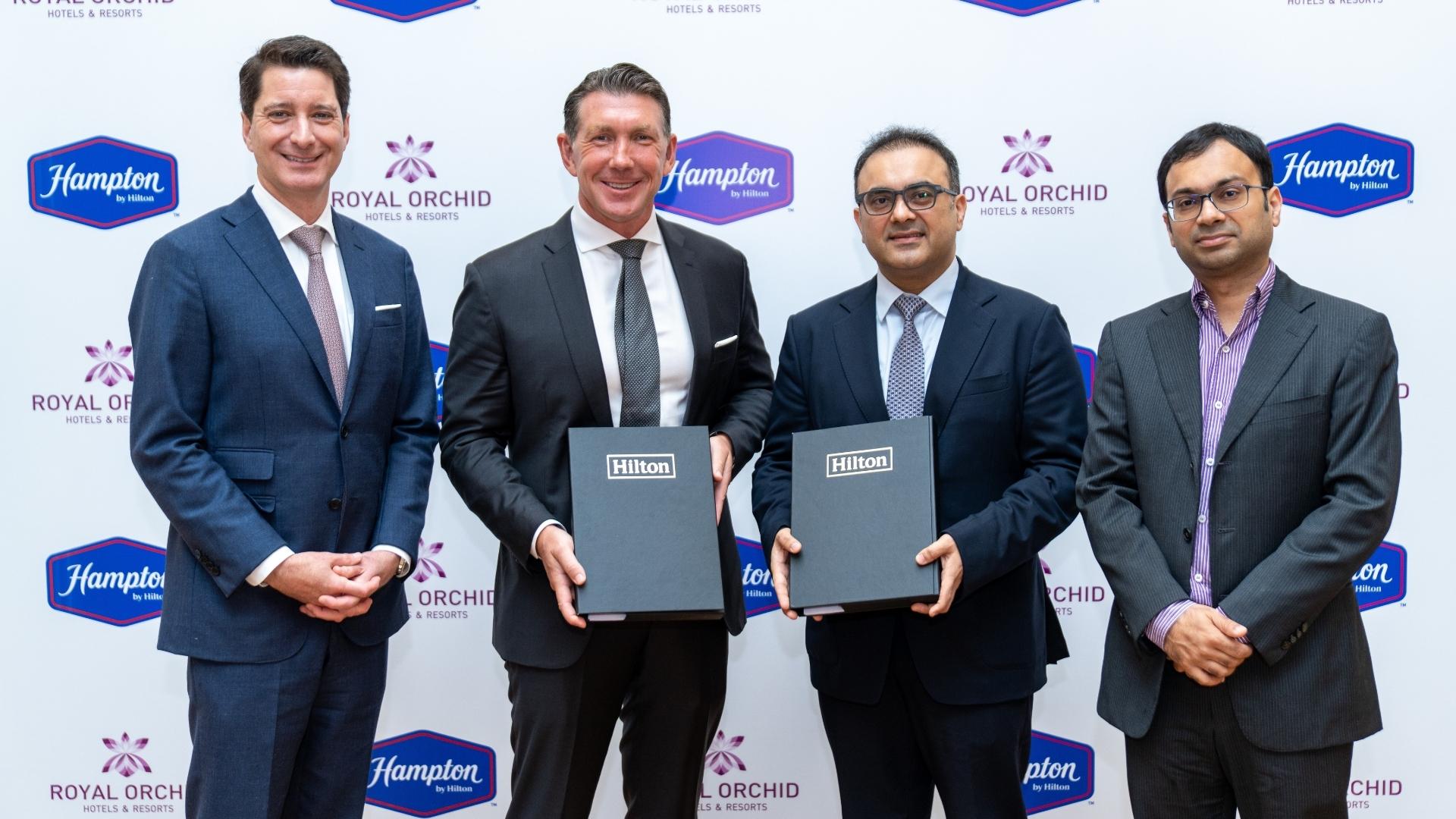
Christian Charnaux, Executive Vice President and Chief Development Officer, Hilton; Alan Watts, President, Asia Pacific Hilton; Arjun Baljee, President, Royal Orchid Hotels and Keshav Baljee, Executive Director, Royal Orchid Hotels.
The Indian hospitality segment is on a roll. Over the past 18 months, the industry has witnessed a steady stream of mergers, equity transactions and partnerships, creating what Baljee describes as “a lot of fluff, a lot of hype.” The easier route, he admits, would have been consolidation. “The easiest would have been to do a merger or sell. But if we did that, then what would I do? I’m still young, I don’t want to retire.” The more relevant question, therefore, became: where are the meaningful gaps in the brand stack for the next decade?
Mapping the existing portfolio reveals a carefully tiered structure. Iconica sits at the upper-upscale lifestyle end, while Regenta continues to serve as the dependable four-star business offering, complemented by Regenta Place for smaller formats and Regenta Z as a “tech-first, limited service” proposition. Yet between Regenta Place and Regenta, “there’s this nice big gap,” says Baljee.
The search, therefore, was for a brand with legacy but also contemporary relevance—one that could operate within development economics suited to Indian markets. “You have to find a hotel brand that has legacy yet has reinvented itself with modern design,” he says. “And you have to figure out what the Indian customer wants at a development price point that is palatable to the Indian hotel owner.” That calculus ultimately led to Hampton.
Strategically, the partnership also strengthens the company’s development proposition. “When we meet developers, this allows us to offer an international hotel brand along with our Indian hotel brand,” Baljee explains. The distinction between the two is deliberate. “Regenta is predominantly conversion. Hampton is a straightjacket build.” Together, they create complementary pathways for growth.
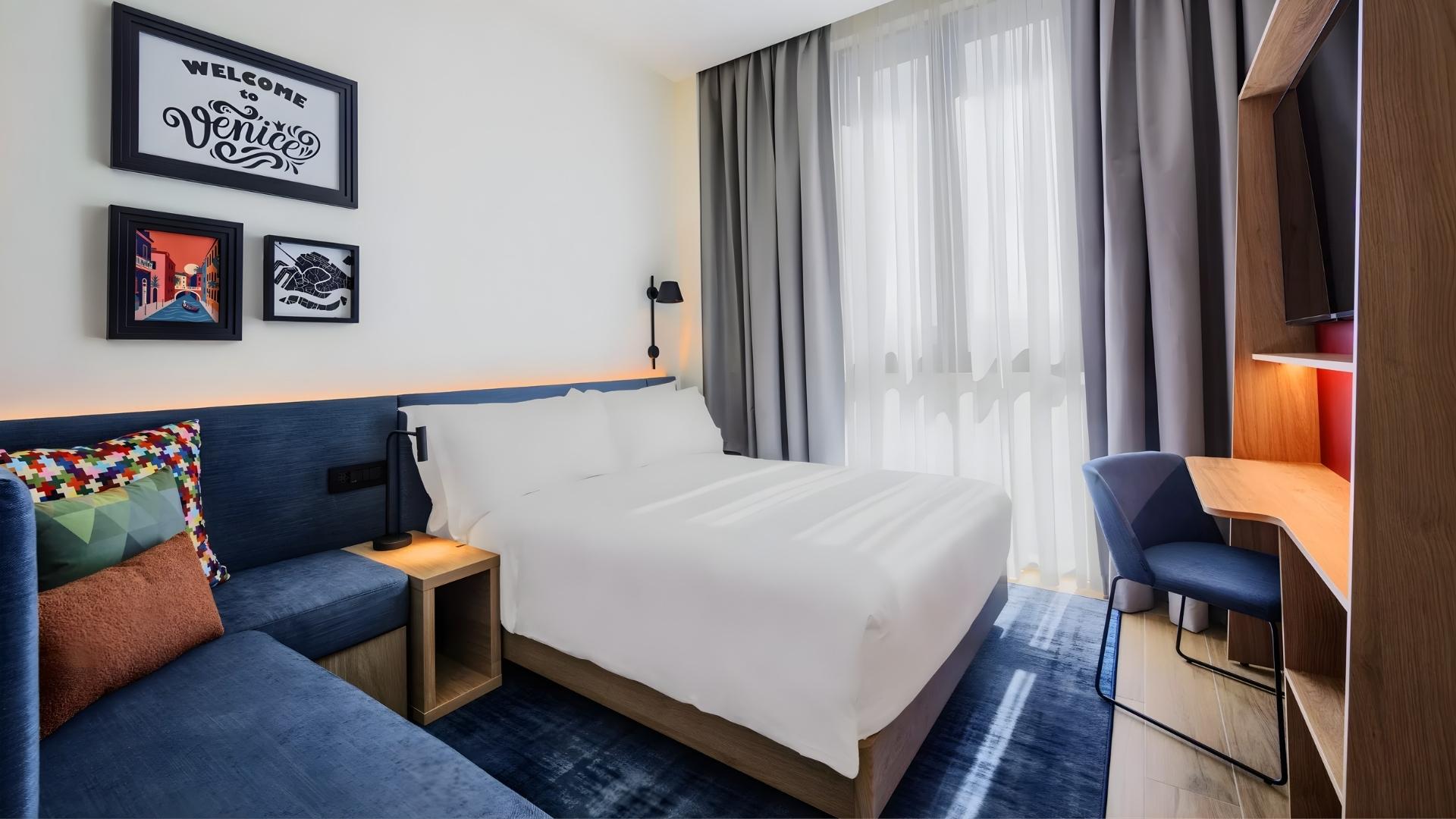
An interior image of Hampton by Hilton hotel.
Part of the appeal lies in the brand’s familiarity among Indian travellers abroad. “We’re an India-first hotel company catering to the Indian audience,” he emphasises. “A vast majority of mid-market India, when they travel abroad, look at Hampton.” For developers in emerging cities, the association carries symbolic weight. “In a Tier 2 or Tier 3 city, that will be the Hilton of the city. It isn’t so much a Hampton—it’ll be the Hilton of the city, and that is a huge point of pride.”
Equally compelling is the economic logic. “The development cost of Hampton is something that is palatable to tier 2 and tier 3 cities,” Baljee says, adding that global scale brings operational advantages. “Your cost of customer acquisition automatically drops. And then you’re part of a 9,500-hotel company where Hilton Honors is a huge thing driving business.” Hilton’s early presence in India has also ensured strong brand recall, further strengthening the proposition.
Yet global brands inevitably encounter local nuance. “The Indian traveller always wants more than he’s paid for,” he observes with characteristic candour. “We’re used to larger rooms, we’re used to more khateer daari, we’re not as matter-of-fact as some other cultures.” Attempts in the past to introduce minimal service formats—where guests carried their own luggage or relied on limited amenities—met with resistance. “Room service not being there never worked,” he recalls.
The Indianisation of Hampton will therefore focus less on altering the visual identity and more on adapting service rituals. “There’s product consistency and then there’s service consistency,” he explains. “Service as a concept has to be Indianised.” Practical realities influence design decisions as well. “Indians travel heavy as a culture; we just travel heavy. The ability to put two suitcases in the room rather than one… the ability to have a couple of friends hanging out in your room… that’s going to happen.”
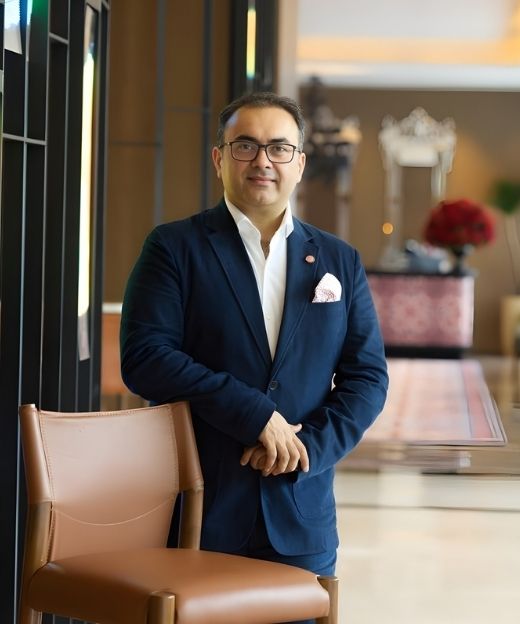
Arjun Baljee, President, Royal Orchid Hotels and Founder, ICONIQA Hotels & Resorts.
We see immense opportunity between the metros and tier 2, tier 3 cities,. There’s enough to do.
Arjun Baljee
President, Royal Orchid Hotels & Founder, ICONIQA Hotels & Resorts

Even aesthetic details will subtly reflect local context. “The product will look similar across the board,” says Baljee, “but there may be elements that will be slightly Indianised. However, you’ll get a sense that this is a Hampton, but with local character.”
Breakfast, one of Hampton’s most recognisable global signatures, illustrates the complexity of localisation. “The reality is that the Indian breakfast… north to south… it is absurd,” he laughs. “If you tell a guest there is paratha and eggs, the next question is, ‘kyun puri nahi hai’?” A rotating menu that balances regional diversity may offer a practical solution. “Maybe one north Indian, one south Indian and one western dish per day. We’re not going to get away with a croissant and scrambled egg.”
The clarity of segmentation has been a central focus for Baljee over the past two years. “When I joined the business in 2024, the first task was to take 80-odd hotels across multiple Regenta formats and bucket them so the customer knows what a Regenta Place is,” he says. Defining price points, service expectations, and brand cues
ensures predictability, a critical factor in mid-market hospitality.
The launch of Iconica further illustrates the group’s evolving philosophy. “We deliberately don’t use the word five-star or luxury,” he says, “because it is a mindset that we’re going after.” The brand targets a customer who blends business and leisure seamlessly and values efficiency as much as design. “You have to design for one particular customer,” he says. “If others come, that’s magic.”
Operational innovations such as in-room laundry closets at Iconiqa, for instance, stem directly from this thinking. “You call and ask for an iron and they say they’ll get it back in six hours. Are you kidding me? I’ve got a meeting in 30 minutes.” Removing friction points, he believes, builds trust as much as comfort. “Small things about where you put the second suitcase… the tea and coffee machine… taking away mistrust between the front desk and the guest.”
In this context, Hampton is less an addition and more an extension of a clearly defined strategy. “It augments our portfolio and increases the ability for us to grow, and grow faster,” says Baljee. At a time when scale is often pursued for its own sake, the partnership suggests a more calibrated approach: one that prioritises clarity of positioning, operational discipline and a nuanced understanding of the Indian traveller. Or, as he puts it succinctly, “you have to be honest and true to your DNA, and choose a partner that fits.”