












Sterling Aims To Lead Meaningful Journeys For Indian Travellers: Vikram Lalvani
In an exclusive interview, with SOH, Vikram Lalvani, Managing Director & CEO of Sterling Resorts, reflects on Sterling’s journey of reinvention, the principles shaping its leadership and culture, and how the brand is positioning itself for the next phase of Indian hospitality.


By Rachna Virdi
In a hospitality landscape shaped by shifting travel motivations and a renewed appetite for meaningful journeys, Sterling Holiday Resorts has been quietly redefining what scale and relevance look like in Indian leisure travel. Under the leadership of Vikram Lalvani, Managing Director & CEO, the brand has evolved into an experience-led hospitality platform rooted in trust, destination depth and repeat preference—serving travellers who seek more than just a place to stay.
Sterling’s strength today lies not in any single format, but in its ability to deliver consistently across diverse travel motivations—from wilderness lodges and pilgrim retreats to waterfront escapes, hill destinations and business-ready city hotels. Rather than chasing cosmetic growth, the brand has focused on building connected circuits, culturally rooted experiences and a people-first organisation that understands why Indians travel the way they do.
In an exclusive conversation, Vikram Lalvani reflects on Sterling’s journey of reinvention, the principles shaping its leadership and culture, and how the brand is positioning itself for the next phase of Indian hospitality—one defined by purpose, authenticity and deeper engagement with destinations.
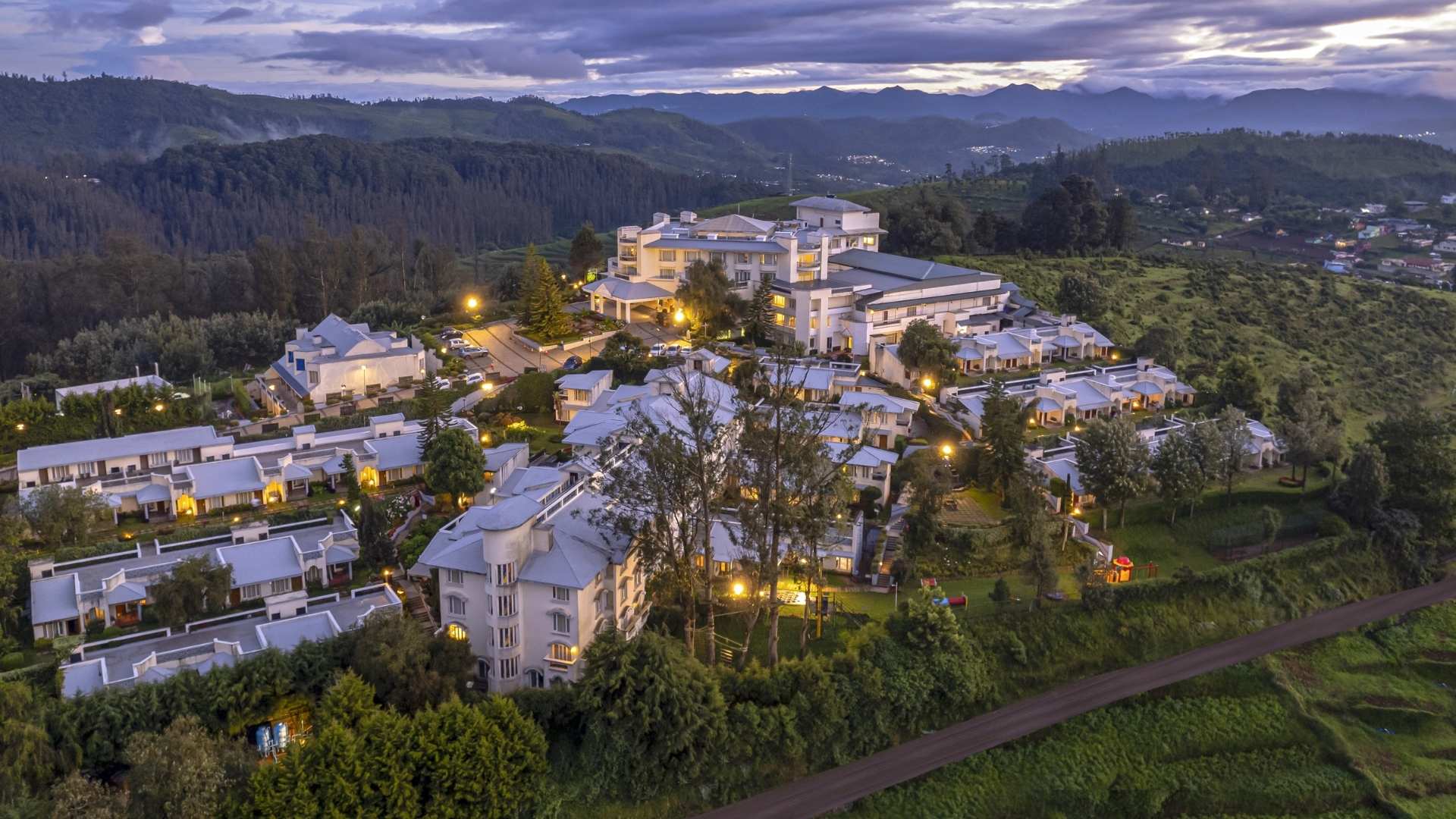
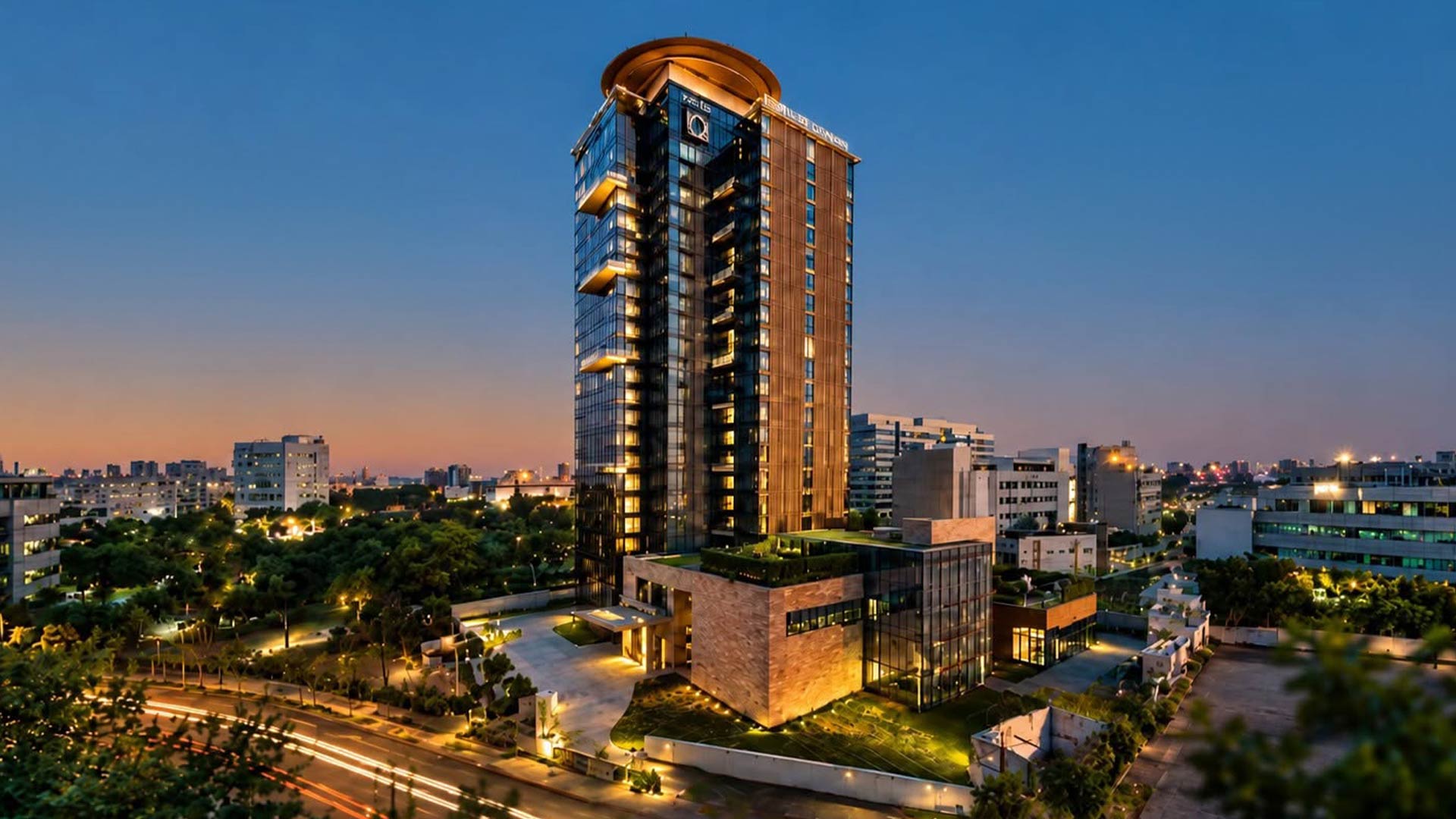
Sterling Ooty Fernhill is a blend of corporate sophistication and holiday adventure at its best.
What defines Sterling Holidays as a legacy brand?
Sterling’s legacy is trust built over decades—anchored in Indian leisure travel and strengthened by repeat guests who return because they know what Sterling stands for: dependable hospitality in destinations that matter. We began in an earlier era of vacation ownership, but what has endured is deeper than any one model: families associating Sterling with “their India” across seasons, life stages, and milestones. Today, that legacy shows up in our ability to consistently deliver across very different travel motivations—wilderness lodges, pilgrim retreats, and waterfront escapes—without losing the warmth and reliability that made the brand familiar in the first place. As we expand into newer, lesser-known destinations, our aim is simple: give travellers compelling reasons to return—because the stay felt meaningful, the service felt human, and the place felt worth discovering.
How did Sterling Holidays make the shift from being a legacy brand to a more modern, experiential brand?
The shift began with a clear realisation: guest expectations were evolving—and we had to evolve with them. Sterling moved from being primarily a stay-led brand to becoming an experience-led hospitality platform designed for the curious, connected traveller. This wasn’t just a business transformation; it was a cultural one. We redefined our purpose internally—from “selling rooms” to curating stays that linger long after checkout. That intent now reflects in everything we do: how we choose destinations, how we design spaces, how we build local immersion, and how we deliver warmth consistently at scale. The outcome is a brand that still carries nostalgia—but expresses it through contemporary experiences, stronger storytelling, and a more intentional role in how Indians explore their own country.
What drove the reimagining of Sterling’s membership, and what has changed?
Over the last few years, we’ve deliberately shifted away from rigid, contract-led constructs and repositioned Sterling as a contemporary, experience-first hospitality brand. Today, our growth is driven by resorts being chosen on merit—destination relevance, design-and-experience philosophy, weddings and MaxiMICE capabilities, and the credibility of the Sterling promise—rather than by any “locked-in” mechanism.
What has replaced that approach is a more modern understanding of loyalty: it’s not contractual; it’s earned. Repeat preference comes when the brand fits naturally into how people travel today—short breaks, work-from-anywhere stays, multi-generational holidays, theme-based circuits, and discovery-led itineraries. Our focus is to build an ecosystem that rewards trust through flexibility, personalisation, and consistently meaningful stays—so guests choose Sterling again, simply because it works beautifully for their lives.
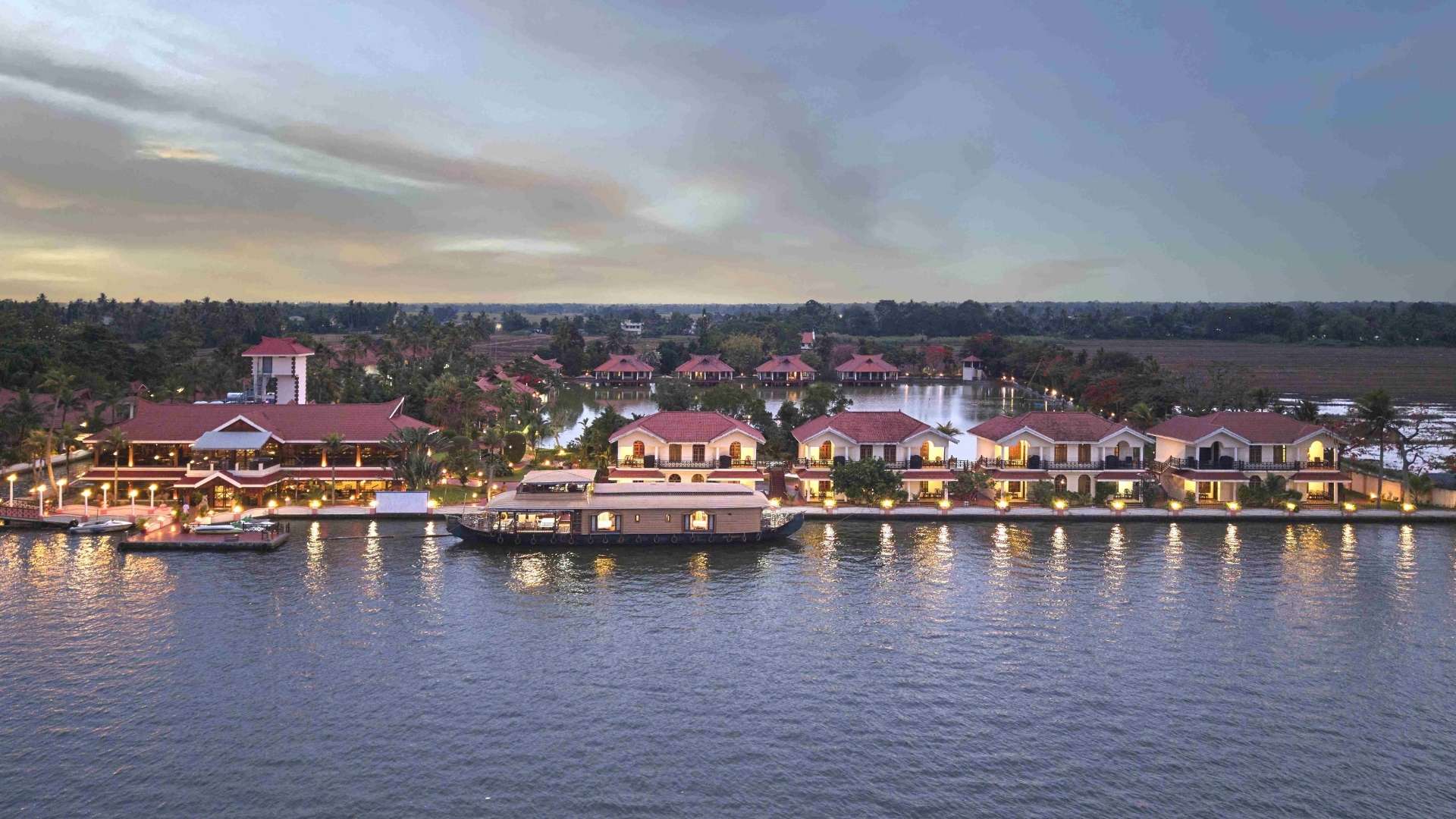
Sterling Lake Palace Allepey overlooks Vembanad Lake and is surrounded by paddy fields.
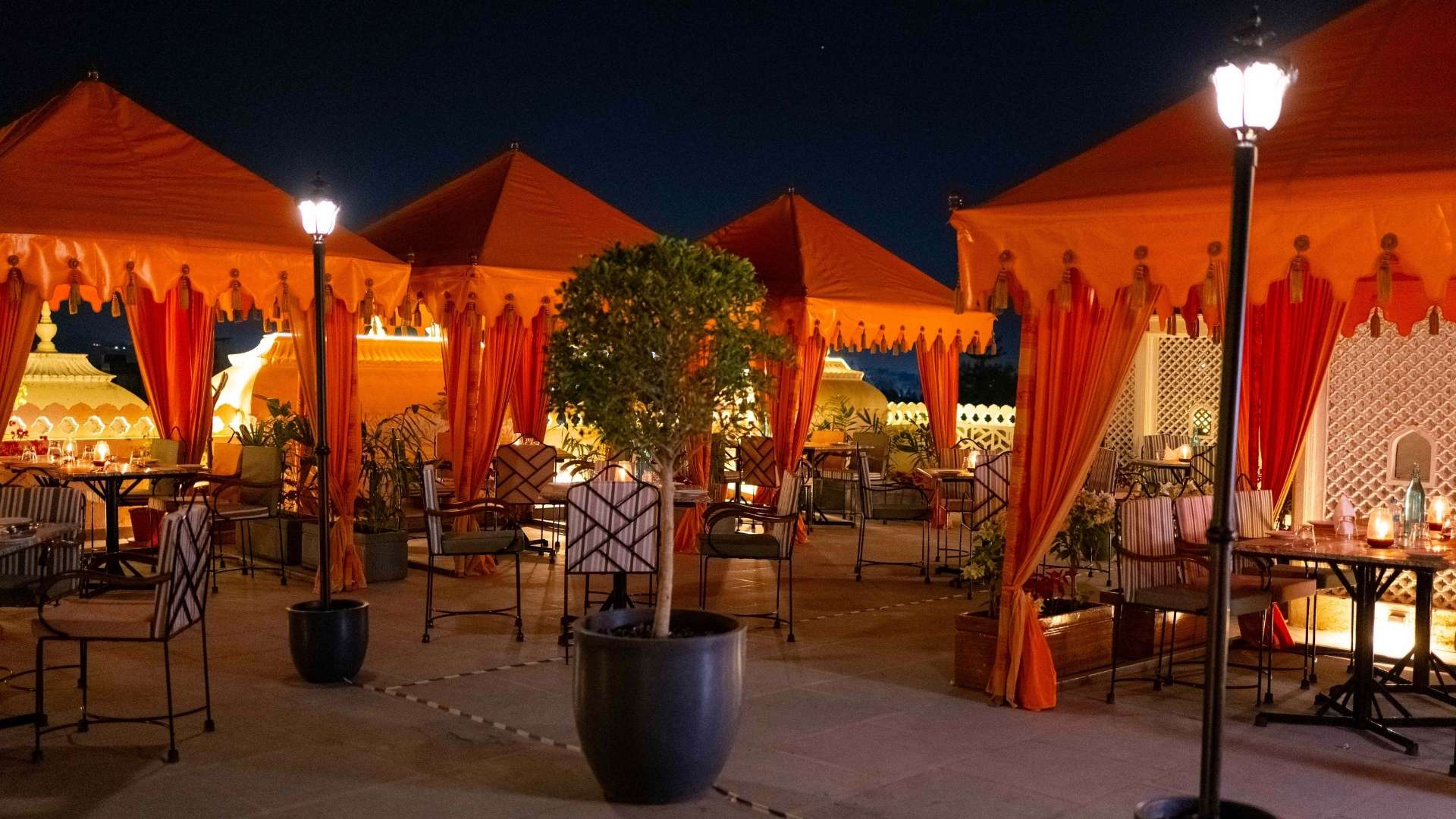
Udaipur Katha, a refined rooftop dining at Sterling Jaisinghgarh, is all about story-led experiences.
How do you position Sterling Holidays in India’s upscale leisure travel space today?
Sterling today is a benchmark in leisure-led hospitality—and increasingly, a bellwether for India’s bleisure movement. What began in hill towns has grown into a network that spans Himalayan retreats, tiger-trail lodges, riverfront escapes, pilgrimage hubs, and a new generation of business-ready city hotels in tier 2 and tier 3 growth corridors.
Our expansion is the outcome of strategy, not cosmetic growth: building circuits, creating destination clusters, and scaling through an asset-right approach—so we can move fast while keeping standards tight. The advantage we bring to the market is simple: leisure demand is harder to build than business travel, and Sterling has proven strength there. That lets us reverse-engineer the bleisure funnel—helping travellers move seamlessly from boardroom to bonfire, or from pilgrimage to poolside, within one trusted ecosystem.
What is the Sterling One initiative, and what does it aim to achieve?
Sterling One is a “scale-without-friction” initiative built to make Sterling easier to sell, book, and deploy—especially for trade and corporate partners. At its core, it digitises the partner interface so travel agents, DMCs, and corporate travel planners can self-serve efficiently, with far less manual intervention. The outcome we’re aiming for is speed, transparency, and scalability: partners get faster confirmations and cleaner workflows; we get meaningful growth without inflating overheads. Strategically, Sterling One strengthens our distribution engine across leisure, MaxiMICE, and corporate offsites—so our expanding resort network is supported by an equally modern, partner-friendly platform that can keep pace with our growth ambitions.
As Sterling scales, what behaviour do you personally role-model to protect the company’s culture?
I try to role-model presence over position—staying accessible, listening more than speaking, and being equally engaged whether I’m in a boardroom or at a resort site. Culture doesn’t survive through statements; it survives through everyday behaviour. If teams see leaders being curious, respectful, and grounded—especially during change—that behaviour travels faster than any policy ever could. When you protect the human tone of the organisation as you scale, you protect the guest experience too.
Which emerging travel trends are influencing Sterling’s strategic direction?
Three shifts stand out. First, the rise of short, drive-to breaks—urban congestion plus better connectivity is pushing travellers toward quick getaways that are easy to plan and high on experience. Second, the demand for deeper, more local immersion: travellers want culture, cuisine, nature, and stories—not just a room with a view. That’s where our Discoveries & Experiences programme and Soil to Soul experiences fit naturally—making the destination the hero. Third, wellness and slow travel are becoming mainstream, expressed in new formats: workcations, sleepcations, pet-friendly travel, digital detox zones, and multi- destination circuits. Our strategy is to stay culturally rooted and experience- driven—while using technology to enhance human warmth and make each journey feel more personal, not more automated.
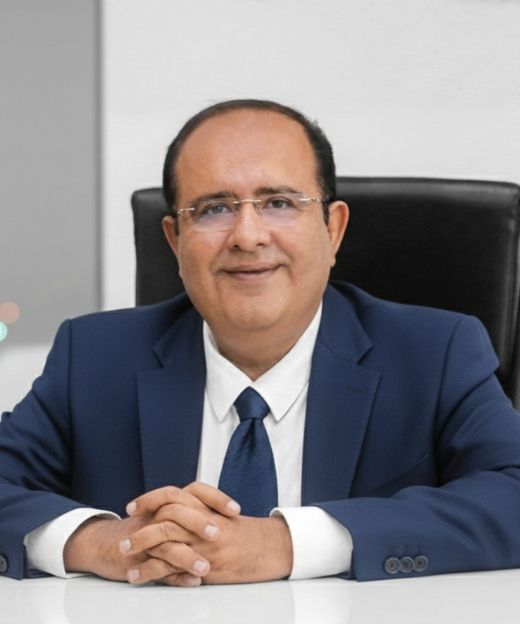
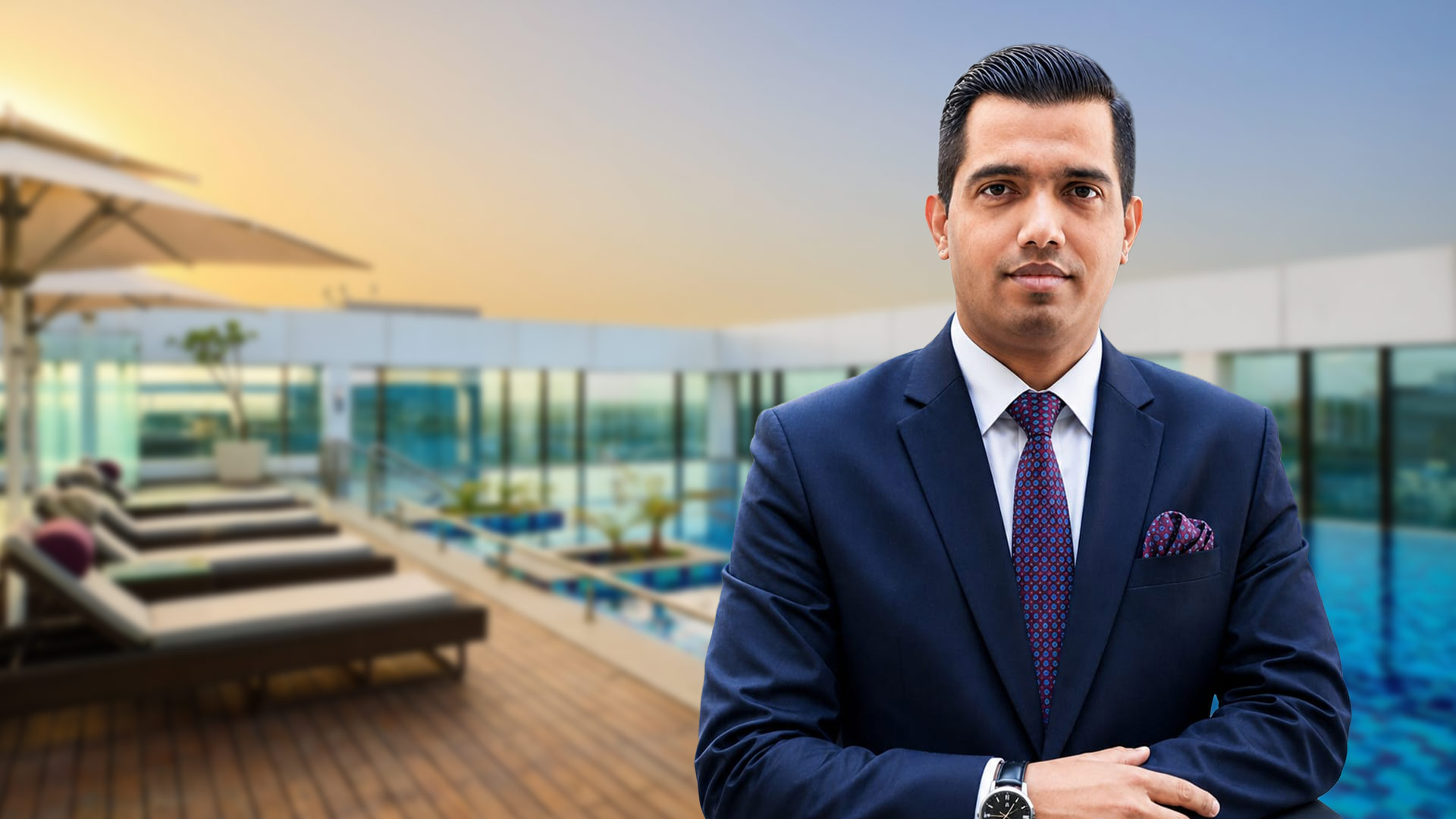
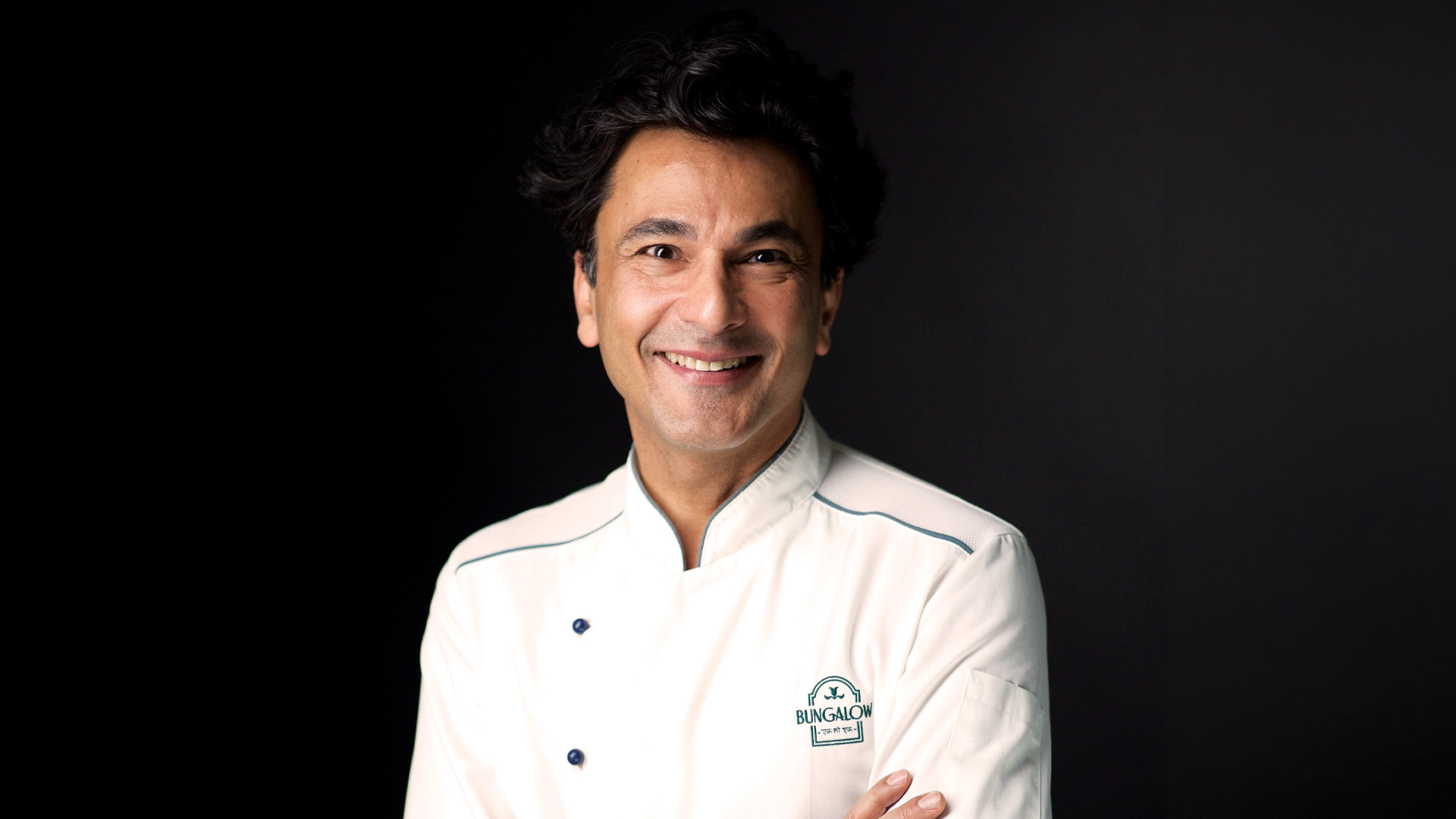
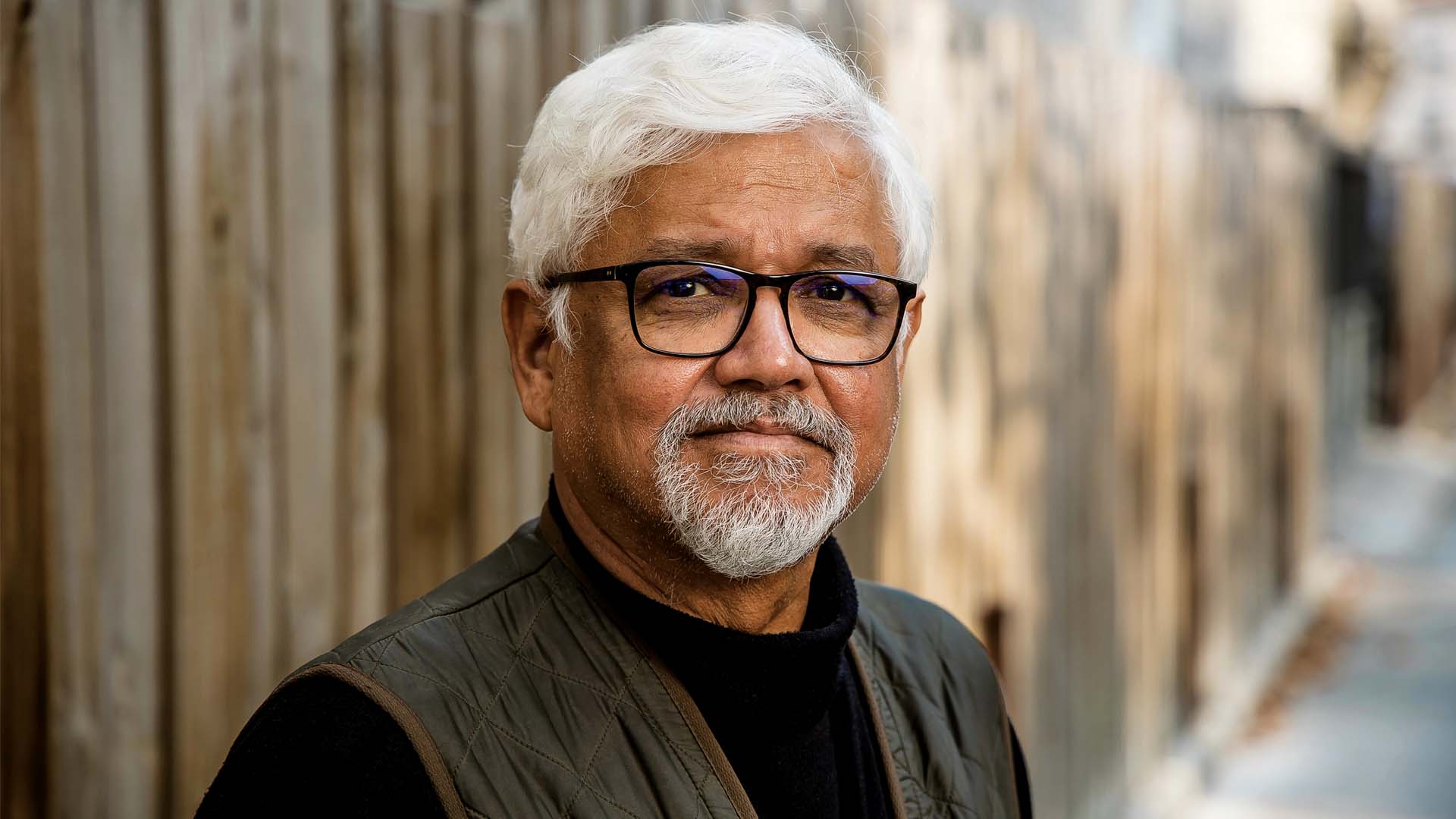
Vikram Lalvani, Managing Director & CEO of Sterling Resorts.
Sterling moved from being primarily a stay-led brand to becoming an experience-led hospitality platform designed for the curious, connected traveller. This wasn’t just a business transformation; it was a cultural one.
Vikram Lalvani
Managing Director & CEO of Sterling Resorts

What is Sterling’s approach to building culture, managing talent, and staying people-first?
Culture doesn’t scale through posters—it scales through daily behaviour. At the core of Sterling, we keep the organisation open, informal, and deeply connected. One simple expression of that is our first-name culture: it reduces hierarchy, increases collaboration, and helps people feel seen. We’ve consciously built a workplace rooted in inclusivity, empowerment, and shared ownership—where teams understand that guest delight is a human outcome, not a process metric. We also work closely with local communities to create employment and skill-building opportunities that generate shared value. Above all, I never forget to follow the golden rule, ‘treat others the way you wish to be treated’ . When people feel respected and trusted, they give their best—not out of obligation, but choice. And that ‘people-first ethos’ shows up where it matters most: guest satisfaction, service consistency, and enduring team loyalty.
What values and beliefs shape your leadership philosophy?
Leadership today isn’t command-and-control—it’s empathy, agility, and clarity of purpose. You can have the best property and the best design, but without engaged, empowered people, guest delight will never follow. I try to lead by balancing results with relationships—driving sustainable performance while ensuring every team member, partner, and guest feels respected and valued. My personal compass is simple: Stay grounded. Stay grateful. Stay growing. It keeps you honest in success, calm in pressure, and open to learning. I also believe authenticity is non-negotiable—people can always sense what’s real. I remind teams: don’t repeat brand lines—share real stories. The most meaningful conversations are never scripted.
What is the one work principle you never compromise on, even under pressure?
Respect for people. Pressure tempts leaders to become transactional, but how we behave in difficult moments defines the organisation more than our wins do. You can be decisive without being dismissive, and demanding without losing empathy. That balance matters—because culture is built in the moments when it’s hardest to live your values.
How do you keep yourself grounded as the organisation grows?
I remind myself that growth is a responsibility, not a reward. I spend time in our resorts, speak to teams on the ground, and stay close to guests and their stories—because that’s the clearest mirror of whether we’re building something meaningful. Titles and scale are not the point. The point is impact: are we creating hospitality that feels personal, experiences that feel rooted, and a culture that people are proud to belong to? That perspective keeps me centred.
How do you envision the future roadmap for Sterling Resorts?
Our roadmap is about deepening relevance—not just adding keys. We will continue to expand thoughtfully, but with sharper focus on what makes journeys meaningful: destination-led storytelling, experience-first resort concepts, and consistency of service across the network. Two levers will accelerate this. One is technology and personalisation—using AI-led guest journey mapping to anticipate needs and make stays smoother, while keeping hospitality human. The second is purpose: strengthening sustainability-linked initiatives and ESG impact in a way that is measurable and local.
In short, this is growth with integrity—scaling the brand while staying Indian at heart, experience-first in design, and relentlessly people-led in delivery.
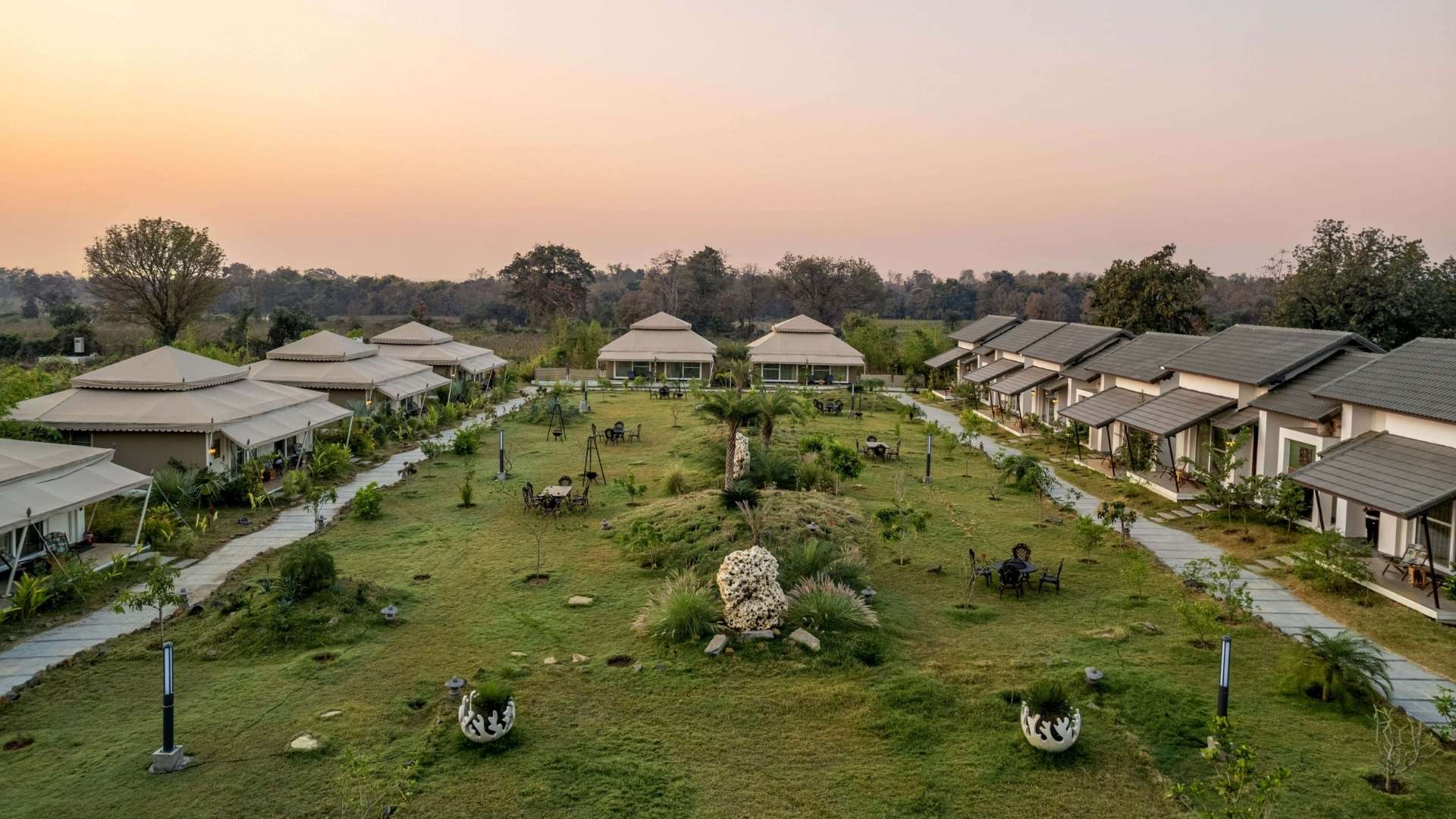
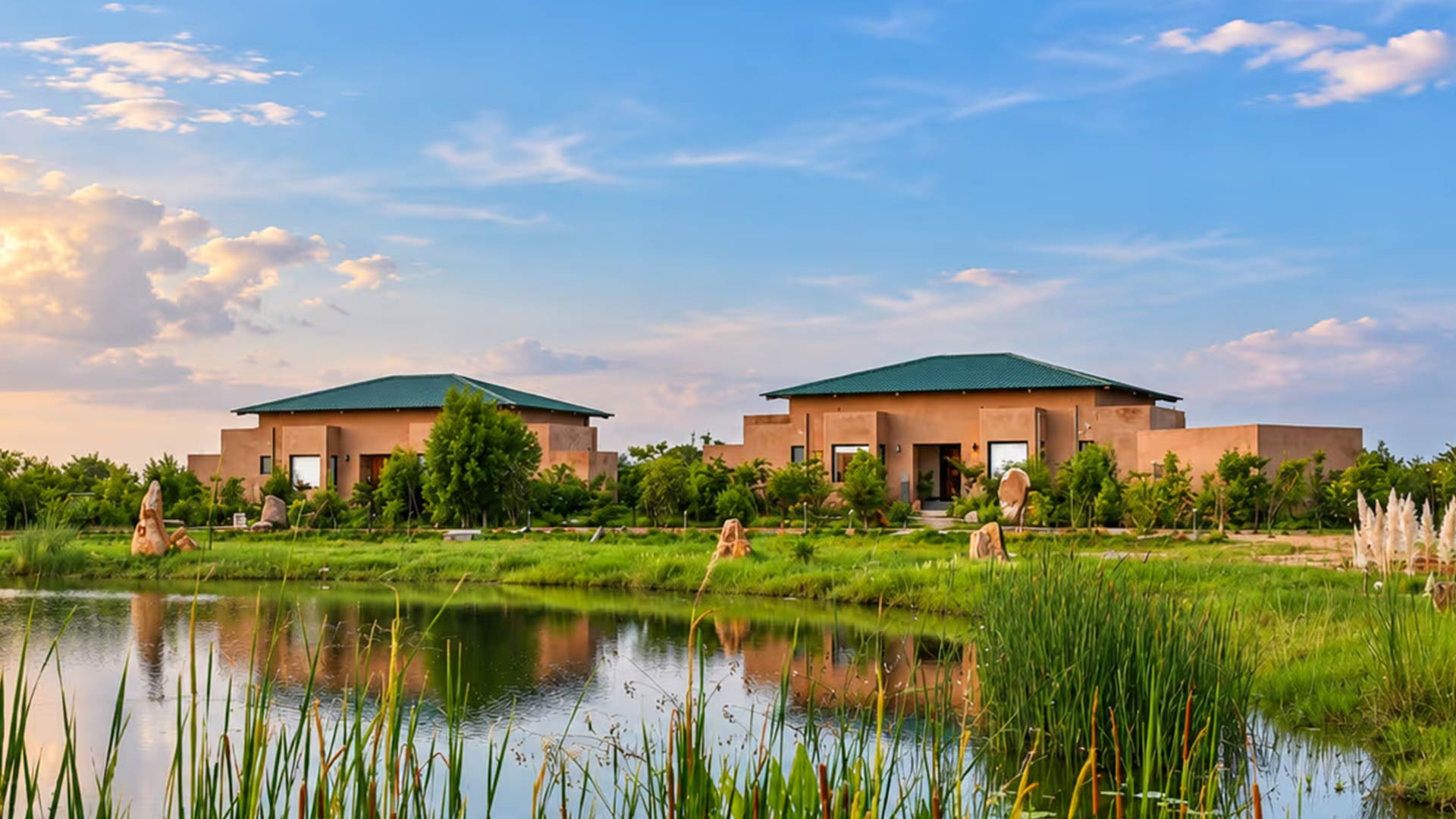
Sterling Tipeshwar is a trending wildlife destination.