











The Game is On
Luxury travellers are no longer content to watch from the stands. From padel courts on Goan farms to detox retreats run by Grand Slam champions, sport is reshaping where India's affluent go and what they do when they get there. Destinations and hotels are responding.

By Chandreyi Bandyopadhyay
At Sangam Farms, a farm stay near Bhilwara in Rajasthan, a floodlit court has become the focal point after sundown. Entrepreneurs, industrialists and their friends gather here for a game of pickleball or tennis and the company that comes with it. The farm houses modern facilities, but the pull of outdoor play on the outskirts of an industrial city sharpens the appeal of Sol, the restaurant and bar attached to the court, which serves farm-fresh meals and cocktails built around the season's produce. Racquet sports have long been a marker of affluence, and the pickleball boom has pushed demand for good courts higher worldwide.
"The question at the dinner table was always where. Where did you go this summer? The place was the whole answer, mostly a name drop,” says Krishan Anand, Founder, Secret, and host of the Secret Ski Party in Gulmarg, an invite-only boutique mini festival for adventurists. “It has changed now to what did you do? A ski week, a dive trip, a surf camp, a padel holiday. The destination has become the setting, the pursuit being the reason to go,” he says.
Watching sport has always drawn travellers, but more of them now want to play rather than spectate. Triathlons are seeing greater participation from Indians, as this author found in Tashkent in August 2025, and luxury travel is leaning into athlete-led tourism, with partnerships like the one between Novak Djokovic and Aman.
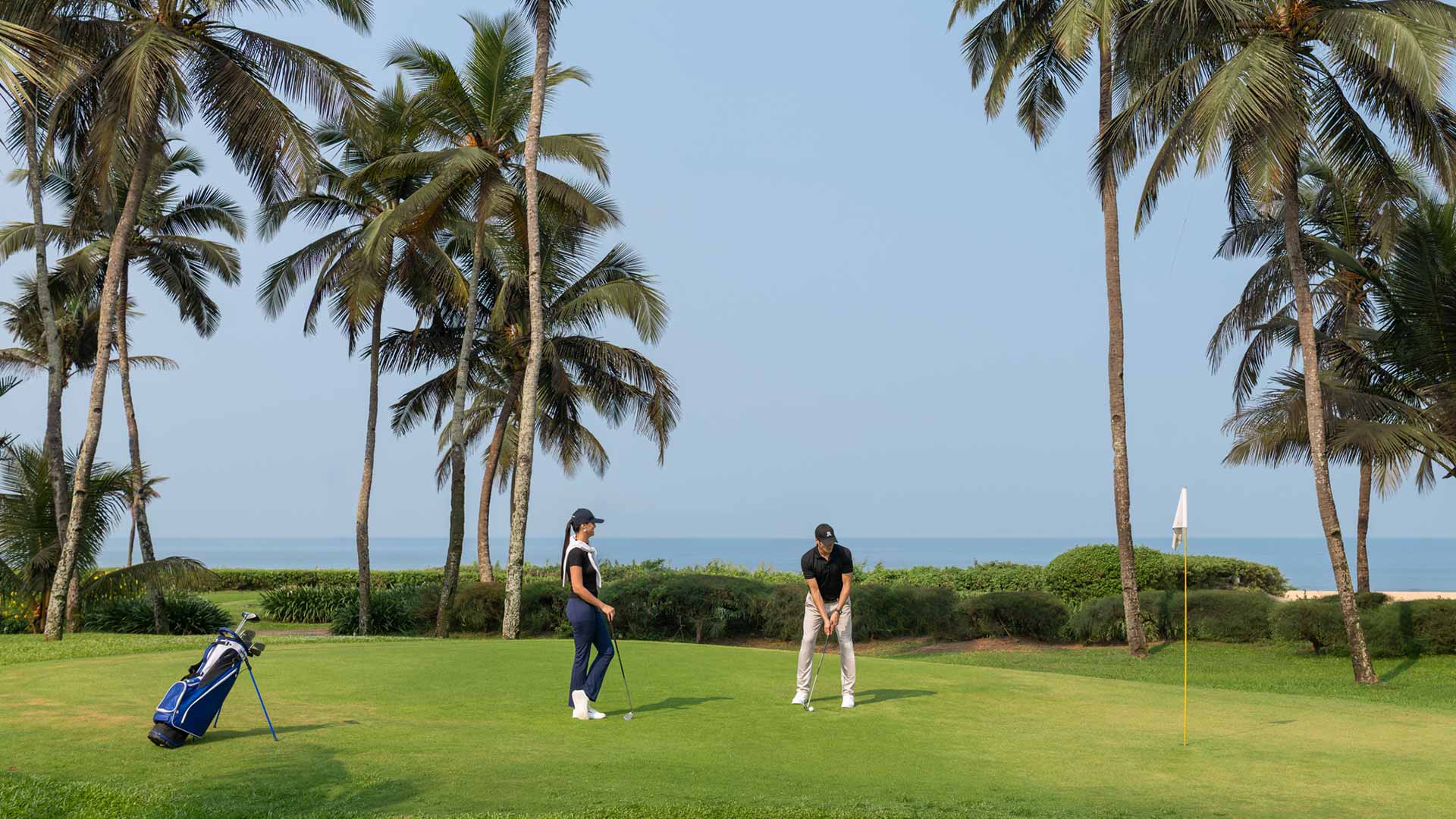
Golfing commands loyal guests as active participants at leisure destinations such as The St. Regis Goa Resort.
The supremacy of racquet sports
Wimbledon continues to attract strong interest from travellers who plan well in advance and view attendance as a bucket-list experience. Ruchi Kohli, Chief of Experience at Away & Co., which organises luxury travel journeys, says, "Broadly, we are witnessing growing demand for journeys built around major global events. Whether it is Wimbledon, Formula1, FIFA World Cup, UEFA competitions, popular music festivals, or landmark cultural events, travellers are increasingly choosing their destination based on a specific event as they form compelling reasons to travel and create experiences that are both exclusive and time-sensitive."
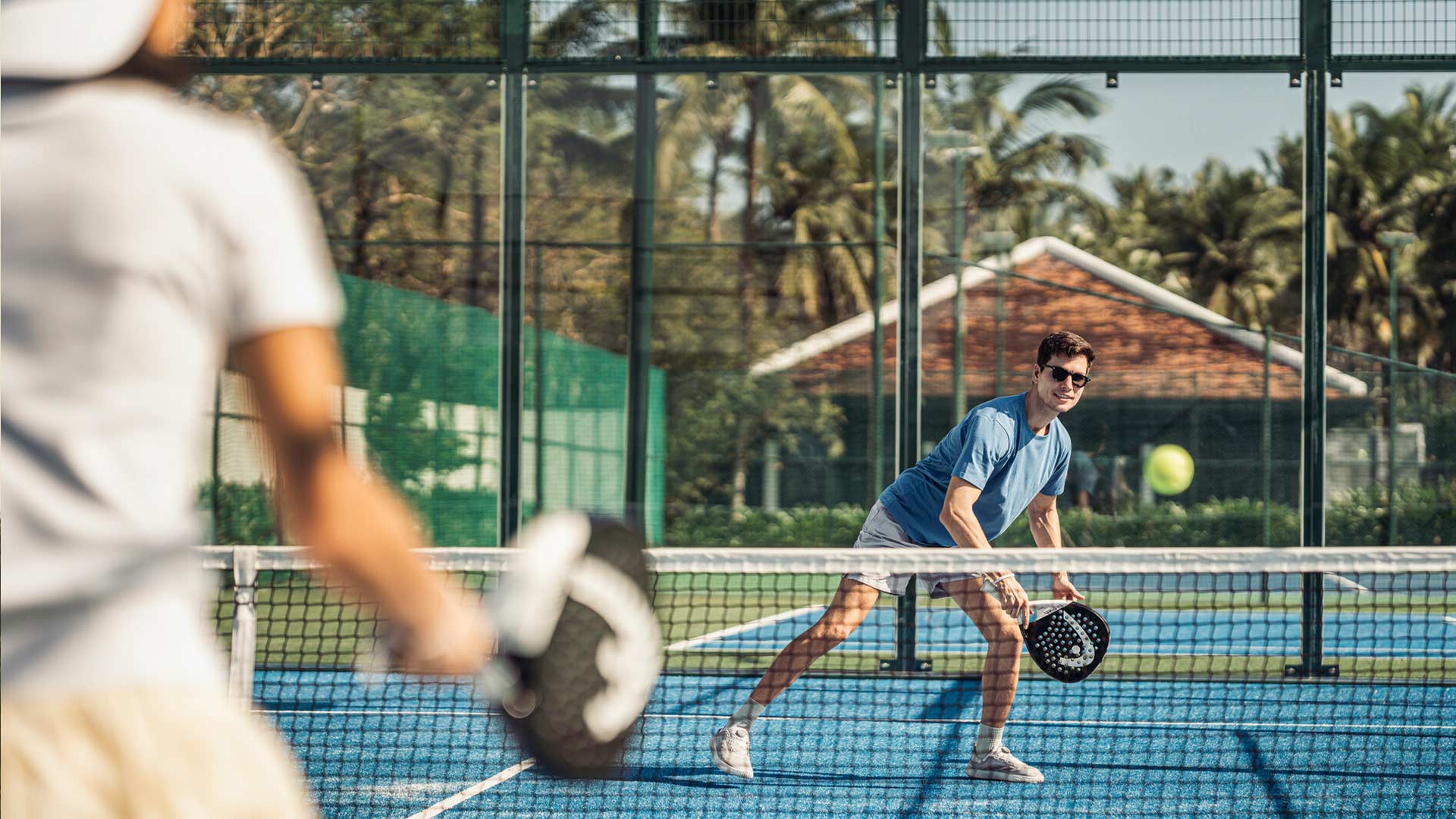
Padel, a paddle sport that rewards tactics as much as physical strength, like tennis or squash and their more casual cousin pickleball, is drawing players to dedicated venues and opening new avenues for health clubs at branded hotels and for boutique properties. "Unlike many traditional sports communities, paddle sports naturally bring together people across age groups, professions and experience levels," say Vishnu Malani and Kashish Malkani, founders of Coco Padel, a community built around the sport's social pull in Goa. Since opening in December 2024 with two courts, they have more than 2,000 active members and six to eight hours of daily court use.
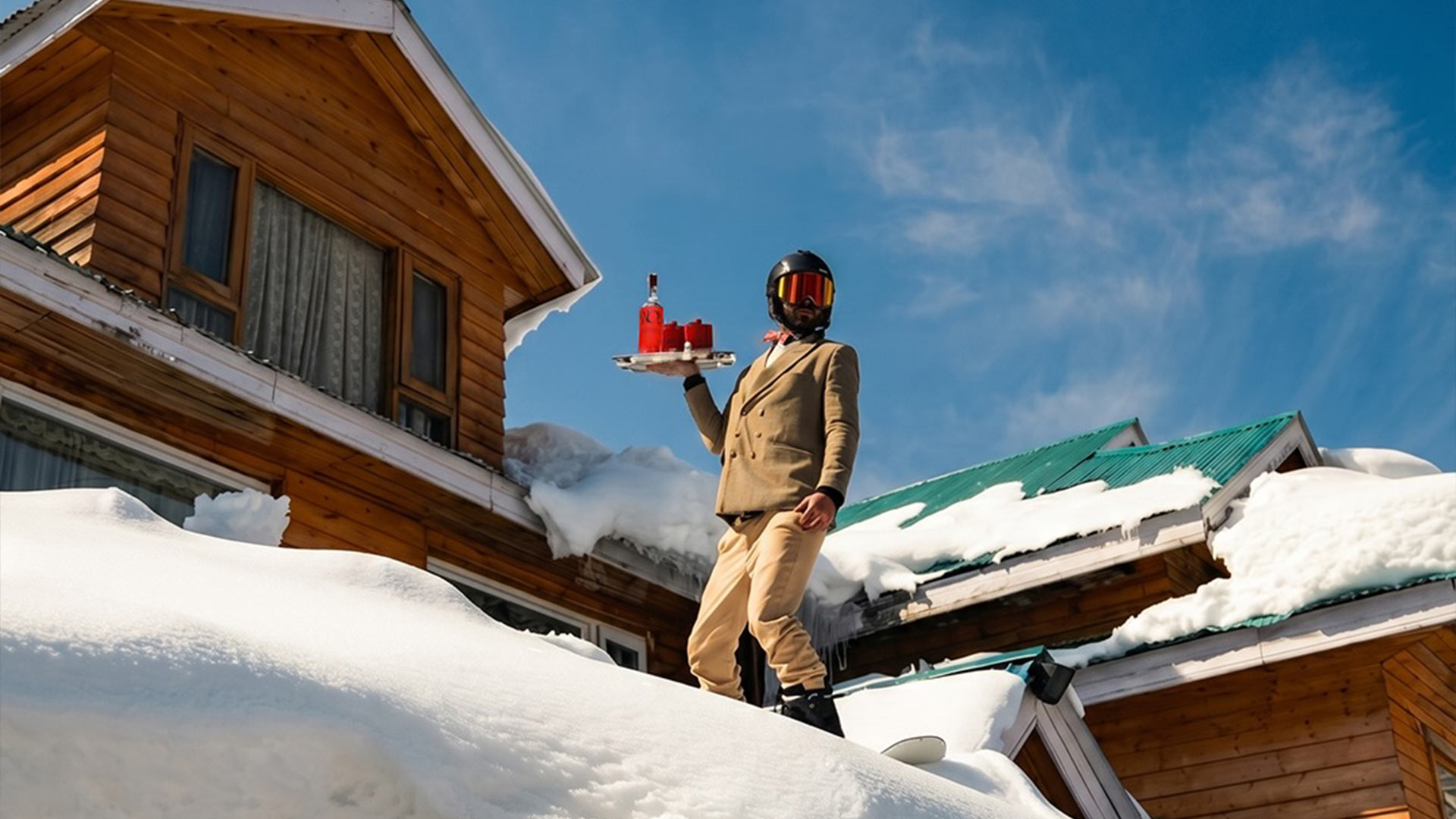
Secret Ski Party elevates the luxurious premise of travelling with active groups.
“Visitors seek far more than just time on the slopes as they are looking for a fully immersive mountain lifestyle, combining sport, nature, wellbeing, culture and alpine art de vivre—a trend particularly strong among younger travellers and international luxury audiences.”
Alexia Laine
Director, Courchevel Tourism

Creating a community
Malkani and Malani started the Coco Community Cup, a destination-led gathering that brings players from across the country to Goa for a weekend of sport and competition. "Padel works best when there's a strong playing ecosystem, which includes courts, but also spans consistent competition, player pathways and a sense of progression," they say. Three editions in, they want the Cup to become a platform where players can find the sport, train and compete regularly, and progress within a structured setup, supported by a year-round calendar of recurring formats.
Padel Park India is taking a different approach. Backed by Parth Jindal and working with JSW Sports, Padel Park aims to build, manage and scale the sport nationwide. Its infrastructure arm is Sky Padel India. Competitions run through the Indian Padel Tour, and training, both grassroots and elite, happens at the Indian Padel Academy with Westlife Foodworld. 7Padel MS Dhoni, India's largest padel court management operation, runs 54 owned and managed centres across Gurugram, Mumbai, Pune, Bengaluru and Chennai.
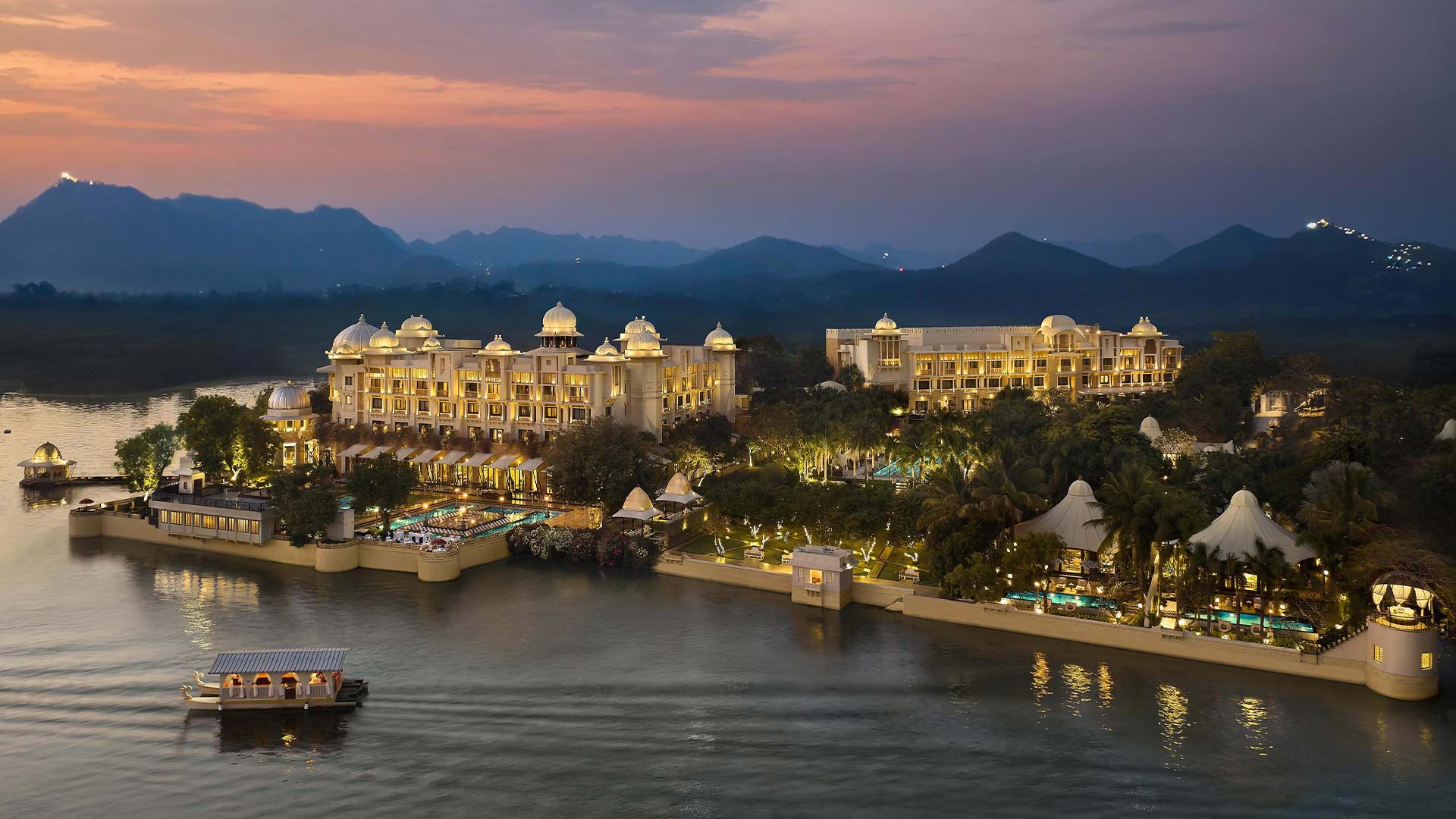
For luxury travellers, Kohli says, the appeal is in pairing top-tier access to sport with the accommodation, destination and service they expect. Hotels have noticed. From Fairmont Udaipur Palace in India to Four Seasons Resort The Nam Hai in Vietnam, padel courts are now part of the standard activity offering. The Nam Hai has three professional-grade tennis courts (one grass, two hard-surface, and floodlit for evening play), two pickleball courts and a new padel court across its 27-hectare oceanfront site in Hoi An. The ‘Rendezvous Area’ at Fairmont Udaipur usually has premium guests sweating it playing pickleball, but it recently hosted its first Padel Up tournament with Sports Fusion over a weekend, where Dr. Lakshyaraj Singh Mewar, Custodian of the 1,500-year-old House of Mewar and Managing Director of the HRH Group of Hotels, felicitated the winners.
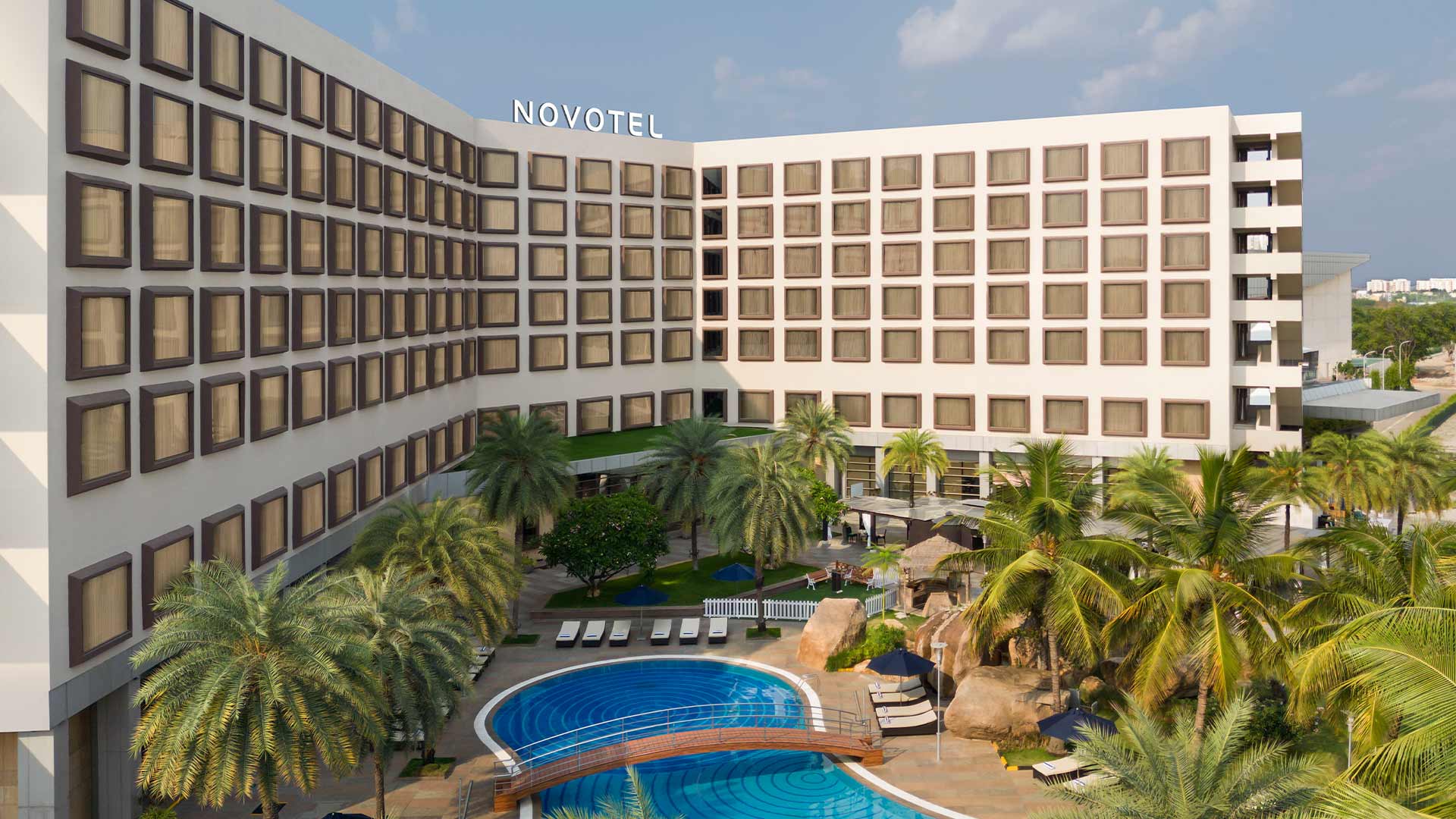
India is moving in the direction of sports for leisure. The Lodhi in Delhi opened the city's first pickleball court in a luxury hotel, scheduled around the heat at 7am to noon and 5 to 10pm. At Oleander Farms in Karjat, the resort built a padel court after guests kept asking for one, then added pickleball a few months later, replacing an activity list that until recently ran to bowling and an arcade. The commercial case is quick to prove: when The Westin Gurgaon added two pickleball courts in late 2024, the weekend morning slots booked out within a month.
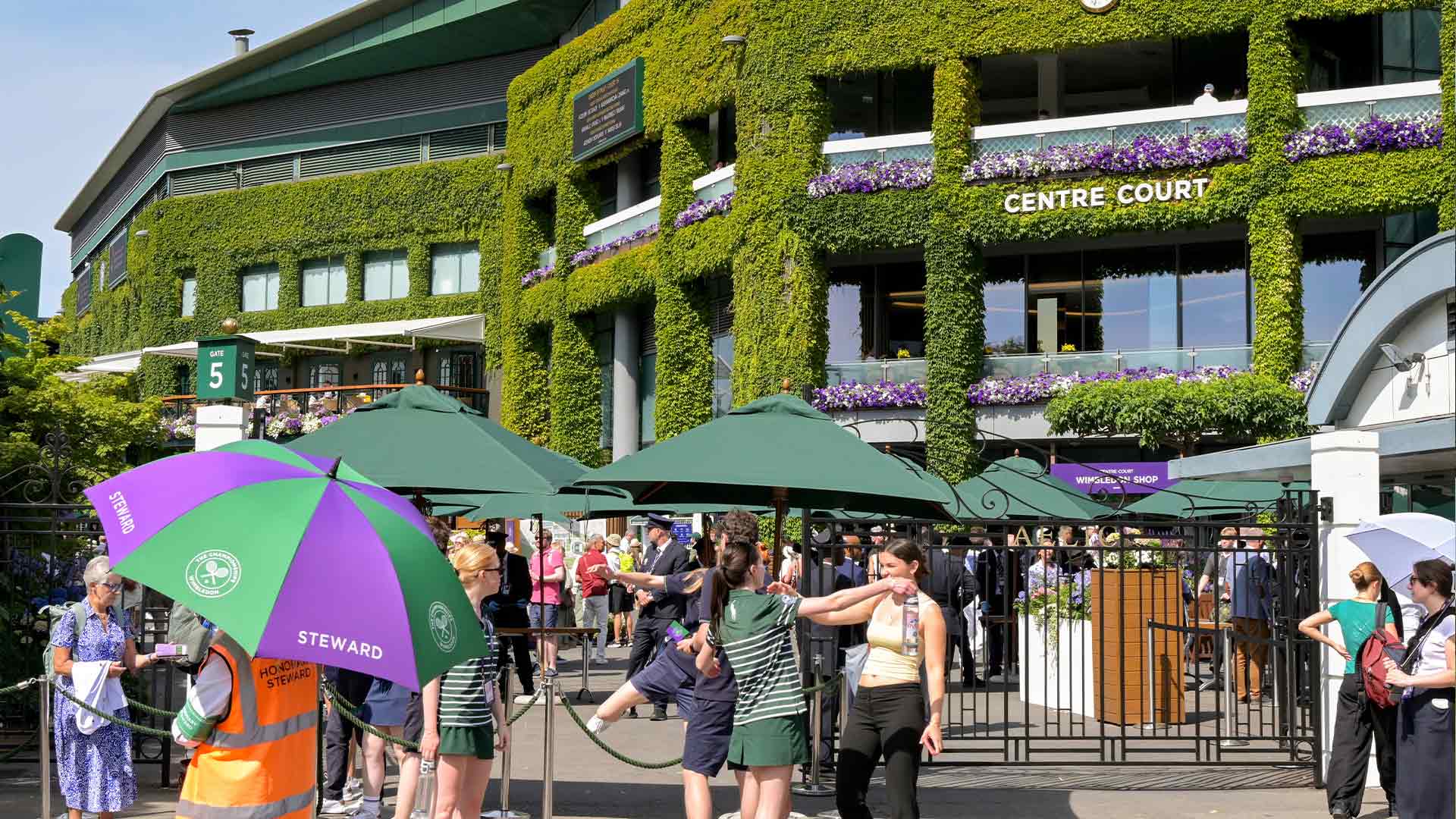
Wimbledon continues to draw travellers who build an entire journey around the tournament.
“Our offering is designed for casual golfers, families, friends, and social groups. We occasionally host friendly competitions and informal tournaments, not professional or competitive golf events. It serves as a leisure amenity enhancing the overall guest experience.”
Dr. Mitaali Shukla
Assistant Manager, Wellness in Spa & Recreation, The St. Regis Goa Resort
Upping the tee-time
Golf has long drawn players to large facilities at hotels across Bengaluru, Delhi and Goa, where properties have invested in exclusive golfing experiences. At JW Marriott Bengaluru Prestige Golfshire Resort & Spa, the Prestige Masters Series has become a fixture for club amateurs and enthusiasts across the region, notes general manager Ronan Fearon. "Golf is increasingly becoming an attractive addition to the leisure travel experience, even when it is not the sole reason for the journey. We see this particularly during major tournaments, when golfers and their families choose to stay with us and make a getaway of the occasion. As golf continues to find a wider audience in India, we believe this blend of sport and leisure has exciting potential.”
In 2025, 840 golfers competed for ten spots a month between May and October, with 60 qualifiers reaching the finale. Started by the Prestige Group over a decade ago as one of India's open amateur events, it draws golfers from around the world each year. Golf tourism is a small and niche market in India and is predominantly domestic, notes Declan McCollam, General Manager, Prestige Golfshire Club. “India is still to be discovered as a golfing destination by the international market and what we encounter is mostly Indian OCI’s returning home for holidays or special events and are already aware of where they can play golf.”
By contrast, The St. Regis Goa Resort offers golf for recreation and networking. "Our offering is designed for casual golfers, families, friends, and social groups. While we occasionally host friendly competitions and informal tournaments, the course is not intended for professional or competitive golf events. Instead, it serves as a leisure amenity that enhances the overall guest experience," says Assistant Manager - Wellness Dr. Mitaali Shukla. Alongside golf, The St. Regis Goa offers tennis, pickleball, basketball and volleyball, with friendly matches and social formats meant to get guests playing. Professional instructors are on hand for golf and tennis coaching.
McCollam expects to see a greater utilization of the golf facility by hotel residents wishing to try golf for the first time with the opening of the Driving Range at Golfshire in September 2026.
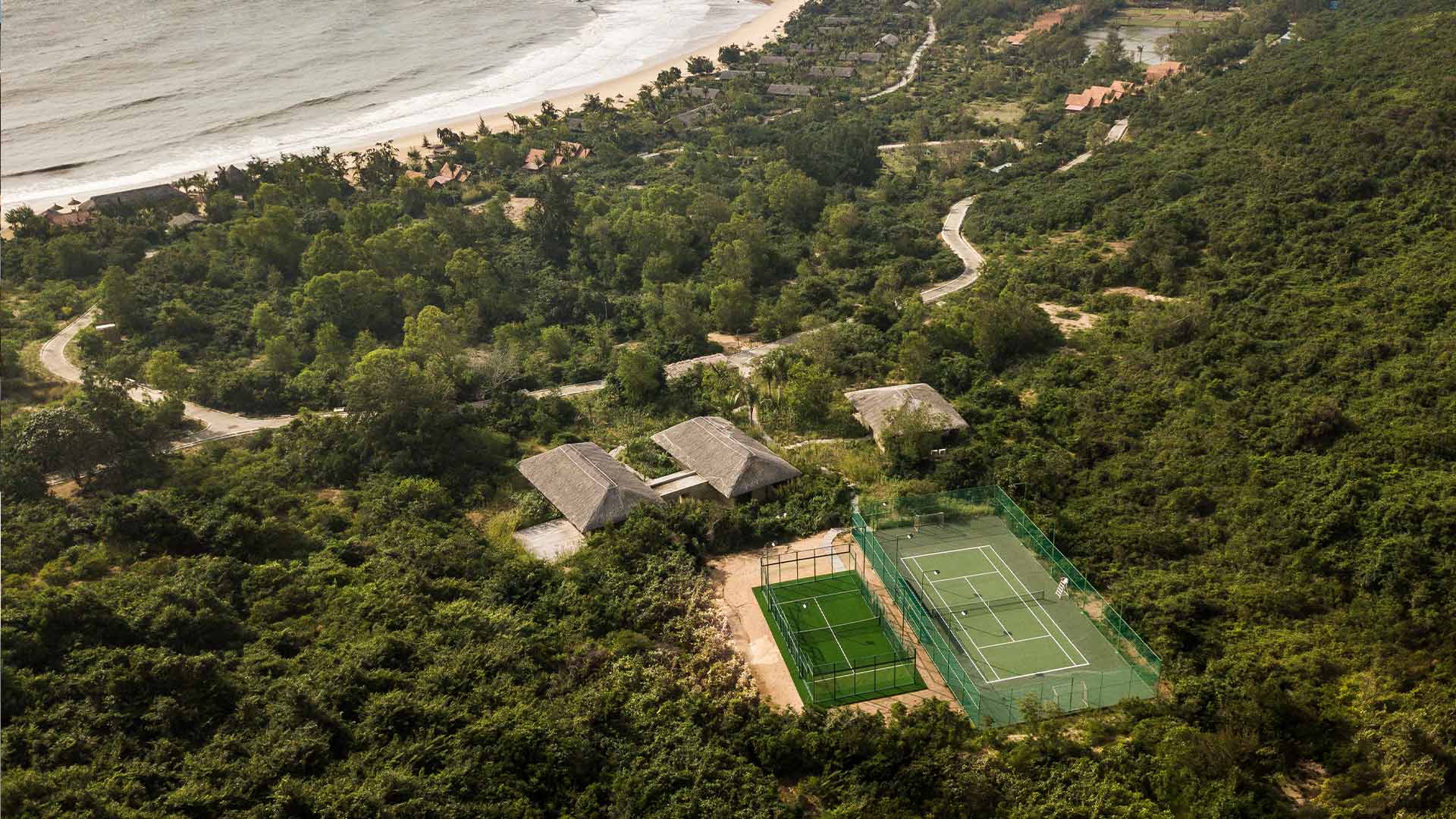
Hotel guests now expect thoughtful retreats to offer sporting infrastructure.
“Unlike many traditional sports communities, paddle sports naturally bring together people across age groups, professions and experience levels, and work best when there’s a strong playing ecosystem.”
Kashish Malkani & Vishnu MALANI
Co-Founders, COCO Padel
Ski parties
Skiing is a sport many Indian parents now want their children to take up early. Bengaluru entrepreneurs Anushree Kini and Pavandeep Singh ski in the French Alps every year with their two young children, and treat it as family time built around sport. At Courchevel, one of France's premier ski destinations, families across generations now arrive for lessons. As Alexia Laine, Director, Courchevel Tourism, says, "Visitors now seek far more than just time on the slopes as they are looking for a fully immersive mountain lifestyle, combining sport, nature, wellbeing, culture and alpine art de vivre, a trend that is particularly strong among younger travellers and international luxury audiences."
That appetite may explain why Secret has now hosted a Secret Serve Party at a luxury resort in Seychelles. Anand says, “a padel court or a ski instructor is a service you book for an afternoon, but a pursuit-led edition is something you commit to, alongside strangers who made the same commitment, in a place none of you would have chosen on your own. The room, the people, the friendships all of that comes after. But it's the pursuit that gets everyone through the door.”
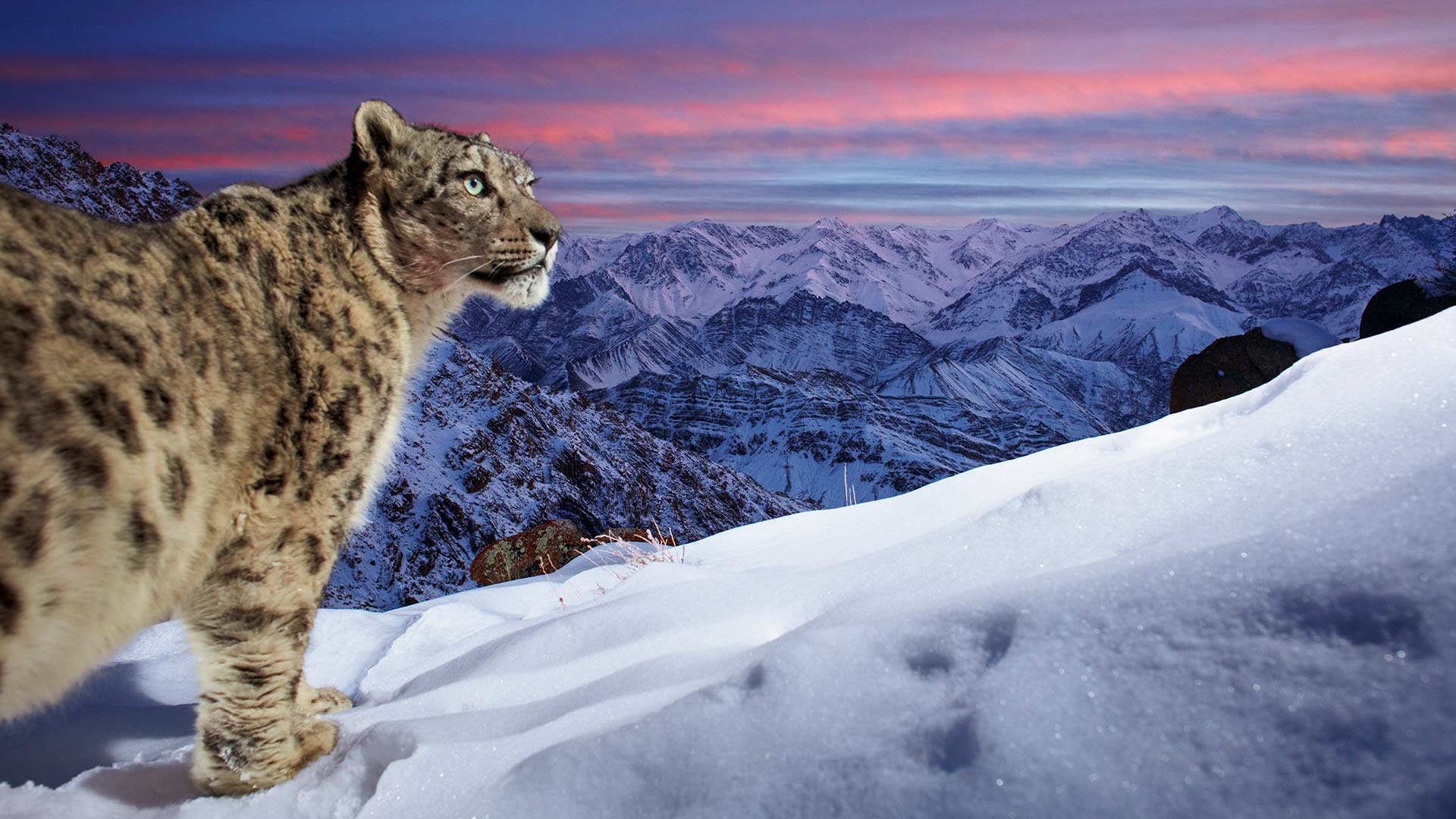
Gulmarg gives that scene its backdrop. A British-era summer escape turned ski town in the Pir Panjal range, it runs one of the world's highest cable cars up Mount Apharwat and now draws powder skiers who once defaulted to Japan. The valley's luxury anchor is The Khyber Himalayan Resort & Spa, its only five-star property. In summer, the same slopes give way to one of the world's highest 18-hole golf courses and the state is pushing to move Gulmarg up the international ranks: the 2026 edition of Khelo India Winter Games drew close to a thousand athletes, and Chief Minister Omar Abdullah framed building Gulmarg into an international ski destination as a sustained government aim.
Kunal Khilani, founder and CEO of Evity Wellness, says 70 to 80% of their members are active in fitness or sport, including running, strength training, racquet sports like tennis and padel, and golf at the premium end. "Recovery is emerging as a key part of this travel behaviour. Over the past two to three months, we have seen a 15–20% increase in demand for recovery-focused services. Cryotherapy has grown by 60–70%, cold plunge by 50–60%, and compression and lymphatic flow therapies by around 40%. Around 40–45% of our users visit us after physical activity, which reflects a strong link between sport and structured recovery."
For hospitality, Khilani says, this is a chance to design active-travel experiences that link sport, recovery and measurable results. Sport is working its way into itineraries for a broad range of travellers and pushing luxury hotels to fold physical wellness into what they offer.
The floodlit court near Bhilwara points to where this is heading. A pool and a gym used to be enough to sell a stay. Now guests come to play, and they expect the coaching and the recovery to be part of the deal. The hotels paying attention are building for them. The destination used to be the draw. Now it’s as much about what the traveller does once they arrive: the court, the course, the piste, the recovery room that follows. Sport has stopped being an add-on at the luxury hotel and become a reason to choose one.
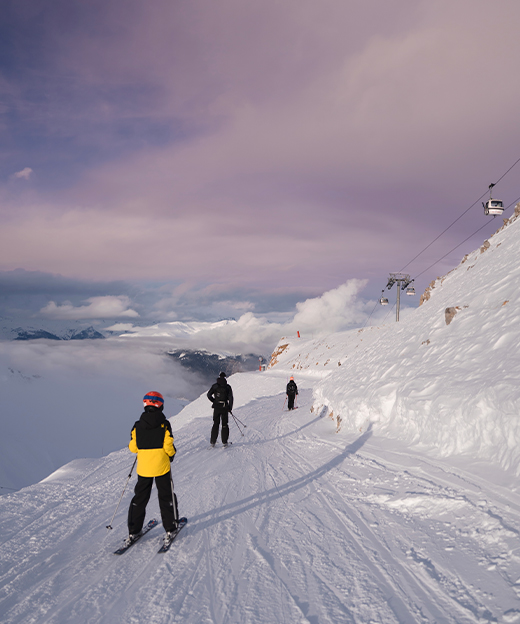
Ski destinations like Courchevel and Gulmarg are witnessing rising numbers of multi-generation skiers.
“Whether it is Wimbledon, Formula1, FIFA World Cup, UEFA—travellers are increasingly choosing their destination based on a specific event as they form compelling reasons to travel and create experiences that are both exclusive and time-sensitive.”
Ruchi Kohli
Chief of The Experience, Away & Co.
Travelling to watch
Indian fans treated the FIFA World Cup 2026 as a reason to see North America. "The FIFA trip currently spans 8–12 days, with popular host cities including Los Angeles, New York, Dallas, Seattle, Miami, Toronto, and Mexico City," says Hari Ganapathy, founder of PickYourTrail. Football was the anchor, but the itineraries were built around the wider trip, too, taking in culture and leisure alongside the matches. "As travellers seek more personalised and flexible journeys, we have seen a 60–65% growth in FIFA-linked outbound travel compared to the previous cycle," Ganapathy adds. Cricket is pulling demand well beyond India's metros. Frequent ICC events and a run of domestic competitions have spread travel across host cities, and Airbnb reports sharp year-on-year growth in searches and bookings in those cities as domestic fans travel to attend. Cricket is still the biggest revenue earner in India's sports tourism market, and its fastest-growing segment.
“Recovery is emerging as a key part of this travel behaviour. Over the past months, we have seen a steady increase in demand for recovery-focused services. Cryotherapy, cold plunge, and compression and lymphatic flow therapies have grown as much as 40%. Most users visit post training.”
Kunal Khilani
Founder & CEO, Evity Wellness