










Inside Depot 48, a Queer-Led Live Music Space & Bar in Delhi
Depot48, a queer-led live music space and bar in Delhi has built a strong reputation as a safe, consistent space for the city's queer artists and audiences. To mark the International Pride Month in June, SOH speaks to Vikas Narula, co-founder, Depot48, on how it became a place where LGBTQIA+ guests genuinely feel safe, welcoming and celebrated.

By Rachna Virdi
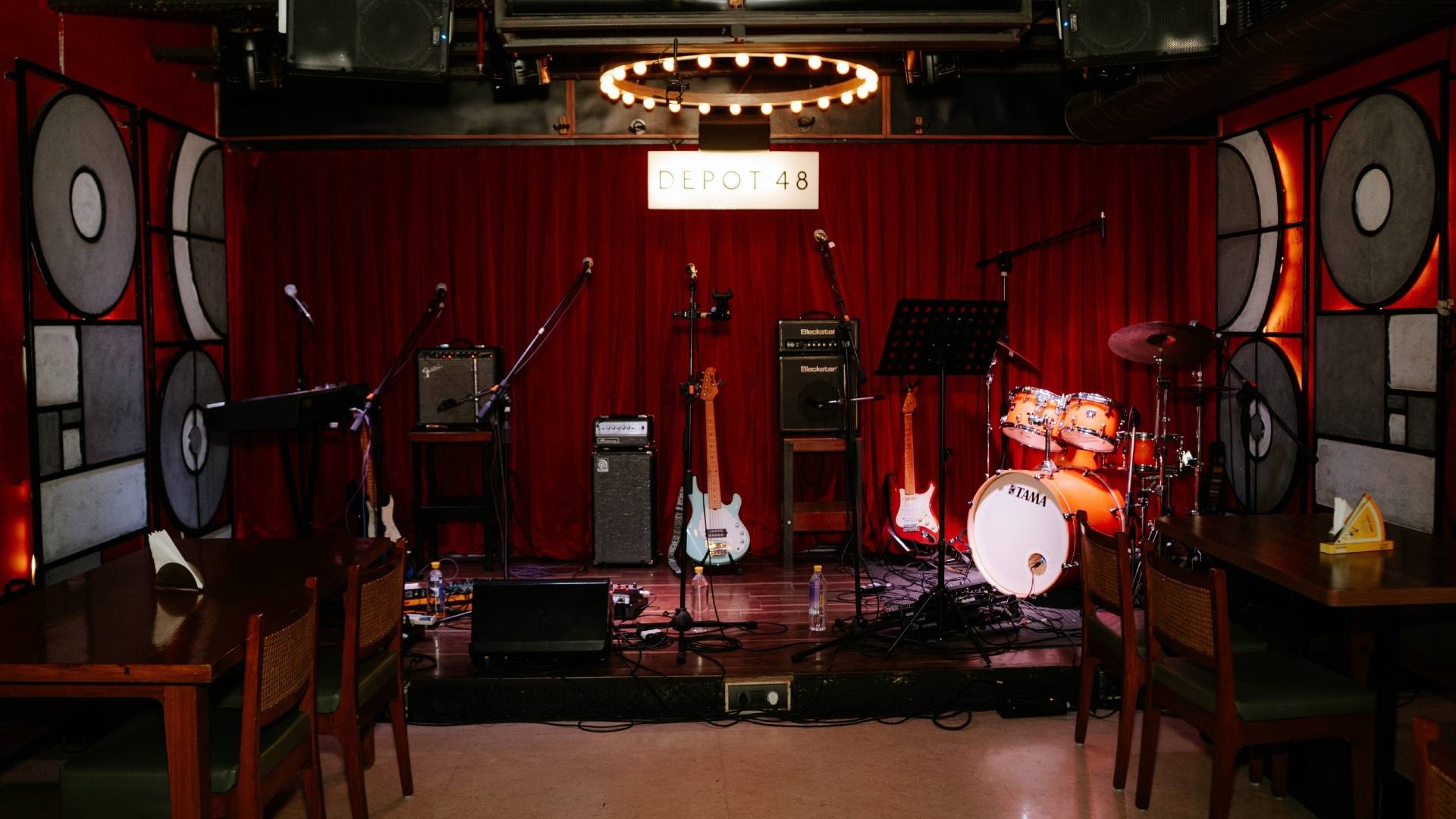
Walk into Depot48 and you immediately sense a different energy. Delhi’s longest-running live music venue, it is where independent music, inclusive programming, and exceptional food come together. A queer-led, community-trusted live music space and bar, Depot48 has earned a reputation as one of the city's safest and most consistent cultural venues for queer artists and audiences alike. With its intimate, acoustically designed, listening-focused setup, it champions independent artists across genres while cultivating a loyal community that returns week after week.
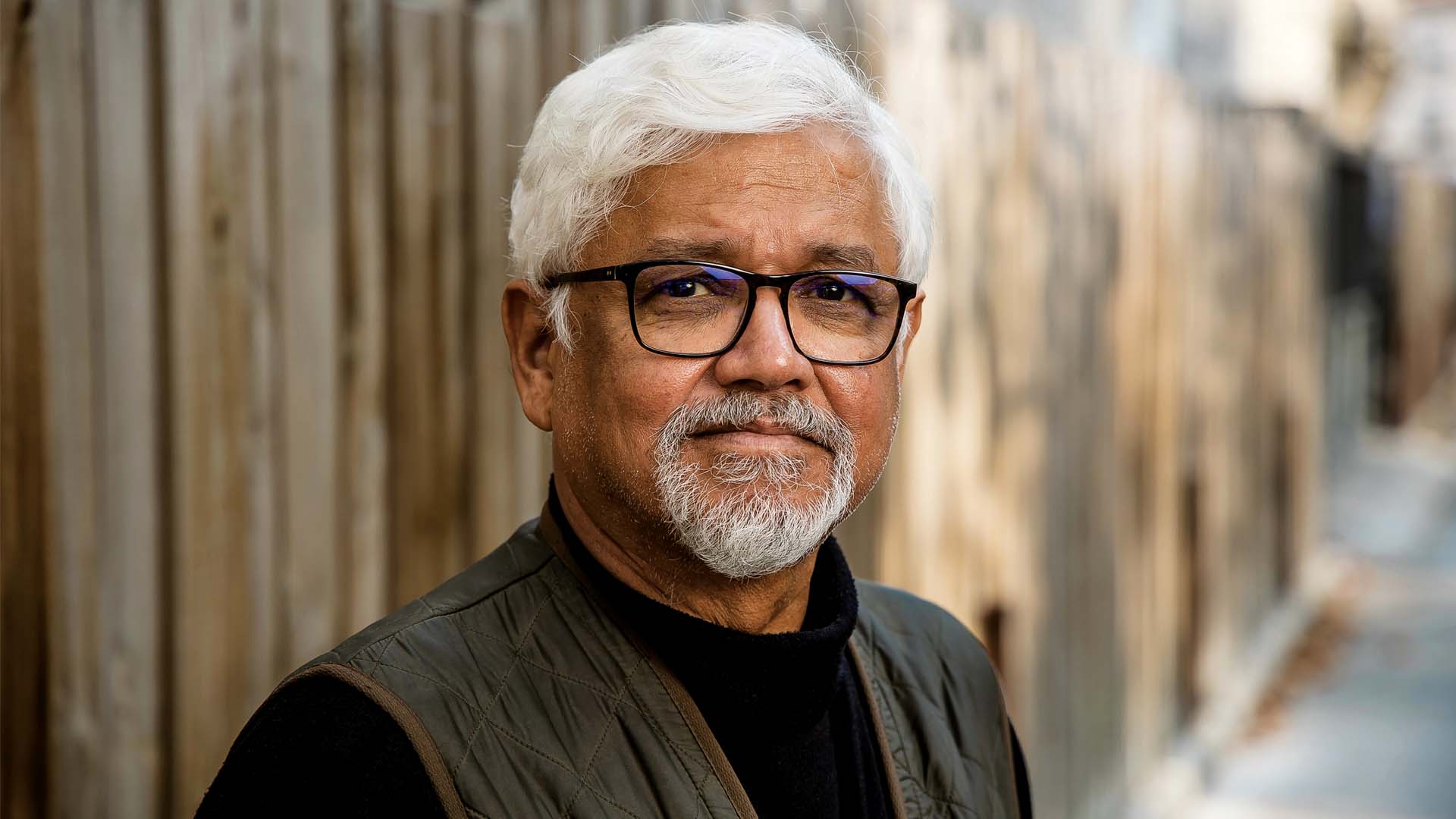
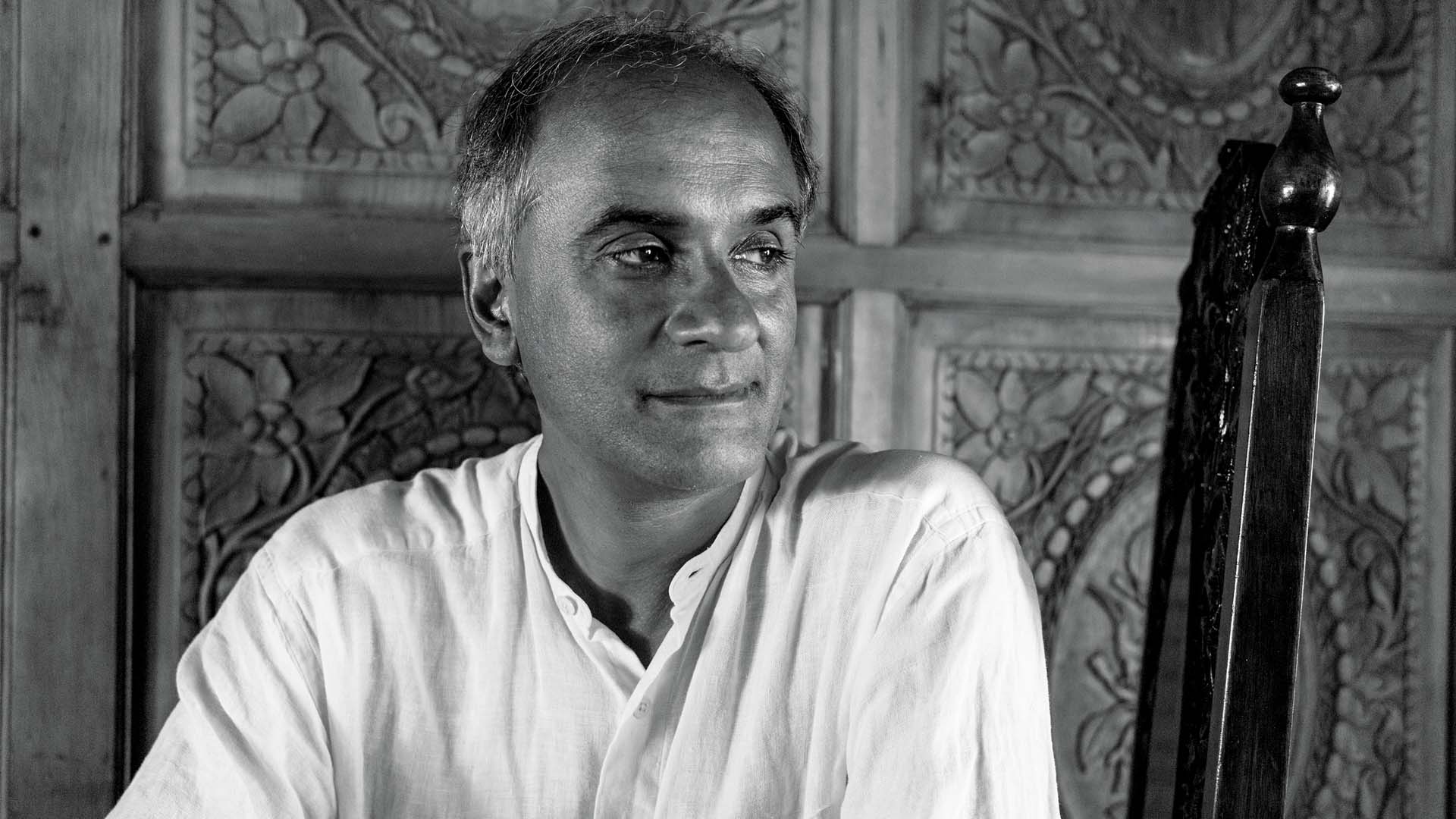
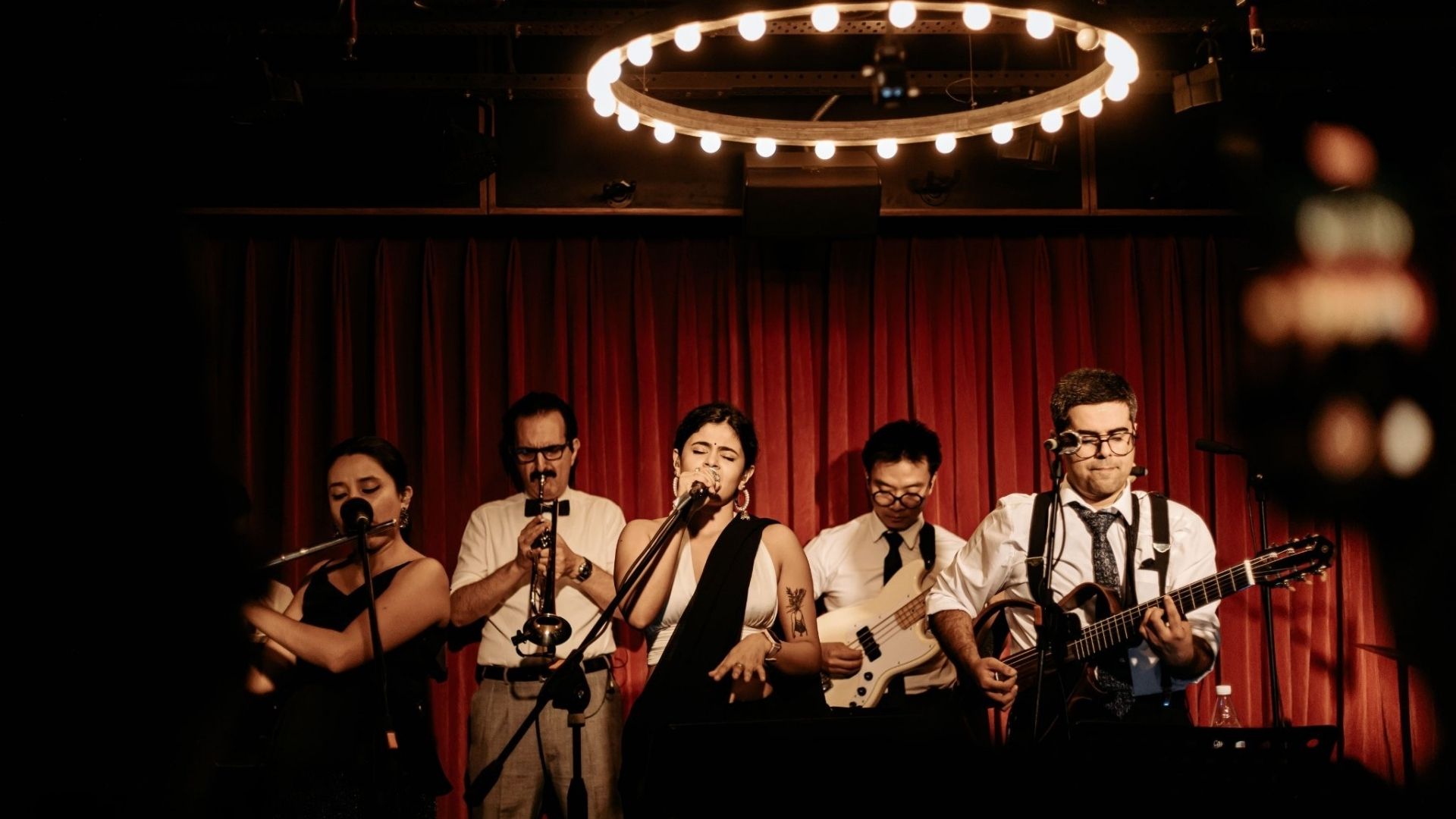
Marketer, writer, and award-winning restaurateur Vikas Narula and his National Award-winning sound engineer brother-in-law Girjashanker Vohra co-founded Depot48 in 2014 with a clear vision: to create Delhi’s most inclusive bar and a genuinely safe and welcoming space within the hospitality landscape. Since opening its doors, Depot48 has hosted more than 4,700 performances, ranging from intimate baithaks and jazz sessions to rock concerts, pop showcases, and drag performances. Throughout its journey, the venue has remained committed to championing original voices over cover acts. It has welcomed acclaimed artists such as Prateek Kuhad, Peter Cat Recording Co., and Mamé Khan, and provided a platform for emerging talent.
“Pride should expand the conversation, not narrow it,” insists Vikas Narula, as he reflects on how Depot48 has evolved into a cultural home for Delhi’s independent music scene and LGBTQIA+ communities over the years.
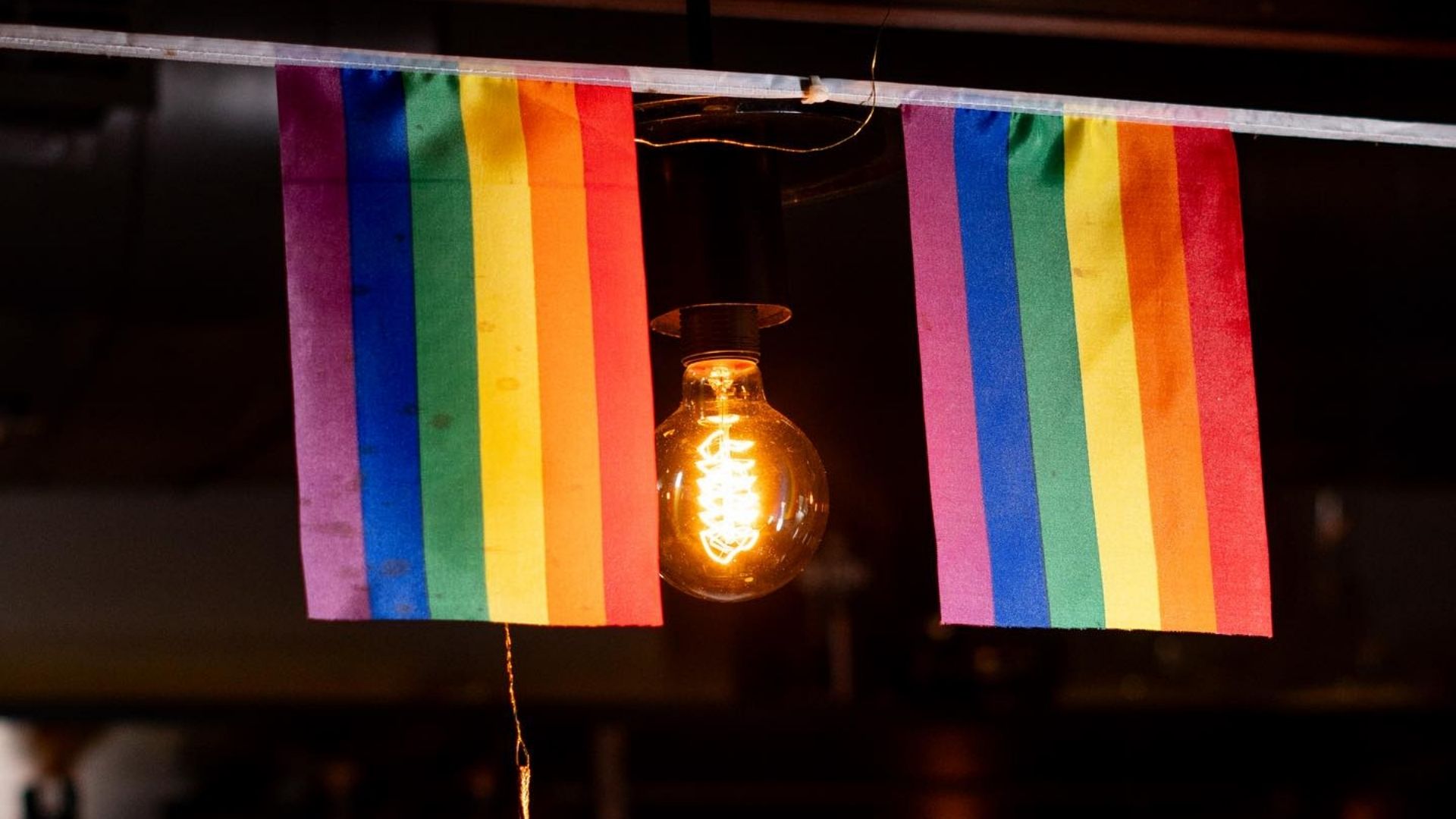
June is celebrated as the Pride month at Depot48 with community-led events planned for the queer community.
What inspired you to create Depot 48, and why was inclusivity such an important part of its identity?
When Girja and I started Depot, we weren’t sitting around drafting a manifesto on inclusion. We were simply two people who felt a gap acutely and decided to do something about it. The city had venues. What it didn’t have was a room where genuinely different kinds of people could share the same space without one group setting the temperature for everyone else. Having spent years in Sydney taught me what it feels like when public space is neutral—when you can walk into a bar or a gig without immediately calculating whether you belong there. I came back to Delhi carrying that expectation and found it largely unmet. Much of the nightlife ecosystem felt coded for very specific crowds or demanded a kind of social performance that excluded more people than it welcomed. Queer people, independent artists, anyone who didn’t fit the aspirational image certain venues were projecting—there were countless people quietly editing themselves at the door. My own experience as a queer person shaped how viscerally I felt that absence. So inclusivity wasn’t a value we added to a business plan; it was the reason we were building the space in the first place.
Twelve years on, Depot has hosted thousands of artists, musicians, writers, entrepreneurs, drag performers, filmmakers, community organisations, and audiences from wildly different backgrounds. What has remained constant is the belief that the room should always be wider than the people running it.
How does Depot 48 celebrate Pride Month differently from other venues?
What Pride means to me has shifted over the years. When I was younger, it was about visibility—about being seen, acknowledged, counted. As I’ve grown older, it has become less about visibility and more about sustainability. Can queer people build meaningful careers here? Can queer artists make a living from their work? Can queer entrepreneurs build businesses that endure? That feels like a longer game, and it’s the one I care most about.
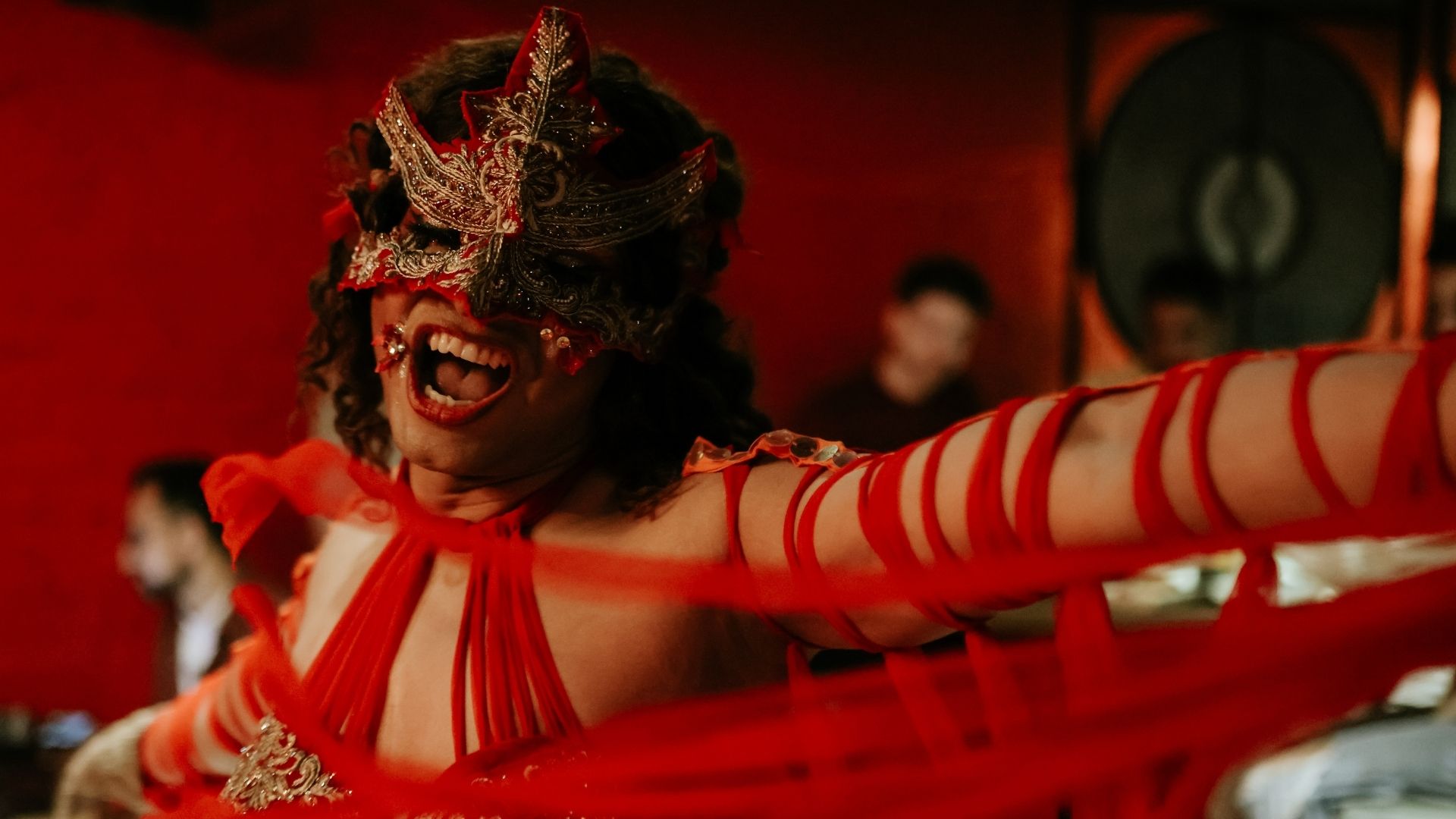
At Depot, we try to reflect that understanding. We’re not interested in rainbow-washing our logo for a month and calling it allyship. Instead, we focus on building programming that centres queer talent—not as a symbolic gesture, but as the actual point. This year, we’ve collaborated with queer artists, designers, entrepreneurs, and musicians so that the space tells a story through what’s on the walls, on the tables, and throughout the room—not just through what’s happening on stage. Musically, we cast the net wide: electronic music, indie acts, live bands, drag performances, spoken word, and experimental work. The queer community is not a monolith, and we don’t want our programming to suggest otherwise. If someone walks into Depot during Pride, discovers an artist they’ve never heard before, encounters a perspective they hadn’t considered, or experiences a format they didn’t expect, that feels like success.
The bar has collaborated with queer artists, designers, entrepreneurs, and musicians so that the space tells a story through what’s on the walls and throughout the room.
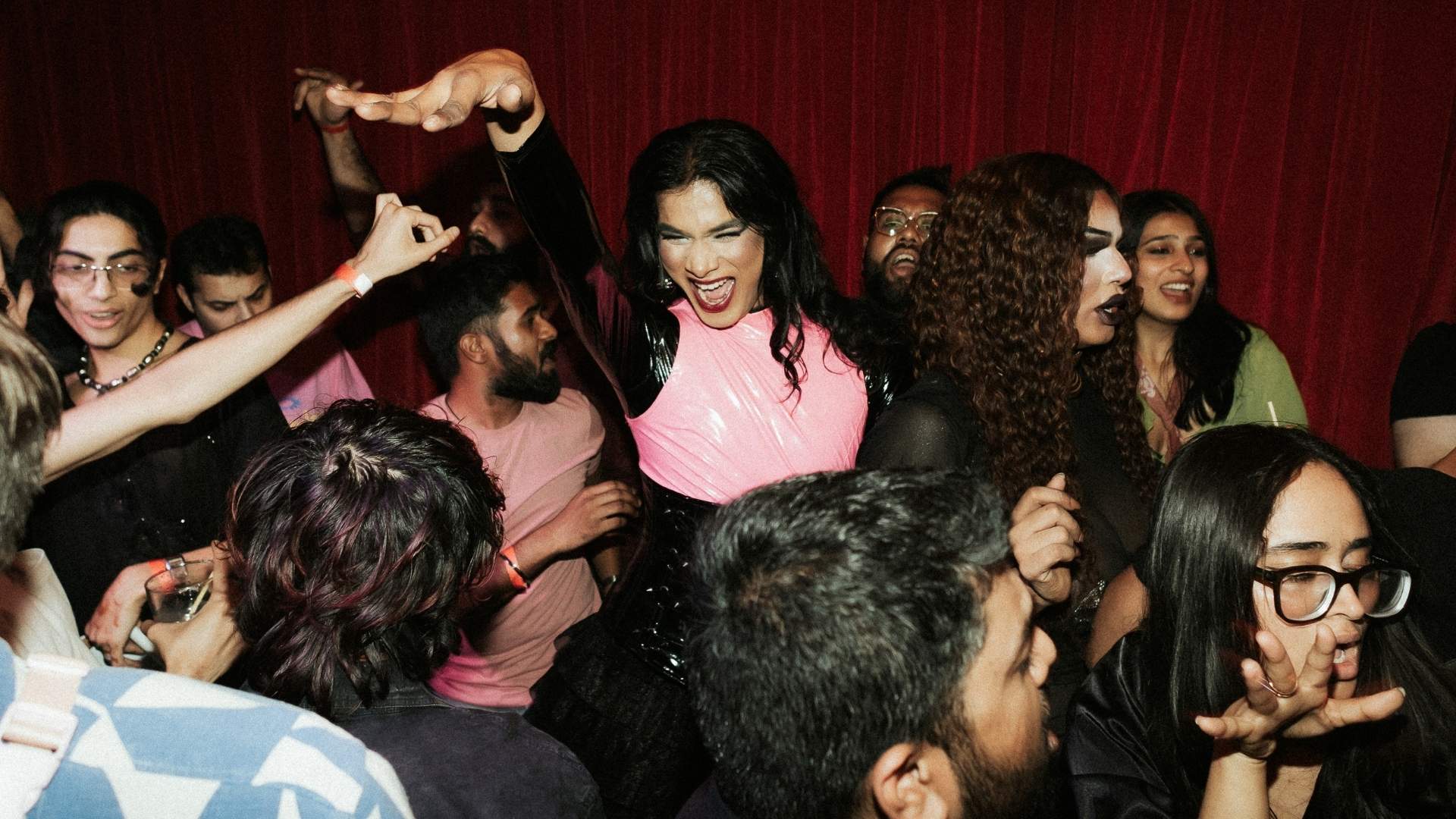
When queer artists are on stage, when queer entrepreneurs are running the pop-up at the back, it changes the atmosphere.
How did you create a space where LGBTQIA+ guests genuinely feel safe and seen?
Safety starts behind the scenes—with who’s in the room, how staff are trained, how security operates, and how management responds when something goes wrong, because sometimes it does. At Depot, expectations around behaviour are clear, and they apply equally to everyone. We take complaints seriously. We don’t make guests feel like they’re creating a problem by raising a concern. Beyond policies and procedures, representation matters in a very practical way. People feel safer when they can see themselves reflected—not just in the audience, but in the performers, collaborators, and organisers shaping the experience. When queer artists are on stage, when queer entrepreneurs are running the pop-up at the back, when queer people are visibly involved in building the evening itself, it changes the atmosphere. It creates a sense of belonging that can’t be manufactured. The other thing I’ve learned is that listening has to be ongoing so we try to stay in conversation with the community. The willingness to listen, adapt, and keep learning is as important to creating a safe space as any policy you can put in place.
What community-led events are planned for the queer community this Pride month?
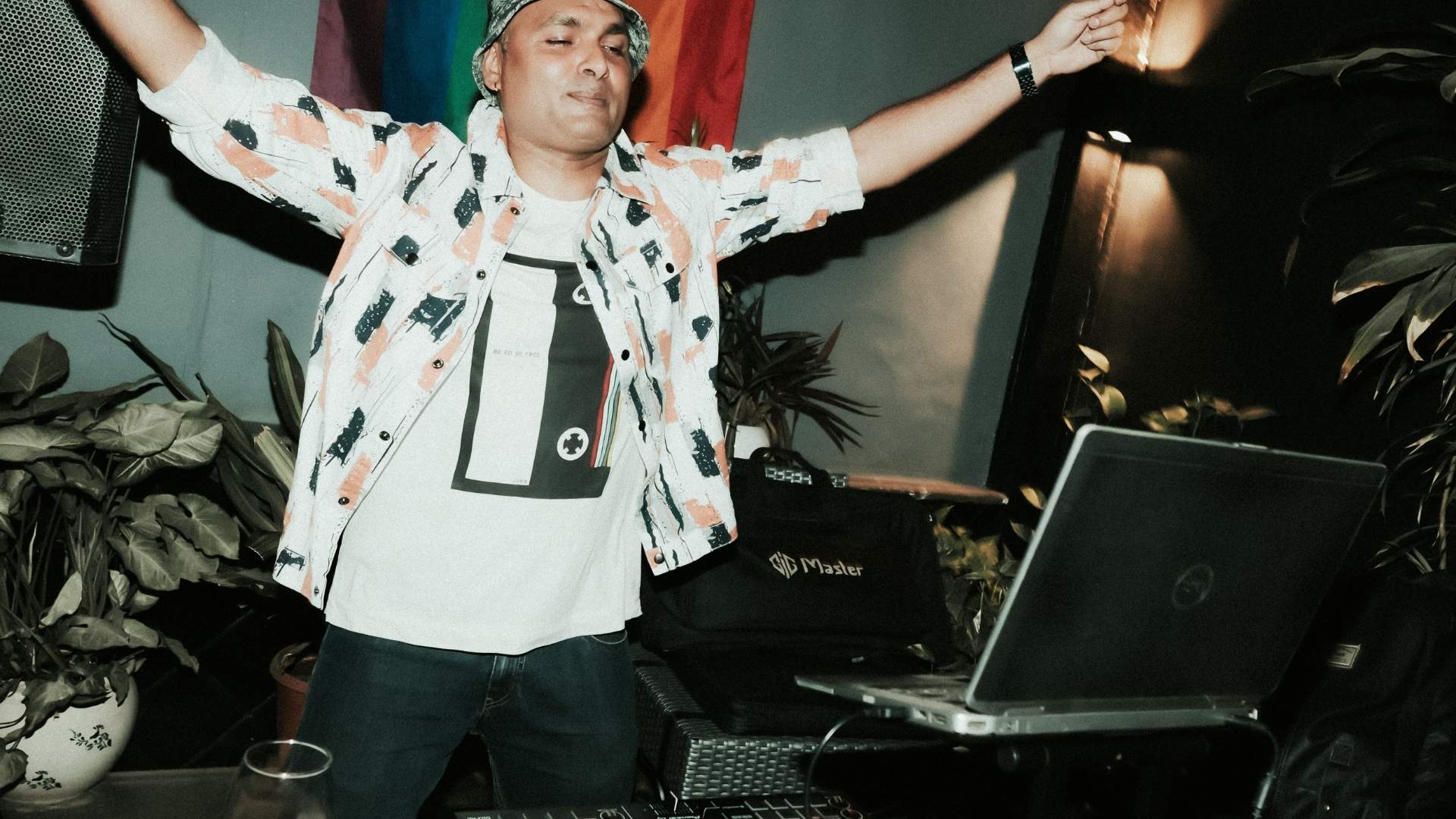
June is probably our most layered Pride month yet in terms of what’s actually happening inside the venue. We kicked things off with a collaboration with the Mexican Embassy—an opening party paired with a film screening. That intersection of diplomatic culture and queer nightlife feels very Depot. Pink Thursdays run throughout June with a rotating weekly format that includes DJs, karaoke, drag performances, and live music. We’re also bringing in a queer comedy show on one of those nights. Fridays are dedicated to bar takeovers, with the bar being handed over to different collaborators—queer bartenders, hospitality professionals, and people who have a story to tell through what they pour. One of the takeovers is led by Fay Barretto from Mumbai, widely recognised as India’s first trans bartender. What makes that evening especially meaningful is that queer professionals behind the bar remain relatively rare in India’s hospitality industry. Fay has spent years pushing that door open, and having him bring his bar to Delhi for a night feels significant. Saturday nights continue with our Night Shift format, providing a consistent weekend anchor while allowing the programming around it to evolve.
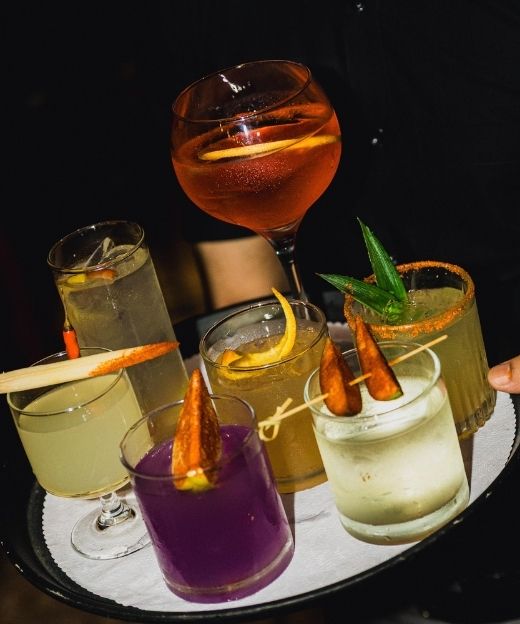
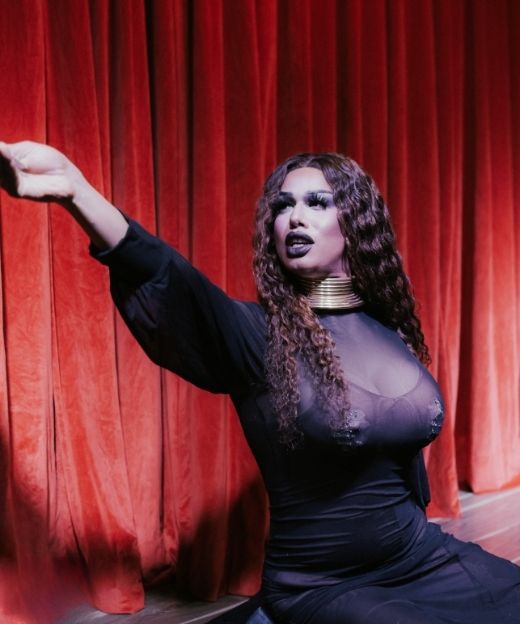
The two Pride Fairs bring together queer entrepreneurs, artists, and community-led initiatives in a way that reflects what Pride can look like beyond nightlife alone. Across the month, we’re also hosting live performances by artists such as Nish and the Knacks, Jamaica Moana, and Sentrinela Lucia—artists who represent the breadth and diversity of queer creative expression today. We are also hosting a Drag Extravaganza and Ball Night, which is one of those events that captures the energy of Pride in a way that’s difficult to describe. Running alongside all of this is a Pride Special Cocktail Menu available throughout June.
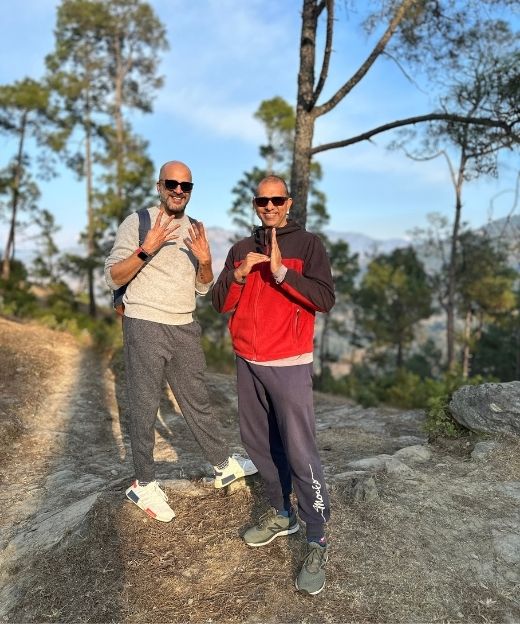
Vikas Narula and Girjashanker Vohra co-founded Depot48 in 2014 with the aim to create Delhi’s most inclusive bar and a genuinely safe within the hospitality landscape.
If someone walks into Depot during Pride, discovers an artist they’ve never heard before, encounters a perspective they hadn’t considered, or experiences a format they didn’t expect, that feels like success.
Vikas Narula
Co-founder, Depot48

How do the cocktail and food menu draw inspiration from the queer theme?
The cocktail menu has been developed thoughtfully and with intention, reflecting the same values, stories, and sense of creativity that shape everything else at Depot. What we’re drawn to are the themes that genuinely run through queer experience. Some of the drinks and dishes draw from specific narratives, cultural intersections, and personal histories. Others are playful and deliberately unexpected in their flavour logic—combinations that shouldn’t work on paper but somehow do. The kitchen and bar teams have also brought their own perspectives and experiences into the process, which has made the menu feel more collaborative and layered.
Are there any community stories that remind you why spaces like Depot 48 matter?
Interestingly, the moments that stay with me are rarely the biggest or most visible ones. I remember a guest once telling us it was the first time they had felt comfortable being physically affectionate with their partner in public. Twelve years into running this place, and that still stops me in my tracks. The fact that something as ordinary as that can feel like a gift says a lot about why venues like Depot matter. I think about the musicians who played their first proper gig on our stage and have since gone on to build real careers, the collaborations that began in a corner of the venue and grew into something meaningful, and people who arrived at an event alone and left with a community. We often talk about that in the context of our quiz nights or live music programming, but it’s equally true of Pride.
Running an independent, bootstrapped venue in this city for twelve years is not a gentle undertaking. It is not just a venue, but a space where people feel seen, welcomed, and connected. Not every night lands perfectly, and no community space ever gets everything right. But on the nights when it all comes together, it makes every challenge that came before it worthwhile.