











Is India's River Cruise Industry Finding Its Flow?
India’s river tourism sector is slowly gaining momentum. Is this the beginning of a thriving river cruise industry?

By Rachna Virdi
Antara Cruises, South Asia’s largest luxury river cruise operator, recently announced an investment of over ₹500 crore over the next five years to strengthen the Brahmaputra as India’s premier luxury river cruise destination. The investment will support the expansion of the company’s fleet, tourism infrastructure and the broader cruise ecosystem in Assam.
River cruising is steadily emerging as a serious segment within luxury tourism and hospitality. Does this investment indicate that India’s river cruise sector is entering a phase of significant growth?
India’s river-based tourism
River cruising is moving from a niche tourism product to a growing hospitality segment, supported by expanding fleets, rising passenger demand and strong government investment through the Cruise Bharat Mission (CBM) and the Inland Waterways Authority of India (IWAI) and other initiatives.
According to the Ministry of Ports, Shipping and Waterways, the number of operational cruise vessels on National Waterways has grown from just a handful in 2014 to 35 today. Annual river cruise voyages on India’s National Waterways increased by 19.4% during FY2024–25. Passenger traffic has also witnessed a dramatic surge, rising from 84,000 in FY2013–14 to nearly 5 million by FY2025–26.
Under the Government’s Cruise Bharat Mission, 51 river cruise circuits are planned across 14 states and three Union Territories by 2027. The mission aims to unlock the immense potential of cruise tourism across both sea and inland waterways and double cruise passenger traffic by 2029, building on the current base of 4.71 lakh cruise passengers operating across more than 5,000 km of navigable waterways.
These growth figures are particularly striking when compared with Europe’s mature river cruise market, which welcomed 1.39 million passengers in 2024 and generated €3.54 billion in ticket sales. The comparison underscores the significant opportunity for India to emerge as a global destination for premium river-based tourism.
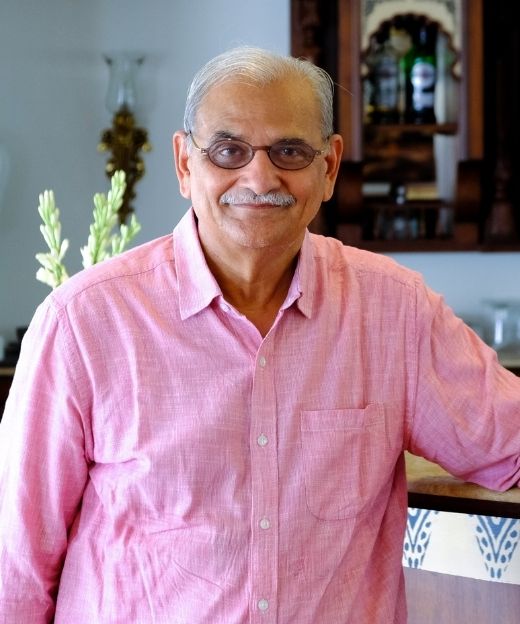
Raj Singh, Founder & Managing Director, Antara Cruises, aims to position the Brahmaputra among the world’s premier luxury river cruise destinations.
Assam has everything—a magnificent river, incredible wildlife, rich culture, warm hospitality and authentic experiences that today’s discerning travellers are seeking.
Raj Singh
Founder & Managing Director, Antara Cruises

Assam’s Brahmaputra attracting investment
Assam’s Brahmaputra River is becoming the focus of major tourism and economic investments. The Central Government has intensified efforts to transform the Brahmaputra into a multi-functional economic corridor—with Sarbananda Sonowal, Union Minister for Ports, Shipping and Waterways, leading an integrated push combining transport, trade, tourism and river management. This vision is backed by a proposed investment of ₹4,800 crore. The proposed investment could position Assam as a globally recognised luxury river cruise destination while generating around 5,000 direct and indirect employment opportunities.
Assam Chief Secretary Ravi Kota emphasises on the importance of creating high-value tourism experiences, strengthening local enterprises and artisans, and building skills among Assamese youth in hospitality, cruise operations, culinary services and marine engineering.
Amidst this, Antara Cruises has pledged ₹500 crore towards Assam’s luxury river cruise sector and has been working closely with the Ministry of Ports, Shipping and Waterways and the Inland Waterways Authority of India (IWAI) to advance luxury river cruising in the region. International operators are also taking notice, with Viking Cruises announcing plans to launch the Viking Brahmaputra.
Raj Singh, Founder & Managing Director, Antara Cruises, has his vision for positioning the Brahmaputra among the world’s premier luxury river cruise destinations. “Assam has everything—a magnificent river, incredible wildlife, rich culture, warm hospitality and authentic experiences that today’s discerning travellers are seeking. Our investment goes far beyond operating ships. It’s about building an entire ecosystem that can elevate the Brahmaputra to the same league as the world’s finest river cruise destinations.”
Singh says, with the right infrastructure in place, Assam has the potential to become India’s leading river cruise destination. Around the world, river cruising has transformed regional economies by bringing high-value travellers to destinations beyond major cities. The Brahmaputra can do the same for Northeast India, creating sustainable employment, supporting local businesses and positioning India on the global luxury river cruise map.
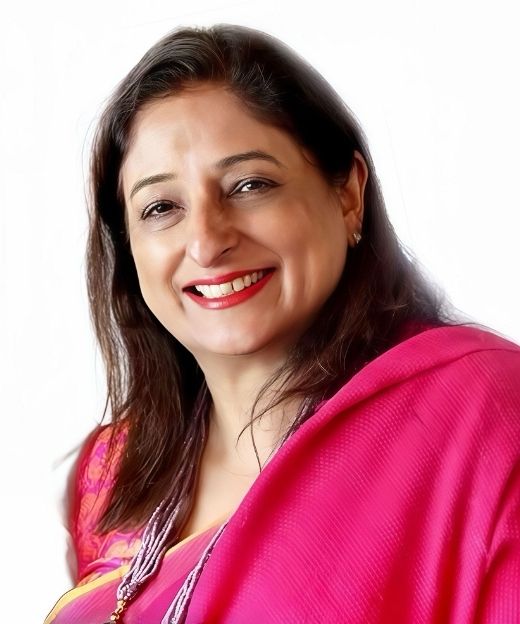
India has the ingredients to emerge as a globally competitive river cruise destination, believes Ratna Chaddha.
River cruising can significantly expand the tourism economy beyond the vessel itself. The real opportunity lies in building experiences that allow travellers to engage meaningfully with each region.
Ratna Chadha
Indian representative of Royal Caribbean Cruises
The road to expansion
The investment by Antara Cruises is a long-term commitment to aligning its expansion plans with Assam’s tourism and infrastructure priorities. It will inspire further private investment and position Assam as one of Asia’s most exciting luxury travel destinations, believes Singh. “River cruising has the power to catalyse the entire tourism economy. A cruise doesn’t exist in isolation—it creates demand for hotels, boutique lodges, local transport, guides, artisans, cultural performers, restaurants and countless local businesses. When visitors stay longer and explore more, the benefits spread across the region.”
“Throughout my career, I’ve learned that when you combine the right opportunity with a clear long-term vision and the conviction to make bold decisions, extraordinary things can happen. The Brahmaputra is one of those rare opportunities. It’s one of the world’s great rivers, yet it remains largely undiscovered as a luxury cruise destination.”
Singh aims to build a sustainable tourism ecosystem that creates employment, encourages entrepreneurship and showcases Assam’s extraordinary heritage to the world. “We want to create something that benefits everyone—our guests, local communities, artisans, guides, and the wider tourism economy. I genuinely believe that, with the right vision and execution, the Brahmaputra can become India’s most iconic luxury river cruise destination and a global benchmark for experiential river tourism.”
As Gloria Guevara, President & CEO of the World Travel & Tourism Council (WTTC) points out in her note, “Cruise tourism brings real and lasting positive benefits to communities around the world. When travellers discover a destination through cruising and choose to return, they create ongoing opportunities for local businesses, support jobs, and contribute to the long-term vitality of those communities.
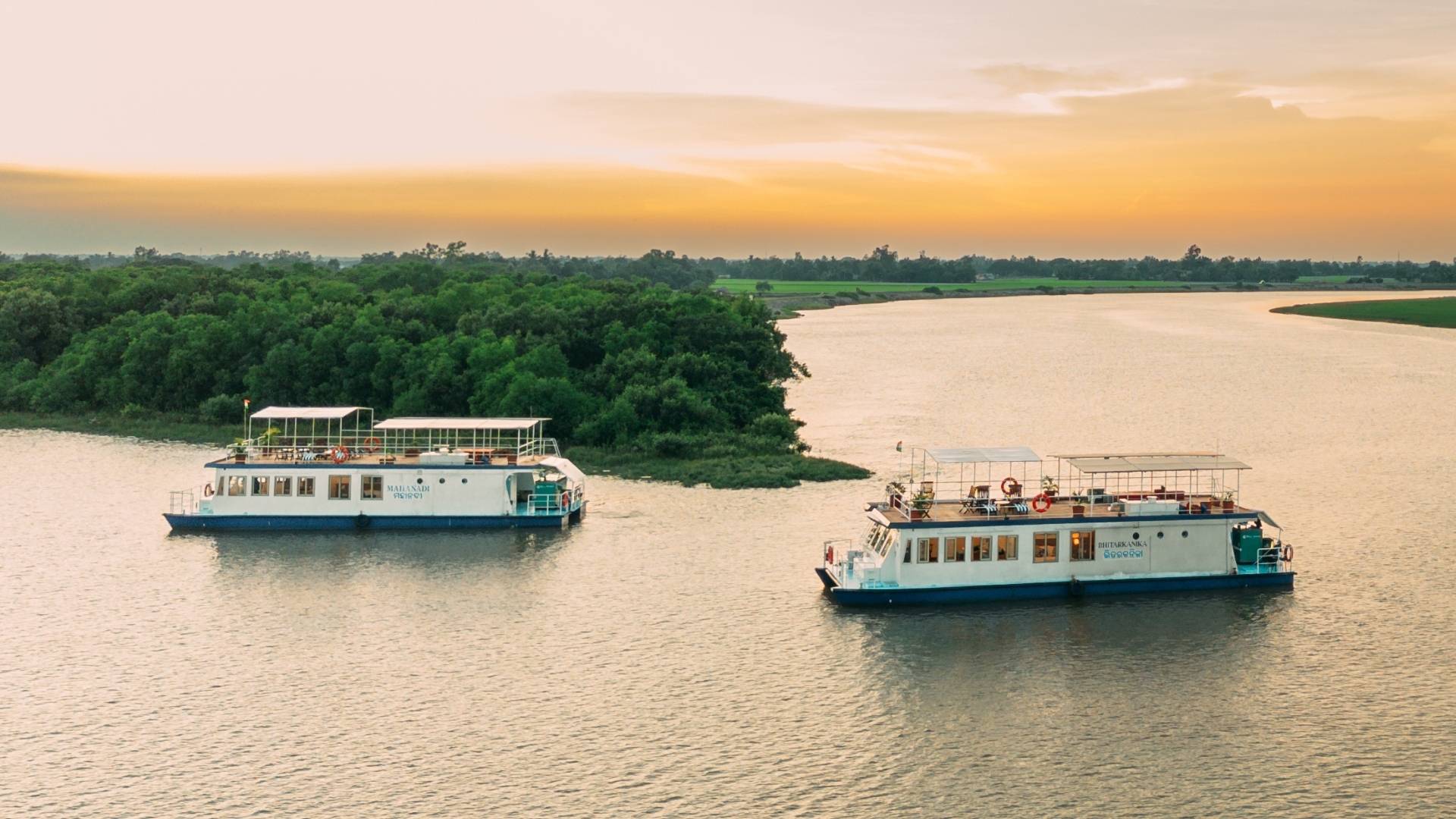
As a part of the plan, the first vessel is scheduled for launch next year, followed by one new vessel every subsequent year. Each vessel is being specially designed to accommodate 80 guests and engineered for the Brahmaputra’s unique navigational conditions. Equipped with shallow-draft technology, the vessels will comply fully with the latest Inland Vessels Act and Indian Register of Shipping (IRS) standards. They will complement the company’s flagship vessel, MV Ganga Vilas, significantly expanding Assam’s capacity to attract high-value domestic and international travellers.
The new fleet will incorporate sustainability-focused technologies, including onboard sewage treatment plants, advanced water filtration systems, shore power connectivity to minimise emissions while berthed, and WWF-approved dolphin deterrent technology to help protect the Brahmaputra’s fragile ecosystem.
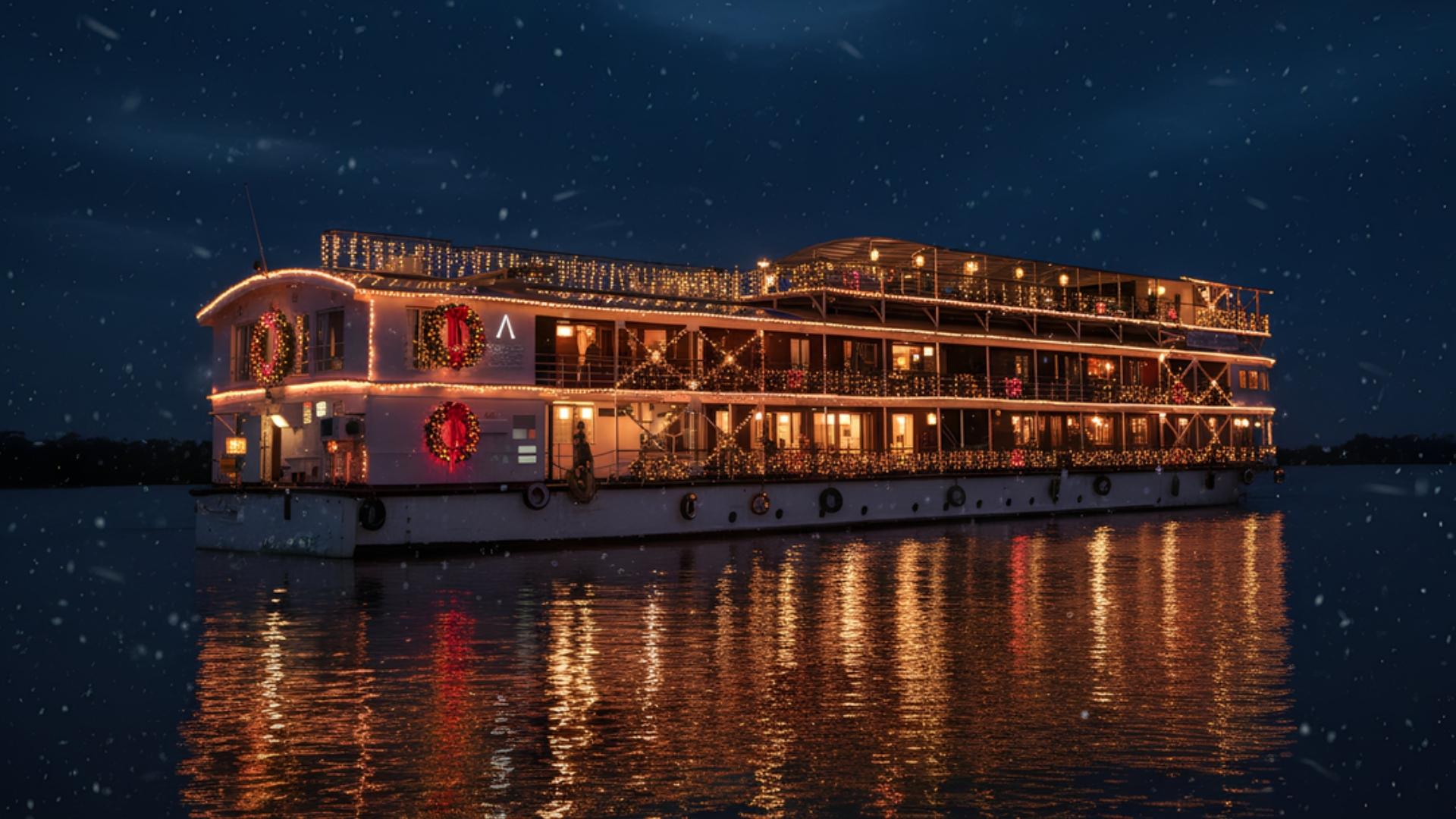
MV Ganga Vilas, the company's flagship luxury river cruise vessel operating on the Brahmaputra.
India’s potential for river cruise tourism
With a network of 110 navigable waterways spanning more than 20,000 km and connecting nearly 400 rivers, India is uniquely positioned to become a major player in global river cruising.
India has one of the greatest untapped opportunities in river cruising anywhere in the world. We have iconic rivers, extraordinary history, diverse cultures and incredible biodiversity—all the ingredients for world-class river cruise experiences.
When you travel by river, you don’t just move from one destination to another—you experience the landscape, wildlife, villages and culture unfolding naturally around you. It gives you a completely different angle on a destination. You see places as they have been experienced for centuries, from the water, at a slower and more immersive pace. That is something no road journey or flight can replicate.
Ratna Chadha, Indian representative of Royal Caribbean Cruises, agrees that India has the ingredients to emerge as a globally competitive river cruise destination. “India has the rivers, heritage and cultural diversity to become a compelling global river cruise destination. What we need is reliable infrastructure, consistent navigation and safety standards, cleaner waterfronts, seamless regulations, and stronger collaboration between governments, cruise operators and local communities. The experience must be world-class while remaining distinctly Indian.”
She notes, “River cruising can significantly expand the tourism economy beyond the vessel itself. It creates demand for hospitality, local cuisine, guided experiences and transport, while encouraging the development of lesser-known destinations along the route. The real opportunity lies in building experiences that allow travellers to engage meaningfully with each region.”
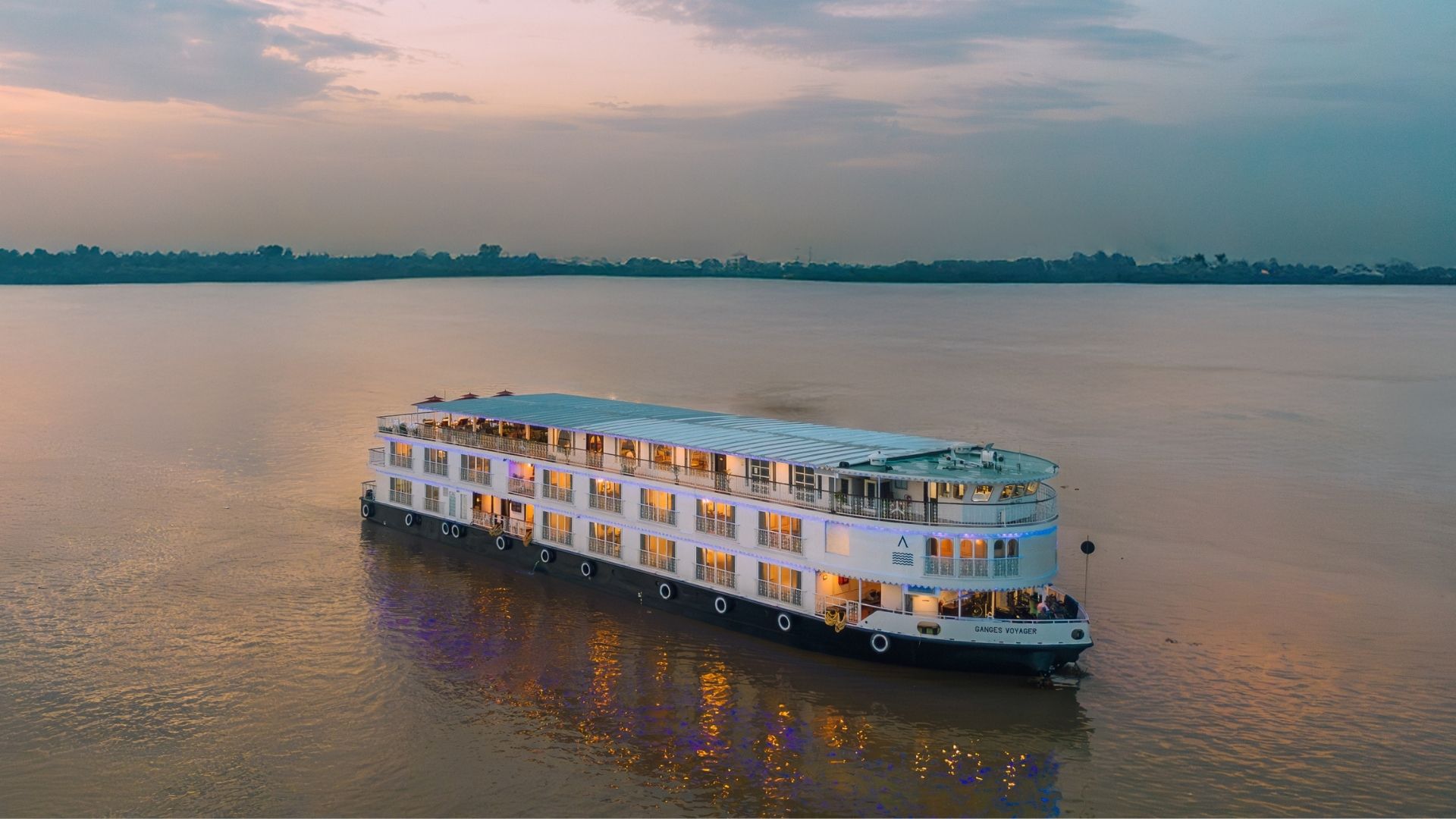
India has a massive, untapped potential for river cruising, because of its huge network of navigable waterways.
Despite the optimism, industry experts acknowledge that river cruising faces several challenges, including seasonal navigability, limited jetty infrastructure, environmental safeguards and the need for seamless last-mile connectivity. Addressing these issues will be critical if India hopes to compete with established river cruise destinations.
Singh says: “Today’s travellers are increasingly looking for authentic, meaningful experiences rather than simply ticking off destinations. River cruising delivers exactly that. With the right investment in infrastructure and a long-term vision, I believe it will become one of the most exciting segments of India's luxury tourism industry.”
Whether India's river cruise ambitions match Europe’s scale will depend less on the number of vessels launched than on whether infrastructure, regulation and destination development keep pace. For now, the sector appears to have moved beyond experimentation and into investment.