














The Slow Grammar of the Wild
For decades, safari sightings equalled success of a trip. But a transformative shift is underway across India’s wildlife lodges. From regenerative design to naturalist-led immersion, a new generation of wilderness hospitality is redefining luxury as ecological understanding.

By Chandreyi Bandyopadhyay
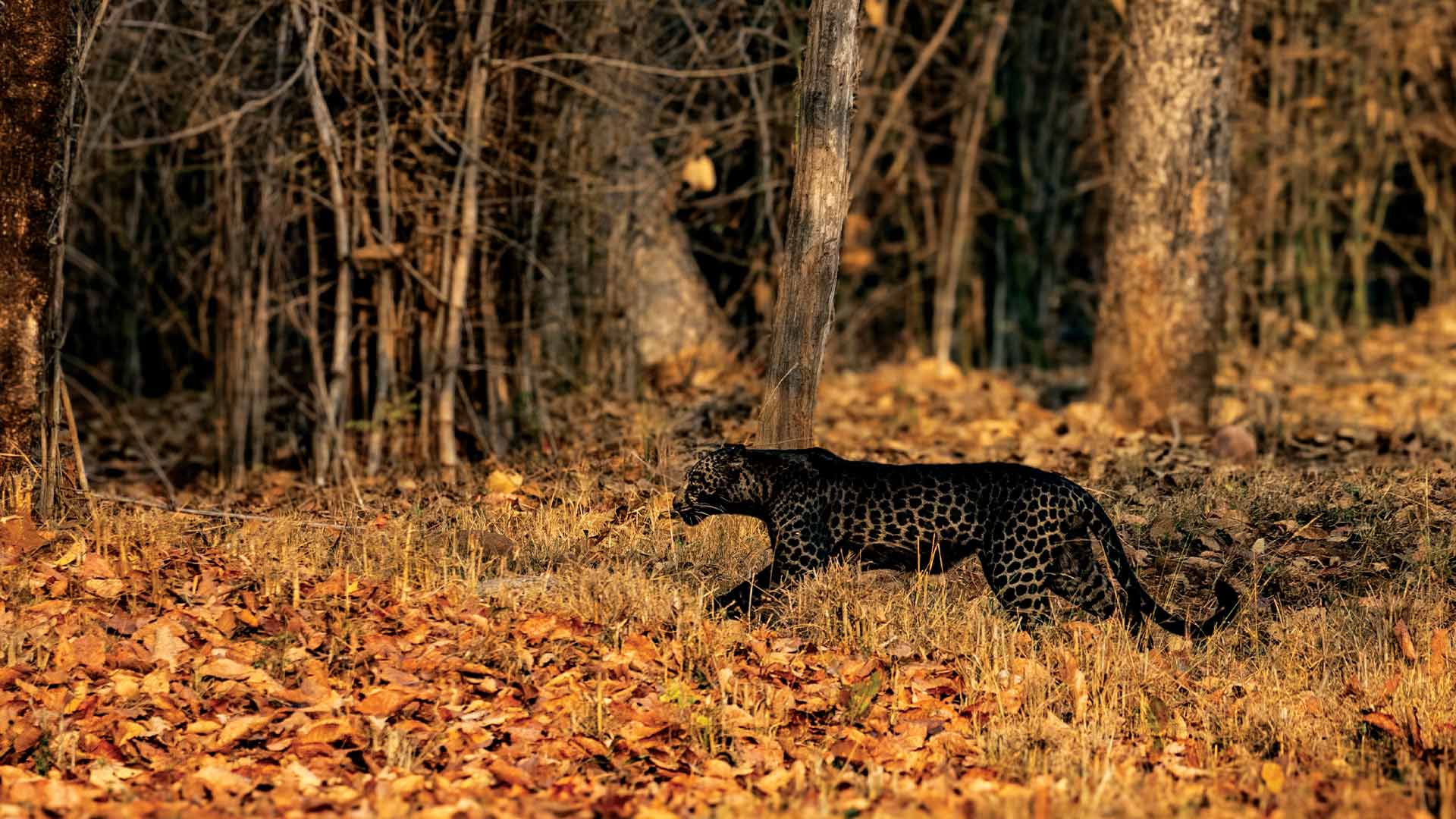
A blackboard near the entrance said everything you wanted to know at a safari lodge. Chalked up weekly (or daily), it listed what was seen—a tiger, a sloth bear, birds of prey—and that was enough for guests to lean forward and ask questions. The board never promised; it simply confirmed that the forest was alive and full of wonders.
Then safari tourism surged, and the blackboard quietly disappeared. Not all at once, not everywhere, but lodge by lodge, the checklist gave way to new concepts. A whole gamut of properties are now asking not what the guest might see, but how they might truly encounter the wild.
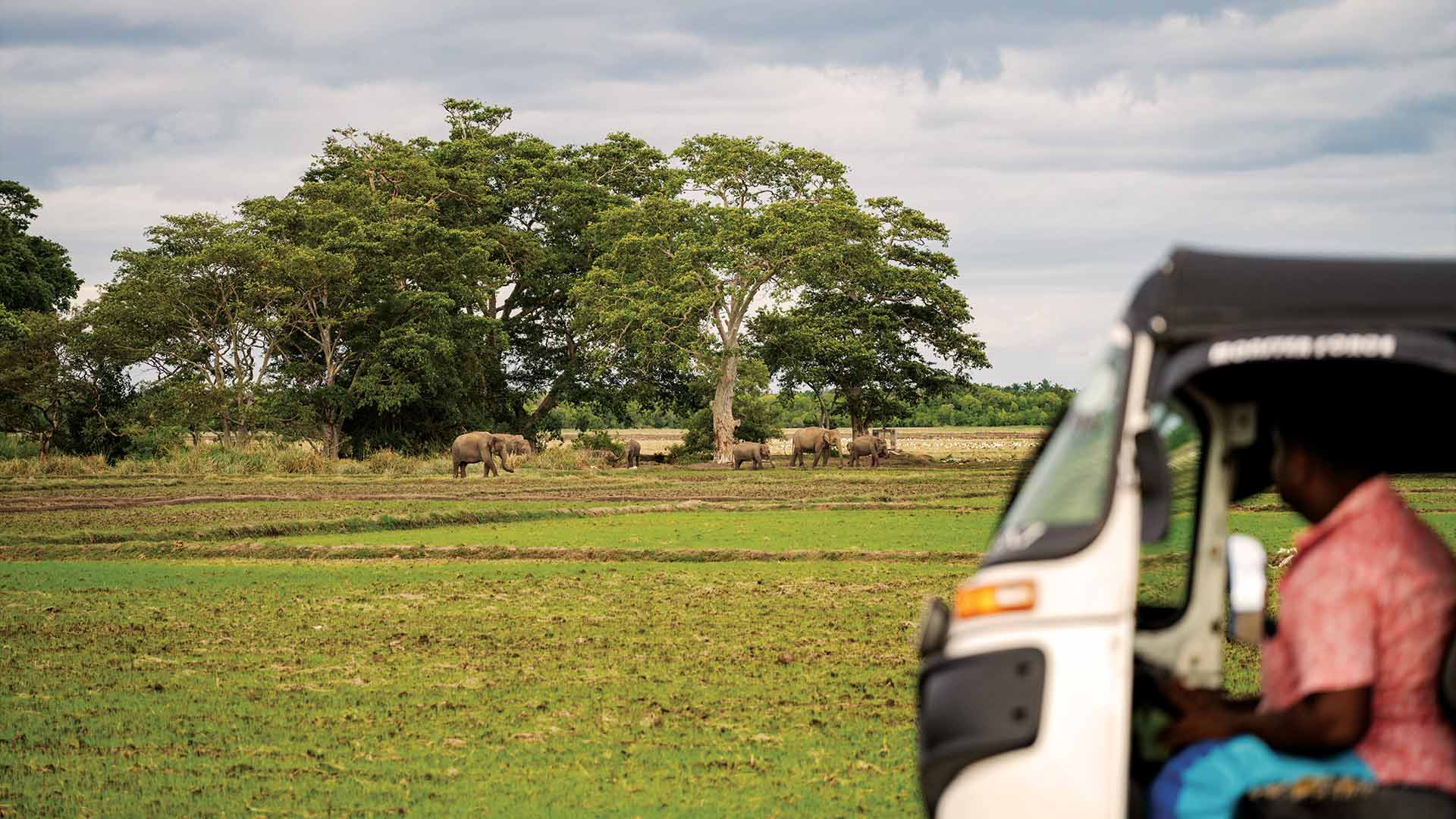
For decades, sightings on safaris equalled success. The more dramatic the encounter, the more memorable the stay. But increasingly, the value of time spent in the wild is being measured not by the number of animals seen, but by the depth of connection forged with landscapes, ecosystems, and the rhythms of nature itself. Wilderness hoteliers are developing methods to engage guests authentically beyond safari drives—as permit availability becomes scarce across big cat destinations like Ranthambore, Kanha, Kaziranga, Jim Corbett, Bandhavgarh, or even Yala (Sri Lanka). From regenerative design to naturalist-led immersion, a new generation of wilderness hospitality is redefining luxury as attentiveness, patience, and ecological understanding.

Shoba Rudra, Founder, RARE India.
The personal voice
Aramness in Sasan-Gir offers bespoke wildlife immersion with 18 exclusive kothis, because fewer guests mean more thoughtful experiences, deeper engagement, and a lighter footprint. "The checklist mentality reduces the wild to a scoreboard, and that's precisely what we've built against. Success for us isn't measured in what was spotted, but in what was felt and understood,” says Jimmy Patel, its founder.
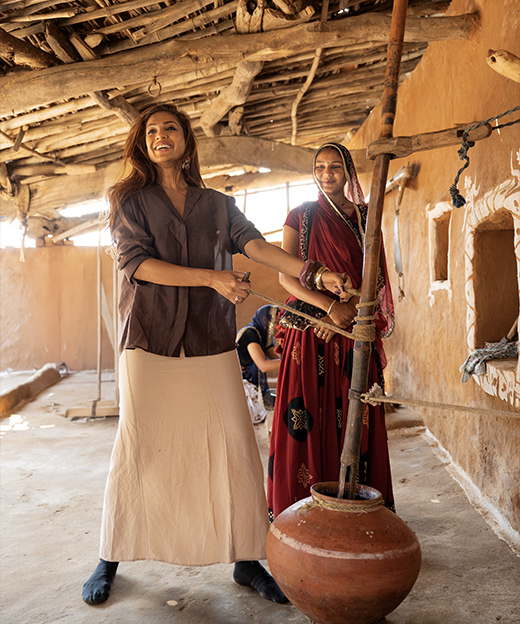
“Much of luxury that is promoted today has a colonial twist or has unnecessary excesses,” says Shoba Rudra, Founder, RARE India, a collection of owner-led hotels in South Asia that audits its members for conservation and environment sensitivity. “While luxury in the wilderness is about space, health of the forest and true conservation. The luxury we promote is about engaging with every aspect of the forest including the communities living on the fringes,” she explains.
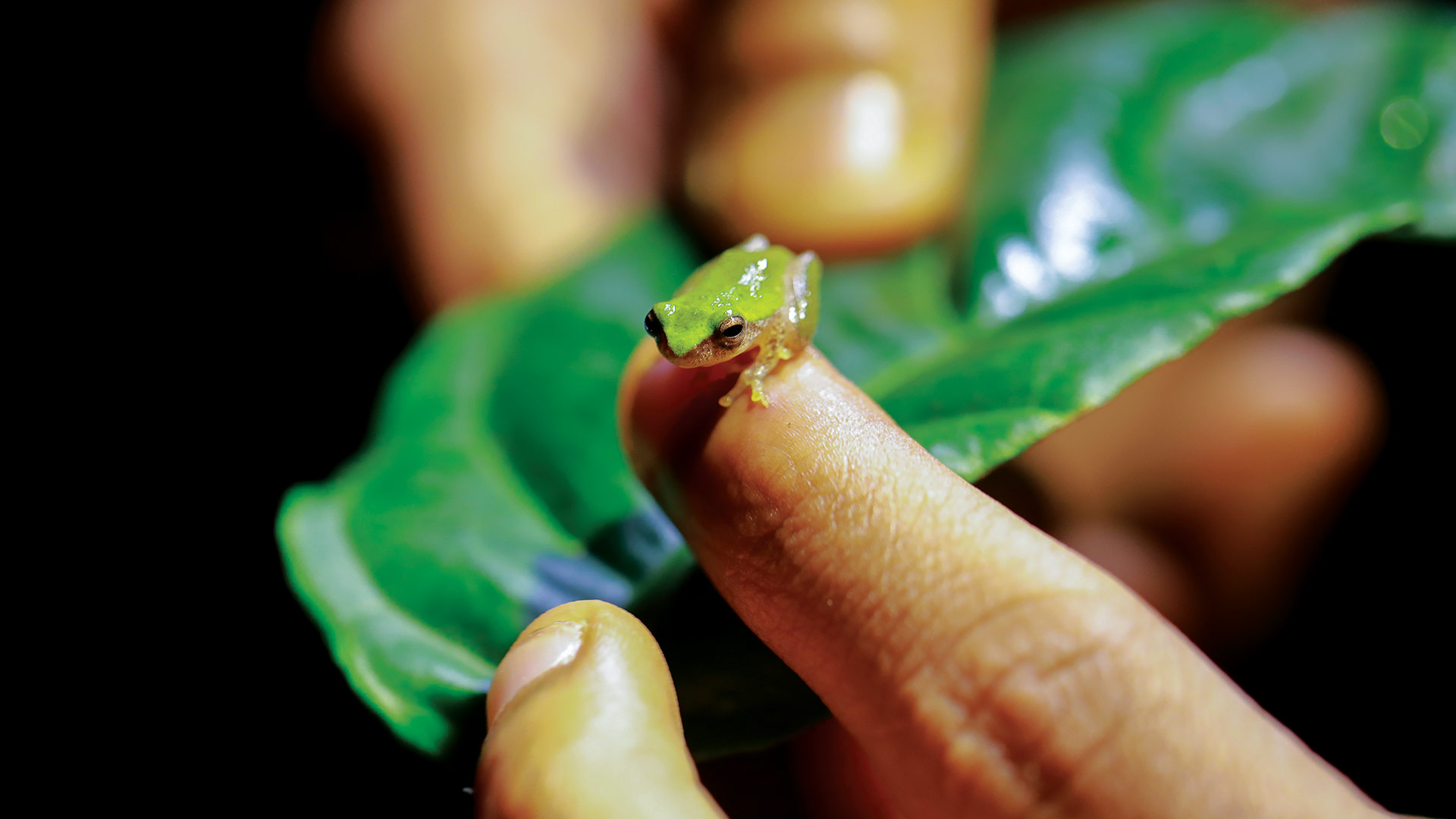
At CGH Earth Wayanad Wild, the ‘wild’ is interpreted beyond conventional safaris with intent. Instead of fleeting sightings, they focus on crafting immersive interactions with nature’s wonders. Lodge manager and acclaimed naturalist David Raju articulates the approach in the context of the rainforest. “The smaller inhabitants of the rainforest hold remarkably compelling stories. We interpret these, highlighting the ecological significance of the ecosystem for our guests. In contrast to destinations that predominantly focus on large mammals, we sensitise guests to the intricate, often overlooked layers of the forest, fostering a deeper appreciation and awareness.”
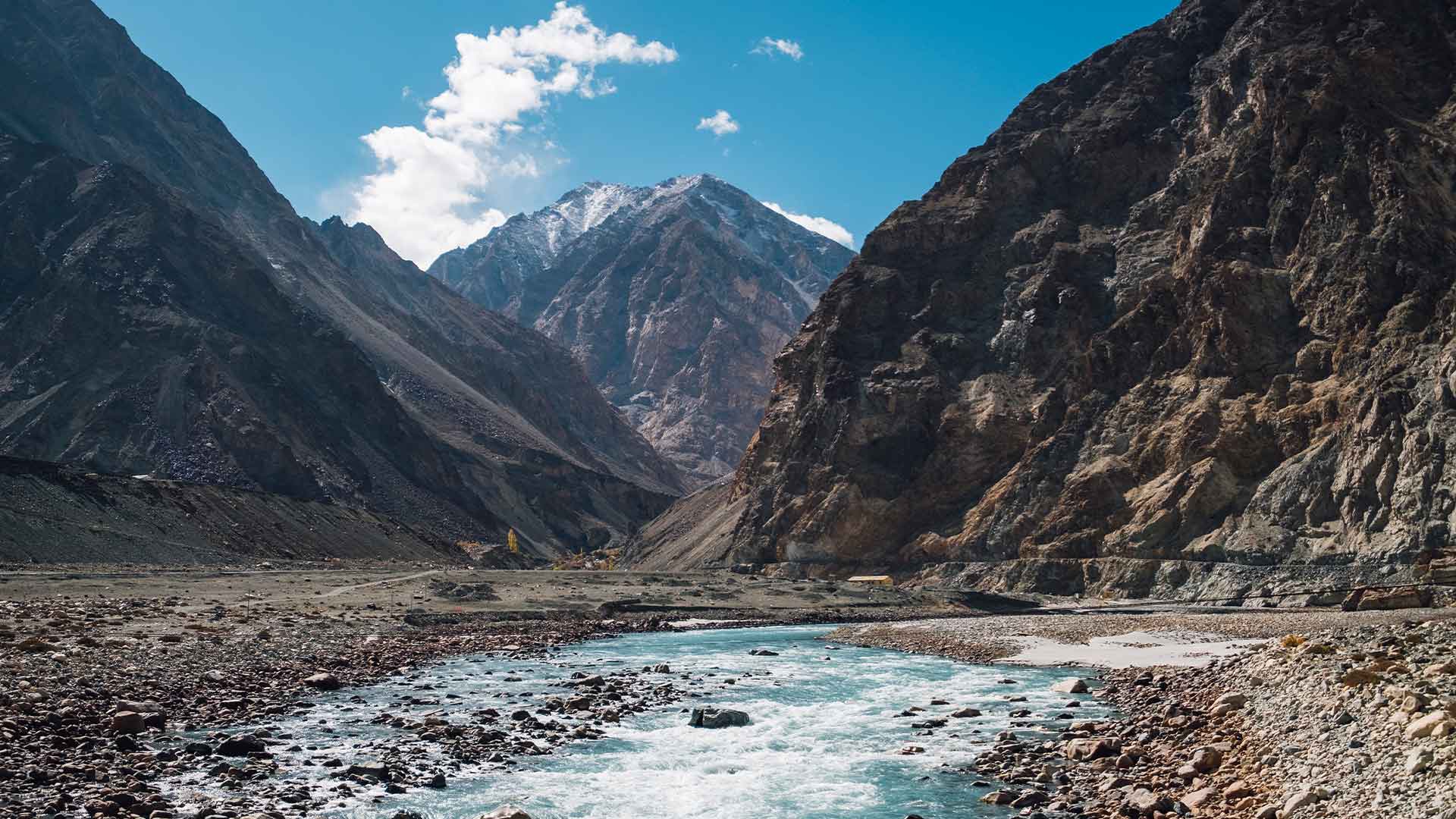
At Snow Leopard Lodge, the approach shifts considerably. “A fair degree of flexibility is built into the programme and a lot depends on whether guests have spotted snow leopards already,” says Hashim Tyabji, Director - Kaafila Luxury Camps, which manages and operates the lodge. “Guests can head out to explore monasteries and villages in winters and go bird watching, cycling on wildflowers and insect walks (in summers),” he elaborates. Accompanying naturalists remain connected with spotters and get the guests to a sighting quickly when needed.
Instances of naturalist-led itineraries earlier belonged only to Africa; but it was a partnership between IHCL and &Beyond (then known as CCAfrica) in 2004 to launch Taj Safaris, that brought the tangible requirements for professionals who would explain the small delights of nature to guests with equal enthusiasm and knowledge, as they would about mammals. Kanhai Kapoor, AVP - Taj Safaris says, “Our naturalists are, in many ways, the heart of the experien
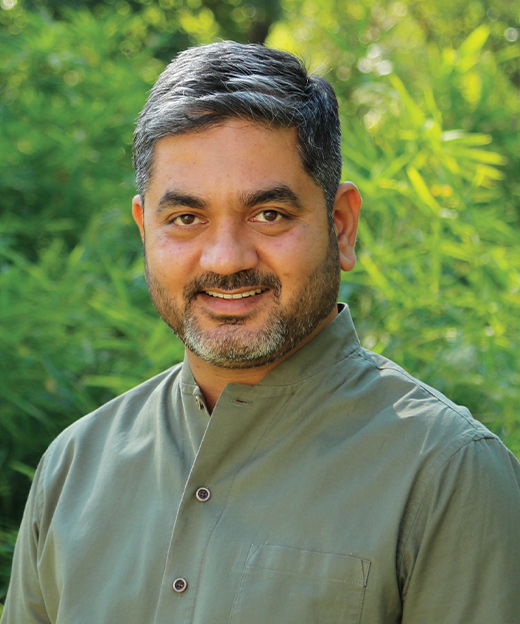
Anand Shekhawat, Founder, Sariska Lodge.
“Boutique wildlife resorts have the potential to become climate-forward models of hospitality, provided they are built with intent, sensitivity, and a deep respect for their surroundings.”
Anand Shekhawat
Founder, Sariska Lodge

Not mere happenstance
Taj Safaris invested deeply in building a cadre of highly trained naturalists who bring together field knowledge, interpretive skill and a genuine passion for the wild. Many of the country’s leading naturalists who continue to shape wildlife hospitality across India, have emerged from this ecosystem—a fact that Kapoor heartily agrees with. “The programme remains actively focused on developing talent who can go beyond guiding; individuals who can interpret landscapes, explain the nuances of flora and fauna, and help guests engage meaningfully with the forest,” he explains.
When Durgesh Singh (formerly with Taj Safaris) set out to build a bio-lodge, he chose the landscape he has spent most time in. Opened in late 2024, Outpost12 is an ode to the forgotten naturalists who discovered and studied Kanha long before it became a tiger reserve, and offers guests the opportunity to live in an “animist, forest-first” way at its nine-cottage property. In a region where everything and everyone hypes the big cat, Outpost12 centres on the 12-antlered endangered Barasingha, which is endemic to Kanha but largely forgotten.
“The wilderness can be experienced as a complete, thriving ecosystem rather than a hurried, species-focused chase during the safaris, by being driven to interesting things that happen around us in a natural habitat. Trained naturalists can help achieve this for guests who have only known the thrill of safaris on previous trips to the forests,” Singh says.
Such precedents were also set by Ratna Singh and Wasim K. of Saccharum Safari Lodge in Kanha, Sadhvi and Harshvardhan Singh of Bandhavgarh Jungle Lodge, and Chandravijay Hada of Chunda Shikar Oudi in Udaipur, all alumni of Taj Safaris.
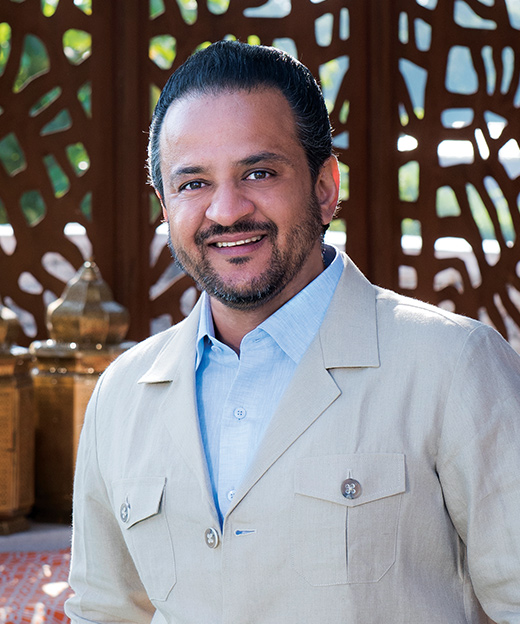
Jimmy Patel, Founder, Aramness.
"The checklist mentality reduces the wild to a scoreboard, and that's precisely what we've built Aramness against. Success for us is measured in what was felt.”
Jimmy Patel
Founder, Aramness
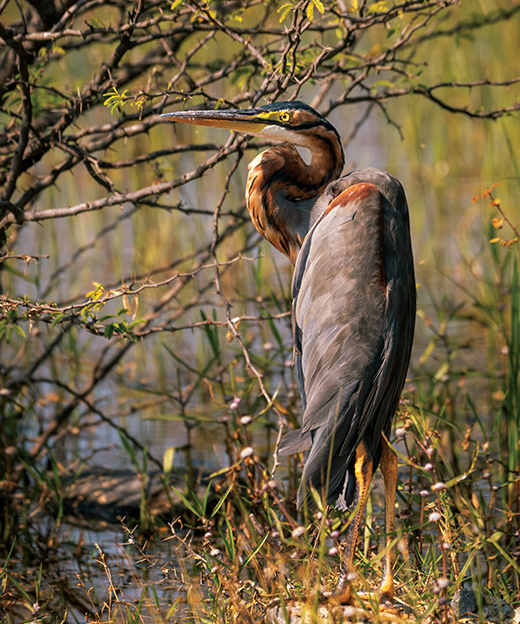
At Chunda Shikar Oudi, spotting Indian eagle owls on rocks from a sunset boat ride on the private lake could be rewarding. The erstwhile hunting lodge has become a cherished eight-suite lodge for guests seeking nature and quiet, away from the buzzing streets of Udaipur. Wildlife immersion expands to birding visits to the nearby Ramsar wetlands. Expert guidance is at hand through Hada’s team of young local naturalists, who come prepared with binoculars and are adept at driving a vintage Willys.
“I went to my village after working for years in central India because I never felt there would be another opportunity to be ethically close to nature, closer to home,” Hada admitted candidly. “The vision for this 30+ acre land was not to generate revenue, but to give back the forest to Mewar,” says the amiable naturalist leader who has installed a tripod with binoculars on the patio opening to a stunning infinity pool on the sundeck. “Nature’s activities are omnipresent, one only has to look,” he informs.
Owner-led legacy camps are far and few in India now. Among the ones who have evolved with shifting landscapes is Jehan Numa Wilderness from Bhopal. Aly Rashid, Director and Field Naturalist, observes that modern travellers often arrive with the right expectations. “Thanks to years of consistent, high-quality experiences and strong word of mouth, discerning travellers understand that luxury is no longer about material indulgence, but about meaningful, transformative experiences,” he explains.
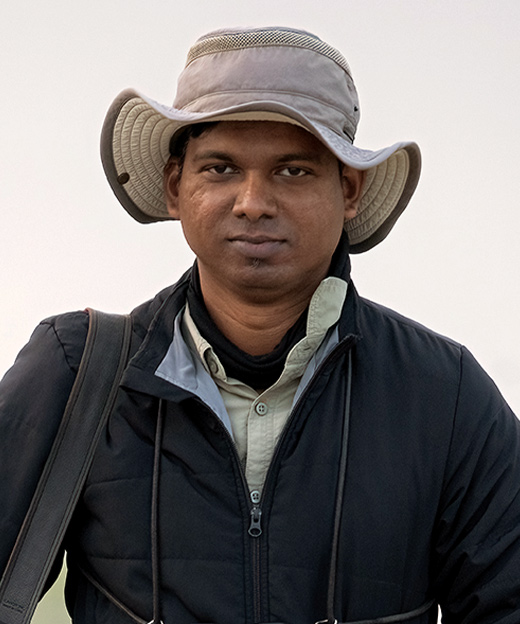
David Raju, Lodge Manager, Wayanad Wild, CGH Earth.
“For us, what began as contextual sensitivity has deepened into a more intentional regenerative framework today.”
David Raju
Lodge Manager, Wayanad Wild, CGH Earth
Slowing time by design
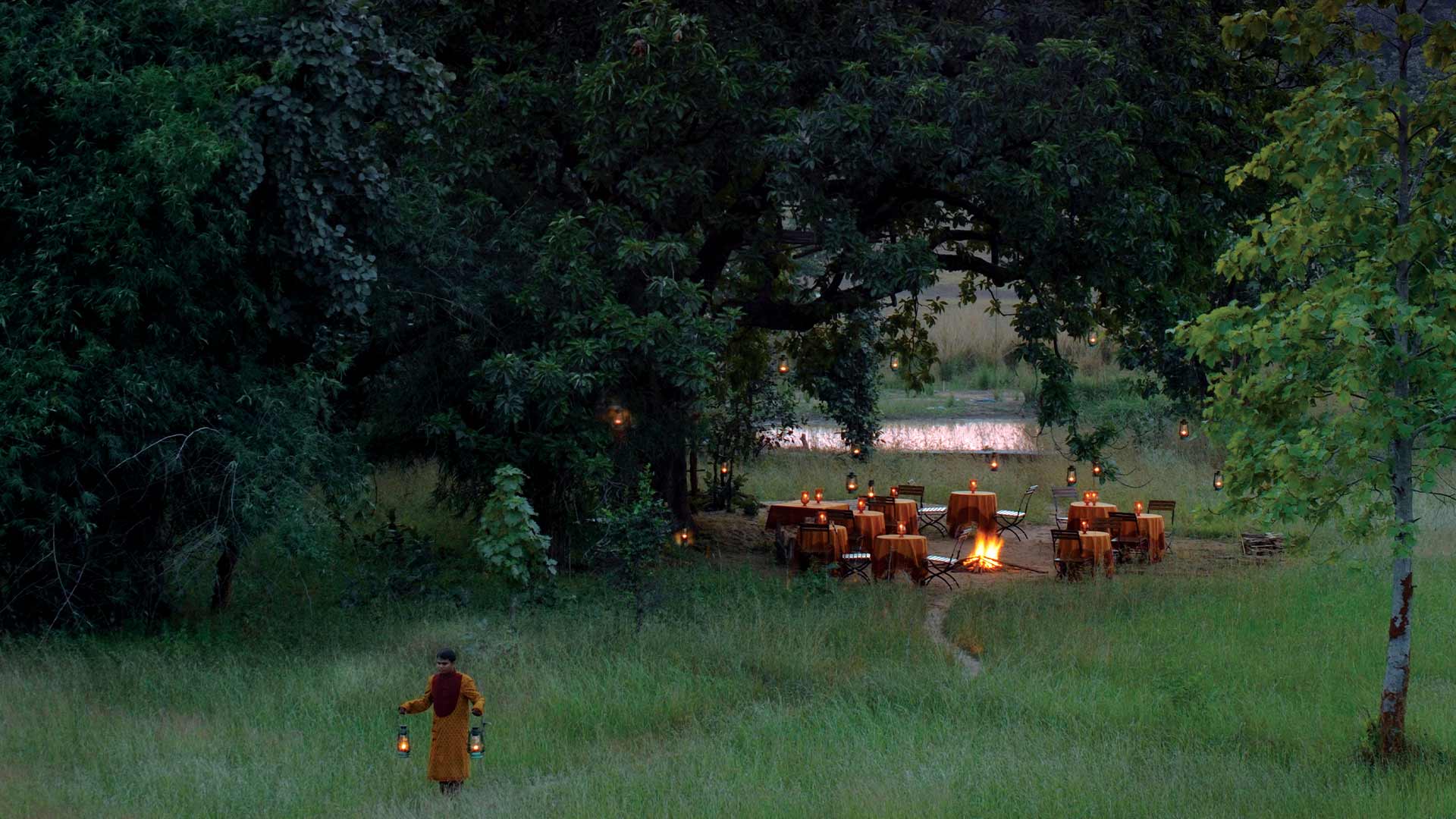
Engineered moments of pauses: slow breakfasts under a canopy, river-side sundowner picnics, stargazing, night walks to seek smaller species like spiders and reptiles are now expected in a practical, new expression of a wildlife lodge, where agency is returned to the forest.
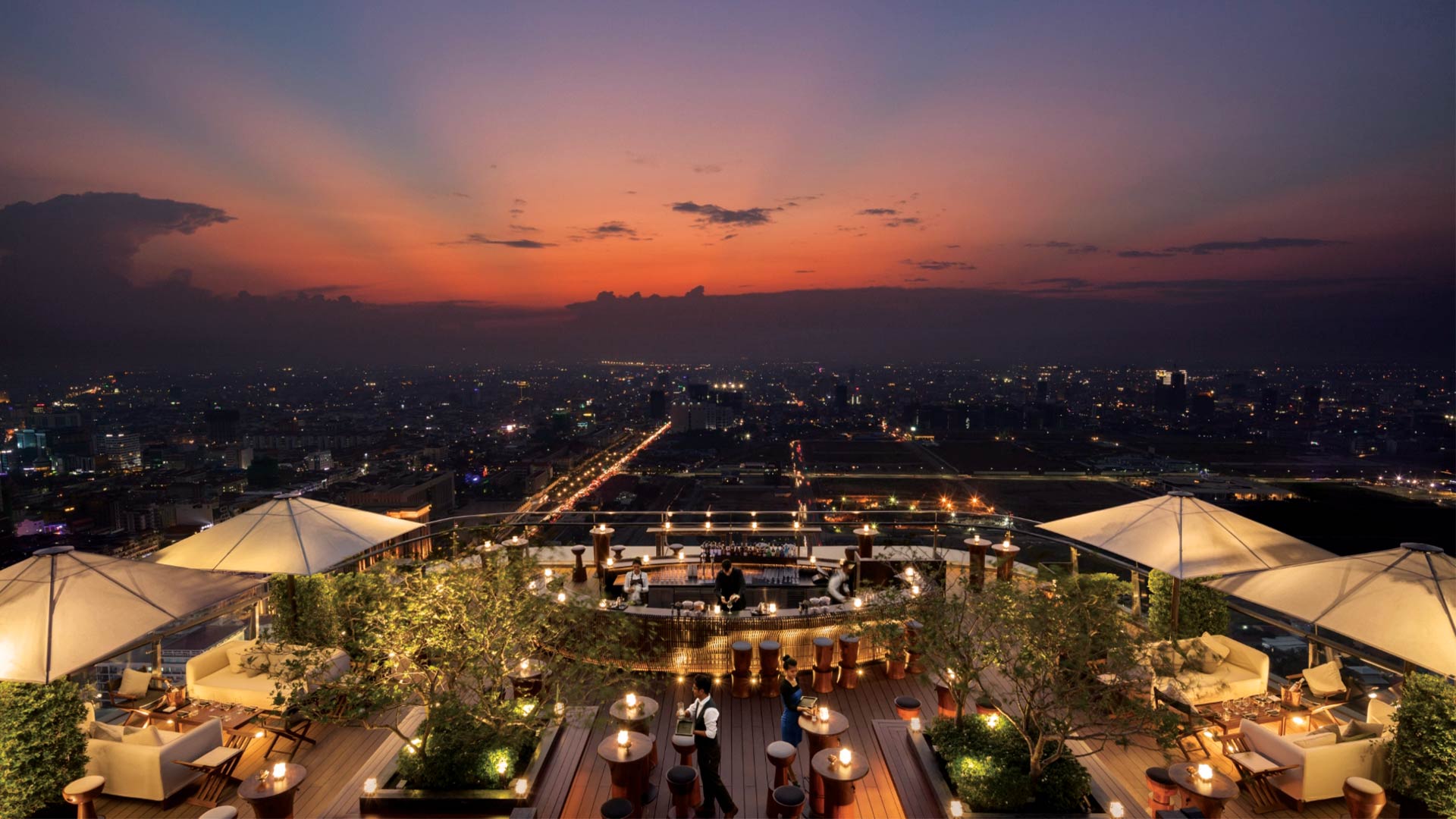
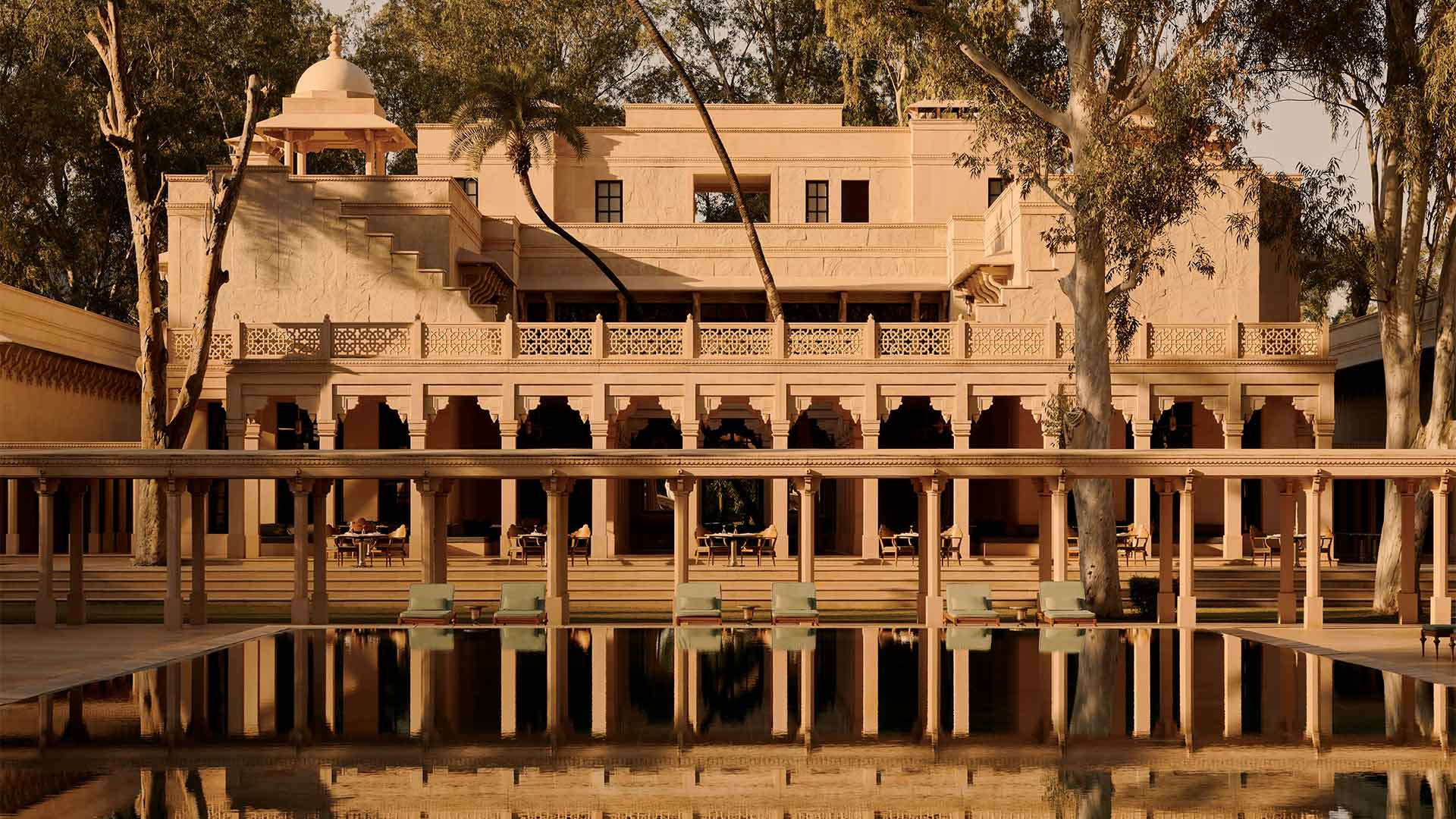
At Aman-i-Khás in Ranthambore, a day moves from dawn birdwatching at Surwal Lake through Chambal river cruises and Marwari horseback rides, to astronomer-led stargazing beneath clear desert skies. “Aman-i-Khás may be best known for its access to Ranthambore’s wildlife, but its experiences reach far beyond safari, offering a deeper connection to Rajasthan’s landscapes, culture and history,” says Theo Cromhout, Regional Director for Aman in India, Bhutan and Sri Lanka.
Camping in remote landscapes, quietly observing a big cat in its natural habitat, trekking in the high mountains searching for snow leopards or observing migratory birds from a canoe—moments that define true exclusivity are plenty in the wild. “As a result, the more premium the guest, the less they seek in terms of material excess, and value sustainability, authenticity, and a deeper connection with the natural world instead,” Rashid explains.
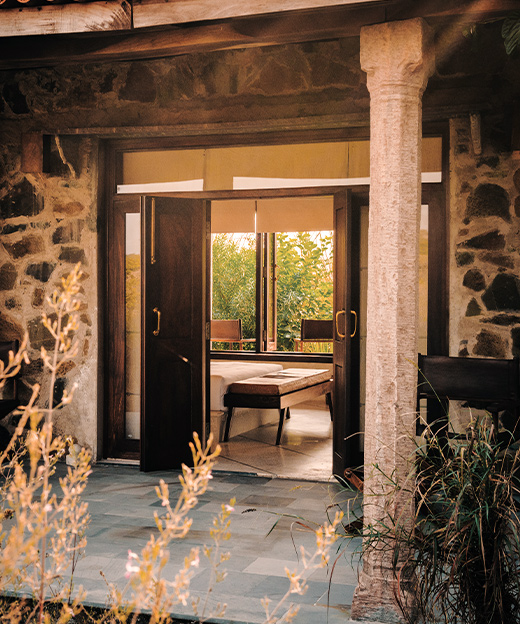
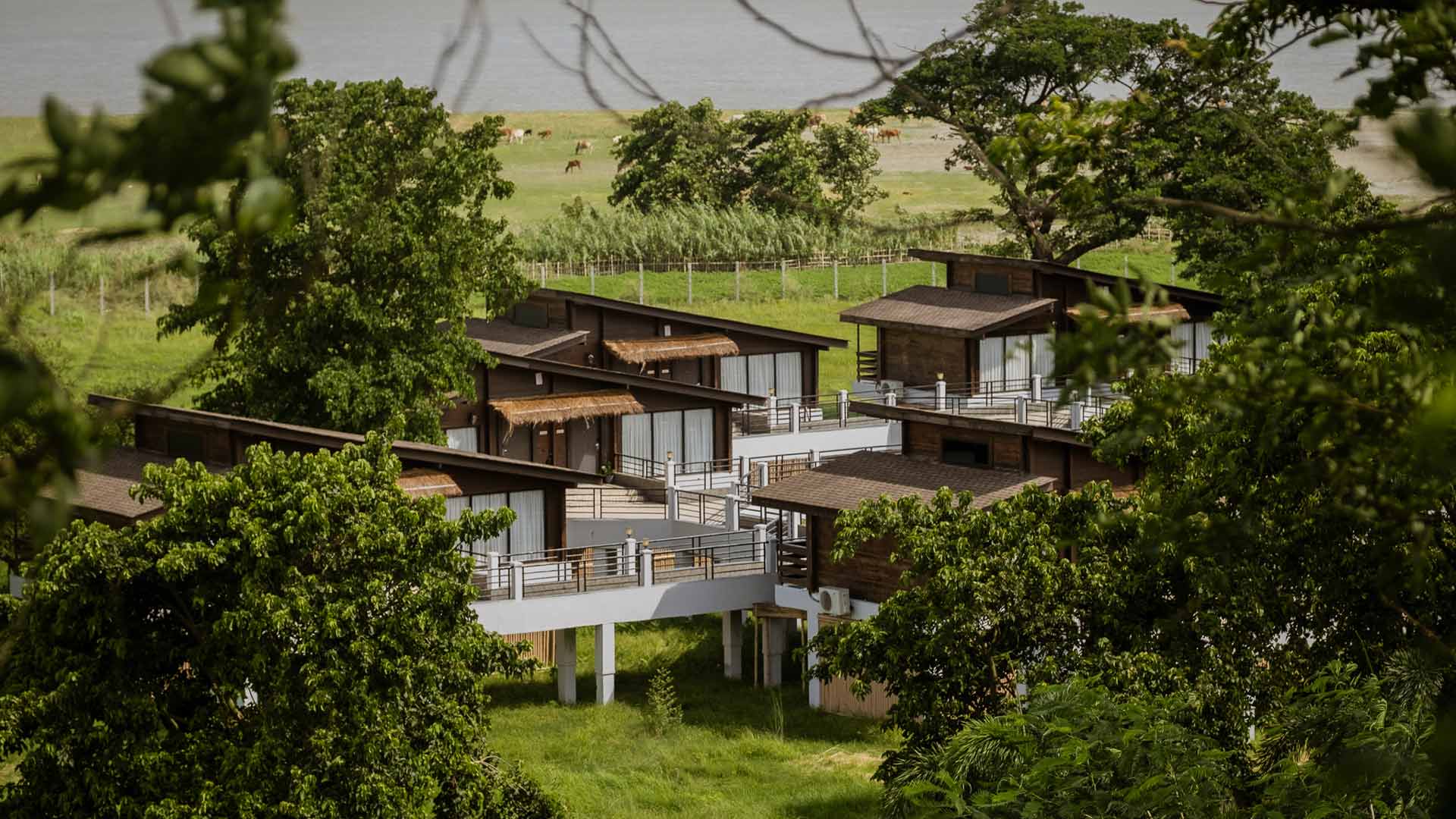
Design is inherently important in blending safari lodges into their landscapes seamlessly, and with sustainable choices being a factor in attracting premium pricing, the materials used are almost always local. “The jaali screens were inspired by the perforations of dried sal leaves found in the surrounding forest. The palettes came directly from the textiles and landscape around us,” shares Patel, who built Aramness on an erstwhile corn farm. The Rhino & River Wildlife Retreat & Spa in Pobitora (Assam) plays on this too, sitting on eight acres with just 16 rooms. “The hardscape and softscape are vernacular, the materials used are tactile, giving an earthy texture and nothing very modern or glaring is used,” informs Vikas Agarwal, MD and CEO of SM Developers, which owns the property.
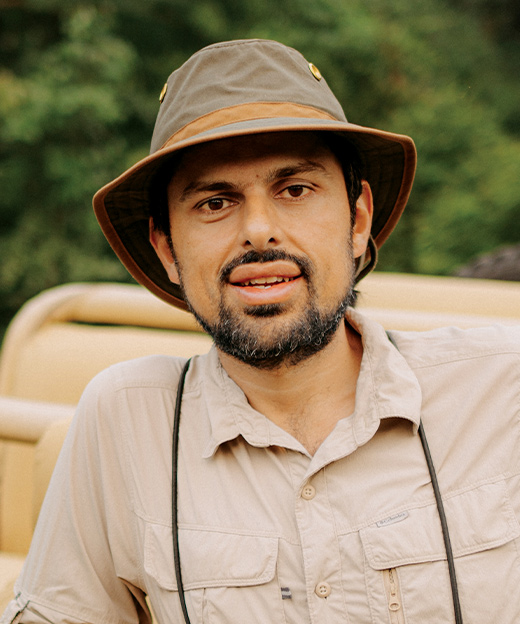
Aly Rashid, Director and Field Naturalist, Jehan numa Wilderness .
“Discerning travellers understand that luxury is no longer about material indulgence, but about meaningful, transformative experiences.”
Aly Rashid
Director and Field Naturalist, Jehan numa Wilderness
Nature and wildlife experiences in India go overwater as well, with Antara Cruises offering intimate, low-impact luxury river cruises across heritage rivers and waterways; with bespoke itineraries exploring rich cultural landscapes and riverside life. Sailing through remote ecosystems like Bhitarkanika National Park and the Sundarbans, their journeys enable close encounters with wildlife and fragile mangrove habitats while prioritising conservation and minimal environmental footprint.
“Our low-impact catamaran operations prioritise slow, quiet, and controlled navigation, maintaining safe distances from wildlife, avoiding sensitive habitats, and following strict zero-pollution practices, respecting the natural ecosystems,” says CEO Vineet Arora.
All-suite vessels offer spacious, balcony-equipped cabins complemented by flexible configurations and full-ship charter options.
On the other hand, Sariska Lodge near Alwar in Rajasthan, with only 11 suites, offers a choice to holiday more mindfully, for travellers transiting from NCR. “Boutique wildlife resorts have the potential to become climate-forward models of hospitality, provided they are built with intent, sensitivity, and a deep respect for their surroundings,” says its founder Anand Shekawat. “From afforestation and creating a self-sustaining micro-ecosystem with zero-waste policy, a successful guest experience is one where travellers slow down, engage meaningfully with their surroundings, and leave with a deeper appreciation for the natural world.”

Hashan Cooray, Director Marketing & Development, Jetwing Hotels.
“Wildlife resorts should inherently be climate-forward models because their success is directly tied to the health of the ecosystems they inhabit. It must support local communities as custodians of nature, through employment, responsible sourcing, and education.”
Hashan Cooray
Director Marketing & Development, Jetwing Hotels
Debt to the landscape
Wildlife resorts are uniquely positioned for climate action, because they exist within ecologically sensitive landscapes where the impact of every intervention is almost immediately visible. “This proximity creates both a responsibility and an opportunity to operate in ways that actively support ecological balance rather than merely minimise harm,” Raju presents.
According to Rudra, conservation in reality begins with location choice, design, experiences of the forest and how the community is involved in tourism. Each member hotel of RARE India is audited through the lens of sustainable design, local employment and environment friendly operations.
CGH Earth built its properties consciously a long time back, respecting local architecture, climate, and culture. “What began as contextual sensitivity has deepened into a more intentional regenerative framework. Today, the focus is not just on reducing impact, but on enhancing ecosystems, restoring biodiversity, reviving traditional agricultural practices, and strengthening local economies,” Raju informs.
In essence, while the core philosophy remains unchanged for the brand, the expression has become more deliberate, measurable, and future-facing. While it is something that newer entrants may have learned by observation, a straightforward and transparent approach to climate action is now a noticeable attribute for travellers willing to pay more.
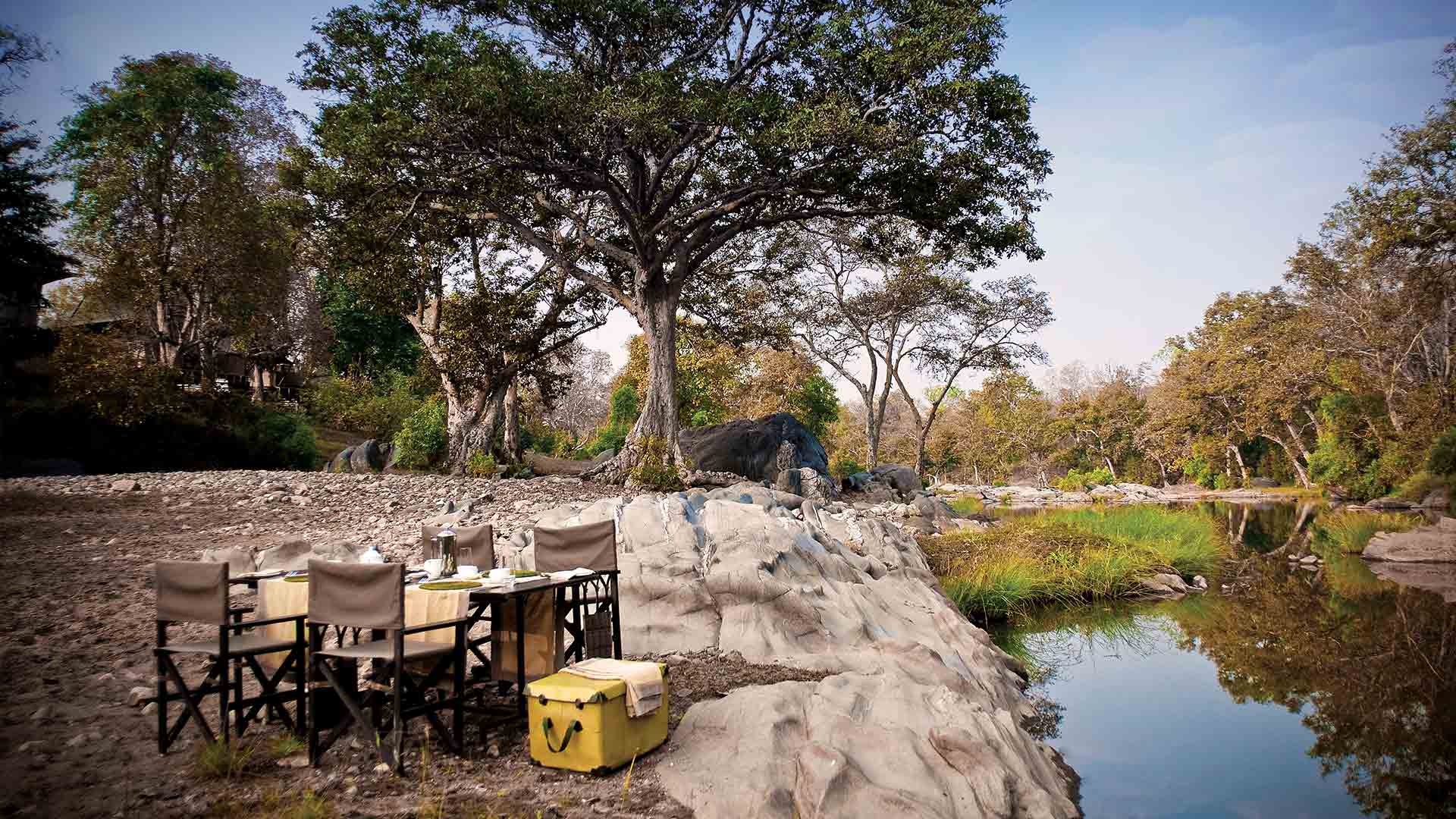
An outdoor sundowner meal with Taj Safaris.
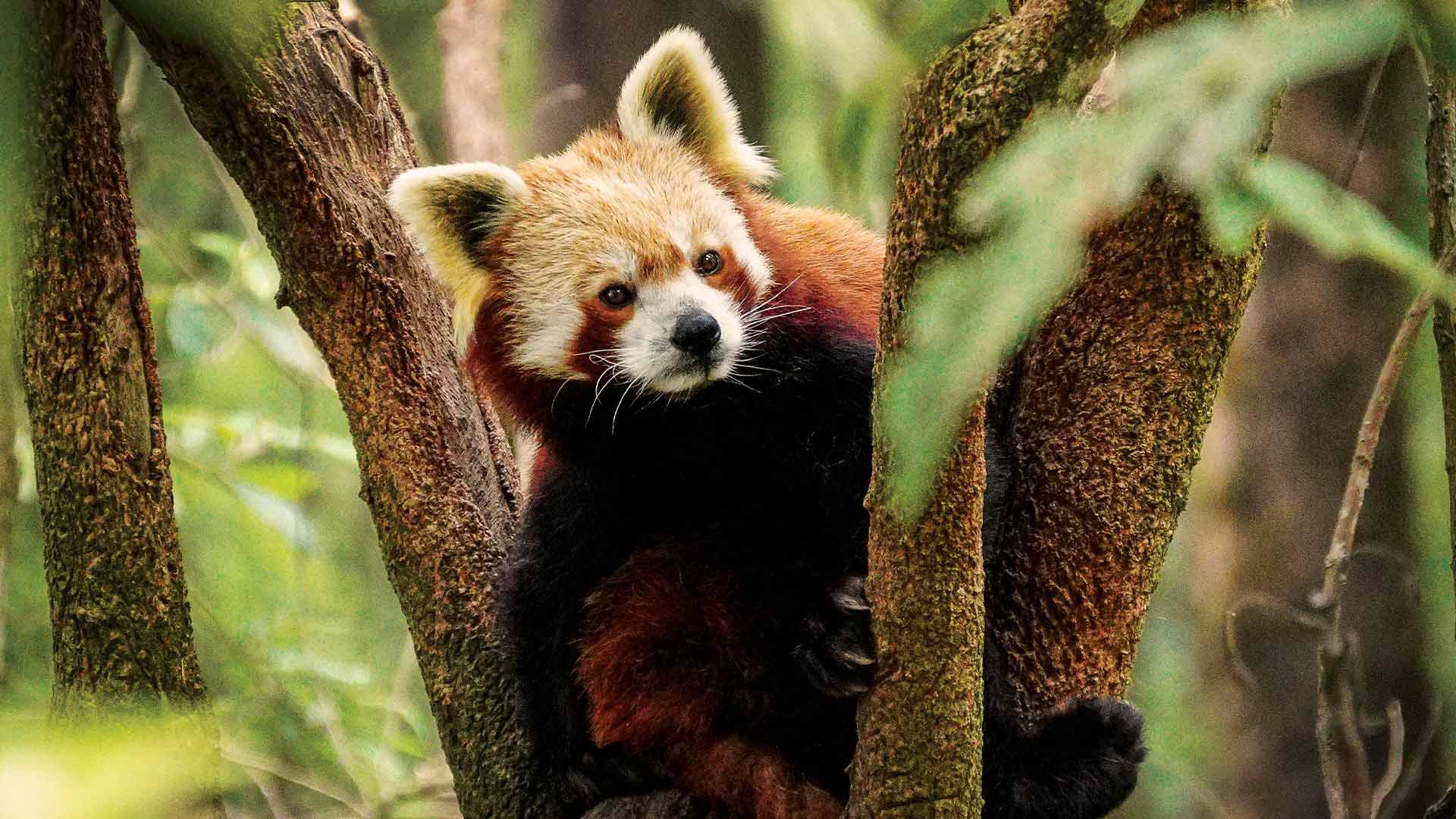
Red Pandas inhabit high-altitude bamboo forests in Sikkim, Arunachal Pradesh, and West Bengal.
The difference between a beach resort and a wilderness lodge, therefore, is not simply one of location but of contextual storytelling.
According to Hashan Cooray of Jetwing Hotels, wildlife resorts should inherently be climate-forward models because their success is directly tied to the health of the ecosystems they inhabit. “Equally important is the social dimension. It must support local communities as custodians of nature, through employment, responsible sourcing, and education,” Cooray says.
The blackboard may not return, not to the lodges that care. But a deeper understanding has taken its place, where encounters emerge from the slower grammar of the wild, built by the work of naturalists who know the forest by heart, not merely by checklists.
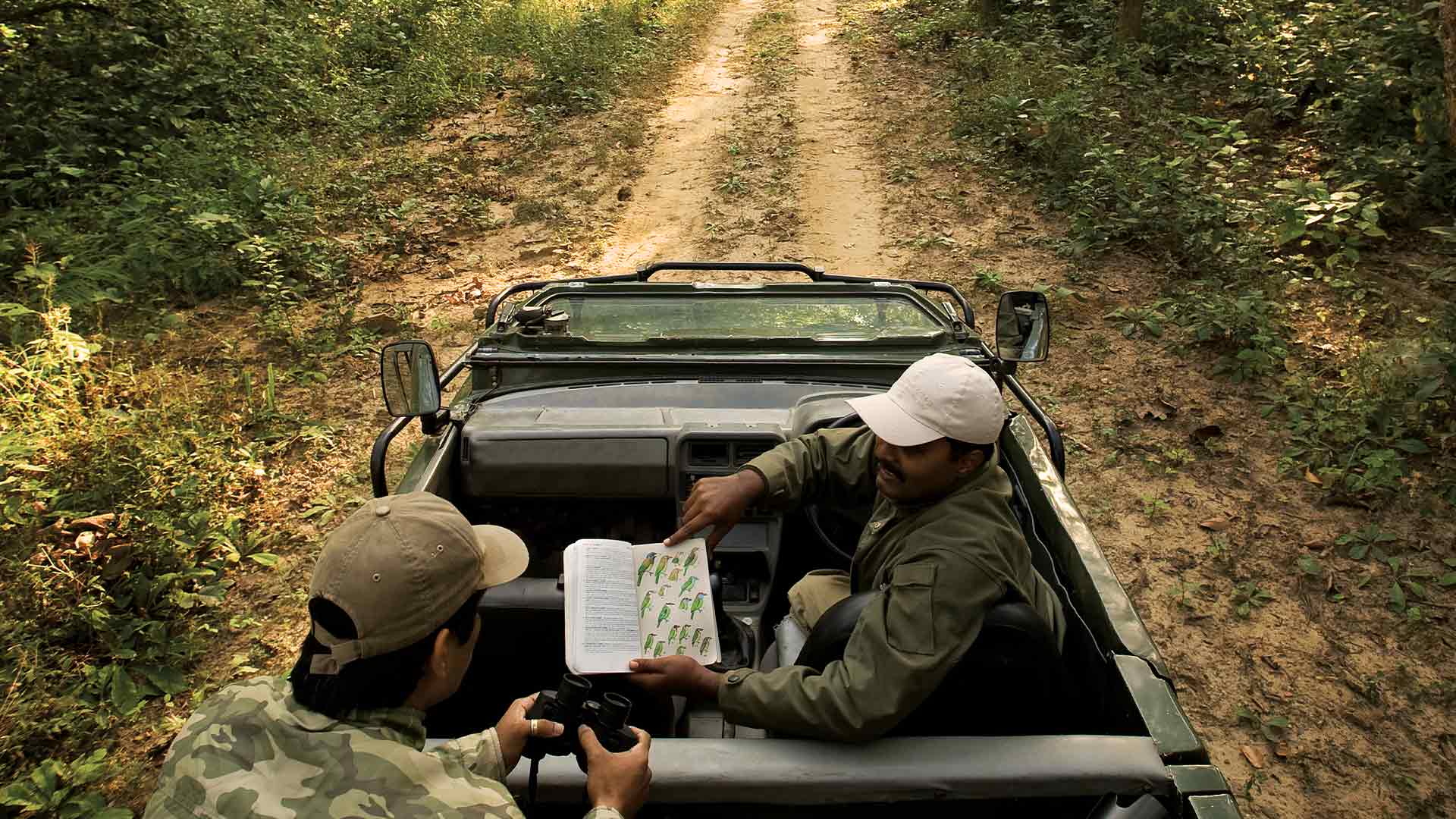
A naturalist can offer an in-depth view of wildlife even on safari drives.
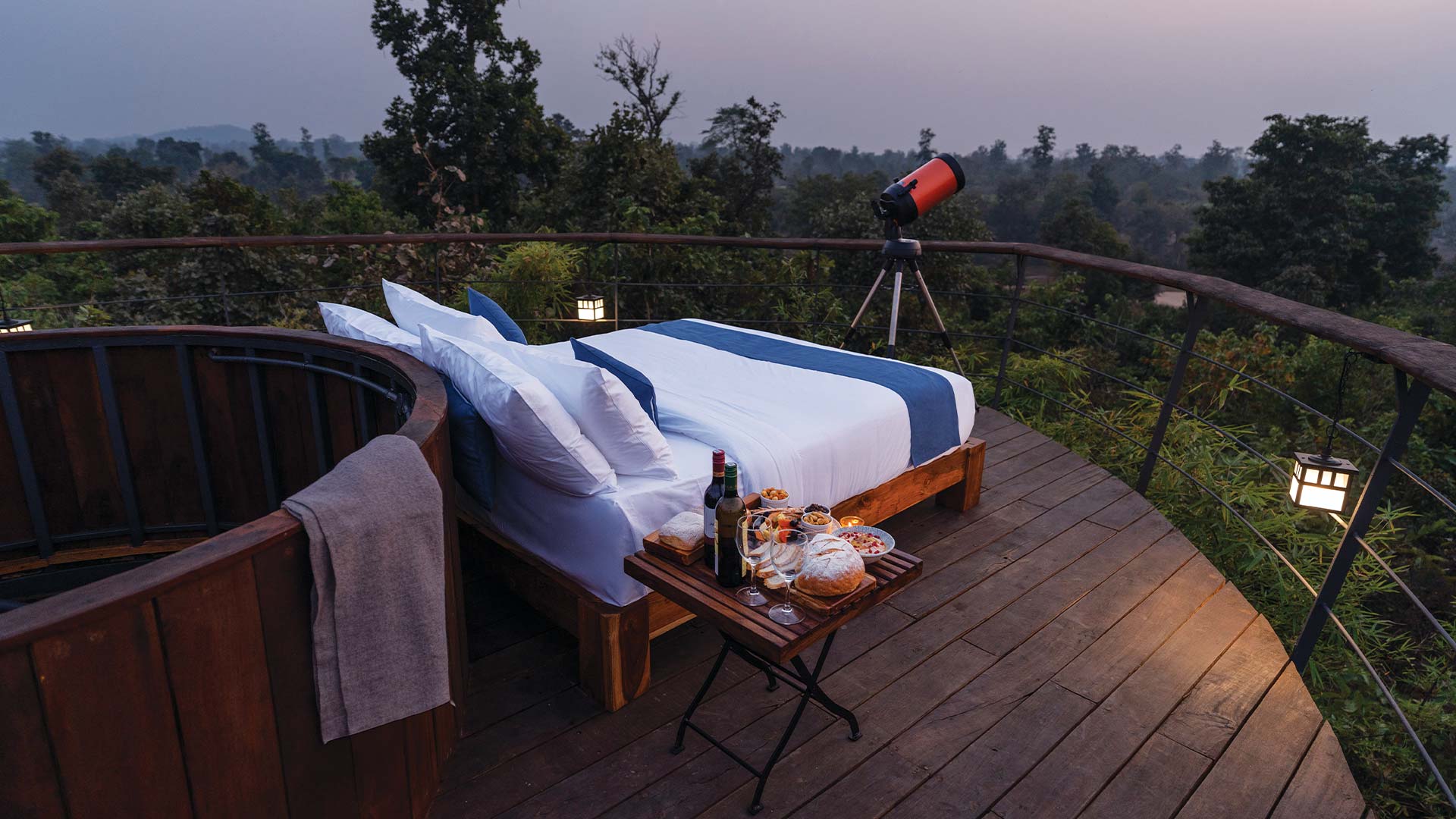
A night spent on the starbed at Outpost12 reveals cosmic magic amid natural sounds.