












Beyond Incredible India: The Next Tourism Chapter
From rising domestic travel to emerging destinations, stronger hospitality infrastructure and experience-led journeys, India’s tourism economy is entering a new phase. This World Tourism Day, we look at what the next decade could mean for India’s tourism growth.

By Rachna Virdi
India’s tourism story is moving beyond traditional gateways. A vast domestic travel base, rising demand for experiences, expanding hotel supply, improving connectivity and a growing appetite for lesser-known destinations are reshaping how the country travels, and how it is positioned as a global tourism market.
Dr Shashi Tharoor, Member of Parliament and Chairman of the Parliamentary Standing Committee on External Affairs, described India as a country of many tourism stories: Nature India for trekkers, Spiritual India for pilgrims, Cultural India for historians and Fun India for holidaymakers.
His larger point was the defining opportunity for Indian tourism: visitors can choose their own chapter—from following the Buddha’s journey and watching the Ganga at sunrise to experiencing the colours of Holi. he said, India’s opportunity is not simply to attract more travellers, but to give them more reasons to travel deeper, stay longer and discover beyond the established circuits.
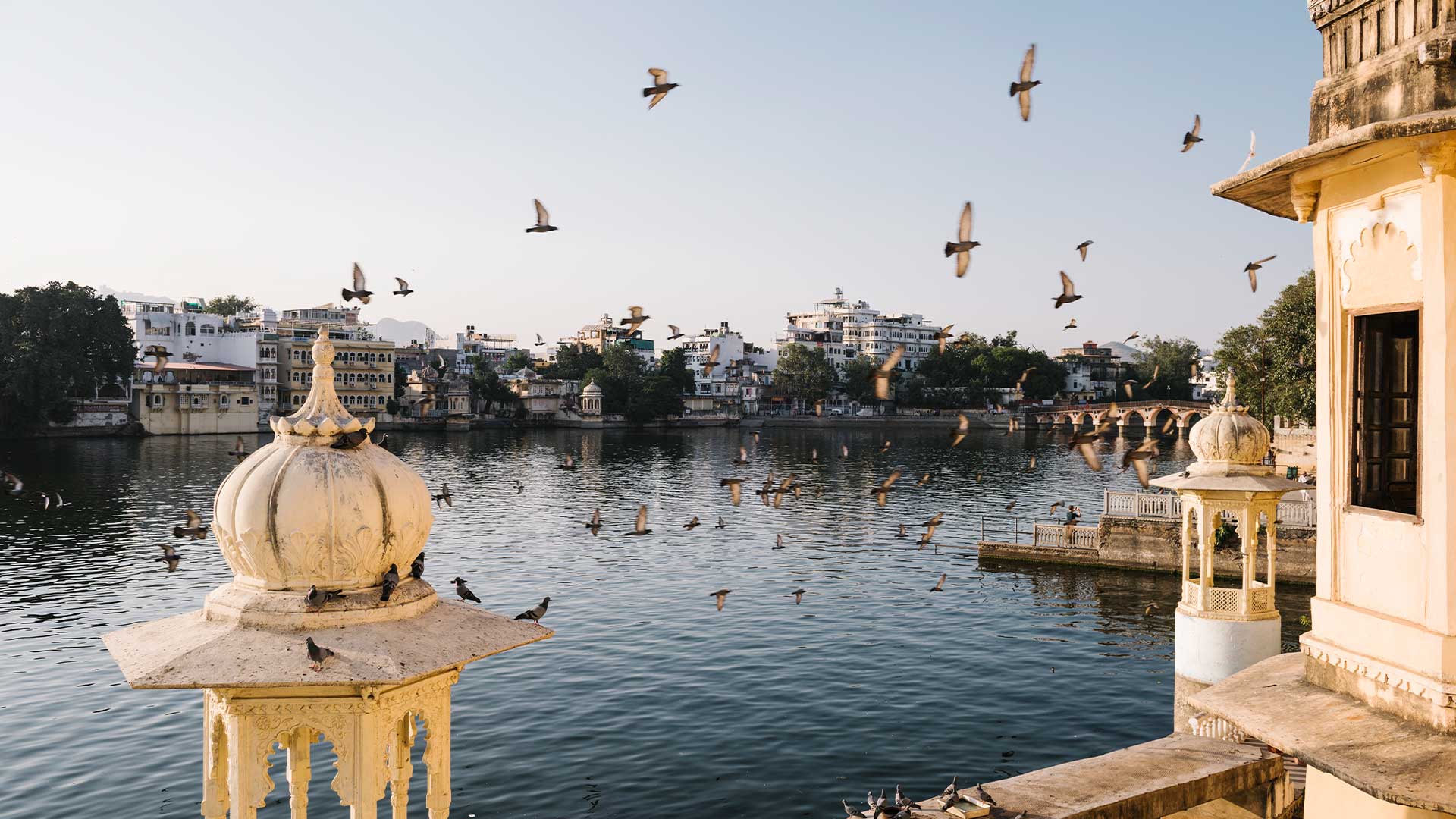
India’s opportunity lies in encouraging travellers to go deeper, stay longer and explore beyond established circuits.
The numbers behind the growth
Indians are travelling differently today. The domestic tourism market has emerged as one of the strongest foundations of this growth. According to the Ministry of Tourism's latest dashboard, India recorded 4.29 billion domestic tourist visits in 2025, compared with 2.95 billion in 2024. The country also recorded 25.27 million foreign tourist visits and 20.22 million international tourist arrivals in 2025. Indian nationals recorded 32.83 million departures overseas during the year.
The numbers reveal both the scale of India’s domestic market and the opportunity to deepen the value generated by tourism.
The newly released Domestic Tourism Expenditure Survey 2025–26, covering July 2025 to June 2026, offers a closer look at the motivations and economics behind domestic travel. Around 48 out of every 100 overnight trips undertaken for key purposes such as holidaying, leisure, recreation, pilgrimage, health and shopping were for pilgrimage and religious purposes. Business trips recorded the highest average household expenditure at ₹5,949 per overnight trip among trips made in the last 30 days.
The message is clear: India’s tourism opportunity is not simply about more people travelling. It is about understanding where they travel, why they travel and the value their journeys create.
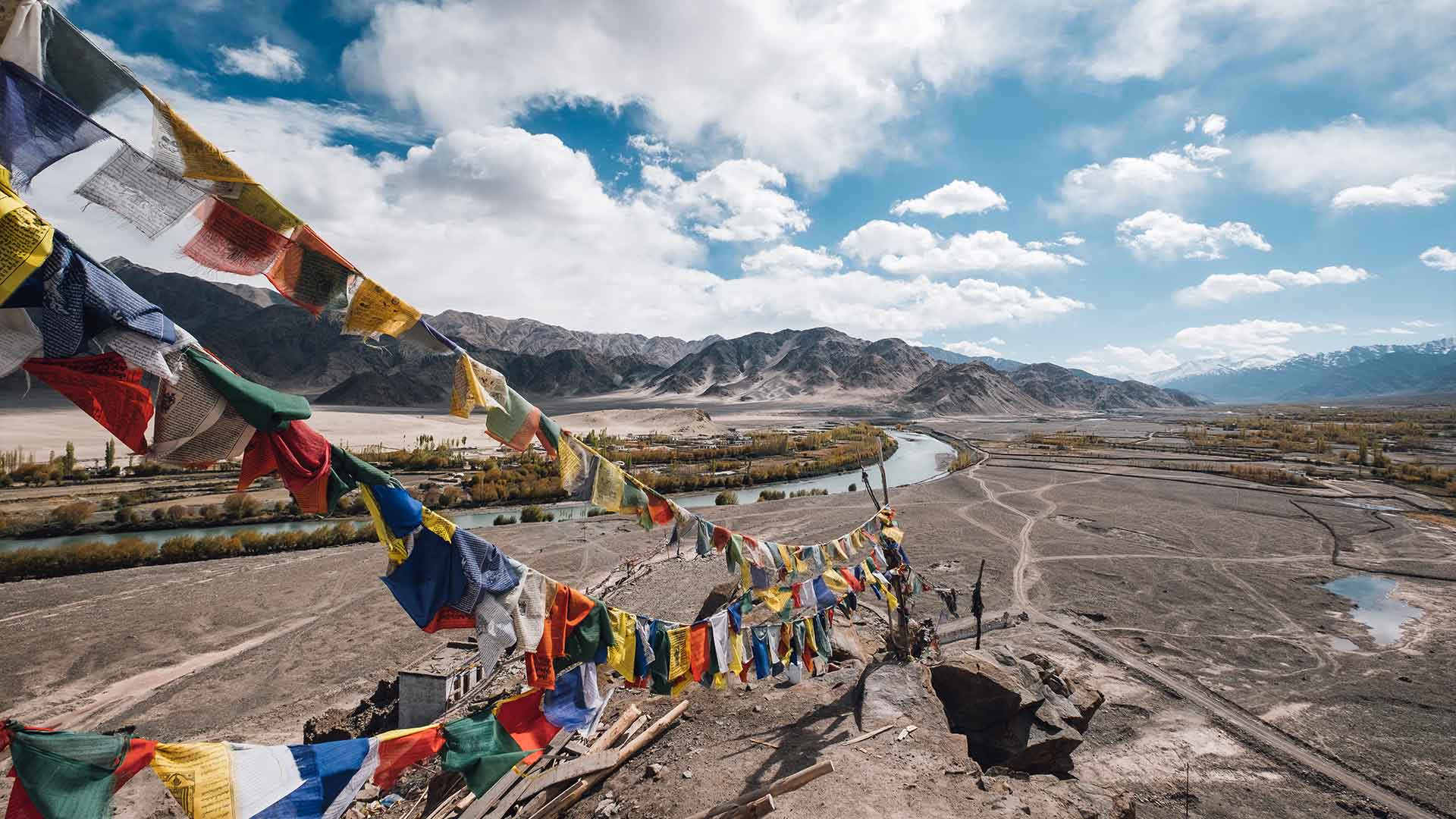
India’s tourism story is about understanding where people travel, why they travel and the value those journeys create.
Building destination-led experiences
To realise its full potential as a global tourism destination, India needs to build destination-led experiences rather than simply adding hotel rooms.
Vikram Singh Chauhan, Founder & CEO, Nile Hospitality, notes, “India has immense potential to emerge as one of the world’s leading tourism destinations, but the next phase of growth will depend on how effectively we strengthen the overall tourism infrastructure beyond the major metros. Connectivity to emerging destinations, consistent service standards, trained talent and seamless visitor experiences need greater attention.
“India’s Tier 2 and Tier 3 cities, spiritual destinations, heritage destinations and leisure markets are witnessing rising demand, but they need stronger ecosystems to fully realise their potential. The focus should be on building an integrated tourism infrastructure that connects destinations, hospitality, transport and local experiences. Creating this ecosystem will not only improve visitor satisfaction but also enable tourism to become a stronger contributor to local economies and employment.”
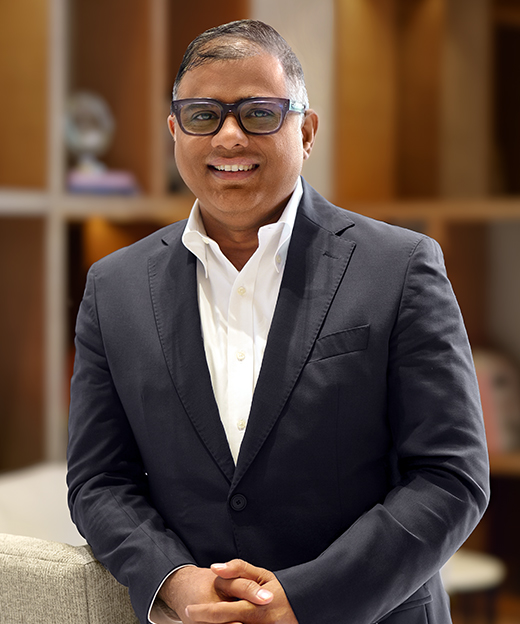
Vikram Singh Chauhan, Founder & CEO, Nile Hospitality.
Culture as India’s competitive advantage
While infrastructure can enable tourism, it is often culture that gives a destination its distinct identity.
Christina Roach, Director, Roach Lifescapes, which handles the Radisson Blu Hotel, and the latest launch from Curio Collection by Hilton, agrees saying, “India’s greatest tourism advantage is its living culture. Heritage, architecture, cuisine, crafts, spirituality and traditions give every region its own identity and story, and that is what gives a place its pull, not scale. Rooms and amenities bring comfort, but comfort can be built. Culture has to be inherited and lived.”
She says that as hospitality evolves, the opportunity is to move beyond showcasing a destination and create real connections between travellers and the places they visit, through regional flavours, local influences and thoughtful experiences.
“Sometimes this shows up quietly, a staffer sensing where a guest is from and switching languages mid-sentence, a front desk associate remembering a returning guest’s coffee order unprompted. A traveller may not name the dish in front of them, but they sense its history.”

Christina Roach, Director, Roach Lifescapes, which handles the the latest launch from Curio Collection by Hilton.
The next traveller
Tourism today is no longer defined simply by the number of people travelling, but by the value that travel creates for destinations, communities, businesses and the traveller.
“The traveller is also evolving,” affirms Vijay Prabhu, Founder, Little Earth Group. “There is a growing preference for experiences that feel authentic, locally rooted and meaningful, rather than simply checking destinations off a list. This presents a significant opportunity for the Indian tourism and hospitality industry to build destinations and experiences that encourage longer stays, deeper engagement and greater local participation.
“The next phase of tourism growth must therefore be about creating stronger tourism ecosystems, where hospitality, local enterprises, culture, food, entertainment and communities come together to create a distinctive sense of place. Responsible development will be equally important, ensuring that the economic benefits of tourism are shared while the character and resources of destinations are protected. India has the scale and diversity to become one of the world’s most compelling tourism markets; the focus now should be on building experiences and infrastructure that can sustain that growth over the long term.”
This is particularly relevant as newer destinations enter the tourism economy. Growth needs to create value not only for hotels and travel businesses, but also for local enterprises, communities and the destinations themselves.
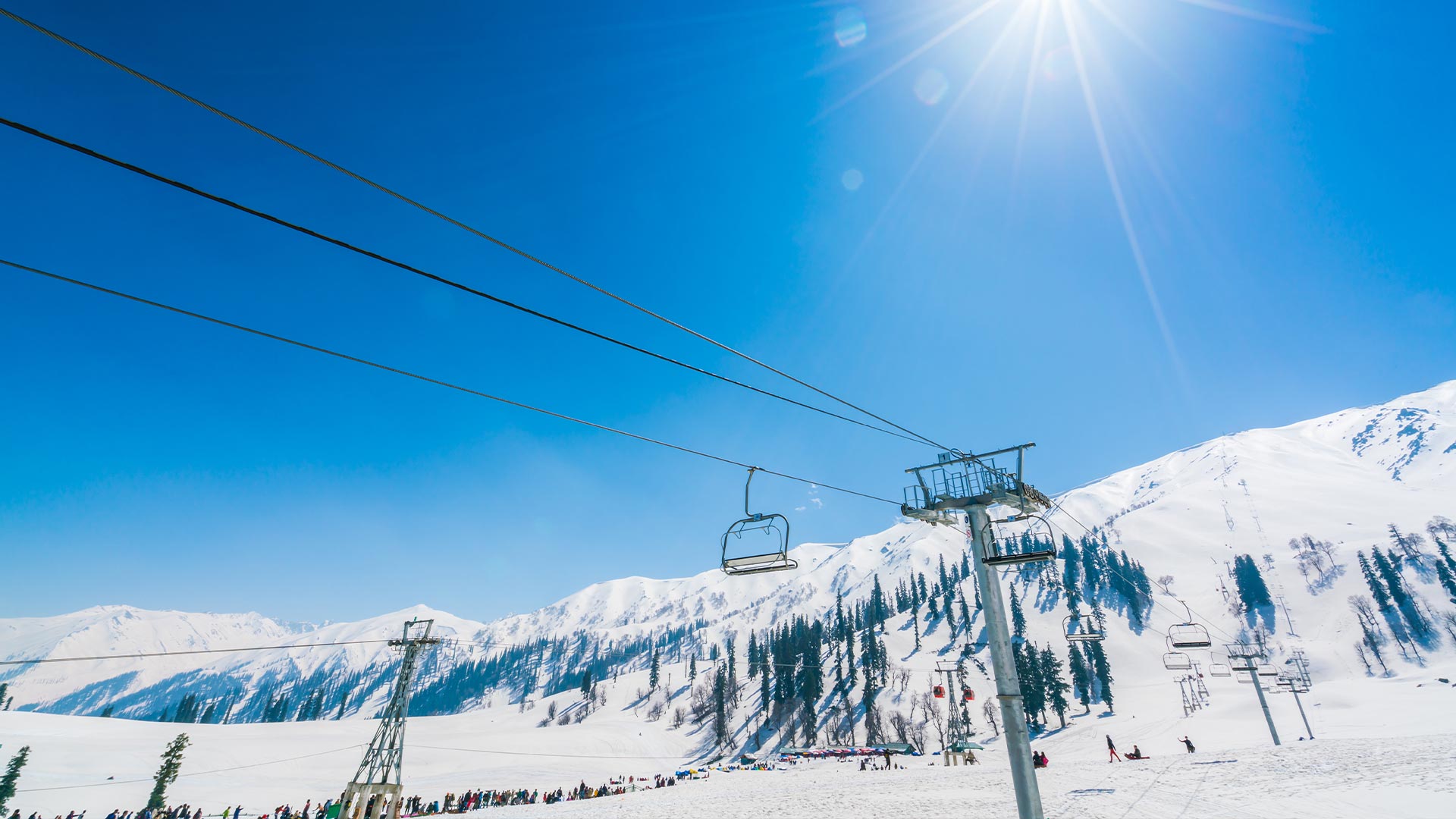
The traveller is evolving. There is a growing preference for experiences that feel authentic, locally rooted and meaningful.
From travel to distributed demand
Another challenge is to spread this demand across a wider geography. At a tourism investment event, Bhuvnesh Kumar, IAS, Secretary, Ministry of Tourism, Government of India, said, “Domestic visits reached 429 crore last year. The growth is not confined to the metros and is reaching Tier 2 and Tier 3 cities, where domestic demand has cut the risk that once kept high-end hotels to established circuits. We don’t really need more domestic tourism. We need distributed demand.”
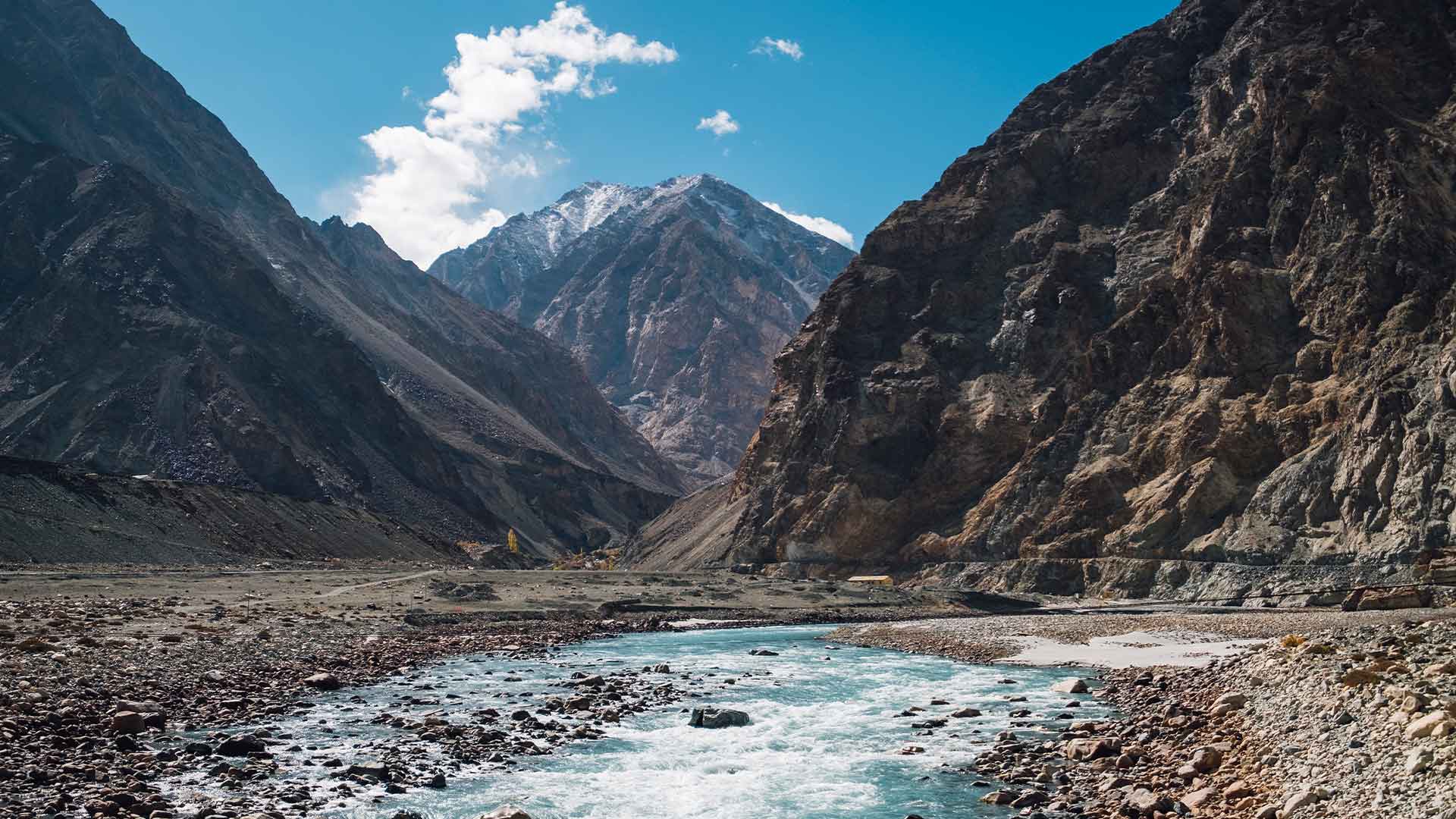
That shift is already reflected in the changing hospitality landscape. The Ministry has formulated Dekho Apna Desh 2.0 to encourage travellers to move beyond established destinations and explore lesser-known places. Among the destinations highlighted are Turtuk in Ladakh, Gurez and Doodhpathri in Jammu and Kashmir, and Varkala in Kerala.
For hospitality, this opens a larger opportunity: building new destination ecosystems rather than concentrating demand around a handful of established circuits.
Echoing the shift towards digitally connected travel, Harvinder Singh, Director, India Knowledge Center and Head, Middle East and India, United Airlines, says that, “Travellers now plan around experiences rather than places. "We are moving from destination to experience. It is not only about the Taj Mahal or Jaipur or Agra today.” He warns that emerging destinations may not sell as they should unless they are visible online. “The real estate on the digital platform is equally important as it is on the ground,” he said.
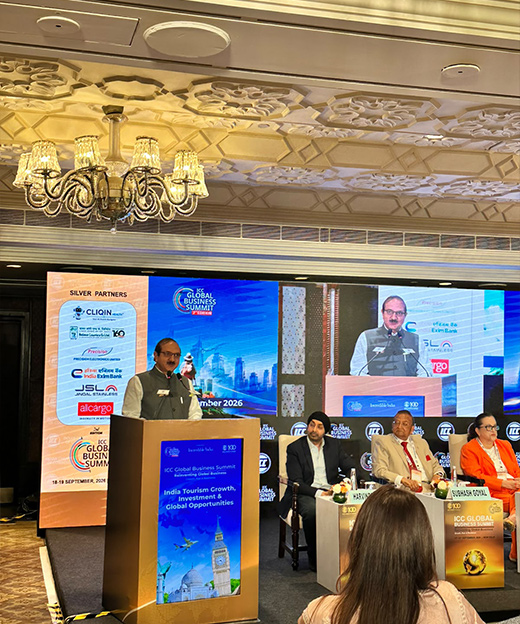
Bhuvnesh Kumar, IAS, Secretary, Ministry of Tourism, Government of India, at the tourism investment event.
The road to 2035
The changing tourism landscape is visible across segments. The opportunity now isn’t simply about attracting more travellers. It is to connect individual trends into stronger destination propositions—building better destinations, stronger experiences, greater economic value and a tourism identity that is unmistakably Indian.