











India’s Wellness Renaissance: Are Hotels Rewriting the Playbook?
Luxury hotels are quietly rewriting the rules of wellness. Instead of building bigger spas, they’re bringing in wellness gurus and master practitioners—turning hotels into curators of transformation rather than creators of it.

By Rachna Virdi
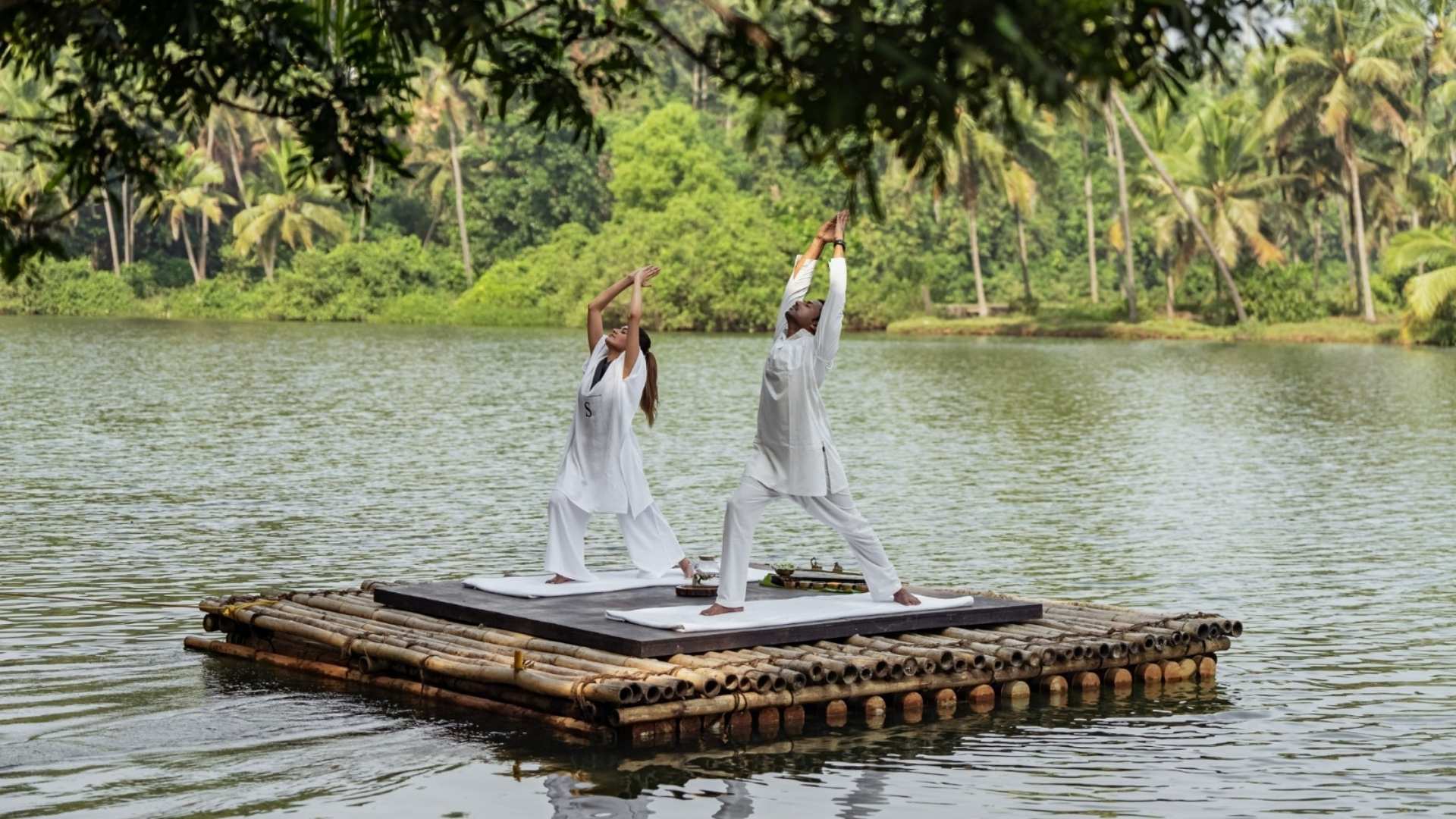
In November last year, The LaLiT Resort & Spa Bekal, introduced Swasthya Retreat in collaboration with Cyril Feuillebois, founder of Spiceology. Hosted within its 20,000 sq. ft. Ayurvedic spa, the retreat drew from the Sanskrit philosophy of Swasthya—a state of balance and harmony. Bespoke therapies, curated nutrition, and sensory-led rituals combined to create an experience that was both restorative and indulgent.
Similarly, Sarovar Hotels hosted The Shoonyam Retreat with holistic health guru, Dr Mickey Mehta. The wellness retreat was set in the serene and spiritually charged Marasa Sarovar Premiere, Bodhgaya where Buddha attained enlightenment and reflected a shared philosophy of healing, reflection and self-discovery. The campaign, crafted in association with Antar, a digital wellness ecosystem, offered a transformative journey of inner awakening and physical renewal.
Wellness tourism is a rapidly expanding sector in India, driven by its rich heritage of Ayurveda, Yoga, and traditional, holistic wellness practices. Travellers are no longer choosing hotels for accommodation alone—they’re seeking structured wellness experiences as part of their stay.
This shift reflects a strategic recalibration by hotels. While guest expectations are becoming increasingly specialised, embarking on exclusive wellness retreats with external wellness practitioners are enabling hotels to gain credibility and access to niche expertise without long-term operational overheads.
This also allows them to remain asset-light in wellness while continuously refreshing their offerings—much like luxury retail rotates designers.
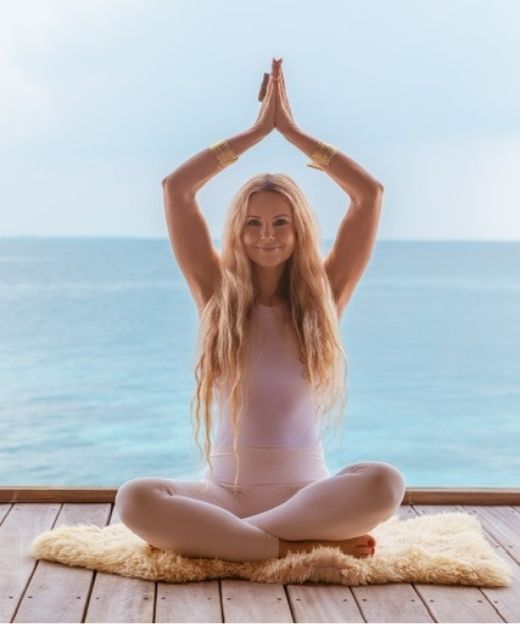
Global wellness mentor and Kundalini Yoga expert Dawn Harlow.
Wellness goes experiential
When Raffles Jaipur invited global wellness mentor and Kundalini Yoga expert Dawn Harlow for an exclusive retreat, guests were in for a journey of inner awakening and a sanctuary of renewal and reconnection.
Raffles’ global wellness philosophy is deeply rooted in the art of emotional wellbeing. Rajat Sethi, Cluster General Manager, Raffles and Fairmont Jaipur, notes that true luxury lies in the art of meaningful connection. The retreat was an invitation for guests to slow down, listen within and rediscover the quiet beauty of being. “It brought together the essence of Raffles wellness philosophy and India’s timeless wisdom, offering guests an experience that nurtures the soul, inspires the spirit and creates lasting transformation.”
Drawing inspiration from the country’s profound spiritual heritage, Harlow curated an experience designed for the soul, combining Kundalini yoga, mantra, meditation, mindful living, and personalised coaching. “India has a sacred energy that flows through its land. To hold space for healing and awakening at Raffles Jaipur, a palace that resonates with such deep grace and heritage, felt special. My intention was to guide each one joining this retreat to a place of inner stillness, to help them reconnect with their true essence and leave with a renewed sense of peace, purpose, and joy,” Harlow says.
The LaLiT Suri Hospitality Group believes in the philosophy of conscious luxury, and embraces locally sourced ingredients, mindful culinary practices, and a deep respect for regional culture and craftsmanship. The Swasthya Retreat with structured wellness journeys—panchakarma detox, anti-ageing, rejuvenation, weight management, and de-stress and burnout recovery—aimed at improving guest health outcomes. The initiative brought together ayurveda, the healing power of Indian spices, mindful living and the beauty of nature —and positioned the retreat as a structured reset experience for guests.
“Relaxation should be extraordinary. At Swasthya, every detail was intentional. It was an ode to holistic wellness,” shares Feuillebois. It helped restore wellbeing and left the guests feeling renewed and radiant.
Four Seasons Hotel Bengaluru embarked on a rare journey of holistic transformation led by India’s first Shaolin Warrior Monk Hurssh Verma. The core pillars of this discipline included Flow-based Tai Chi, Traditional Shaolin Breathwork, and Warrior Meditation. In a sanctuary of ‘stillness as strength’, Verma translated centuries-old Shaolin traditions into a modern wellness experience designed to restore clarity, resilience, and internal order.
Moving away from the noise of modern fitness trends, this practice focused on removing the layers of fatigue and distraction to reveal a natural state of calm focus.
Dr Ranjitha Alva, Director of Spa, Four Seasons Hotel Bengaluru shares, “The residency was not just about movement but providing guests with the tools to achieve true mental and physical alignment. Whether a corporate leader seeking decision-making clarity, a creative looking to restore focus, or a luxury traveller in search of authentic transformation, it offered a rare bridge between ancient wisdom and modern luxury wellness.”
JW Marriott Maldives Kaafu Atoll Island Resort embarked on a program with wellness practitioner Daria Gudkova with years of immersive study in India and the Himalayas, and training in Sanskrit, yoga therapy, sound healing, and energy-based techniques.
The program had guests experiencing transformative sessions to reduce stress, improve sleep, and release emotional blockages. Srikanth Devarapalli, General Manager, JW Marriott Maldives, explains how wellness is about creating moments that feel both meaningful and memorable. “The program offered guests the opportunity to immerse themselves in experiences that restore balance, presence and a deeper sense of ease within our peaceful ocean retreat.”
The structured program at Sarovar was designed to help guests in self-healing, self-regulating and celebrating through holistic practices inspired by ancient wisdom and rooted in modern well-being. “The Shoonyam Retreat offered guests a sacred space to rediscover themselves—beyond healing, towards feeling whole, alive and liberated,” points out Dr Mickey Mehta.
These retreats aren’t isolated experiments. They signal a broader shift across the industry—that wellness is no longer a static amenity but a practice-led experience offering shaped by visiting specialists.
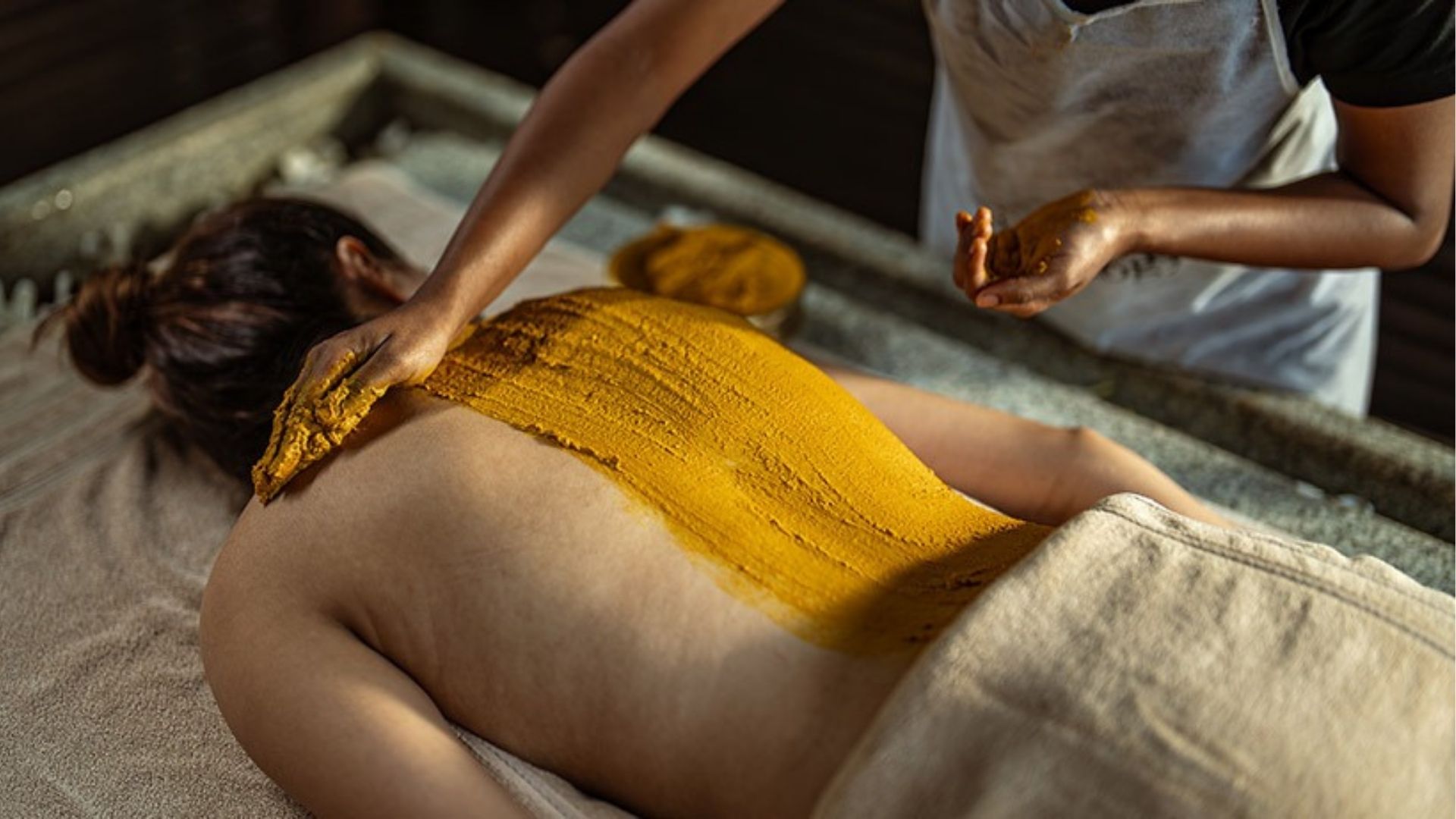
The Swasthya Retreat with structured wellness journeys is aimed at improving guest health outcomes.
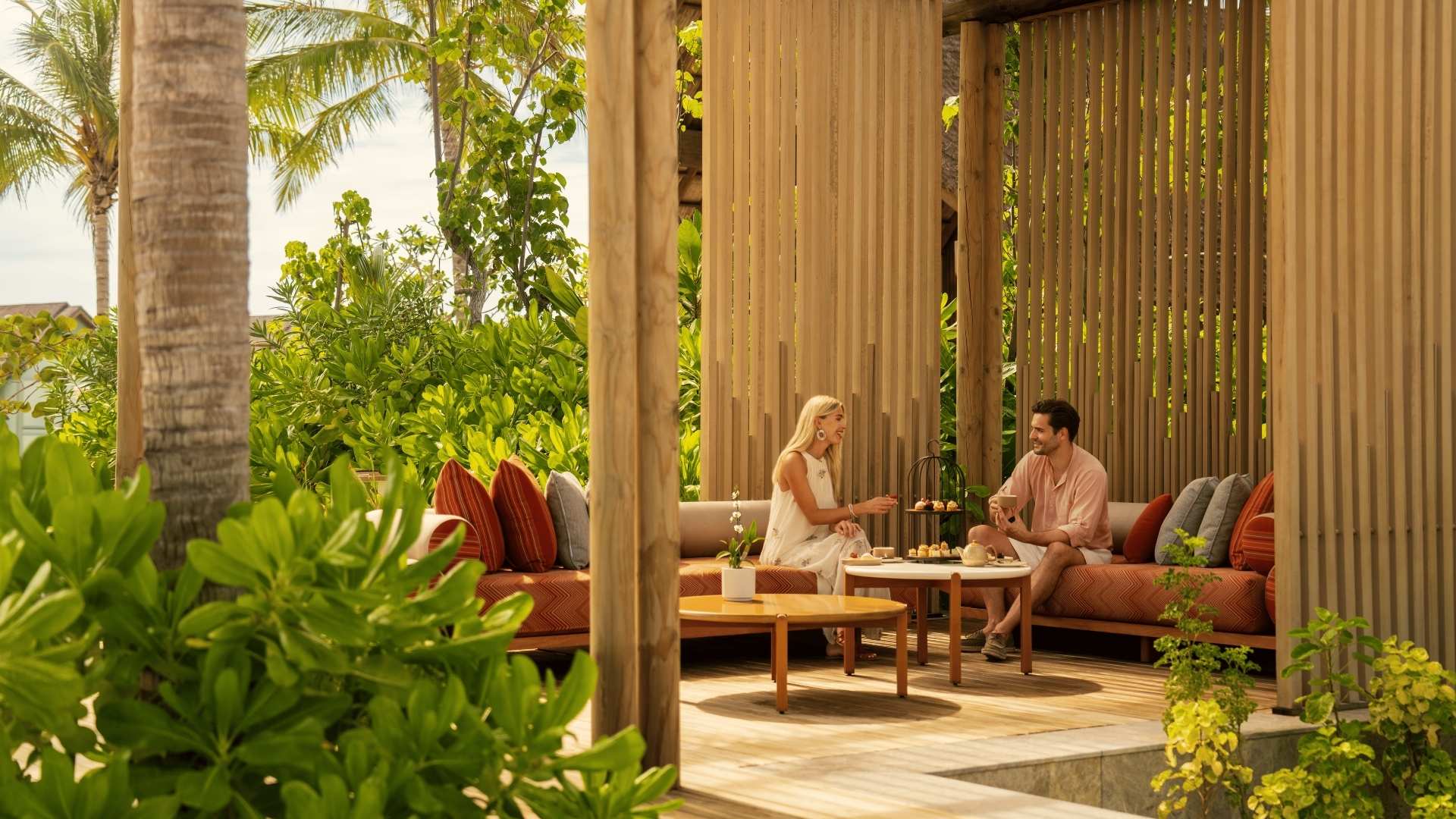
JW Marriott Maldives Kaafu Atoll Island Resort embarked on a program with a wellness practitioner with years of immersive study.
How are hotels leveraging the trend?
Ajay K. Bakaya, Chairman, Sarovar Hotels & Director, Louvre Hotels India states, “At Sarovar Hotels, we are continuously exploring ways to offer purposeful and soulful travel experiences. The Shoonyam Retreat was more than a wellness retreat—it was a journey inward, anchored in one of the most spiritual places in the world.”
With Swasthya Retreat, The LaLiT Bekal reinforced its position as a destination for slow, intentional travel, where wellness is seamlessly integrated into the experience of a luxurious stay. “The idea was not to create another spa program, but a genuine wellness retreat that is immersive, authentic and guided by experienced mentors. At Swasthya, guests don’t just come for treatments, they come to slow down, reset and reconnect with themselves through carefully designed rituals, food, therapies and nature,” insists Shalini Tewari, GM, Spiceology.
Is this just another way to enhance guest experiences or the emergence of a new trend? Tewari points out that luxury alone is no longer enough for guests who are stressed, disconnected and looking for experiences to enhance their stay.
“Collaborating with specialists for wellness retreats brings authenticity and credibility. It allows hospitality to move beyond comfort into care. Traditional spas will always have their place, but retreats offer something deeper—time, guidance and transformation. In today’s world, this is what people are looking for. The future of hotels will be deeply connected to wellbeing, mindfulness and healing and retreats like these are only the beginning of that journey,” she sums it up.
As wellness becomes more specialised, it’s not the biggest spas that matter—it’s the most credible experiences. Experts lead, and hotels simply provide the platform.
(Lead image courtesy: The LaLiT Resort & Spa Bekal)
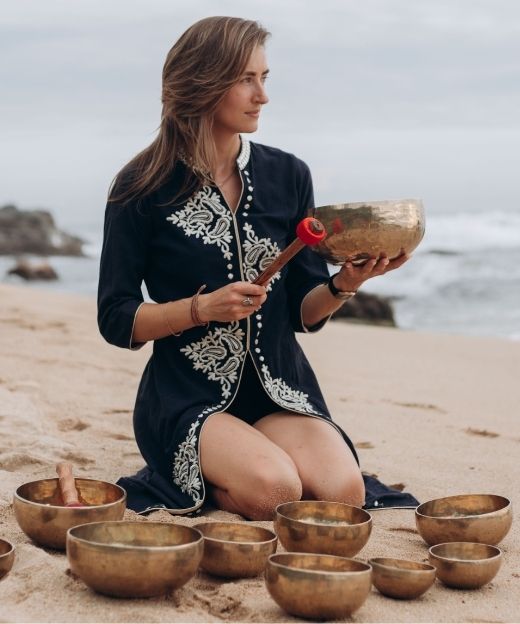
Wellness practitioner Daria Gudkova.
Guests Want Adaptive, Outcome-Led Wellness: Heidi Grimwood
Heidi Grimwood, Senior Vice President, ELE|NA Spa at Atmosphere Wellness, shares insights into shifting wellness expectations.

Heidi Grimwood, Senior Vice President, ELE|NA Spa at Atmosphere Wellness.
Personalisation is key. Guests want adaptive experiences that respond to their physical and emotional needs in real time.
Heidi Grimwood
Senior Vice President, ELE|NA Spa at Atmosphere Wellness

Is the rise of retreat-style programs a significant shift? What’s driving it?
We’re seeing a move from high-touch to high-transformation hospitality. Guests are no longer looking for temporary escape—they want structured, outcome-led experiences that support long-term wellbeing. As lifestyles become more demanding, the need to reset and restore balance has intensified. Independent practitioners are playing a key role here, bringing specialised expertise to address concerns like burnout and hormonal imbalance. Importantly, guests now want to actively participate in their wellness journey, not just receive treatments.
What guest preferences are shaping future wellness programming?
Personalisation is key. Guests want adaptive experiences that respond to their physical and emotional needs in real time. There’s a shift away from rigid programmes toward more intuitive, restorative practices. At the same time, human connection remains central—therapist engagement and responsiveness are still critical to satisfaction. This is driving more flexible, evolving wellness pathways rather than one-size-fits-all offerings.
How do external specialists enhance the experience?
They bring depth and expertise to wellness programming. Visiting practitioners allow hotels to introduce niche modalities without building them in-house. These collaborations enable a blend of traditional and contemporary practices, creating more layered and differentiated experiences.