











Journeys of Inclusion and Opportunity
As Indian hospitality grows rapidly, the LGBTQIA+ community is making its presence felt, with safe spaces and awareness on the rise, though there is a significant way to go. This Pride Month we take stock, especially noting the oft overlooked spending potential of the community.

By Suman Tarafdar
Lush Monsoon’ is one of the most recognised drag performers in India. Today, and the recent Netflix series Rainbow Rishta has only magnified the attention on drag performers. But Lush could only reach this level because there was a ‘safe space’.
For years Lush, before stepping into the world of Kitty Su at The Lalit, Delhi, considered drag as a distant dream. “Without a space you can go to regularly, drag in India can’t thrive,” says Lush a.k.a. Aishwarya Ayushmaan, who doubles as a lawyer for his day job. “For an artist, for us, what matters is having a place which is there, which is sustainable, where you don’t feel judged, where you feel welcomed. To see trans people, queer people, and see people from the community working there, was a welcome experience. The hotel has given that patronage to us. It feels like home and that’s the magic of hospitality—that it can provide a stage for an art form.”
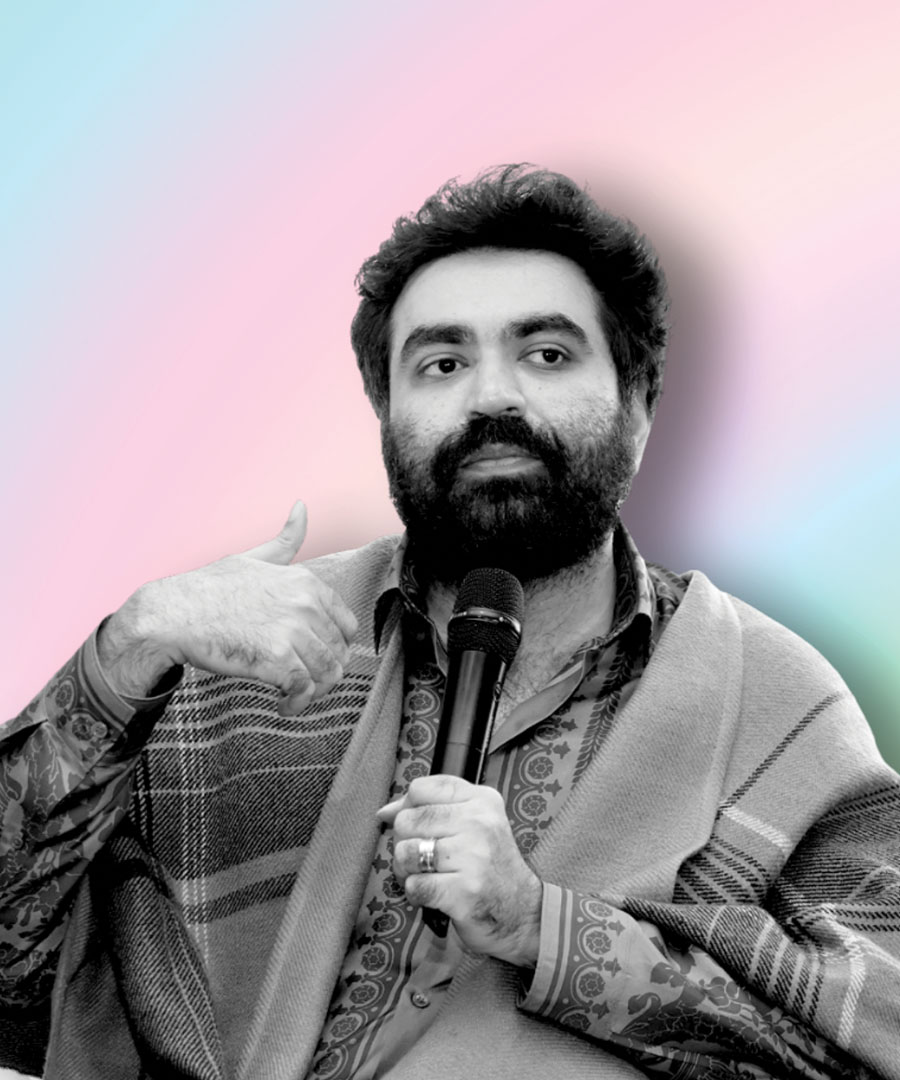
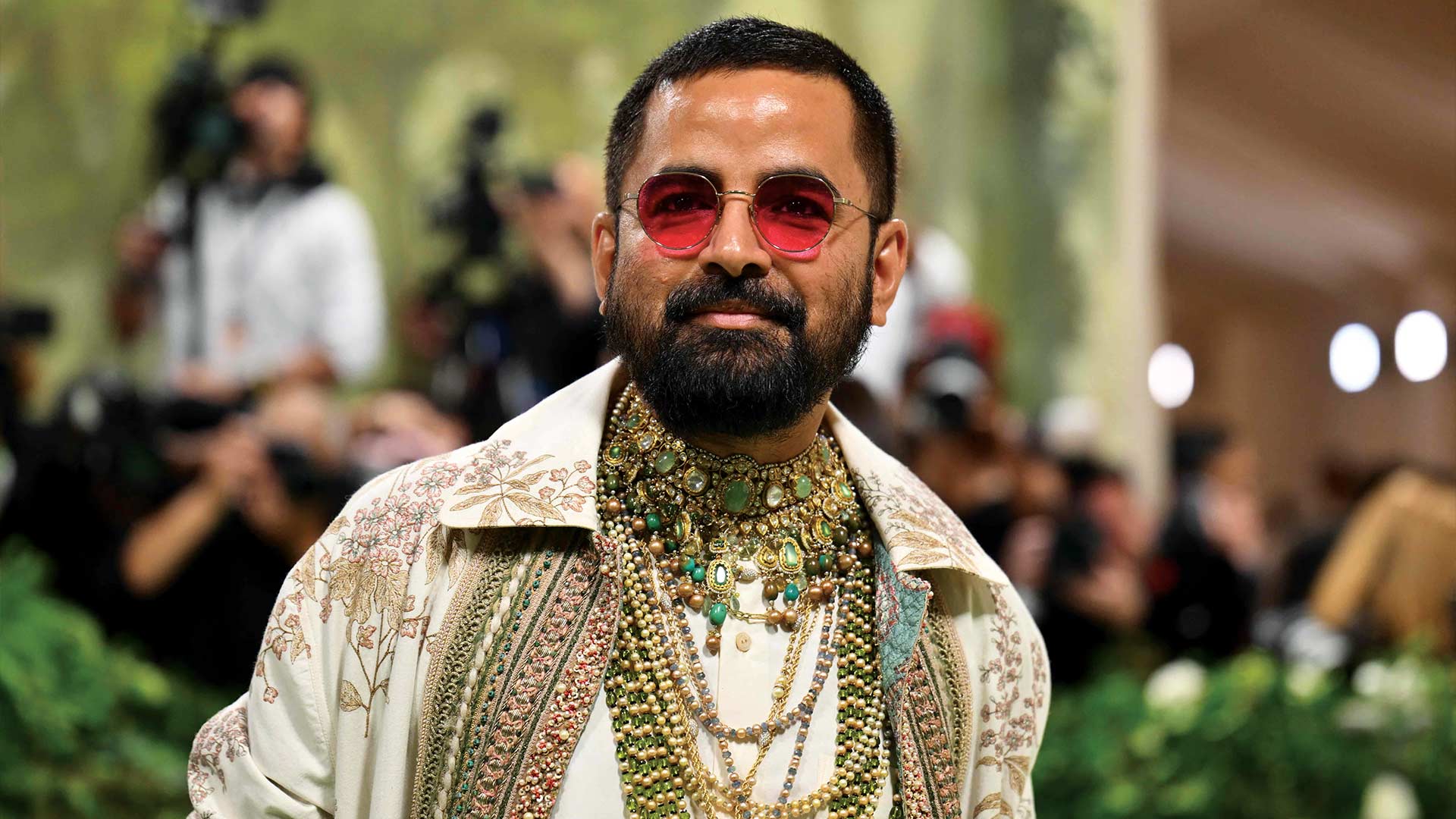
Keshav Suri, Executive Director, The Lalit Suri Hospitality Group.
The Lalit, led by hotelier Keshav Suri, has been a trailblazer for the LGBTQIA+ community in India, most crucially lending greater visibility to the struggle. On September 6, 2018, a landmark judgment by India’s highest court overturned a colonial-era law that criminalised consensual gay sex. Of the five petitioners in the case—Navtej Singh Johar, Ritu Dalmia, Ayesha Kapur, Aman Nath and Sunil Mehra—three were from the hospitality sector, with Suri joining a couple of years later.
No wonder then that even though the struggle to stop discrimination against the LGBTQIA+ community affects every segment of society, this decision also squarely put the spotlight on the hospitality sector as a beacon leading towards a more egalitarian society.
While the decriminalisation of Section 377 has paved the way legally, it isn’t easy for those in the community. Chef and author Suvir Saran, working out of India and the US, is stark in admitting things are far from ideal. “The world isn’t a fair place and hospitality mirrors the world. What I see changing is more and more women and LGBTQIA+ people are being given jobs and being tolerated.” He says that some Indians are “quite open to the LGBTQIA+ community on some platforms. India lives on multiple plains and it’s very difficult to box India neatly into a single box. India lives in those bulging seams”.
Chef Parul Pratap of Music & Mountains Hillside Café, who wanted to make the outlet a space for “everyone”, says she worked with her staff on sensitivity training. “It ultimately boils down to training your staff. They are the first point when someone walks into a restaurant, and if they are not trained on how to handle a situation that is unusual or new to them, everything falls flat in those first five minutes.” She points out that in instances of marginalisation—it happens when the staff at the door behave a certain way. “I wish LGBTQIA+ NGOs would speak to people. Maybe we aren’t using the right language. There is a gap.”
Bengaluru-based Varun (name changed on request), who works in a luxury hotel, is not ‘out’ and says there is little awareness or sensitisation amongst his co-workers. “Gay people and gayness are generally made fun of, often in a casual manner at my hotel. It’s even worse where I stay, as my landlord will turn me out if I tell him I am gay.”
It is here that The Lalit stands out with its Diversity, Equity and Inclusion (DEI) practice. Suri notes that several rival hospitality brands have reached out to better their DEI practices, including sensitisation workshops. “We are building our niche, where both domestic and international brands are reaching out to us,” says the affable Suri, his beaming smile brightening up a hectic day. “I am setting aside competition, saying this is for a greater cause. Let’s start the journey of inclusion.”
A significant step has been the launch of The India Workplace Equality Index (IWEI), which is India’s only comprehensive benchmarking tool for companies to measure their progress on LGBTQIA+ inclusion.
It ultimately boils down to training your staff. They are the first point when someone walks into a restaurant. If they are not trained on how to handle a situation, everything falls flat.
Chef Parul Pratap

A significant step has been the launch of The India Workplace Equality Index (IWEI), which is India’s only comprehensive benchmarking tool for companies to measure their progress on LGBTQIA+ inclusion. For IWEI, Pride Circle conducts an in-depth study to measure where organisations stand on the spectrum of inclusion.
It allows organisations to navigate the challenges of embedding LGBTQIA+ inclusion and provides them with a clear roadmap to follow, with a planning structure, best practices, guidelines, and more. Even a cursory look reveals that a vast majority of the organisations listed are multinationals, though names such as Tata Steel, Infosys, Myntra and a few other Indian companies also find mention. No hospitality major apart from The Lalit is present. That said, a number of global hospitality companies such as Marriott, Accor, Hilton and others as well as domestic chains such as IHCL and The Leela have taken public stances in favour of the community.
Ramkrishna Sinha, Co-founder, Pride Circle, points out that there are still comparatively few organisations in the hospitality industry that are investing in more LGBTQIA+ friendly policies. He says that sometimes a hotel may want to be more open but not know how to proceed. A larger issue, he believes, is that the sector does not view this as a priority.
Suri admits it hasn’t been an easy journey—for him or the organisation. While Kitty Su went a long way, he says the real change began when the first staff member transitioned from male to female and felt comfortable enough to do so. “However, we had to address the biases that my team may have on working with a trans person. Till we had team members who were living, and breathing with team members who are gay or trans, lesbian, on the autism spectrum, acid attack survivors, it was a change just on paper. Till we live and breathe this, change is not going to happen.”
Perhaps this is where Suri’s passion stands out, and perhaps where other companies have largely made on-paper changes. As he points out, it is not easy to spot a trans employee at a hotel, despite the legal recognition as a separate gender.
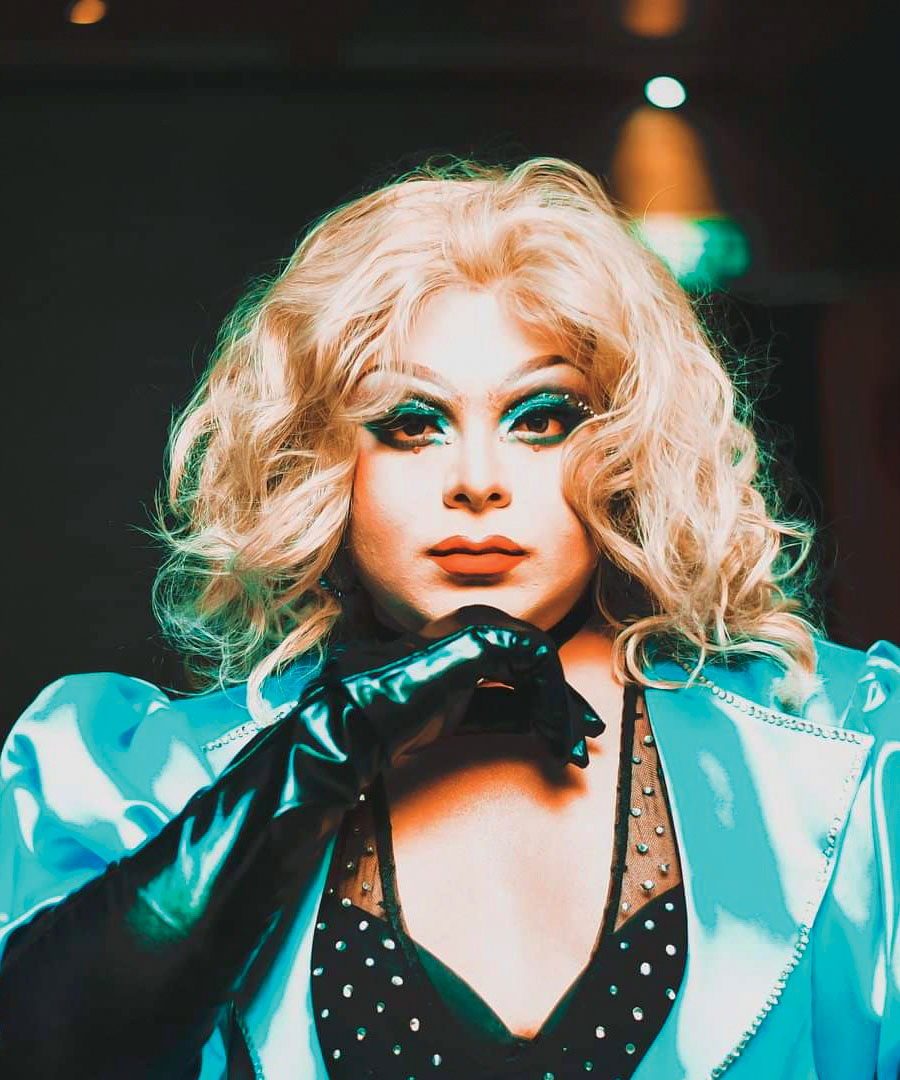
Lush Monsoon is one of the most recognised drag performers in India.
When discrimination happens, employees are not looking at HR but what the CEOs and leaders do. They are looking to us to inculcate a culture of respect and empathy.
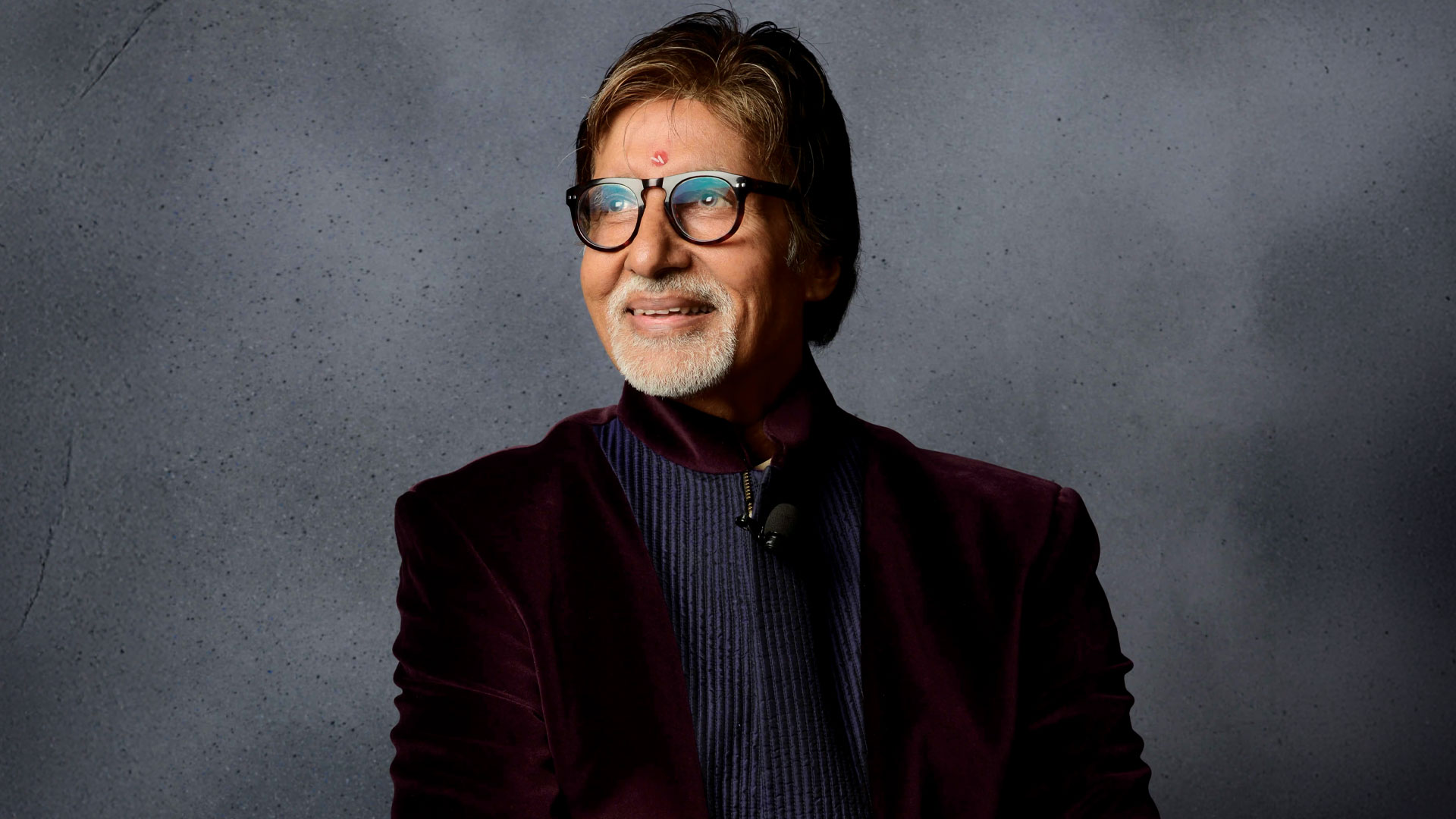
Aditya Ghosh
Co-Founder, Akasa Air
The gay landscape
The struggle for equality in India has not been without its ups and downs, such as the re-criminalisation of homosexuality in 2013. While India is “transgender progressive”, Suri points out that gay and lesbian people are still “fringe people, with no rights apart from being told you are no longer criminals”. He points out that the corporate sector has addressed the issue, at varying levels, admitting that it was still being looked at from a very privileged lens. “How much is corporate as a percentile of the population at large in India,” he asks. He encourages corporations to provide the same Mediclaim benefits that are available to heterosexual couples. Again, he points out, as there is no legal proof due to the laws, he encourages companies to ease up in this respect.
Akasa Airlines is proving to be a leader in the corporate travel space for inclusion. Aditya Ghosh, co-founder of Akasa Air and long-time head of Indigo, India’s largest airline, admits several factors impact inclusion, “from unsupportive policies, unconscious and obvious bias, lack of inclusive language all around us, isolation therefore lack of representation in a lot of discussions. LGBTQIA+ employees often lack role models”. He points out that Akasa, as the youngest and fastest-growing airline, has the opportunity and onus to lead from the front.
It has several policies in place already, from gender-neutral welcome announcements on its flights, or gender-neutral uniforms. “Our anti-discrimination policies cover all employees, irrespective of their gender. We also have medical benefits and staff travel benefits, irrespective of gender and marital status. We have an internal target for ensuring we hire a certain number of people from diverse backgrounds.”
Leadership, of course, makes a huge difference. Suri’s leadership role in creating greater awareness and acceptance of diversity in hospitality is widely acknowledged. Describing him as a farishta for the gay community in India, Saran credits Suri for setting standards—“for being openly gay at work, having rainbow coloured staff, giving people agency and power at work, providing resources and visibility and acceptance. Each time he hosts a party or hires an employee at one of his hotels, he is normalising the process”.
Saran is confident that in a decade India may become more gay-friendly in the hospitality sector than any other space. “When the big boss is openly out there, no commis at Lalit can ever be bullied.” Suri himself admits to being a ‘nepo baby’, saying what matters “is what I do with it”. As Ghosh points out, “When discrimination happens, employees are not looking at HR but what the CEOs and leaders do. They are looking to us to inculcate a culture of respect and empathy. We also pave the way for the rest of the organisation”.
Of course, for India’s elite, to be seen at ‘LGBTQIA+ nights’ is the new cool, and could significantly help combat stereotypes while becoming a revenue stream. Indeed, hotels such as The Park have been pioneers in hosting LGBTQIA+ nights at its popular club Agni every Tuesday. It continued till the COVID-19 enforced break, though the hotel is planning to bring back the concept, along with sundowners for the community. Today, many standalone restaurants across India are regularly catering to the community as well, right from putting up the rainbow flag to ensuring it is a safe space. There is unanimity in the restaurant sector that it makes business sense.
Of course, this is a data-poor space, with an estimate at best of how many people are part of the LGBTQIA+ community—7 to 10% is the global estimate. Suri bemoans the lack of the data, though he points out his foundation is working to address the issue. “Yes, we need data,” he says with a sigh. “It is not five judges we need to convince; it is one billion people. We need data points. We have to go back and say, yes, it’s good for business, it is more than just a societal cause, yes, we exist, and we are contributing members to society.”
“External and internal values have to align,” points out Ghosh. “You can’t pretend to be something else to the rest of the world and be something else internally. We see this as a way of life—hopefully leading to a more exclusive customer experience.” The tourism and hospitality sectors are one of the largest employment-generating sectors in India providing 79.86 million direct and indirect jobs in 2019-20, according to the Tourism Satellite Account (TSA), Ministry of Tourism. Even a quick extrapolation of 10% of this figure makes for a significant number. And if indeed the sector is a leader in creating inclusivity, the onus and opportunity are so much larger.
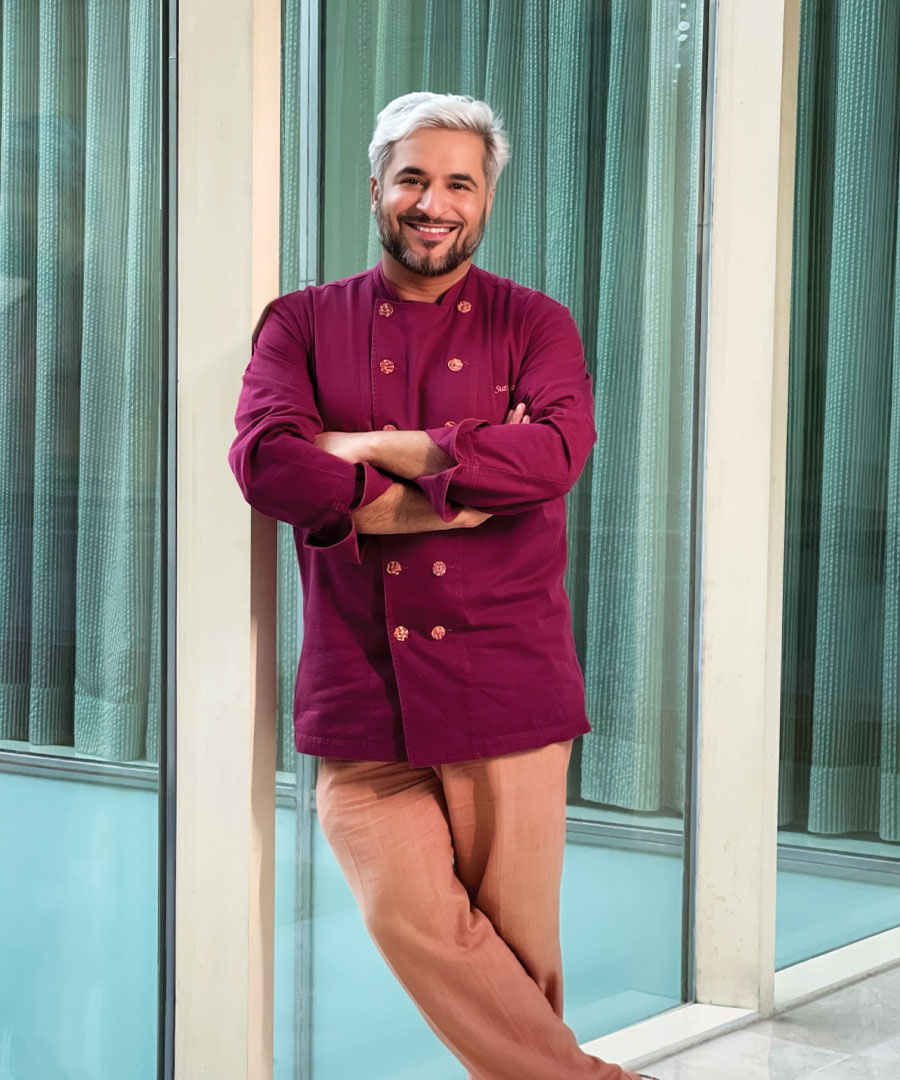
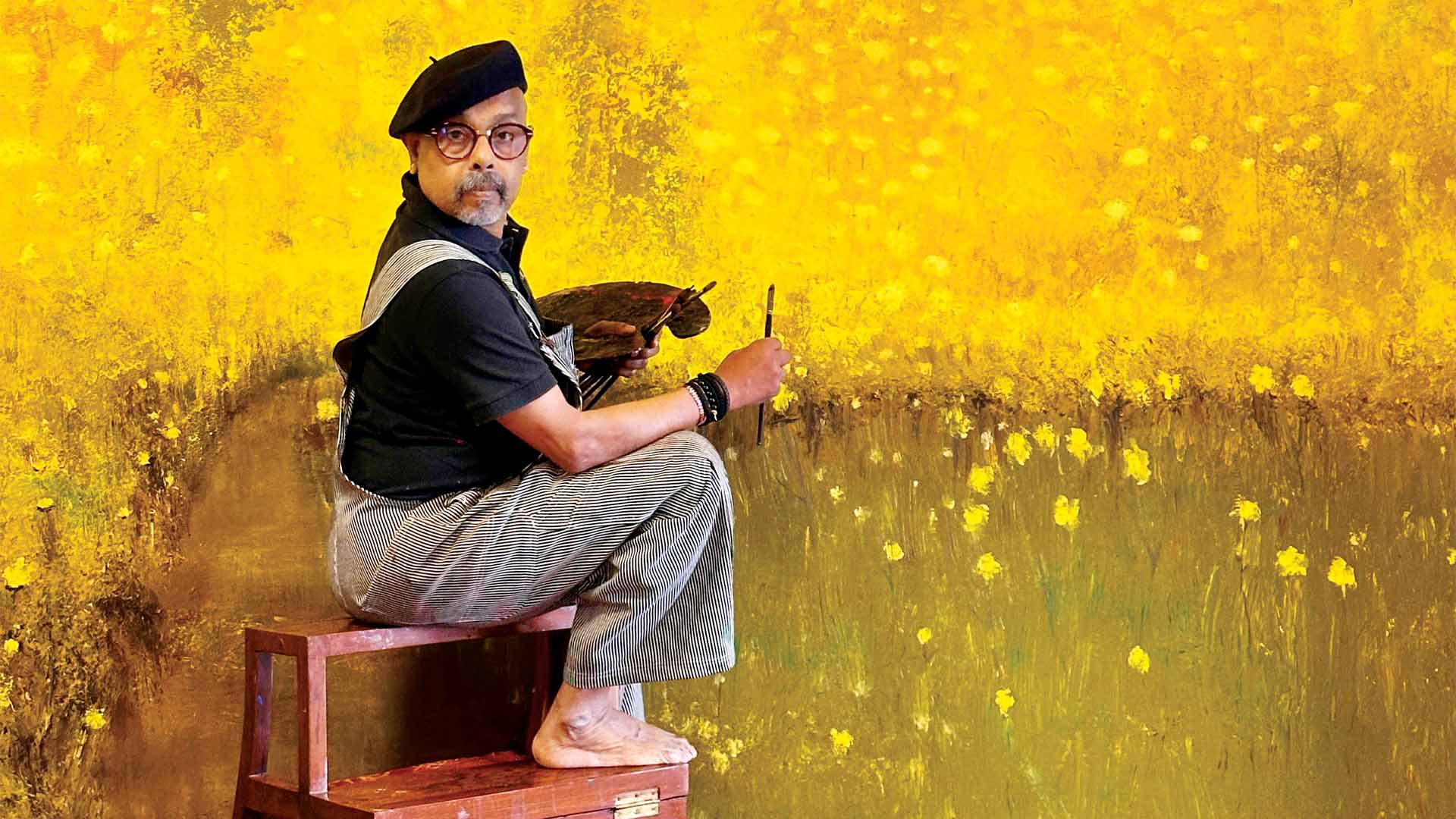
Chef and author Suvir Saran is confident that India may become more gay-friendly in the hospitality sector than any other space.
The world isn’t a fair place and hospitality mirrors the world. What I see changing is more and more women and LGBTQIA+ people are being given jobs and being tolerated.
Chef Suvir Saran