











Savouring Madrid
We journey through the Spanish capital’s culinary offerings, from ancient palaces to gourmet tasting menus and Michelin-star restaurants.

By Deepali Nandwani
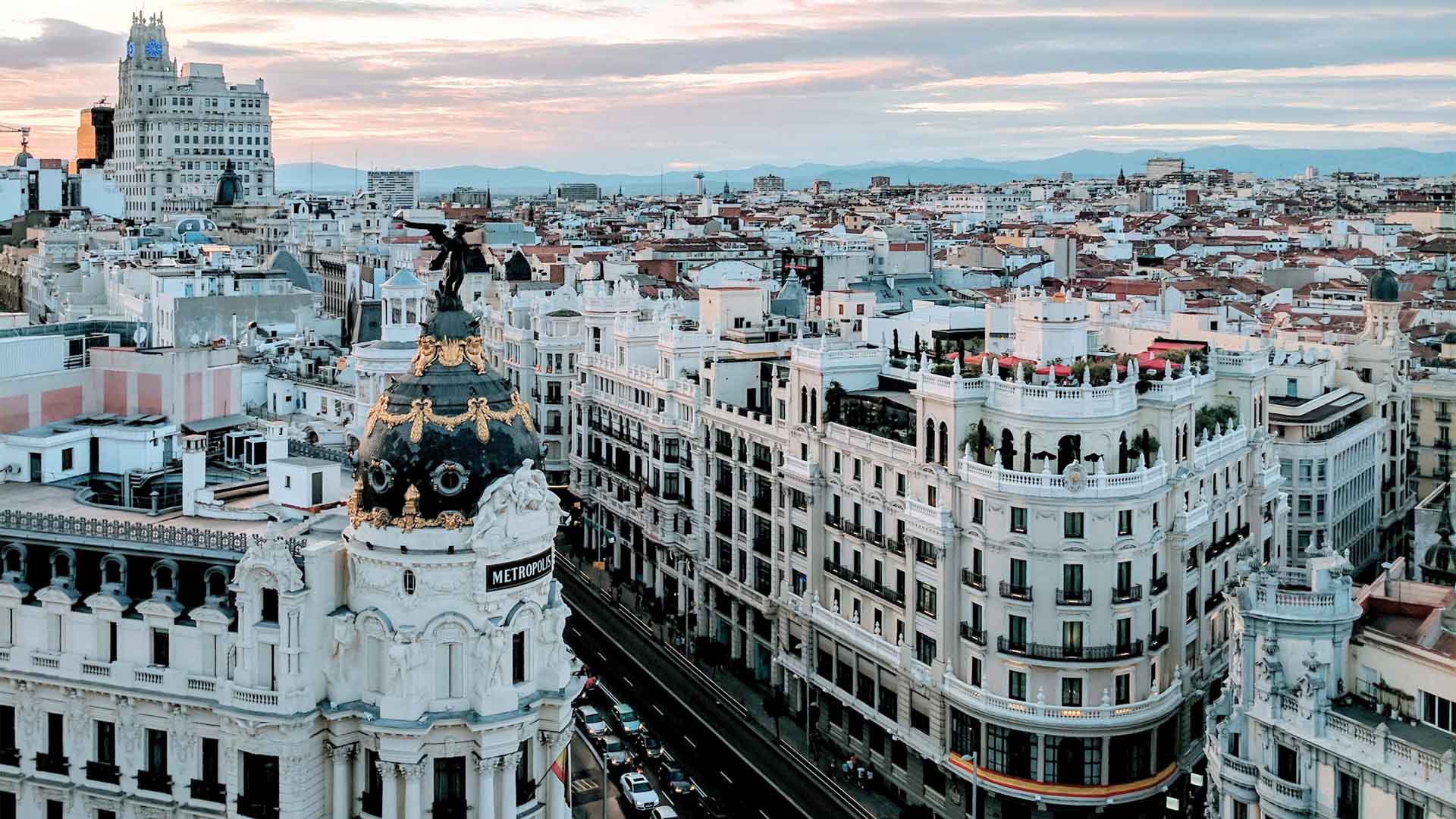
Madrid, Spain’s capital city and a global hub of politics, finance and culture, has a history that stretches back to pre-historic times, its people having lived under the rule of both Islamic Iberia and the powerful Philip II, who ruled Spain, Portugal, and parts of Italy at various times since 1556. The city's history spans the devastating Spanish Civil War.
Madrid's old architecture is a fascinating tapestry of its evolution from a medieval outpost to a grand capital, reflecting influences from Islamic, Gothic, Renaissance, Baroque, and Neoclassical periods. This story, however, isn’t about its architecture. It is about its restaurants, some of them centuries old, some new and Michelin-starred.
Fascinatingly, for me, the journey into the heart of Madrid’s culinary landscape at the sidelines of the Madrid Fusion event did not begin with a restaurant. It began with the ancient kitchen of the white Royal Palace, the official residence of the House of Alba, the Spanish royal family, which stands on the site of a 9th century Muslim fortress, which is why the reference to the architecture.
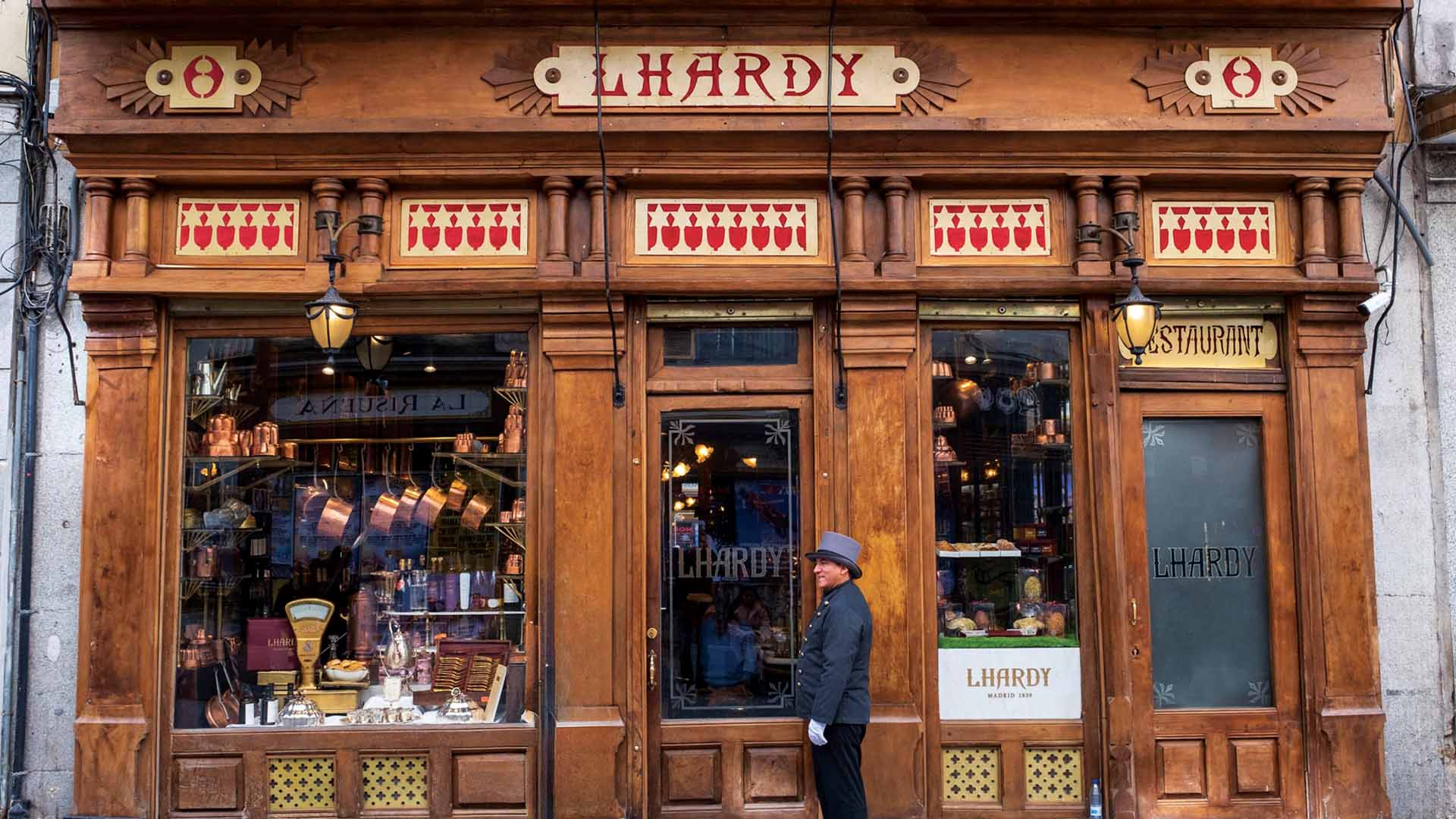
LHardy Restaurante is a tribute to 19th century Madrid of velvet curtains and chandeliers.
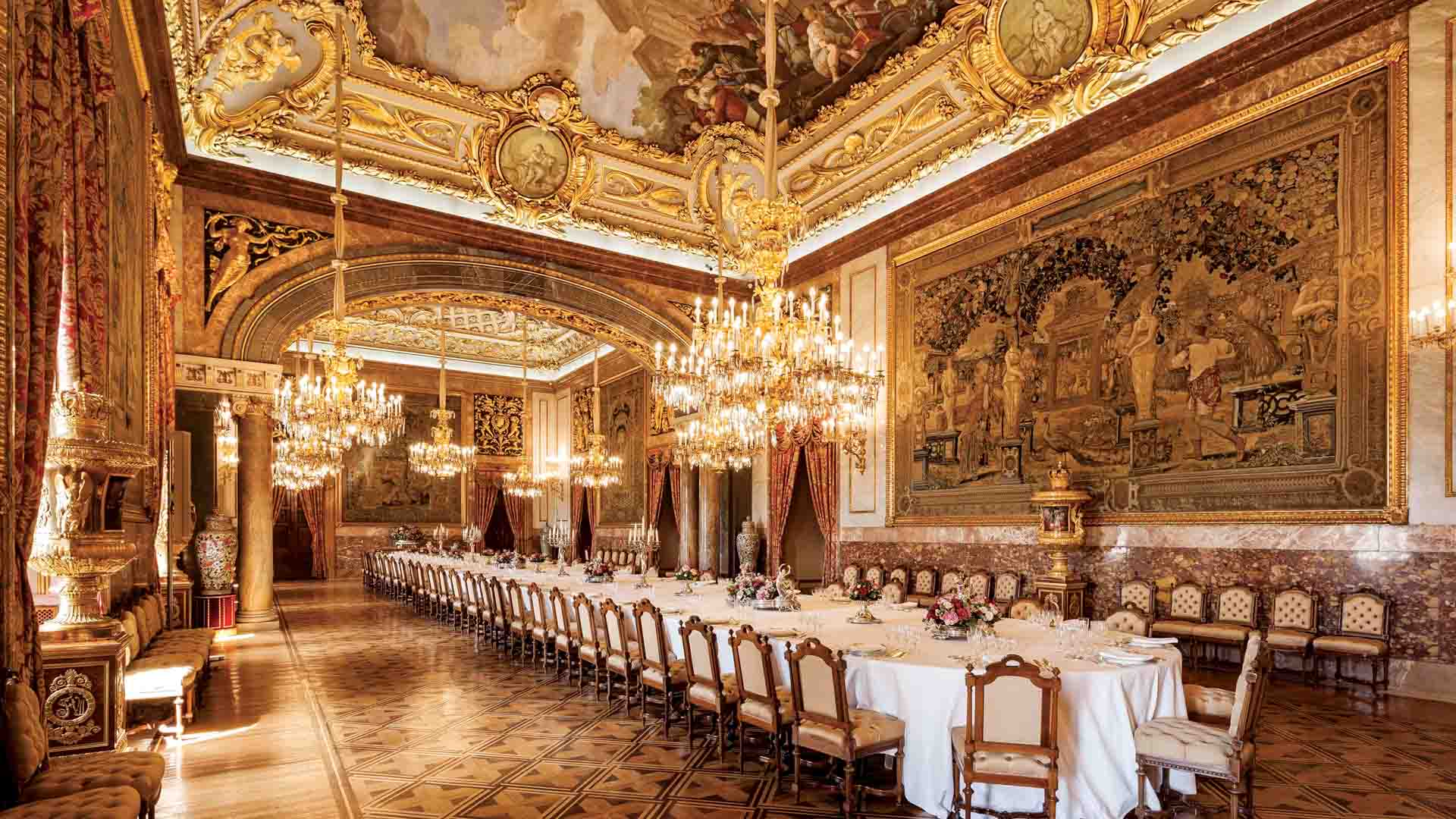
A 100-foot table, overhung with chandeliers with 1000 candles, seats 144 for state banquets.
The Royal Kitchen
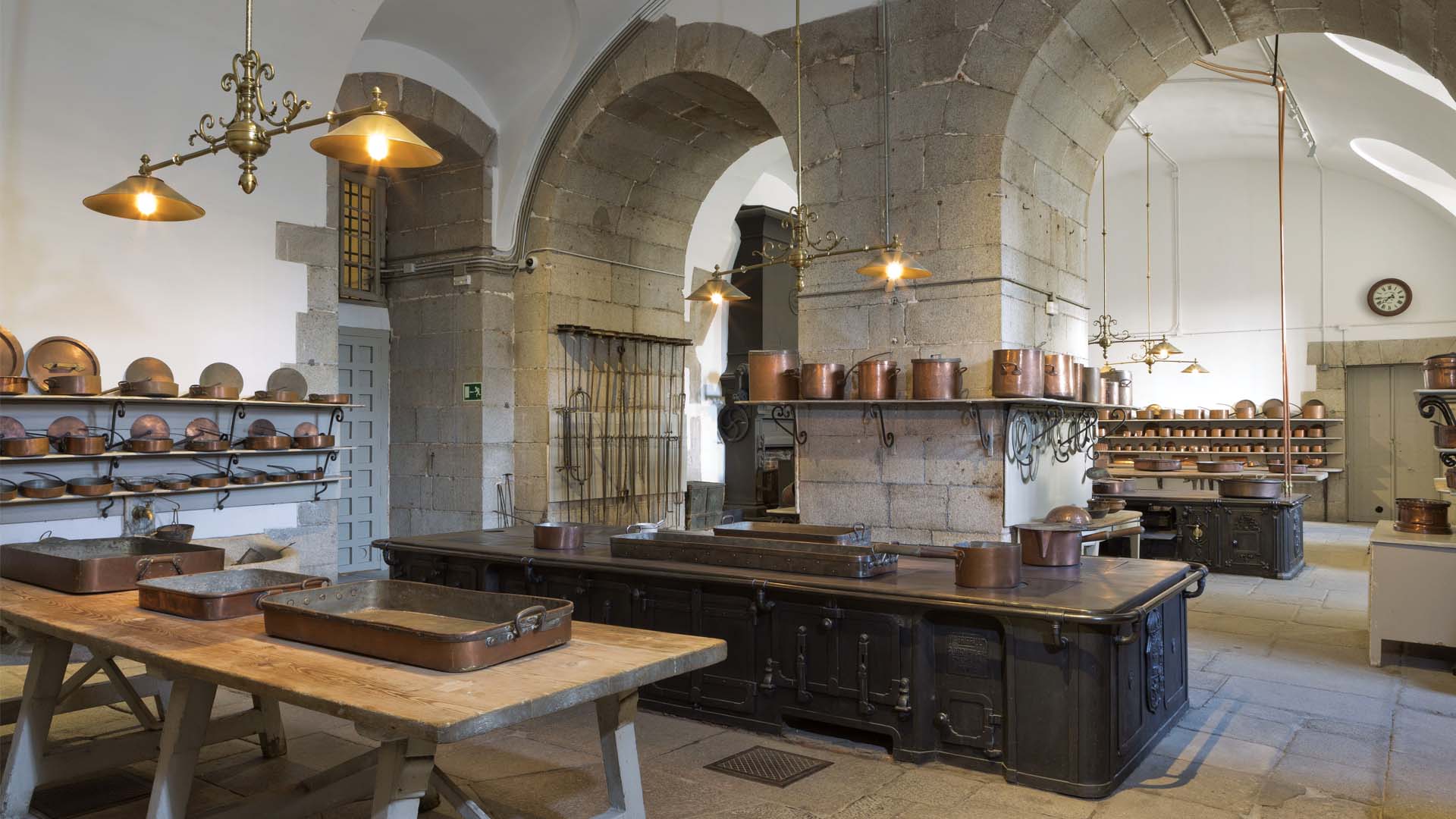
Dating back to 1737, these royal kitchens—spanning 800sq.m. in the palace basement—are Europe’s oldest surviving. Operating continuously for three centuries until the Second Spanish Republic in 1931, they housed the ‘oficios de boca,’ including a bakehouse, cellar, fruitery, confectionery, pastry, saucery, potagerie, and guardamangier (grocery store).
Wooden shelves hold an extraordinary collection of French-made copper pots, prized for heat conductivity, alongside massive cauldrons, coal-fired stoves, wood-fueled ovens, ice-filled cabinets, delicate ceramics, and two large coal-fired stoves linked to ‘hot cupboards.’ Royal paella pans nod to the dish’s historic popularity. Restored and opened to the public, the kitchens connect to the Royal Dining Room, adorned with Baroque ceilings, ornate plasterwork, gold-braided borders, and a 100-foot table seating 144 for state banquets. Chandeliers with 1,000 candles each, and elevated chairs for the king and queen underscore how powerful the Spanish monarhcy once was.
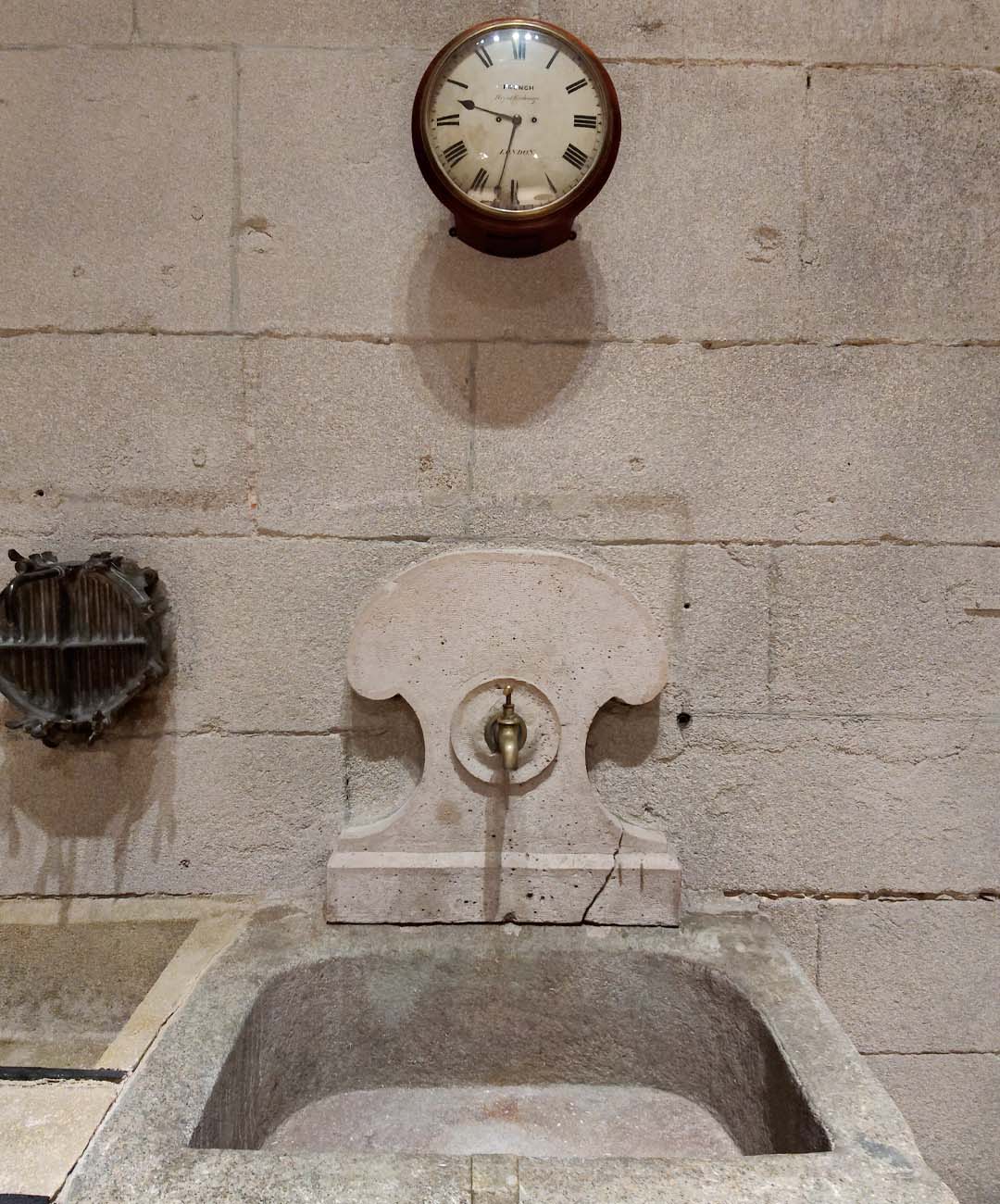
The Royal Palace kitchen operated continuously for the last three centuries. It has now been restored and opened to tourists.
La Biblioteca de Santo Mauro
I dined at the restaurant on a rain-soaked evening, driving through glistening streets into the neoclassical Palace Santo Mauro, its façade dark and foreboding under the Spanish monsoon sky. Inside, the palace—draped in silks and velvet—felt warm and intimate.
The restaurant occupies the palace’s original library, aptly named La Biblioteca. Book-lined shelves summon visions of feasts and debates over literature, politics, and society. Here, heritage feels alive, reinvented to connect diners with Madrid’s patrician past.
Now a Marriott Luxury Collection Hotel, Santo Mauro was built in 1895 as the opulent residence of Duke Mariano Fernández de Henestrosa y Ortiz de Mioño. Designed in French neoclassical style by Juan Bautista Lázaro de Diego, its walls hold the memory of early 20th-century Madrid, when the city cultivated ties with Romania, Canada, and the Philippines. The ancient gardens remain an emerald refuge, while its discreet service once drew David Beckham during his Real Madrid years.
At La Biblioteca, cuisine embodies alta cocina—haute cuisine refined to perfection—under chef Rafa Peña. Rooted in the philosophy of his Barcelona restaurant Gresca, Peña champions peak-season ingredients, crafting dishes that follow nature’s rhythm while layering bold, nuanced flavours. His cooking merges Spanish and Mediterranean traditions with French precision.
Peña’s sauces, often called the soul of his cuisine, transform simple ingredients into complex expressions. They are not accompaniments but integral to the dish—whether a silken reduction, a bright emulsion, or a richly layered jus. His Hare à la Royale is lifted by a sauce that tempers game with aromatic depth, while Partridge Ravioli in Black Truffle Consommé reveals his mastery through a clear, intensely flavourful broth.
At The restaurant, heritage feels alive, reinvented to connect diners with Madrid’s patrician past.
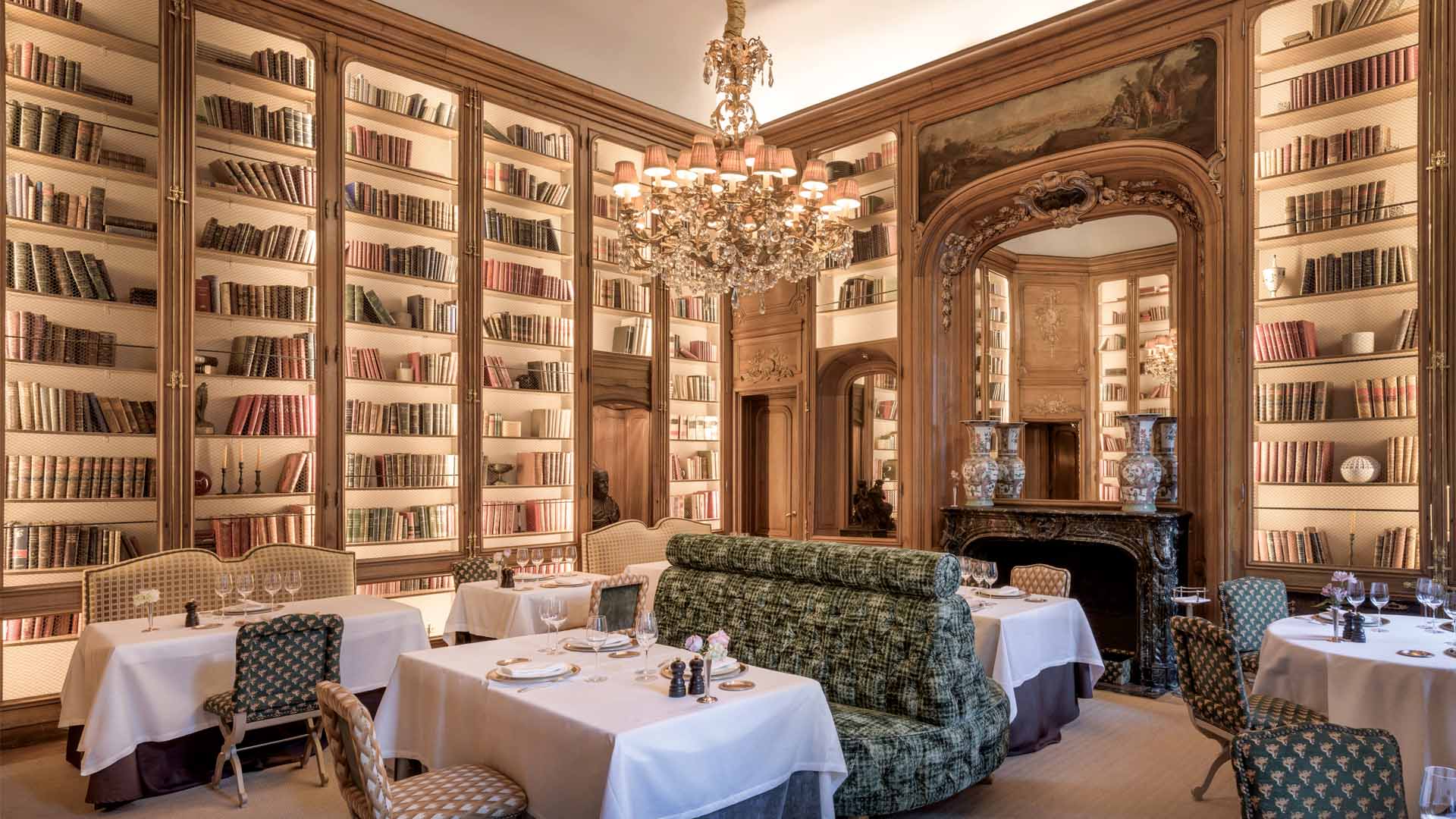
La Biblioteca occupies Palace Santo Mauro's original library. Here, chef Rafa Peña serves layered and nuanced flavours.
Corral de la Moreira
In Madrid’s heritage heart, near the Royal Palace, Corral de la Morería fuses fiery Famenco with gourmet dining. Founded in 1956 by entrepreneur Manuel del Rey—he comes from Madrilenian family with several hospitality ventures—this tablao pioneered a model blending world-class performances with culinary artistry. Over decades, it has hosted Flamenco’s finest, their rhythmic footwork and soulful songs tracing the art’s journey from Rajasthan to the Arab world, onwards to Spain.
The Michelin-starred restaurant—unique among tablaos—under Basque chef David García, serves contemporary Spanish dishes like Avocado and Cilantro Gazpacho, Scallop Carpaccio with Caviar, and Roast Rack of Lamb in Caramelised Gravy. The Tasting Menu unfolds in two intimate settings: the Restaurante Tablao (100 seats) and the exclusive Gastronomical Space (four tables). Arab corbels and 18th-century streetlamps evoke Flamenco’s roots, while soft lighting sets the stage for passionate performances.
Crowned the World’s Best Flamenco Tablao by the International Cante de las Minas Festival, Corral has earned the National Flamenco Award, National Gastronomy Award, and a place in 1,000 Places to See Before You Die. A UNESCO Intangible Cultural Heritage hub, it produces shows, choreography, and music, drawing stars like Jennifer Aniston and Nicole Kidman. At Corral, flamenco’s soul and culinary brilliance ignite an unforgettable night.
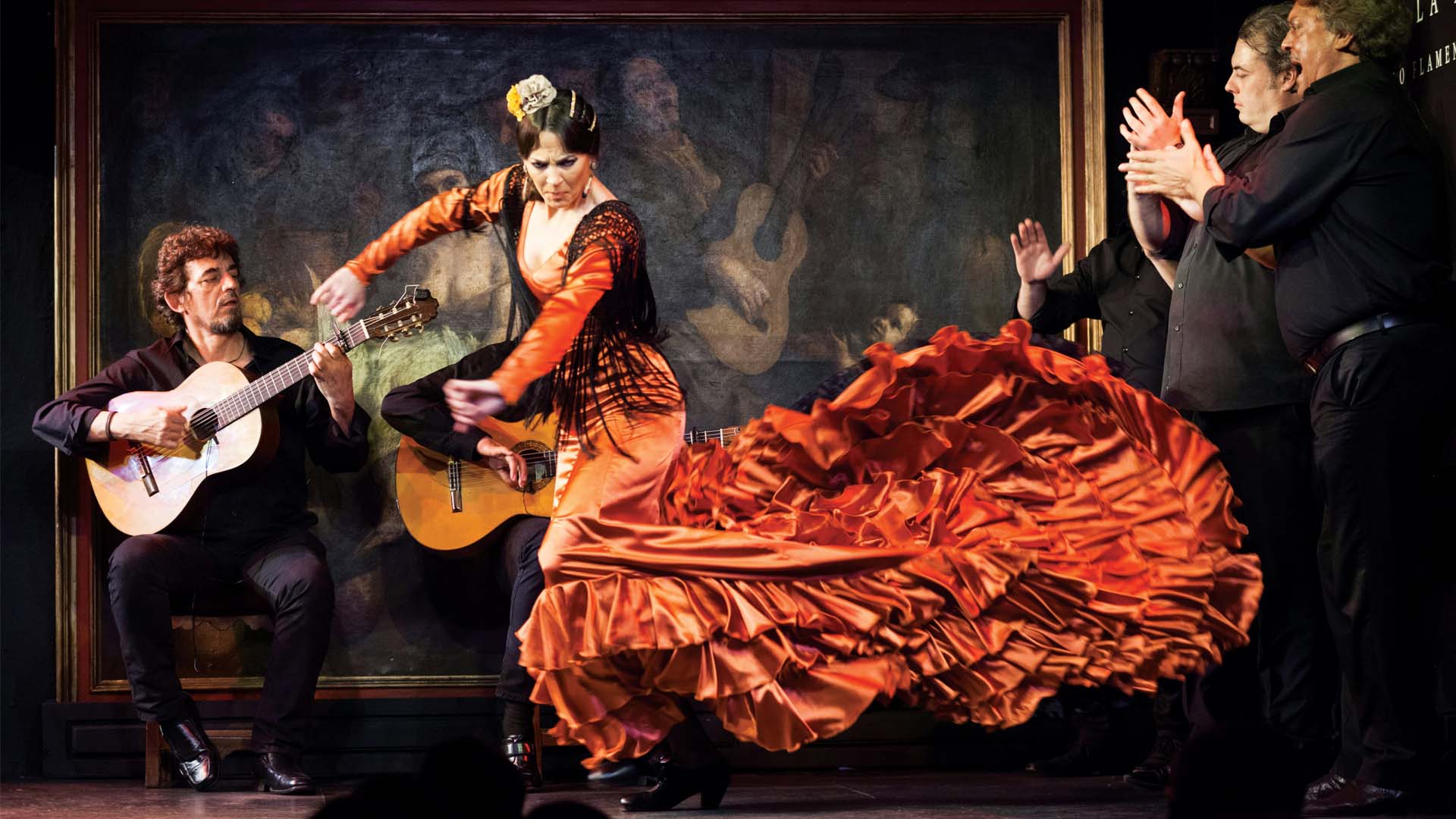
Corral de la Morería pioneered a model blending world-class Flamenco performances with culinary artistry. It has hosted Flamenco's finest artists.
Casa Ciriaco
At Casa Ciriaco, I was served an entire hen, not to mention a pigeon, again! Madrid is a city for carnivores, seemingly, or at least its taverns and fine dine bastions are.
The tavern is buzzing, but step down into its brick underground, and the tavern transforms into an intimate dining space. Casa Ciriaco has been dishing out soulful fare since 1887, but gained notoriety in 1906 when Catalan anarchist Mateo Morral lobbed a bomb at King Alfonso XIII’s wedding procession from its upper floors—a moment frozen in a photo on its walls.
The tavern feels like a time capsule. The comedor boasts dark wood chairs and white tablecloths, exuding old-world charm. Walls, half-tiled, half-lined with sepia photos, clippings, and paintings, tell tales of past patrons and that 1906 drama. A narrow passage leads to an airy, stone-walled dining area with high arches, blending nostalgia with a breezy vibe.
Casa Ciriaco’s kitchen dishes out Madrilenian classics, each dish a love letter to tradition. The star, Gallina en Pepitoria, is a rich chicken stew of wine, eggs, and almonds, a century-old crowd-pleaser. It serves hearty fare such as meatballs and stew. The underground section has a wine cellar, which stocks the best of European wines. But the pièce de résistance is the section of almost century-old wines. Sip vermouth with tapas at the bar and savour Spanish food.
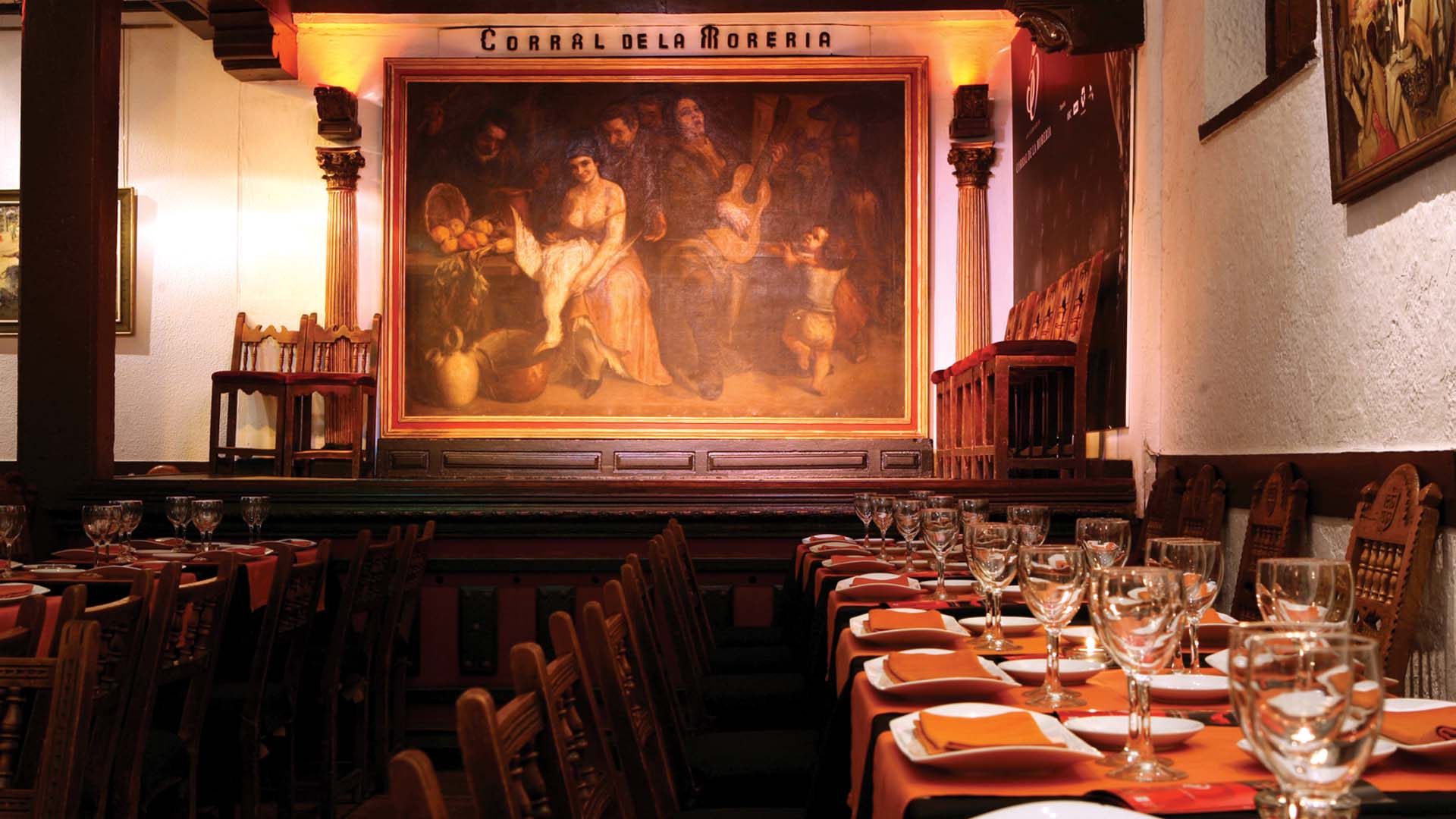
Under Basque chef David Garcia, Corral serves contemporary Spanish dishes and a tasting menu.
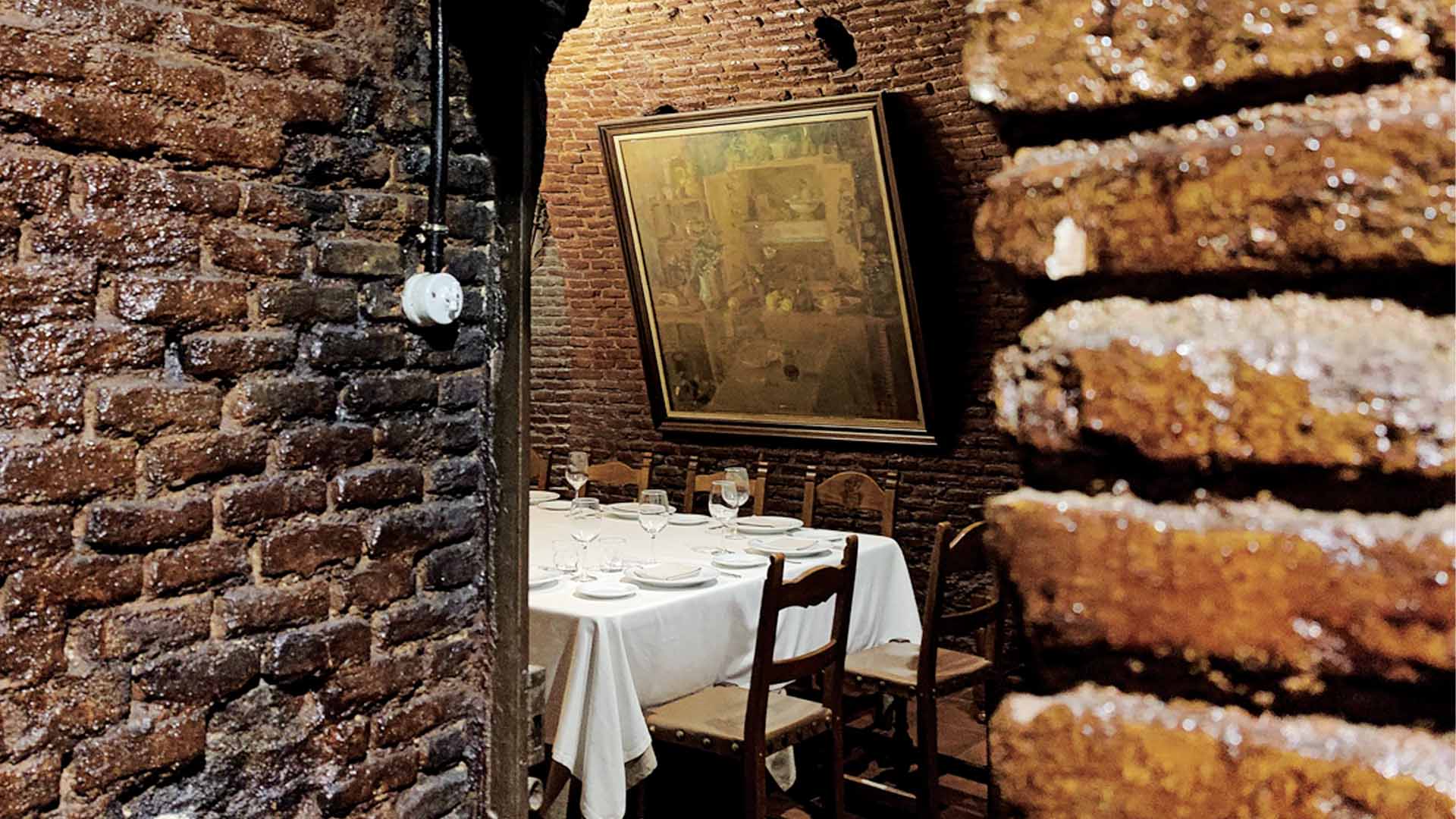
The brick underground has high arches, holds the private dining area, and blends nostalgia with a breezy vibe.
Sobrino de Botin
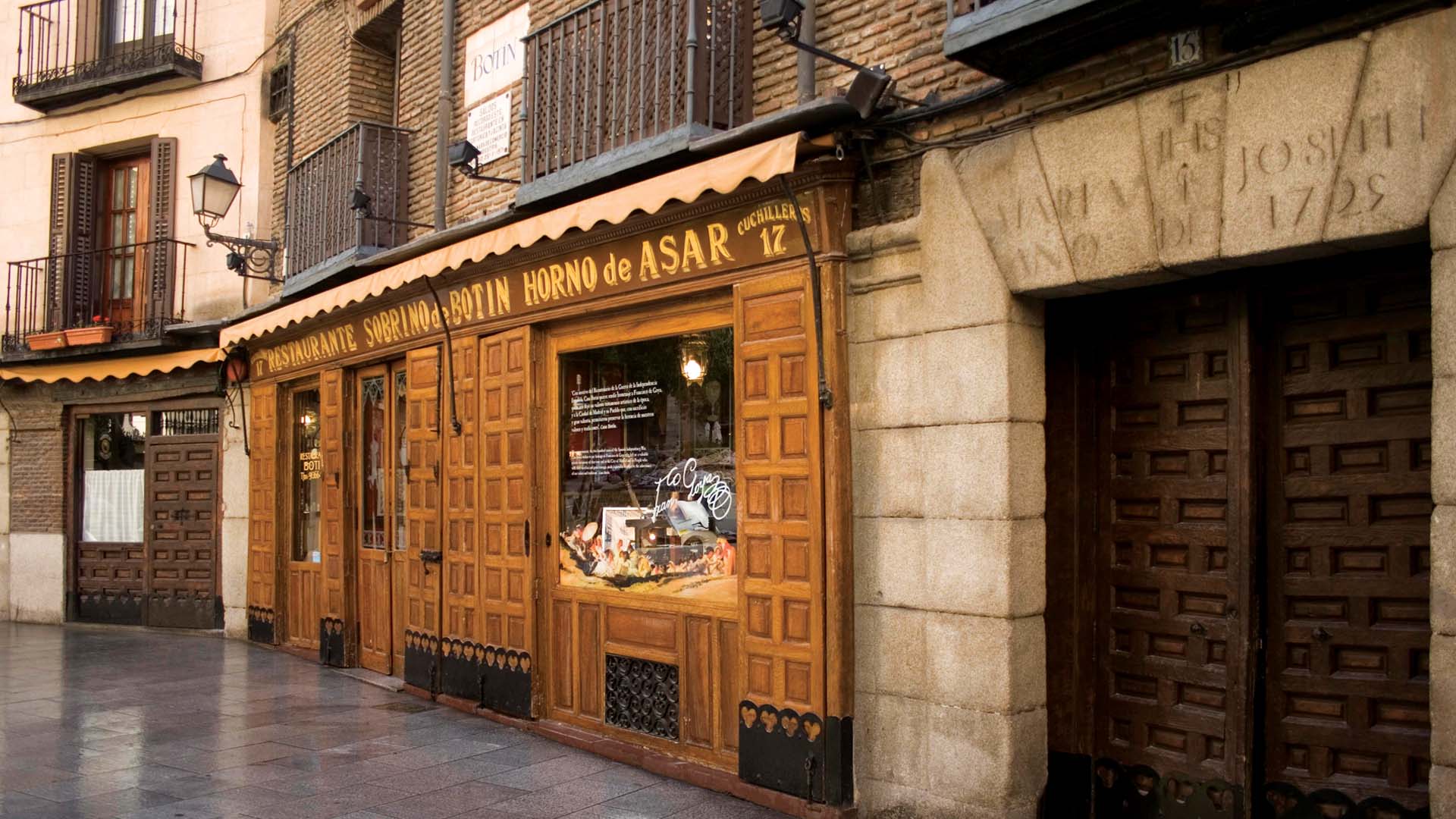
Down the cobbled curve of Old Cuchilleros Street, just steps from Madrid’s sunlit Plaza Mayor, stands a relic of history. Sobrino de Botín, the world’s oldest restaurant, has watched over the city’s heart since 1725. Its four-storey façade, wrought-iron balconies, and timeless spirit now approach a 300-year milestone under the care of José “Pepe” González, the third-generation heir.
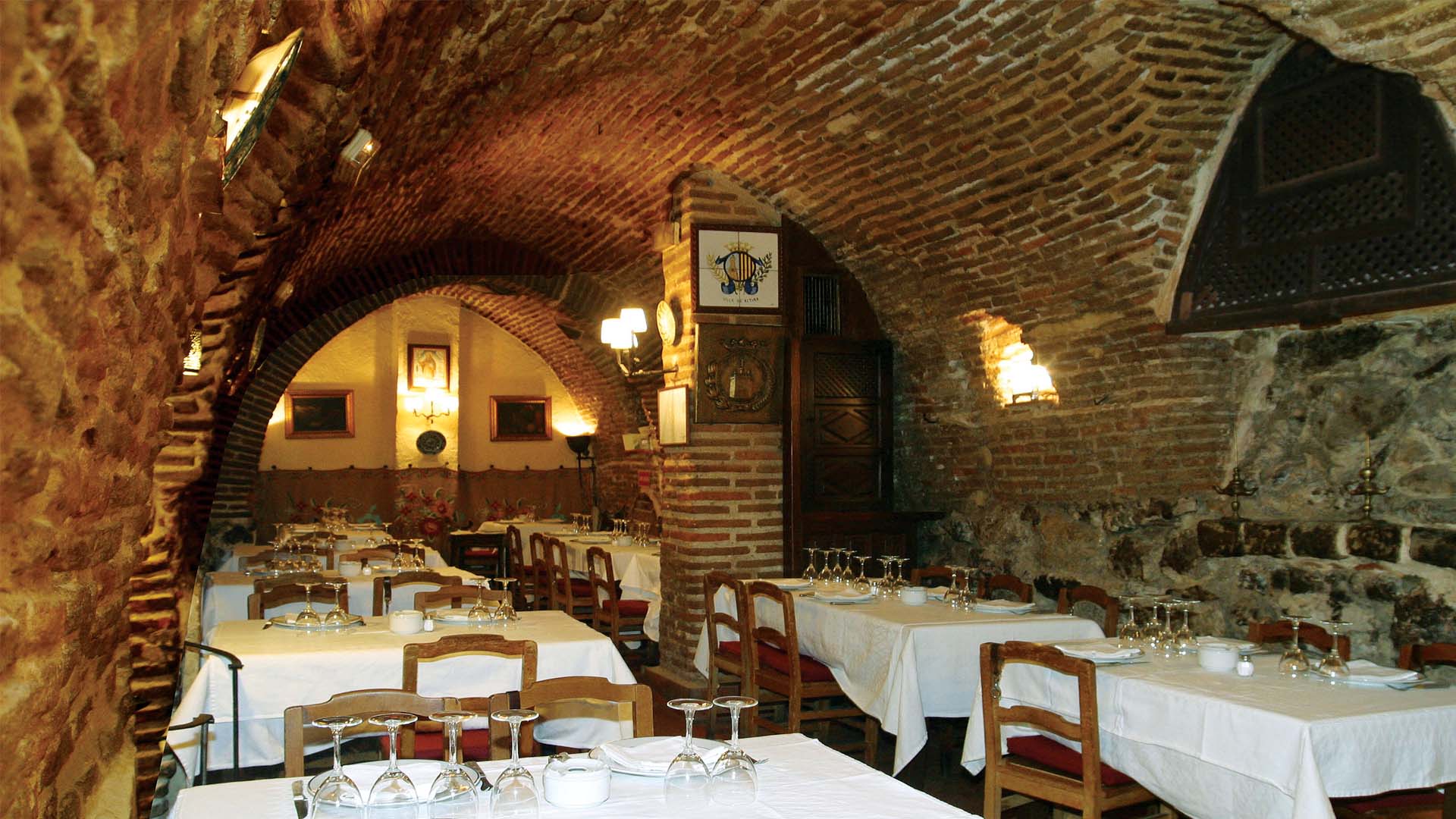
Inside, it feels like stepping into artist Velázquez’s canvas. The dining room glows with old-world charm: white tablecloths on black-and-white tiles, wooden beams hung with leaf-shaped lamps, walls lined with faded portraits, family photos, ornate ceramics—and the Guinness certificate that seals its claim to immortality.
The building itself predates the restaurant. Built in 1590 under King Philip II, it holds a 16th-century wine cellar where stone walls and dusty bottles whisper secrets of Spain’s golden age. The story began with Jean Botín, a French palace chef working in Madrid in the early 1700s. In 1725, his nephew named the inn Sobrino de Botín—'Botín’s Nephew'—and turned it into a dining institution. Centuries later, Pepe’s grandparents, Amparo and Emilio González, revived its legacy and shaped it into what it is today.
The menu has shed its oysters, lobsters, and crabs, focusing instead on the heart of Castilian and Madrileño cooking. A cream-draped sponge cake, velvety cheesecake from Pepe’s grandparents’ recipe, and golden croquetas sweeten the table. Two dishes from the original menu endure: Cordero Asado, roast lamb perfumed with rosemary, and Cochinillo Asado, suckling pig with crackling skin that is Botín’s ode to tradition.