












5 Takeaways: How the Middle East Conflict Could Reshape Tourism In and From India
As conflict engulfs the Middle East and disrupts global aviation and oil markets, India’s travel ecosystem is bracing for turbulence, from surging airfares and outbound cancellations to shifting traveller sentiment. Yet within the disruption lies opportunity.


By Deepali Nandwani
The Middle East, long regarded as one of the safest and most economically dynamic regions in the world, has, in a matter of days, become the epicentre of a widening geopolitical crisis. The purported breakdown of nuclear negotiations between the United States and the Islamic Republic of Iran has resulted in joint U.S.-Israeli strikes targeted at Iranian military and nuclear infrastructure. Iranian retaliation has since expanded across the region.
Airspace closures, missile exchanges, the effective shutdown of the Strait of Hormuz, and the cancellation of war-risk insurance for vessels in the Gulf have triggered volatility across oil markets, aviation routes, and global travel networks.
For India—one of the fastest-growing outbound travel markets globally and a country whose tourism sector contributes over 5.22% to GDP and supports 8.46 crore jobs—the impact will be both immediate.
Here are five key takeaways.
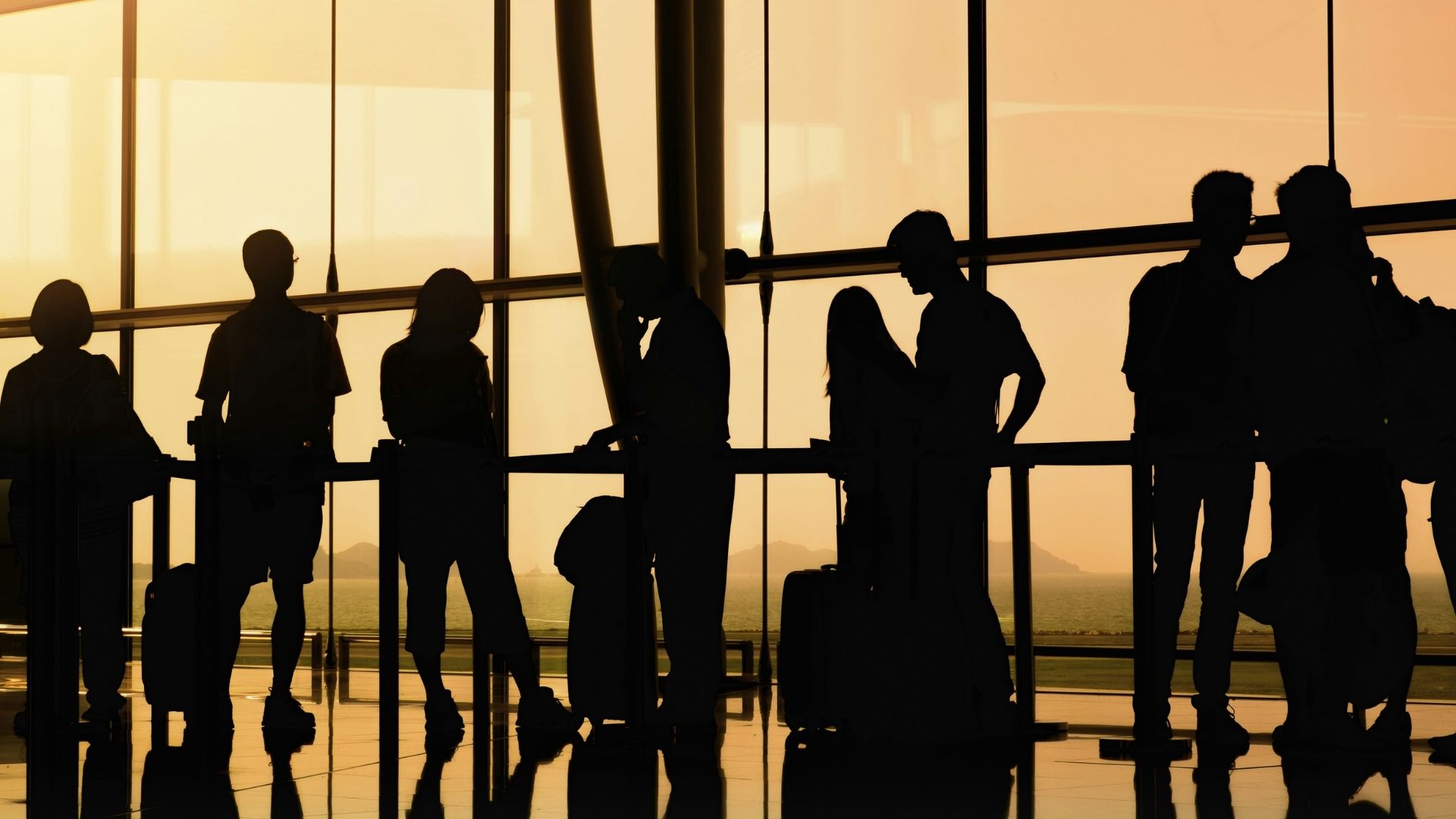
1. Domestic tourism in India is likely to rise, but as a substitution boom
This summer, domestic tourism is likely to see a further boom as Indians look inward, particularly for segments such as MICE, weddings, and summer travel. India’s domestic tourism sector was already on an upswing before the crisis.
According to India’s Economic Survey 2025:
- Domestic tourist visits rose 17.5% in 2024 over the previous year.
- Between January and September 2025, domestic visits increased nearly 52.7% year-on-year.
- International Tourist Arrivals (including NRIs) reached 20.57 million in 2024, 8.9% higher than 2023 and 14.8% above 2019 levels.
- Foreign exchange earnings from tourism reached USD 35 billion in 2024, representing an 8.8% increase.
- Domestic travel remains the backbone of the sector. The current crisis will amplify an existing trend through what economists call the substitution effect:
- Travellers deterred by high airfares or geopolitical risk will reallocate budgets to domestic trips.
- Short-break, long-weekend, and premium experiential travel within India will rise.
Price sensitivity is the key. Domestic flights are less exposed to Gulf overflight disruptions. No visas are required. Planning is simpler. Insurance is cheaper. However, this is a redistribution. India will gain on the MICE, weddings.
The uplift depends on the duration of the conflict, the severity of oil price spikes, and how long international fares remain elevated. If tensions ease quickly, outbound demand could rebound sharply.
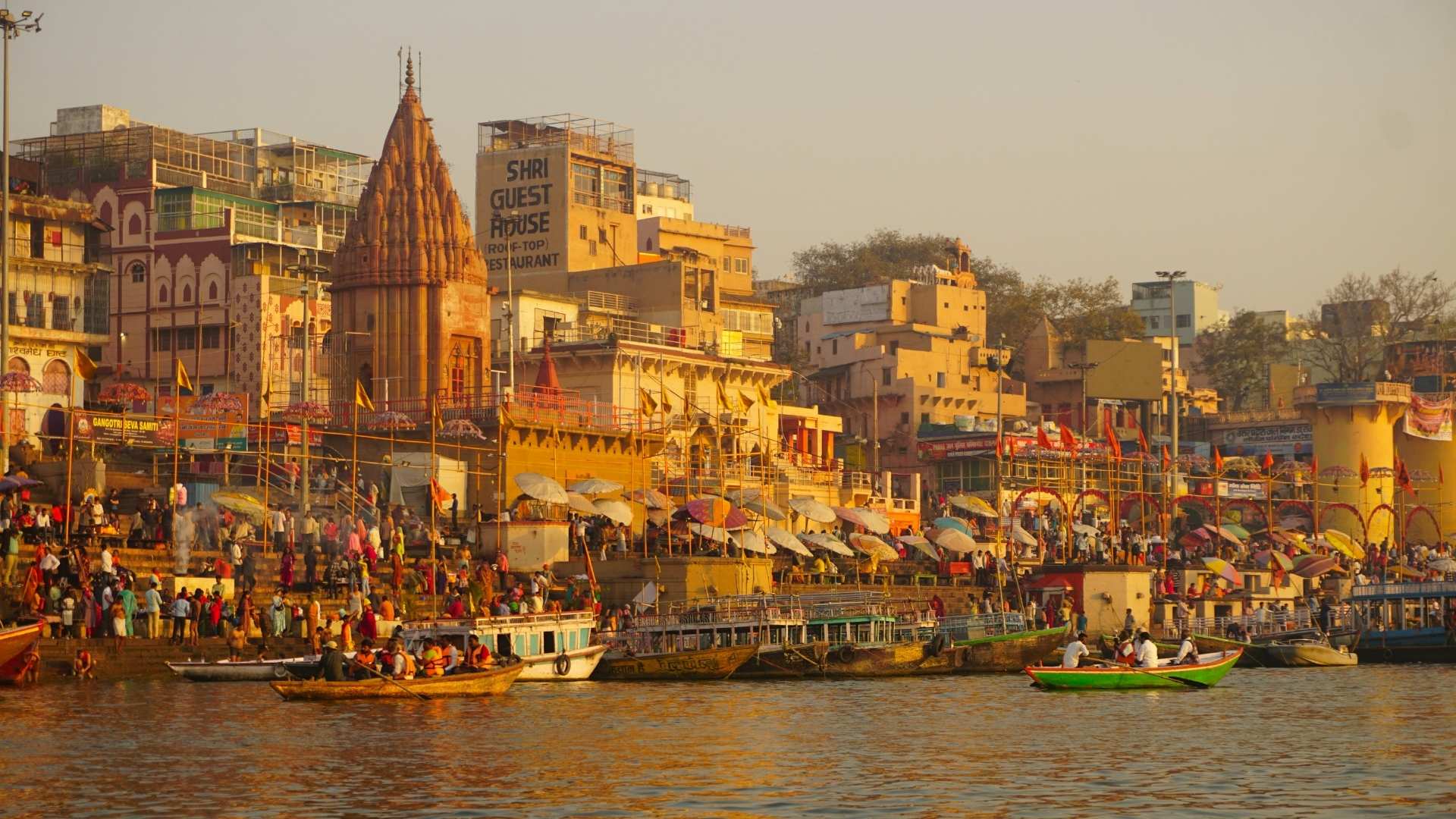
2. Outbound travel from India will take a near-term hit, especially to the Gulf and Europe
India sent between 30 and 39 million travellers abroad in 2024, marking a record post-pandemic rebound. Among the top destinations were the UAE (approximately 7.78 million Indian visitors) and Saudi Arabia (3.42 million), followed by Southeast Asia, Europe, and North America.
The Middle East is not just a destination; it is a transit backbone. Dubai alone typically handles over 1,000 international flights a day, serving as a primary hub for Indian travellers heading to Europe, the US, and Africa.
With regional airspace closures and major Gulf hubs shut temporarily, flights are being rerouted, block hours are increasing, and fares have surged. Reports from Hyderabad, for example, show one-way fares to London jumping to ₹65,000–₹90,000 — nearly double typical pricing. German routes reportedly saw fare increases of 200–300%.
Tourism Economics estimates that the conflict could reduce international visitors to the Middle East by 11–27% this year, resulting in 23–38 million fewer visitors and $34–56 billion in lost spending. For Indian outbound tourism, the implications are obvious:
- Routes via the Gulf face immediate disruption.
- Long-haul travel to Europe and the US becomes more expensive and less convenient.
- Price-sensitive travellers will postpone or reroute plans.
Outbound travel will not collapse, but it will fragment. The first casualties will be leisure travellers on flexible budgets. Corporate and essential travel may continue, albeit at a higher cost.
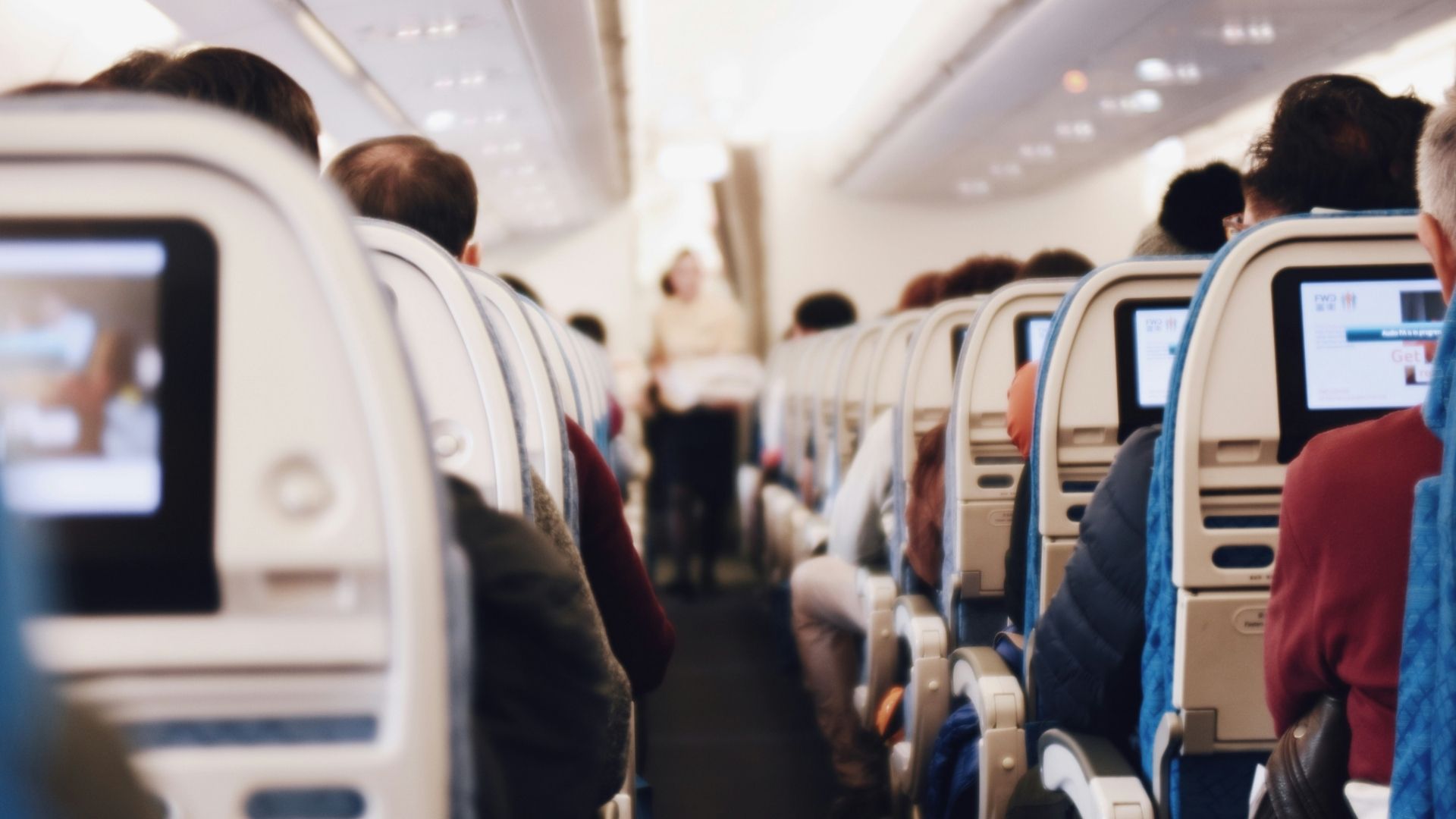
3. Jet fuel and airfares will remain elevated while the conflict persists
The closure of the Strait of Hormuz, through which roughly 20% of the world’s oil supply transits, has sent crude markets into volatility. Jet fuel prices track crude with some lag. Aviation is highly sensitive to energy costs; fuel accounts for 30–40% of airline operating expenses.
Additional pressures include:
- War-risk insurance premiums are rising sharply.
- Maritime insurers are cancelling Gulf coverage.
- Longer flight paths increase crew, maintenance, and operational costs.
- Potential capacity reductions on long-haul routes.
The result is a classic supply shock with higher fares, longer travel times, fewer direct routing options, and widening fare gaps between domestic and long-haul travel. Airlines with limited fuel-hedging face margin pressure. Asian and European airline stocks have already reflected market anxiety.
For Indian travellers, this means long-haul leisure travel becomes aspirational again; trip durations may shorten; premium cabins could see slower growth; and families may postpone Europe or US vacations by a year.

4. Far East destinations may absorb some demand
When geopolitical risk rises, travellers shift toward destinations perceived as safe and stable. Southeast and East Asia—Thailand, Singapore, Malaysia, Japan, South Korea, Vietnam— are likely to absorb some displaced demand because they are viewed as politically stable. Many offer direct non-Gulf routings, the costs are generally lower than Europe, and Indian travellers are familiar with them.
However, several constraints remain, such as airfares remain higher than domestic travel. Visa regimes and processing timelines vary, while longer travel times versus domestic options.
Segment-wise expectations over the next 12–18 months could go like this:
- Budget travellers: Strongly domestic; occasional Southeast Asia.
- Young professionals: Mix of domestic and Far East.
- Luxury travellers: Domestic luxury circuits and select Far East markets.
- Europe/US travel: Likely postponed unless stability returns quickly.

5. The scale of impact depends entirely on duration and escalation
The tourism impact is scenario-dependent. If the conflict de-escalates within weeks, oil stabilises, airspace reopens, fare spikes become moderate, and outbound travel resumes by peak season.
If the conflict persists or expands, prolonged oil price pressure feeds inflation. Airline margins will compress, travel budgets will shrink, and discretionary spending will decline. For India, where travel and tourism contribute 5.22% to GDP and employ over 13% of the workforce, prolonged disruption has macro implications.
There are secondary effects as well. Outbound tour operators are likely to face cancellations. Travel retail linked to international departures will slow down. Visa and consular services may see reduced demand. But domestic hospitality will see short-term gains, particularly in experiential and niche tourism areas (wellness, heritage, glamping, spiritual circuits) that could experience structural interest if properly marketed.
The Economic Survey 2025 has already noted India’s untapped potential in niche tourism segments. This moment could accelerate that pivot.

The bigger picture
India is entering this crisis from a position of relative tourism strength. Domestic travel momentum is robust. But the global travel system is deeply interconnected. The Middle East is not peripheral to Indian tourism; it is central to aviation networks, migrant flows, pilgrimage routes, and leisure circuits.
In the short term, domestic tourism in India will likely benefit from redirected demand. In the medium term, Far East destinations may gain incremental market share. In the longer term, everything depends on geopolitics and oil. What this crisis underscores is how sensitive tourism remains to energy, security, and connectivity.
For Indian travellers, the next year may be defined less by long-haul ambition and more by proximity, price consciousness, and perceived safety. For India’s tourism industry, the opportunity lies in readiness—to absorb the demand, to price rationally, to market aggressively, and to build resilience into a sector that remains one of the country’s most employment-intensive growth engines.