










Kabir At His Best
In its short span, the Mahindra Kabira Festival has established itself as the most effective platform to showcase Kabir legacy. The ninth edition has an impressive line up to continue the tradition.

By Suman Tarafdar
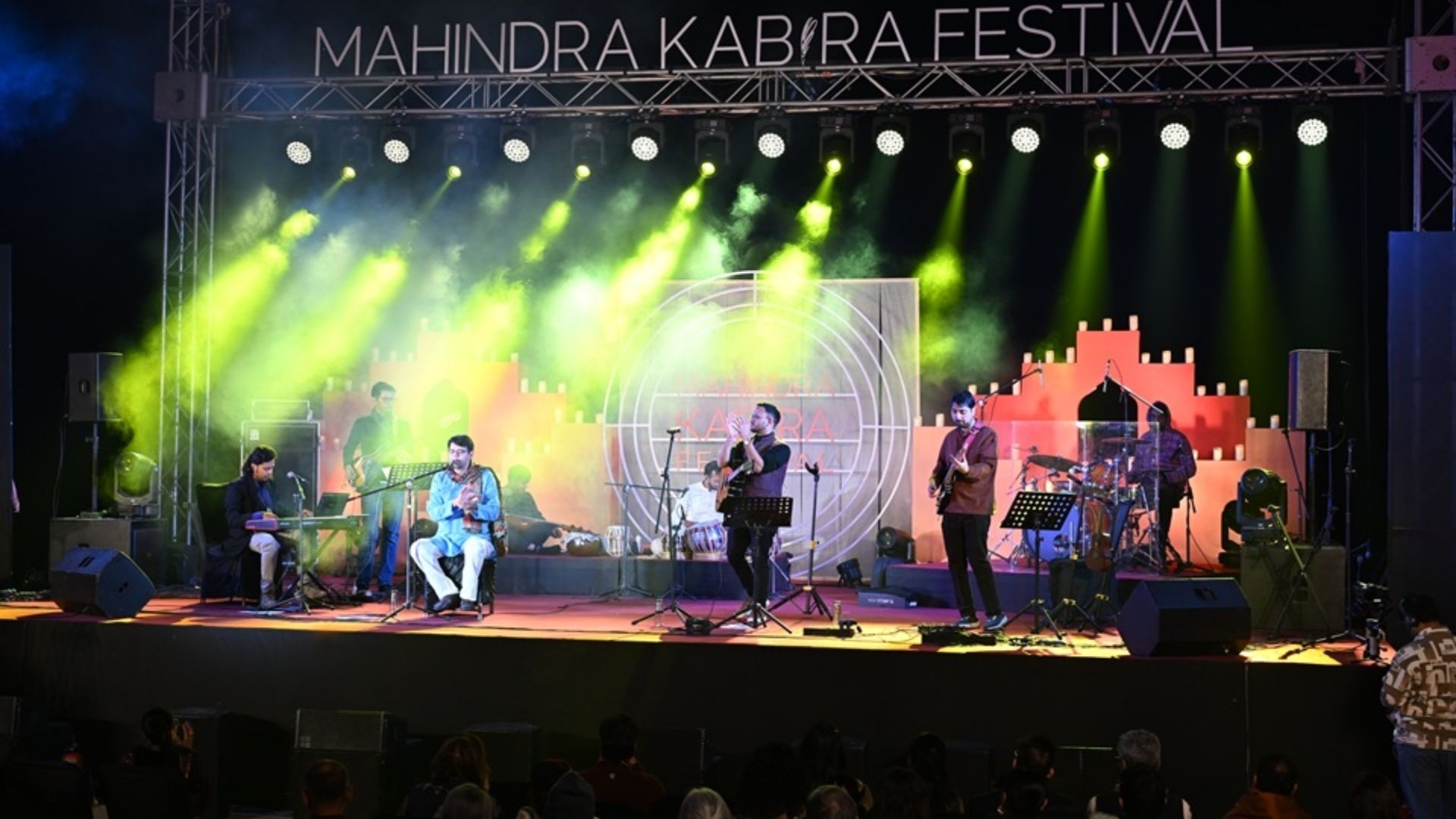
The ghats of Varanasi are readying once again for their annual renditions of arguably the most mellifluous of aural experiences. Just as they have for the previous eight years, the ninth edition of the Mahindra Kabira Festival is set to once again focus on one of its greatest sons, the 15th century mystic poet, Kabir.
The festival, which over the years has focussed on Kabir’s remarkable legacy of truth, inclusivity and introspection, is once again seeking to spotlight just how relevant Kabir remains. The festival is bringing together musicians, thinkers, and cultural voices who bring alive the poet through a series of performances, talks, heritage walks, and cultural experiences.
Of course, there is no better stage and backdrop than Varanasi, whose ghats by the Ganga double the festival venues, telling a timeless tale steeped in history.
“The festival celebrates the power of art and tradition to create bridges between the past and the present, the self and the infinite, embodying Kabir’s eternal message of unity through diversity,” points out Jay Shah, Vice President, Head–Cultural Outreach, Mahindra Group. “We started the festival as a gift from the Mahindra Group to the city, something like bringing Kabir back home,” says Shah.
Incidentally, this is not the first version of the festival that one of India’s conglomerates did. “We in fact did the first Mahindra Kabir Festival in Mumbai. Before this format started, it was with a local Mumbai group of people who just wanted to celebrate Kabir and asked us for some funding and we gladly supported them.”
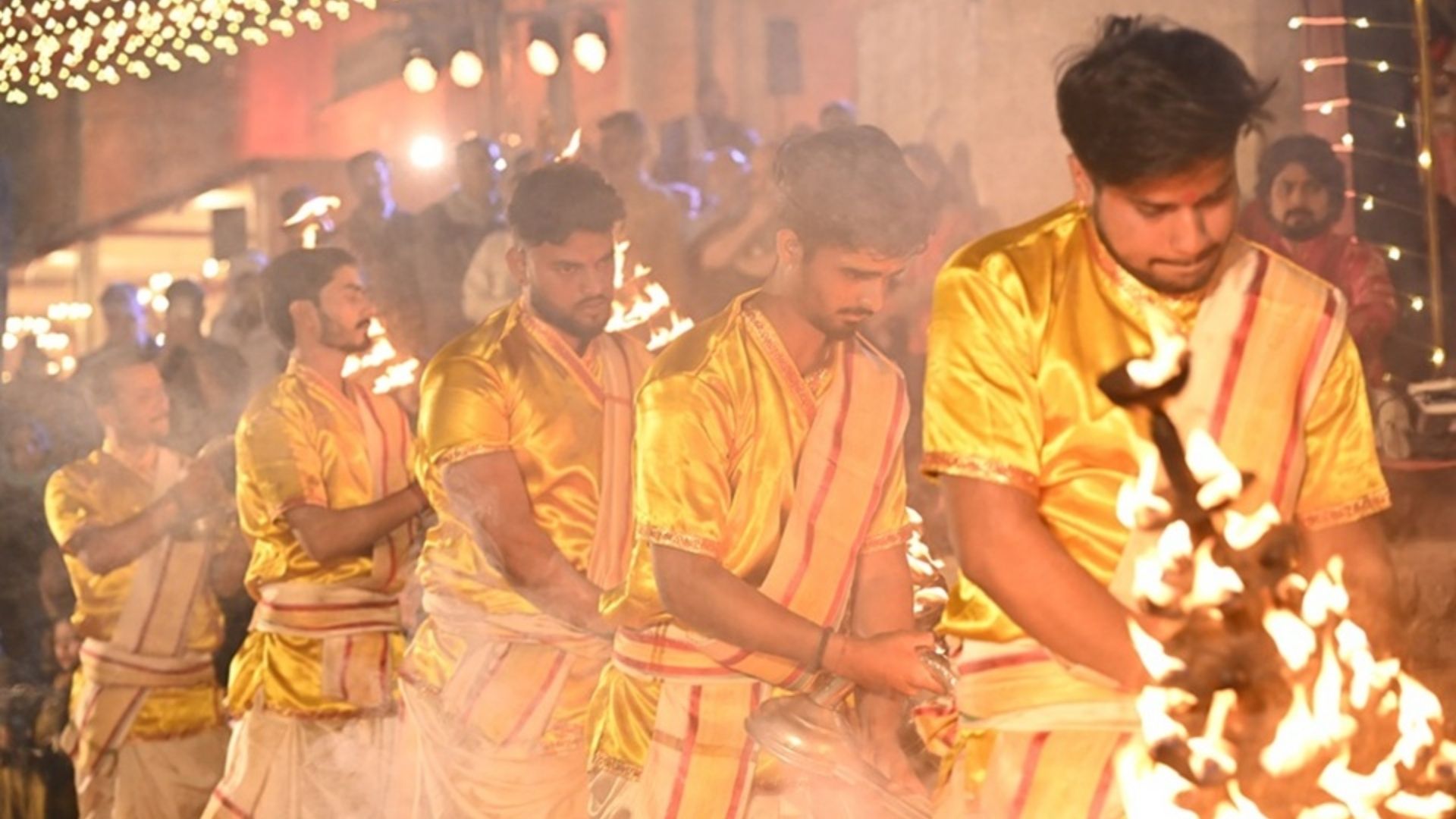
The festival opens at Guleria Kothi with a serene Ganga Aarti on the ghats of Varanasi.
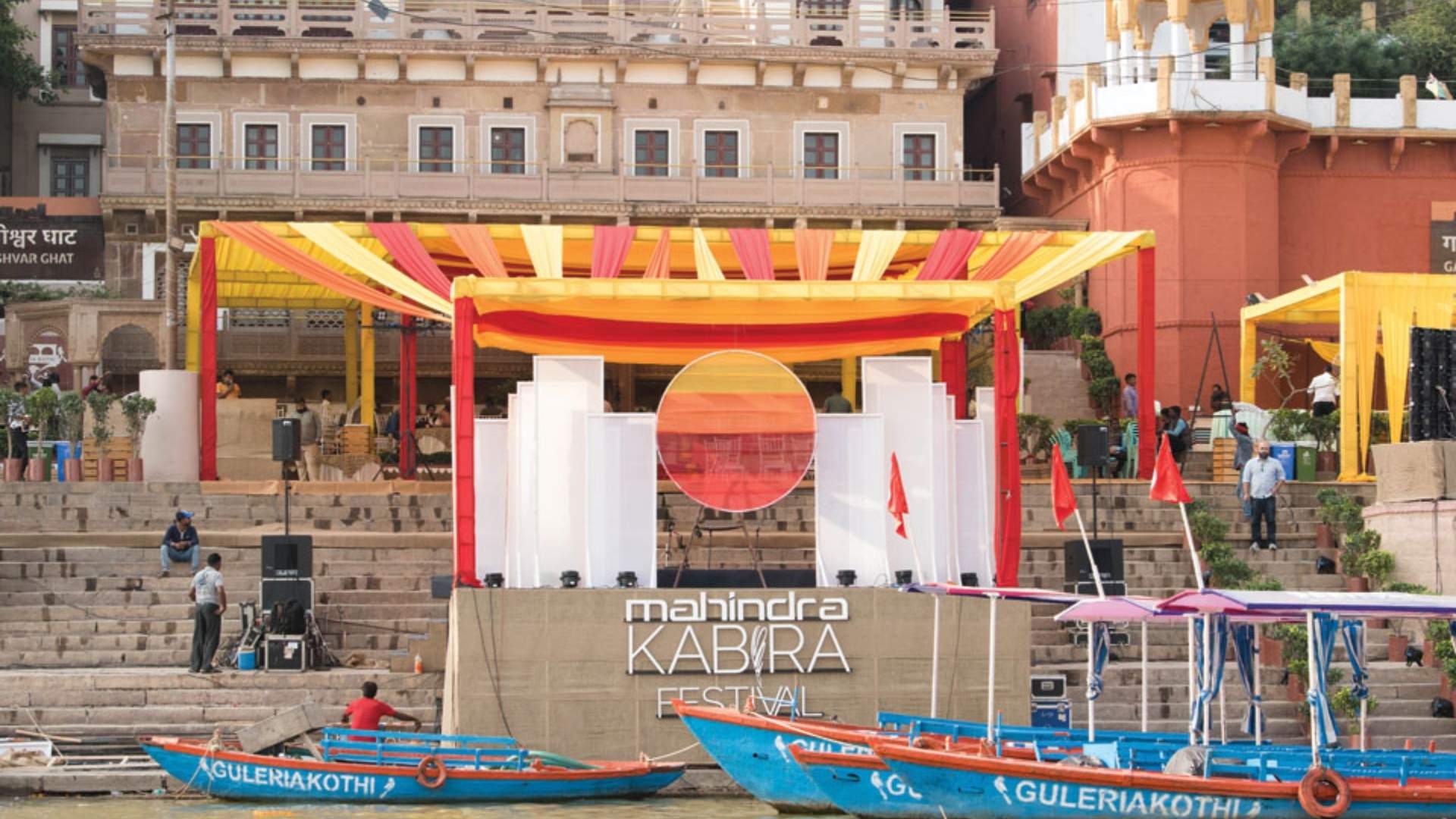
There's no better stage and backdrop than Varanasi, whose ghats by the Ganga double the festival venues, telling a timeless tale steeped in history.
Spreading the word
Creating awareness for Kabir has been the cornerstone of the way we present the festival, points out Sanjoy K. Roy, Managing Director, Teamwork Arts, producer of the festival. “How do we also spread the word? You have Linda Hess, the writer, scholar, Stanford Emerita faculty, and acclaimed translator of Kabir. But musically, because Kabir people have always used music to spread Kabir. I think the Sikh tradition, the Sanskrit scholars and the Kabir tradition understood the importance of music.”
Kabir, as a person unlettered from a weaver community, points out Roy. “So you are looking at the whole idea of caste, and the destruction of that particular concept. And then the philosophy that he, that his poetry sort of addresses. The philosophy has been analysed today as a philosophy, but in his time he was primarily a poet, not a saint. You can say he was a poet activist.”
Music and poetry are the cornerstones of Kabirpanth, and these find ample reflection at the festival. “We keep forgetting the importance that the first compilation of Kabir's poems was in the Guru Granth,” says Roy. “Even in the 15th-6th century saints such as Guru Nanak mentioned taking from this tradition. Can you imagine how popular that must have been? Basically the Bijak 27 or 33 of his first collections went out and became what is now known as the Kabir Panth.”
Putting the festival together has been a challenge. It started as why don't we do something around Kabir. “The team did first look at Delhi as a venue and then Lucknow. And then all of us realised that Kabir was born in Banaras (Varanasi), why not take him back home to Banaras? I don't think when we started it was this thing that is going to grow into this vast festival with commissioning all of this new kind of music etc.”
Like most cities, the hospitality scene in Varanasi is expanding rapidly. The festival has tied up with a number of leading hotels in the city to provide accommodation to the guests. The delegate package at INR 40,000, excluding hotel charges.
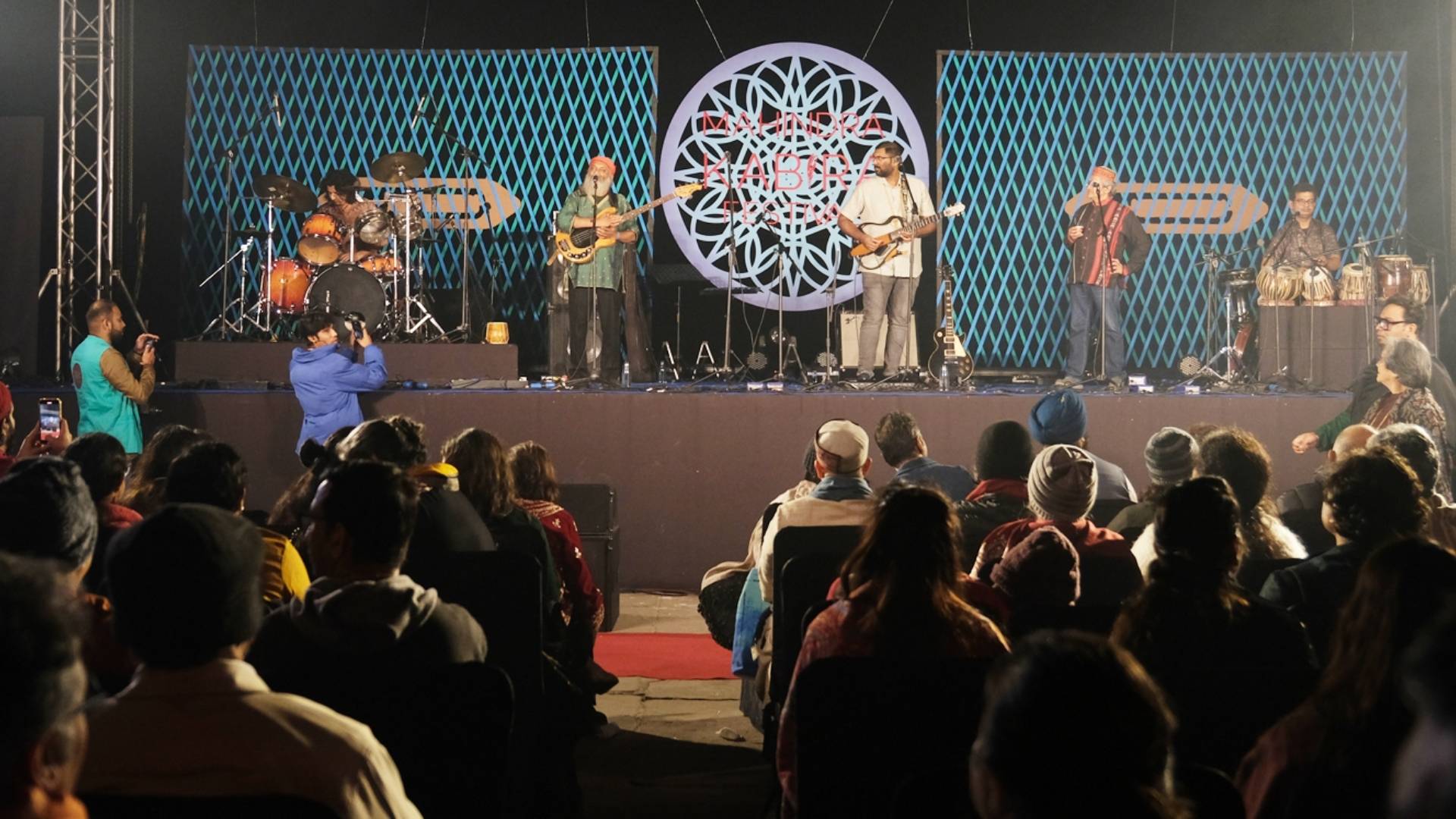
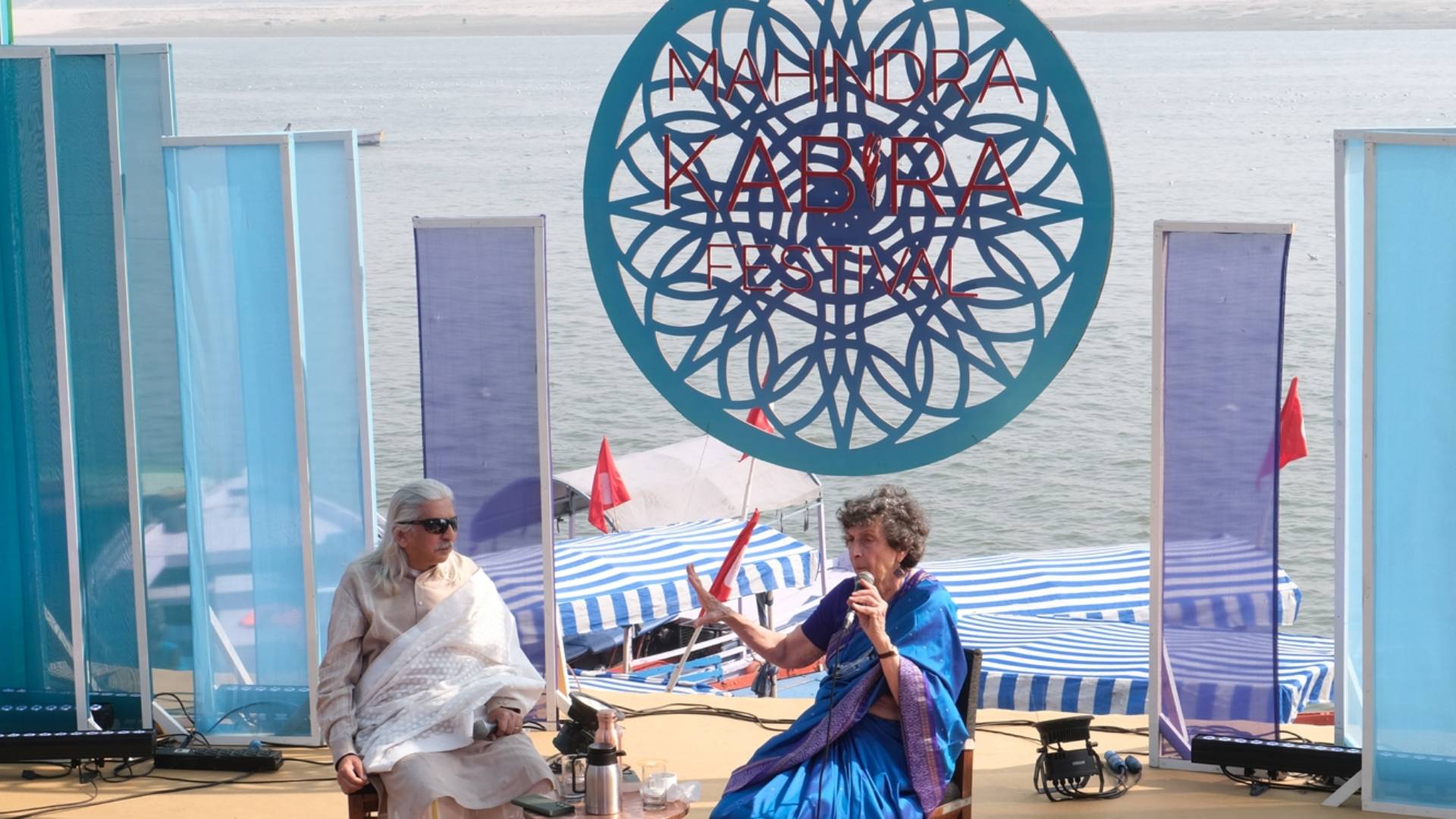
The Mahindra Kabira Festival celebrates the power of art and tradition.
Music and poetry find ample reflection at the festival.
We keep forgetting the importance that the first compilation of Kabir's poems was in the Guru Granth. Even in the 15th-6th century saints such as Guru Nanak mentioned taking from this tradition. Can you imagine how popular that must have been? Basically the Bijak 27 or 33 of his first collections went out and became what is now known as the Kabir Panth.
Sanjoy K. Roy
Managing Director, Teamwork Arts

Highlights of the 2025 Edition
DECEMBER 19
- The festival opens on December 19 at Guleria Kothi with a serene Ganga Aarti.
- The evening features reflections on Kabir’s philosophy by Umesh Kabir, educator and researcher at Kabir Chaura Math Ashram.
- It concludes with Kabiriyat, a powerful qawwali performance by Rehmat-e-Nusrat, a Kumaon-based ensemble inspired by Ustad Nusrat Fateh Ali Khan.
DECEMBER 20
- Morning Music sessions at Guleria Kothi feature Swati Tiwari’s Hindustani recital and a sitar performance by Hidayat Husain Khan, son of the legendary Ustad Vilayat Khan.
- The afternoon presents Kabir the Julaha: Verses from the Loom, a storytelling and musical presentation by Shivangini Yeashu Yuvraj and Isha Priya Singh, followed by discourses on Kabir’s verse and ideas.
- In the evening, the ghats transform into a stage for Mahesha Ram’s folk renditions from the Meghwal Bhakti tradition and Rahul Deshpande’s classical repertoire known for its depth and precision.
DECEMBER 21
- On the final day, performances by Tejaswini Vernekar (Hindustani vocal) and Debasmita Bhattacharya (sarod) give way to the genre-blending sounds of the Aditya Prakash Ensemble, whose fusion of Carnatic music and jazz creates a meditative yet dynamic soundscape.