










A New Jewel in the Deccan
Few cities embody the meeting of worlds quite like Hyderabad, where Islamic domes rise beside glass towers, and centuries-old traditions mingle with the rhythms of modern life. In Banjara Hills, the city’s most refined enclave, this dialogue continues in stone and silk at The Leela Hyderabad.

By Suman Tarafdar
City of Pearls.
City of Minarets.
City of Nizams.
The city for the best biryanis.
India’s hi-tech city.
Hyderabad has many monikers, not the least of which is its everyday existence as one of welcoming diversity. It is in the toniest, most sought-after part of the city—Banjara Hills—that the city’s newest jewel has come up.
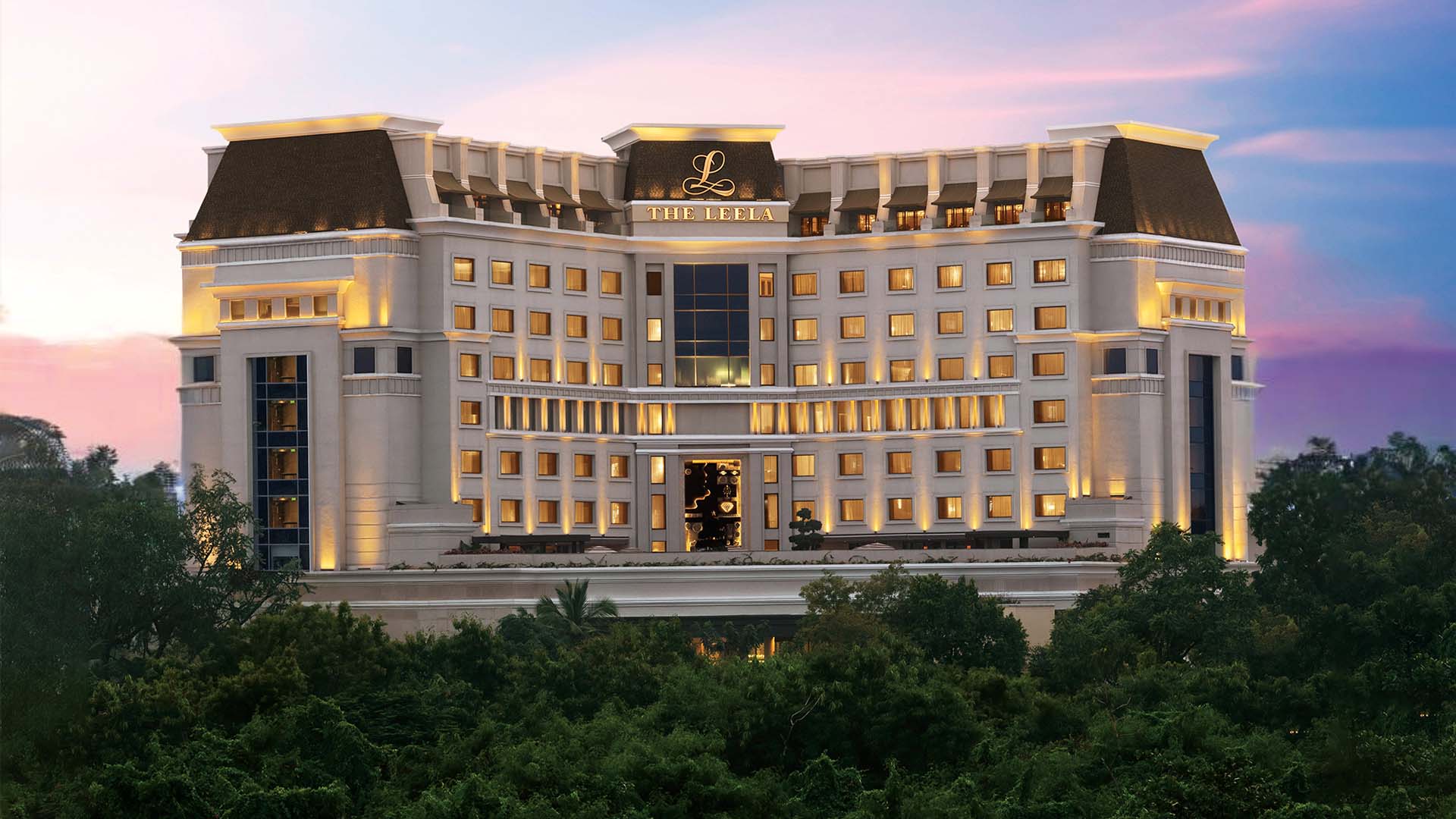
The Leela Hyderabad is not part of the luxury hospitality group’s palace collection, but an average guest would be forgiven for assuming so. From its palatial façade—reminiscent of the group’s hotel in Delhi—to its opulent interiors, this new hotel beautifully blends the rich cultural legacy of the city with every modern innovation in hospitality, making it a sought-after destination in the city.
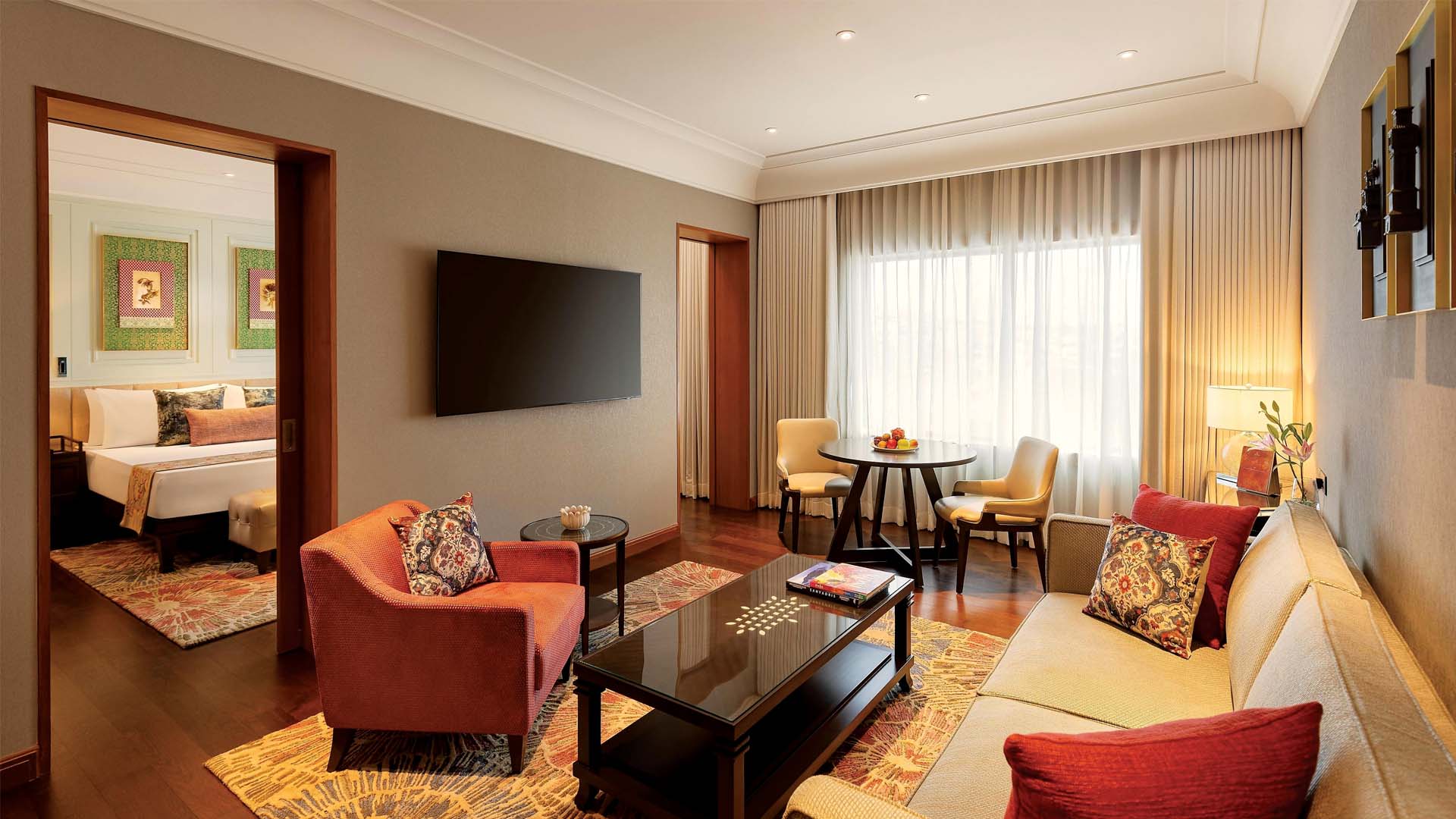
The opulence of the suites will tempt you to stay in!
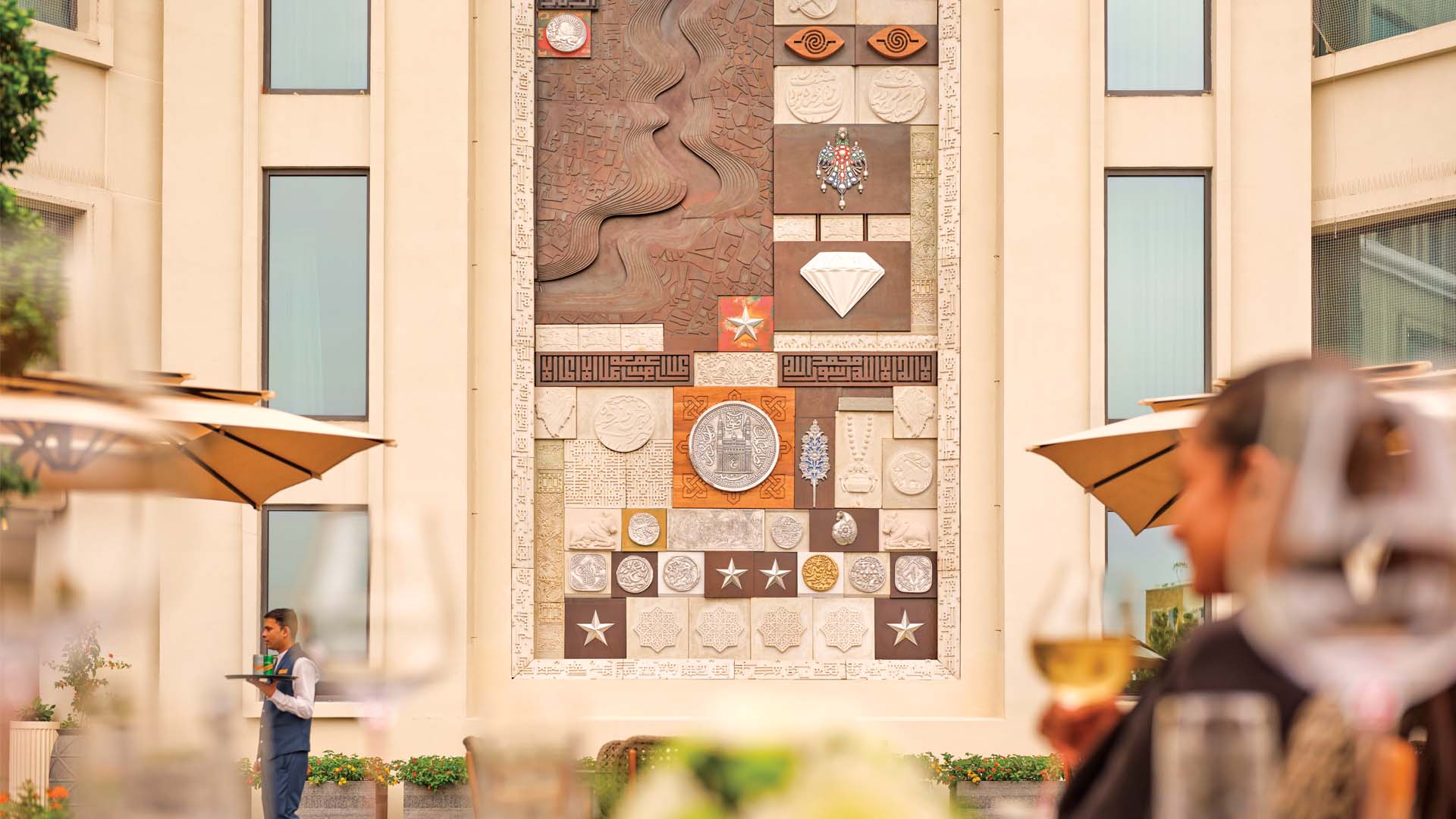
Art plays an outsize in the interiors of the hotel.
The aesthetics
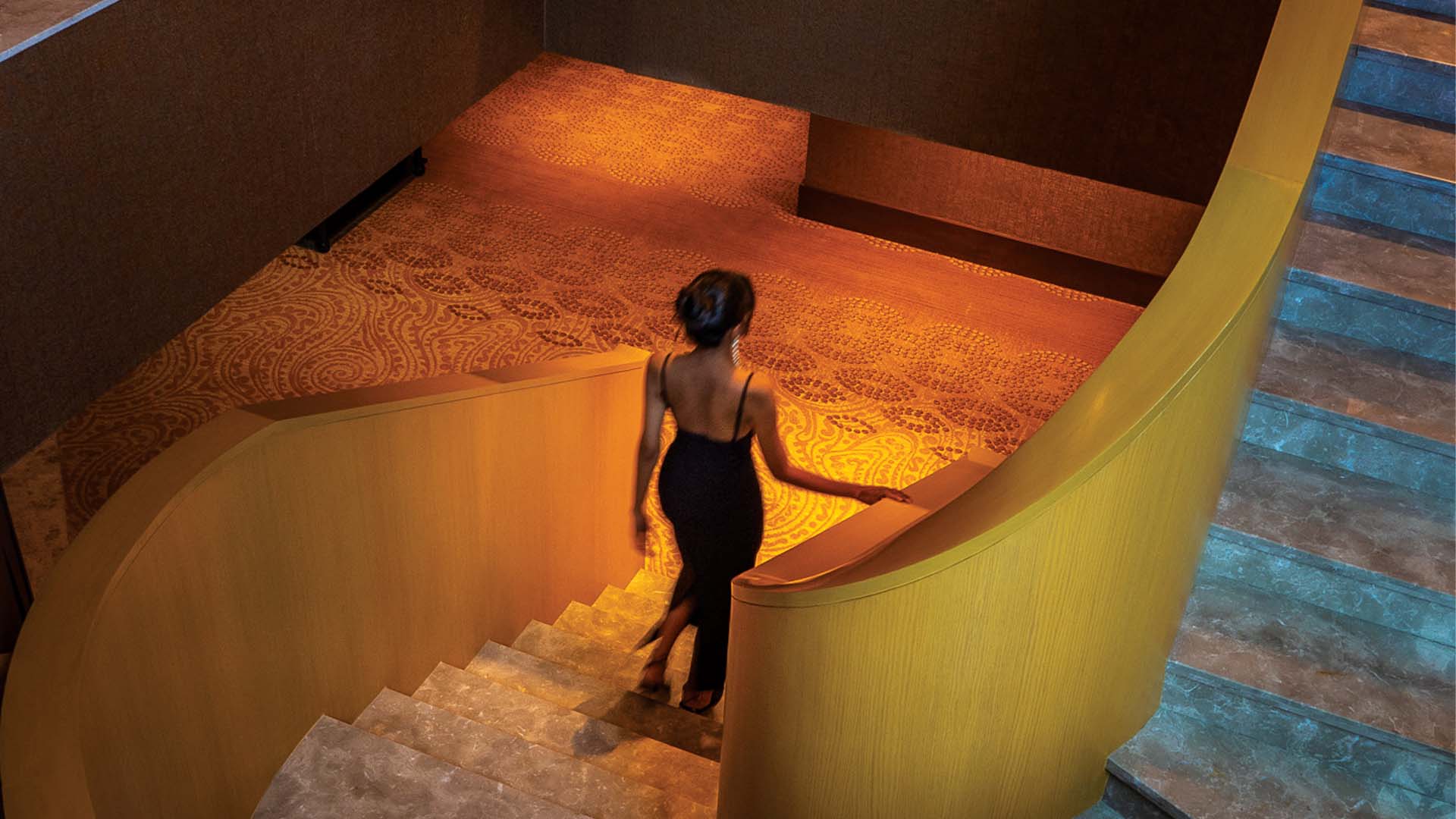
Carrying forward the spirit of the brand, the quintessential The Leela Group aesthetics are at the core of the hotel—marble, chandeliers, art, and local craftsmanship. Guests enter a vast lobby area clad in marble. Competing for your attention is a grand chandelier, a wall of paintings to the right (including M.F. Husain’s impressive horses), a massive pillar encrusted with alternating mirrors and mini tiles, all fronted by a jade Ganesh statue and surrounded by a vast carpeted seating area resplendent in red.
Close by are two enormous wooden pillars with another crystal chandelier that draws your gaze to a gilded ceiling. A staircase to the left almost hides the retail section. With The Leela’s hallmark flower bunches in imposing vases, and enveloped in the brand’s distinctive Tishya fragrance, you may even fail to spot the check-in area in the potpourri of art and décor where the local Dakhni influence is omnipresent.
Depending on the time of day, musicians play the veena, flute, or tabla. The women team members, dressed in resplendent Pochampally and Kalamkari sarees, seem to unobtrusively glide, attending to guests’ needs. To add to the experience, at twilight each evening, a ceremonial lighting of the lamp melds tradition and theatre.
What stands out among all of these is a surprisingly extensive wall of faces interspersed with local textile panels. Called ‘Hyderabad’s Shining Lights’, they are all about a square foot in size and capture the leading protagonists of the city’s four centuries of existence: Nizam-ul-Mulk Asaf Jah, the first Nizam of Hyderabad; poet activist Sarojini Naidu; Malik Ambar, a slave of Abyssinian descent who rose to be the regent of the Ahmadnagar Sultanate (which ruled over the northwestern part of the Deccan Plateau); Mughal emperor Shahjahan; Sardar Patel; noblewoman Khair-un-Nissa and diplomat James Kirkpatrick, whose love story is referenced in The White Mughals; late Presidents S. Radhakrishnan and Neelam Sanjiva Reddy; tabla maestro Zakir Hussain; writer M Hanumantha Rao; Arthur T Cotton, the British engineer credited with the irrigation projects of the Godavari delta; former prime minister PV Narasimha Rao; cricketers C.K. Nayudu and M.L. Jaisimha; N.T. Rama Rao, former actor and chief minister; M Visveswaraya, regarded as the father of civil engineering in India; filmmakers Savitri Nissankara and Akkeneni Nageshwar Rao, and several more.
This crash course in the region’s history—from leading figures of the medieval period to Nizams, freedom fighters, writers, educationists, and scientists, politicians, entertainers, cricketers—is even more alluring not just due to its beautiful presentation matched by excellent curation.
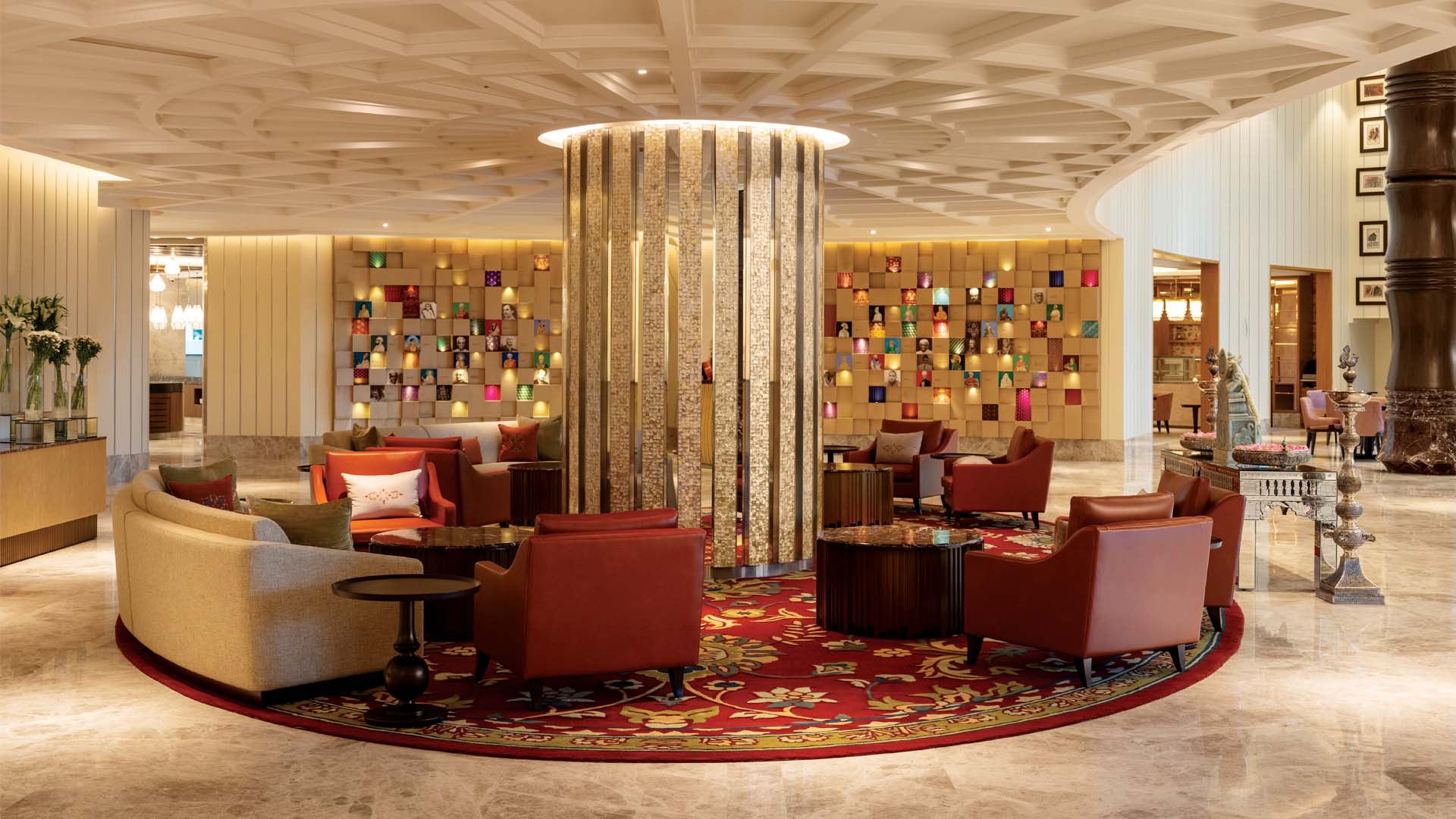
The massive lobby with a myriad eye-catching elements, particularly the 'Hyderabad's Shining Lights' wall.
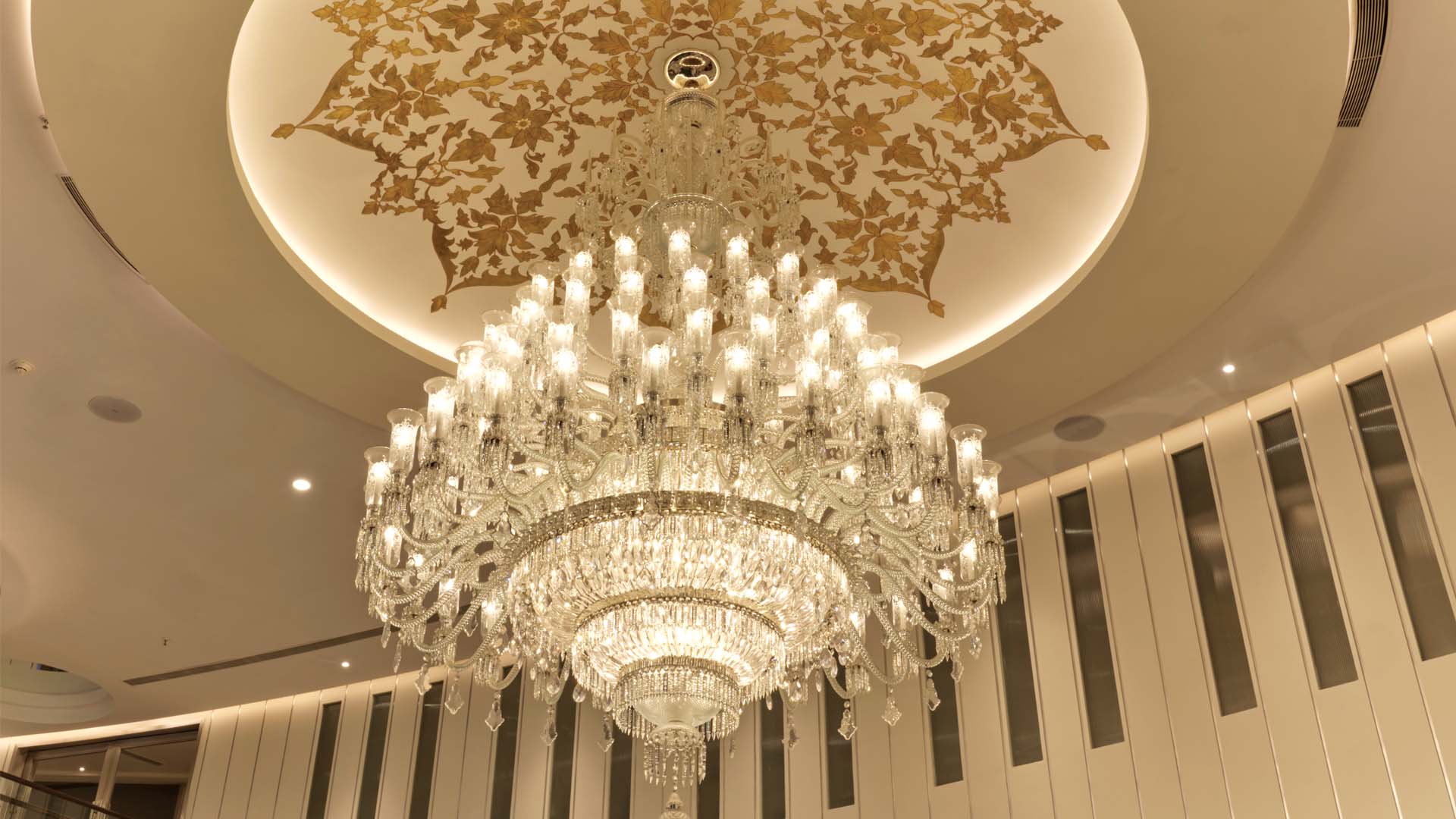
Chandeliers in all shapes and sizes are unfailingly alluring.
The stay
Spread across 2.5 acres, The Leela Hyderabad, owned by the Pioneer group, offers 156 keys, including 29 suites. Both suite and room categories are further split into four sub-categories each. Statement making Prathap Suite at 2,152sq.ft, stocked with every amenity possible, offers grand views of the city. Though their sizes vary, almost all the suites include services such as airport transfers, personalised butler service, access to The Royal Club, and Tishya bath amenities, making for a much pampered stay.
The names of the various suites pay homage to the city’s legacy. The Qutb suite, for example, is named after Quli Qutb Shah, the fifth ruler of the Qutb Shahi dynasty and the founder of Hyderabad in 1591 AD. Similarly, the Rudra Suite is named after the legendary Rudrama Devi, Kakatiya Dynasty’s first queen, while the Firoz Suite is named after the ruler of the Bahmani Sultanate.
Like the suites, the rooms, marginally smaller but just as sumptuous, offer extensive amenities and seem just as suited to the business executive as the leisure traveller. French windows—or at least massive wall windows—bring in charming views of the neighbourhood. The upholstery in Firoz Suite (where I stayed) is in neutral tones, while a couple of red pillows, a runner in olive with Kalamkari pattern, a baby pink ottoman lounge by the window, and an orange footboard add a splash of colour. Though the large desk is a reminder of work to be done, it is admittedly very ergonomic and supplied with a generous amount of plugs! More charming is the glass-topped, minimalist bedside table custom-made for the ottoman—perfect for catching the ever-changing views while indulging in baked goodies and beverages!
The walk-in closet is sheer indulgence. The washroom is huge and amply supplied with Tishya amenities. And an illuminated mirror. If you want a bathtub for a comforting soak—check to make sure your room/suite has it. Strikingly, the rooms and suites are all adorned in art reflecting the city’s heritage. The Leela’s effectively trademarked Venetian-style cut glass mirrors, round and rectangular, add an ornamental touch to an already tastefully adorned space. Generous bunches of flowers in tall vases—warm canary-hued chrysanthemums in my case—make it even more enchanting. Yes, the rooms are comfortable enough to eschew any thoughts of stepping outside, even for pearls or biryanis.
The experiences
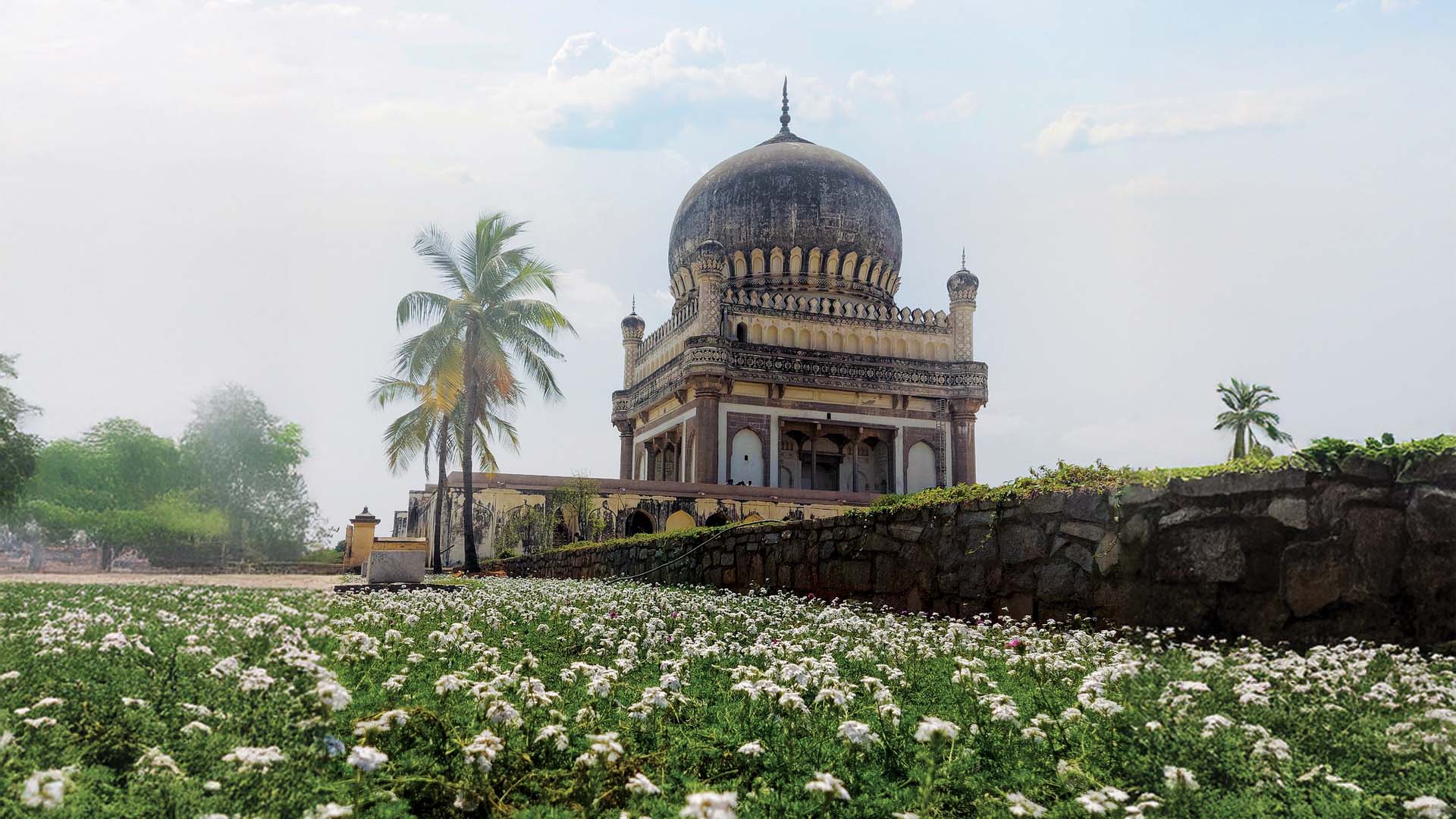
The hotel offers a number of curated outings. The city, of course, has a number of attractions—from the massive Golconda Fort to the magnificent Qutb Shahi tombs—painstakingly restored over the past decades by the Aga Khan Trust. My personal butler, the bubbly and enthusiastic Arjit, not just anticipated every need within the hotel, but also accompanied me on a visit to these monuments, greatly enhancing the experience.
For those who haven’t visited Charminar and its surrounding markets, or sailed on the Hussain Sagar Lake, or gawked at the Chowmohalla Palace, or collapsed in sheer exhaustion at the captivating galleries of Salar Jung Museum, they come highly recommended. The city is a culinary and retail treasure trove; just consult your butler or the concierge.
Within the hotel, there is a lot to indulge in. In an unusual move, the pool, gym, and spa are in an adjacent though internally connected four-storey building, making it possible for not just hotel guests but those from outside to indulge as well without intruding into the hotel space. The wellness centre, Nila, has been designed with special attention and offers guidance and treatments not easily available, such as HydraFacials and cryotherapy. Therapists are available for extended hours—my painful foot finding attentive treatment past 10pm!
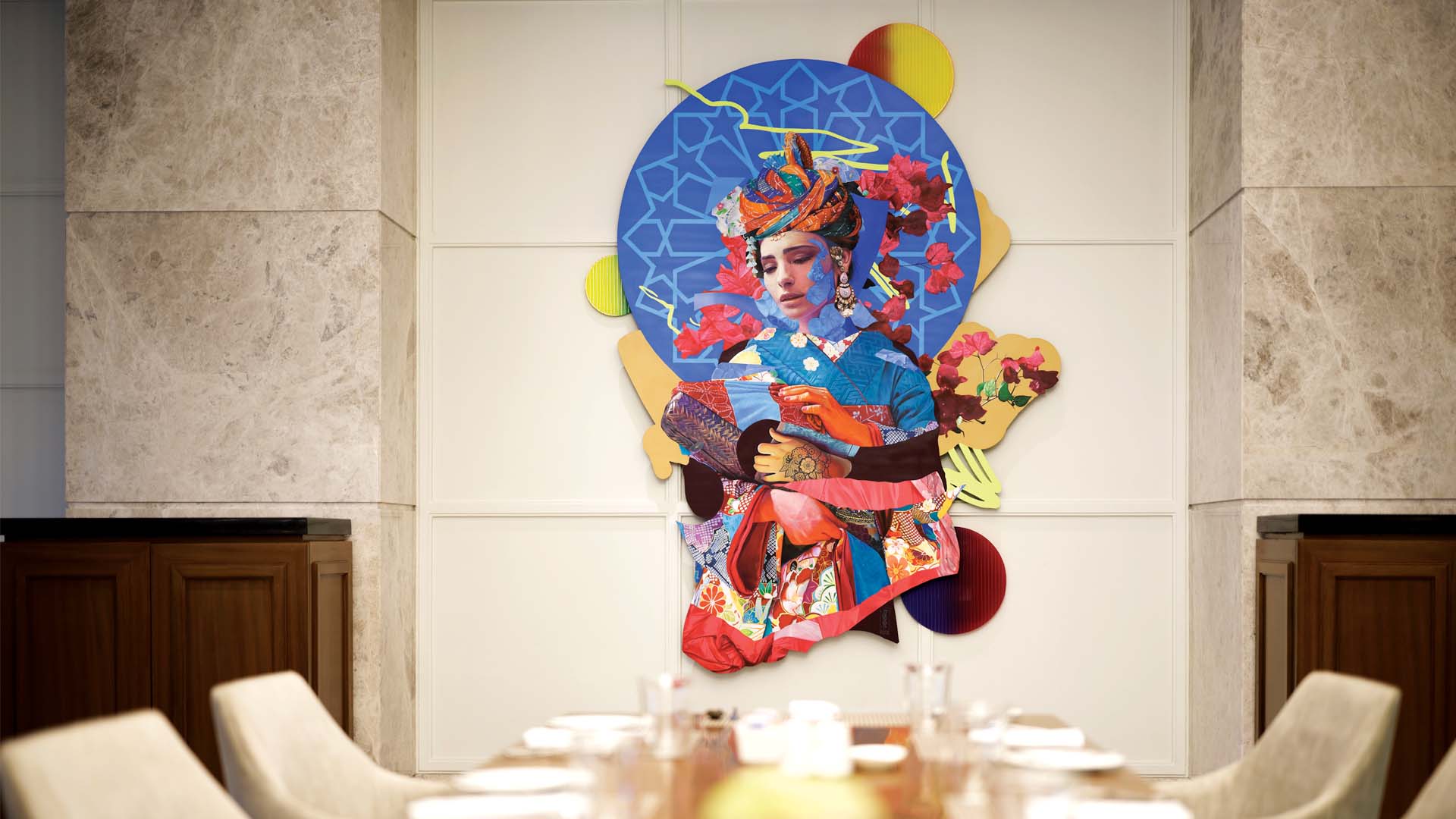
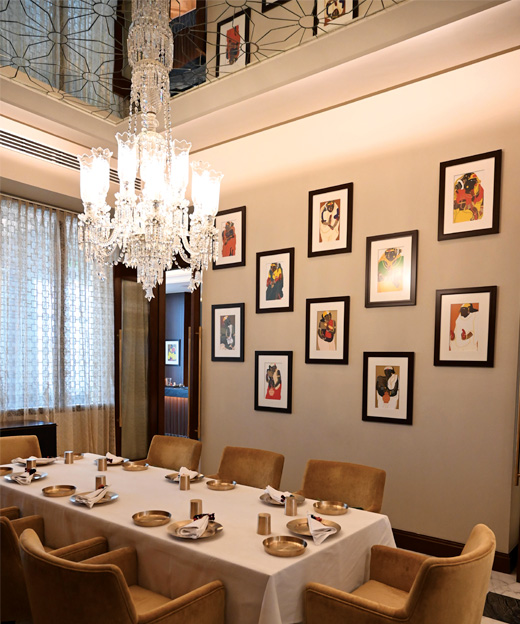
And there is more art. Bidriware objects, ikat furnishings, and art reflecting the city are sprinkled across public spaces.
The food
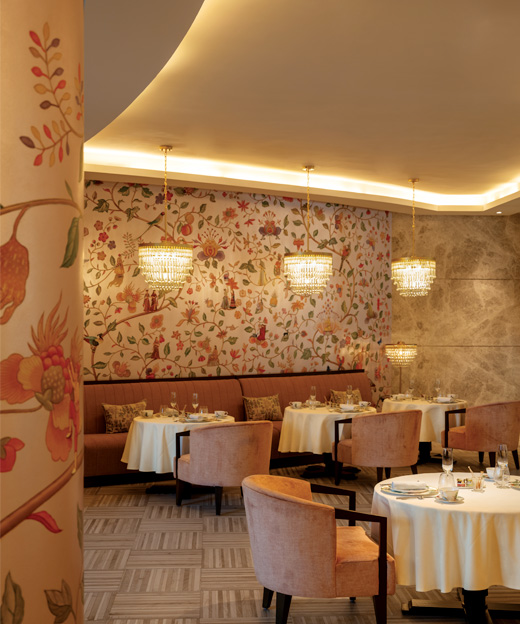
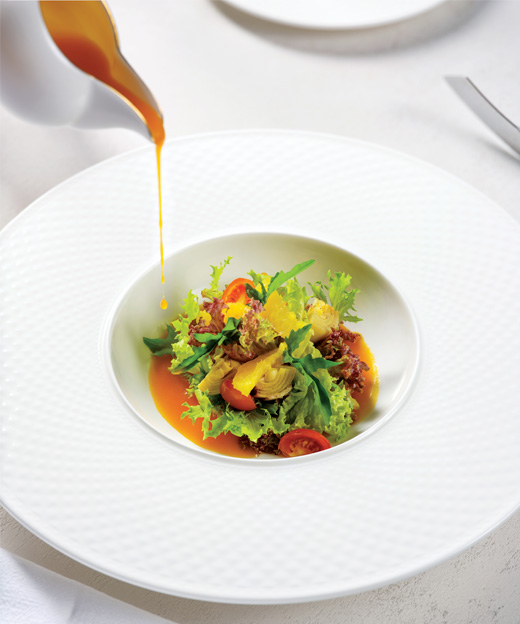
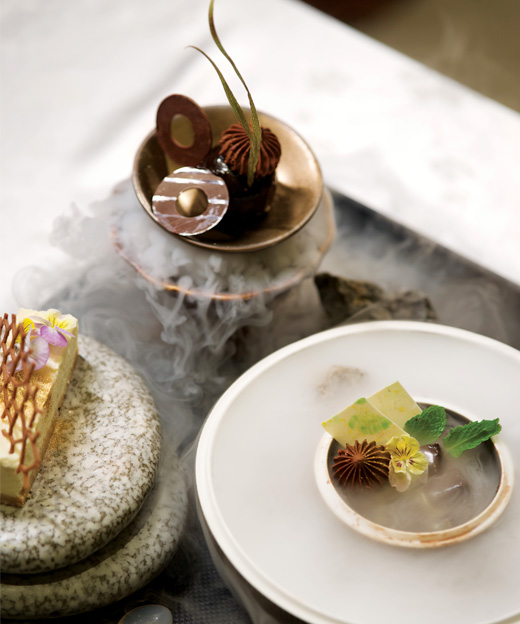
At a time when many hotels are reducing the number of restaurants, the hotel seems to have focused on its culinary offerings. The all-day diner, Solcito, adjacent to the lobby, is most popular during the morning breakfast. Unusually, it blends buffet counters with an extensive a la carte menu, offering a range of both local and global favourites, along with Leela’s Aujusya menu, specially catered for the health-conscious. The range makes its apparent as one goes through the various specialty restaurants.
A visit to Tiga, named after the Malay word for three, celebrates an outstanding fusion of Singaporean, Malaysian, and Chinese cuisines. Helmed by Singapore-based chef Albert Rayan, Tiga offers favourites such as authentic hawker-style dishes from Singapore. Indulge in Chilli Crab, Nasi Lemak, Rendang, Satay, and so much more. Take in the ambience too, for it is designed to look like a Singaporean hawker market—though in an elegant and extravagant surrounding. Of note is the Yum Cha corner, where guests are served teas accompanied by dimsums.
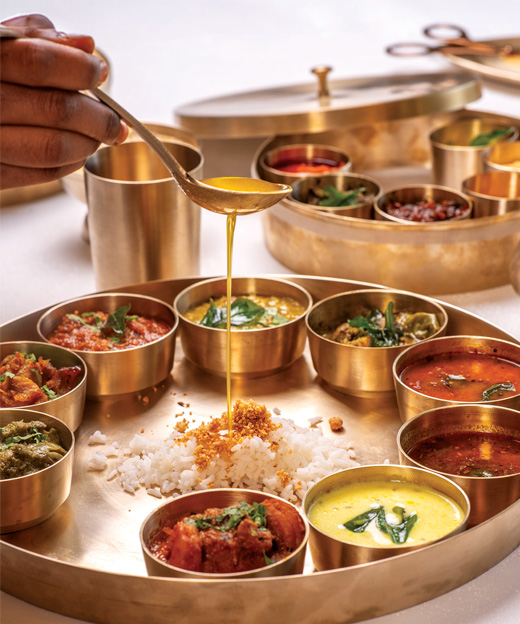
A more surprising and utterly exquisite restaurant is Adi, literally the beginning. Helmed by the unexpected Meera Tadimeti, an architect-turned-chef, whose mission is to convince patrons that there is more to Andhra cuisine than tongue-numbing ‘hotness’. She has delved into the region's cultural heritage to introduce dishes created from traditional ingredients. Attention to detail is paramount—the spices are hand ground, the grains authentic, each dish evoking many memories. Meals are largely set menus, with dishes which may be unfamiliar for those not acquainted with the cuisine—Sorakaya Perugu Pulusu (bottle gourd yogurt curry), Miriyala Charu (Andhra style clear broth soup made with freshly ground black pepper and garlic paste), Anasa Pandu Talimpu (a dish made with pineapple and a tempering of spices), Ankapur Chicken (the chicken is burnt on a low flame and cooked in an aluminum utensil), and Boti Kura (curry made with mutton bones). A cautionary note—even the smallest menu has dishes in double digits, so don’t fill yourself with the starters, irresistible as they are.
Tucked away in a charming corner of the lobby—look beyond the art wall—the Wild Teapot Tea and Champagne lounge brings alive an English tea café, and is full of sweet, delectable fare.
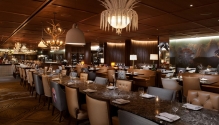
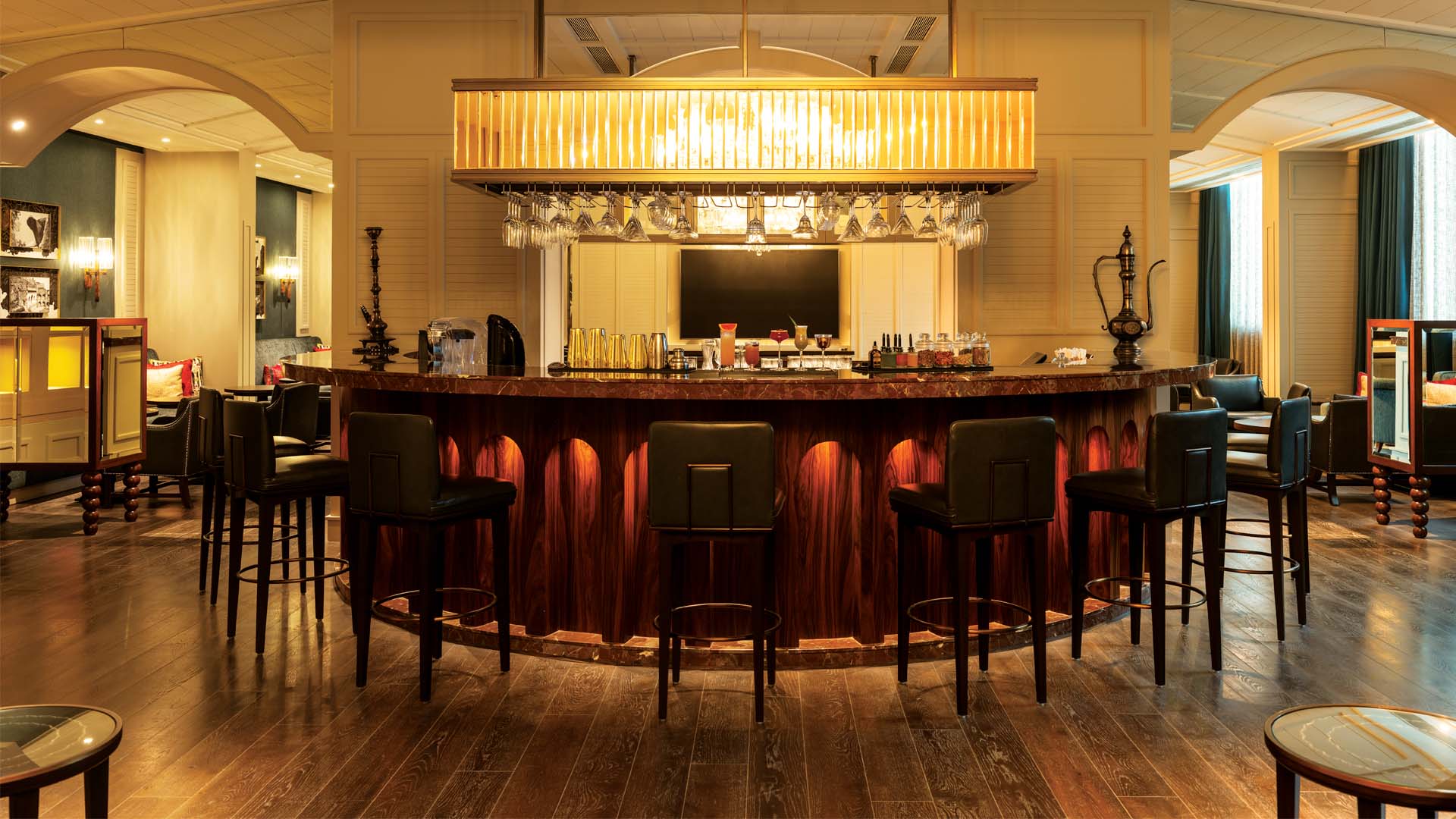
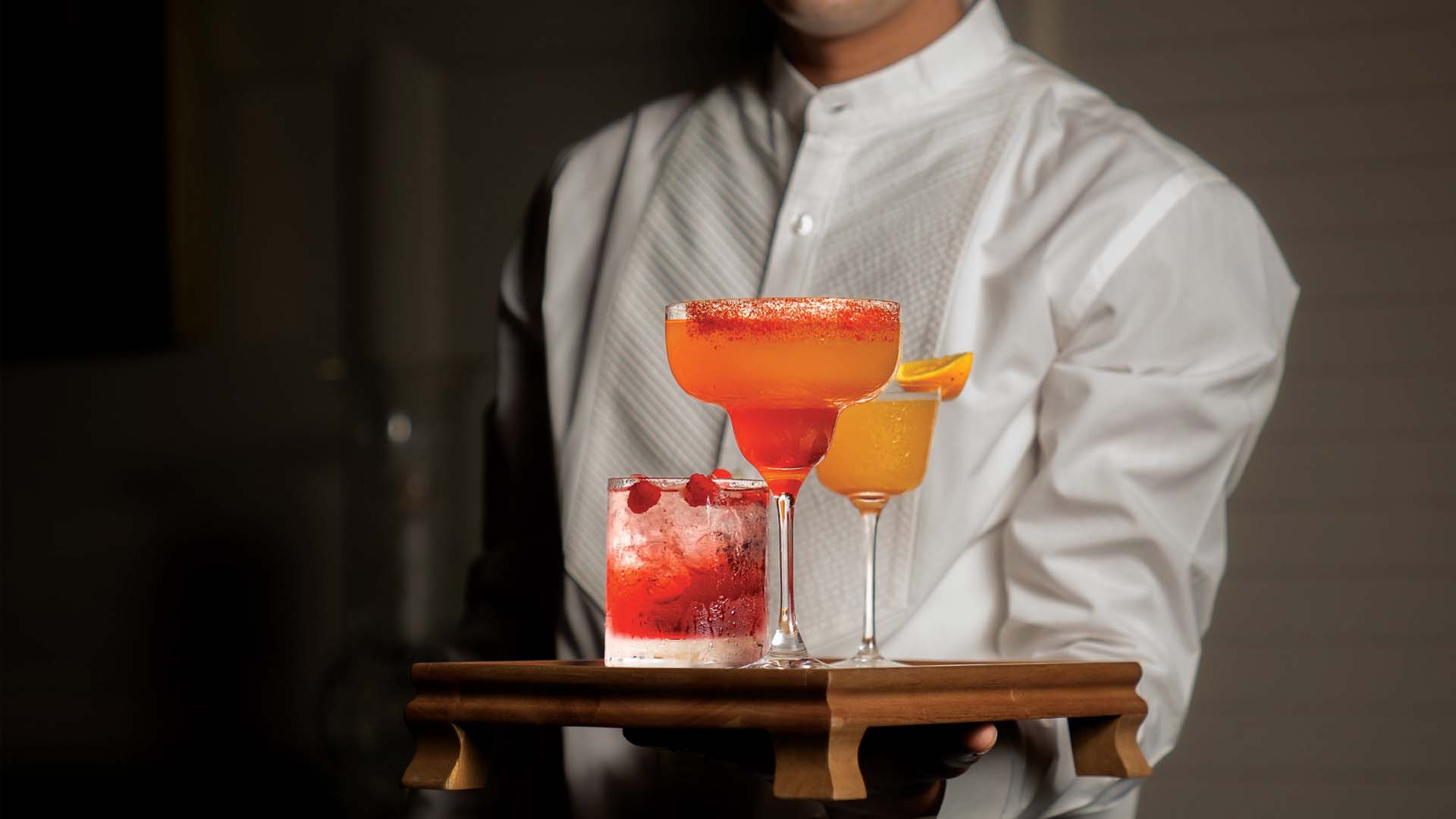
For those desiring an evening at the bar, there’s The Leela staple, The Library Bar. The Leela Hyderabad version is stunning—monochrome art enhances the ambience of the softly lit bar. Like its counterparts, its reputation for an enviable selection of wines and whiskies has already built up.
The greatest culinary surprise is Raen, or the chef’s studio. This is a ‘restaurant’ that reinvents every fortnight or so. For here, a rotating number of leading domestic and global chefs come to showcase their skills—ensuring that each time it is a different experience. Expectedly, live demonstrations, interactive workshops, and exclusive gourmet events, an innovation worth emulating.
Hyderabad wears many identities with effortless grace—a city of pearls and palaces, tech parks and teahouses, history and modernity. In the midst of this vibrant duality rises The Leela Hyderabad, a gleaming new landmark in Banjara Hills. Its soaring façade, intricate detailing, and sheer opulence suggest otherwise. Blending the city’s storied legacy with contemporary design and the brand’s signature elegance, it stands as Hyderabad’s newest expression of hospitality grandeur.