

















Wildlife Tourism is an Opportunity for People to Slow Down: Gajendra Singh Rathore
In an exclusive interview, Gajendra Singh Rathore, Managing Director, Jungle Camps India, explains what the group is looking at, including its next opening at Sheopur Fort.

By Suman Tarafdar
Jungle Camps India, one of India’s older wildlife hospitality brands, is looking to expand its footprint. On the back of a successful listing, the group, which has five resorts across central India, is now lucrative segments such as heritage, boutique resorts, and luxury wellness hotels and resorts. Established in 2002, the group focuses on slow travel, offering guests experiences of a lifetime.
SOH speaks to Gajendra Singh Rathore, Managing Director, Jungle Camps India, on what the group is looking at, including its next opening at Sheopur Fort.
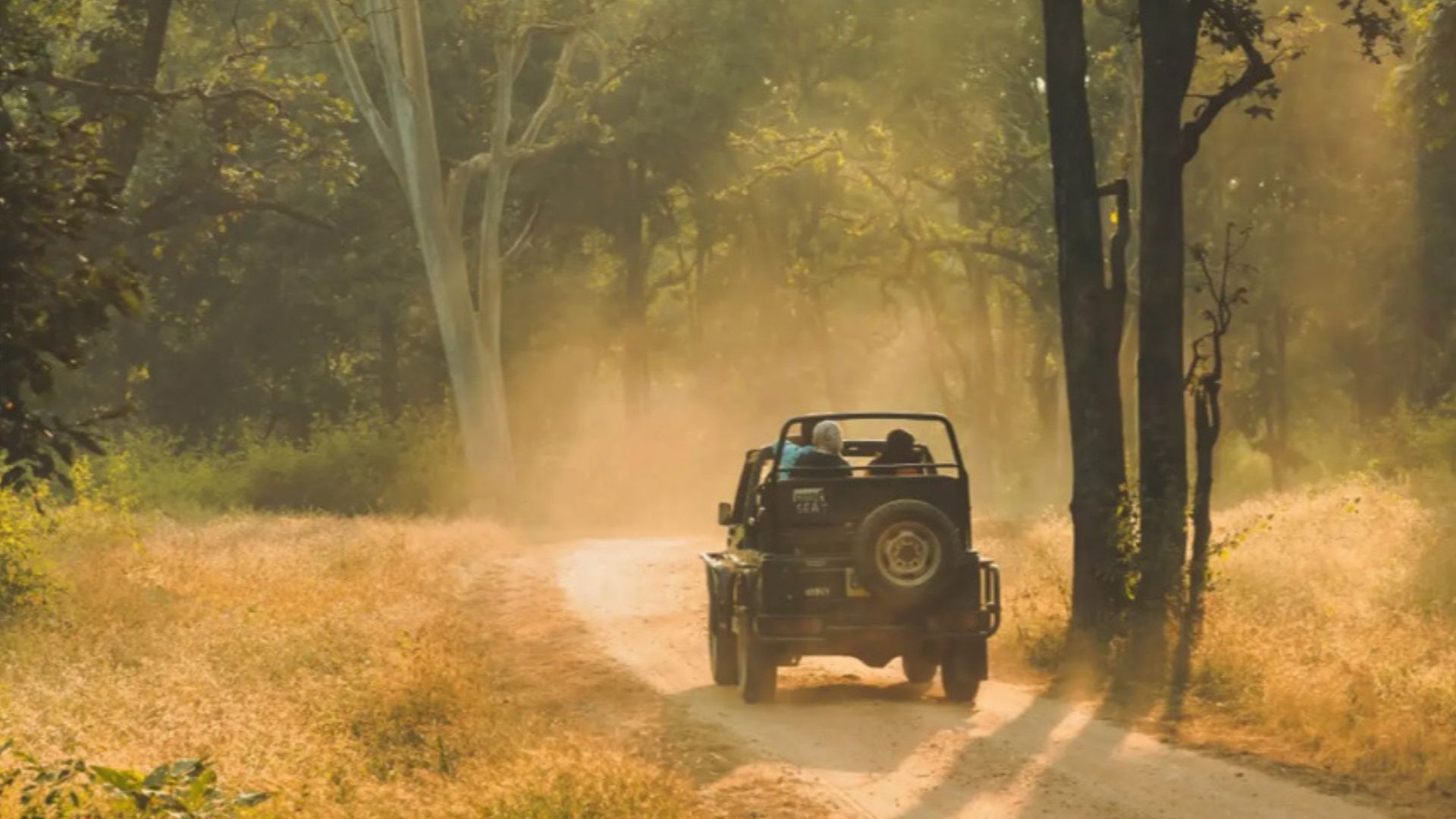
A jeep safari at Pench, a.k.a. the home of Mowgli, or at least the forests that inspired Rudyard Kipling's The Jungle Book stories.
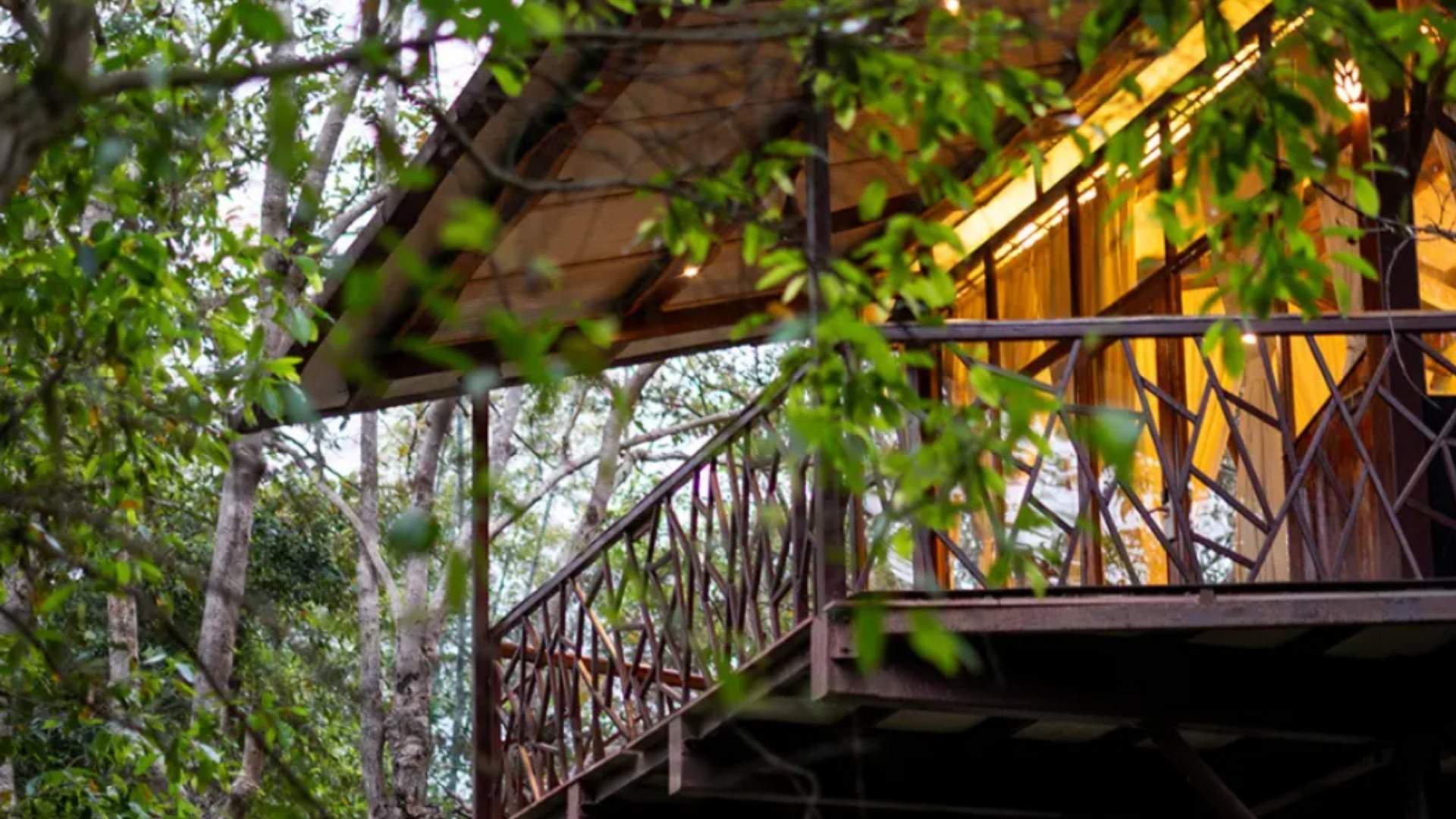
The luxurious accommodations at Kanha Jungle Camp.
As the group is looking to expand, which segments of hospitality are a priority for the group? What are some of the planned properties?
While our roots lie in wildlife and eco-tourism, we are looking to foray into verticals like heritage hotels, boutique resorts, and luxury wellness retreats. We are working on some exciting upcoming projects, including a heritage initiative at Sheopur Fort that beautifully integrates history, culture, and nature, as well as a 100-room hotel in Mathura offering affordable luxury for pilgrims and spiritual travellers.
We are also expanding our footprint in Central Indian wildlife parks, with plans for new eco-conscious resorts that will offer guests intimate wildlife experiences. This expansion aims to strengthen our presence in some of India’s most beautiful and biodiverse regions, furthering our commitment to conservation and immersive tourism.
Congratulations on the listing of Jungle Camps India. How has the response been? How is the group planning to spend the raised capital?
We have received an incredible response and are humbled by the trust and enthusiasm from investors, partners, and guests alike. Being listed has amplified our visibility and opened doors to even more exciting opportunities. We plan to utilise the raised capital primarily for expanding our operations into new destinations, enhancing guest experiences, and implementing more sustainable practices across our resorts. Additionally, we are focusing on reinvesting in our properties, such as upgrading facilities and expanding our conservation initiatives.
What would you say are the USPs of Jungle Camps India? How would you compare your lodges to competition?
Our USPs revolve around authenticity, sustainability, and exclusivity. While others may offer luxury accommodations, we combine that with a deep commitment to conservation and responsible tourism. Our properties are designed to provide immersive experiences where guests can disconnect from the outside world and reconnect with nature. Compared to competition, our offerings stand out in terms of the immersive nature of the experience and our consistent track record in conservation efforts.
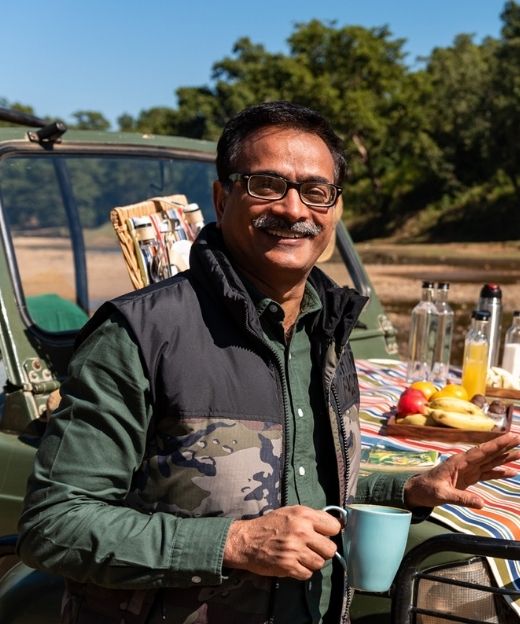
A leader in the wildlife hospitality space, Rathore is looking to expand the group’s footprint rapidly.
Jungle Camps India stands out in the wildlife space because of its unwavering commitment to sustainability, conservation, and authentic luxury.
Gajendra Singh Rathore
Managing Director, Jungle Camps India

What reasons would you ascribe to the rising popularity of wildlife tourism?
The rising popularity of wildlife tourism can be attributed to several factors. There’s an increasing desire among travellers to disconnect from the fast-paced, often stressful demands of daily life. In a world where we are constantly on the go, wildlife tourism offers a unique opportunity for people to slow down, unwind, and immerse themselves in the natural world. This concept of ‘slow travel’ is gaining traction, where travellers are seeking deeper, more meaningful experiences rather than just ticking off tourist destinations.
As awareness around environmental conservation and sustainability grows, more people are looking for travel options that allow them to engage with nature in a responsible and impactful way. Wildlife tourism offers a chance to witness biodiversity firsthand, while also contributing to conservation efforts.
The pandemic also played a role in this shift, with many opting for destinations that offer solitude and the peace of nature, away from crowded, traditional tourist hotspots. People are increasingly valuing experiences that allow them to recharge mentally and emotionally, and what better way to do that than in the heart of nature, surrounded by wildlife in its natural habitat?
How does JCI stand out in the wildlife space?
Jungle Camps India stands out in the wildlife space because of its unwavering commitment to sustainability, conservation, and authentic luxury. While many operators focus on providing luxury, we go a step further by blending high-end comfort with a deep sense of responsibility towards the environment. Our service standards are what truly set us apart; we ensure that every guest experiences a seamless, memorable stay, with personalized attention and high-quality amenities, while also fostering a profound connection to nature.
With over 20 years of experience in the industry, we’ve honed our expertise in curating wildlife experiences that go beyond just a safari. Our properties, spread across key wildlife destinations, provide guests with intimate, immersive experiences that allow them to witness the beauty of nature, while also actively contributing to local conservation efforts. Moreover, our dedication to community-driven tourism, where local communities are integral to the operations, helps build sustainable livelihoods while preserving traditional cultures. This combination of luxury, expertise, and ethical tourism ensures that Jungle Camps India offers not only an unforgettable stay but one that leaves a lasting, positive impact on both the environment and the communities we serve.
It’s this unique blend of unparalleled service, deep-rooted conservation practices, and over two decades of industry experience that truly differentiates Jungle Camps India in the wildlife space.
What are the main challenges to wildlife tourism e.g. overtourism, lack of land / capital, connectivity etc? How has the situation changed in the two decades Jungle Camps India has been in operation? Any other factors that are important to understand the growth of Jungle Camps India?
Overtourism is still a challenge, particularly in high-demand wildlife destinations, where overcrowding can put pressure on ecosystems. Securing land and capital for expansion has also been a hurdle in protected areas, but we’ve managed to navigate this with thoughtful planning and strategic partnerships.
However, one of the most significant changes in the last two decades has been the huge improvement in infrastructure and connectivity. Earlier, many of the locations we work in were remote and hard to access, but over the years, there has been a notable upgrade in roads, airports, and overall infrastructure in key wildlife areas. This has made previously inaccessible regions more reachable, allowing us to bring guests closer to nature, without compromising the integrity of the environment.
The situation has also improved in terms of local government and policy support, which has helped facilitate smoother operations for eco-tourism businesses. We have adapted to these changes by strategically expanding into less-crowded, yet equally captivating locations, helping to avoid over tourism in popular regions. Ultimately, Jungle Camps India’s growth has been a result of a combination of these factors—better infrastructure, a focus on sustainability, and a commitment to preserving the wild. It’s a delicate balance, but it’s paying off as we continue to grow and create meaningful experiences for our guests.