


















The Win-Win Model?
The leasing model in Indian hospitality, could well be a game changer. However, there are pitfalls to note for both owners and operators.


By Suman Tarafdar
If REITs are here, can leasing be far behind? The answer, at least for India, is predictable. No, leasing—with caveats—is becoming a preferred choice. While the share of branded hotels operating on the leased model in India is still a minuscule percentage, it is increasing in popularity.
The lease model, which, of course, extends beyond hospitality and offers a range of choices, has been gaining popularity globally for the past few decades. Leading global players such as NASDAQ-listed Pandox own 192 hotels with a total of approximately 42,500 rooms in 11 countries. According to its value statement, “Leases are the core of our business.”
With the record-breaking growth of the hospitality industry in India in recent years, especially with the arrival of REITs in 2019, the market for the lease model has opened up. Embassy Office Parks REIT, India's first REIT, includes the 230-key Four Seasons Hotel at Embassy One in Bengaluru and other operational hospitality assets. Nexus Select Trust, a retail-led REIT with 19 malls, includes three hotel assets totalling 450 keys.
Industry reports indicate that management contracts dominate the sector, making up 81% to 89% of all new branded room signings. The franchise model comes next with roughly 8% to 14% of new signings. Leases and revenue share still represent only 3% to 5% of the signed pipeline.
Hotel leasing is rapidly transforming, particularly in India, with over 307 hotels operating under lease or revenue-sharing arrangements by early 2025, positioning this model as a major industry trend, according to KPMG. In 2025, leased and revenue-share agreements accounted for approximately 3% to 5% of new branded hotel room signings in the period leading into 2025, according to JLL.

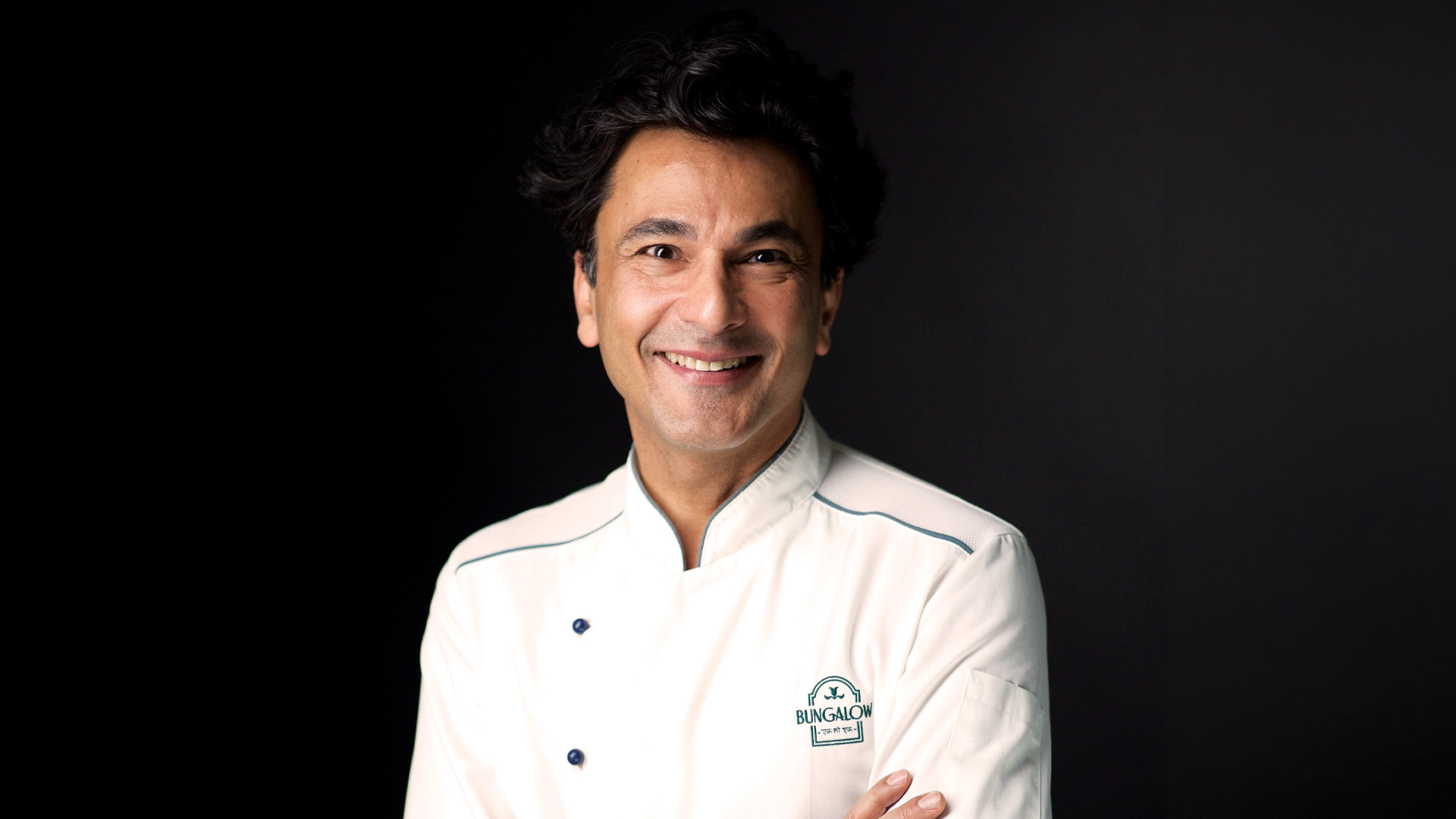
Suma Venkatesh, Executive Vice President, Real Estate & Development, IHCL.
Why lease
In its simplest form, in a leased hotel model, the owner of the property leases it to a tenant— which could be a corporation, a chain, or an individual hotel—for a fixed period, ranging from 15 to 30 years (typically 20 in the hospitality sector). The tenant runs and manages the hotel, operating as it sees fit, managing staffing, marketing, pricing, and other aspects. The tenant pays a pre-fixed rent, or a share of the net revenue.
Leasing has gained traction because it bridges the gap between asset owners who have a steady, yield-generating asset and operators who want to scale fast, says Neelendra Singh, Managing Director & Chief Executive Officer, Lemon Tree Hotels Ltd. “Historically, Indian hospitality was operated in an 'Owner-Operator' silo. Today, we are seeing a maturity in the real estate market where owners recognise that a hotel is a specialised asset. They prefer the security of a long-term lease with a credible, listed brand like Lemon Tree over the volatility of running it themselves.”
The leasing model's primary appeal is income certainty for owners—a fixed rental or guaranteed minimum shields them from RevPAR volatility regardless of trading conditions, says Megha Tuli, Partner & Co-Founder, Hotelivate. “For operators, leasing confers complete operational control, removing the friction of owner approvals and enabling faster, more consistent brand execution. It also aligns incentives more genuinely than a management contract: because the operator bears the full P&L, their returns are tied directly to business performance rather than a fee on topline revenue.”
Leasing in India is increasingly emerging as a hybrid structure now, offering owners the stability of fixed income while retaining participation in operating upside. Akash Datta, Managing Director (South Asia), HVS ANAROCK, points out, “Historically, fixed leases were widely used to secure predictable cash flows, effectively positioning hospitality assets as annuity-like real estate. However, their limited upside and inherent rigidity, especially during disruptions, led to a loss of favour in the post-pandemic environment.”
India's hotel ownership landscape is diverse, and a particular growing cohort has no interest in the business of running hotels. Tuli adds, “They are asset owners seeking yield—much as they would expect from a commercial office, retail, or industrial property, with no appetite for P&L responsibility, operational complexity, or the cyclicality that comes with it. For this cohort, the lease model is a natural fit: it converts a hospitality asset into an income-generating instrument with predictable returns, leaving the operational risk entirely with the lessee. As India's real estate ownership base has broadened to include family offices, developers, and institutional investors who think in terms of yield and capital appreciation rather than hotel operations, the pool of owners receptive to leasing has grown substantially.”
On the operator side, intensifying competition for quality properties has pushed brands—particularly domestic operators and select mid-scale international players—to accept lease risk as a market entry and expansion tool, says Tuli. “The post-pandemic recovery in travel demand, India's infrastructure push into new airports and tourism corridors, and the entry of institutional capital seeking stable, lease-backed hospitality returns have together created conditions where leasing has moved from a niche arrangement to an increasingly mainstream structuring option.”
Unlike fixed leases, revenue-sharing leases enable operators to benefit directly from topline revenues, often capturing around 20% of room revenue or a share split across rooms, F&B, and banquet revenues, Nikhil Shah, Senior Director – Capital Markets & Investment Services – Hospitality, Colliers India, pointed out last year.
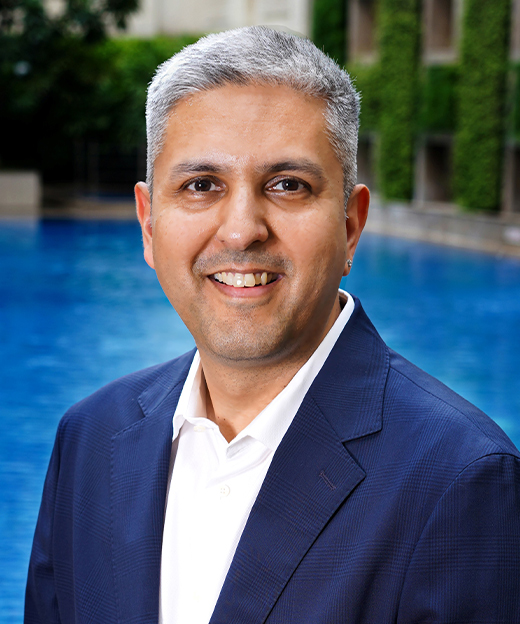
Neelendra Singh, Managing Director & Chief Executive Officer, Lemon Tree Hotels Ltd.
Leasing has gained traction because it bridges the gap between asset owners who have a steady, yield-generating asset and operators who want to scale fast. Today, we are seeing a maturity in the real estate market where owners recognise that a hotel is a specialised asset.
Neelendra Singh
Managing Director & Chief Executive Officer, Lemon Tree Hotels Ltd.

Evolving lease-scape
Leasing remains underpenetrated in India, largely due to the dominance of international operators that continue to favour asset-light models and are generally unwilling to take on balance sheet risk through fixed or minimum guarantee structures, says Datta.
Globally, market structures vary: Europe has long adopted fixed lease models, particularly in the midscale segment; the US remains largely franchise-led, points out Datta. “India, by contrast, is still early in this transition. However, domestic operators are increasingly driving the adoption of lease-led growth models. Notable examples include IHCL scaling the Ginger brand through leases, Lemon Tree expanding its portfolio through a balanced mix of owned, managed, and leased assets, and Bloom actively deploying revenue share and hybrid lease structures across its portfolio.”
Leasing in the hotel industry in India is still coming of age, opines Singh. “Fundamentally, it brings together fixed returns-seeking asset owners with hotel operators. The owner tends to maximise their returns (and protect their downside) by maximising the fixed lease rent component. On the other side, the hotel brand/operator ideally wants a lower fixed component in order to protect their downside. So, their interests are in opposite directions. The win-win is a model where both parties agree to a fully variable lease, so that the asset owner and the hotel brands share the returns over a long cycle. In the structural shift that India is going through, this will be easier to implement with the owners who look at the potential of India, hospitality and a specific hotel brand in the same way as the hotel brand itself.”
IHCL, which operates India’s largest hospitality brand, Taj, has opted for the leasing model, particularly for its midscale brands such as Ginger. “IHCL has a portfolio of 620 hotels in a combination of capital light with 67% and capital heavy at 33%,” points out Suma Venkatesh, Executive Vice President, Real Estate & Development, IHCL. “Capital heavy is a combination of freehold and leasehold assets with leases across land leases to fully fitted operating leases. With our pioneering legacy of building destinations, the tenure of the leases is on a long-term basis. This diversification allows us to maximise operating leverage from capital-heavy assets and drive margins through the fee-based capital-light portfolio.”
Ginger is now signing fully fitted leases, whereby owner partners are building the hotel to the brand’s specifications and giving it to the brand for an extended period. The brand then does the full operation, and pays rent in return. The brand plans to grow through operating leases, selective investments and strategic management contracts with an India focus.
Lemon Tree, which has operated a hybrid model since its founding more than two decades ago, is currently in the midst of a major strategic pivot. “In terms of performance, our owned and leased portfolio (which we are moving towards consolidating under Fleur Hotels) provides the long-term value and high EBITDA margins,” says Singh. “However, when you look at Return on Capital Employed (ROCE), the asset-light management model is the clear winner. By separating these into two distinct platforms, we are giving investors the best of both worlds: Fleur as a large-scale ownership and leasing platform, and Lemon Tree as a debt-free, high-margin brand and management engine.”
As India's economy expands into Tier 2 and 3 cities, points out Singh, leasing allows them to 'seed' these markets quickly, capturing the first-mover advantage while the demand-supply gap is still in our favour.
Both Indian owners and operators seem to be warming fast to the model. “In more mature hospitality markets globally, leasing is a well-established contracting structure underpinned by sophisticated legal frameworks, long transactional histories, and detailed lease documentation covering FF&E obligations, PIP schedules, dilapidation provisions, and dispute resolution,” says Tuli. “India is moving in the same direction but remains at an earlier stage of maturity. Leases here are improving but often light on these specifics, tenures tend to be longer with limited exit optionality, and the absence of deep publicly available transaction data makes rental benchmarking more negotiation-driven than evidence-based.”

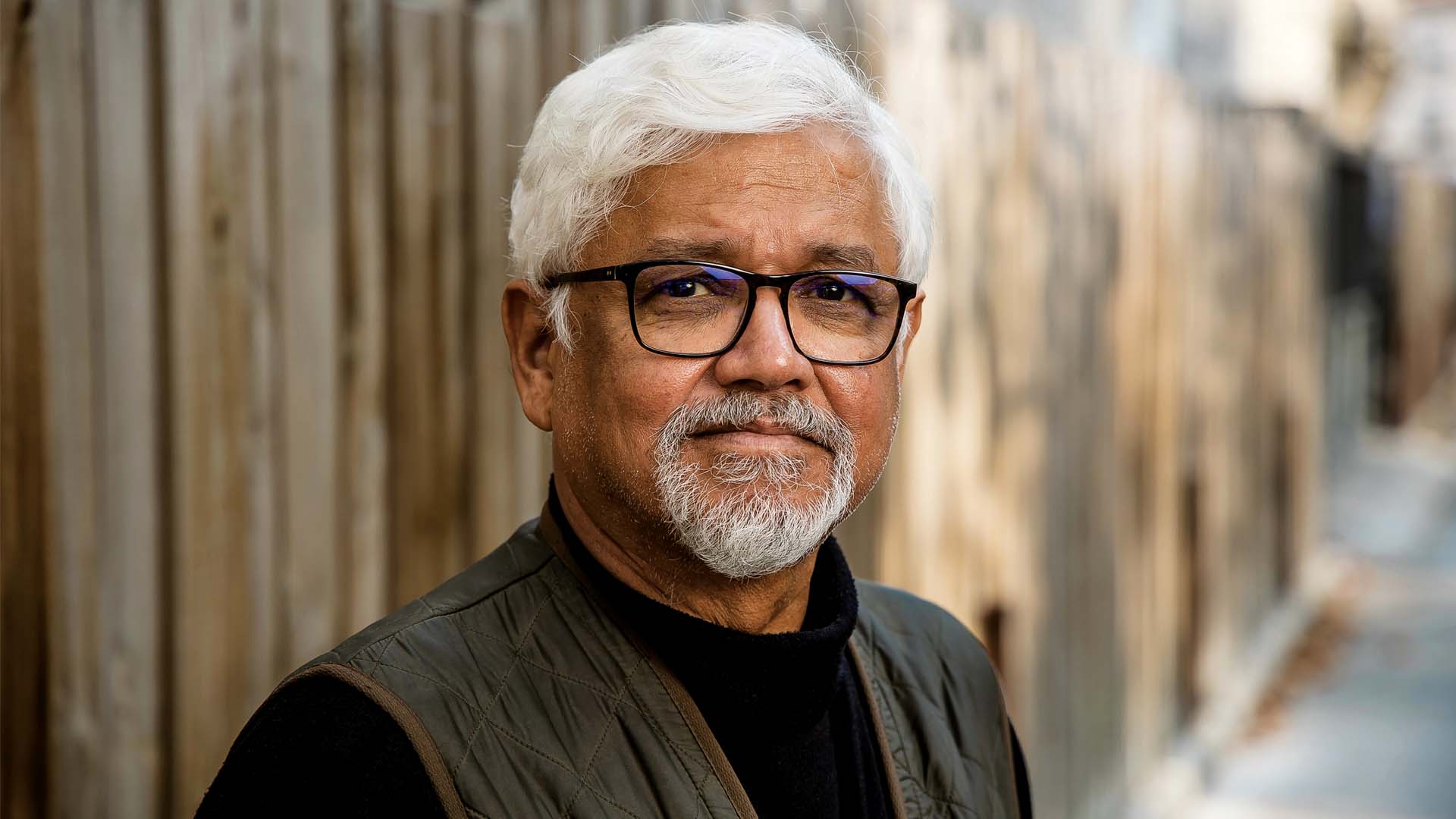
Megha Tuli, Partner & Co-Founder, Hotelivate.
For operators, leasing confers complete operational control, removing the friction of owner approvals and enabling faster, more consistent brand execution.
Megha Tuli
Partner & Co-Founder, Hotelivate
Challenges and risks
Before owners and operators rush to sign leases, there are challenges to note. “Operators assume the full downside risk—fixed lease obligations become a serious burden during downturns, as the pandemic made starkly clear,” points out Tuli. “Long tenures (typically 15–30 years in India) with annual escalation clauses create structural cost inflation that can compress margins if RevPAR growth does not keep pace. Capital expenditure responsibility is another flashpoint: ambiguity over FF&E (Furniture, Fixtures, and Equipment) reserves and major refurbishment obligations frequently leads to asset deterioration and disputes mid-lease. For owners, the risk lies in operator failure or default—a lessee unable to honour rental obligations, particularly through a prolonged downturn, can leave the owner with a distressed asset, potential legal proceedings, and the unwanted burden of having to re-enter or re-let the hotel at an inopportune moment in the cycle.”
According to Sumit Mitruka, Founder & CEO, Summit Hotels & Resorts, one of the country’s leading lease hotel companies, the lease hotel business often faces several challenges: unorganised operations, short-term agreements, lack of property maintenance, and non-compliance with regulations. “These issues hinder the growth and potential of many properties, which can be overcome by selective partnerships, a potential-driven approach and compliance and quality.”
Trends indicate that leasing hotels in India has the potential to become a major model in hospitality, with the potential to reshape the sector in the country. “As this shift gathers momentum, leasing is poised to emerge as a more mainstream development model in India, bridging the gap between capital efficiency for owners and scalable growth for operators,” underscores Datta. “This is particularly applicable in the midscale segment where capital efficiency and operating economics are most critical, while gradually reshaping hospitality assets into a more institutional, income-yielding real estate class.” Indeed, the returns on the current models could well determine the future of the model.

Akash Datta, Managing Director (South Asia), HVS ANAROCK.
Historically, fixed leases were widely used to secure predictable cash flows, effectively positioning hospitality assets as annuity-like real estate. However, their limited upside and inherent rigidity, especially during disruptions, led to a loss of favour in the post-pandemic environment.
Akash Datta
Managing Director (South Asia), HVS ANAROCK