














Kerala's Ancient Healing Wisdom is Reborn as Clinical Science in Tulāh
In Chelembra, a 30-acre sanctuary is turning 2,000 years of Ayurvedic tradition into a working clinical practice, where genomics and the Malabar coast's oldest healing rituals are designed to operate as one system.

By SOH Edit Team
The global wellness industry is undergoing a transformation. Wellness retreats are no longer defined by massages, detox menus, or a few days of digital detox. Instead, a new generation of destinations is emerging, where hospitality, healthcare, longevity science, and traditional healing converge to create deeply personalised experiences.
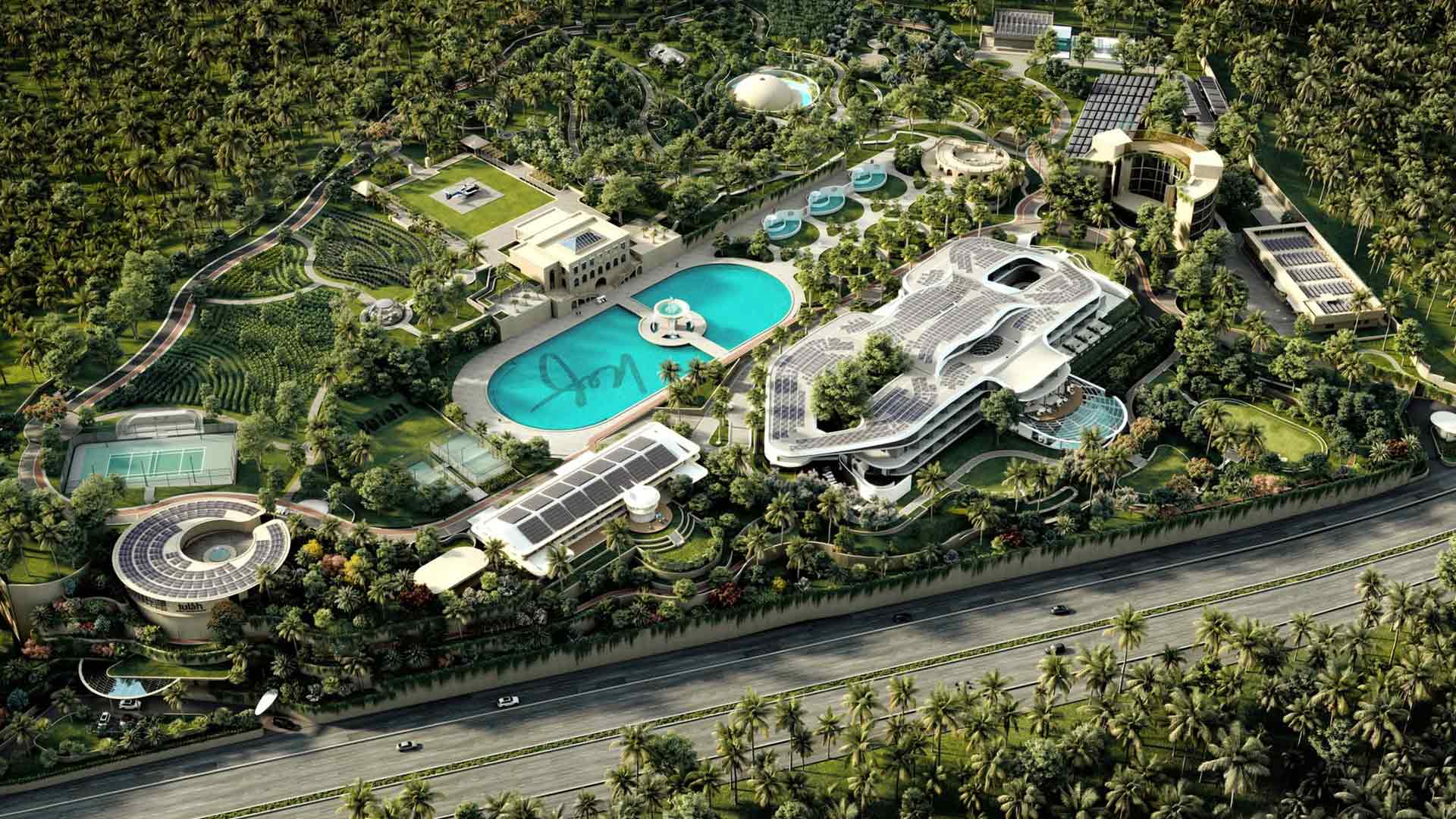
India's newest entrant, Tulāh Clinical Wellness in Chelembra near Kozhikode (Calicut), Kerala, exemplifies this evolution. Officially unveiled in 2026, the 30-acre sanctuary represents one of the country's most ambitious wellness projects, positioning India at the forefront of integrated wellness tourism. It also marks something more specific: a contemporary reimagining of Kerala's own healing legacy. Calicut sits on the Malabar coast, the same stretch of land Vasco da Gama reached in 1498, and Ayurveda here has run uninterrupted for at least two thousand years, its texts, practitioners, and medicinal plants never having lapsed into mere heritage.
Founded by entrepreneur and philanthropist Faizal Kottikollon, Tulāh was born from a deeply personal experience. After two neurologists, one in Singapore and one in India, advised spinal surgery for his degenerating spine, Kottikollon declined and instead spent 21 days in Kerala undergoing Njavara Kizhi, a 5,000-year-old Ayurvedic treatment in which warm boluses of medicinal rice, cooked with A2 milk and herbs, are pressed rhythmically into the body.
When he returned for a second MRI, his doctor asked what he had done since the nerve degeneration had reversed. That outcome sent him back to study the science behind what had healed him, and eventually to build a sanctuary where ancient practice and clinical rigour could work together rather than in opposition.
That philosophy defines every aspect of Tulāh. Rather than offering standard wellness packages, the sanctuary begins with advanced diagnostics, from genomic and microbiome mapping to radiodiagnostics, CT and MRI scans, before crafting programmes tailored to each guest through a proprietary assessment framework called the tulāh Life Index.
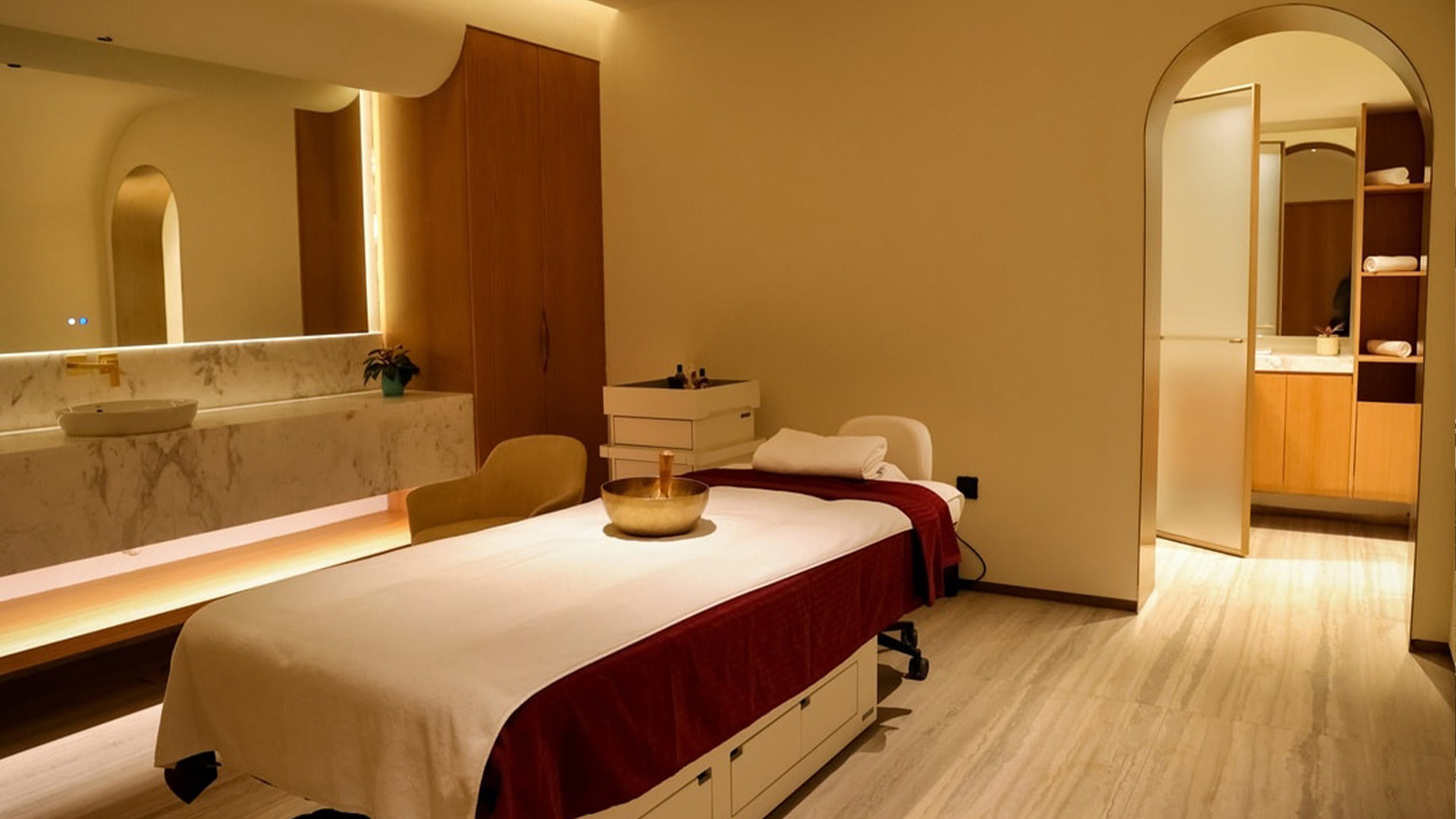
Ayurveda sits alongside regenerative medicine, functional medicine, Traditional Chinese Medicine, psychology, nutrition, and movement science, with the clinical wing equipped for everything from minor surgical procedures to twenty-four-hour monitoring. For more complex cases, Tulāh draws on its sister institution, the JCI-accredited Meitra Hospital twenty minutes away, and its network of over 200 specialists. In doing so, Tulāh treats Kerala's centuries-old Ayurvedic system not as a heritage attraction but as a living, evolving practice, one capable of standing alongside genomics and regenerative medicine rather than apart from them.
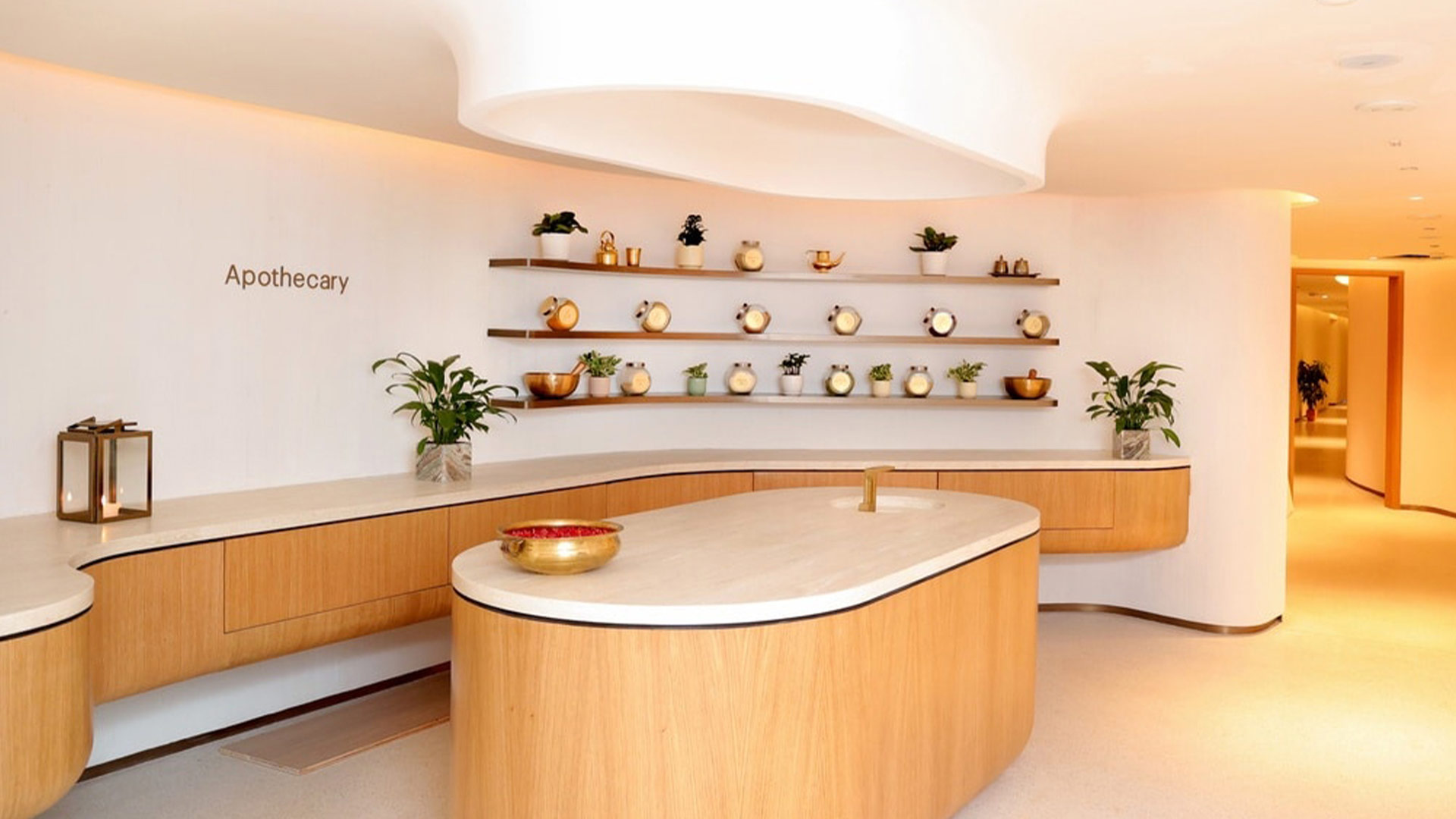
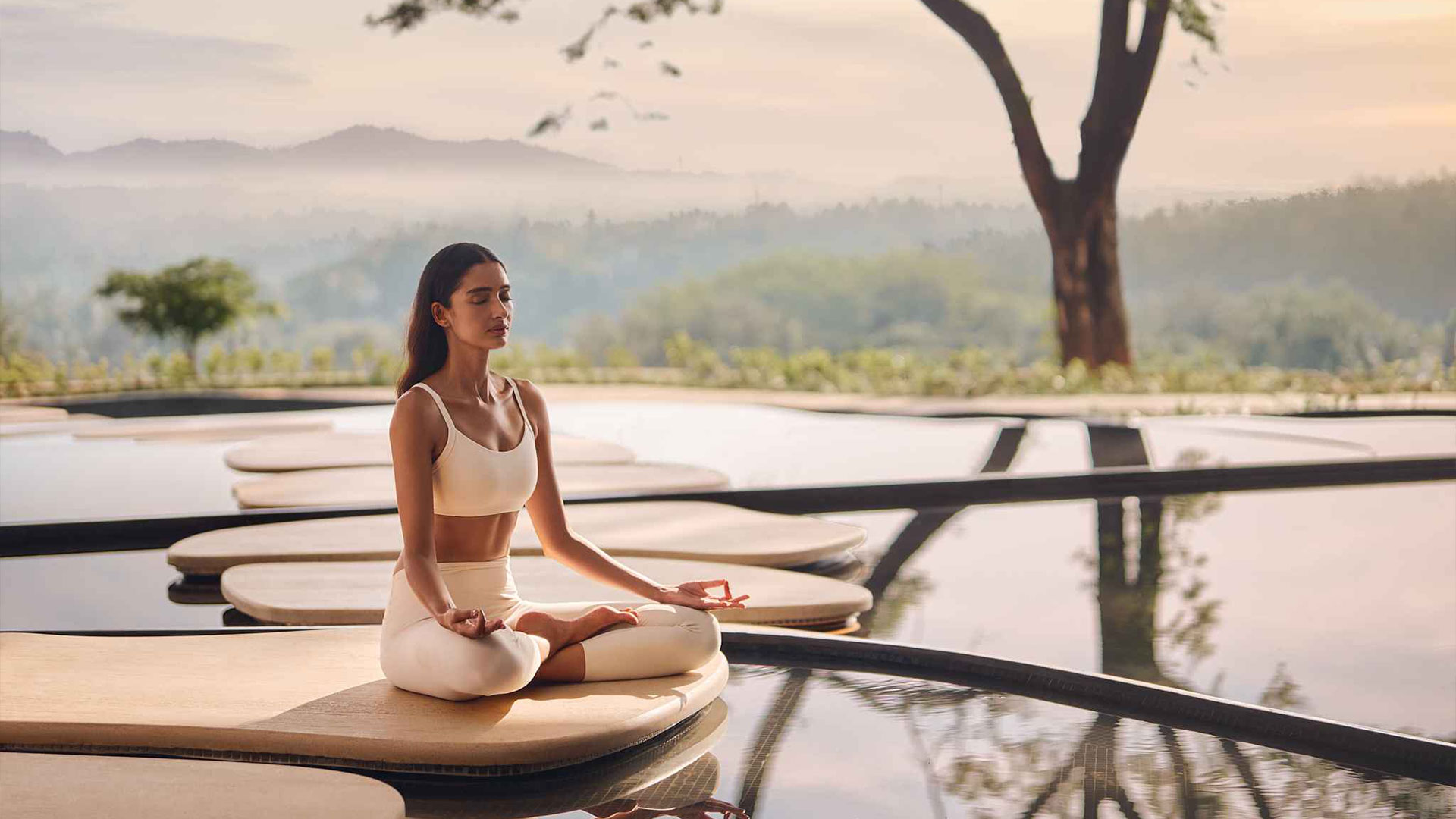
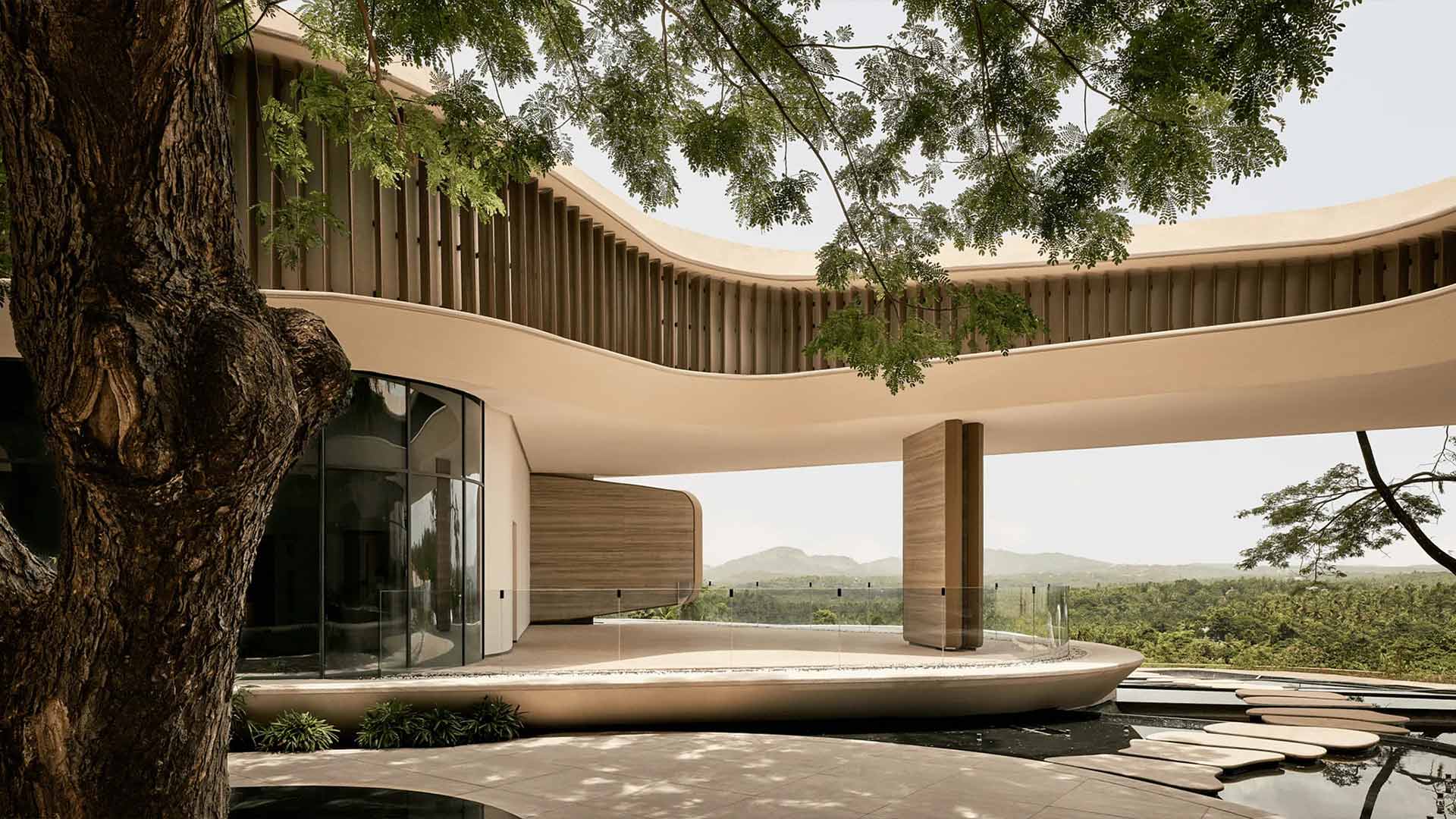
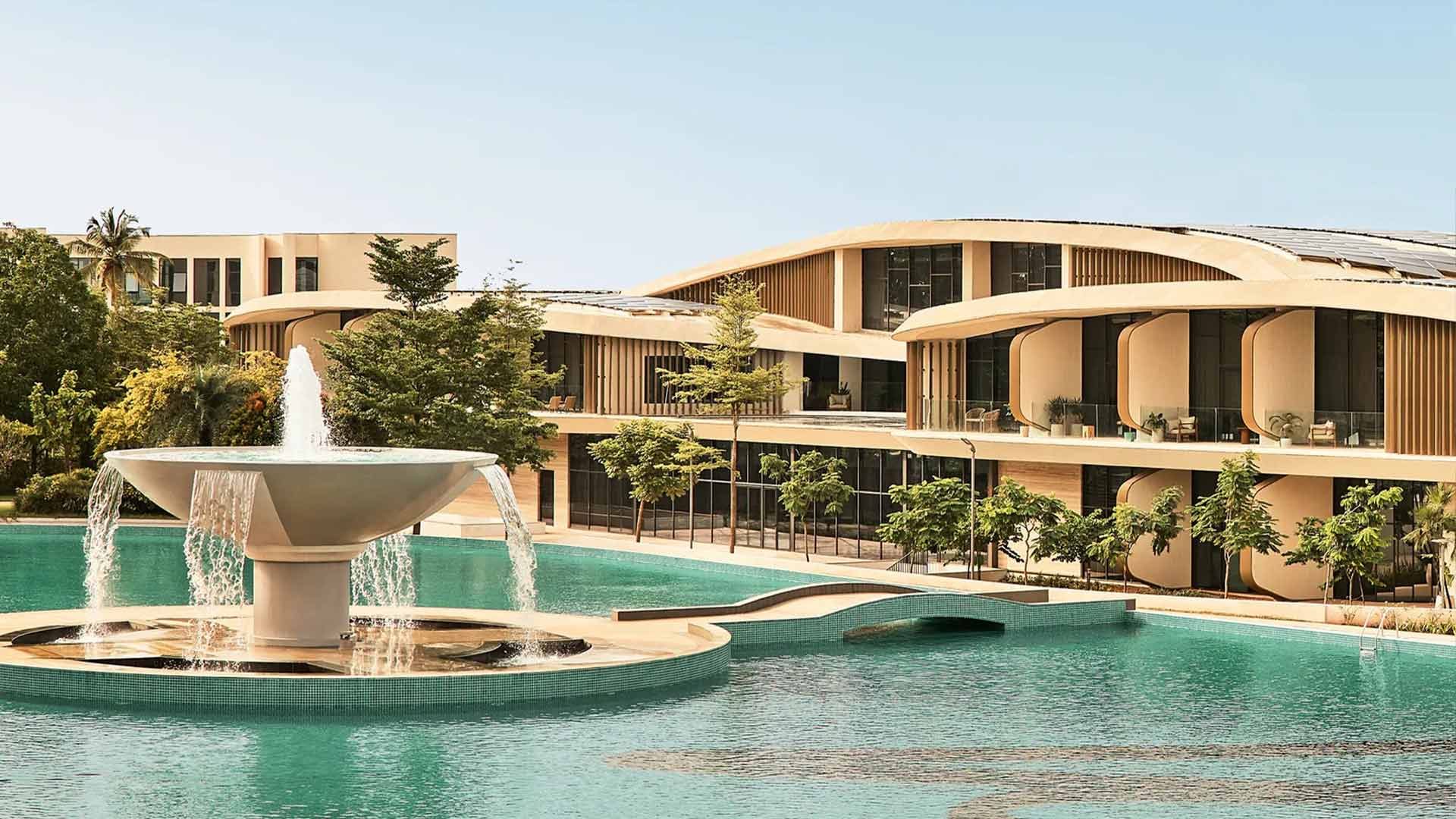
The resort’s architecture reinforces this philosophy. Designed by Dubai-based Lami Architects, the campus avoids sharp angles altogether, curving instead with the land it sits on. Spread across 30 acres of rewilded forest and medicinal gardens overlooking the Western Ghats, the design preserves century-old trees and uses rainwater harvesting and radiant cooling in place of conventional air conditioning. Natural light, open courtyards, and locally sourced materials blur the boundaries between nature, design, and healing.
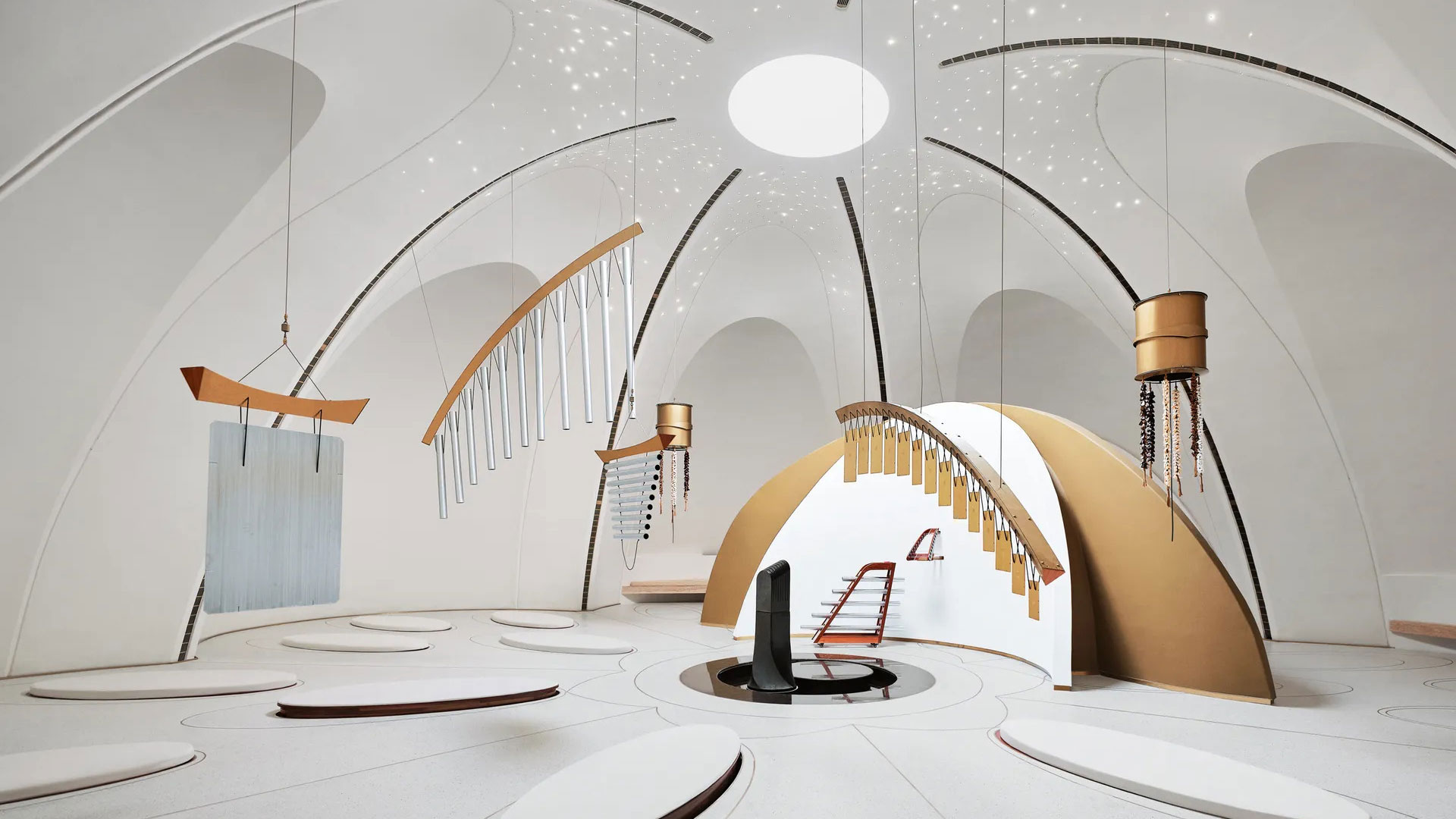
Beyond its clinical offerings, Tulāh introduces experiences rarely found under one roof. The Sonorium, billed as the world's largest sound-healing dome, anchors a roster that includes Hyperbaric Oxygen Therapy, cryotherapy, yoga studios, Watsu therapy, photobiomodulation, and a patented Ayurvedic Vichy Bed, a world-first design developed by the property's own engineering team that reimagines traditional oil-based rituals for a clinical setting.
Tulāh signals the emergence of a new category of hospitality, one where evidence-based medicine, holistic healing, and luxury coexist. As India strengthens its position in the global wellness economy, Tulāh stands as a compelling example of how Kerala's ancient healing traditions, never relics to begin with, continue to evolve to meet the aspirations of a modern, global traveller.