










The Restaurant Mavericks Who Refused to Serve Boring
In a dining landscape where trends shift faster than the seasons and new restaurants appear on every street, what does it take to build a restaurant—or an empire—that truly endures? SOH explores the vision and grit of India’s leading restaurateurs, who remain relevant, scalable, and deeply personal in a crowded market.
Location - Oryn, Fairmont Mumbai
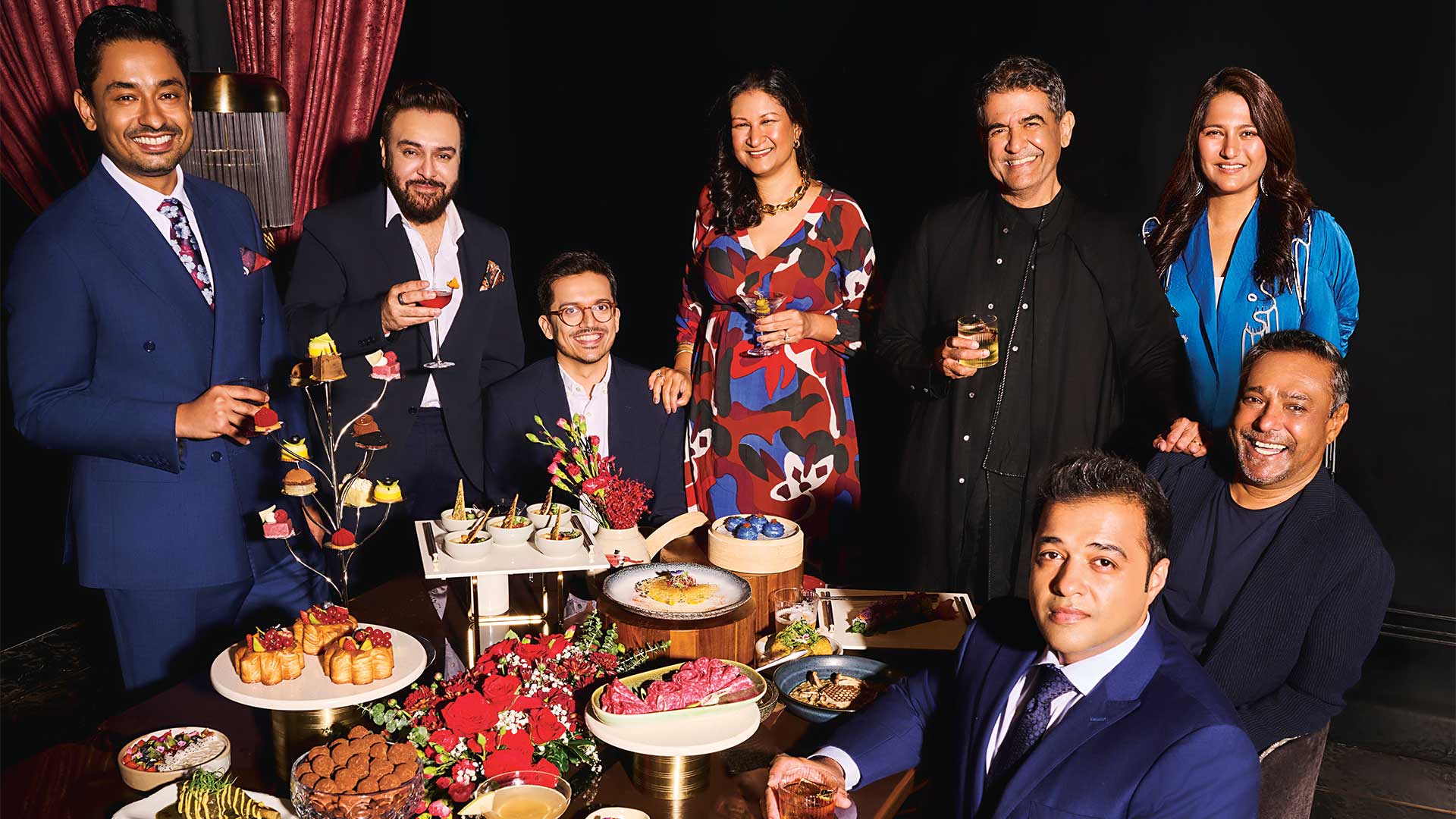

By Deepali Nandwani
2000, Mumbai. In a still-sleepy cul-de-sac of Union Park, Bandra, far from disco thumps and five-star stiffness, AD Singh rolled the dice on Olive Bar & Kitchen. He conjured a Mediterranean fantasy: white walls, blue shutters, and candlelight flickering on laughter that stretched past midnight. It wasn’t just a restaurant; it was a wager that a Westernising India was ready to linger over wine and conversation, in a space that felt like borrowed Europe, defiantly planted in suburban soil.
2009, New Delhi. Inside the hushed colonial bones of The Manor, Rohit Khattar and Chef Manish Mehrotra quietly opened Indian Accent. The restaurant room glowed amber, calm as an old library where recipes, not books, lined the shelves. In the kitchen, Chef Mehrotra moved in silence: a quenelle of foie gras sliding into the crater of a snow-white idli; a naan swelling like a balloon in the tandoor, then torn open to spill molten rivers of Danish blue. Each plate was a velvet revolution against the brass-karahi tyranny of Indian restaurants with curries dipped in nostalgia on menus rigid as caste.
From those two gambles rose a generation of restaurateurs—less owners, more architects of how urban India gathers, eats, and dreams. The modern restaurant that could cradle nostalgia or shatter it entirely was no longer a hazy hope; it had edges, flavours, and addresses.
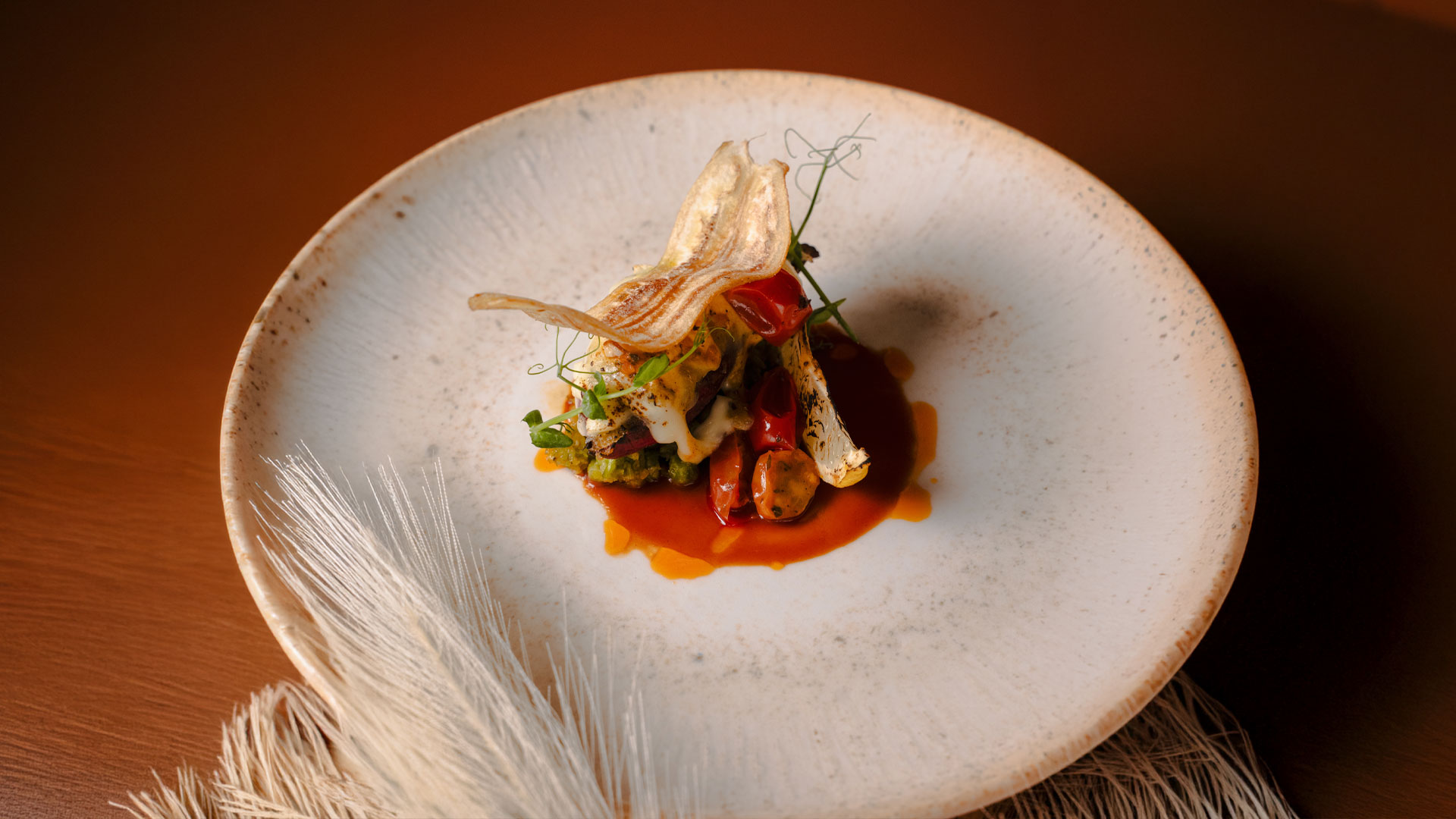
Chef Avinash Martins' Janôt is a cuisine-agnostic restaurant where regular innovation leads the menu.
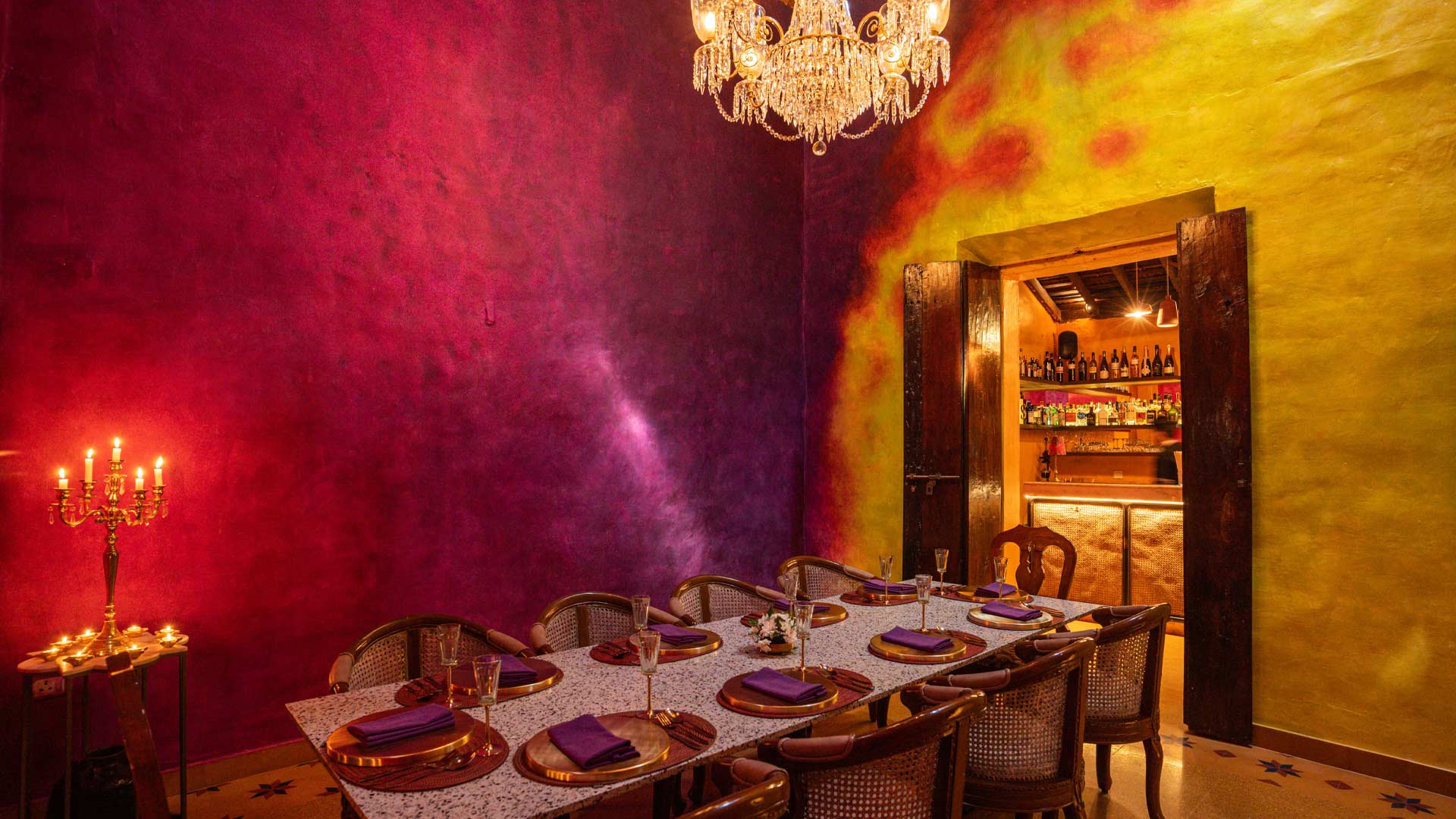
Jamun Goa from Pass Code Hospitality is housed in a 150-year-old Goan villa, blending colonial architecture with modern design elements.
Groups such as Hunger Inc. Hospitality, Urban Gourmet India, Food Matters Group, Massive Restaurants, Pass Code Hospitality, and Olive Group built empires, leaping from cloud kitchen to cheese atelier, from bakery to white-tablecloth theatre.
And wedged between the giants were sharper voices carving their own paths: Chef Manu Chandra’s Lupa and Single Thread threading European precision through Bengaluru nights; Chef Regi Mathew adding Kerala’s cuisine to Chennai, Bengaluru, and now a hushed corner of New York with Kappa Chakka Kandhari and Chatti NYC; Chefs Avinash Martins and Ralph Prazeres rewriting Goan cuisine until sussegad itself tastes new; Chef Lakhan Jethani and Vedant Malik’s Mizu Izakaya, where yakitori meets Indian bravado under low amber light; Dhaval Udeshi spinning all-day seduction at Gigi, Lyla, Kaia, then pivoting to wellness sanctuaries like Scarlett House; and in food-obsessed Indore, young Chef Vedant Newatia slipping Atelier V and Masala Code into a city obsessed with unconventional, often bizarre, street food.
In a country where a new café or restaurant opens on every corner before breakfast is over, what does it take to build a brand that outlasts the season?
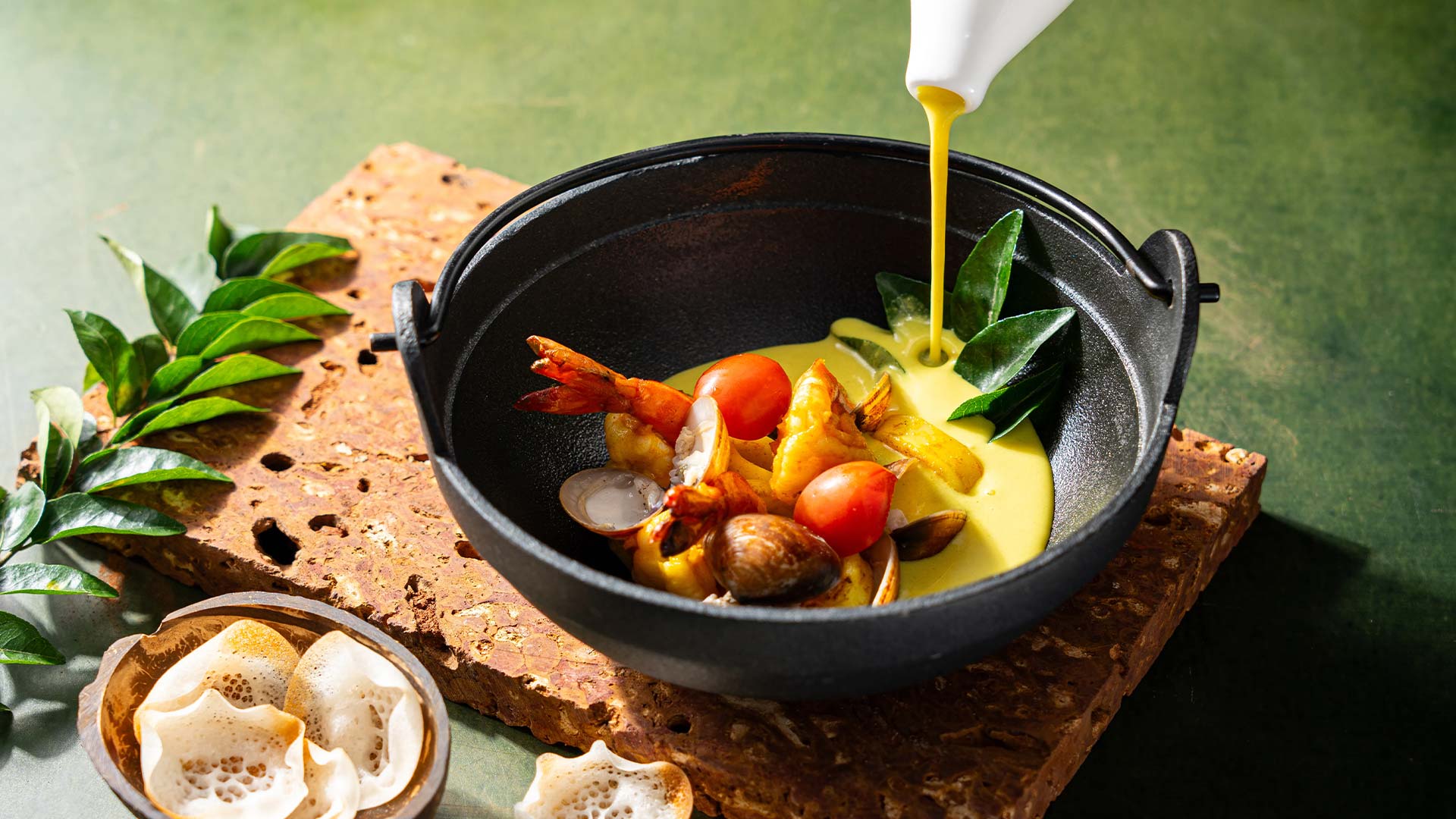
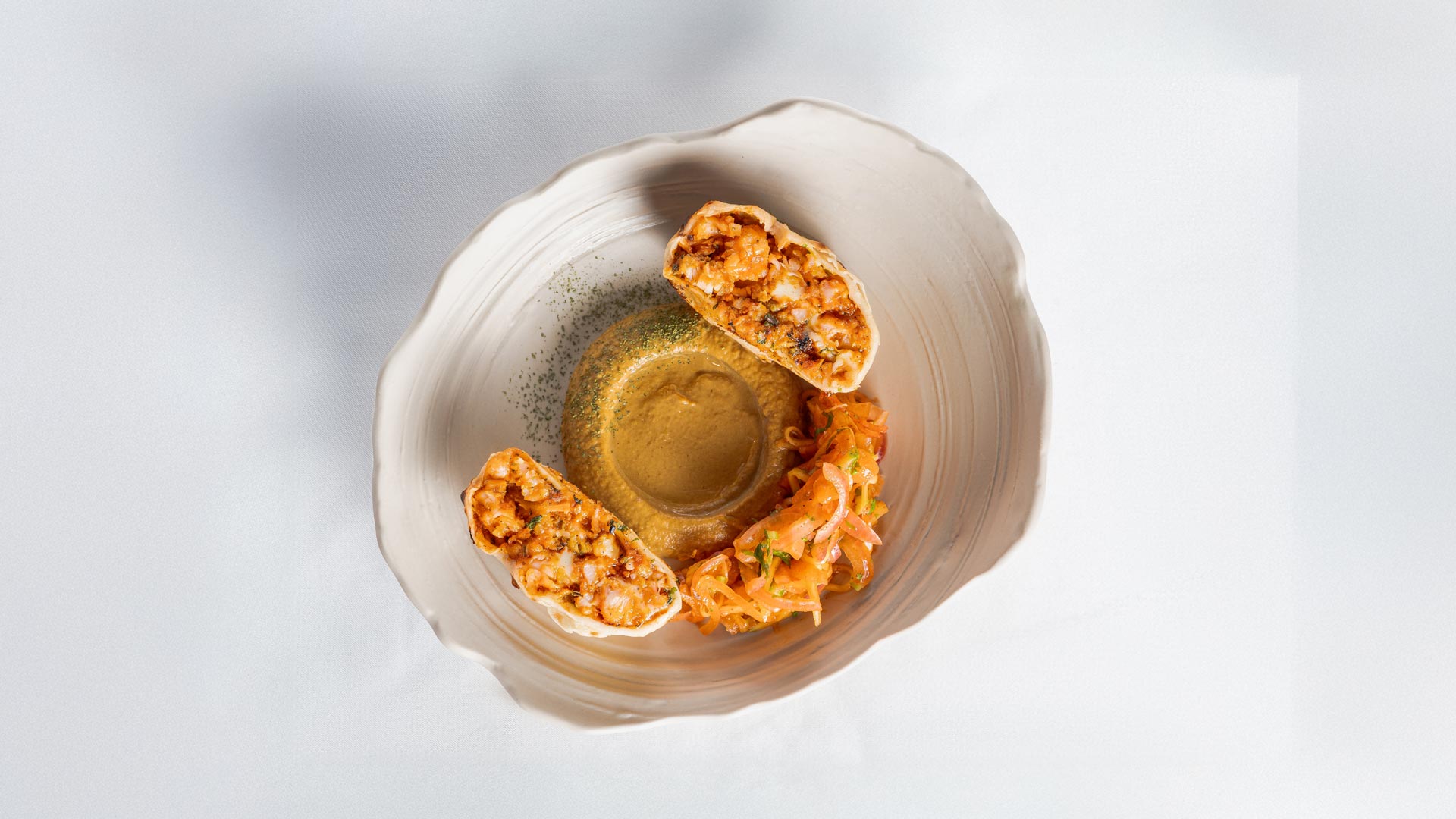
Chatti NYC’s Seafood Moilee Soup is a rich, velvety blend of assorted seafood simmered in coconut milk, ginger, and turmeric.
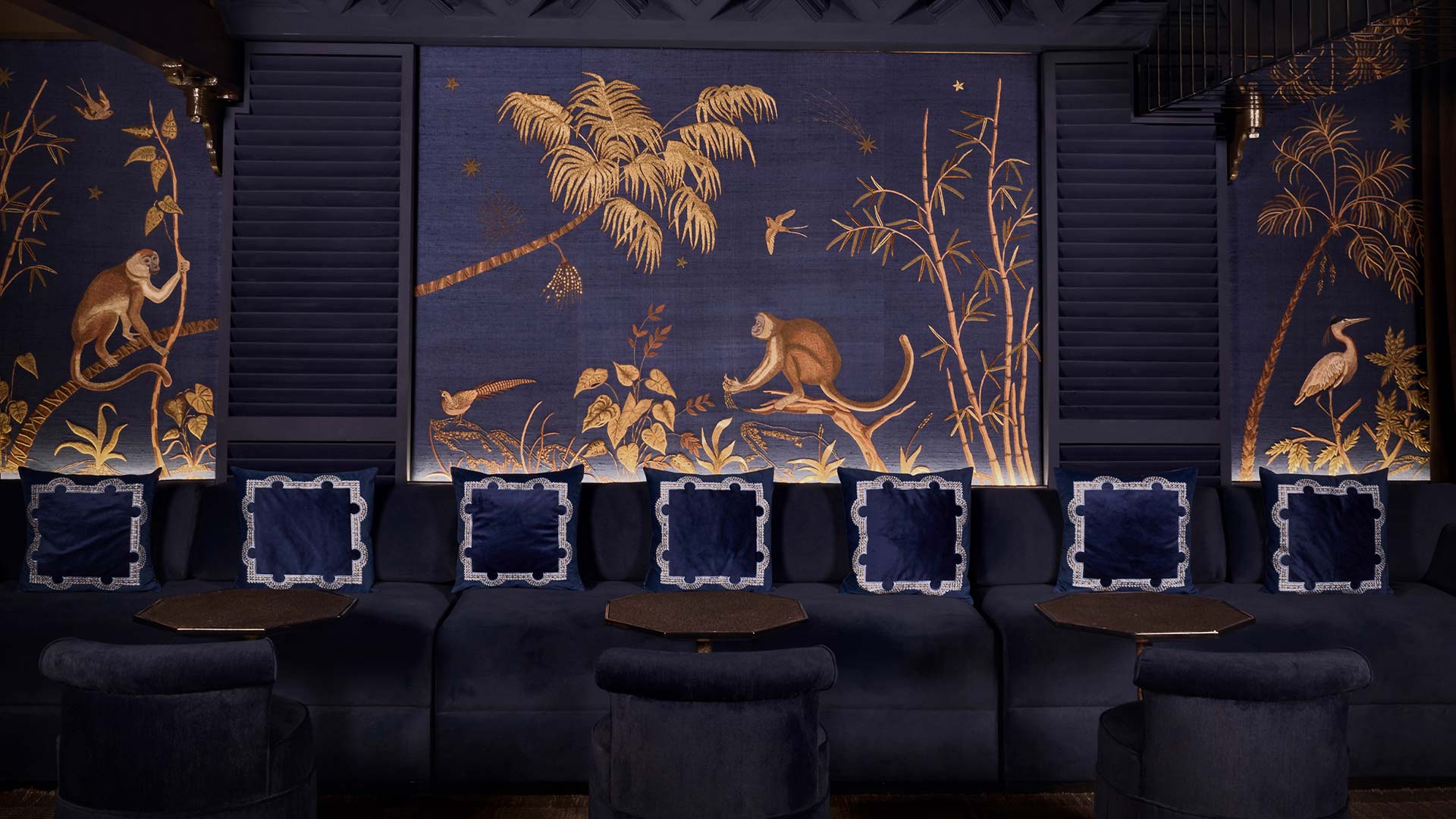
The interiors of Paradox blend industrial grit and Art Deco glamour, transforming an old Mumbai mill into a moody, cinematic speakeasy.
The Enduring Table
Across India’s dining scene, chef and restaurant founders are quietly redefining what longevity means. Their vocabularies differ: some speak about discovery, some about systems, some about emotions, and others about sheer ambition. But their stories reveal a shared truth: enduring restaurants are built on clarity of purpose. If there’s one consensus among India’s leading restaurateurs, it’s this: longevity is no accident. It is forged through obsession, consistency, and intention that outlive trends.
Aditi and Aditya Dugar, Co-founders, Urban Gourmet India, distil it simply: “In a city like Mumbai, where a multitude of restaurants open every year, creating an enduring brand is an outcome of choosing depth and honesty over trends.” For them, their signature fine dine Masque’s staying power comes from a single, unwavering idea, celebrating India through its produce, ingredients and creative re-imagination. Long recognised on Asia’s 50 Best Restaurants list for five consecutive years and on the The World's 50 Best Restaurants extended list in 2024 and 2025, the restaurant’s acclaim reflects this quiet conviction. “This was never a gimmick…we built a rhythm of travel, research and listening, and that curiosity has kept us steady for almost a decade,” says Aditi. In 2025, she believes, a brand lasts only if it feels “genuine at its core,” where the online narrative mirrors the real-life experience. Instagram reels may get someone through the door, but the memory created in the dining room is what brings diners back.
If Masque represents the new guard of research-driven Indian dining, Chef Regi Mathew embodies the power of exploring roots and introducing lesser-known culinary cultures to an urban audience. “The idea was to bring nostalgic Kerala food to Chennai with my first restaurant, and to go beyond the boundaries,” he says. What began as an impulse became rigorous fieldwork: “We visited almost 265–300 houses and 100 toddy shops across Kerala. The exposure to the cuisine revealed so many hidden gems I hadn’t seen even with all my experience.”
For Regi, longevity is inseparable from cultural authenticity. “The food philosophy, what you believe in, that is your strength. I always go back to the roots and stick to the basics.” His restaurants aren’t about trend-chasing; they are lived experiences. “The food I serve has a deep connect to our lives and lifestyle. It’s not going to fade away… it is part of your life,” he says. Cuisine in the south of India, he adds, share an underlying familiarity: “We use hyper-local ingredients from Kerala, which our guests in Chennai and Bengaluru are familiar with too. We are just highlighting hidden gems of Kerala cuisine.”
hef-restaurateur Avinash Martins believes longevity begins with clarity of purpose. “Your guests must know your style of food,” he says. At Cavatina or Janôt, diners return because they sense the philosophy on every plate. In a world serving a thali one night and red ant chutney the next, repeat visits happen only when a restaurant becomes “that special place” guests reach for during moments that matter. “It’s the product, the people, the experience—all of it collectively builds an enduring brand.”
Goa’s culinary renaissance owes much to quiet craftspeople like Chef Ralph Prazeres, owner of Padaria Prazeres and Praça Prazeres. “Consistency and staying true to your product are essential,” he says. “Never betray what you set out to make. Don’t waver with trends. I’ve stuck to my European roots from day one, and that’s kept me steady.” His growth was built on courage, not compromise. “Our brioche buns were 450 rupees when the local poder sold them for five. People asked: will this work? But we focused on the product. Feedback helped, but we stayed true.” The bet paid off—quality travelled faster than novelty.
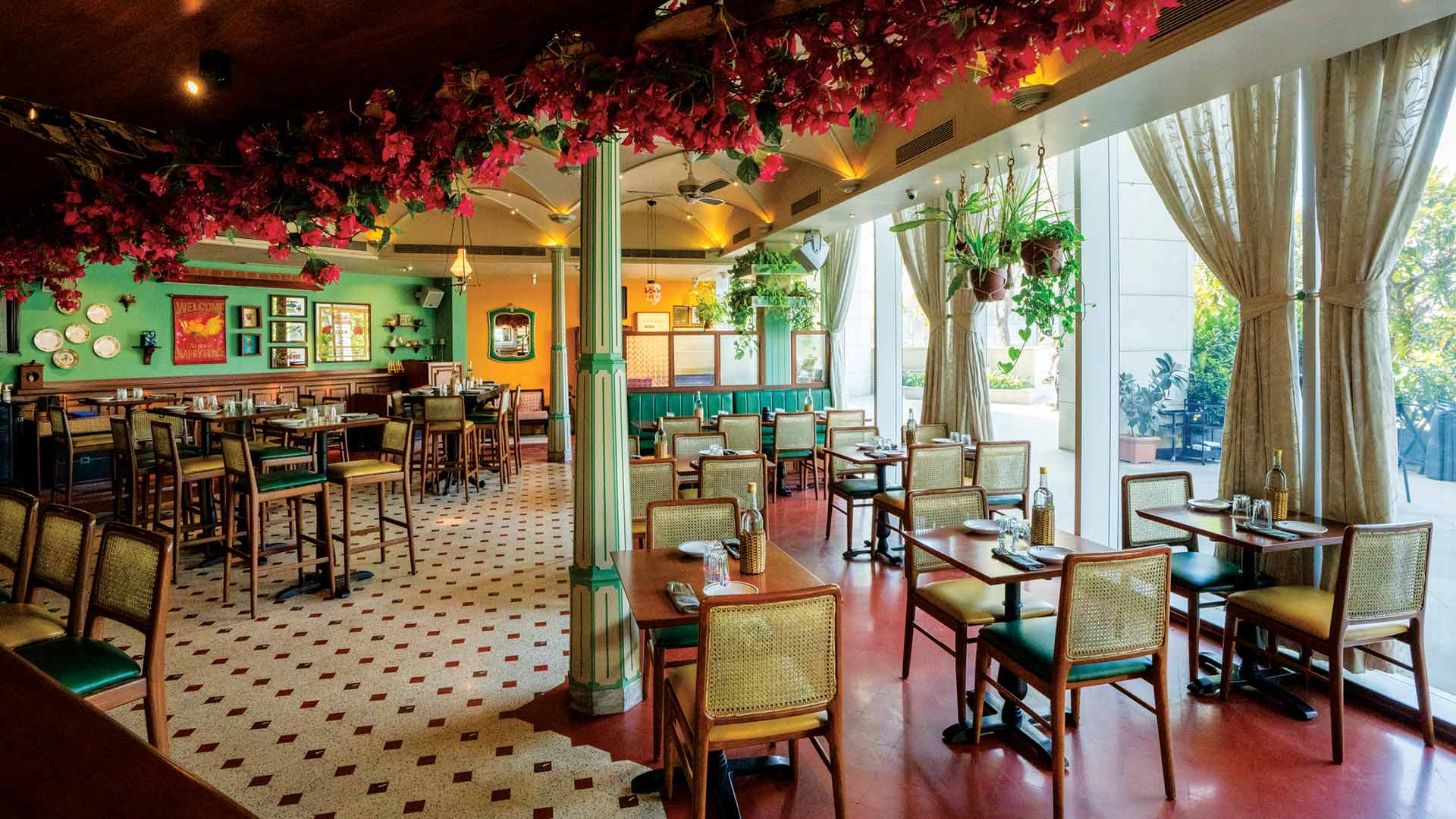
Chef Hussain Shahzad brings Goan home-style cooking with Portuguese influence at Hunger Inc.'s O Pedro.
Masala Library aims to revive centuries-old Indian culinary traditions through a modern lens.
Yash Bhanage and Sameer Seth, Co-founders, Hunger Inc. Hospitality and the much-celebrated The Bombay Canteen—featured on Asia’s 50 Best Restaurants extended list in 2024 and 2025—add a modern nuance: community. Not followers, not databases, but community built on trust. Yash says, “The word ‘community’ is thrown around constantly, but as restaurateurs, we sometimes forget the difference between a community and a database. In India, too often, databases are mistaken for community.” Then there is the ability to offer a POV. Sameer adds, “Brands need a point of view. You can’t be everything for everyone. Our brands evolve because we evolve.”
Gauri Devidayal, Co-founder, Food Matters Group, returns to fundamentals: “Nothing beats word of mouth,” she insists, an assertion that defines how she and co-founder Jay Yousuf approach The Table, their flagship restaurant. Often recognised on Asia’s 50 Best Restaurants extended list over the years, the restaurant’s credibility rests not on noise but on what diners take away. “Noise may get diners in, but only quality and consistency make them return,” she adds. Jay agrees: diners today know what good food is, chefs are exposed, and everyone understands one truth—“to stay, you need consistency, pride, and knowing exactly what you’re doing.”
For scale and reinvention, Zorawar Kalra, Founder, Massive Restaurants, takes a different view. Massive Restaurants has redefined categories, he says. “Attention to detail is extremely important. In 2025, you have to make sure your homework is done. Your blueprint, your jet, your parachute—you need to be ready before you jump. The business is competitive; supply outweighs demand. You have to know your concept.” For Zorawar, longevity lies in giving diners “something they didn’t know they wanted”, delivered with innovation, theatrical flair, and relentless consistency. After a decade, he remains guided by one conviction: “Innovation is a muscle; you train it every day.”
Manu Chandra, Chef-Owner, Lupa and Single Thread Bespoke Catering, sees survival through consistency, thick skin, and ruthless clarity. “Great food doesn’t need constant experimentation,” he says. After a choppy start at Lupa, including Instagram-driven chaos, he returned to basics: quality, regulars, and hands-on management. Lupa thrives today because he embraces control, not for ego but for survival: “When I let things run amok, the first thing to get hit is the business.”
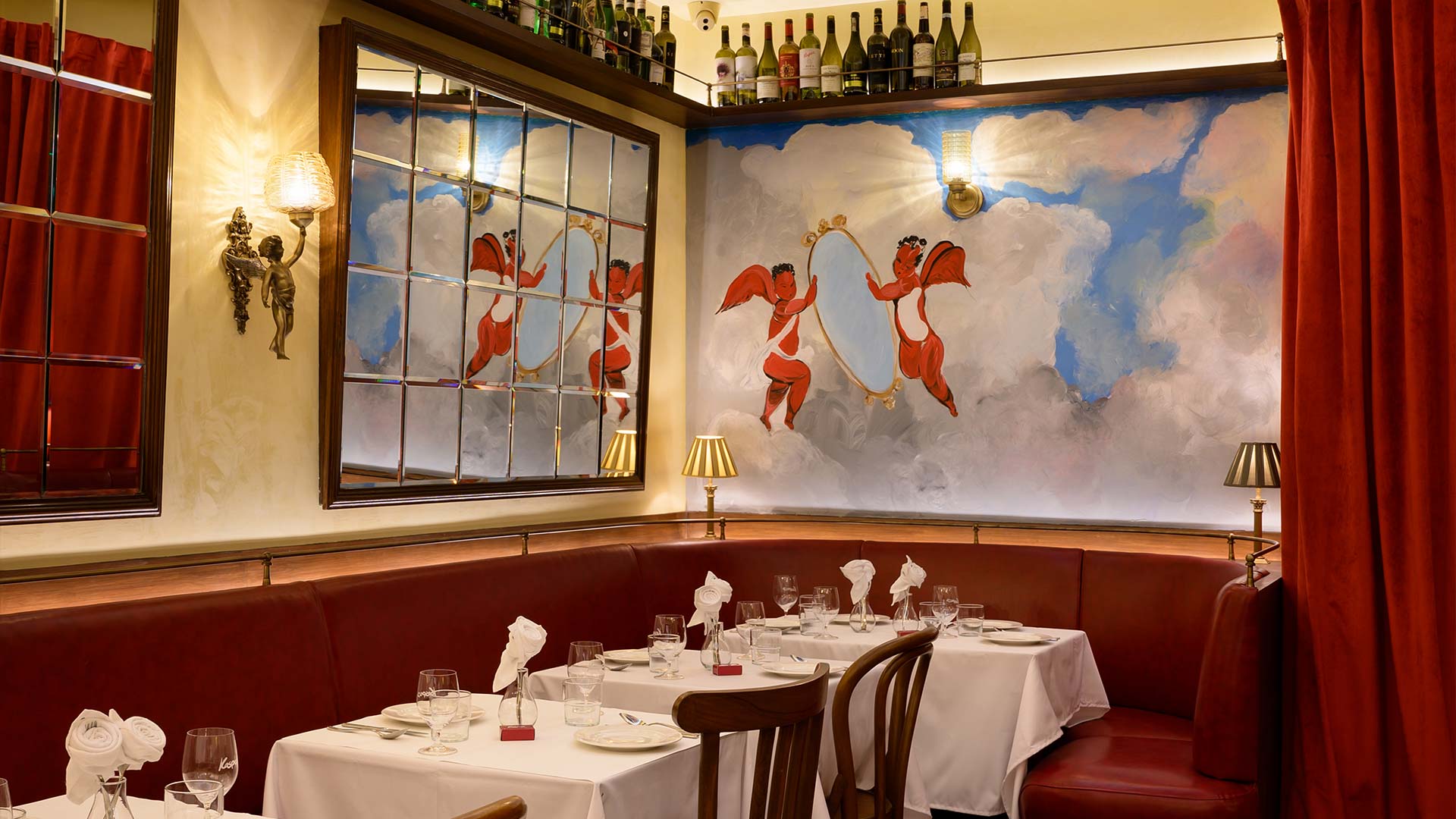
Food Matters Group's Kaspers is a 35-seater neighbourhood bistro in Bandra, Mumbai.
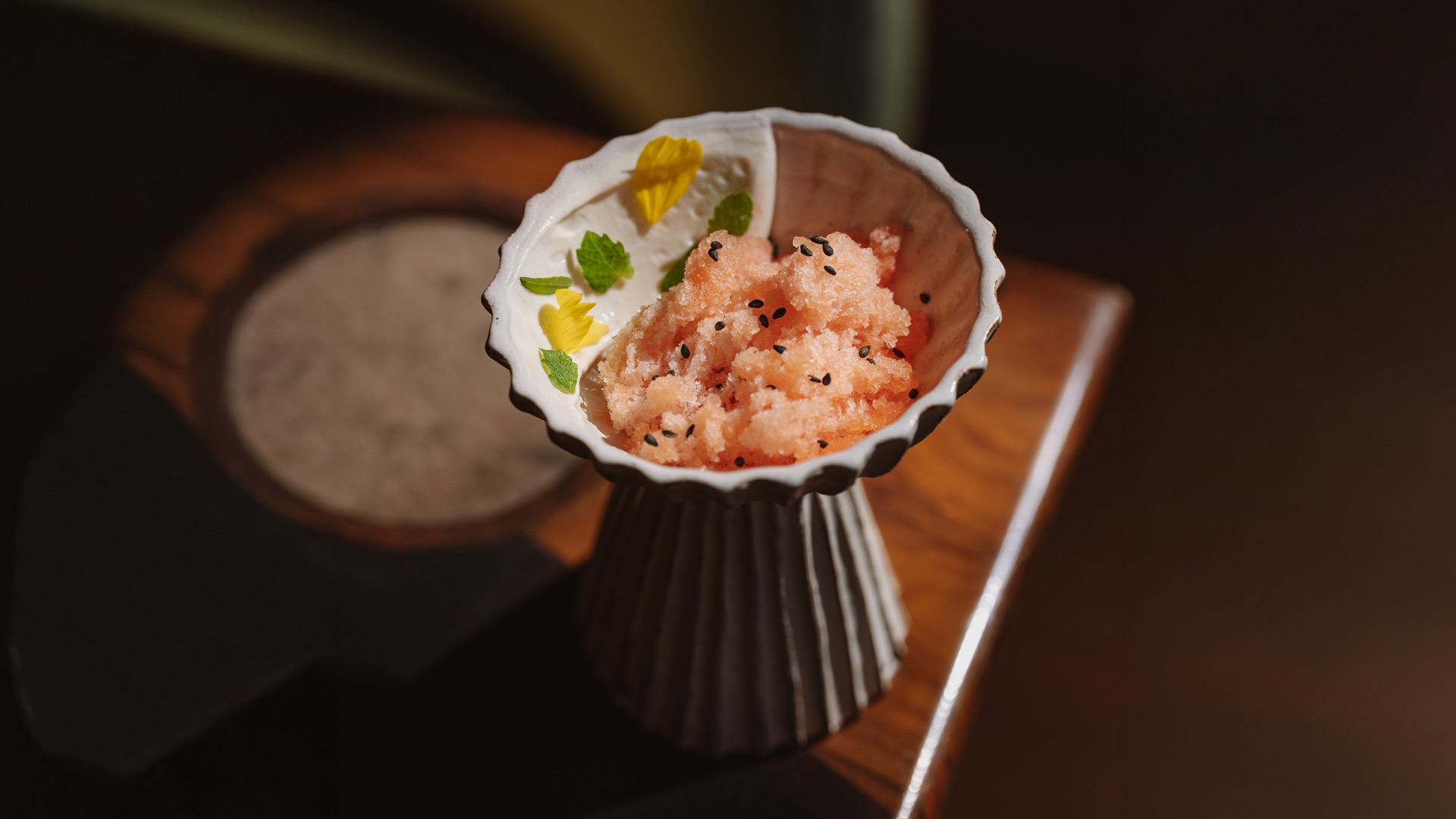
The Watermelon, Feta, and Black Sesame salad served at Papa’s, a 12-seater experimental micro-restaurant from Hunger Inc. Hospitality.
Mizu Izakaya’s founders speak of restraint, clarity, and timelessness. Vedant Malik, Founder and Director, says, “A restaurant’s real legacy is built offline, through consistency, emotion, and experiences people remember long after they leave.” For Mizu, longevity is about precision, intimacy, and an atmosphere that invites lingering. Chef Lakhan Jethani, Co-founder and Executive Chef, adds, “We wanted to bring the community-driven warmth of an izakaya to Mumbai, an experience that is elevated yet unpretentious, where great food, sake, and stories flow freely.”
Burma Burma’s co-founders Chirag Chhajer and Ankit Gupta echo fundamentals, too. Ankit says, “People come for food. You need consistent food, great ingredients, authenticity. Simple things. Then there’s no reason it won’t endure.” Chirag plumps for the very soul of a restaurant, “the food. Not events, not gimmicks. People never stop eating. Coupled with fabulous service, that outlives most other things.”
Dhaval Udeshi of DU Hospitality adds a psychological layer: “Two things define an enduring brand: clarity and courage. Clarity about who you are, and courage to reject what doesn’t align. An enduring brand requires a strong operational spine, a philosophy that doesn’t bend with trends, a deep team culture, obsessive consistency, and the ability to innovate without gimmicks.” His vision fills gaps across India’s hospitality landscape, creating projects that are fun and yet backed by a strong organisational spine. “Each”, he says, “part of people’s emotional landscape and not just weekend plans.”
Rakshay Dhariwal, Founder, Pass code Hospitality, summarises a blueprint: “Endurance is earned, not engineered. You need three pillars: an uncompromising product, a flexible culture that adapts without losing DNA, and systems that make quality scalable.” Social media may make you a rage, but “the antidote is consistency guests feel every visit, and emotional memories that outlive viral reels.”
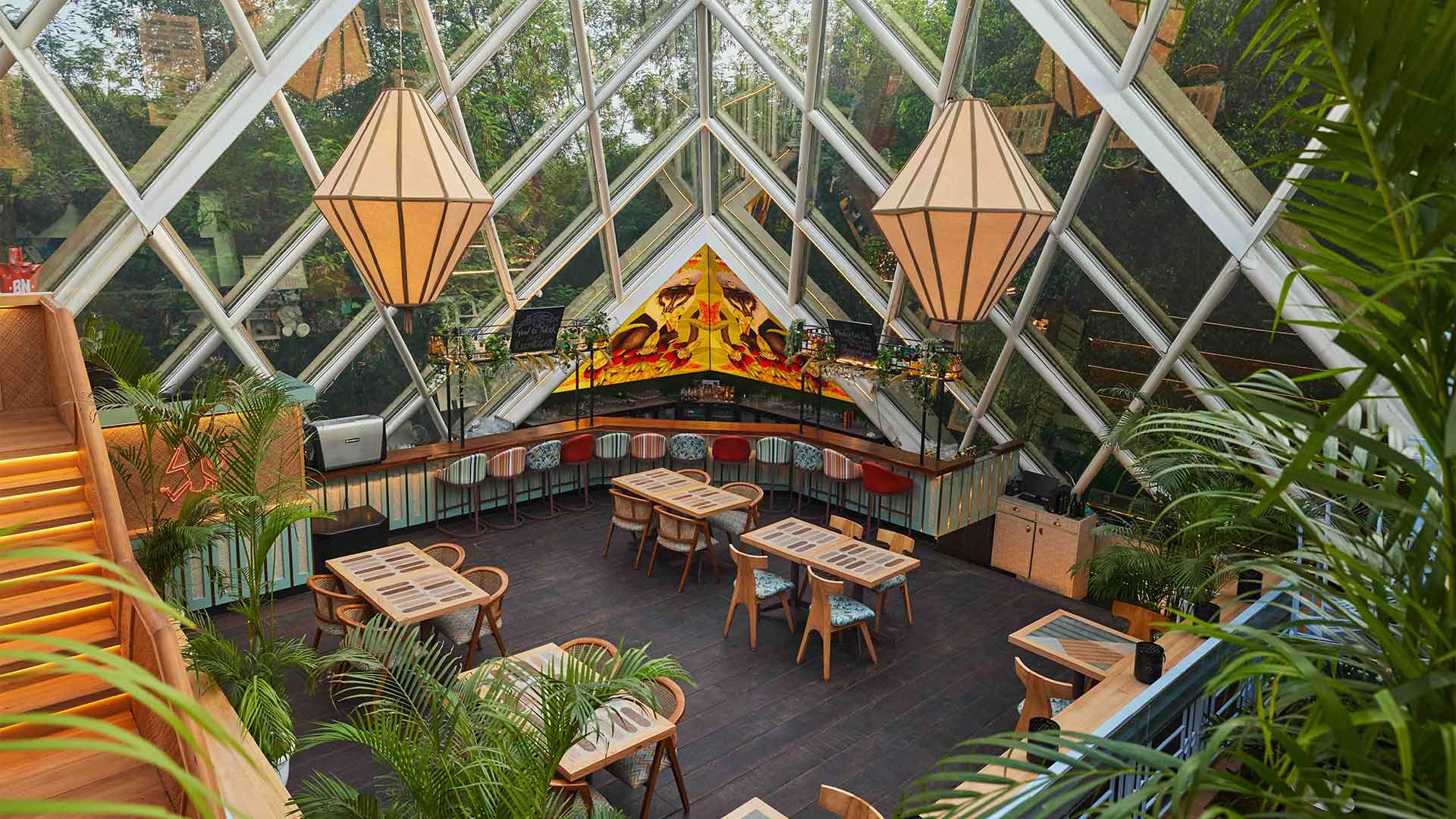
Monkey Bar from Olive Group is regarded as India’s first true gastropub, founded in Bengaluru in 2012 and since expanded to Mumbai, Delhi, and Chennai.
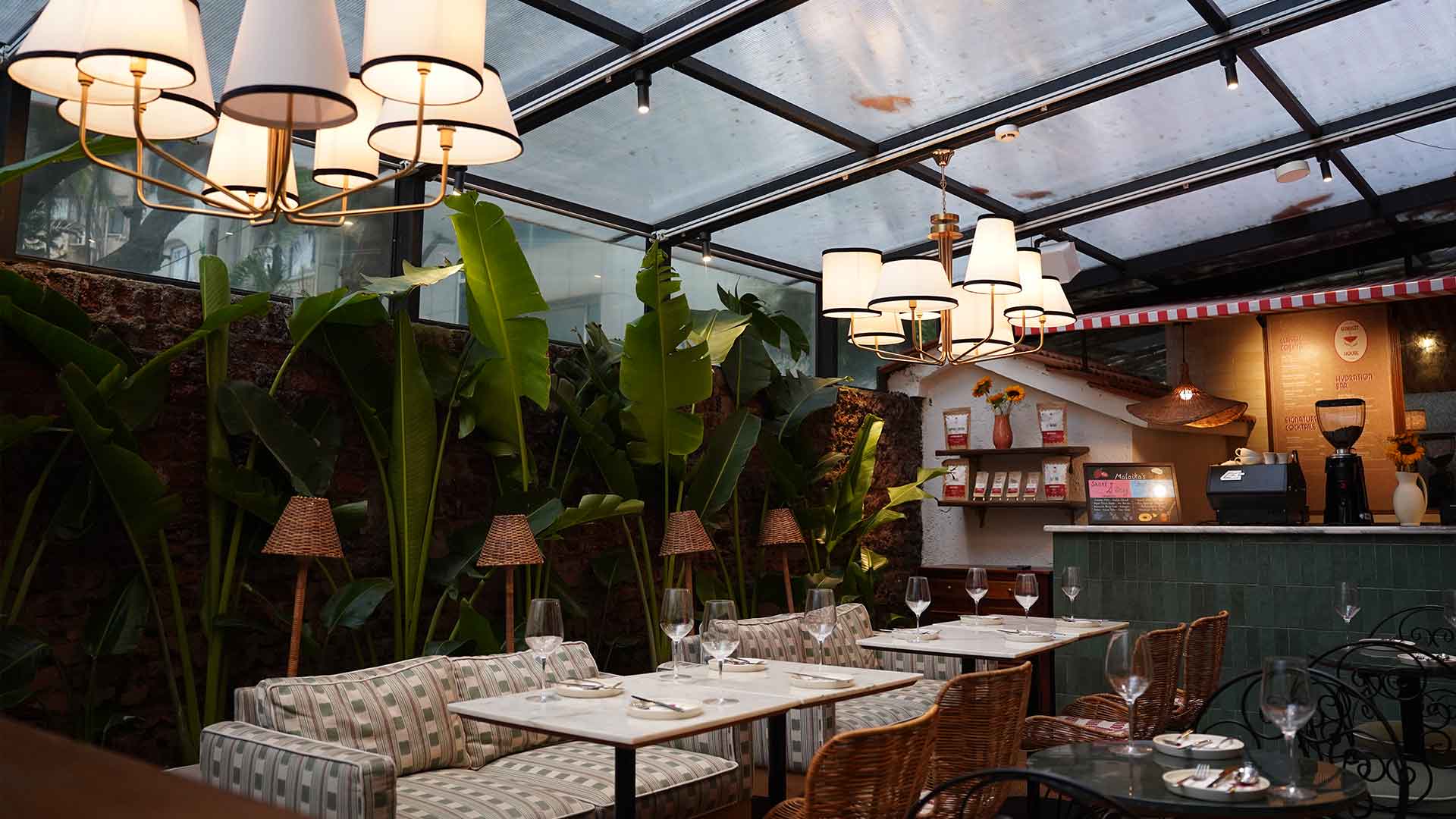
DU Hospitality's Scarlett House offers soulful food and imaginative drinks. Seen here is the Juhu, Mumbai, outpost.
How Restaurants Reinvent Without Losing Their Soul
To run a concept-driven restaurant in India is to dance on quicksand. One season, diners want deconstructed golgappas delivered by a molecular gastronomist; the next, they crave their mother’s undiscovered dal in earthen kulhars, served by a grandmother from Bastar. The great Indian restaurant brands, those rare names that outlast an Instagram trend, have mastered the pivot without ever seeming to pivot. Grace under pressure, served medium-rare.
What makes one brand fade while another becomes a city landmark? For India’s most thoughtful restaurateurs, it’s not a secret recipe that delivers constant, elegant reinvention.
AD Singh champions balance between comfort in the familiar and curiosity of the new. “Our success has largely been because we stick to our core. We don’t chase every trend. Comfort is very important.” Olive Bandra, once India’s first Moroccan lounge bar, became a pop-culture ice bar, and now is being reimagined as India’s first aperitivo bar, a low-ABV, social drinking space. Across his brands, Singh elevates, updates and refreshes but never confuses the diner.
Guppy, his irreverent Japanese brand, offers another lesson. “Guppy was always witty and casual, but the younger audience now wants swank,” he says. His solution: The Love Hotel, a moody, 16-seat bar within the Guppy compound. It draws Gen Z in, then subtly leads them into Guppy itself, a kind of controlled evolution, not a makeover.
At Masque, reinvention is instinctive. “Something new arrives from our research or farmers, and that becomes the spark,” says Aditi. The Masque Lab allows boundless creativity, though not every idea lands. “Beautiful dishes sometimes don’t make anyone feel anything. It’s how we learn.”
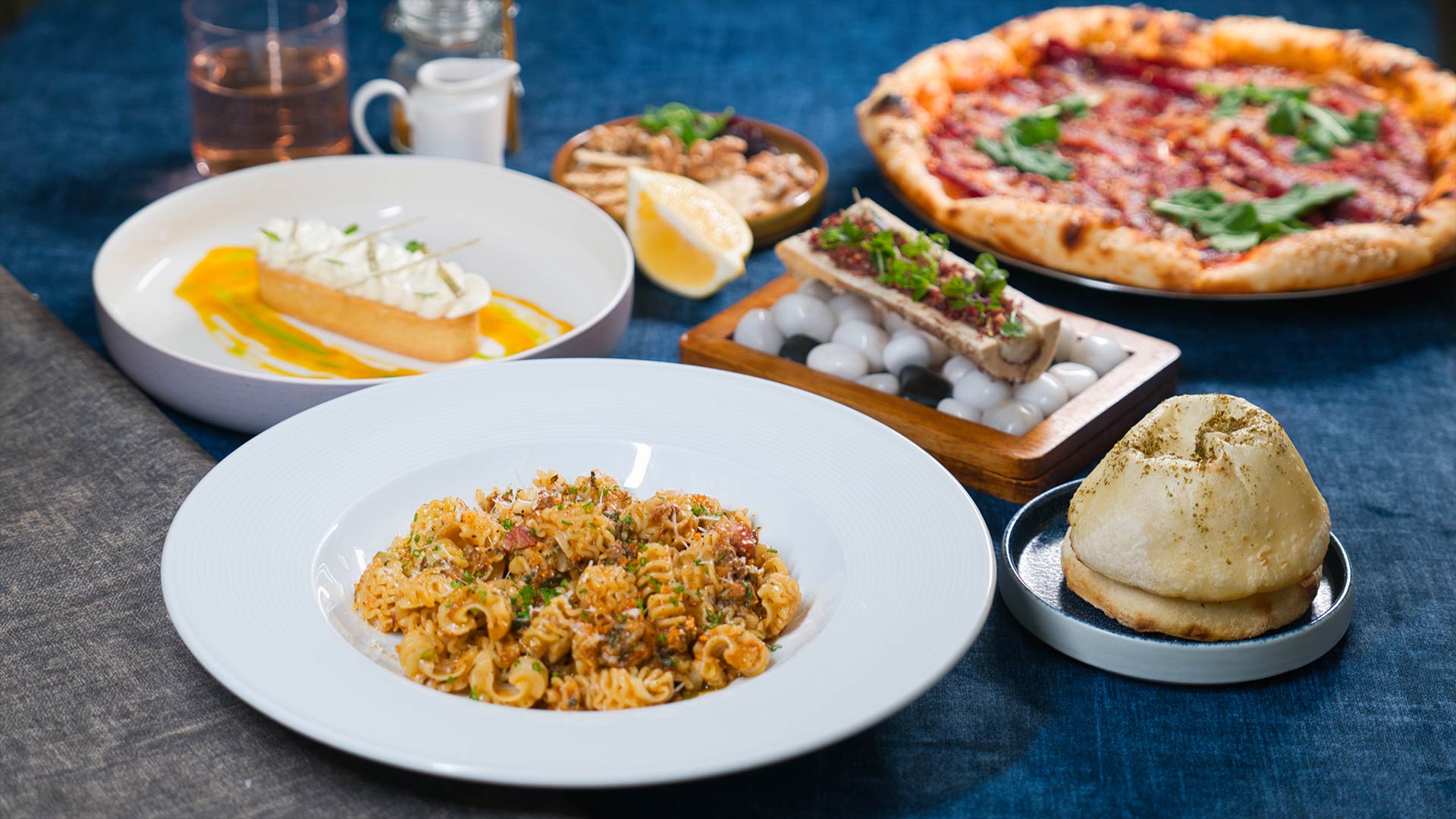
Chef Manu Chandra’s approach to the food he serves at Lupa is both evolutionary and comfort-driven. The menu builds “layers of nuance and surprise” but doesn’t feel fussy
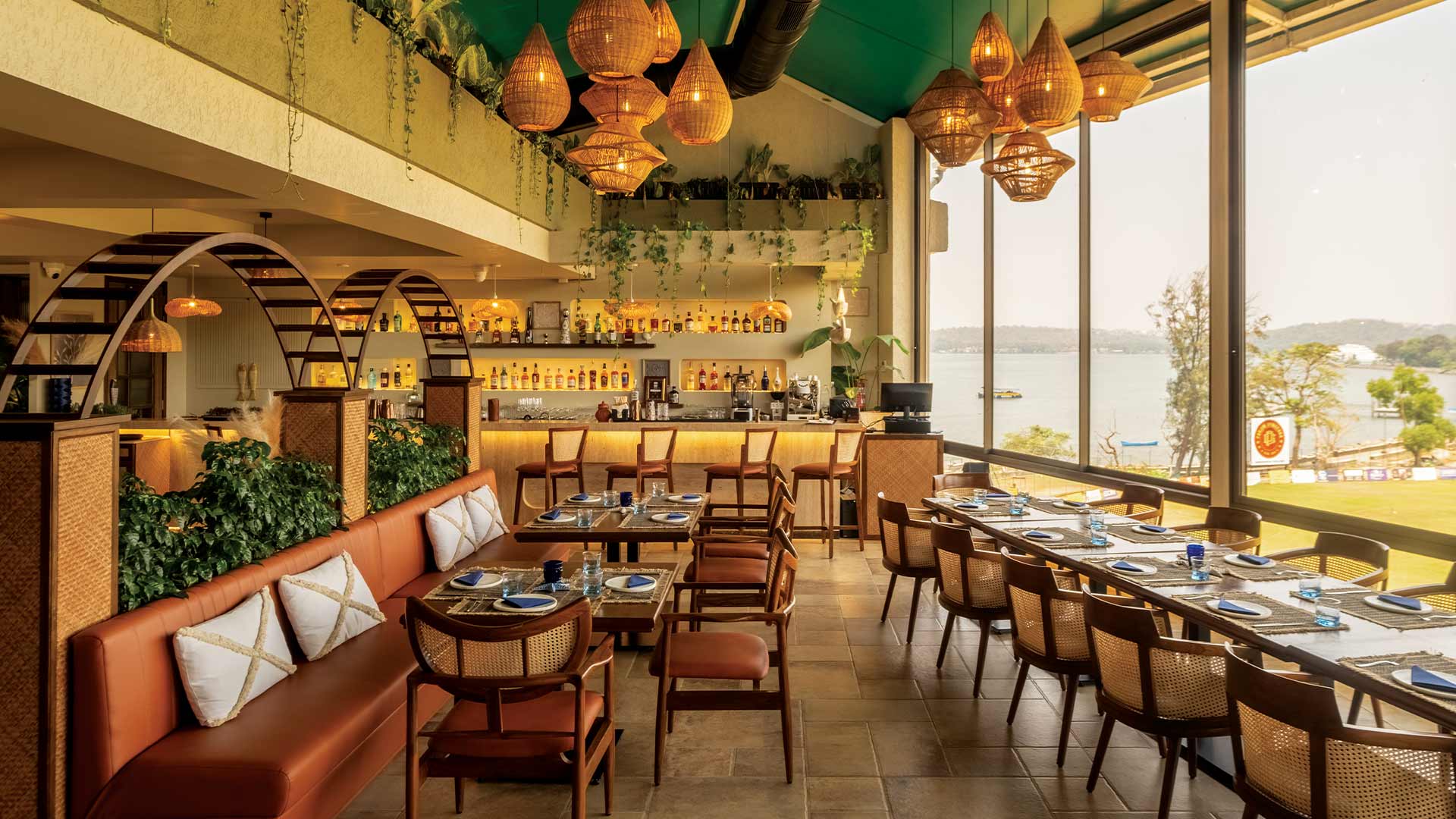
Janôt is an old Portuguese expression, an exclamation of beauty and delight. It’s a word Chef Avinash heard often from his grandmother, now lovingly revived through his eponymous restaurant.
In Goa, Chef Martins makes seasonal rhythm his mantra. “You have to keep guests connected. You can’t sit back once a menu is loved.” From world cuisine in 2013 to narrative-driven Goan reimaginings today, Cavatina’s evolution is anchored in stories of conquest, tribes, and tradition. “I’m just a mediator,” he says. “The story is already great. I evoke it through food.”
Few groups have formalised reinvention like Hunger Inc. “We aren’t the same people we were 10 years ago, and neither are our diners. You can’t get stuck,” says Sameer. Seasonally changing menus became structural principle. Lessons came fast: Bombay Sweet Shop, born during Covid-19, exposed the gaps between retail and restaurants. “Packaging, humidity, cold chain—we had to learn from e-commerce and logistics experts,” says Yash. Sameer recalls another: “We tried to reinvent happy hours at The Bombay Canteen because one-plus-one looked cheap. It failed. In India, happy hours means one-plus-one. Context matters. When we did it at O Pedro, it worked. It built loyalty.”
At Burma Burma, reinvention begins with travel. “We keep travelling to Burma’s cities, villages and prefectures. We return with learnings and work on them in the R&D lab,” says Chirag. Festivals, menus, collaborations such as one with pâtissier Vinesh Johny, Korean chefs, and craft specialists reflect collective, contemporary reinvention grounded in cultural respect.
Gauri frames reinvention through memory. “You have to create a memory, a dish that lingers weeks later. Menus can change, but every change must deliver that memory. People don’t want you to reinvent what they crave. The same goes for space: light, music and seating, which people come back for. You can’t keep changing everything for trends.”
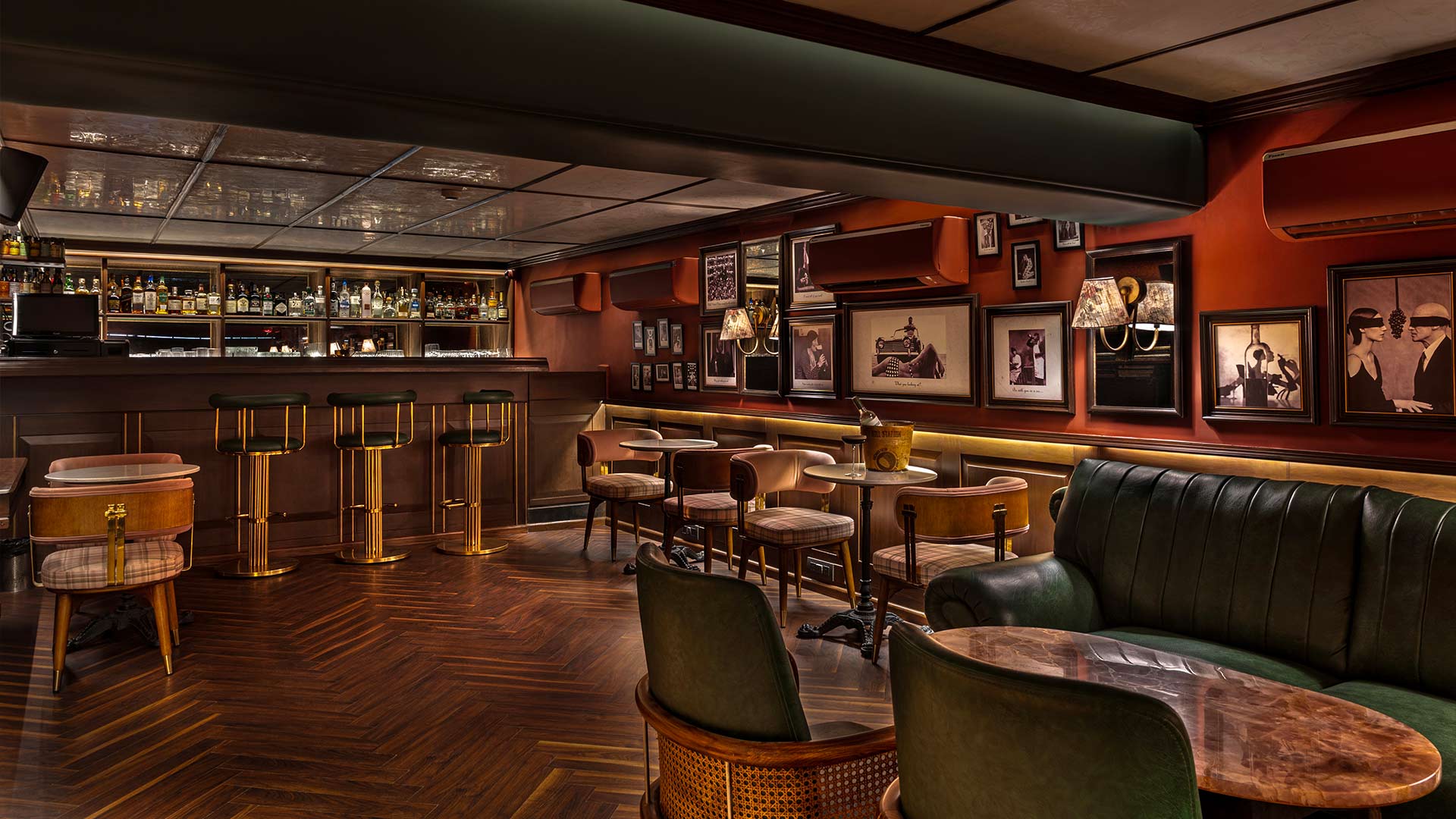
The Director's Room at PCO Delhi is a 12-seater 'omakase-style' space designed to feel intimate and cinematic.
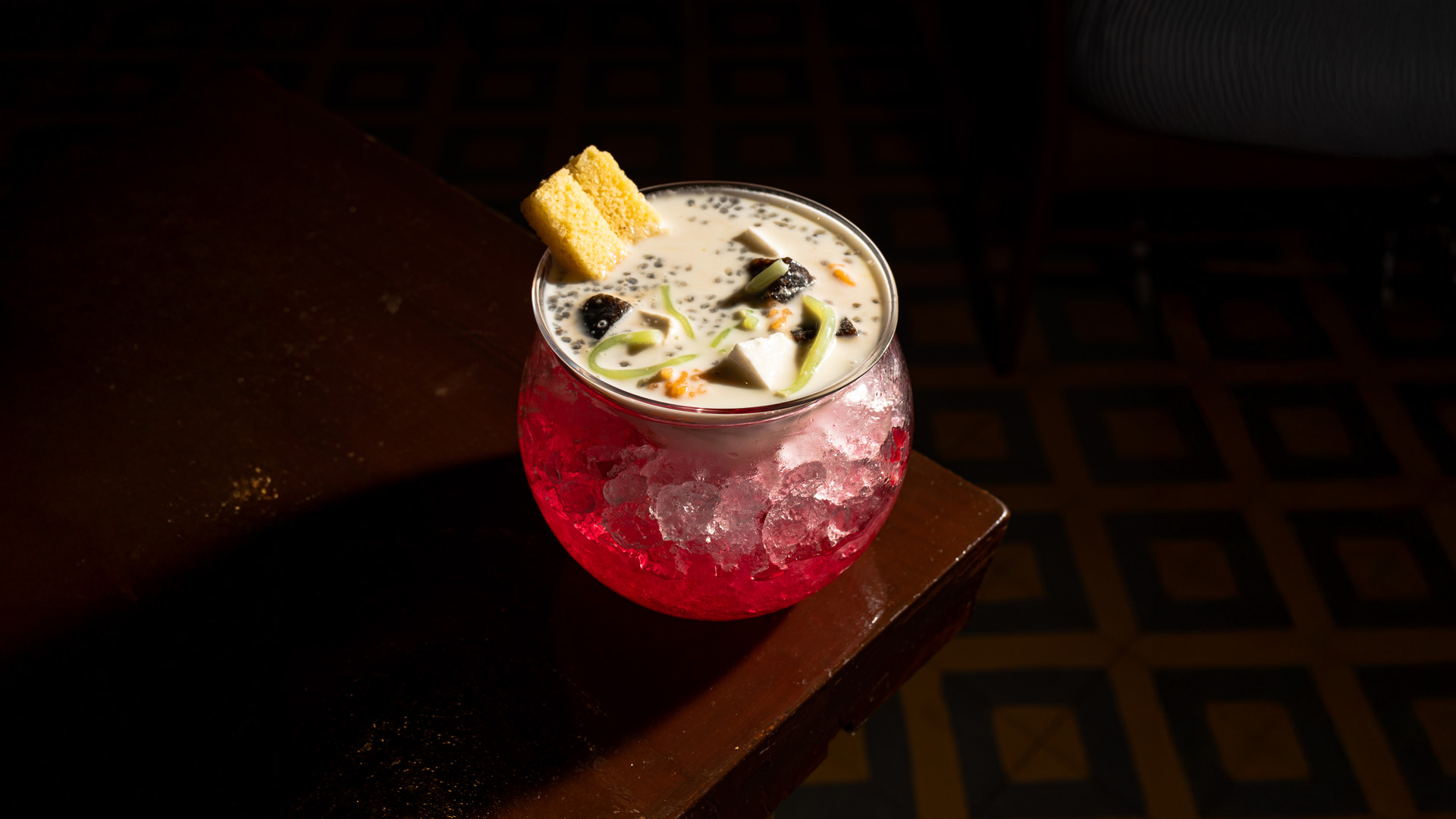
Burma Burma’s street-style Burmese Falooda is made with chilled coconut milk, sweet bread, basil seeds, black grass jelly, and sticky rice, giving it a creamy, chewy, and slightly herbal texture.
The Art of Scaling Restaurants
Scaling a brand is as much an art as it is a science. Behind every successful expansion lies a delicate balance of quality, culture, and people, where a single misstep can ripple far beyond the kitchen.
AD Singh underscores the unyielding importance of customer experience while scaling operations or launching multiple brands. “For a customer, you’re only as good as your last meal. If he has a poor dish, he will never come back. An unhappy customer may tell 10, 20, 30 people.” He impresses upon his teams the painstaking effort behind every dish: “Every year at our team Diwali party, I tell my kitchen teams: our chefs work hard creating menus, new menus and specials. The leadership team tastes and refines them, and ensures excellence. The wider kitchen team must execute every dish exactly as imagined. That’s critical, even for restaurants that have been around 20 years.”
Quality, AD insists, extends beyond the kitchen. “Even today—maybe especially today—where choices are endless, each one of us wants to feel valued. I won’t go to the best restaurant in the world if I’m just number 77 who walked through the door. They take my money, and it’s ‘Bye, bye’.” He recalls Olive Bandra early on: “On day five, a customer argued with a waiter over change. We told him it’s okay, we believe you, and gave him the change. He was surprised and pleased. Every guest must feel appreciated. That matters to even me when I dine out.”
Sameer and Yash stress foundational systems over rapid expansion. “When The Bombay Canteen got popular, we had offers to open a second within six months. But unless we built the right processes, we didn’t want to scale. Scale is about process, not just repeating a recipe,” Sameer says. That philosophy led to establishment of Bombay Sweet Shop, a product-focused business with 18 dark stores and five retail outlets delivering pan-India.
Quality remains the common thread even while expanding. “We’ve always been in the trenches with our teams,” Yash explains. “We build managers and leaders to carry our culture. At Hunger Inc., if Sam and I can’t embody the values we believe in, neither can our teams. Then comes quality control, which everyone, from chefs to front-of-house service must follow. It’s all about qualitative training, tasting new menus, and letting team members voice opinions in their language.”
Vedant Malik echoes a human-centric, slow-scale approach: “Scaling is one of the hardest things in hospitality. Systems matter, but people matter more. Every new outlet or brand must add meaning to our ecosystem, not just numbers.”
Gauri reflects the same philosophy. “When we opened, I knew every team member’s name. Today, with 500 staff, I can’t. But we’ve grown with the right people to ensure quality. When The Table opened, I did not step out of Mumbai for the first six months, and I was at the restaurant every night. Now I can step away because we’ve built a team that retains locals and regulars. It’s a people-first business. Without that, you’ve lost half the battle.”
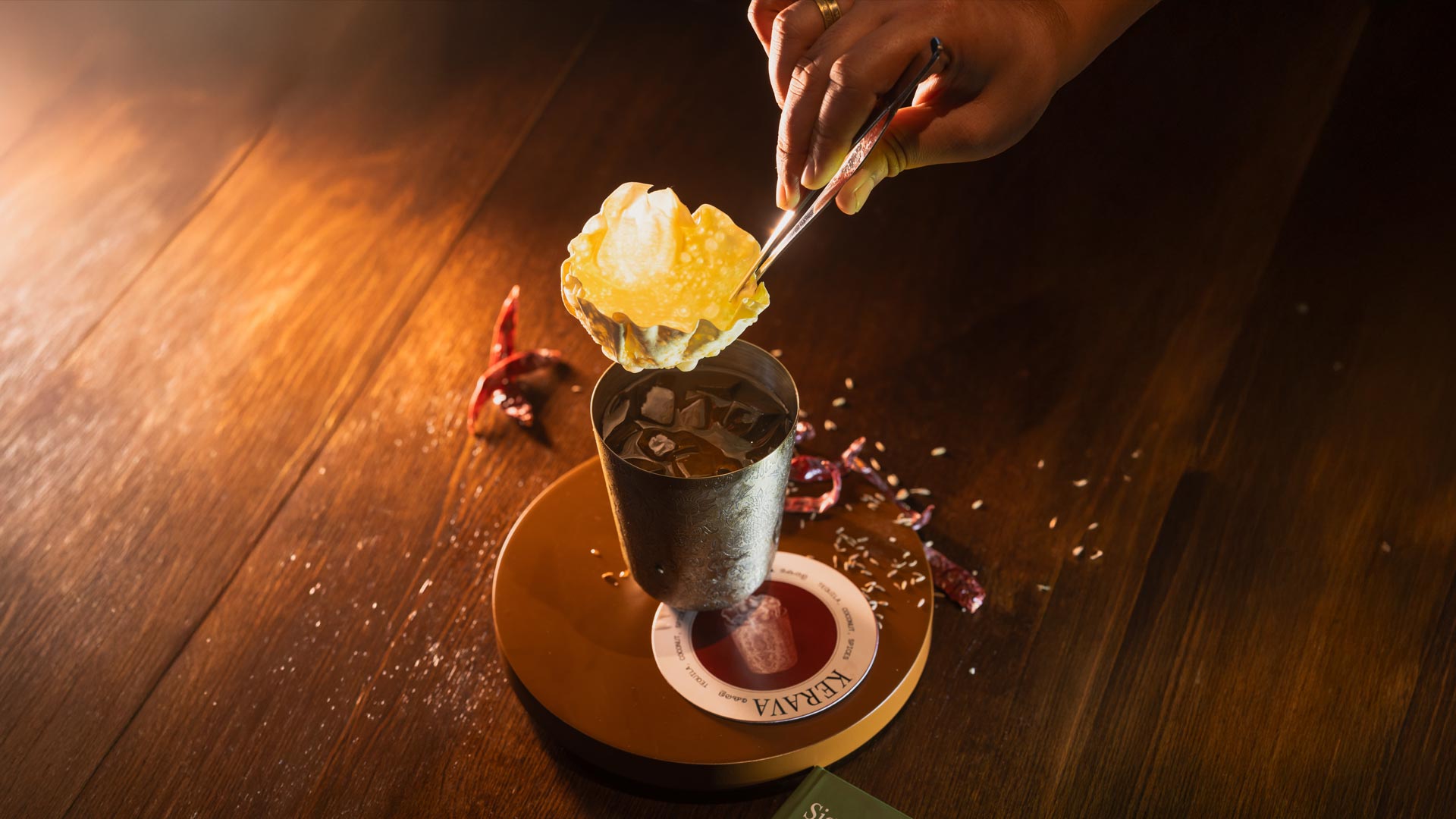
Chef Vendant Newatia’s cocktail program at Atelier V in Indore is globally inspired and thoughtfully crafted.
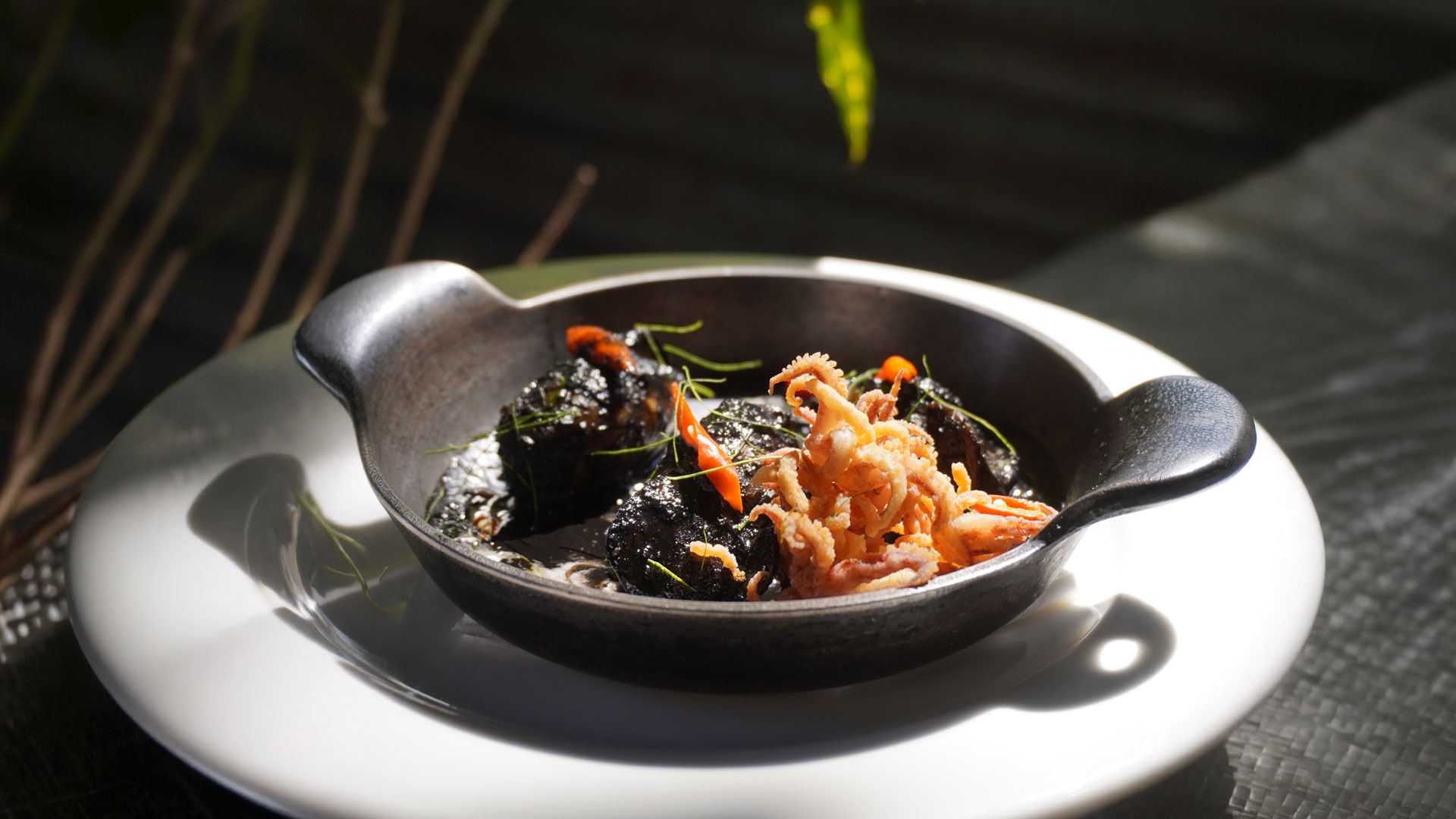
The Table serves a globally inspired cuisine drawing influences from American, French, Italian, Japanese, Thai, and more. Featured here is Stuffed Baby Squids braised in their own ink.
Jay distills measured growth: “Understand your limits, strengths, and team. Many restaurateurs expand fast after one success. We realised Mumbai had enough opportunity to grow thoughtfully. The Table was our flagship. Every project after it becomes easier because the foundations are solid.”
Regi, too, endorses a measured approach: “Expansions aren’t rapid. I give each restaurant a minimum of two years to settle. Our system is a team that creates the magic, not a single person. We train constantly. Each restaurant must be set before the next opens.”
Chef Avinash balances geography and creativity. “Cavatina has been around 14 years. It became easy and predictable. I wanted to take Cavatina’s food outside Goa, not by opening in five states, but by travelling with it. Then I needed a new creative stimulus. That’s how Janôt was born, where we are cuisine agnostic and ingredient-focused.”
Rakshay stresses early standardisation: playbooks, recipes, service SOPs, training modules, and a leadership bench that translates brand voice. “A central QA + R&D cell audits new openings. Balancing local adaptation with brand fidelity is key. We test locally, document everything, and only roll out what preserves the brand’s emotional trademark.”
Chirag adds another layer: standardisation across regions. “By 2020, we had opened six outlets in four zones with the same menu and almost the same pricing. People from different backgrounds enjoyed the same food. That gave us confidence to go pan-India.” Post-Covid-19 funding enabled five more outlets in 2023. “No two look the same.”
Dhaval summarises the discipline of scaling: “Scaling is more complex than creating. Hire people better than you, document everything—recipes, rituals, behaviours, decisions. Design kitchens for efficiency and not ego. Build culture and not hierarchy. Protect quality even if it slows growth. Before opening anything, I ask: ‘Can this restaurant taste, feel, and sound identical when I’m not there?’ If not, we’re not ready.”
An old industry adage captures the learning curve: opening one restaurant is hard, the second nearly impossible, the third extremely hard, but the fourth easier. “If you scale with systems and pure passion, expansion becomes natural,” says Zorawar Kalra. “Without processes, you can lose your shirt. Build a team with redundancy so that so openings as far apart as Bhubaneswar or Kolkata don’t falter and you can leverage the existing team. Expansion without preparation is risky, but with preparation, it’s natural.”
Yet some resist replication. Chef Manu Chandra, who has scaled multiple brands before, adds a dissenting voice: “Some restaurants aren’t meant to be cloned. I could scale with teams and structure, but that would be a different brand. There are things you scale, and things you choose not to.”
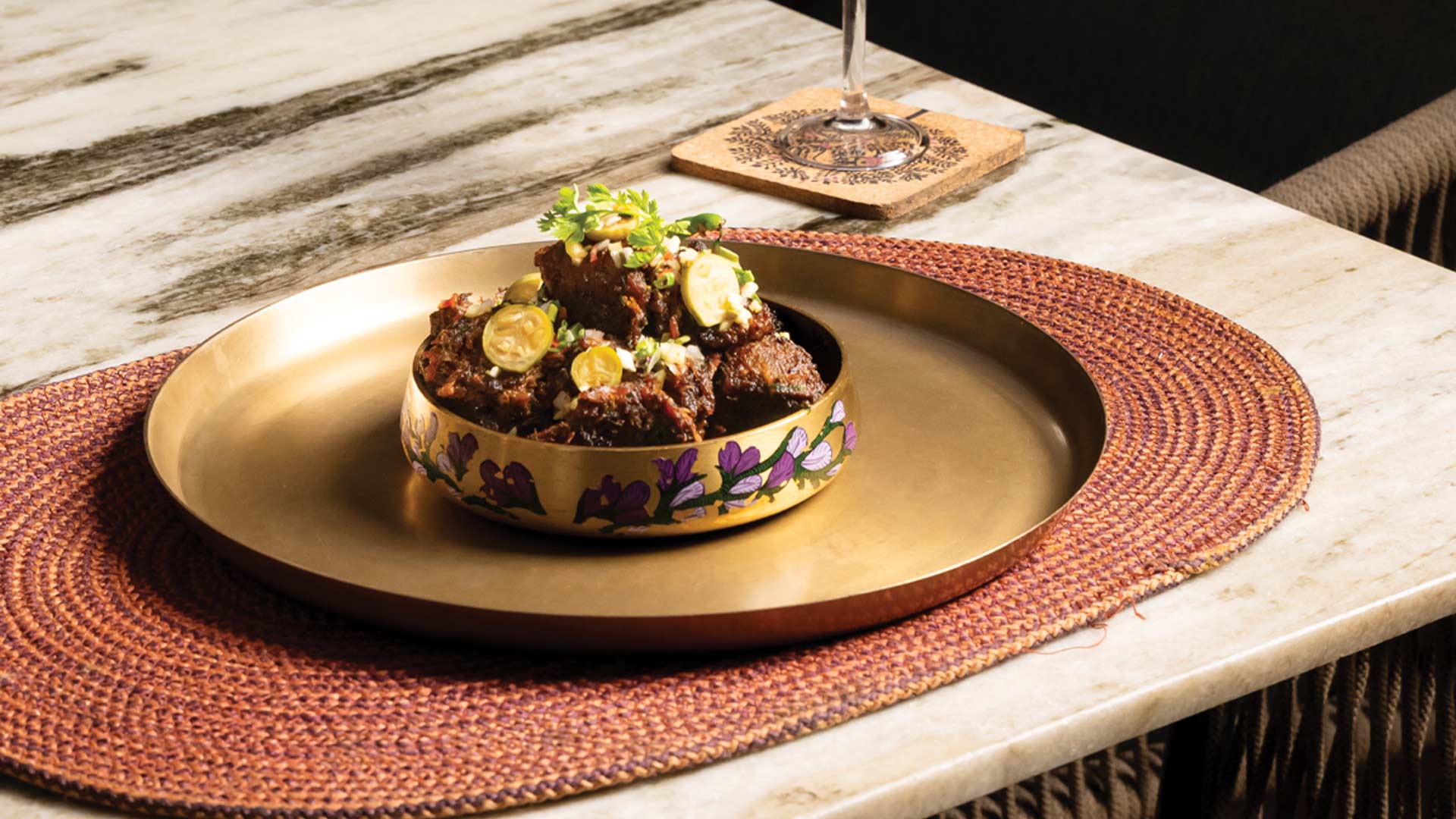
the menu at Jamun Goa marries Goan regional fare with pan-Indian cuisine.
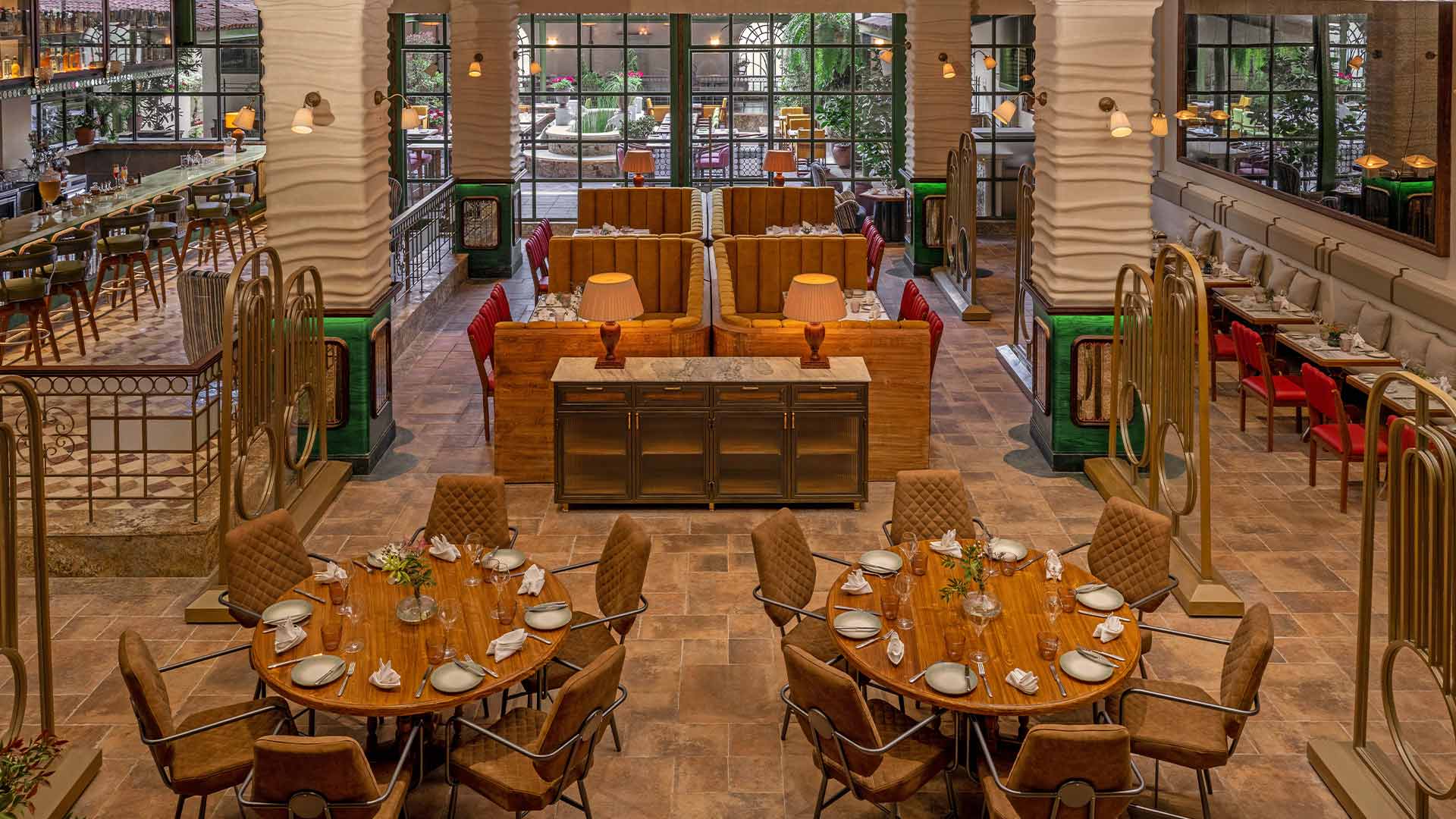
Chef Manu Chandra’s Lupa looks like a villa set in Tuscany, with custom curved terracotta roof tiles and stone finishes.
The Promise of Tier 2
Tier 2 India is no longer the quiet, cautious frontier it once was. It hums with aspiration, disposable income, curiosity, and the confidence of cities beginning to see themselves as the country’s next cultural engines. How restaurateurs navigate this landscape, however, is a story of opportunity, restraint, and long-term thinking.
AD has watched this shift with optimism and precision. “For the last three or four years, the industry, including investors, have been very excited about Tier 2 and even Tier 3 cities,” he says. “There is an increasing economic strength, a desire for better experiences. They are very aspirational.” Olive has opened in Ludhiana, Chandigarh, and now Kolkata, which though a metro, has been slow on the uptake. But AD is clear-eyed about the ceiling: “Those markets have grown, yes. But the numbers are still limited. The right kind of consumer for good brands is smaller than in metros. Olive draws customers, but the overall market size isn’t huge. As more brands rush in, there will be a new equilibrium. It’s worth entering, but you must be prudent in size and positioning.”
Aditi, who has built Urban Gourmet with meticulous discipline, echoes this measured approach. “Tier 2 cities are full of energy. People are curious, well-informed, excited about new experiences,” she says. “But expansion has to be thoughtful. Can we source well? Train teams locally? Maintain our standards? Those questions matter more than market size.” TwentySeven Bakehouse, she insists, will scale, but only once all processes meet her standards, starting in Mumbai.
Patience is doctrine at Hunger Inc. Sameer calls it a “walk before we run” philosophy. “Bombay Sweet Shop will go to other cities, but we’ve focused on scaling within Mumbai by deepening our playbook, building manufacturing and production capabilities. It’s easy to find real estate and open a store. Delivering a consistent experience day after day takes time.” Yash adds, “People ask why we’re slow. But we believe in slowing down and not speeding up. Wait for the right moment, keep practicing and building.”
Burma Burma has been more adventurous, a sign of how fast the landscape is shifting. “We open in Chandigarh in mid-December this year,” says Chirag. “There are 10–12 more cities on our radar over the next three years. As metros become world cities, Tier 2 cities are becoming the new metros.” Large, organised malls in Ahmedabad, Raipur, Surat, Lucknow, and Bhubaneswar, once impossible, are now the norm. “In the next three to five years, nine cities will hit double-digit mall counts. Demand is rising so fast, you can open in 10–15 cities easily.”
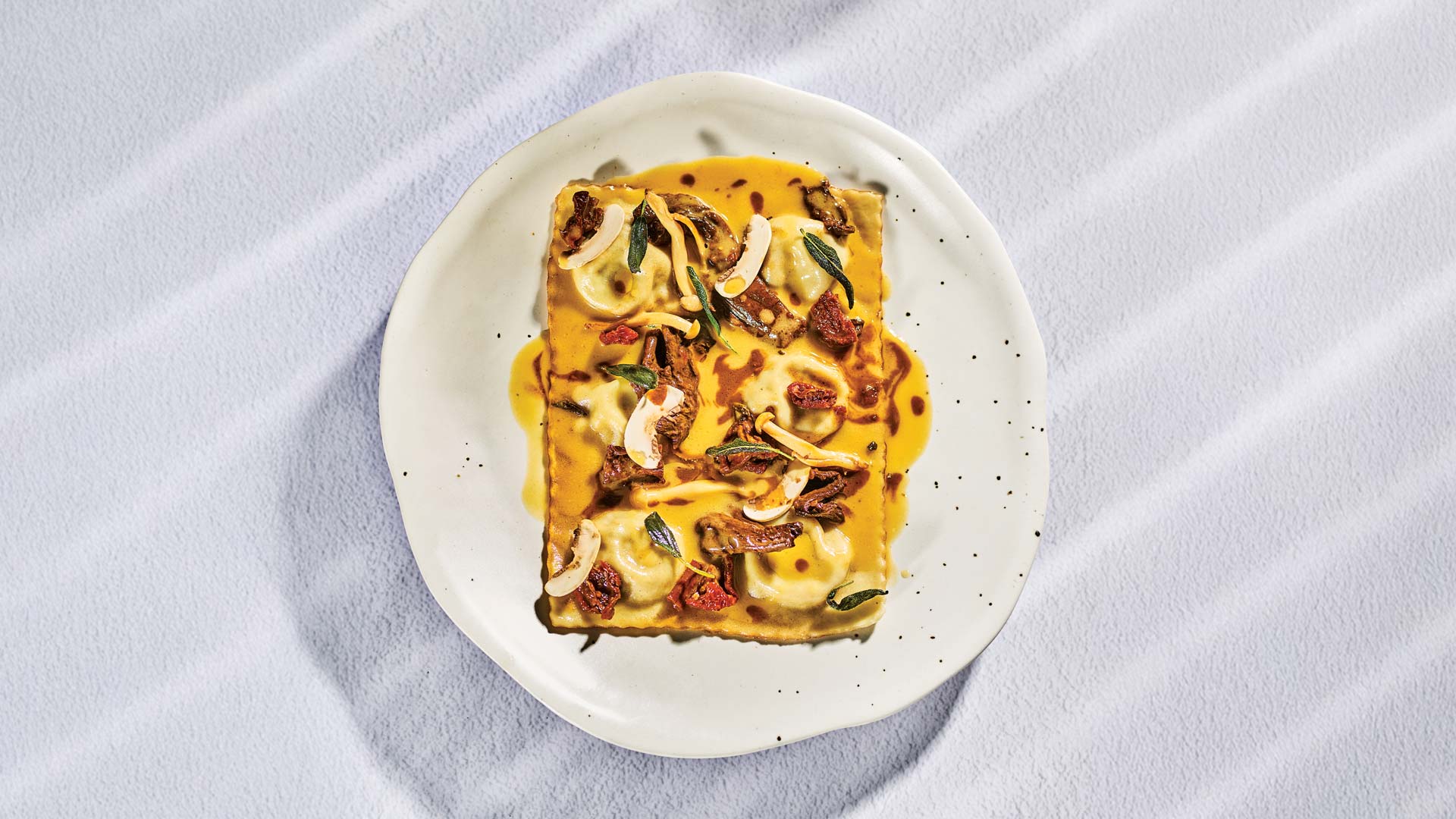
The classic Mushroom Ravioli has been on the Olive Bar & Kitchen menu for years and is considered a staple.
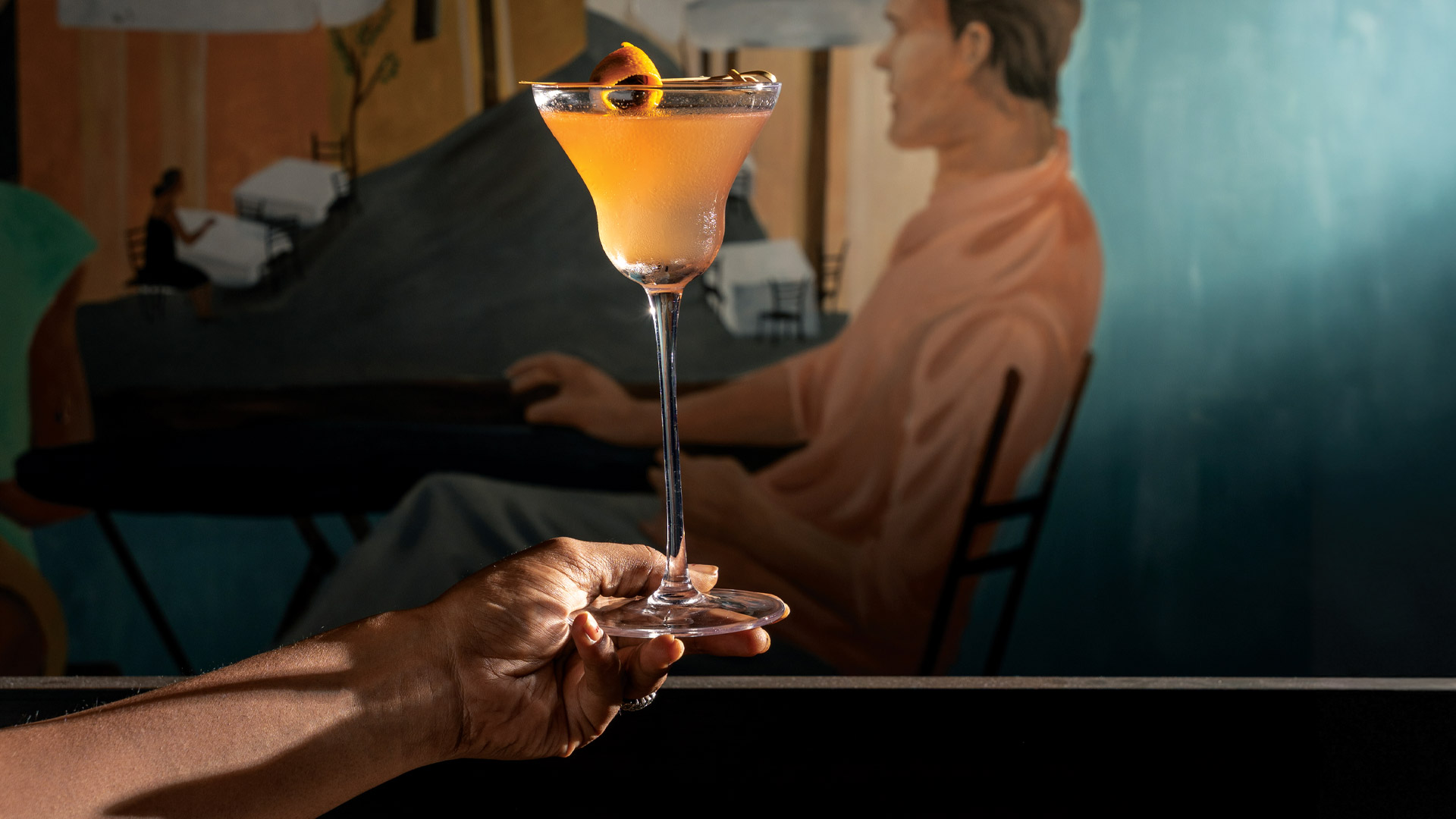
Chef Ralph Prazeres ensures his cocktail menu at Praça Prazeres is as experimental as the European cuisine he serves.
Yet not every cuisine can ride the same wave. Chef Lakhan, whose Mizu Izakaya serves specific Japanese flavours, is cautious. “Tier 2 expansion is a bit scary,” he admits. Pop-ups, he believes, are essential tests. “Japanese culture is booming across India but are all Tier 2 cities ready for Mizu? The palate exists, but the crowd is smaller. A Japanese restaurant with a more local approach, such as spicier sushi, and adapted flavours, could work. But an exact Mizu experience? Tier 2 may not be ready yet.”
Some see the next frontier abroad. Rakshay notes global cities are hungry for Indian storytelling. “A thoughtful overseas step makes sense where there’s appetite for Indian narratives or premium cocktail culture in cities such as London, Dubai, and Singapore. Partner-first, modest scale and clear localisation is our aim,” he says. For now, his focus is pan-India growth and building his agave spirits platform.
Zorawar Kalra overturns assumptions about Tier 2 depth. “Some of our best-performing outlets are in Tier 2: Chandigarh, Goa, and Indore. I used to think width was limited and depth shallow in Tier 2 cities. Now both are immense.” Farzi Café in Goa, he notes, isn’t affected by seasonality anymore. Cities such as Lucknow, Raipur, Bhopal, and Indore can sustain multiple outposts. “The clientele is strong, occupancy costs lower. Food and manpower costs are similar to metros, but rentals are far more sensible.”
The unifying thread across these voices is clear: Tier 2 India is a promise, not a shortcut. The opportunity is real and ambition is rising. But longevity, they insist, depends not on expansion alone, but on discipline, timing, and a meditative clarity of purpose.
What begins as instinct—a flavour, a memory, a spark—becomes an institution in the hands of India’s most resilient restaurateurs, though they may not like the world ‘institution’. Brands endure not because they shout the loudest, but because they stay the course the longest. In a world obsessed with ‘the next new,’ they win by returning, again and again, to what truly matters: people, purpose, consistency, and the courage to care—relentlessly, unfashionably—about the work.
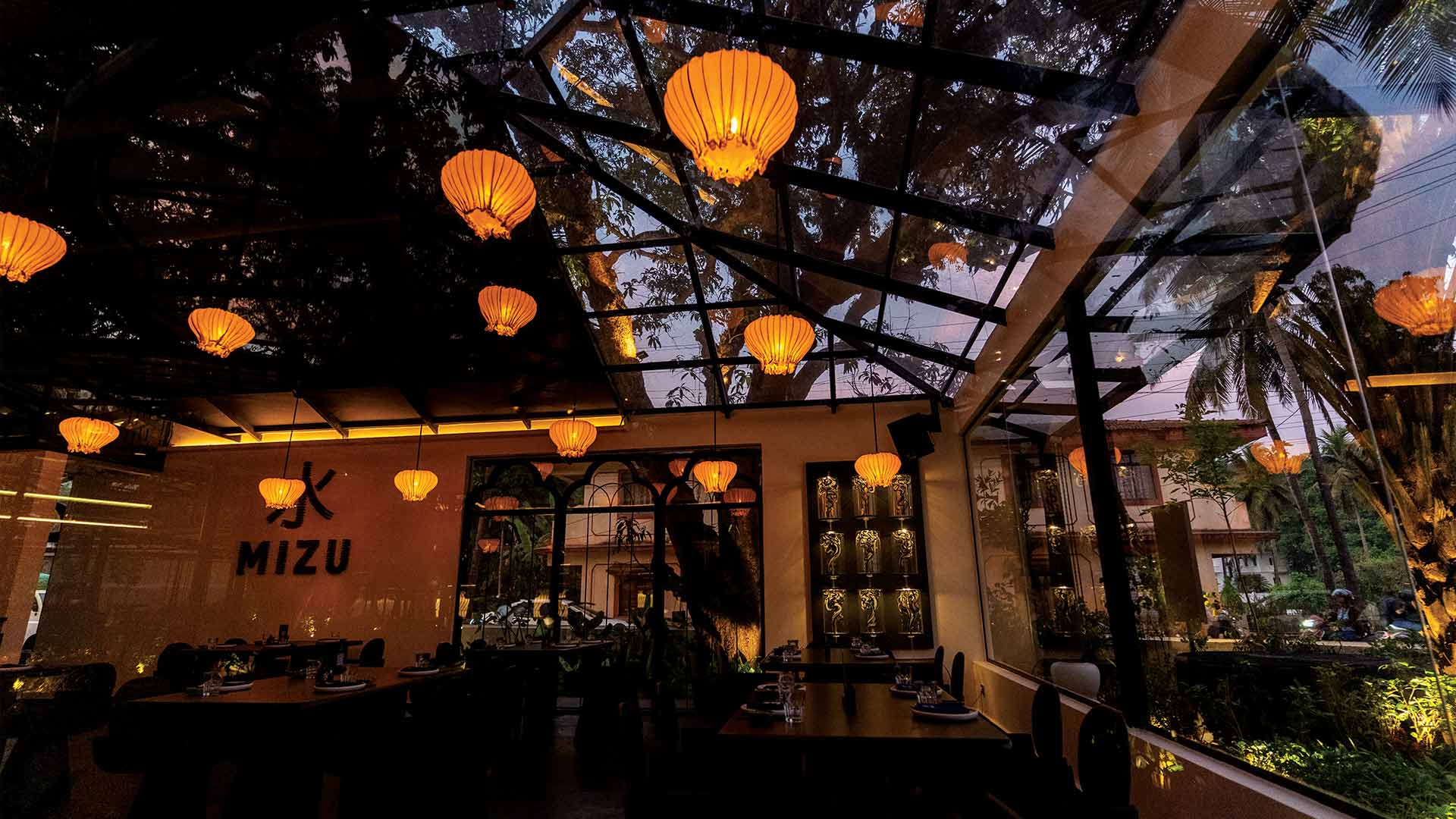
Mizu Izakaya brought the Japanese izakaya to Mumbai, a lively, casual dining style built around small plates, shared dishes and craft cocktails.
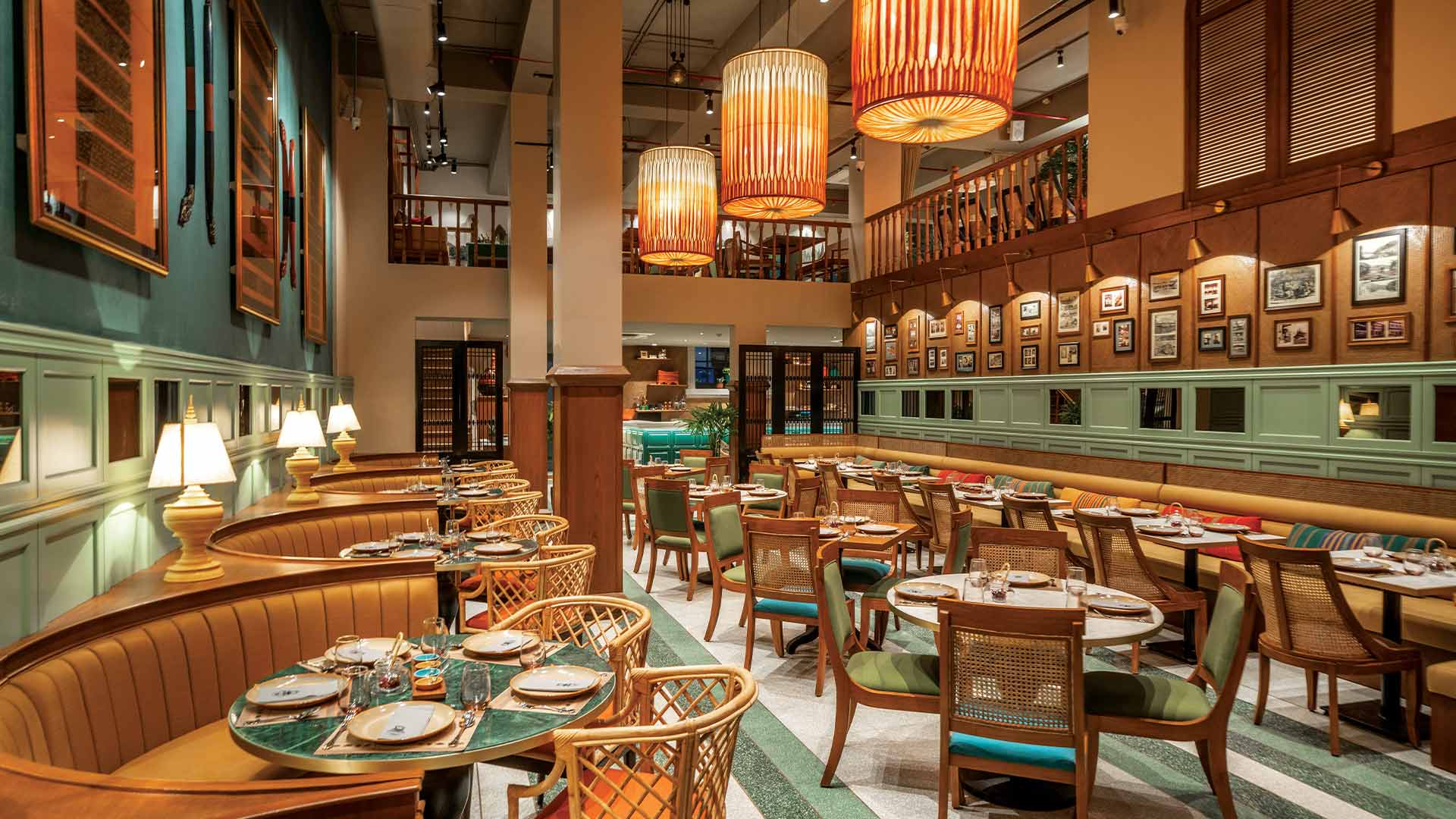
Burma Burma’s Kolkata outlet at The Park Street, the OG restaurant strip in the city, features a long tea bar offering more than 30 teas.