
















The 1863 House That Became a Restaurant
Within a restored 1863 Circuit House that is now The Governor House, Amritsar, colonial design pairs with regional Indian cuisine and cocktails.

By Ruth Dsouza Prabhu
In Amritsar, hospitality often unfolds at scale. Rooftop lounges, sprawling dining halls, and nightlife-led venues dominate much of the city’s restaurant landscape. The Governor House by Elgin takes a very different route.
Set within the premises of Sarovar Premiere near Rialto Chowk, but tucked away enough to feel entirely separate from the hotel itself, the standalone restaurant has an aura of old-world grandeur as you approach it. The double door entry is flanked by stone lions and leads you into a colonial-era structure, where chandeliers glow against dark wooden furniture, brass accents, framed portraits, and carefully sourced artefacts. Stepping inside immediately alters the pace of the evening and shuts out the chaos of the city. It’s easy to think you have time-travelled into the colonial era.
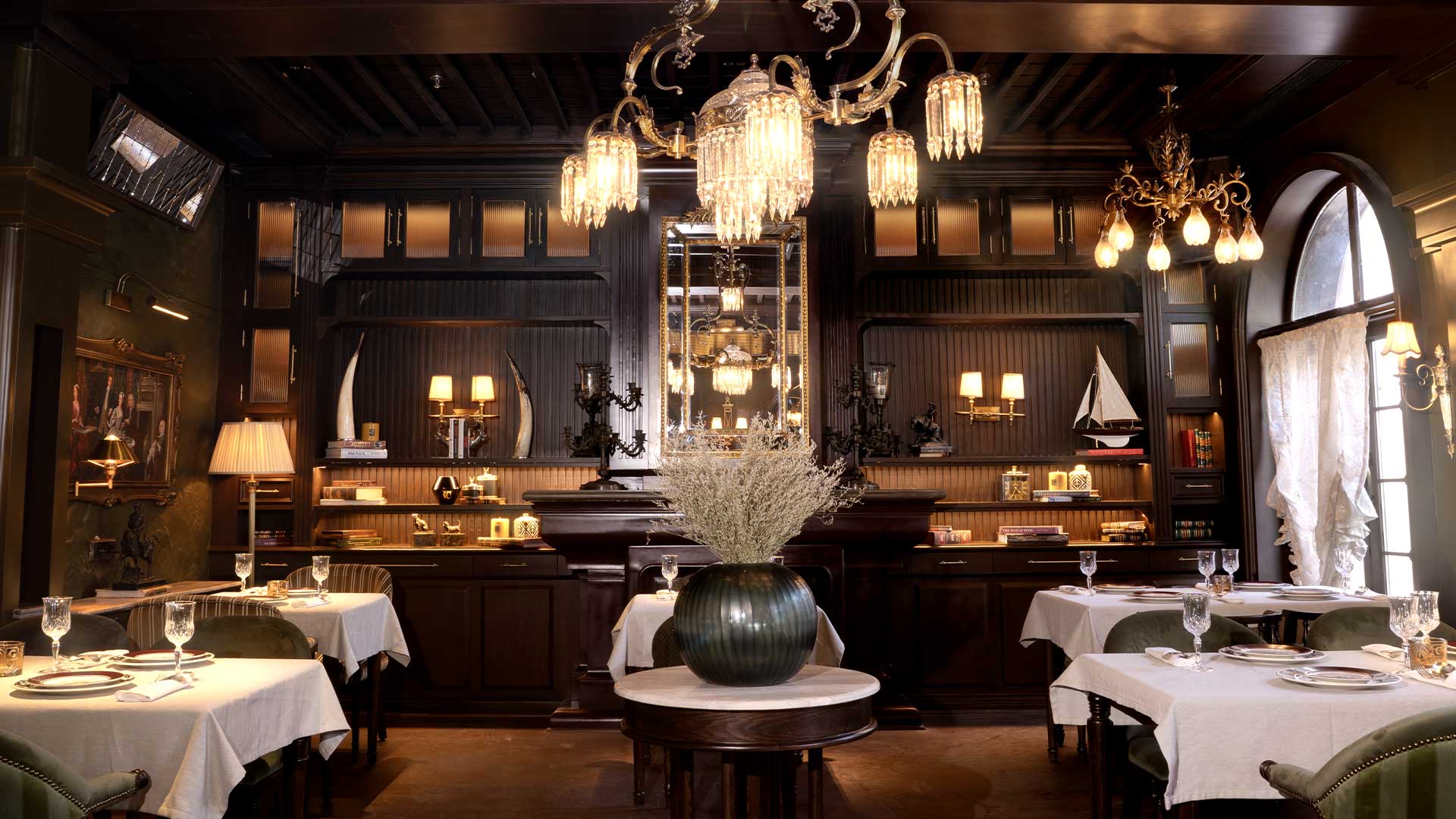
The Governor House moves away from the culinary and aesthetic norms set in Amritsar.
Searching for an Old House
The Governor House is the latest project from Kavish and Shruti Khurana, Managing Directors, Elgin Hospitality, whose portfolio already includes Elgin Hall in Dalhousie, along with Lord Elgin Bar and Elgin Café in Amritsar. But unlike their earlier ventures, the idea began with a search for the right property in Amritsar.
“We were looking for a heritage space for a long time, but you don’t really find many here,” says Kavish. “Our search eventually led us to the former Government Circuit House, a colonial-era building dating back to 1863. The first conversations around the property did not immediately materialise. We were initially offered a rooftop space within the hotel premises instead, something we turned down immediately. I wanted the Circuit House,” explains Kavish.
At one point, the couple had even moved ahead with another heritage property near the Golden Temple before discussions around the Circuit House reopened. When the opportunity finally came through, the decision was instant.
Part of that conviction came from what the Khuranas felt Amritsar was missing. Cities such as Jaipur and Goa have long transformed old residences and colonial homes into atmospheric cafés and restaurants, but Amritsar has very few restored spaces of this nature. The Governor House was conceived not as a nightlife venue but more as a place where architecture, mood, and hospitality could shape the dining experience together.
“There was too much of the same thing happening everywhere,” says Kavish. “Hip-hop music, club culture, everyone doing the same food. We wanted Indian cuisine in an old heritage space.”

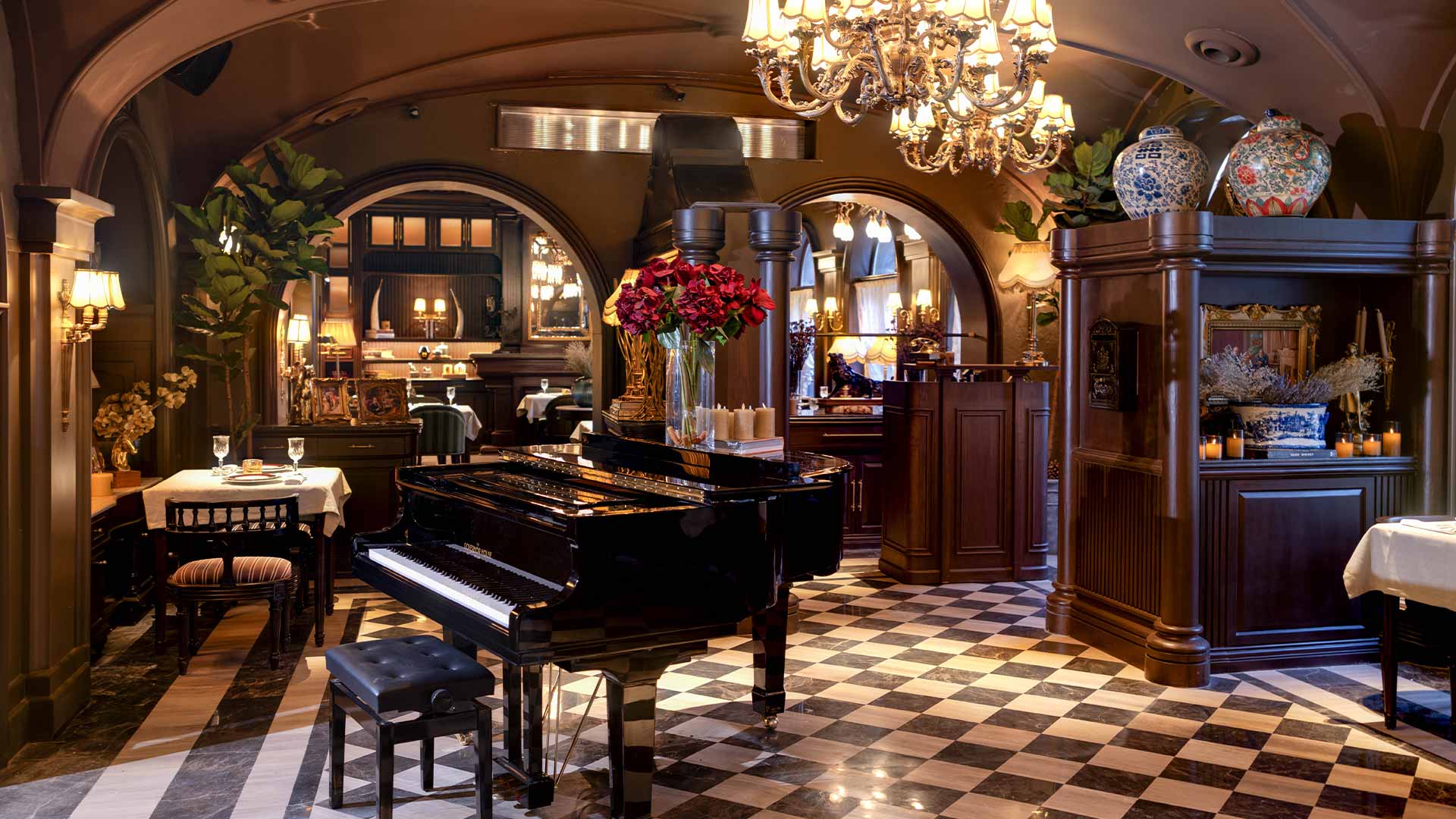
A grand piano placed at the centre of the restaurant adds to the colonial setting.
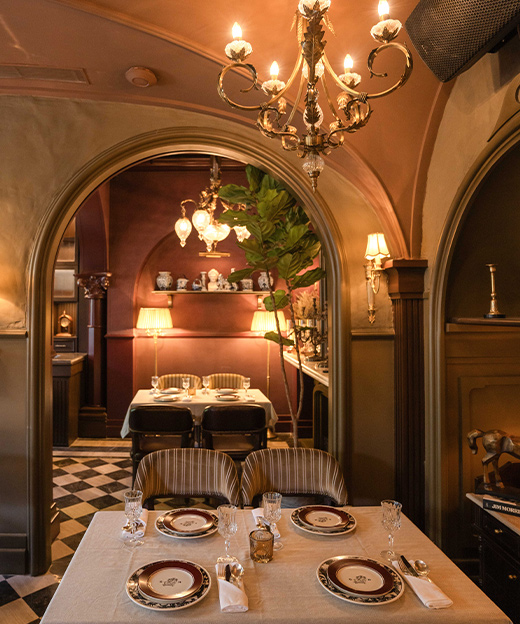
The Drawing Room is the first space you enter at The Governor House.
Restoring the circuit house
The restoration itself was deliberately restrained. The original arches, proportions, and structural framework of the house were preserved, while the interiors were rebuilt entirely around them. What once stood as a worn-down whitewashed structure gradually transformed into a colonial dining space filled with wooden panelling, antique-inspired furniture, mood lighting, chandeliers, and collected artefacts.
Designed by Sanchit Arora, Studio Head Architect at Renesa, New Delhi, the project leaned heavily into the realities of the original building. Thick heritage walls restricted structural interventions, while the old layout shaped how rooms, passages, and dining spaces eventually evolved. Planning alone took several months before execution even began.
Ceiling heights were restored rather than concealed, with parts of the house retaining heights of nearly 30 feet. The original arches were left untouched, while newer interventions—wooden panelling, flooring, lighting, and furniture—were layered carefully into the existing shell.
The result is a restaurant that feels residential rather than overtly commercial. Much of that comes from how intentionally fragmented the layout remains. Instead of maximising covers, the house retains a series of differently scaled rooms, including private dining spaces, creating a rhythm that feels closer to moving through an old residence than a restaurant.
The Drawing Room sits beneath arches and mirrors with a quiet formality. The Reading Room softens into a more inward-looking space, while the Assembly Hall opens dramatically with soaring ceiling heights that reach close to 30 feet in parts of the property. The Council Chamber feels enclosed and deliberate, almost like a preserved meeting room within the house. The interiors also avoid uniformity. Different colour palettes, varying room proportions, eclectic furniture selections, and shifts in lighting subtly alter the mood from one space to the next.
“There were a lot of questions initially because people here are used to seeing one large restaurant space,” says Kavish. “But we wanted smaller rooms. People like having spaces to themselves now.”

Kavish and Shruti Khurana, Managing Directors, Elgin Hospitality.
The Private Quarters
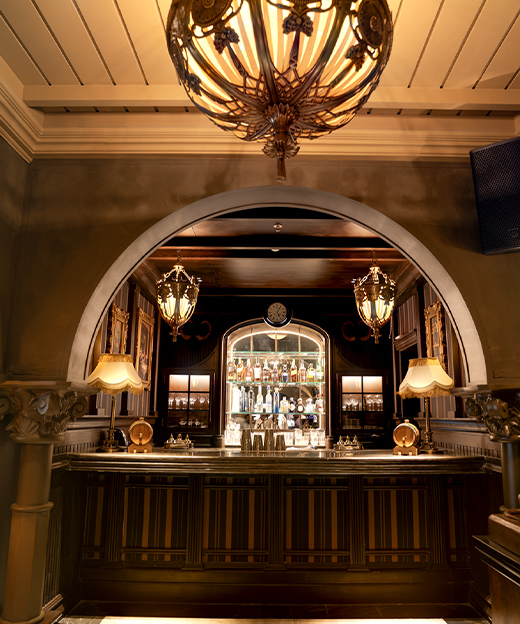
That idea extends into the Private Quarters, the restaurant’s whisky- and cognac-led bar space. Inspired loosely by the mood of a speakeasy, the room was conceived as a ‘brown bar’ centred around whiskies, cognacs, and cigars rather than a conventional cocktail-led nightlife space. The room bears an atmospheric setting with heavy drapery, darker corners, cigars, brown spirits, and intimate seating that gives it a slower, lounge-like energy.
The cocktail programme has been structured almost like the rooms themselves, moving between lighter, brighter drinks and deeper spirit-forward serves. The Governor’s Paloma layers watermelon, chilli, and citrus into a sharp highball with both freshness and heat, while the Kinnow Grove moves toward something more nostalgic through citrus and raw ginger kvass. From the savoury section, Pickle Garden stands out for its raw mango and cucumber brine sharpness, while I Say Pizza brings tomato basil soda and parmesan air into a vodka highball that feels playful without becoming gimmicky.
The deeper spirit-led drinks are among the strongest on the menu. Barley No.1 combines toasted barley bourbon with melon and citrus notes into something warm and rounded, while The Red Ledger balances rum with house bell pepper cherry kombucha for a gentler funk and spice profile. Rice and Shine leans more contemplative, built around toasted rice brandy, waste wine, and pineapple shrub bitters.
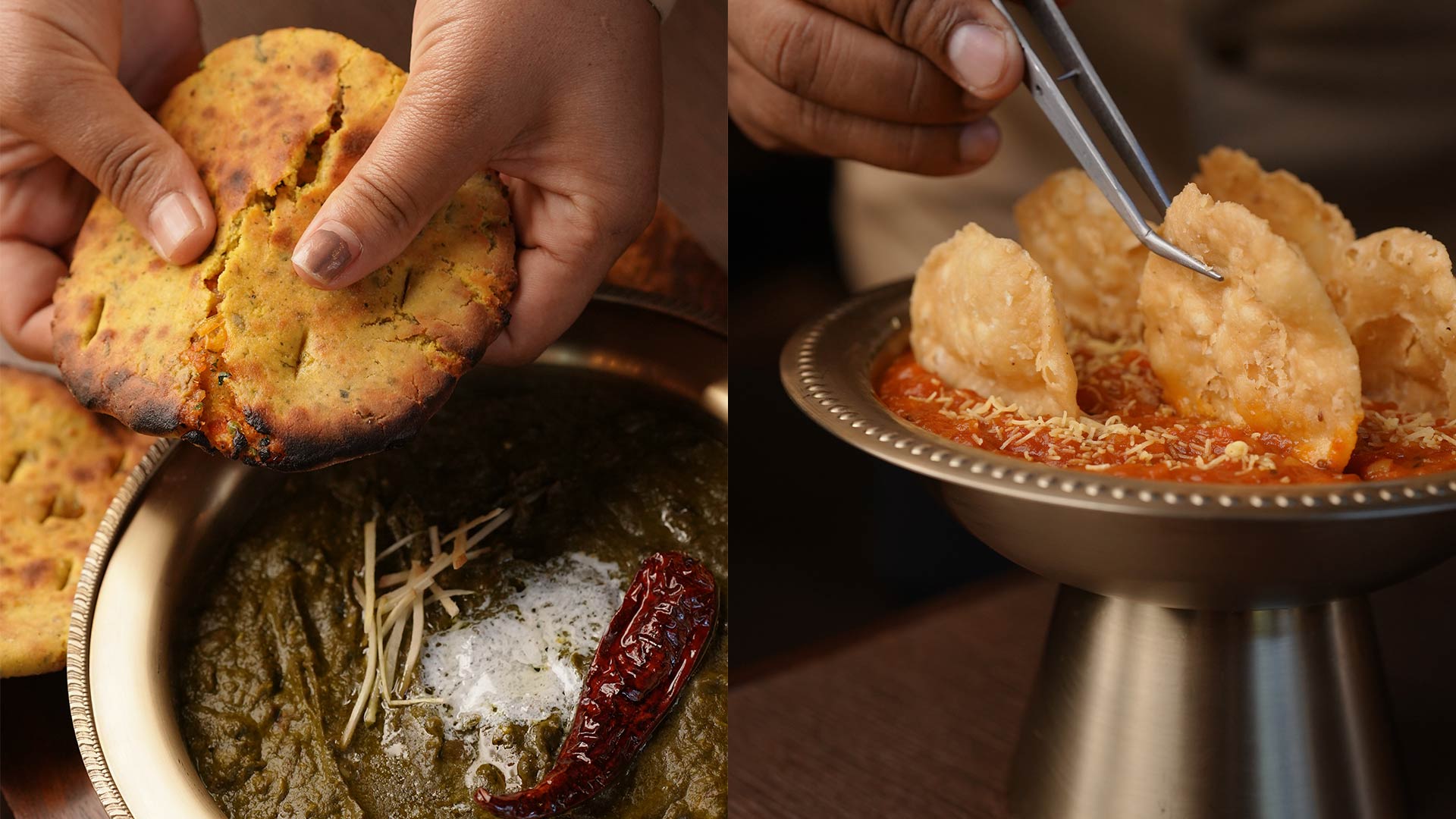
The food roots itself in Indian history and is a mix of Punjab, frontier and colonial cuisines coming together.
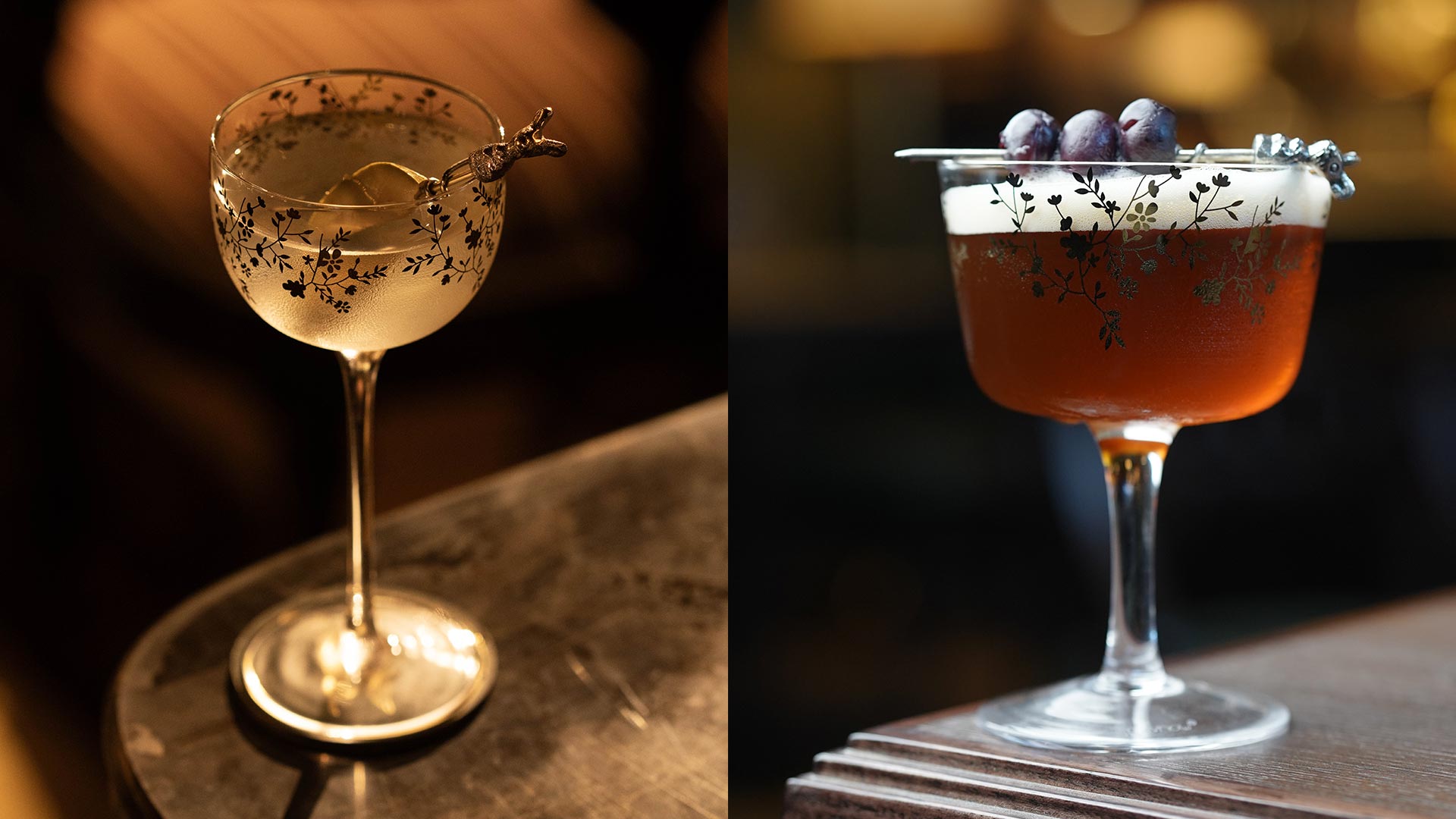
The Pickle Garden gets its flavour from raw mango and cucumber brine. The Garden After Dark, as pretty as it is potent.
Indian cuisine through movement
Leading the kitchen is consultant chef Anuj Wadhawan, whose menu follows the same larger philosophy as the house itself: rooted in Indian history and movement rather than trend-driven dining. The food traces influences that travelled through Punjab over time, from frontier cooking and colonial intersections to coastal and diasporic flavours.
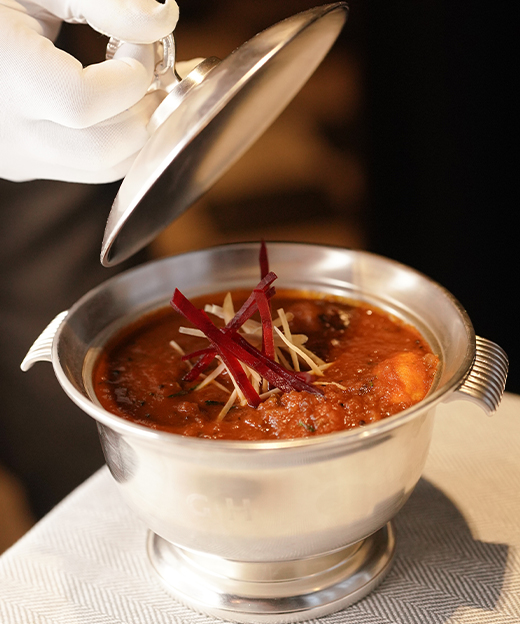
Small plates like the Truffle Bhel Puri, Tamatar Ki Chaat, Beetroot Chop, and Edamame & Gulkand Ki Tikki reinterpret familiar formats without overcomplicating them, while dishes like the Bombay Duck Goli and Prawn Cossimbri bring in sharper coastal influences. The Butter Chicken and Dal Makhani stay closer to familiarity but with greater restraint and balance, while the Country Captain Chicken Curry and Durban Potato Curry trace older colonial and diasporic influences through spice and technique. Modern breads such as the Thai Red Chilli Parantha, Black Garlic Naan, and Cheese Jalapeño Naan continue that balance between familiarity and experimentation.
What The Governor House ultimately gets right is coherence. The architecture, the food, and the bar programme all move toward the same atmosphere. Nothing here feels rushed or oversized. Instead, the restaurant builds its identity through intimacy, detail, and the sense that the house still carries traces of the life it once held.

Sanchit Arora, Studio Head Architect, Renesa.