











The woman building India's museum of the future
Collector, patron and institution-builder, Kiran Nadar has transformed Indian art over four decades. Her next act—a million-square-foot museum in Delhi—could redefine the country's cultural landscape.

By Deepali Nandwani
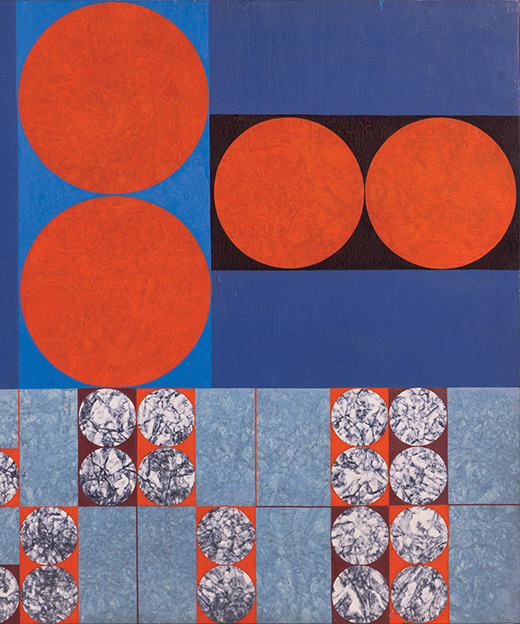
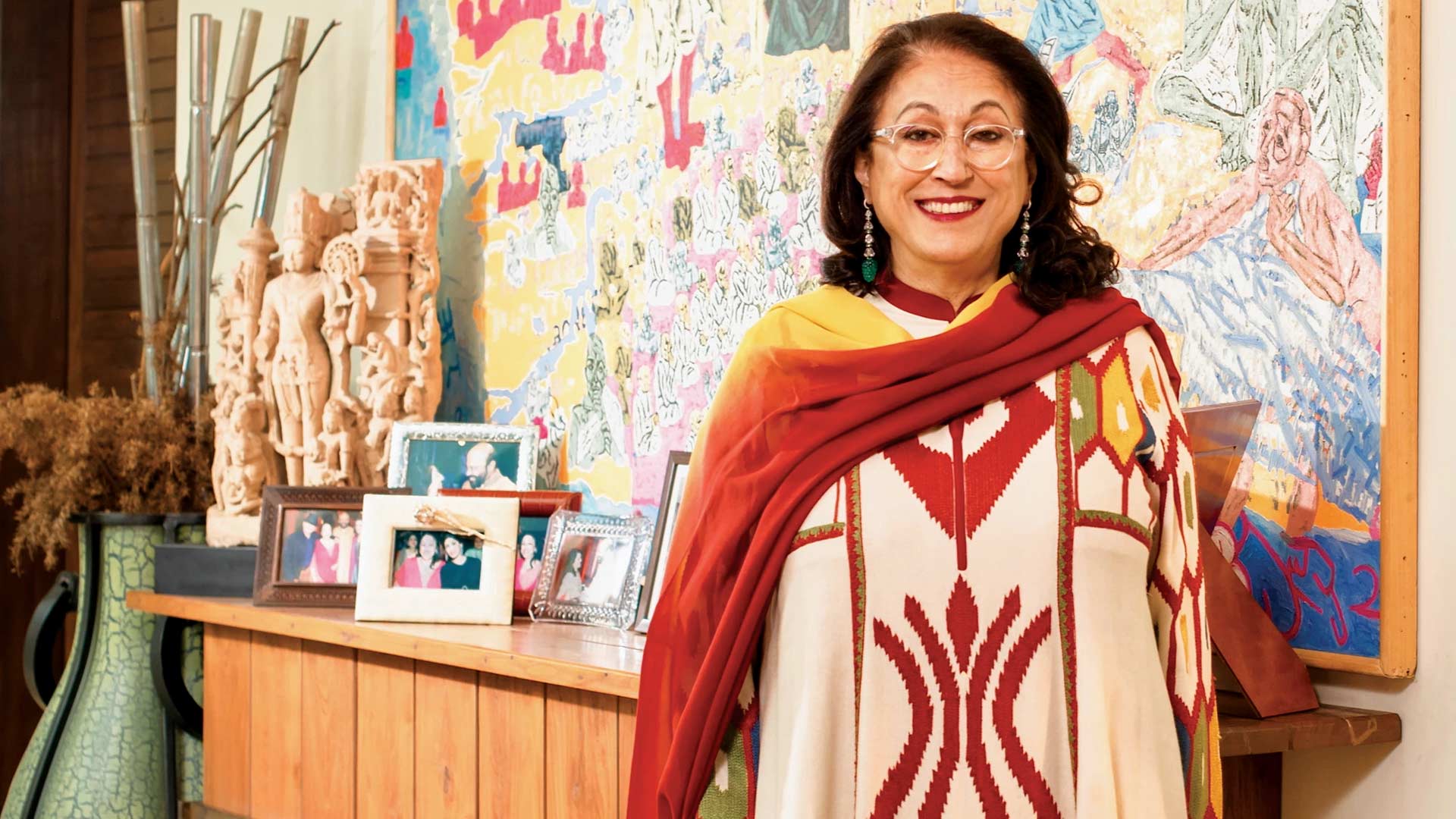
At the moment, Kiran Nadar is in the limelight for her museum, the Kiran Nadar Museum of Art (KNMA), and its London exhibition, The Meeting Ground, at Christie's King Street, mounted in collaboration with the art and auction behemoth Christie's as part of its summer programming. This is the first major institutional exhibition for India's largest and most eclectic private art museum.
Nadar assembled the largest private collection of South Asian modern art more or less the way she plays tournament bridge, patiently and to win. A colossal figure in the world of Indian art and museums, she has been collecting for over four decades, starting with Rameshwar Broota's Runners (1982), a bold, graphic male nude, and now holds more than 16,000 works, including sculptures and installations. She opened KNMA in 2010, India's first private museum dedicated to modern and contemporary art, and put much of her collection on display. Since its founding, KNMA has been committed to situating South Asian artistic practices within broader international conversations.
The Meeting Ground reflects the depth of her collection and the evolving role of KNMA as a multidisciplinary cultural institution. "Great art has no political borders," believes Nadar. “It has been appreciated globally from time immemorial. The region of South Asia is connected through a shared visual history and deep cultural resonances, and the exhibition presents these rich and complex conversations through an intergenerational mix of artists. The exhibition represents how we think about the museum and the possibilities within the collection, while also offering a slice of the museum's 15 years of exhibition history, which has evolved under the artistic direction of Roobina Karode.”
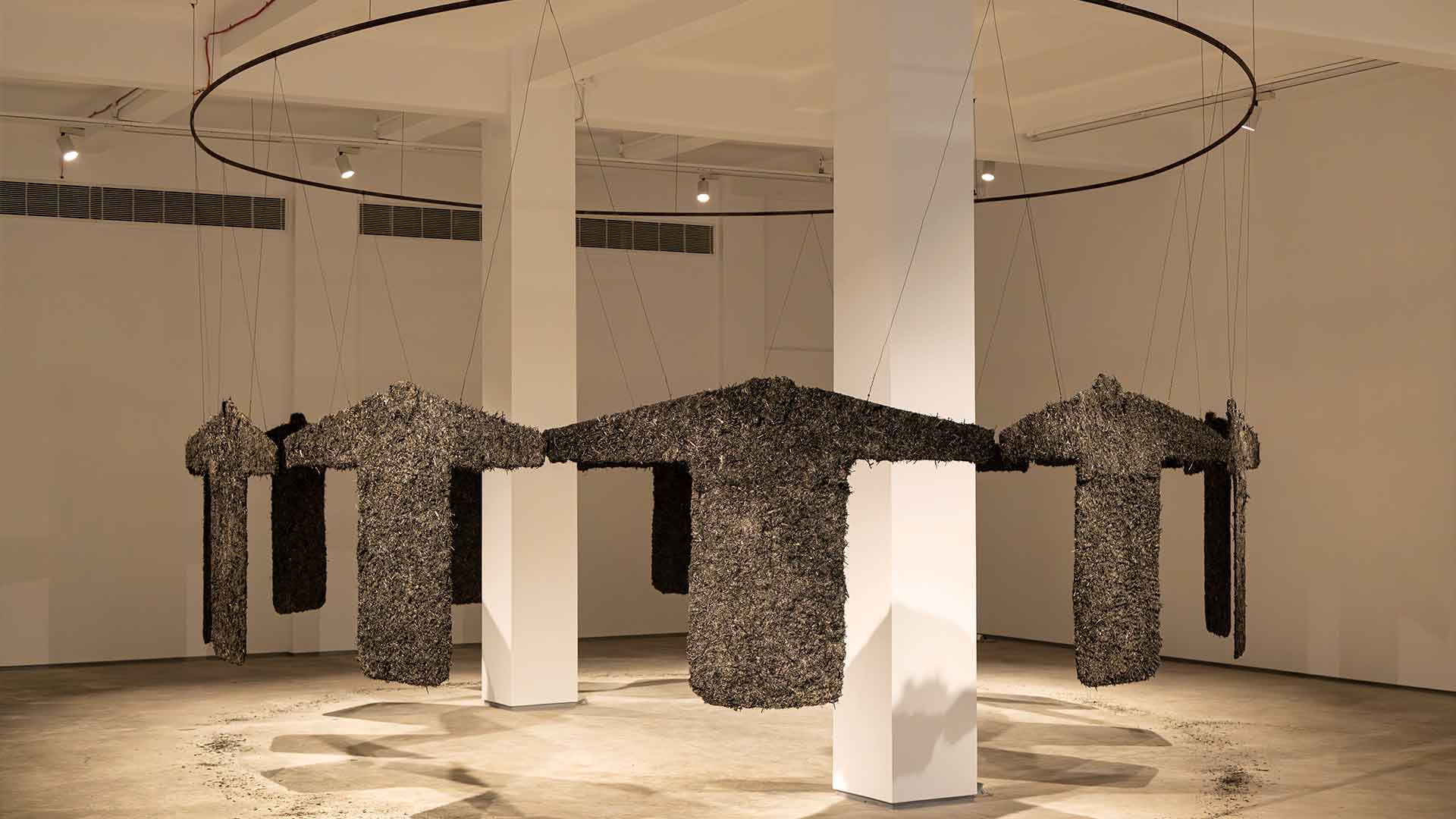
Kulpreet Singh's Indelible Black Marks uses ash from wooden stoves at farmer protest sites
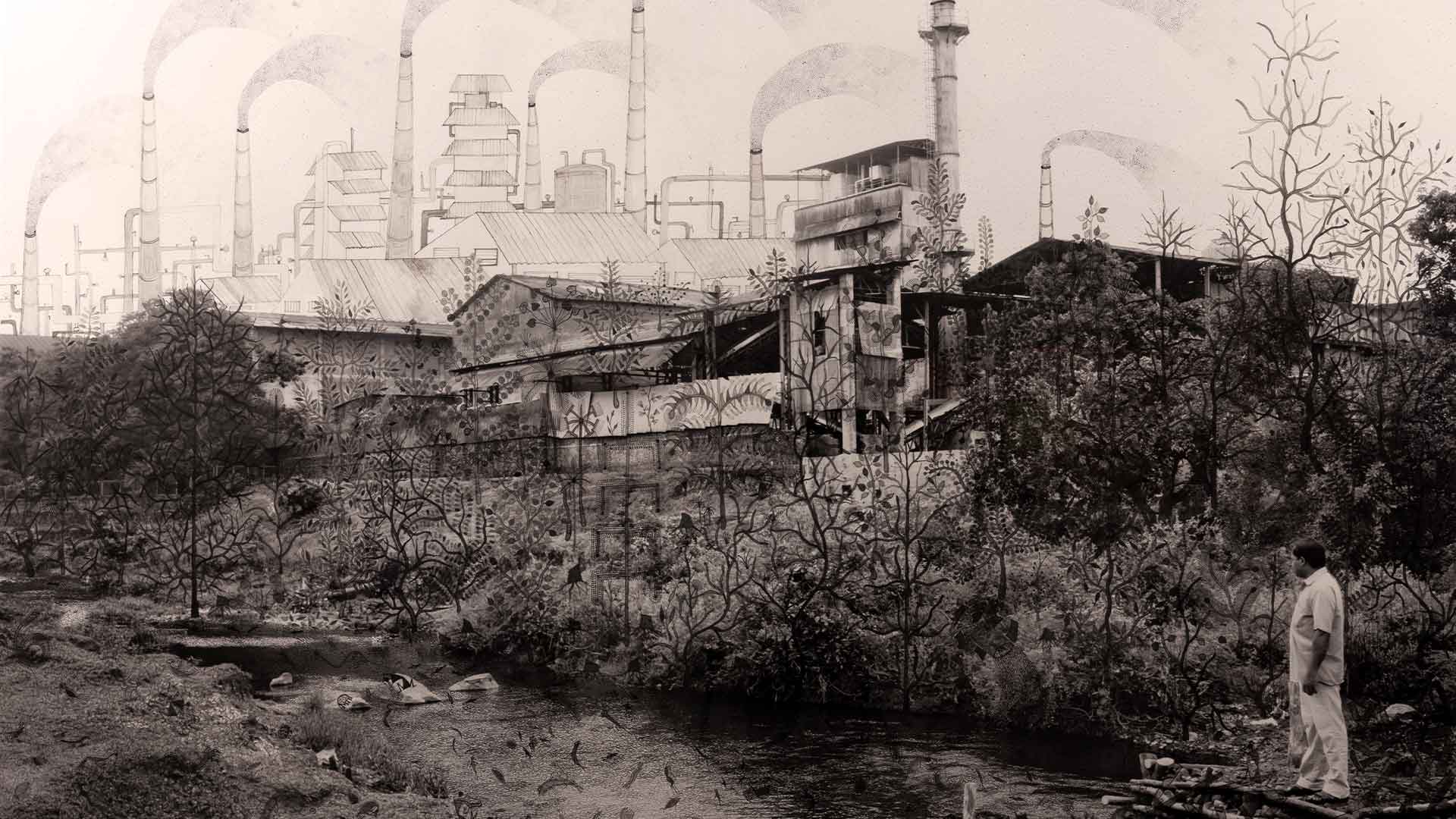
Gauri Gill and Rajesh C. Vangad’s Factory and River II.
Behind the scenes, however, Nadar and her team have been working tirelessly on a larger project, one that could change the way we experience art in India. A new Kiran Nadar Museum of Art is due to open in 2028, near Delhi's Indira Gandhi International Airport. Its pathbreaking design was unveiled at the 60th Venice Biennale. It will be "India's national modern and contemporary art museum, for all intents and purposes," Glenn Lowry, the director of New York's Museum of Modern Art, said at the unveiling.
The 100,000sq.mtrs. (one-million-square-foot) architectural marvel in New Delhi is envisioned as a dynamic cultural hub transcending boundaries and disciplines. "Our new home will feature 'Collection Galleries' dedicated to presenting the collection to the public." While the museum and the performing arts centre will be at its core, the new KNMA will span a variety of disciplines and formats. In addition to its 11 galleries, it will feature a rotating display of works, ranging from new video installations and 20th-century masterpieces to Nadar's never-before-seen collection of Indian miniature paintings. It will host conversations, art-fuelled salons and exhibitions.
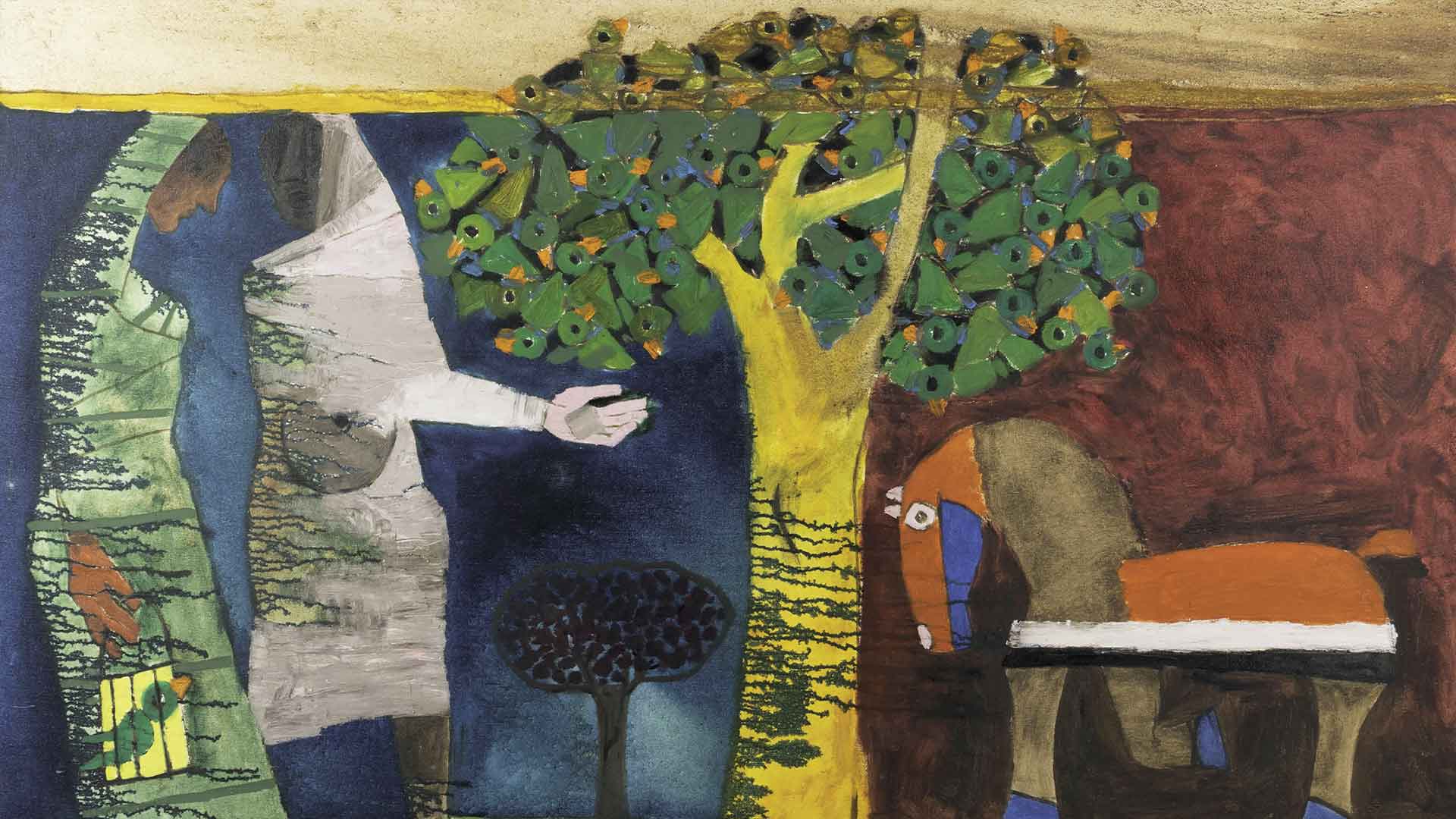
Birds in a tree is an oil on canvas by M.F. Husain.
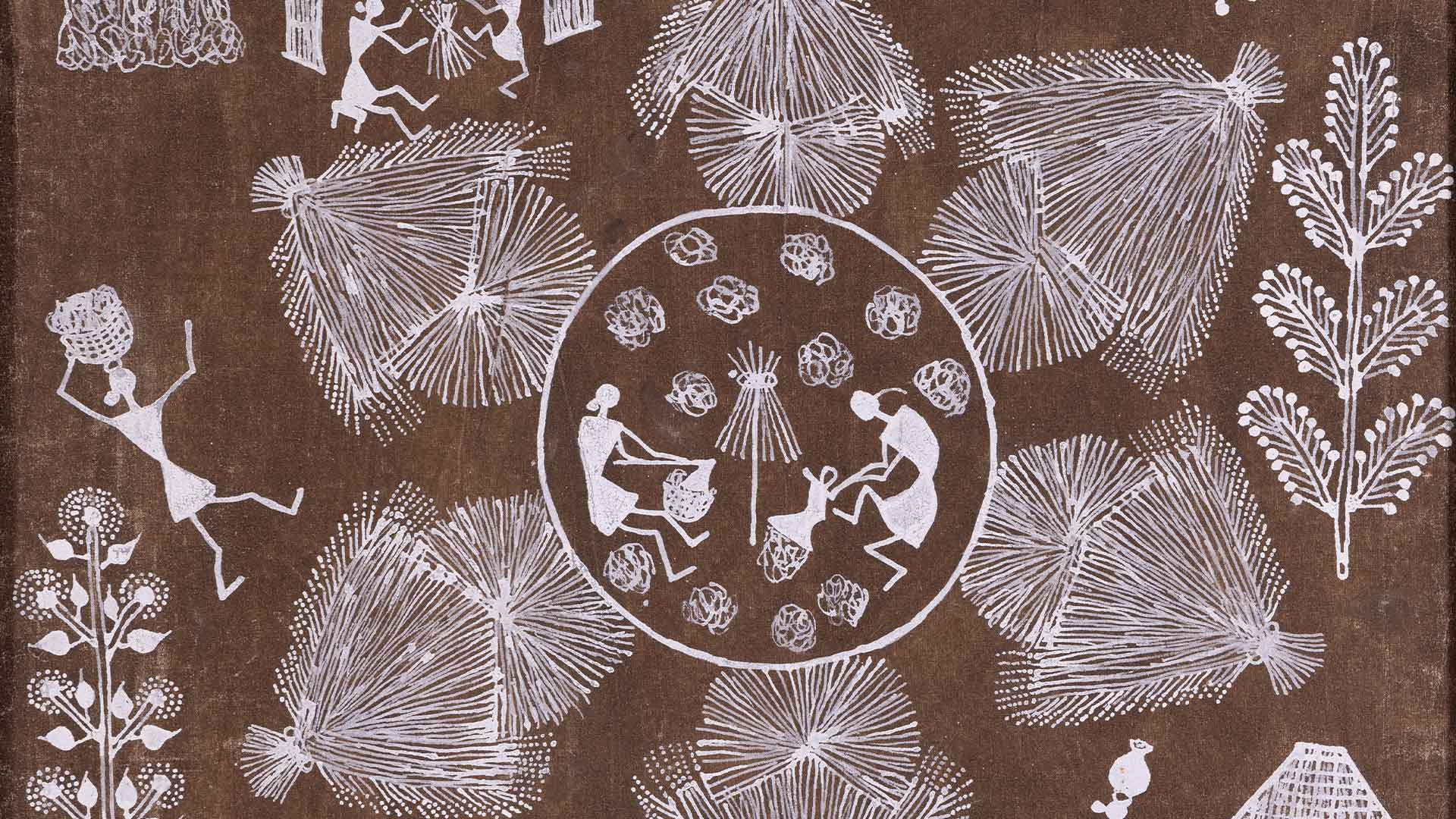
Jivya Soma Mashe’s untitled rice paste and cow dung on paper.
Designed by David Frank Adjaye, the Ghanaian-British architect behind Adjaye Associates, who has built many notable structures around the world, it will be, he says, his "most advanced museum concept to date", incorporating experimental technologies such as an "anti-dust repellent" added to the concrete mix to help protect the structure from Delhi's air pollution. The museum, as he envisages it, pays homage to centuries of India's architectural influences: the design of Hindu shrines, the geometry of Rajasthan's Mughal architecture, Edwin Lutyens's colonial-era Delhi, and the Modernist and Brutalist buildings of post-Independence India.
Known as the art world's patron saint, Nadar is also attempting to reach beyond India's borders to create platforms for South Asian art. KNMA is collaborating with the Samdani Art Foundation in Bangladesh to organise exhibitions between the two countries, and a recent group show at KNMA Saket, Pop South Asia, featured works on loan from Pakistan.

Raqib Shaw's When the Thing with Feathers Turned Red; acrylic liner and enamel on birch wood.
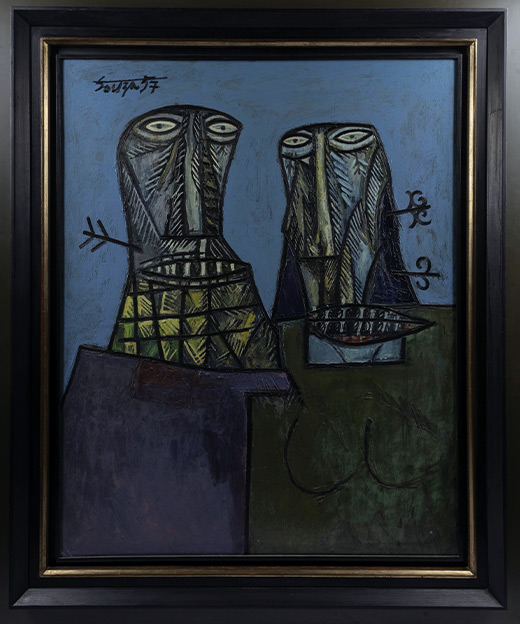
Without a doubt, Nadar has profoundly shaped the Indian art world, giving India its most sophisticated modern museum to date and inspiring a wave of others now taking shape. Her collection has grown from early personal purchases into a vast institutional holding that bridges historical gaps in Indian modernism. Long before Indian art was making ₹100-crore headlines, she was acquiring works by M.F. Husain, S.H. Raza, F.N. Souza, Tyeb Mehta, V.S. Gaitonde, Nasreen Mohamedi, Bhupen Khakhar, Anish Kapoor and Subodh Gupta.
The Meeting Ground, then, is really a rehearsal for what comes next: the vast museum rising near the Delhi airport, where the collection Nadar has chased for 40 years will finally have a permanent home. She is, as ever, playing a long hand.
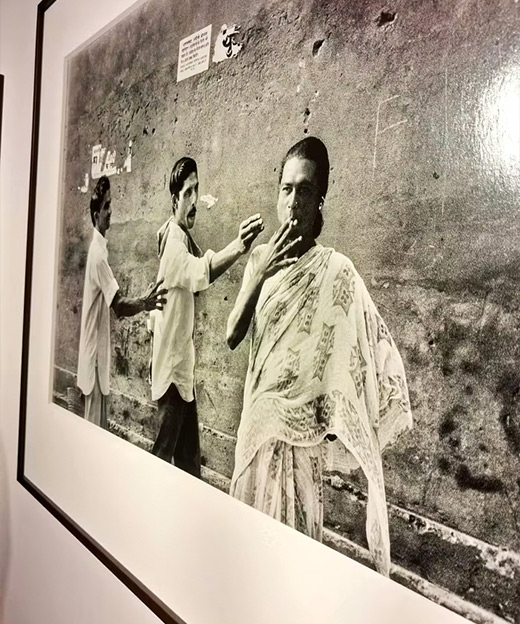
Confessions of a Wall, a black-and-white series by Raghu Rai.