












From Escape to System
Alibaug, that was once a second-home destination, is evolving into a layered ecosystem of villas, food formats, and organised hospitality.


By Rupali Sebastian
For a long time, Alibaug worked because it felt just far enough.
Not inconvenient, but not immediate either. The journey created a pause. It separated the city from what followed. Those who came here did so deliberately, and often quietly. Families built homes over decades, returning to the same stretches of land without much interest in turning them into anything more.
That equation has shifted. The distance has not disappeared, but it no longer defines the place. What has changed is how easily Alibaug folds into everyday life. The journey is shorter, certainly. But more importantly, it is easier to repeat. People are not planning their way here in the same way anymore. They are simply coming. And then, increasingly, staying.
That shift, as Gaurav Sharma, CEO, JLL India, points out, has moved the destination beyond its earlier identity. “Alibaug has moved past the stage of finding its footing and is now in a structured boom.”
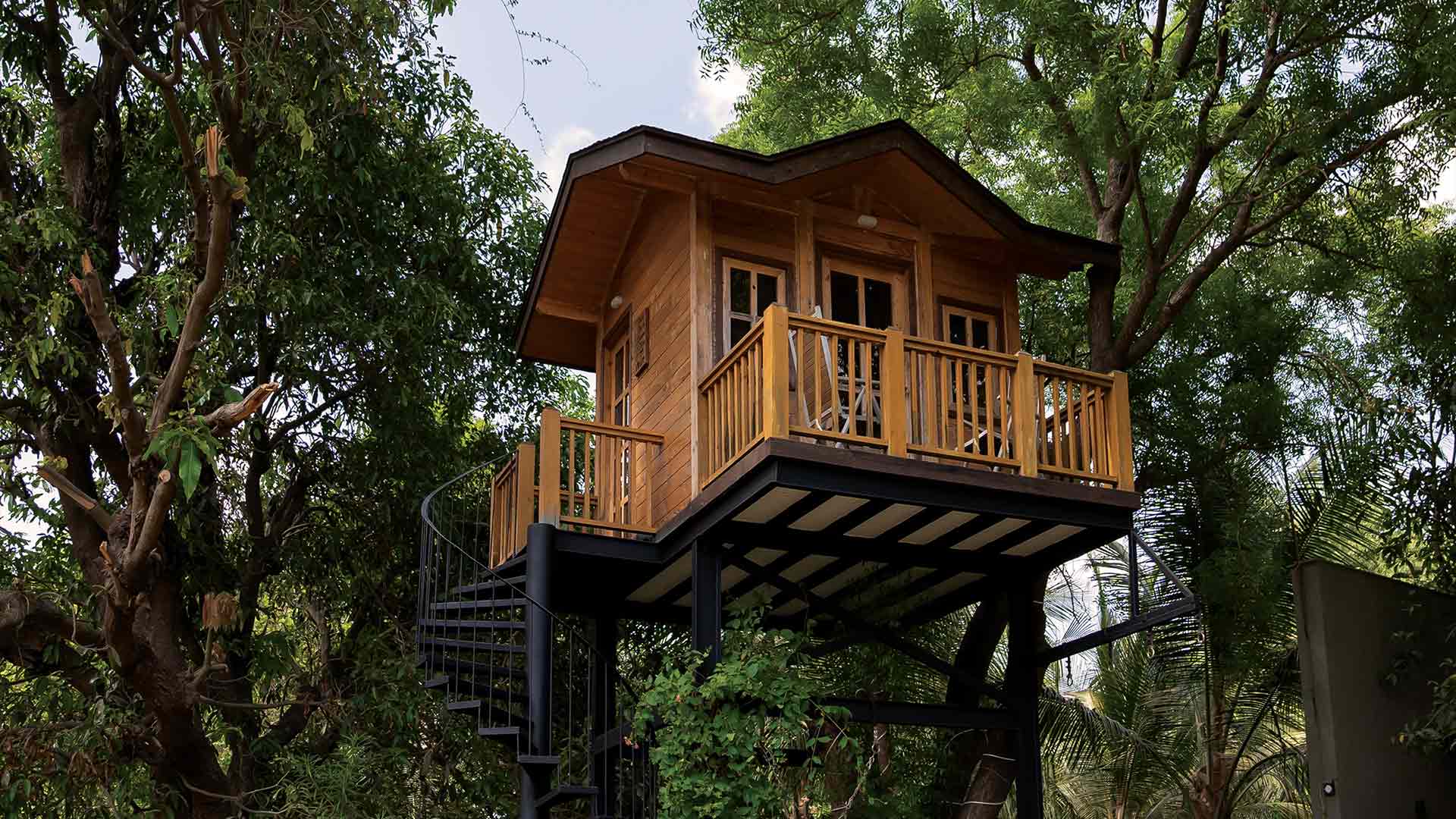
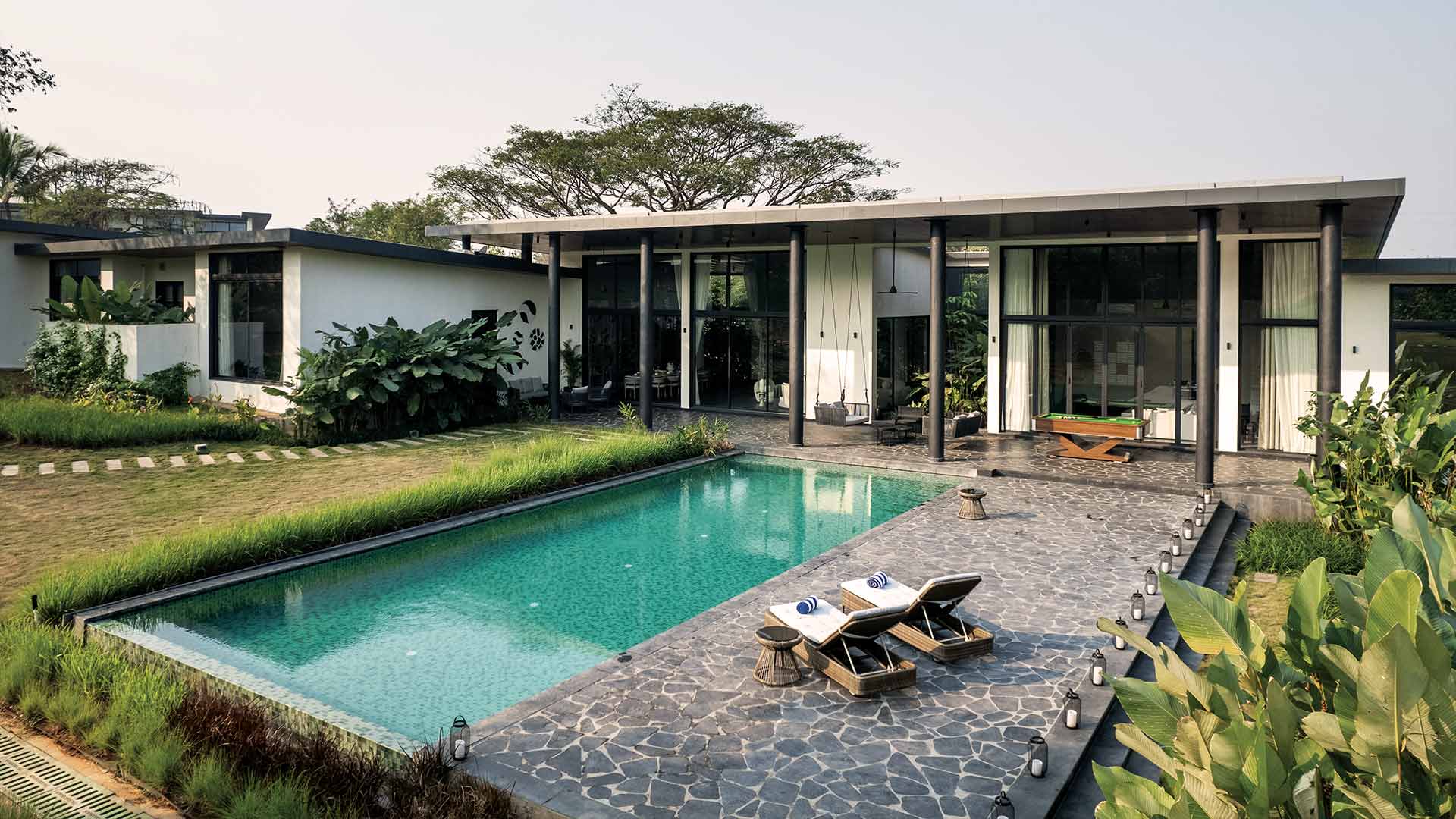
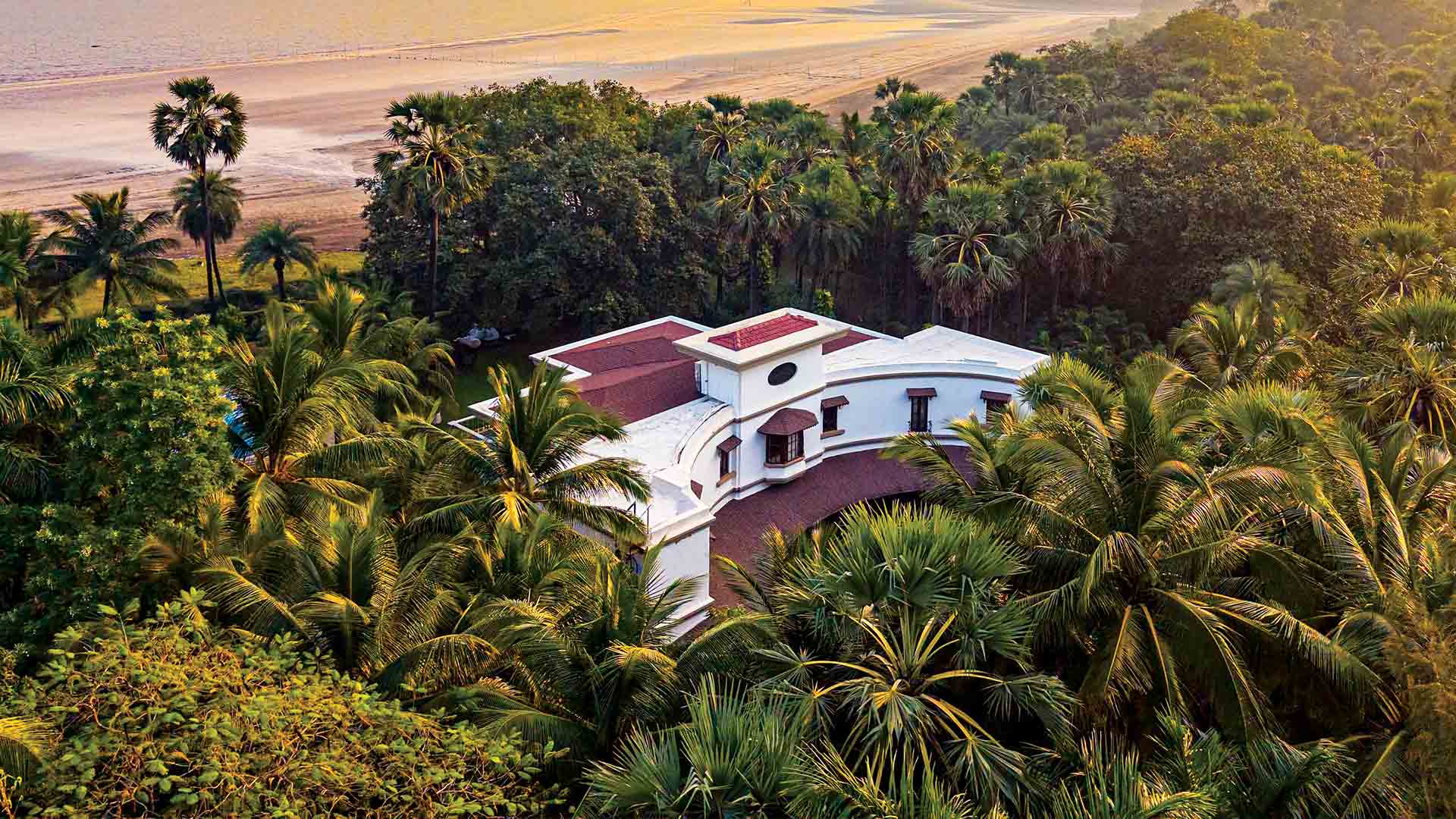
A Lohono Stays’ villa, where scale, service, and curated experiences reposition the second home as a managed hospitality product.
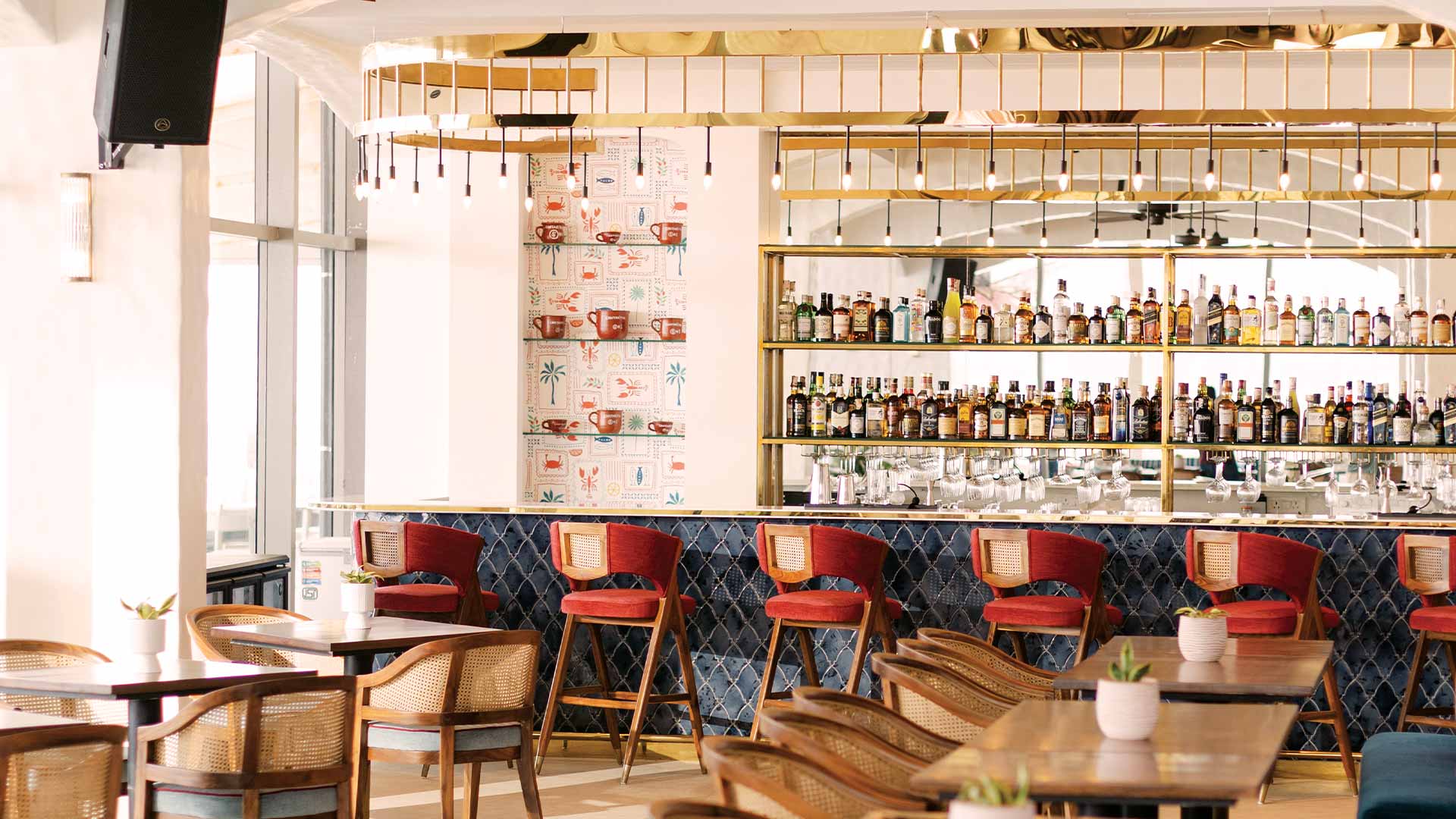
Located at the Mandwa ferry terminal, IHCL's Soulinaire anchors Alibaug’s evolving food landscape at its primary point of entry.
The inflection was behavioural
It is tempting to locate this shift in infrastructure. The Ro-Ro ferry changed access in a very real way, making it easier to bring vehicles across and move more freely once in Alibaug. But that change coincided almost exactly with the pandemic. Together, the two altered how the destination was used. Alibaug became somewhere people could move into, not just visit.
That shift has held. “Alibaug is witnessing a rise in short-haul leisure demand from Mumbai and Pune… the market, though anchored in weekends, is evolving beyond its traditional pattern,” says Somnath Mukherjee, Executive Vice President – Operations (West), Indian Hotels Company Limited (IHCL). “We are observing longer stays… flexible work-led travel, and a visible shift towards intimate celebrations and small-format offsites.”
The Atal Setu comes later in this story. It does not create the shift so much as reinforce it. As Sharma notes, it has “fundamentally redefined the region’s accessibility,” altering how frequently and fluidly the destination can be used.
And the story does not end there. A series of infrastructure projects is now in various stages of development, each with the potential to further reshape how Alibaug is accessed and used. A planned Karanja–Revas bridge is expected to significantly reduce travel time, while longer-term projects such as the multi-lane Virar-Alibaug corridor could reshape regional connectivity more fundamentally. The Navi Mumbai International Airport could expand the destination’s catchment beyond its current Mumbai-centric base. Water-based connectivity is also being reimagined, with proposals for marina-led access that tighten the relationship among Mumbai, Alibaug, and the new airport.
For those who have watched the region over time, this is not a single moment of change, but a sequence. The weekend still anchors demand. But it no longer contains it.
The villa takes centre stage
Nowhere is this shift more visible than in the rise of the villa. What was once a loosely organised second-home market has, over the past few years, begun to take on a far more structured shape. Professionally managed villas now sit at the centre of Alibaug’s hospitality offering, but they do not all operate in the same way.
Two parallel systems are now visible. On one side are operators like Lohono Stays, SaffronStays and StayVista, who have scaled the villa format into a managed network. On the other is amã Stays & Trails, through which IHCL has entered the market with a branded homestay model, bringing institutional hospitality into what was traditionally an informal segment.
The difference is subtle, but important. Together, they signal a shift in how the villa itself is understood, not just as a private home that can be rented out, but as a format that can be standardised, serviced, and positioned within a larger hospitality framework.
For operators, the change is visible in how these homes are used. “Alibaug has evolved from a simple weekend escape into a lifestyle destination where living, working, and holidaying converge,” says Dhimaan Shah, Executive Director and Co-CEO, Lohono Stays by Isprava Group.
That convergence has changed the nature of demand. “Earlier demand was largely from Mumbai-based weekenders. Today, we host multi-generational families, entrepreneurs blending work and leisure, and companies seeking elevated offsite experiences,” he says.
Amit Damani, Co-founder, StayVista, places that shift within a broader pattern of consistency. Alibaug, he says, is “one of our most mature and high-performing markets,” with demand extending beyond weekends into festive periods and, increasingly, the week. As Sharma points out, the buyer profile now includes “high-net-worth individuals… acquiring large land parcels,” signalling a longer-term investment view.
What has changed is not just demand, but how these homes are used. Proximity to access points such as Mandwa remains important, but it is no longer the only driver. For many guests, especially repeat visitors, space and privacy take precedence. Villas slightly removed from the beachfront—Awas, Kihim, Nagaon—are often preferred for larger plots, landscaped settings, and a greater sense of seclusion. Beach access continues to matter, but increasingly as a secondary consideration.
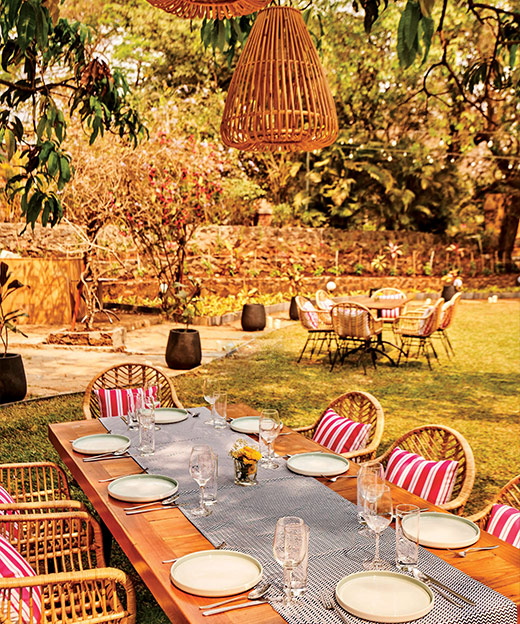
The villa itself has also evolved in response. Private pools, expansive lawns, multiple bedrooms, and dedicated staff are now expected. Dining has shifted inward, with most family groups preferring in-villa meals, while younger groups move between ordering in and stepping out. Experiences are often curated within the property—barbecues, cocktail evenings, and small-format celebrations forming part of the stay.
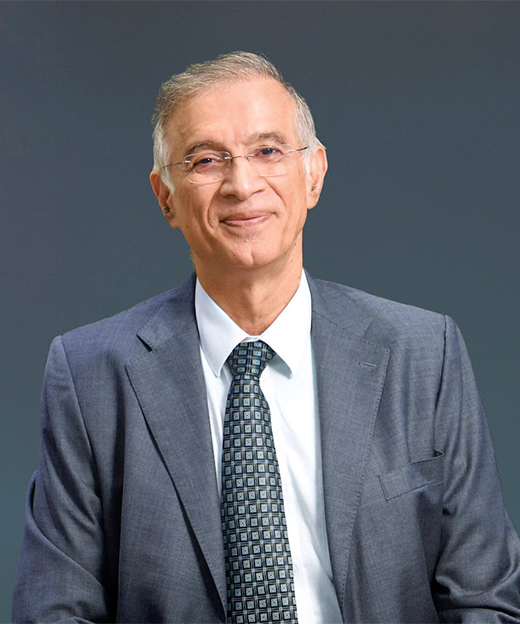
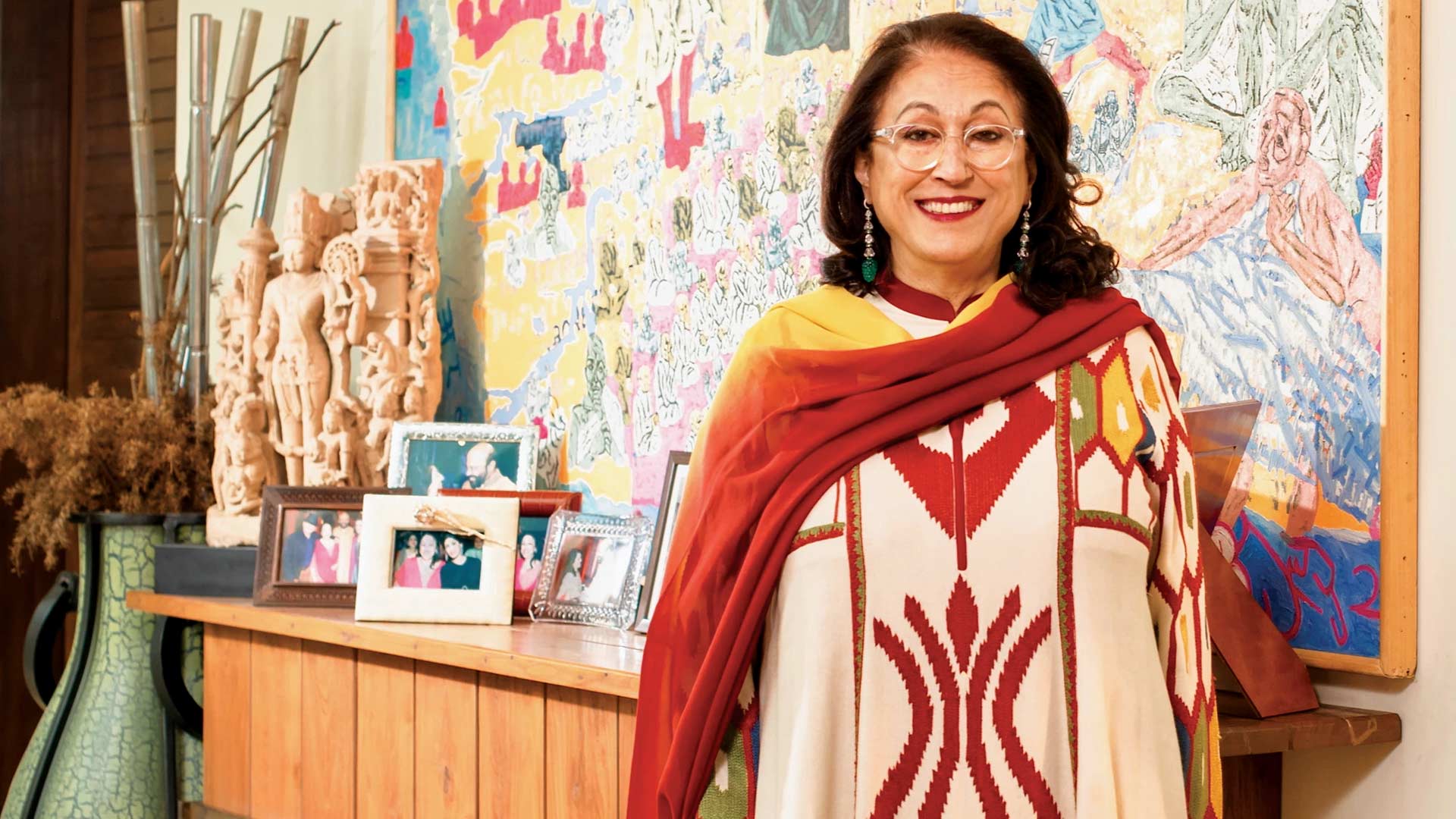
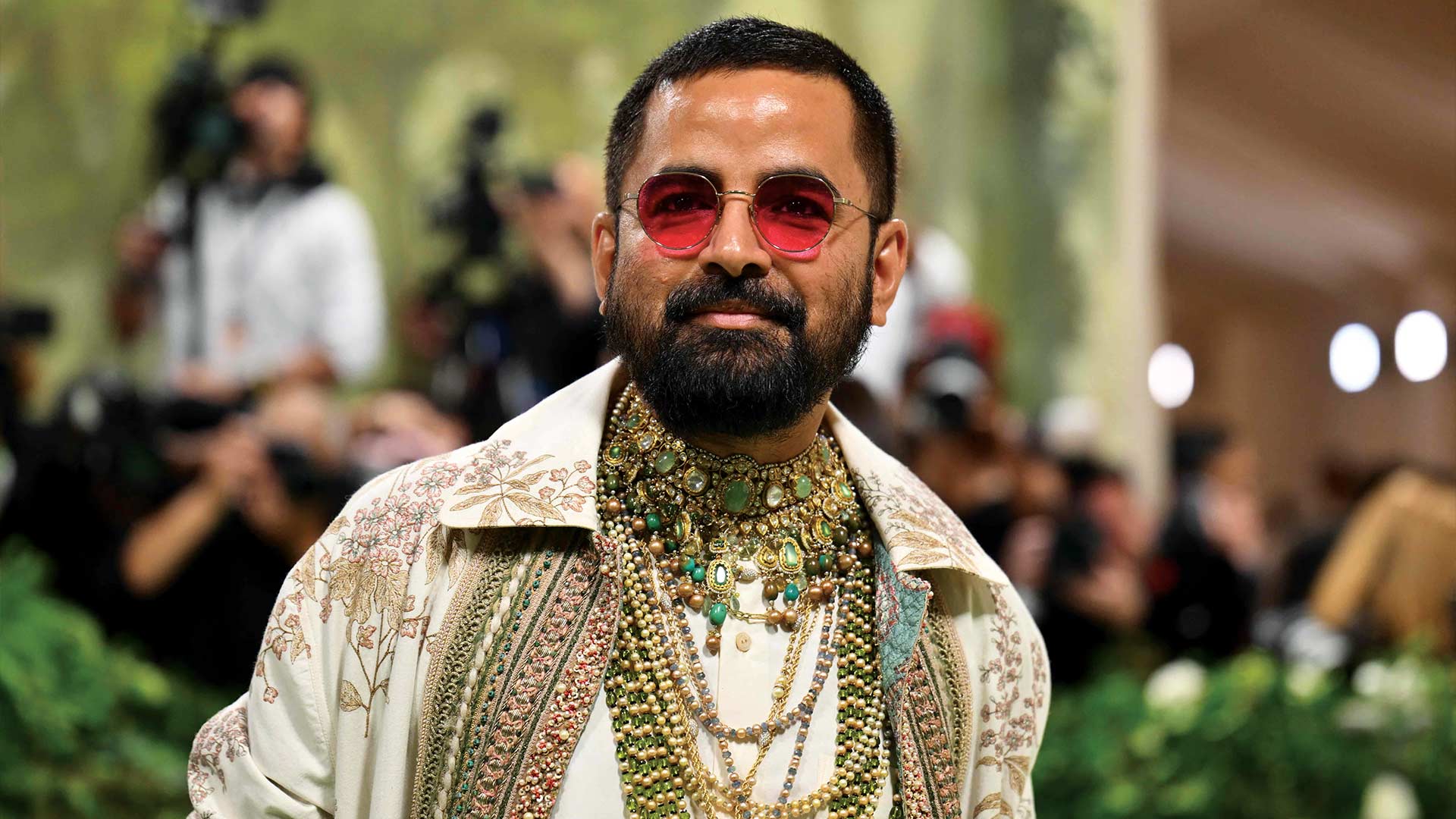
Dr Niranjan Hiranandani, Founder, Hiranandani Communities.
Alibaug is transitioning from a second-home destination to a more organised real estate market.
Dr Niranjan Hiranandani
Founder, Hiranandani Communities

The changing hospitality terrain
Alibaug is slowly evolving from a villa and weekend-home market into a branded luxury resort destination. There is a clear pipeline forming: approximately 680 new hotel keys are expected to enter the market by 2031, a majority of them in the luxury segment. Alongside this, large-scale townships are incorporating hospitality components, effectively building self-sufficient ecosystems rather than standalone properties.
Named hotel groups are now firmly part of that picture. IHCL’s Taj Alibaug Resort & Spa (formerly Radisson Blu Resort & Spa), a 156-key property that opened in May 2025, marks the group’s first entry into this micro-market and its most significant institutional bet on the destination to date. Industry announcements and developer disclosures indicate that JW Marriott is among the luxury brands associated with upcoming hospitality developments in Alibaug.
Hiranandani Communities has publicly stated that it is in discussions with hospitality operators and investors to develop four luxury five-star hotels in Alibaug, one of the largest proposed hospitality pipelines in the market. Operators have not yet been formally confirmed, but the intent signals how seriously large developers are now reading this destination. "Hiranandani Sands is envisioned as a catalyst for Alibaug's real estate transformation, supported by improving last-mile connectivity and year-round access via sea, road, rail and air," says Dr Niranjan Hiranandani, Founder, Hiranandani Communities. The company has also confirmed plans to partner with global and Indian hospitality brands to develop five hotels in the region, targeted for completion within five years.
The larger story may ultimately revolve around branded residential hospitality rather than traditional hotels. Oberoi Realty is planning a resort and branded residences spread across approximately 81 acres, an integrated luxury coastal complex that would rank among the highest-profile developments of its kind near Mumbai.
What is being built, then, is not just more inventory, but a different kind of destination, one layered with institutional hospitality, branded residences, and organised leisure. The food and experience economy that has grown alongside it is both a product of that shift and, for many visitors, the texture that makes it feel like somewhere, rather than just somewhere to stay.
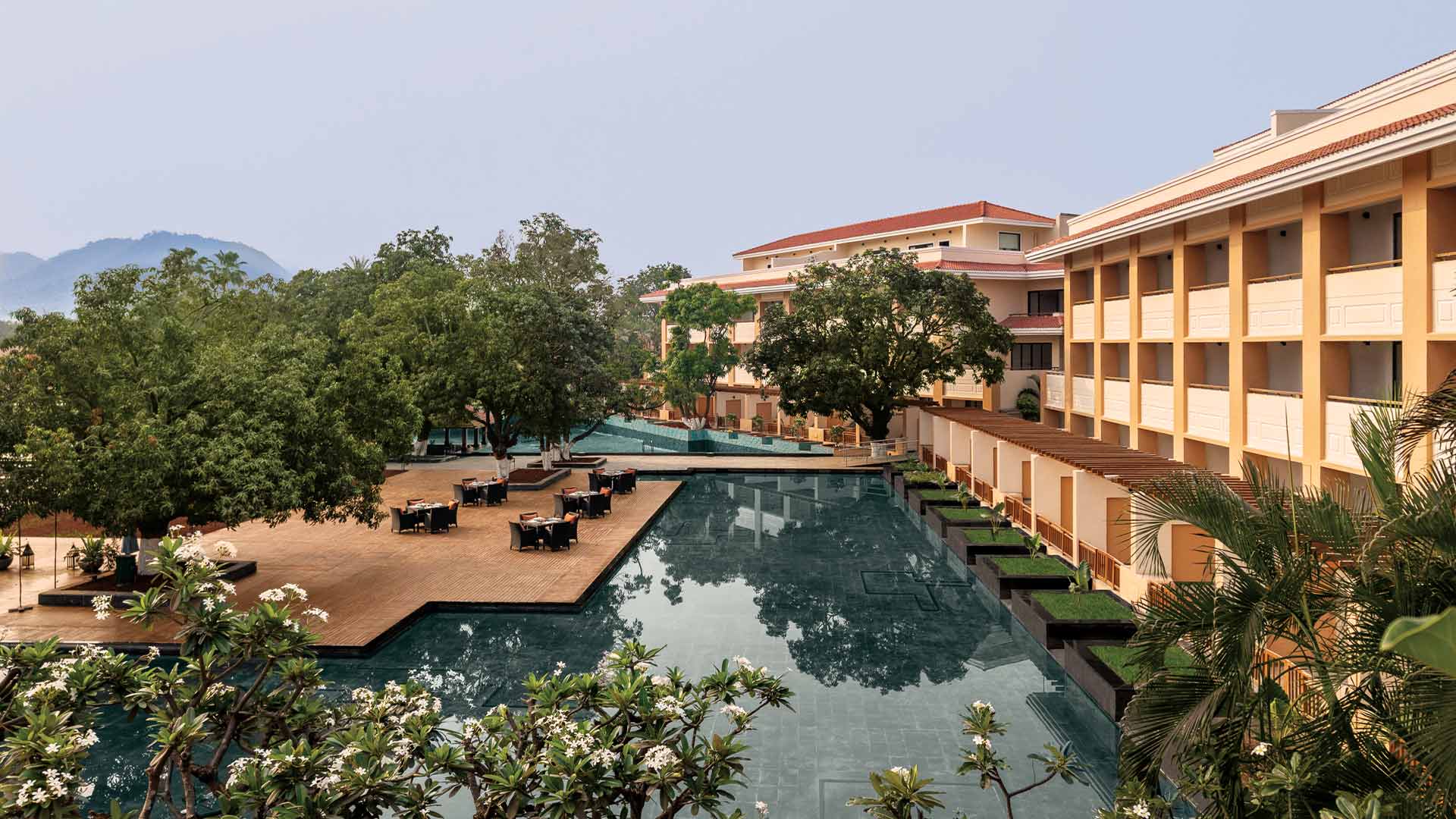
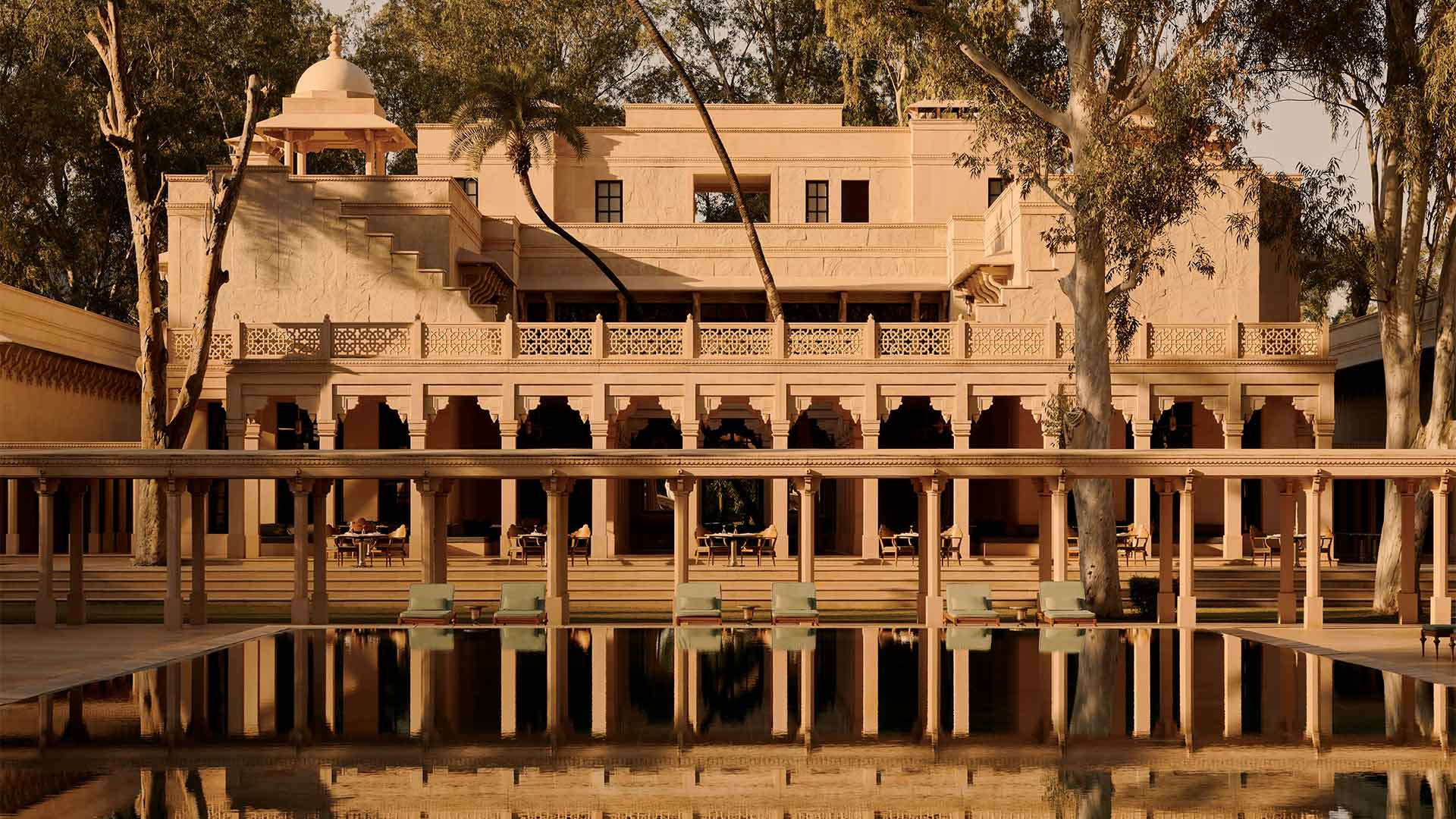
With Taj Alibag Resort & Spa, IHCL’s entry into the micro-market signals growing institutional confidence in Alibaug as a structured hospitality destination..
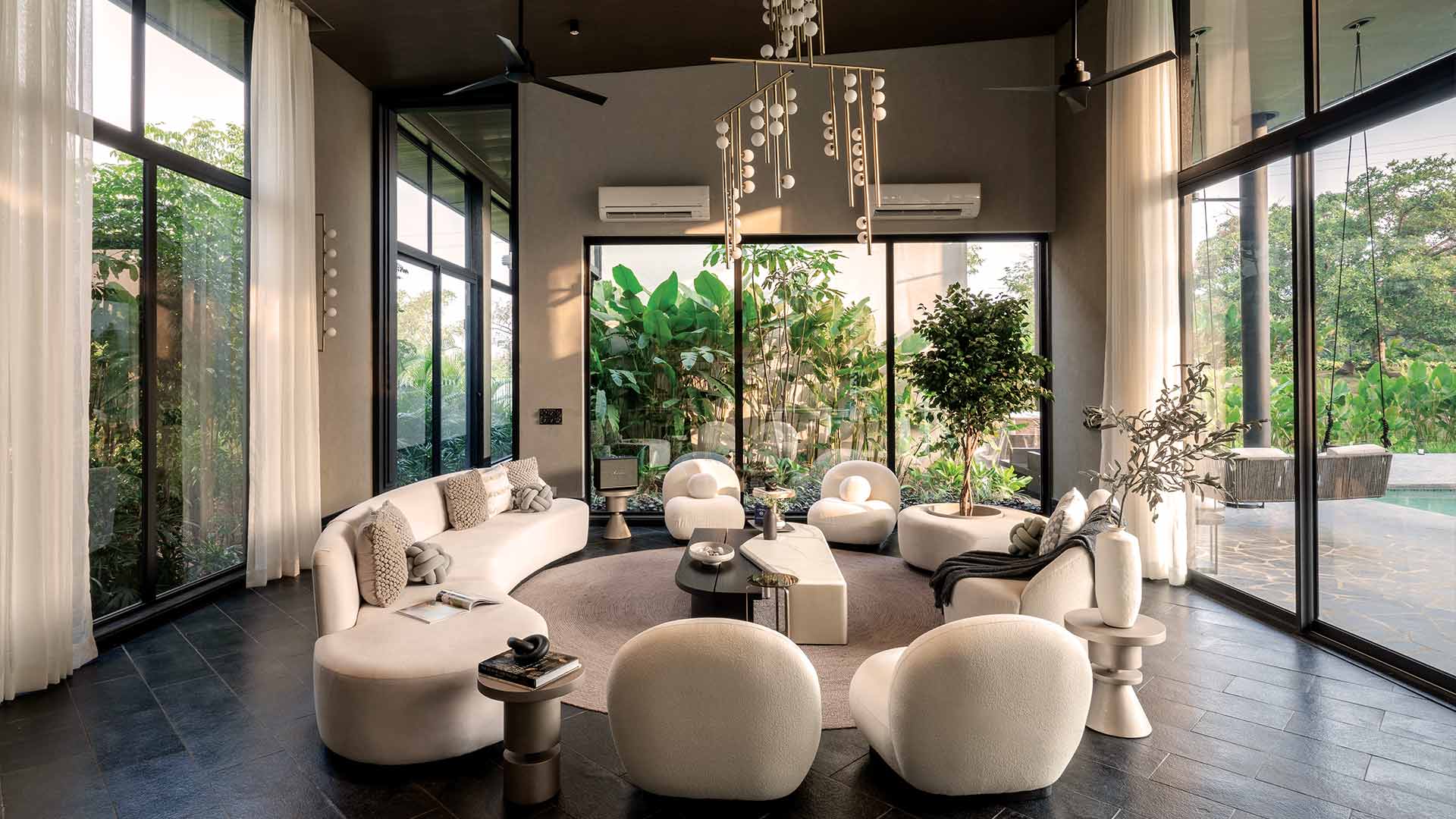
Villa stays are now becoming experience-focused.
Expansive spaces—such as this living room of a Lohono Stays property—are now expected..
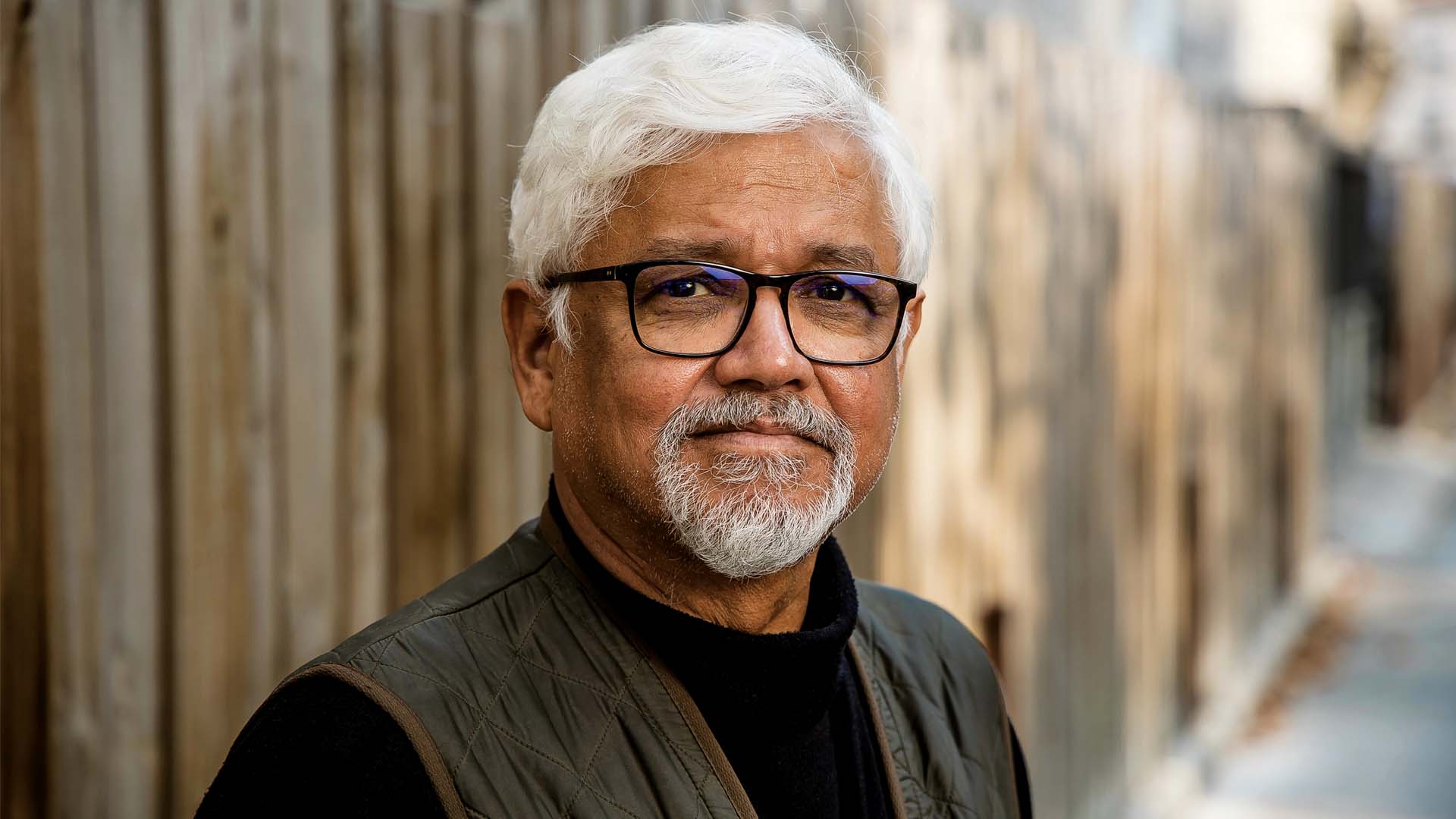
What we’re seeing now is a wider mix—families, founders, teams—using villas very differently from how they did even a few years ago.
Amit Damani
Co-Founder, StayVista
Food, in waves
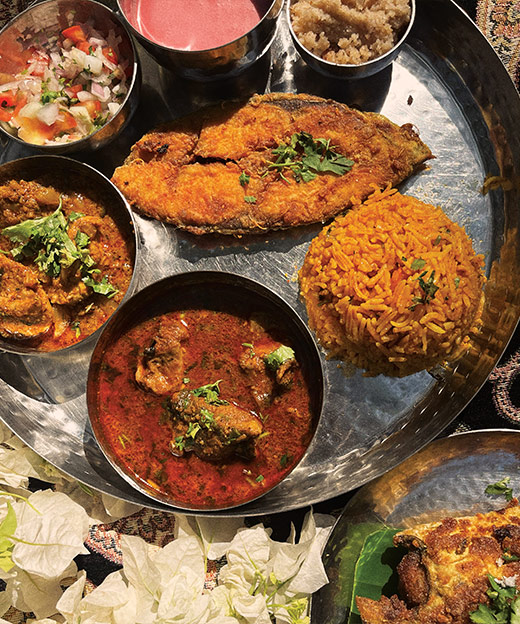
Food in Alibaug has not arrived all at once. It has built itself in layers. When Naina Goregaonkar began The Paisley Experience in 2018, it started as an experimental delivery kitchen operating out of an underutilised factory space, responding to what was then a fairly limited food landscape. Most options centred around fish thaalis or standard north Indian fare, with little diversity beyond that.
What Paisley introduced was a different approach, rooted in SKP (Somvanshi Kshatriya Pathare) cuisine, and shaped by personal memory, regional specificity, and a deliberately experience-led format. That position has had to evolve. Now run by her daughter, Dhanashree Goregaonkar, Paisley is responding to a market that has grown both in scale and in expectation. “While there’s an abundance of thaali joints and seafood spots, what we’re seeing is a growing appetite for experiences,” she says. “Guests are looking for meals that come with stories, context, and a sense of place.”
The shift became particularly visible during the pandemic, when longer stays replaced short visits and private homes became the primary setting for travel. “Private dining and villa catering became far more prominent,” she says, as guests moved towards more contained, personalised formats. What began as a response to that moment has since become a core part of the offering.
What has filled in around it is not a single dining culture, but a set of parallel ones. Mandwa, the primary ferry landing point connecting Mumbai to Alibaug, is central to this. For many visitors, it is the first and last point of contact with Alibaug, and over time, it has developed into a distinct food cluster. Flamboyante Boardwalk and Kiki’s, both located here, have long anchored the idea of stepping out. Alongside them, Soulinaire, by IHCL, located within the ferry terminal, operates at both ends of the journey—arrival and departure—while nearby formats such as Goila Butter Chicken extend that experience outward.
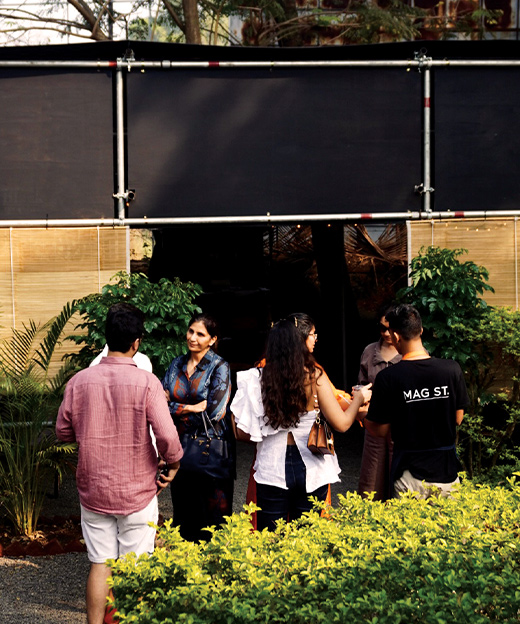
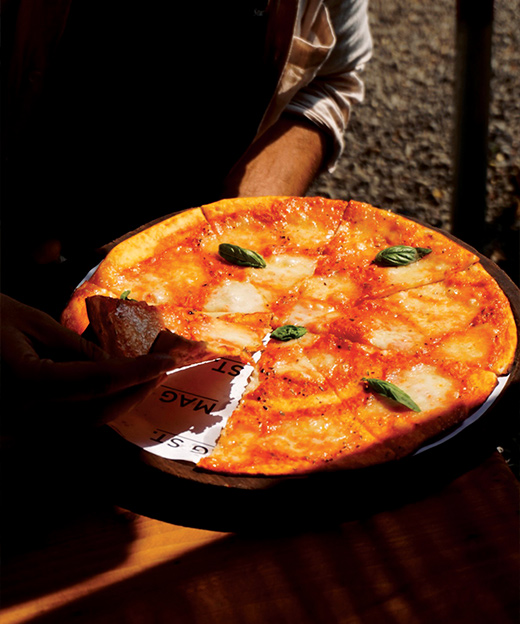
For Gauri Devidayal, Co-founder, Food Matters Group, the Alibaug market is an extension of an existing audience rather than a new one. That translation happens through formats like the Mag St. pop-up, which now runs every weekend. “While Alibaug is a growing market, it is still very much limited to weekend traffic for now,” she says.
A significant portion of Alibaug’s food economy also operates within villas, with private chefs, curated menus, and event-led dining becoming standard for many groups.
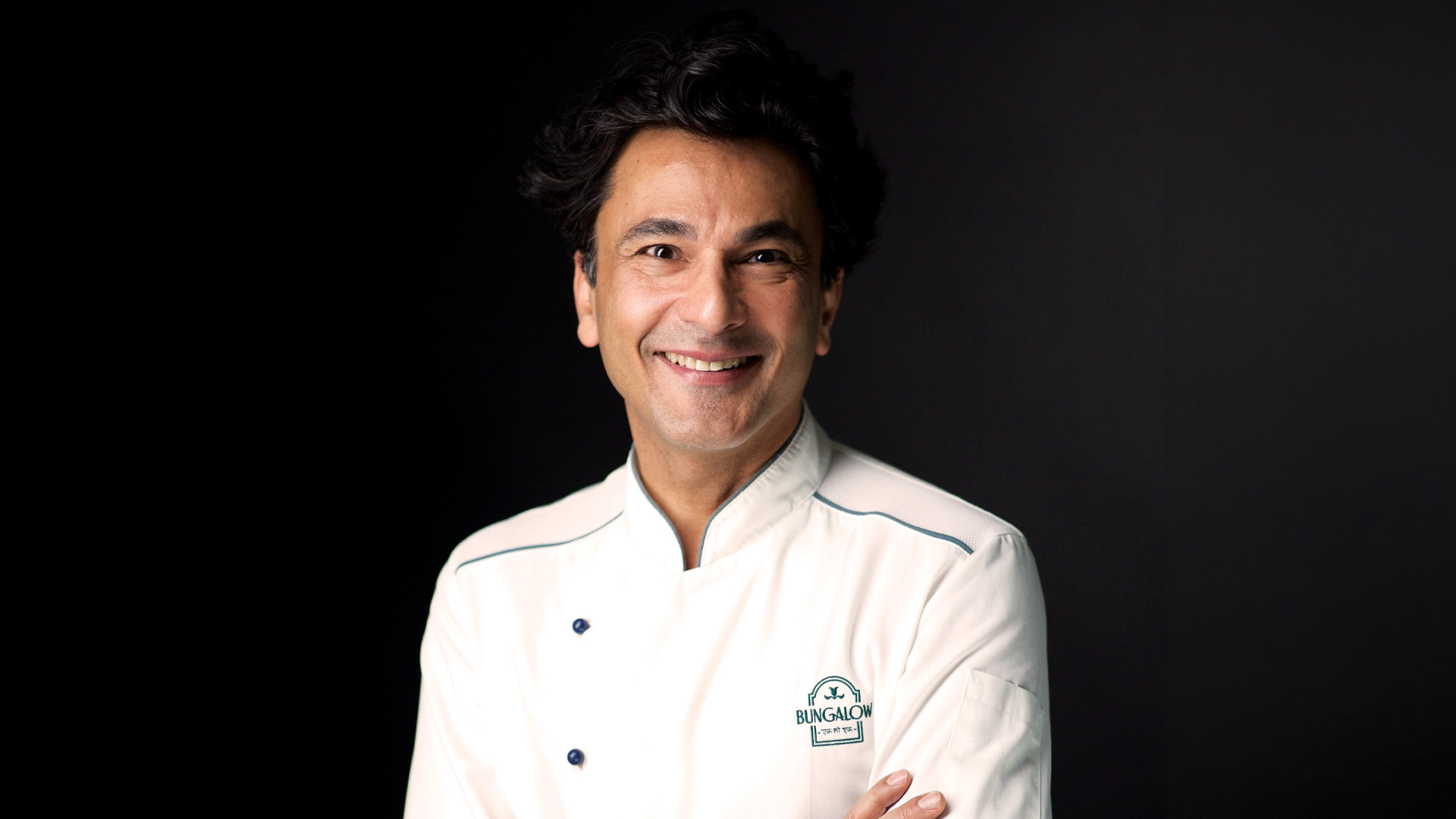
Chef Sunil Tamang first assessed the Alibaug market while working on private catering assignments under his previous place of employment. He entered the market with a modest 10-seater, and as demand grew, expanded to a 50-seater while continuing to service villa orders alongside through his restaurant, Din Tie Fung Kitchen. Word-of-mouth has played a central role in that journey, with repeat guests and referrals steadily building his base. “Most of our larger orders go into villas rather than dine-in,” he says.
Even production-led operations have found their place within this system. Impossible Foods operates its bakery out of Alibaug, supplying to multiple outlets in Mumbai while also serving local demand through takeaway.

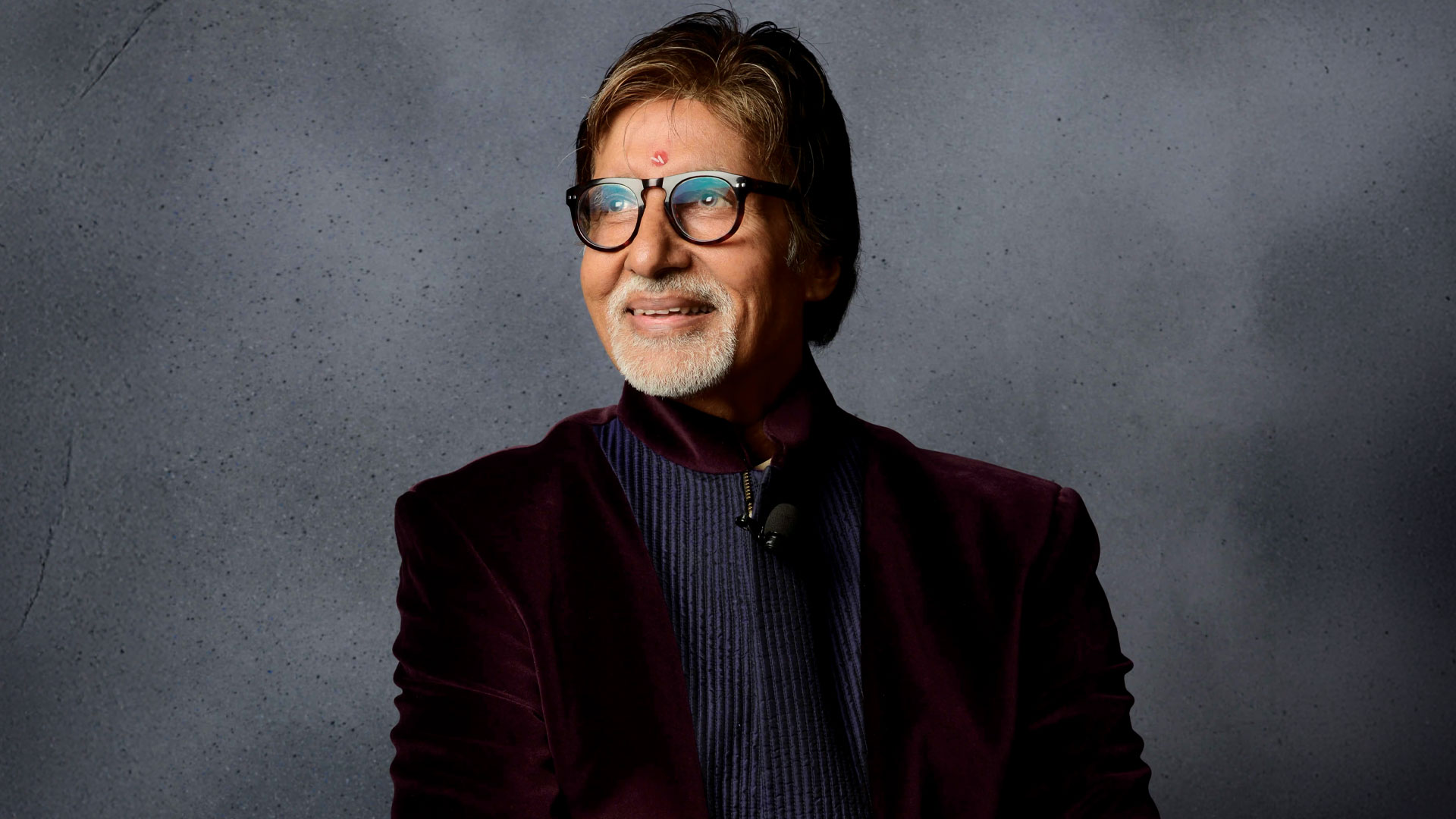
Gaurav Sharma, CEO, JLL India.
We’re seeing a clear shift from discretionary buying to more strategic investment, backed by sustained demand and enquiry volumes.
Gaurav Sharma
CEO, JLL India
From escape to occasion
Long before Alibaug began to be read as a hospitality market, it was simply an accessible coastal escape.Shaant Beach Resort, established in 2001–02, belongs to that earlier phase. Shantanu Puro, who now runs the family-owned resort, has seen that shift unfold. Travel followed a predictable rhythm—families driving down for short stays, straightforward food, and limited choice.
That has changed. “Experience is the keyword now,” says Puro. Expectations extend beyond the stay, with travel, food, and on-ground experiences increasingly linked.
The guest profile has expanded alongside this. What was once largely a family-driven market now includes hybrid workers, corporate groups, and investors exploring the region. Spend levels have risen, and with them, the willingness to invest in more layered offerings.
Improved connectivity has reinforced this shift. The Ro-Ro ferry and better road access have made travel more flexible, opening up weekday movement and longer stays rather than tightly planned weekend visits.
One of the clearest markers of this transition is how Alibaug is now being used. “Actor Varun Dhawan’s COVID wedding at Mansion House seeded a new thriving market—destination weddings,” Puro notes. What was once occasional is now increasingly visible, with smaller, more intimate formats finding a natural fit in the region’s scale and setting. Proximity to Mumbai and Pune, along with rising costs in Goa and Rajasthan, has only strengthened that shift. The nature of these weddings is telling—more contained, more design-led, and often built around the setting as much as the celebration itself.
Stays, too, have diversified. Overnight trips continue, but now sit alongside extended weekends, wellness camps, and off-sites that use the setting more deliberately. For operators like Shaant, this is not just an increase in demand, but a more complex market. Villas have introduced a different kind of competition, but also widened the ecosystem. Guests have more options, and local businesses—from restaurants to activity providers—have grown alongside.
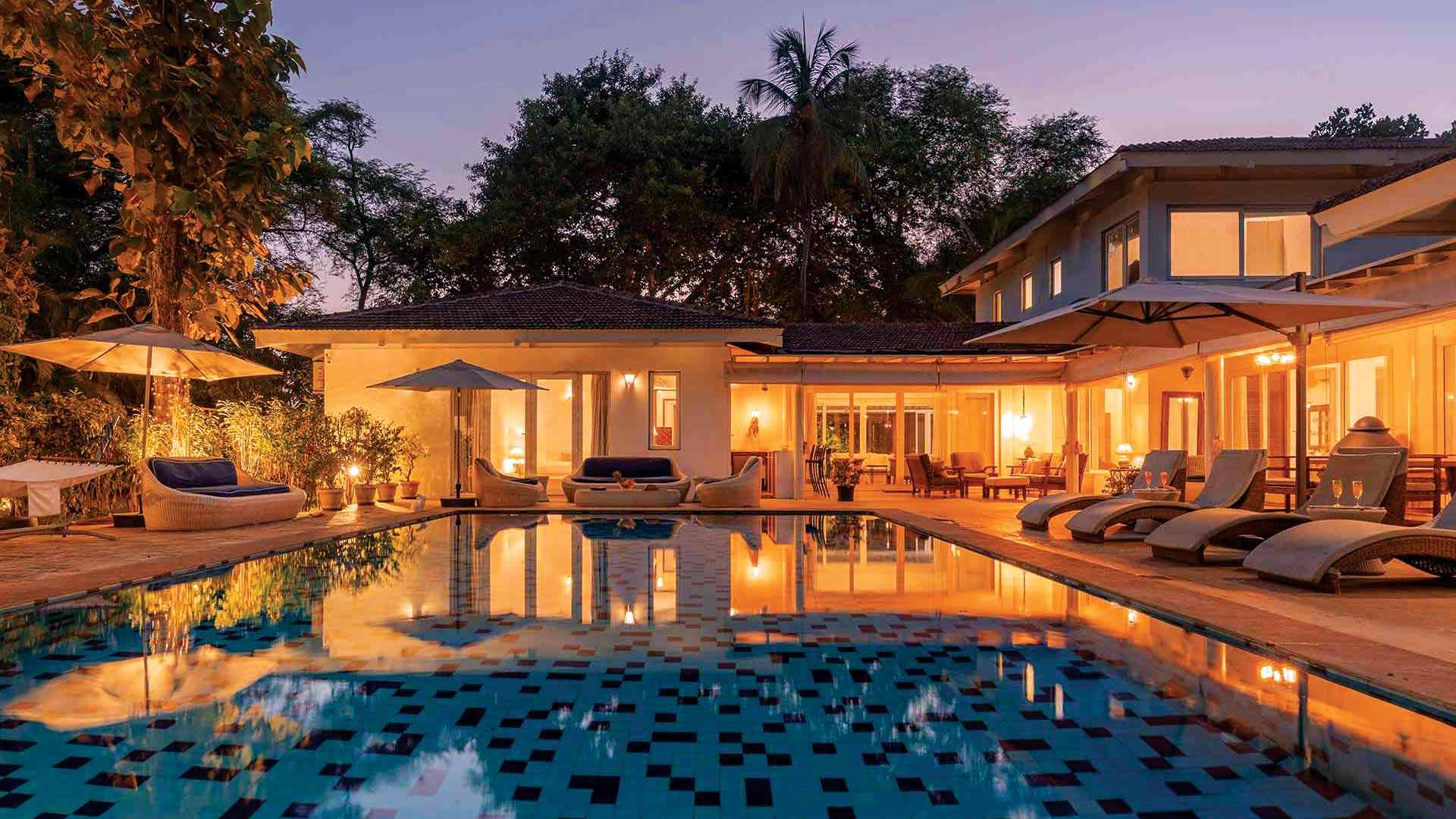
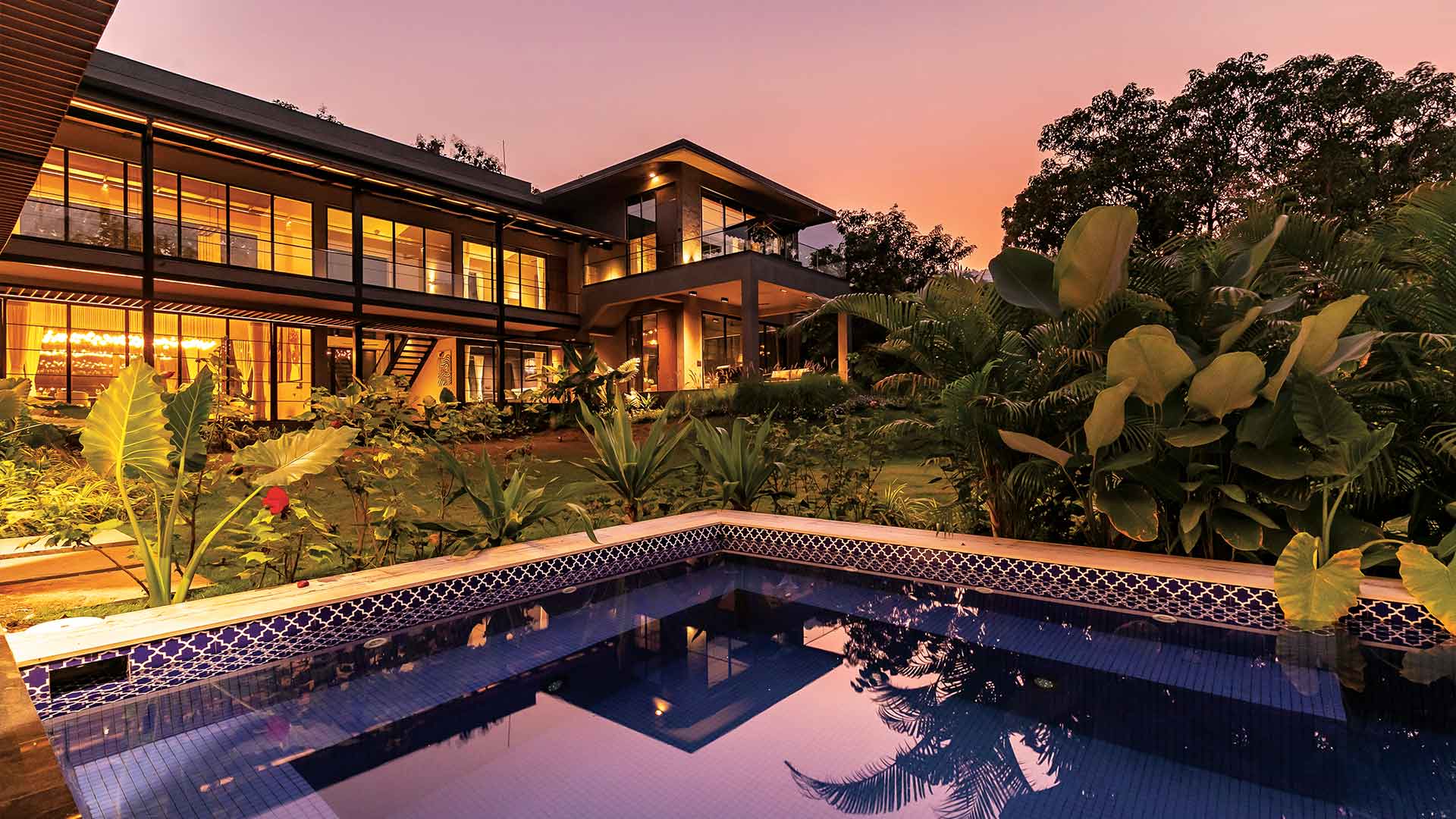
Designed for larger groups, StayVista's Hamptons captures the growing demand for villas that function as social and experiential hubs.
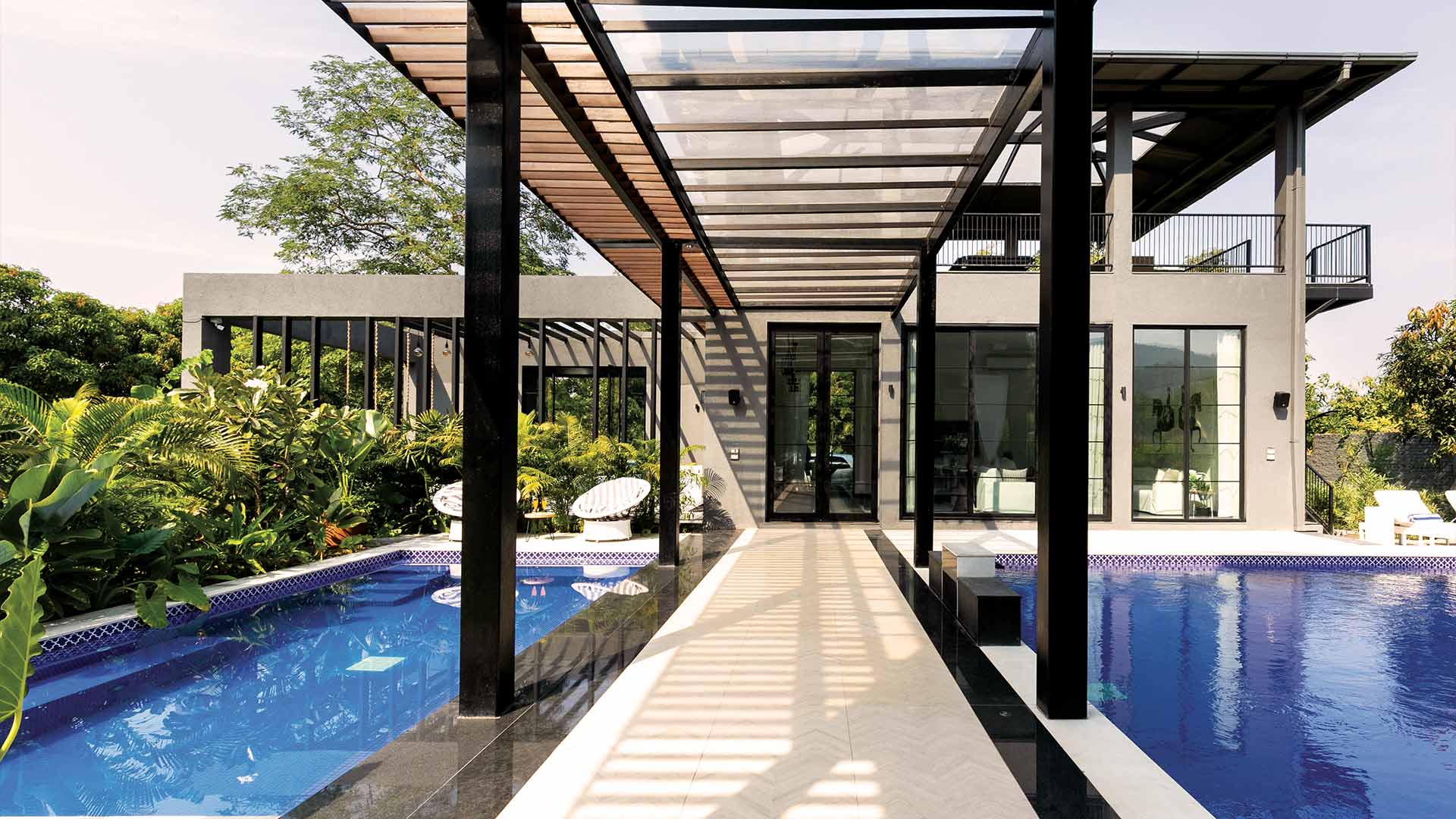
A lush and expansive StayVista property.
The way Alibaug is being used has fundamentally changed—stays are longer, more layered, and far more experience-driven than before.
Dhimaan Shah
Executive Director & Co-CEO, Lohono Stays by Isprava Group
Building the market
If the last decade has been about discovery, the next phase is about structure. What was once an organic second-home market is beginning to formalise, with landowners, developers, and institutional players moving in with clearer intent. The shift is visible not just in scale, but in how the market is being evaluated.
For long-time landholders like Youhaan Kapadia, that shift marks a significant transition. His family has been associated with land in the region for close to three decades, long before Alibaug entered the mainstream conversation. Today, that position is evolving—from holding land to actively developing it within a more organised hospitality framework. His company Limestone Hotel will soon bring JW Marriott to Alibaug, reflecting a broader move towards structured development. “When I was young, Alibaug was almost a secret,” he says. “People came here quietly. Today, there’s a confidence to the place. People aren’t just coming to escape anymore; they’re coming to invest, to build, to stay longer. The opportunity today is not just in owning land, but in how that land is activated.”
From an institutional standpoint, that shift is measurable. As Sharma points out, Alibaug has moved beyond the exploratory stage. “It is now in a structured boom,” he says. “We’re seeing sustained demand, strong enquiry volumes, and a clear shift from discretionary buying to more strategic investment.”
That shift is also reflected in the way land is being acquired, with investors increasingly looking at larger parcels with a longer-term horizon. The numbers support that view. Land prices in the region have nearly doubled over the past five years, moving from roughly ₹850 per sq ft in 2021 to about ₹1,450 per sq ft in early 2025, with premium coastal parcels commanding significantly higher values.
Residential prices have also seen steady appreciation, while luxury villas are expected to see further capital growth over the next few years. What is equally telling is the scale of development now underway. The market is seeing large-format projects by established developers, with plotted communities and integrated townships emerging across key belts such as Mandwa and Awas. These are no longer isolated second homes, but structured developments that combine residential, retail, and hospitality components.
This is where the lines between real estate and hospitality begin to blur. Buyers are no longer thinking purely in terms of ownership, but in terms of usage, returns, and long-term value. The rise of managed villas, branded developments, and hospitality-led planning reflects a market that is beginning to organise itself.
What lies ahead is not just expansion, but calibration. As Alibaug moves further into this next phase, the question is no longer whether it will grow, but how that growth is shaped—how much is built, how it is absorbed, and whether the qualities that made the place compelling in the first place can hold alongside what is being added to it.
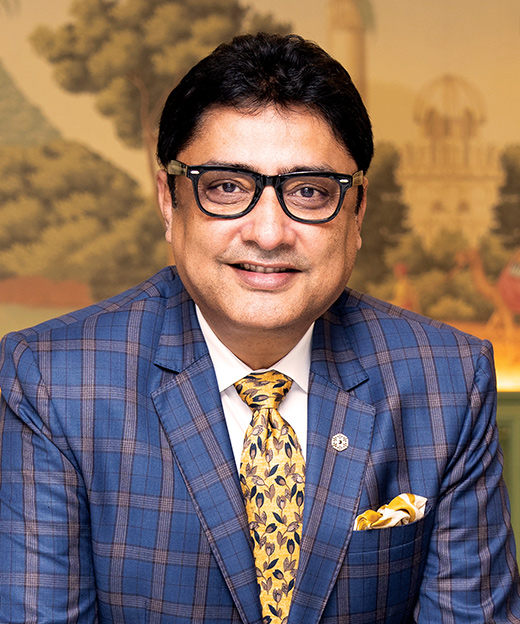
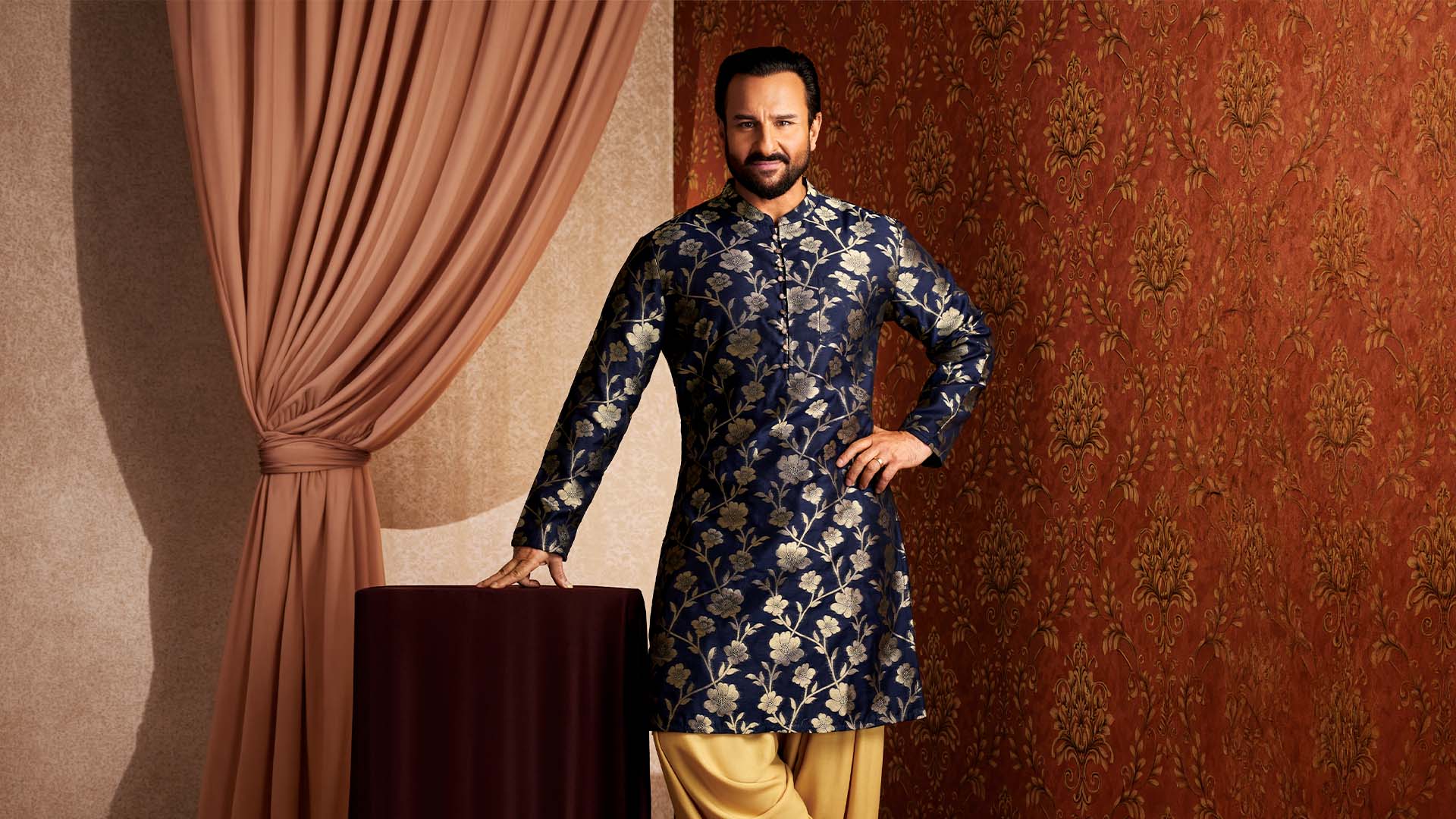
Somnath Mukherjee, Executive Vice President – Operations (West), Indian Hotels Company Limited (IHCL).
The market may still be anchored in weekends, but the way people are using the destination is becoming far more varied.
Somnath Mukherjee
Executive Vice President – Operations (West), IHCL