










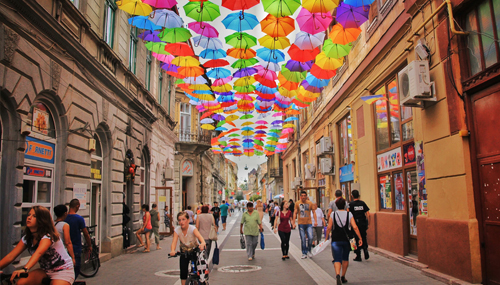

Skillcations: The New Language of Travel
What began as a global shift—travellers trading passive sightseeing for purposeful learning as part of experiential travel—has quietly found its footing in India.

By Chandreyi Bandyopadhyay
Long before "skillcation" entered the travel lexicon, journeys of apprenticeship shaped how we explored the world and shared skills. Archaeologists traverse continents to excavate ancient sites alongside masters, while artisans seek out guilds and ateliers in distant lands. As globalisation compressed the world, such purpose-led travel became mundane—a professional necessity, stripped of romance. Moving places to acquire work credentials felt obligatory rather than transformative. Until now.
Hilton's Travel Trends Report 2026 reveals that 72% of travellers want their time off to be about pursuing passions, trying something new, and coming home with stories that thrill and skills that stick. Travellers are reclaiming the art of learning on holiday, not as a career-building exercise but as intentional enrichment. They are also choosing trips based on ʻwhyʼ rather than "where," driven by emotional motivations such as a desire to grow. It’s not about résumé padding. Conscious immersion in new skills where discipline enhances relaxation rather than constraining it, is a philosophy that turns leisure into lasting growth.
Back in 2021, in the post-lockdown quiet of Visalam, a heritage Chettinad mansion by CGH Earth in Tamil Nadu, I went on a skillcation. Where crimson chillies dry on sun-drenched courtyards and brass vessels sing in ancestral kitchens—I learnt the secrets of Chettinad cuisine, from the source. Though cooking comes naturally to me, that afternoon transcended technique as I discovered the architecture of flavour, the grammar of aroma, the silent conversation between spice and heat that no written recipe can fully capture.
Luxury hotels now offer myriad adventures for young travellers to learn something new.
What skills are we talking about?
Skillcations are not limited to soft skills. In 2025, Courchevel in the French Alps, continued to witness continued to witness strong momentum, welcoming an estimated 1.68 million overnight stays across the ski season, reinforcing its position as one of the world’s most prestigious alpine destinations. “There has been a marked increase in international travellers, particularly from long-haul markets, who are visiting Courchevel to learn skiing in a structured, immersive environment,” informs Alexia Laine, Director, Courchevel Tourism. With the highest concentration of ski instructors in France, Courchevel delivers an exceptional level of instruction. Yet over the last decade, the traveller’s relationship with skiing has evolved. Once centred purely on the sport and perceived largely as an elite leisure pursuit, the destination has transformed into a holistic, purpose-driven mountain experience. “Visitors now seek a complete mountain lifestyle, combining sport, nature, wellbeing, culture, and alpine art de vivre—a trend particularly strong among younger travellers and international luxury audiences,” notes Laine.
Among skill-led destinations, New Zealand offers holidays deeply rooted in place and culture—from stargazing and astrophotography to Māori craft workshops that foster cultural connection, and foraging-to-table experiences that showcase the country’s culinary traditions. These experiences turn passive tourism into active participation and lasting knowledge. Tourism New Zealand data shows that learning and exploring new things is a key reason to visit for 38% of people actively considering a holiday to the country, rising to 48% among Indian travellers.
According to Dushyant Bhalla, Director and CEO, AABEE Travel, “Golf continues to be the most prominent driver of sport-skill-led travel.” There is also strong interest in Ironman tournaments, as well as tennis- and football-led travel. “These formats appeal to travellers who want structure, purpose, and a sense of participation,” he adds.
Māori culture is integral to life in Aotearoa, New Zealand and forms a significant part of its tourism offering. Some operators share ancestral knowledge and skills through interactive cultural workshops, including pounamu (jade/greenstone) carving or jewellery making, weaving harakeke (native flax), and teaching haka or hāngī (traditional earth-oven cooking).
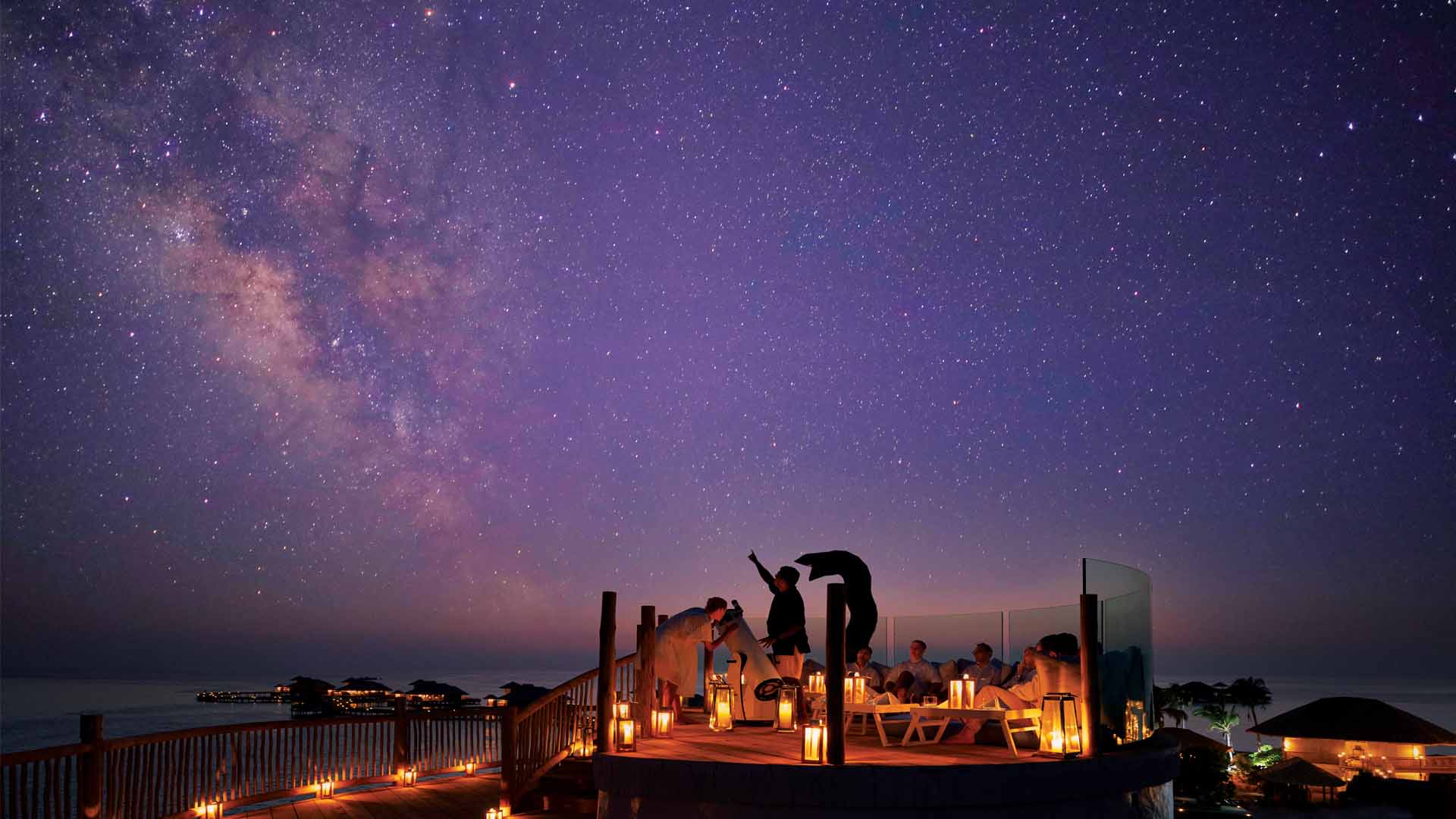
New Zealand has 10 official dark sky places, and according to World Atlas, the Milky Way is visible from 96.5% of the country’s land area. “Stargazing is vital and significant among tribal groups with their own interpretations. If you remove their ability to see the sky from where they are, they lose an element of their unique culture,” explains Dr Rangi Matamua, a Māori astronomy academic. “Māori place names are connected to the earth, with mountains, rivers, and places named after stars. Our connection to the stars is in our genealogy. Our history is built on our love of the sky—it’s on our flag, in our songs, chants, haka, carvings, and every part of our culture. Therefore, preserving our dark skies is very important,” she elaborates.
Interest in astrotourism remains high, with Dark Sky accreditation prompting international travel trade engagement, new itinerary development, and growing participation in astro-learning initiatives, including formal courses and early enquiries around major celestial events in New Zealand.
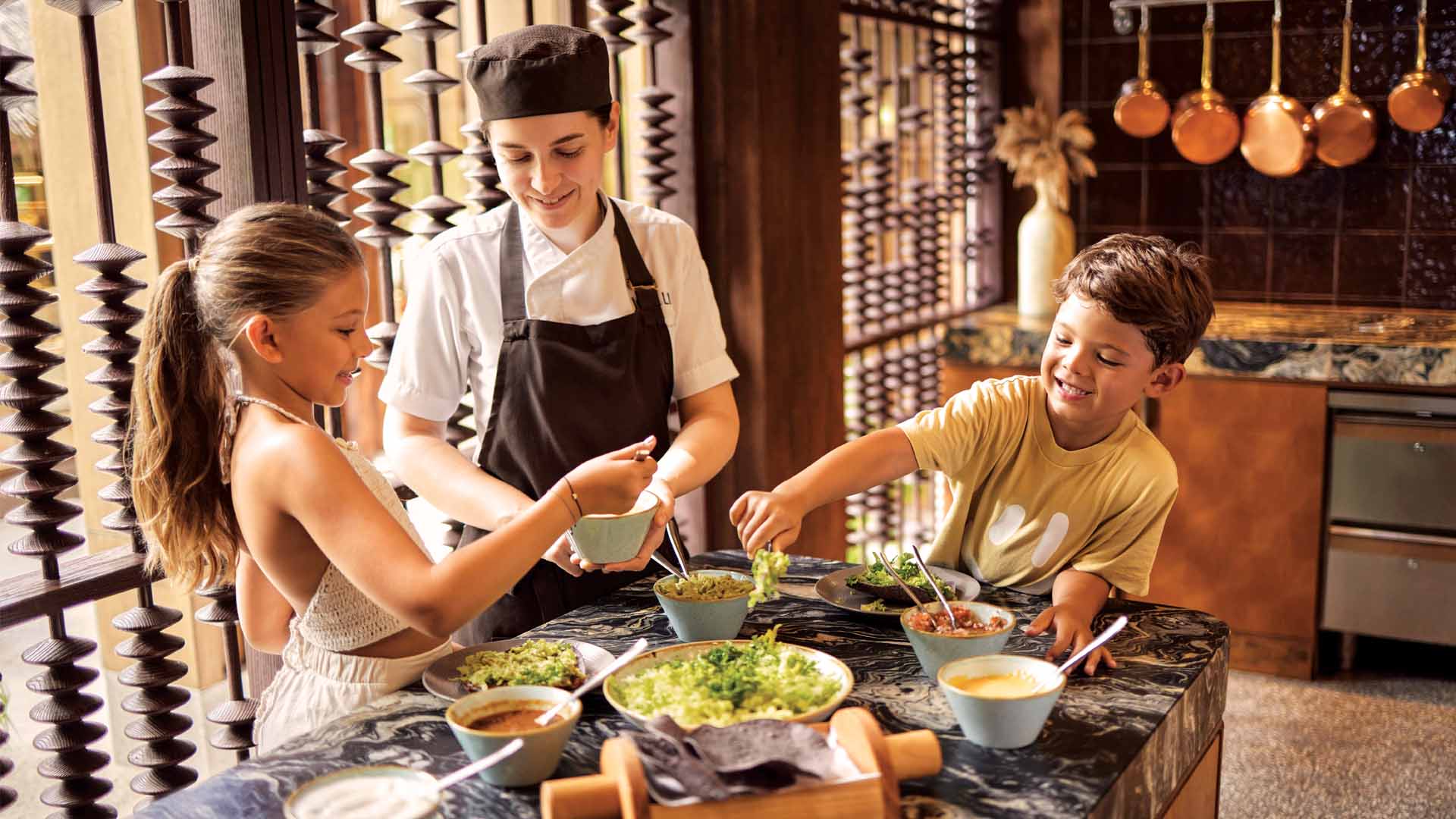
From cooking to crafts, skill-based experiences rank high among guests in 2026.
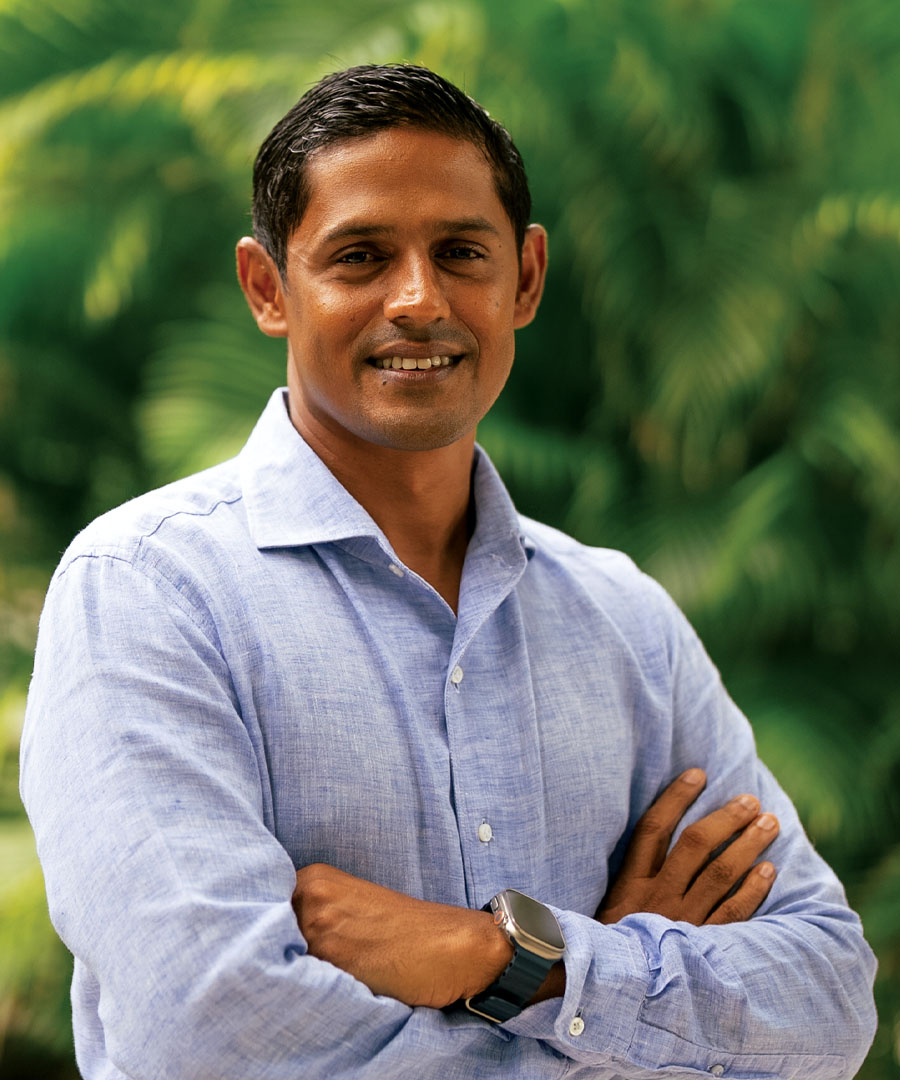
Shifaz Hassan, General Manager, JOALI Maldives.
We see a growing number of guests whose travels are guided by passion rather than place, whether it’s art, sustainability, or culinary exploration. Our art-immersive philosophy allows guests to develop skills meaningfully.
Shifaz Hassan
General Manager, JOALI Maldives

Family travel forces hands
Varun Chadha, Chief Executive Officer, TIRUN Travel Marketing, believes skillcations should no longer remain a specialised offering. “Indian tourists are shifting from passive vacations to experience-rich, education-focused trips as disposable incomes and exposure rise,” Chadha notes. “They want to return with more than just pictures—whether learning to sail in the Mediterranean, taking culinary classes in Europe, going on photography and wildlife expeditions in Alaska or Africa, or even attending polar exploration briefings on expedition ships,” he adds.
At Courchevel, an important shift has been the rise of multigenerational and first-time ski travellers, including families and individuals who see skiing as a lifelong skill rather than a seasonal indulgence. Family travel, in particular, is prompting curators to pay closer attention to crafting bespoke experiences for varied age groups.
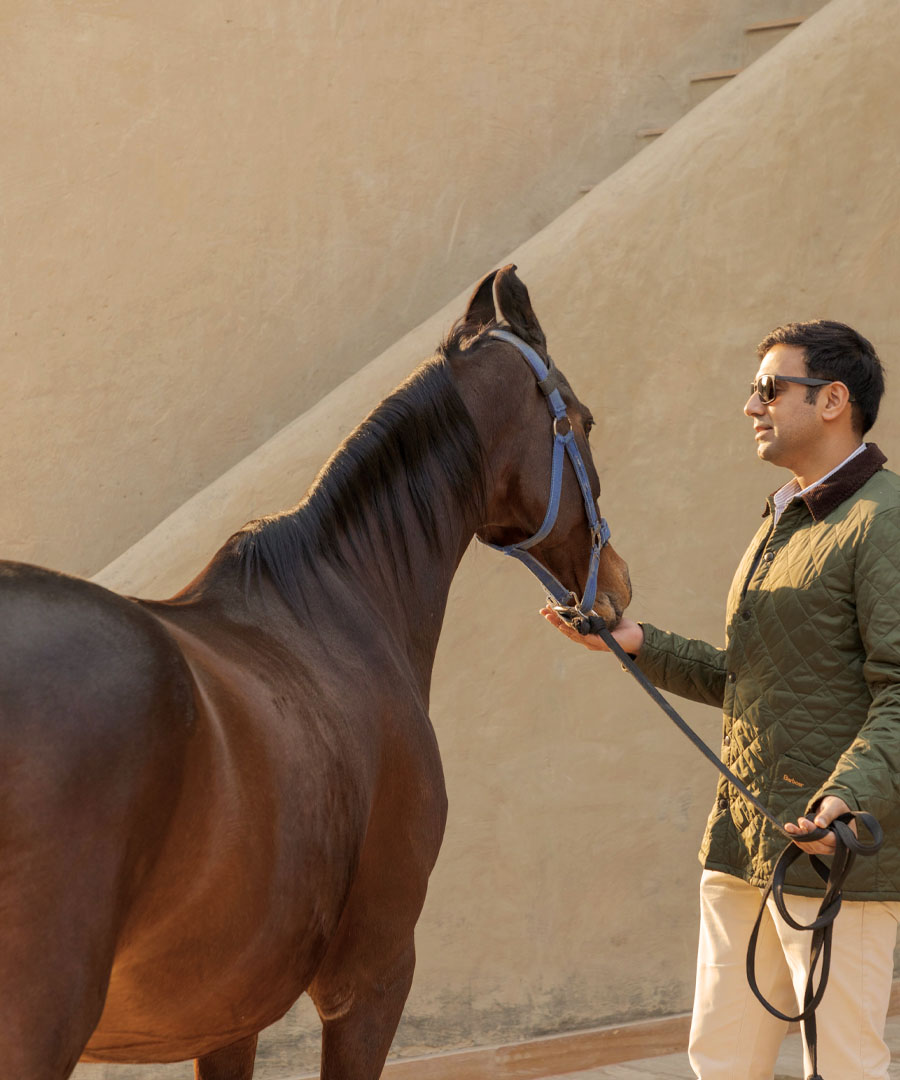
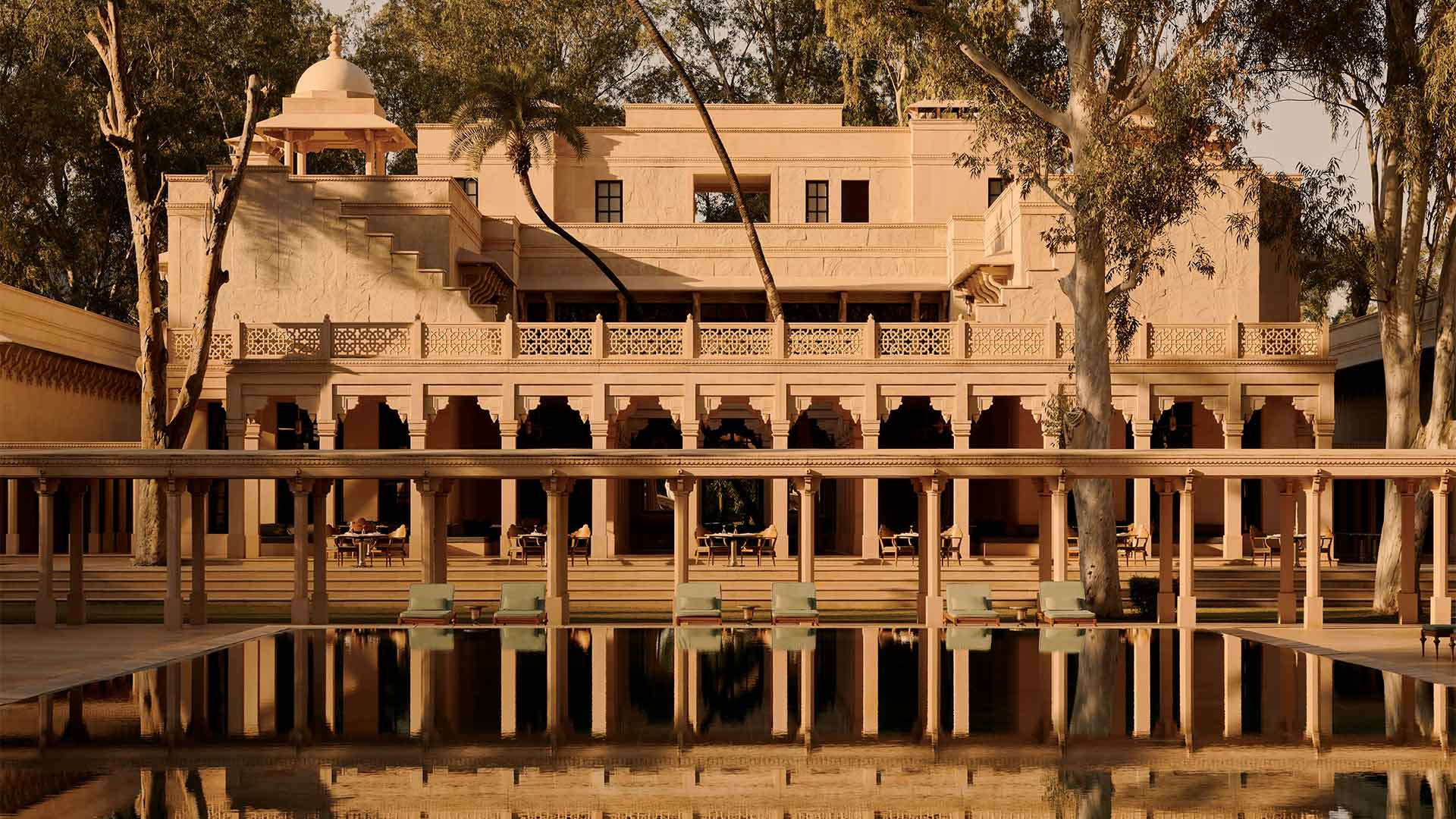
An equestrian experience unfolded during a recent visit to the House of Rohet in Rajasthan, at the family’s long-held 400-year-old haveli in the village of Rohet. As non-riders, our morning began with training equivalent of a session with Siddharth Singh Rohet, who prizes his collection of Marwari horses. After an eye-opening two hours on horseback, Avijit Singh, Managing Director, House of Rohet, sat down to decode the shift they have observed among travellers seeking deeper value from a holiday. “Our equestrian programme is designed as a serious engagement with the Marwari horse, suited to experienced riders who wish to refine balance, control, and horsemanship while understanding the breed’s cultural and historical significance,” he explains. “Grooming, tacking, and riding through rural landscapes are integral to the process, fostering respect for both animals and tradition. This depth ensures the experience remains purposeful rather than recreational,” he adds.
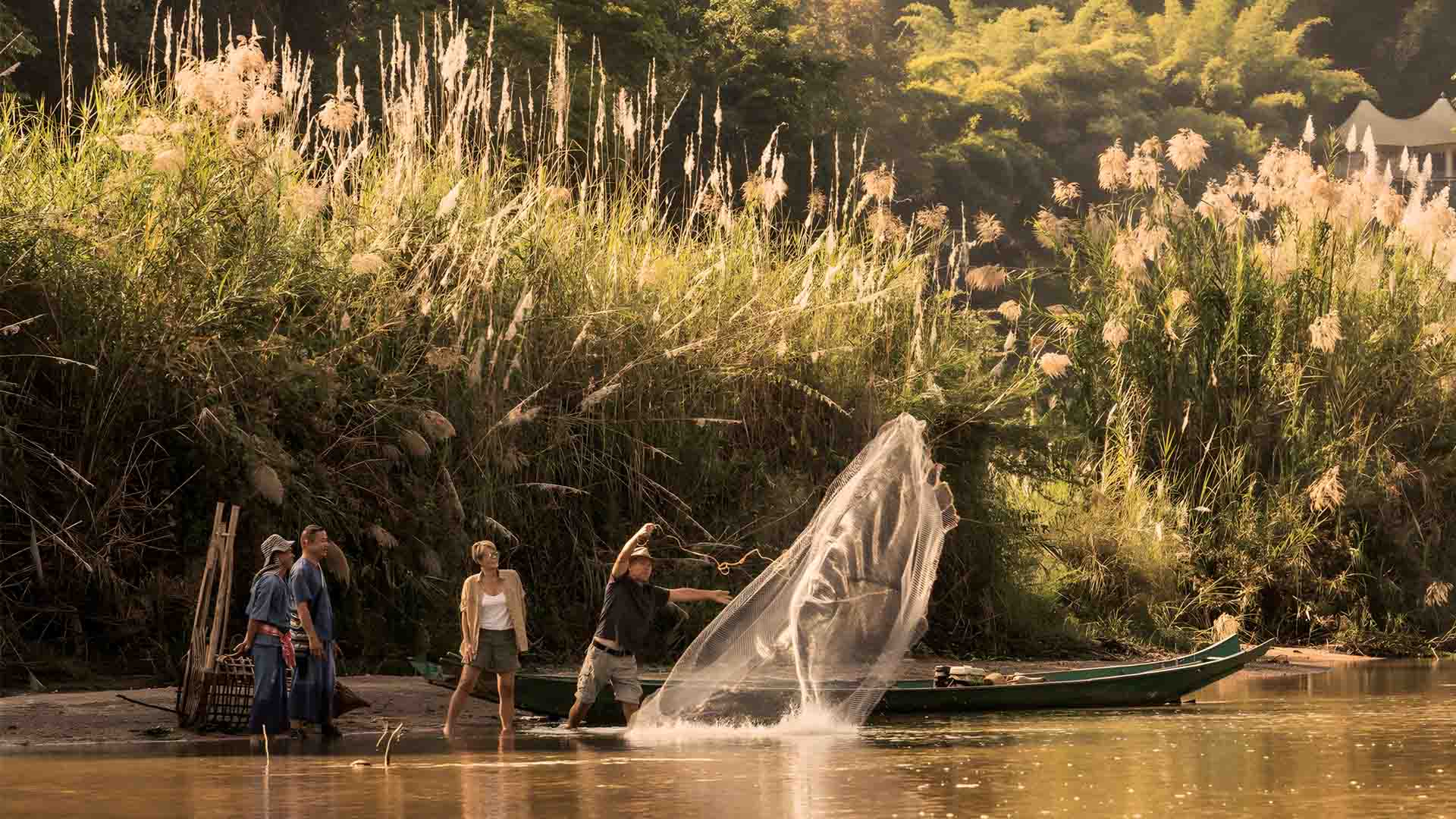
Years may pass, but my skill compass invariably points towards the kitchens wherever I go. This appetite for culinary immersion has taken me from Rim Tai Kitchen at Four Seasons Resort Chiang Mai—where I decoded Northern Thailand’s layered flavours—to the royal kitchens of Rohetgarh, where family recipes revealed themselves with subtle ease, belying their aristocratic origins. Along the way, I have learned to cook the perfect junglee maas with just five ingredients, rolled dough on a farm with Chef Amninder Sandhu in the forests of Yavatmal, Maharashtra, and built my own curriculum, one destination at a time.
At Rim Tai Kitchen, the experience began in the chef’s garden, selecting fresh herbs that form the aromatic foundation of Northern Thai cuisine. What set this workshop apart was its refusal to coddle. My partner Joydeep, typically a spectator in such settings, was handed his own station and expected to cook his meal alongside me. Later, he reflected, “I’d never truly understood how simple flavours could build something extraordinary until I did it myself. This lesson will stay with me every time I step into a kitchen.”
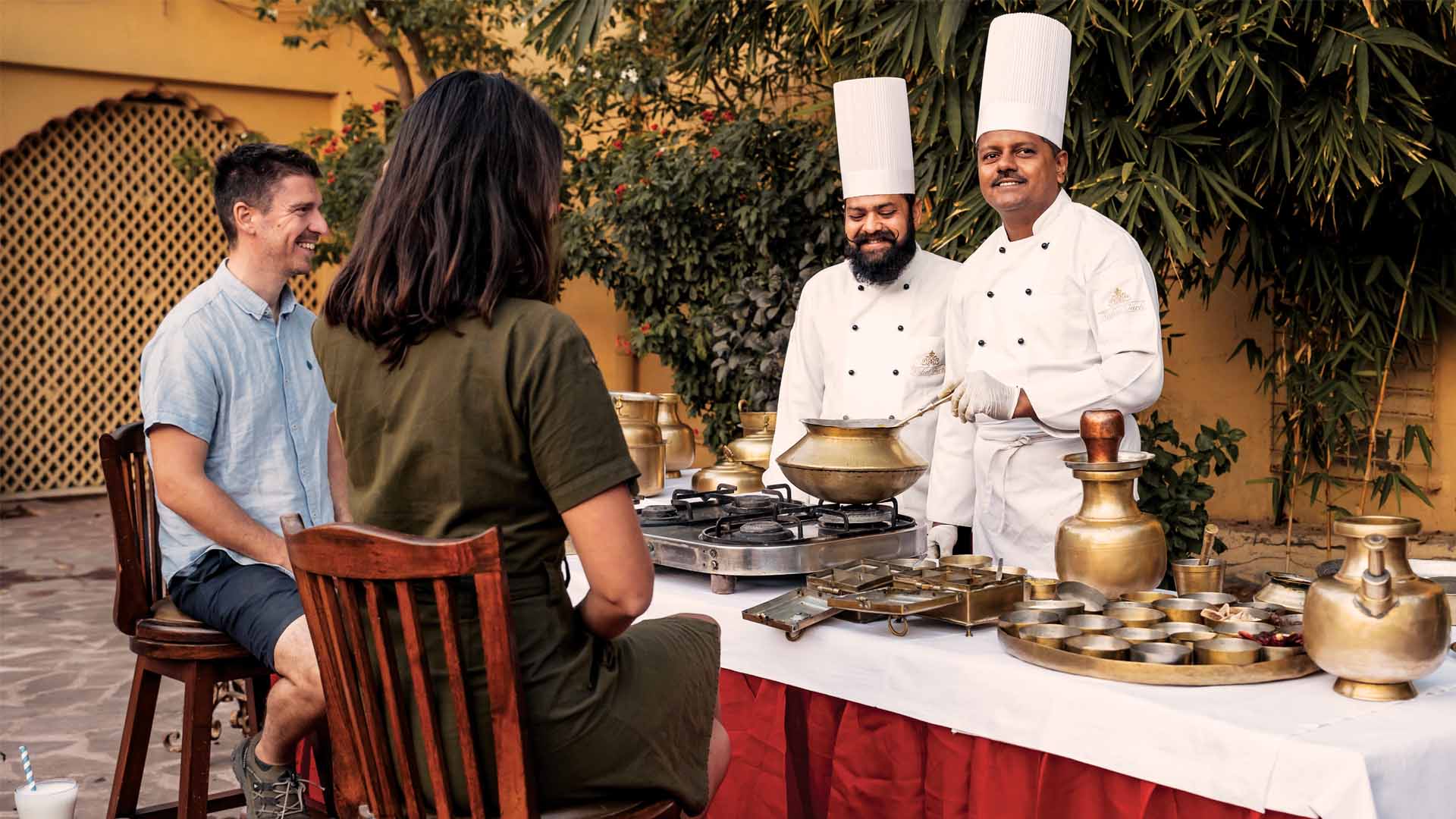
Authentic cultural exposure matters for guests who prefer hands-on activities.
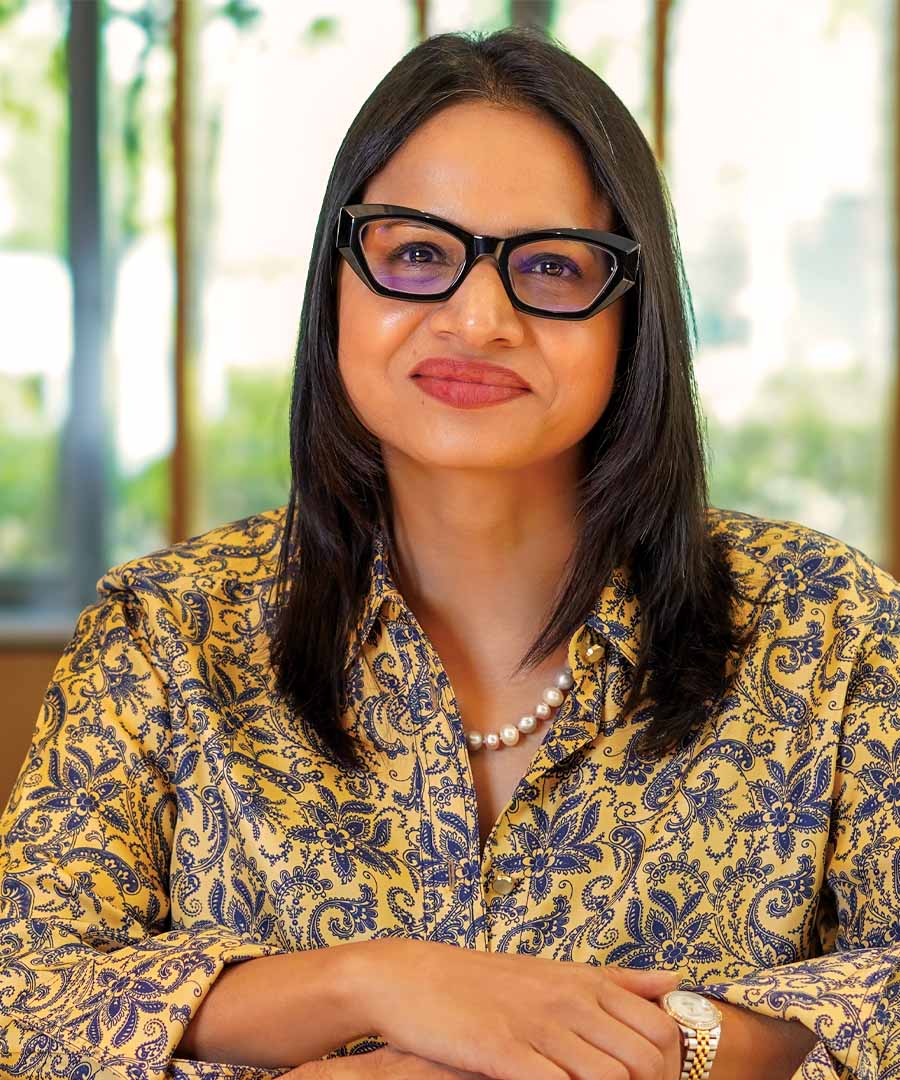
Neena Gupta, CEO, Miiro Hotels and Executive Director - Group Strategy and International Hospitality, InterGlobe Enterprises.
Today’s guests appreciate design and desire authentic, culturally immersive experiences. We curate for this mindset by collaborating with local partners and artisans. We empower our guests to go beyond the typical tourist experience.
Neena Gupta
CEO, Miiro Hotels and Executive Director - Group Strategy and International Hospitality, InterGlobe Enterprises
A craft revival
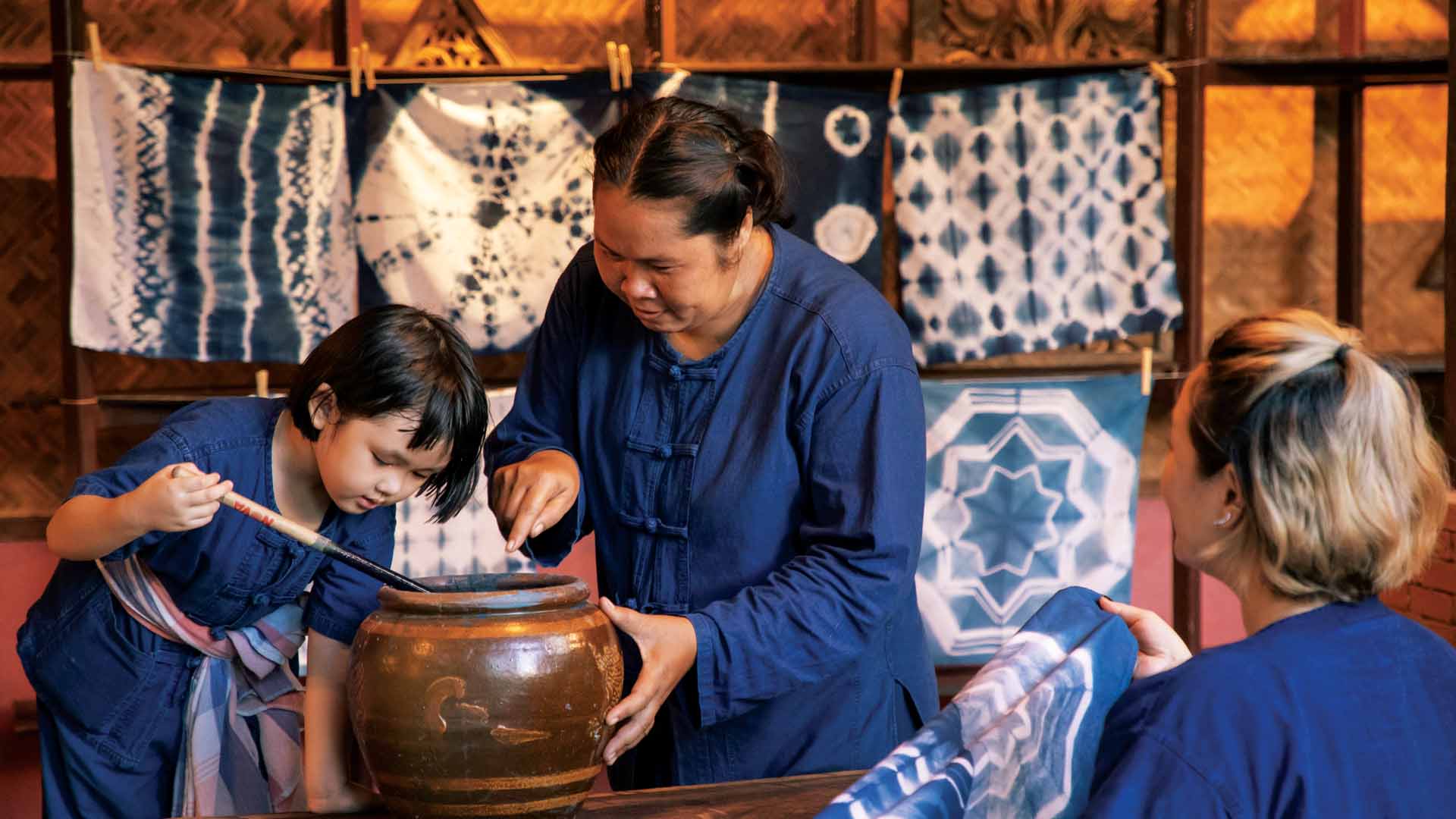
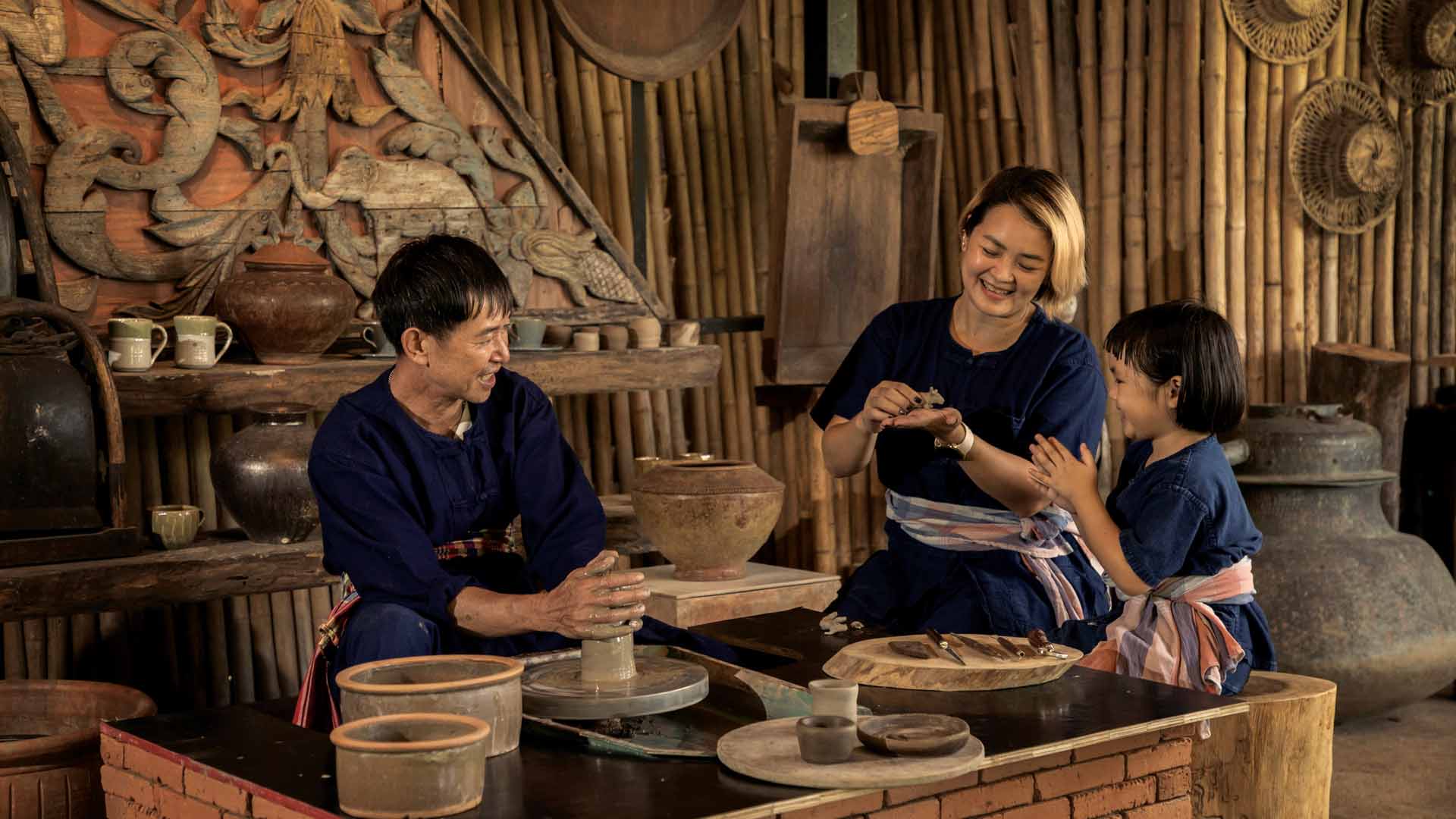
The Chiang Mai resort’s Chaan Baan cultural hub invites guests to discover crafts impossible to replicate elsewhere. Visitors can master Saa paper making—a centuries-old technique using mulberry bark, or learn to shape clay using pottery methods unique to Lan Na ceramics, or make traditional candles following Princess Dara Rasamee’s historic recipes, a royal art preserved nowhere else. Here, I learned to create tie-dye patterns rooted in hill tribe traditions using indigo, a skill I had long wanted to develop. Children can plant rice alongside farmers using generational techniques, while parents cook with freshly harvested ingredients. Together, these activities connect families to living heritage, offering hands-on mastery of skills tied to a land’s cultural thread and freely imparting knowledge that exists only in that part of the world.
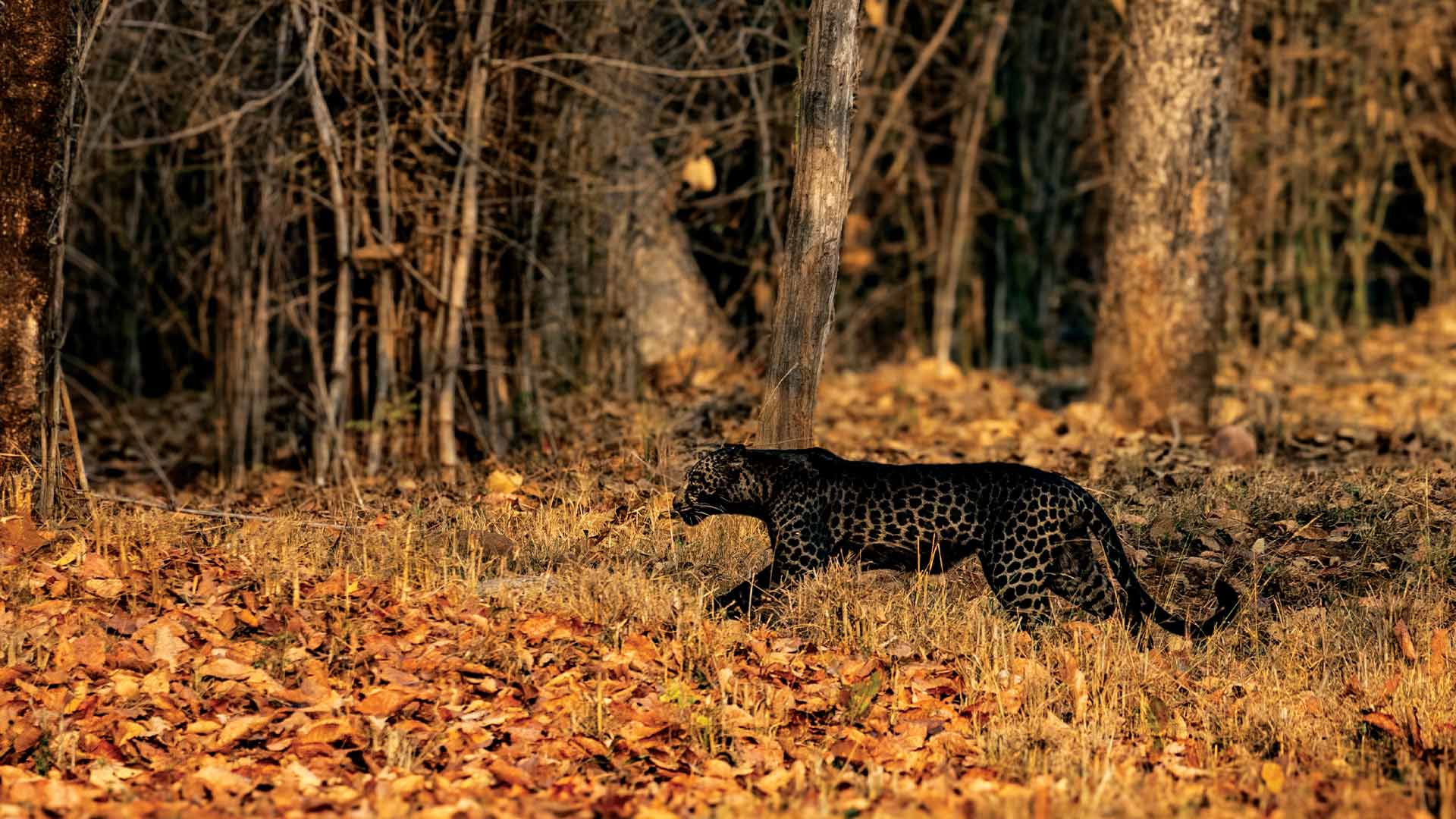
A similar shift is shaping travellers drawn to ‘purposeful travel’. At Pugdundee Safaris, this learning takes form through its ANAT and PRONAT programmes, run annually since 2018. Held for three weeks during the monsoon at Denwa Backwater Escape in Satpura, the field-based training builds on guests’ curiosity about nature and biodiversity. Consistently sold out, the programme has deepened many guests’ engagement with birdwatching and the wild, while offering travel-loving youngsters a clear pathway into careers as naturalists.
Even Four Seasons Resort Koh Samui—the White Lotus-famed hotel—enriches stays through opportunities to master crafts rooted in tradition. Guests can learn Muay Thai in an oceanfront ring, unlock the nuances of Thai massage, or craft jasmine garlands under expert guidance. For fitness enthusiasts, tennis clinics offer another structured avenue for skillbuilding.
From scuba diving to fly fishing, surfing to seaweed farming, pottery to linguistics, travel is increasingly propelled by a hunger to learn. Whether mastering traditional crafts in village workshops, attending writing retreats led by literary masters, or understanding agricultural practices that have sustained communities for generations, there are eager takers.
Skills have always quietly fuelled our desire to explore, but 2026 marks the moment this undercurrent becomes a defining wave. As Hilton’s report reveals, with 70% of families now seeking experiences that connect them to local traditions, ‘skillcations’ are set to fundamentally reshape how younger generations define meaningful travel—turning vacations from passive escapes into active investments in personal growth. Wildlife photography has emerged as a primary segment within this category, with experts leading year-round phototours for amateurs. Such workshops blend cultural immersion with hands-on creativity, ensuring every guest departs with new skills, even if only at a foundational level.
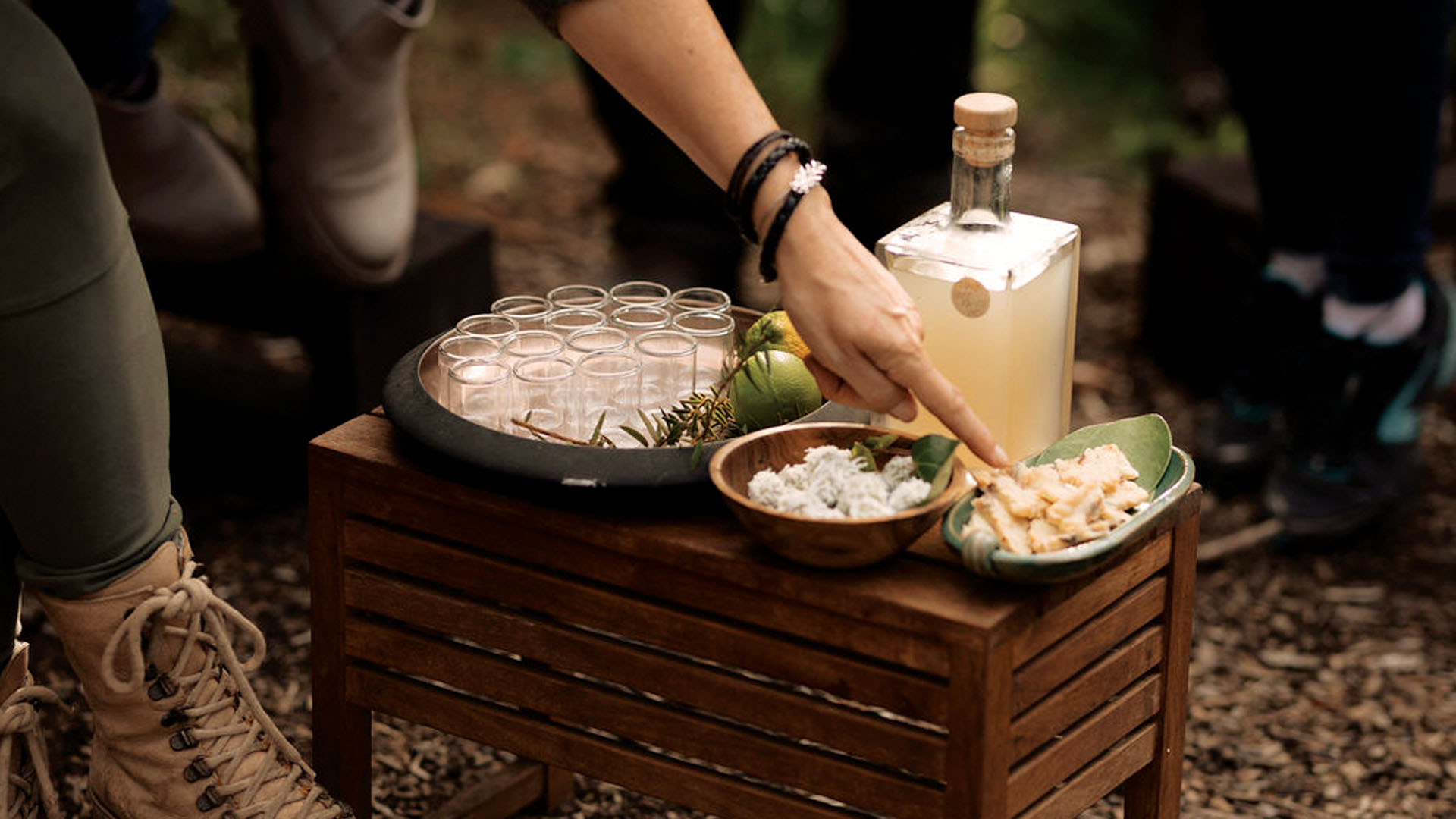
Travellers are now seeking tactile skills such as cooking and foraging to understand the geography, society and values of a place and people.
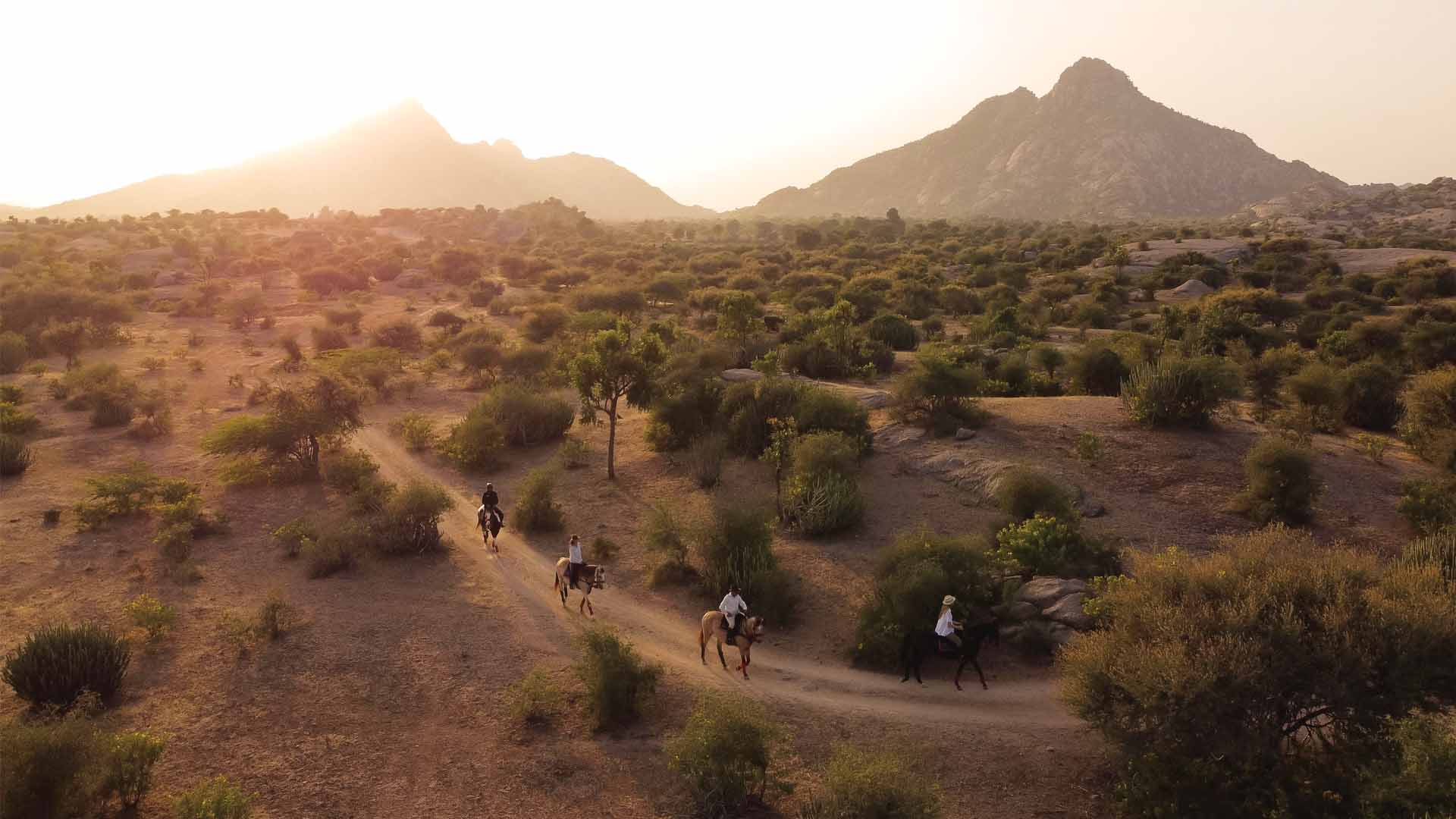
Interest in skills one can develop as an adult can be fostered with personalised training.
Art history, anyone?
According to Preferred Hotels & Resorts’ recent Luxury Travel Report, nine out of 10 travellers now seek historic experiences integrated into their journeys, with a vast majority wanting to engage closely and personally with the past. Miiro, the year-old lifestyle hotel brand located in the heart of Europe’s most vibrant neighbourhoods, is inspired by its surroundings and designed to connect guests deeply with local culture. At Le Grand Hôtel Cayré in Paris, guests are invited to experience the city through the eyes of a collector or embark on a private tour led by renowned arts specialist Gilbert Kann. These curated experiences offer insider access to the Puces de Saint-Ouen or the Saint-Germain-des-Prés gallery district, where guests learn to identify rare pieces, understand provenance, and engage with the city’s decorative arts heritage—transforming Paris from a destination into a classroom shaped by connoisseurship.
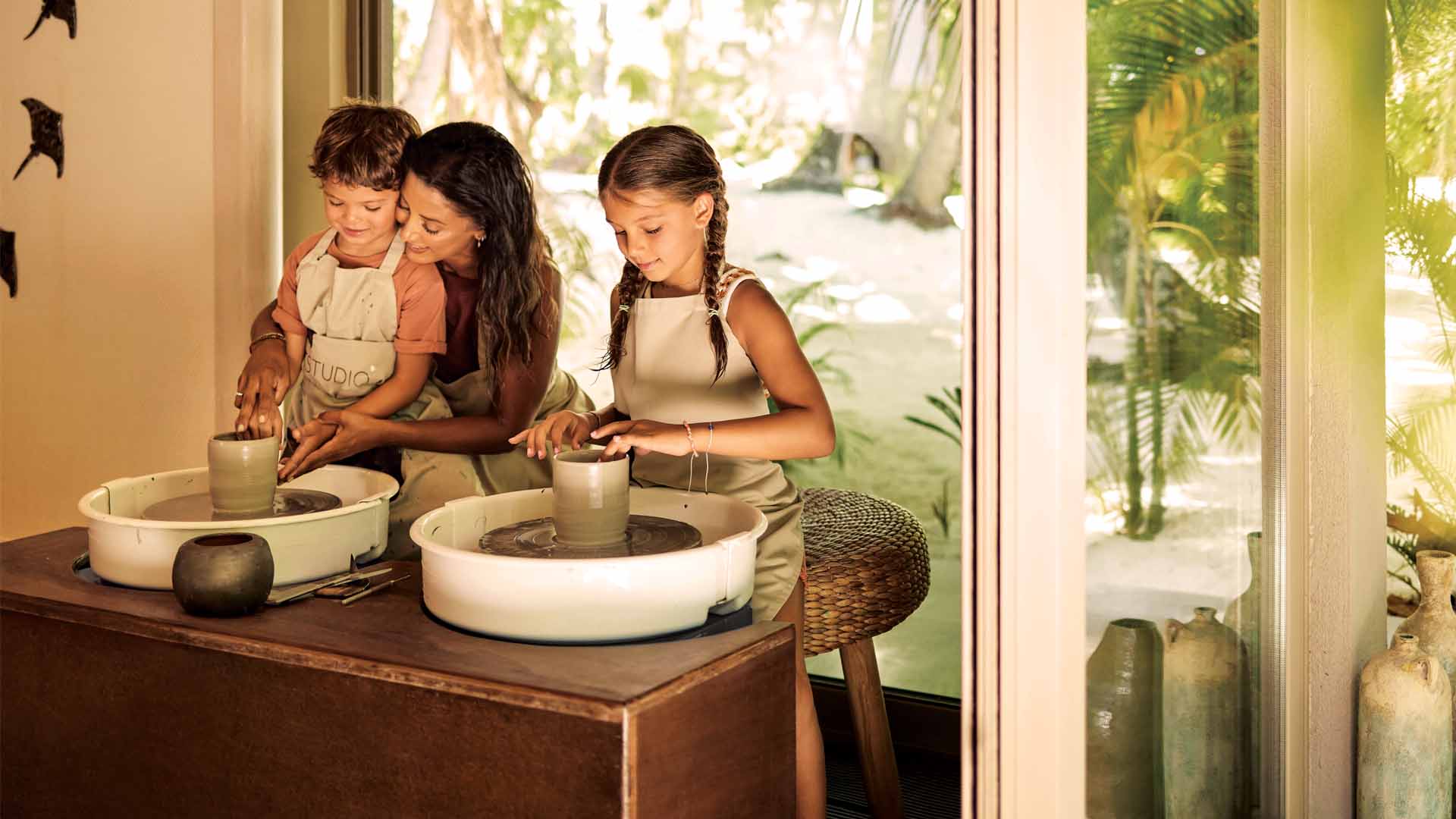
At JOALI Maldives, art becomes a living, participatory experience. The resort functions as a living gallery, home to over 60 interactive art installations that invite guests to engage as participants rather than observers. Its Art Studio hosts daily workshops led by resident and visiting artists, where guests explore painting, mixed media, natural dyes, and sustainable craft practices inspired by the island’s natural environment. These sessions are intentionally designed to build creative confidence, sharpen observation, and encourage self-expression, leaving travellers with tangible skills, a deeper appreciation for process-led creativity, and a reflective practice they can carry home.
Shifaz Hassan, General Manager, JOALI Maldives, notes, “We are seeing a growing number of guests whose travels are guided by passion rather than place. Whether it’s art, sustainability, or culinary exploration, today’s travellers want to learn, create, and connect.”
This philosophy extends to younger travellers as well. A dedicated kids’ programme introduces children to Maldivian culture through language lessons, traditional dance, palm-leaf weaving, coral conservation, and playful culinary sessions. These fun yet purposeful learning experiences help young guests develop essential life skills while fostering curiosity and empathy in a relaxed holiday setting.
The resort also places strong emphasis on inviting local Maldivian women artisans to lead art and craft sessions that celebrate storytelling, self-expression, and heritage techniques passed down through generations. Through these interactions, travellers learn directly from local communities, aligning with a growing global demand for cultural curiosity and purposeful travel—where heritage is not merely observed, but actively understood and sustained.
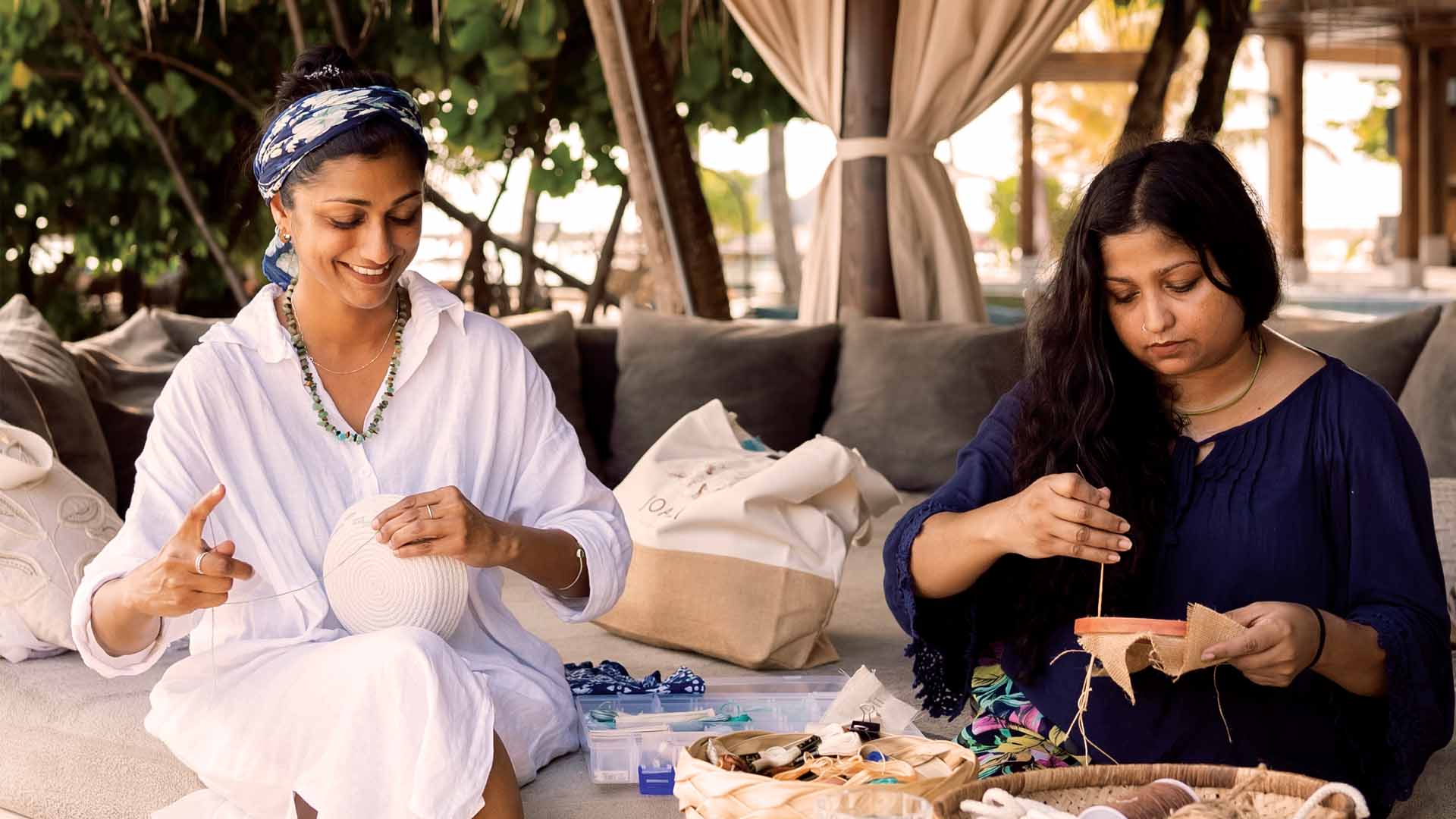
Looking inward while learning new skills adds value to personal travel style.
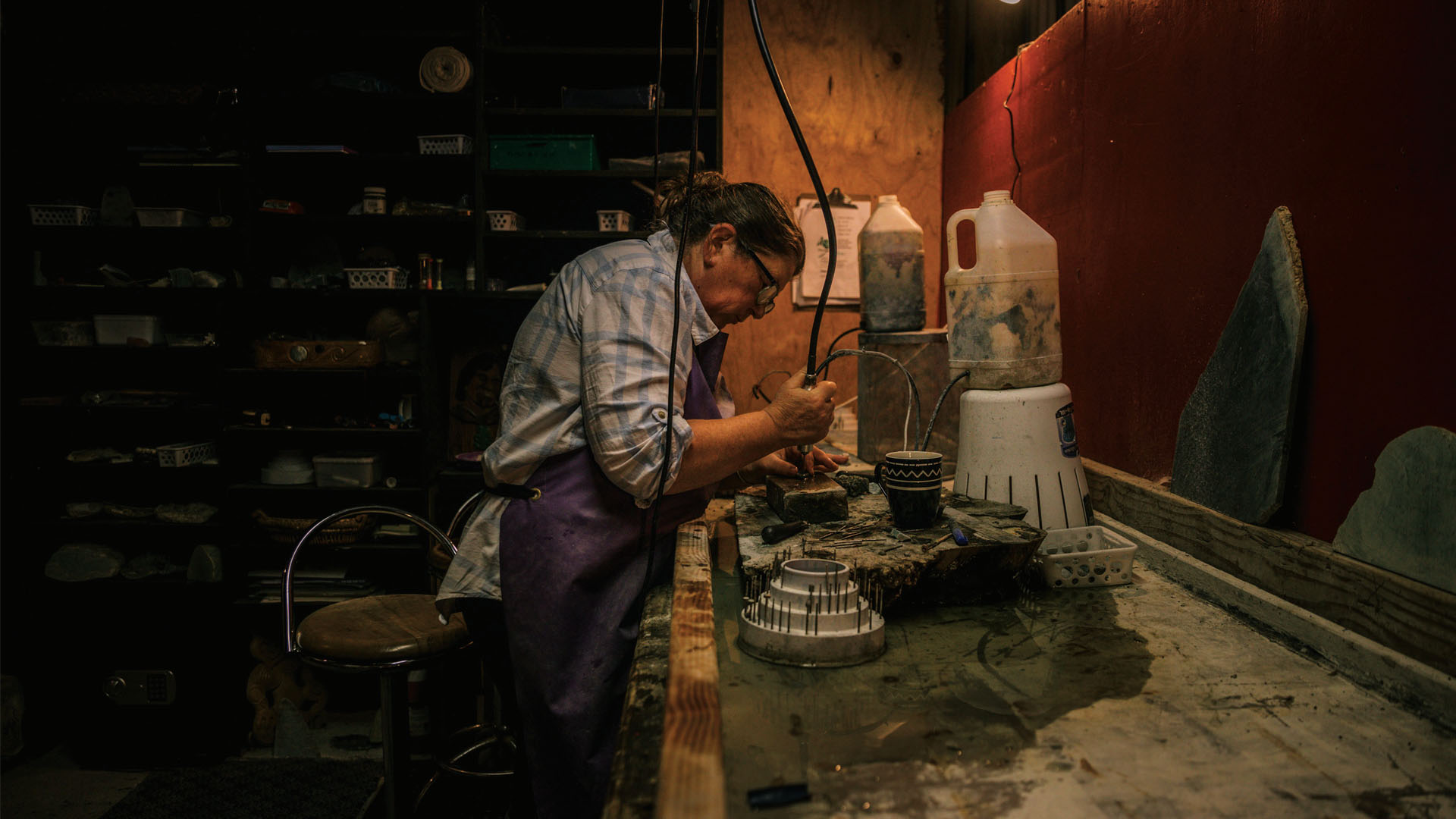
Pounamu (jade carving), a Māori craft, has eager takers from the west.
Why skillcations work
The sustainability of skillcations lies in intention, Singh points out. “When experiences are thoughtfully designed, culturally respectful, and led by practitioners rather than performers, they create value for both guest and host,” he notes. The shift is evident even in Goa, long viewed primarily as a party destination.
Today, it is emerging as a space for purposeful learning, highlights Richa Sharma, founder of Wildflower Villas. “Screen-fatigued, achievement-oriented travellers are now seeking tactile, analogue skills such as cooking, foraging, and fermenting—learned from real practitioners rather than staged performances,” she explains. These experiences foster deeper connection and meaningful family bonding, blending work-from-anywhere lifestyles with hands-on tradition. “The true value lies in slow, specialised learning—one usable skill at a time, learned deeply, with space for reflection,” Sharma adds. Singh attributes this evolution to travel becoming more intentional in the post-pandemic world.
“Travellers want fewer but more meaningful journeys, alongside a growing appreciation for craftsmanship—for skills that require time, patience, and lineage to master,” he says. At its core, skill-building thrives on learning directly from practitioners within their own environments, adding a layer of authenticity no classroom or online tutorial can replicate. Skill-based travel also delivers tangible economic benefits, offering a meaningful boost to local crafts, skilled practitioners, and smaller destinations where there may be fewer sights to see, but much more to learn.

RIGHT: Amateur astronomy is a booming segment among curious travellers.
Dushyant Bhalla, Director and CEO, AABEE Travel.
On average, 60–70% of our clients incorporate some form of skill-based experience into their travel. This could be personal learning experiences like sports training, or creative learning workshops,
either for themselves or for their children.
Dushyant Bhalla
Director and CEO, AABEE Travel