












Imperial Hotel Opens in Kyoto’s Historic Core
The Japanese hospitality icon marks its fourth address with a deeply contextual Kyoto debut.

By Chandreyi Bandyopadhyay
In Kyoto, the Imperial Hotel has accepted a custodianship.
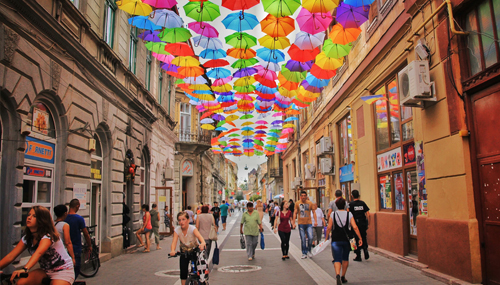
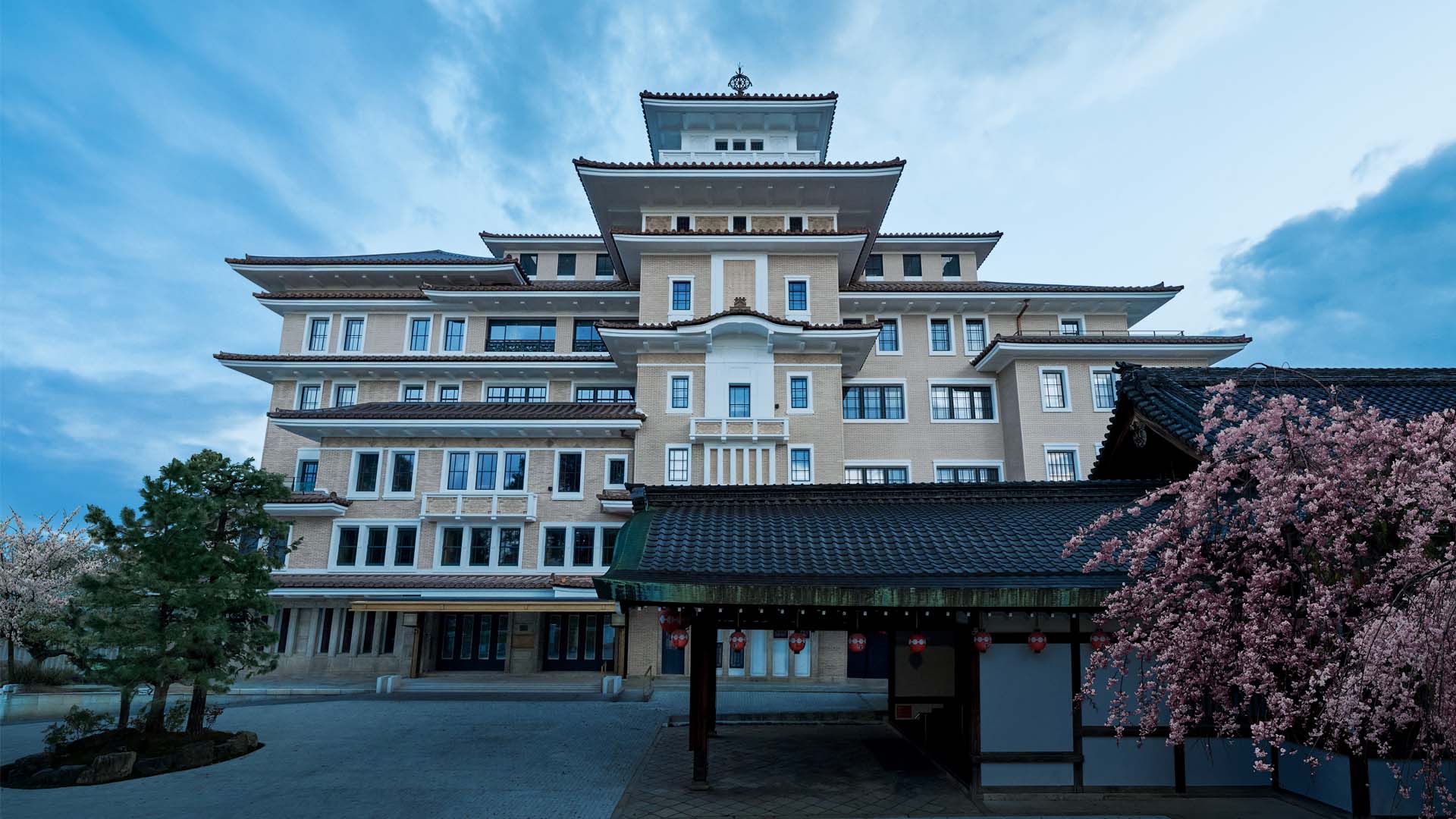
Somewhere between stepping through the southwest façade of the brand new hotel and the lantern-lit streets of Gion framed by floor-to-ceiling glass, the weight of the building's history becomes palpable. The property preserves and incorporates a portion of the Yasaka Kaikan, a nationally registered Tangible Cultural Property located on the grounds of the Gion Kobu Kaburenjo, the district's legendary geiko and maiko theatre precinct. While inheriting its valuable legacy, the hotel breathes new life into the Yasaka Kaikan, a 90-year-old cherished landmark for the local community.
The Imperial Hotel Kyoto is the brand's first new property in thirty years, and only its fourth address worldwide—joining the flagship in Tokyo, the alpine retreat at Kamikochi, and its urban outpost in Osaka. For the group that was established in 1890 as a state guest house, hosted emperors and heads of state and weathered the full sweep of modern Japanese history, this expansion is significant.
General Manager Reiko Sakata explains, “This building was originally Yasaka Kaikan, a theater established by geiko and maiko. We built this hotel here in a way that respects and harmonises with the time that Gion has woven over the years.”
This philosophy is visible in the material choices. The 16,000 tiles on the exterior wall, salvaged from the original structure, have absorbed nearly a century of the neighbourhood. The pillars and floors of the exclusive guest lounge are dressed in Tamina stone recovered from the Yasaka Kaikan's original VIP room. These are paired with terracotta reliefs of the same design as those of the second main building of Imperial Hotel in Tokyo, commonly known as the Wright Imperial.

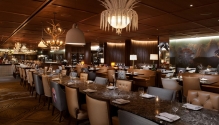
The Executive Lounge at the hotel.

The panoramic view from the Imperial Suite.
With only 55 rooms across five categories, the hotel operates at a boutique scale as a statement of intent. Imperial's signature service philosophy translates here into something the brand describes with characteristic understatement. Guest preferences recorded at any of the group's properties travel with the guest to Kyoto, be it a preference for buckwheat hull pillows, a request for caffeine-free tea in the evening or spa choices. “Precisely because we are a small hotel of just 55 rooms, our staff can embrace each guest's tastes and express our hospitality freely and fully,” says Sakata.
The rooms are distributed across three architecturally distinct zones. The Main Building, Heritage, is preserved in original pillars, window frames and exposed structural elements from the Yasaka Kaikan. The interiors are layered with warm wood tones and gold accents. Floor-to-ceiling windows open onto panoramic city views, placing guests at the living centre of Gion. The Signature Suites—Imperial, Penthouse and Yasaka—range from just over a 1,000sq.ft. to nearly 1,400sq.ft., furnished with Japanese cedar, washi paper and handcrafted textiles, with outlooks across the lantern-strung streets or directly above the Kaburenjo's main gate.
The suites, also housed in the Heritage wing, run slightly smaller than the Signature Suites and retain the restored window frames and wooden pillars of the original building. Junior Suites offer a choice between mountain panoramas and close-up views of the Kaburenjo's sweeping roof, their interiors grounded in natural stone and locally inspired art.
The North Wing introduces tatami flooring for the first time under the Imperial Hotel brand, offering a tranquil retreat that harmonises with the traditional streetscape. Grand Premier and Premier rooms embrace minimalist design with handcrafted ceramic accents, blending quiet geometry with the traditional Gion streetscape outside. It is a restrained but meaningful gesture, an acknowledgement that Kyoto demands its own vocabulary, even from a brand as assured as the Imperial.
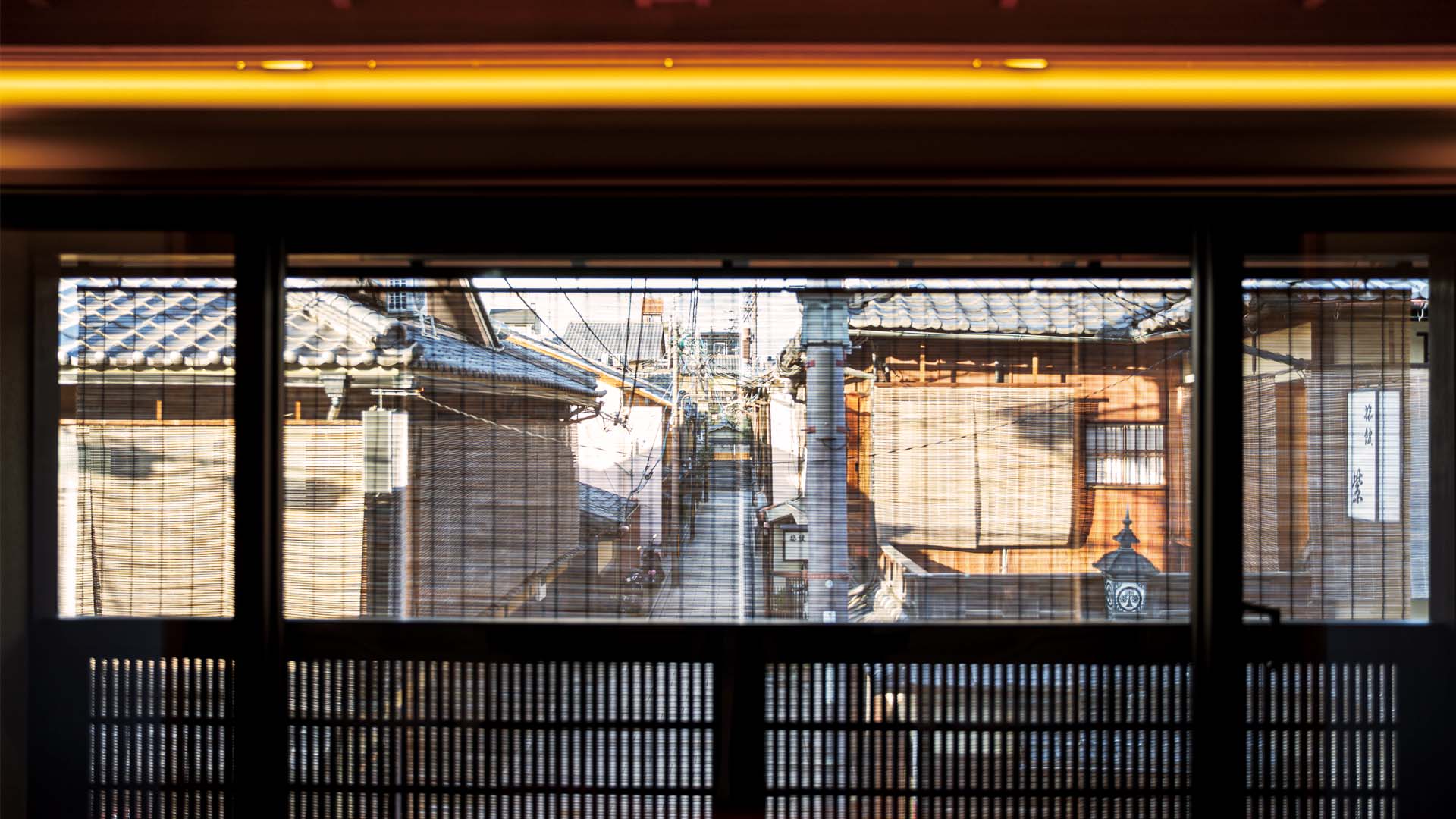
Sitting prominently in Gion district, custodianship of heritage preservation gives Imperial Hotel an impetus to think differently.

The Imperial Hotel Kyoto is the brand's first new property in thirty years, and only its fourth address worldwide.
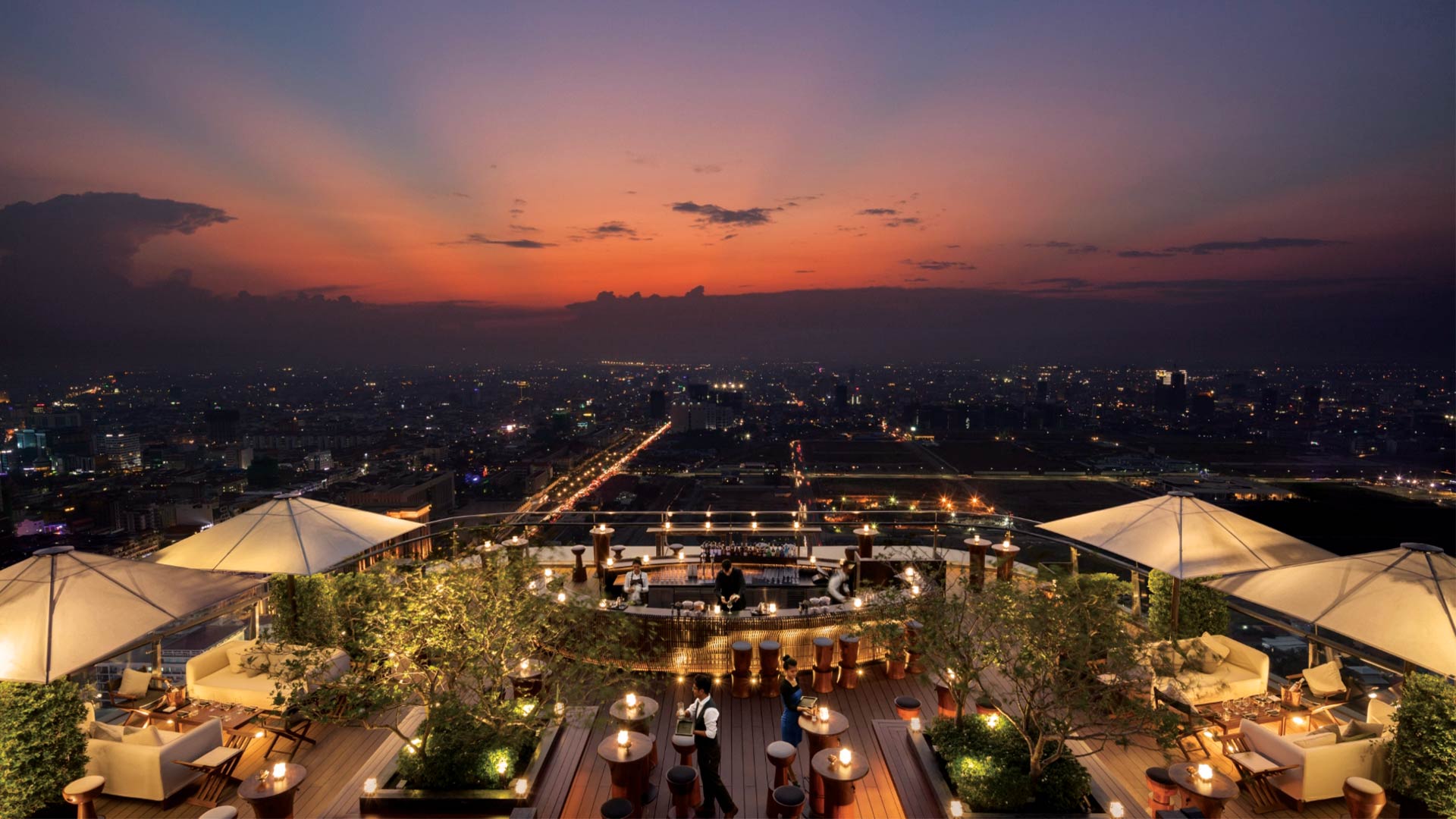
The hotel's culinary programme is anchored by four distinct destinations. REN, an 18-seat chef's counter restaurant, is the most intimate. Executive Chef Koji Imajo, who joined Imperial in 1996 and honed his craft in France, presents French-Japanese tasting menus guided by Japan's twenty-four solar terms. YASAKA, a 54-seat all-day dining room on the second floor, is built around a custom wood and charcoal oven, its open kitchen theatrical with flame and fragrant smoke. OLD IMPERIAL BAR occupies the seventh floor, with zelkova-slab counter and low, deliberate lighting channeling the spirit of the Wright Building through Kyoto-inflected cocktails. For in-house guests, THE ROOFTOP opens seasonally from late March to late November, with 24 seats under open sky at the heart of Gion and the skyline doing the rest. Wellness facilities include a spa, swimming pool and fitness gym.
In April 2025, the Imperial Hotel, Kyoto was welcomed into The Leading Hotels of the World, a recognition that positions it among a global cohort defined by independence, heritage and a refusal of the generic.
What the property ultimately offers is rarer than luxury in the conventional sense, carving out a genuinely specific sense of place, built on grounds that geiko and maiko once made their own, inside walls that a community spent ninety years filling with meaning, now reimagined by a brand that has spent 135 years learning what it means to make a guest feel truly looked after.


Imperial Hotel Kyoto at a glance
Room Concepts:
Extension, Preservation, Renovation
Architectural Restoration:
Obayashi Corporation
Interior Design:
New Material Research Laboratory
Historic Landmark: YAsaka Kaikan (Established 1936)
Cultural Designation:
Registered Tangible Cultural Property
Affiliation:
The Leading Hotels of the World
Website:
www.imperialhotel.co.jp/kyoto