













Relics of The Awakened One
The return of the Piprahwa jewel relics transforms archaeology into a meditation on memory and belonging. The Light and the Lotus reveals how faith-shaped objects endure across millennia.

By SOH Edit Team
Fragments of stone, crystal, gold and carnelian rarely arrive with the force of revelation. Yet the return of the Piprahwa jewel relics to India—repatriated in July 2025 after the Ministry of Culture secured them from a postponed Sotheby’s Hong Kong auction—has stirred something deeper than antiquarian curiosity. Once dispersed across continents, these objects now cohere into a narrative linking archaeology, devotion and cultural memory. The Light and the Lotus, organised by the National Museum.
Curated by Dr Savita Kumari and Dr Abira Bhattacharya, the exhibition centres on the 1898 discovery of the Piprahwa stupa in present- day Siddharthnagar, Uttar Pradesh—a find that shaped understanding of early Buddhism. Excavations revealed reliquaries, bone fragments and jewel offerings associated with the historical Buddha.
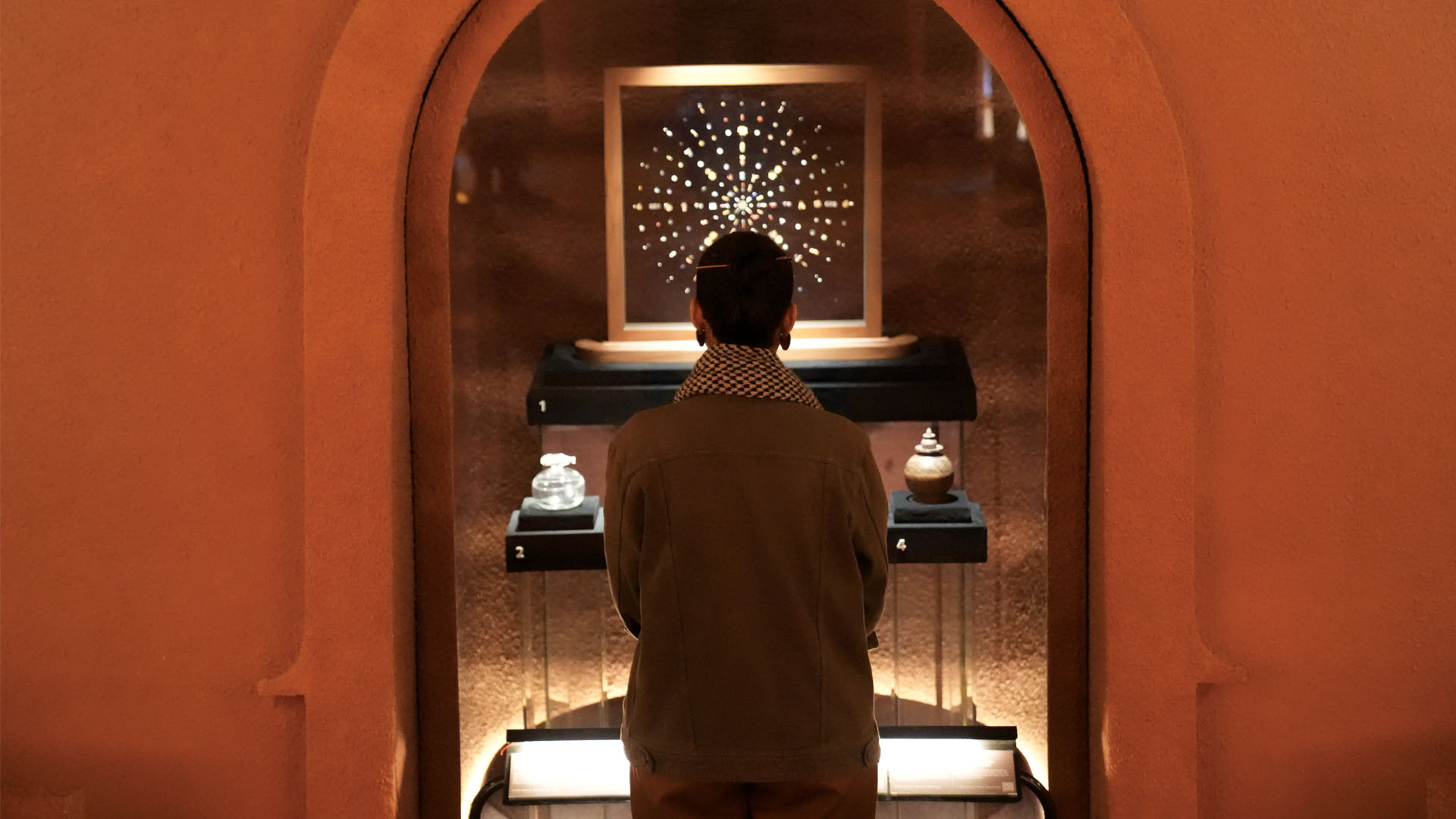
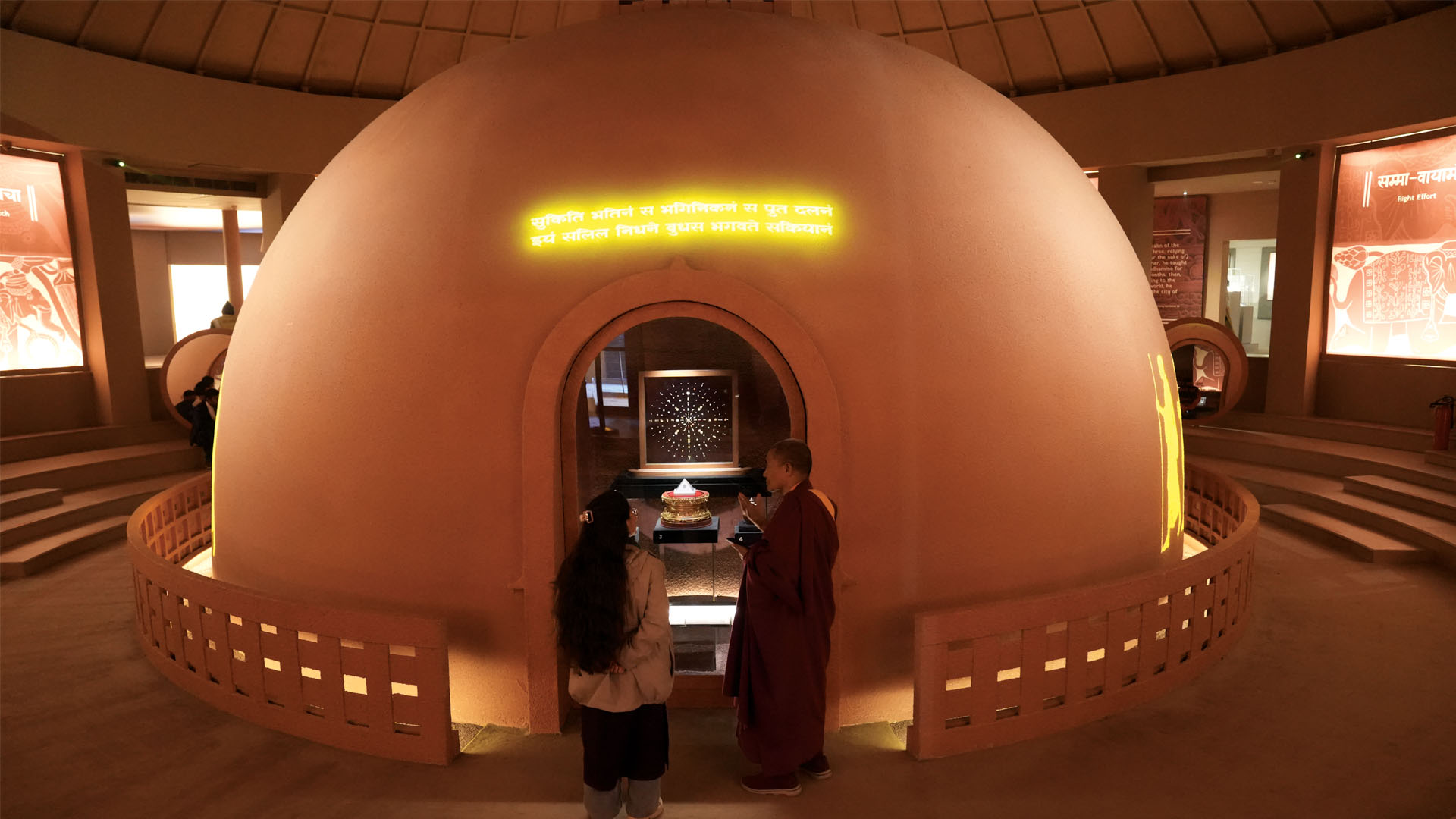
The dome is a reconstructed interpretive model inspired by the Sanchi stupa, designed to house and display the sacred Piprahwa relics and repatriated gems of Lord Buddha.
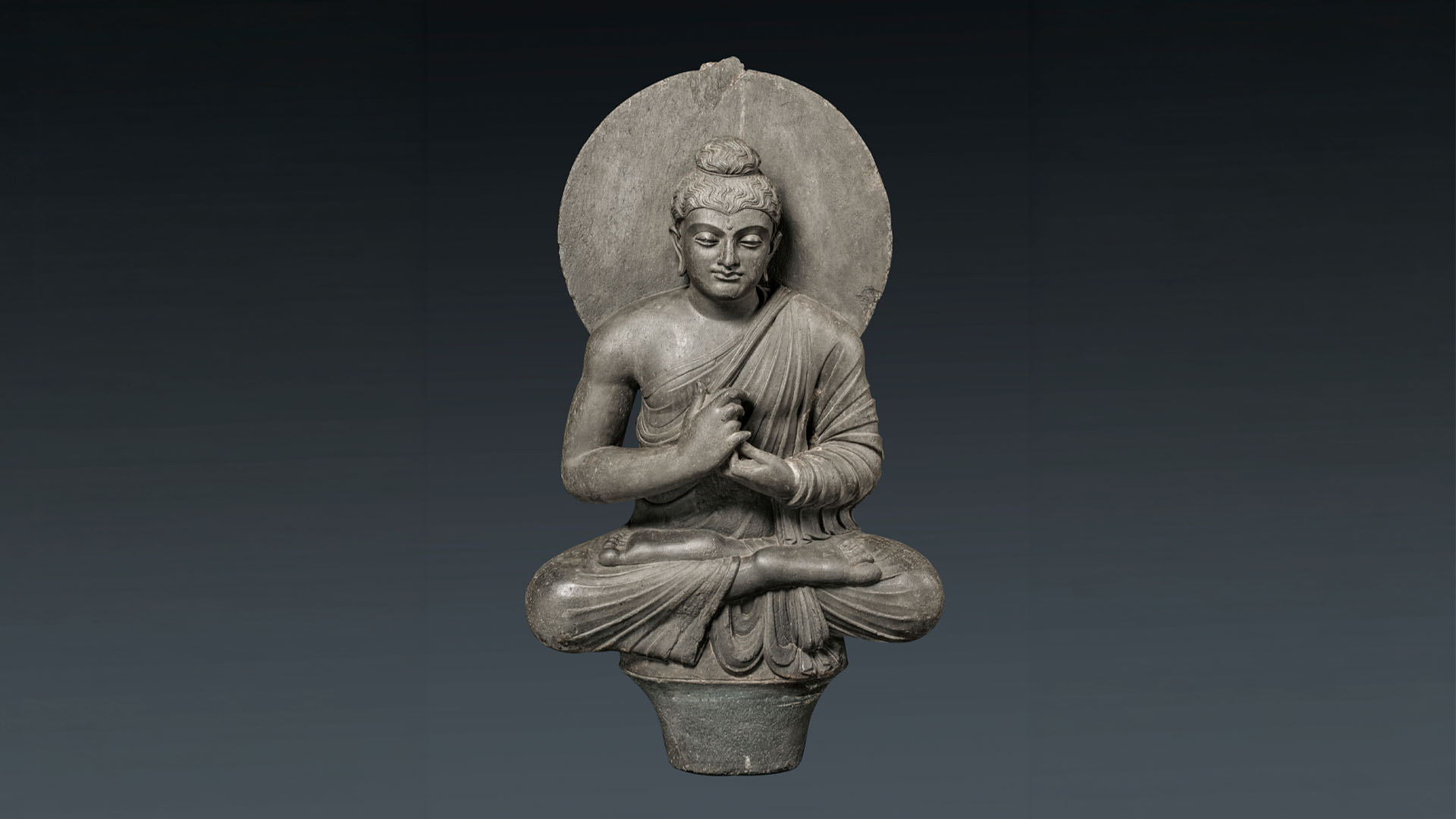
This seated Buddha in bodhyanga mudrā, 2nd century CE, Gandhara, reflects early Buddhist iconography.
The discovery that reshaped Buddhist archaeology
These relics trace their origins to the centuries following the Buddha’s Mahāparinirvāṇa in the 5th century BCE, when his remains were divided among eight republics, including the Śākyas, his own clan, and enshrined in stupas that became sites of pilgrimage. Centuries later, Emperor Ashoka reopened many stupas and redistributed relics across the subcontinent, expanding devotional practice.
The Piprahwa reliquary caskets, often dated to the Mauryan period of the 3rd century BCE, are widely understood within this Ashokan context. The jewels placed alongside the relics—crafted from gold, silver, crystal, carnelian and mother of pearl—were not decorative but offerings shaped by sophisticated lapidary traditions. Their refinement suggests an aesthetic language in which craftsmanship became an extension of faith.
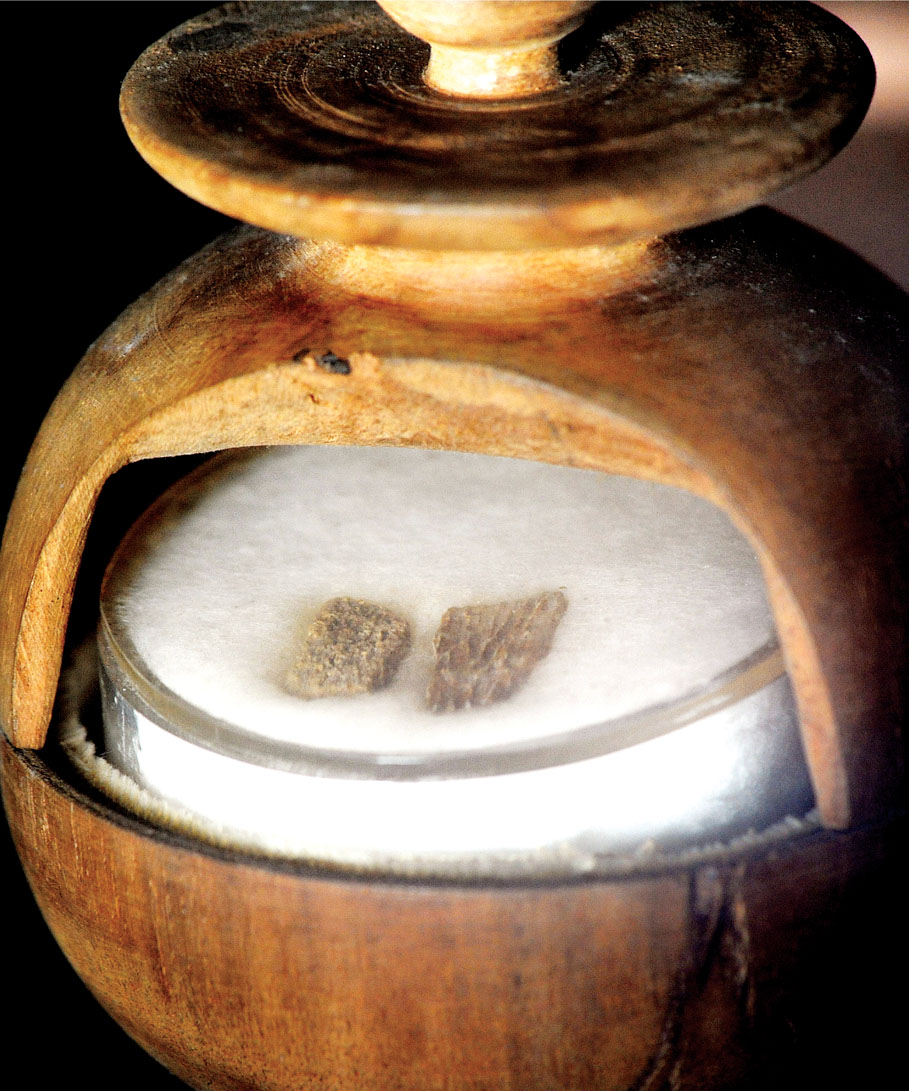
Sacred bone relics of Buddha found in Piprahwa, Uttar Pradesh.
From dispersal to repatriation
The exhibition’s narrative gained urgency when a group of jewels, long held by descendants of British landowner William Peppé, appeared on the international art market. Scholars argued that relic-associated objects cannot be separated from their spiritual significance. Their repatriation has come to symbolise broader efforts to return displaced heritage to its cultural context.
“These jewels are not simply artefacts,” notes Dr Savita Kumari. “In the Buddhist tradition, relics embody the living presence of the Buddha. Their return allows us to restore an important chapter of India’s history.” Among the most significant objects is a reliquary bearing a Brahmi inscription identifying the relics with the Buddha—rare epigraphic evidence strengthening confidence in the site’s antiquity.
The reunited assemblage includes jewel offerings from collections in Kolkata and the Peppé family holdings. Lotus motifs, leaf forms and a rare bird-shaped carnelian bead suggest meanings still under study. The jewels also illuminate ancient trade routes. Several materials are not indigenous to the Piprahwa region, suggesting pilgrims and patrons travelled considerable distances to contribute offerings, reinforcing early Buddhism as a transregional network shaped by exchange.
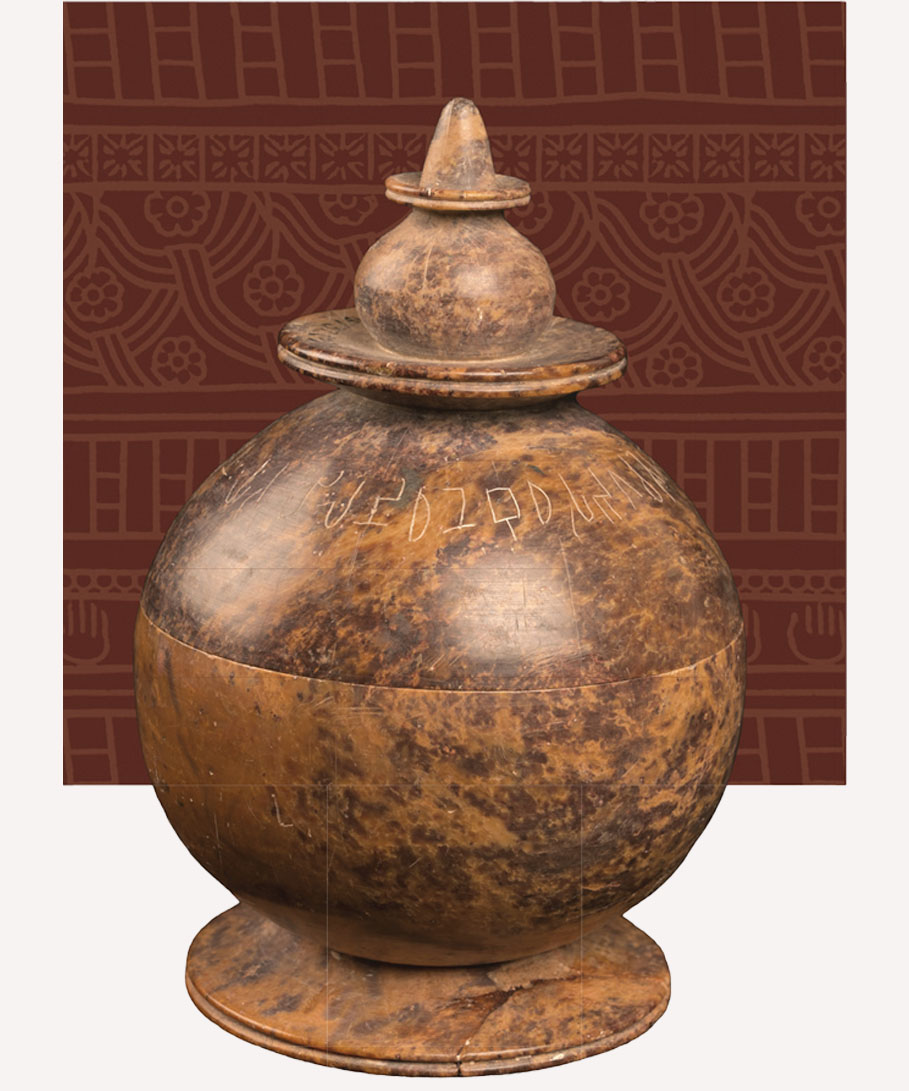
An inscribed relic casket of Buddha, linked to Ashokan redistribution.
Repatriation as restoration of context
Equally compelling is the exhibition’s engagement with repatriation as both ethical and intellectual inquiry. Over the past decade, India has intensified efforts to retrieve artefacts dispersed during the colonial period. The Piprahwa jewels—once divided among institutions in 1 6 Kolkata, Lucknow and London, and private collections abroad—exemplify the trajectories of displaced heritage. “Repatriation is not only about recovering objects,” Dr Kumari observes. “It is about restoring context. When relics are brought back, they reconnect with the cultural landscape that gives them meaning.”
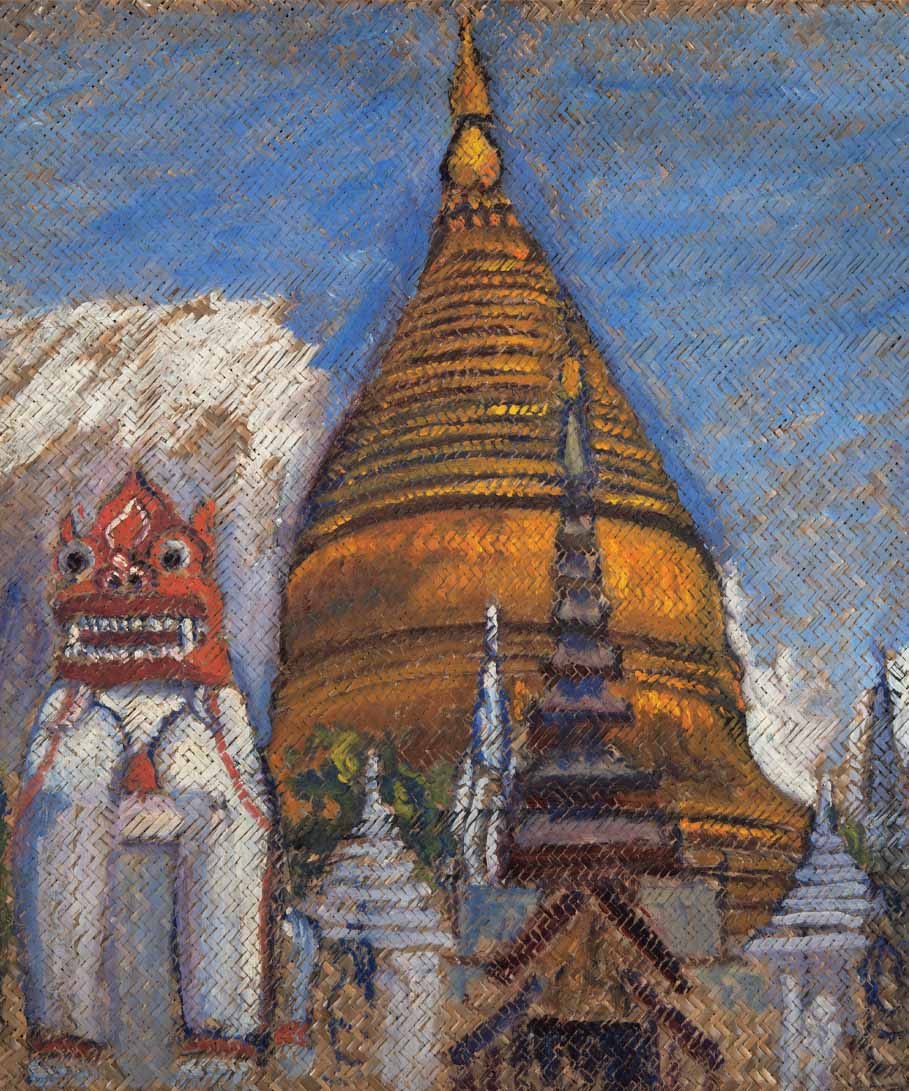
: Elizabeth Brunner's Guardians of the Shwedagon depicts the golden stūpa in Yangon, Myanmar.
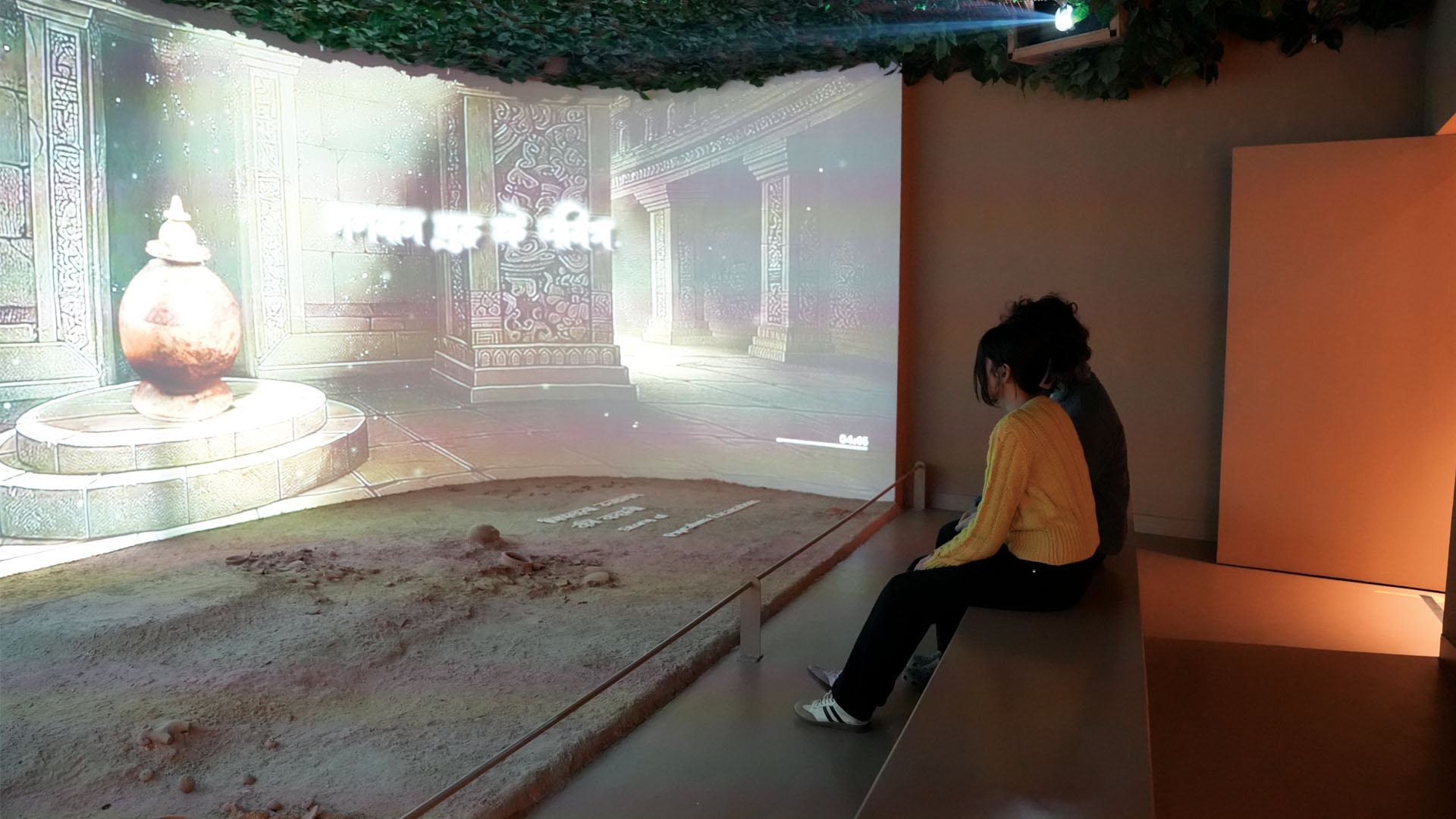
Designed by The Design Factory, the pedagogical spatial design with muted lighting, immersive AV projections, and a central monolithic stone coffer, emphasises spiritual reverence.
Designing an experiential encounter
The exhibition is staged at the Qila Rai Pithora Cultural Complex in Delhi, where a circular layout echoes the ritual act of pradakshina. Visitors move through seven thematic sections tracing the relics’ journey across time, anchored by a central installation referencing the Sanchi Stupa.
Set within the open environment of Qila Rai Pithora, the exhibition invites contemplation rather than spectacle. In an era marked by technological acceleration and cultural fragmentation, the Piprahwa jewels—modest in scale yet vast in significance— remind us that objects can carry memory across millennia.
Their return is not merely restitution, but an opportunity to reconsider how heritage shapes collective identity.
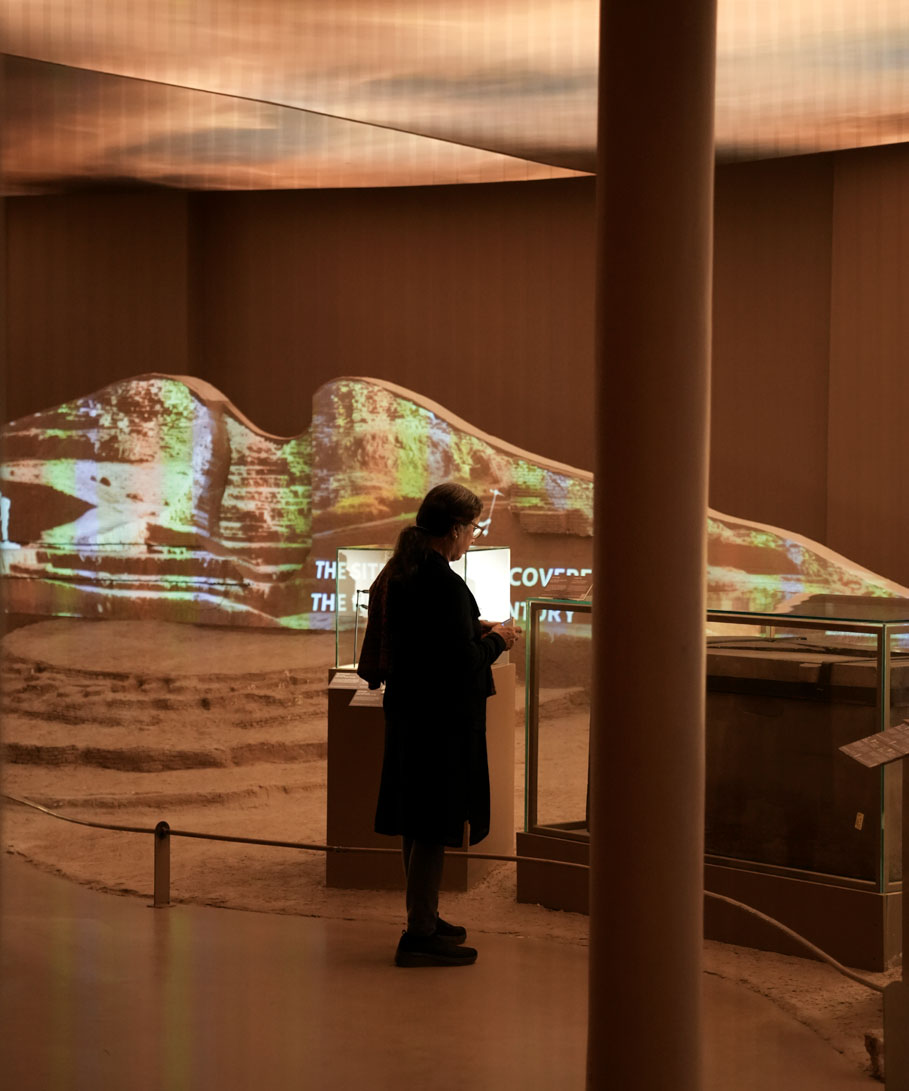
Designed by The Design Factory, the pedagogical spatial design with muted lighting, immersive AV projections, and a central monolithic stone coffer, emphasises spiritual reverence.