












India’s Summer of 2026
The geopolitical disruptions unfolding across West Asia have unexpectedly redrawn the contours of India’s summer travel season. As international routes face cancellations, rising fares, and uncertainty, Indian travellers are increasingly redirecting their plans toward domestic destinations and short-haul Asian escapes. The result is not merely a seasonal shift, but potentially the beginning of a larger structural realignment in how—and where—Indians choose to travel.

By Chandreyi Bandyopadhyay
The summer of 2026 was expected to be the year Indian outbound travel peaked, driven by rising disposable incomes, expanding passport penetration, and improved connectivity to Europe and the US. Instead, escalating geopolitical tensions in West Asia have disrupted global air routes, driven up fuel prices, and triggered widespread cancellations of international holidays. Since the escalation of hostilities in late February 2026, more than 40,000 flights to and from the Middle East have been cancelled or rerouted, according to aviation analytics provider Cirium. Industry numbers and sentiments indicate a dramatic pivot towards domestic travel and short-haul alternatives across Asia, emerging from India.
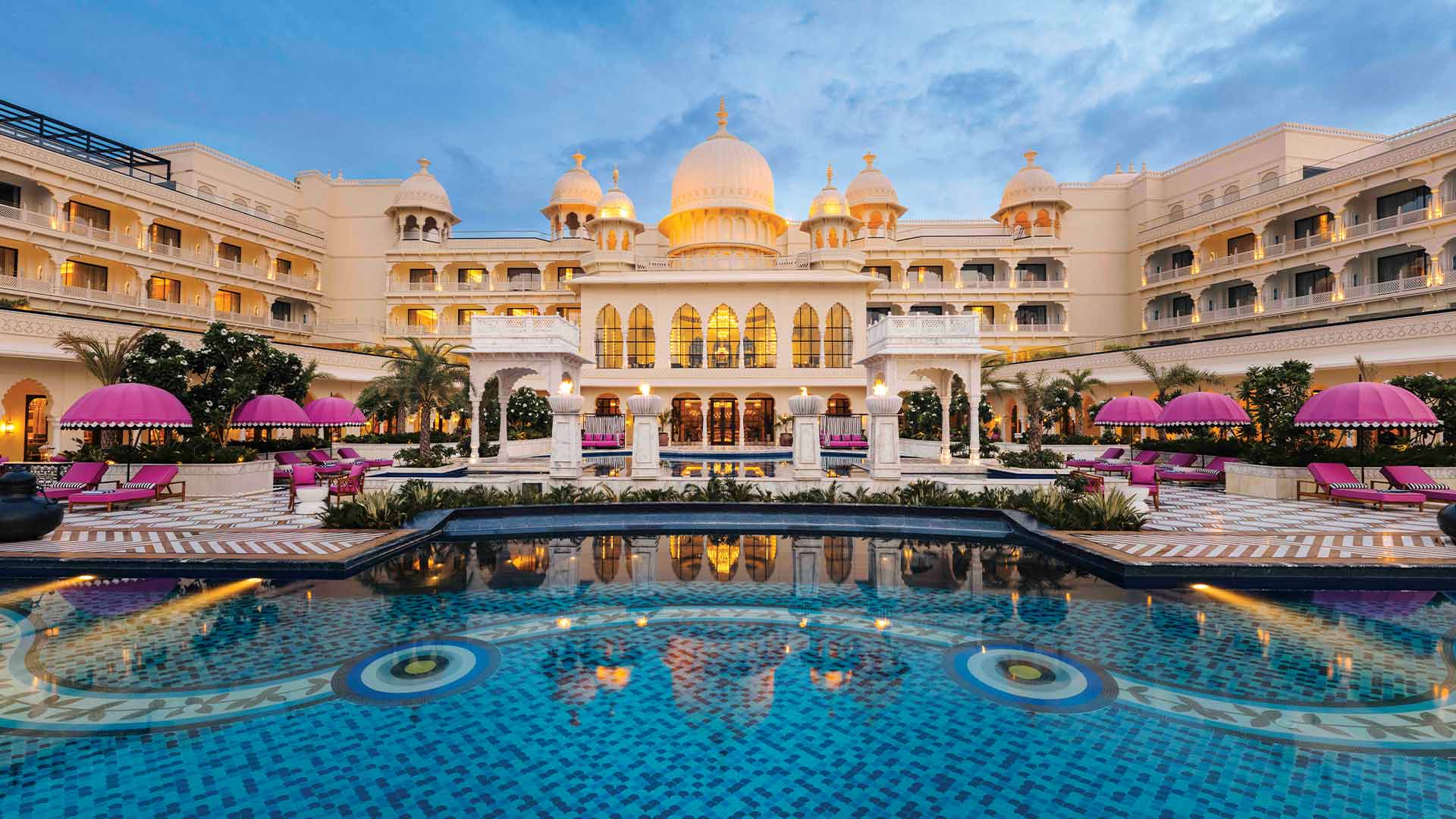
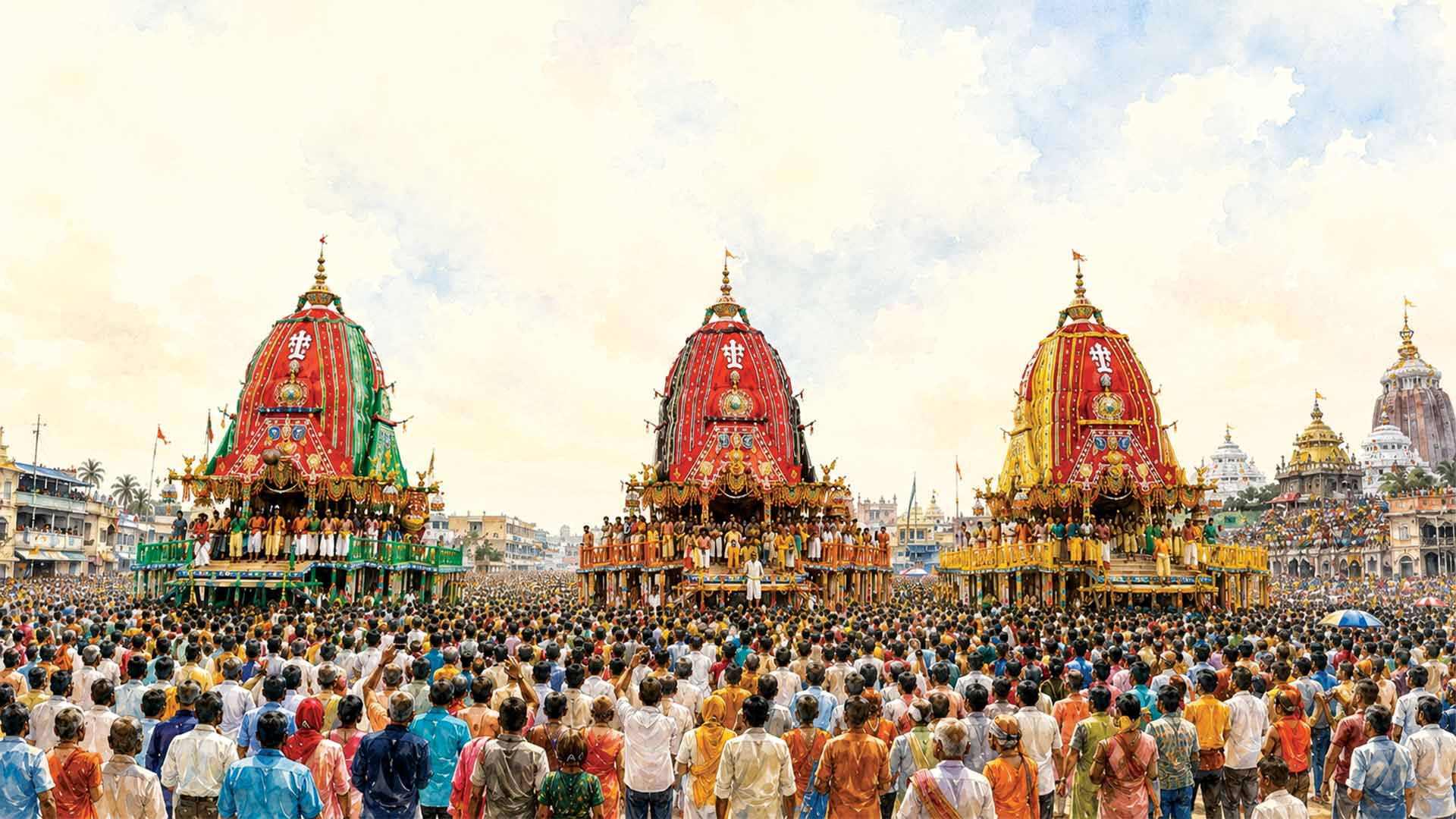
"What we are seeing this summer is travel driven by curiosity and culture," said Amanpreeit Singh Bajaj, Country Head, Airbnb India and Southeast Asia. Domestic travellers are increasingly looking beyond established hotspots and exploring destinations that offer nature, heritage and cultural richness. Thiruvananthapuram (over 90% growth in searches), Puri (over 30%), Jaipur (over 70%) and Meghalaya (over 70%) have all seen strong growth in interest.
Airbnb also reveals surging Indian traveller interest across Asia, with Busan (over 95%), Tokyo (over 90%) and Osaka (over 85%) recording the sharpest jumps in search growth, driven by pop culture fandom, culinary appeal and easier travel access. Kuala Lumpur (over 50%) and Bangkok (over 35%) held steady, buoyed by strong connectivity and long-standing familiarity.
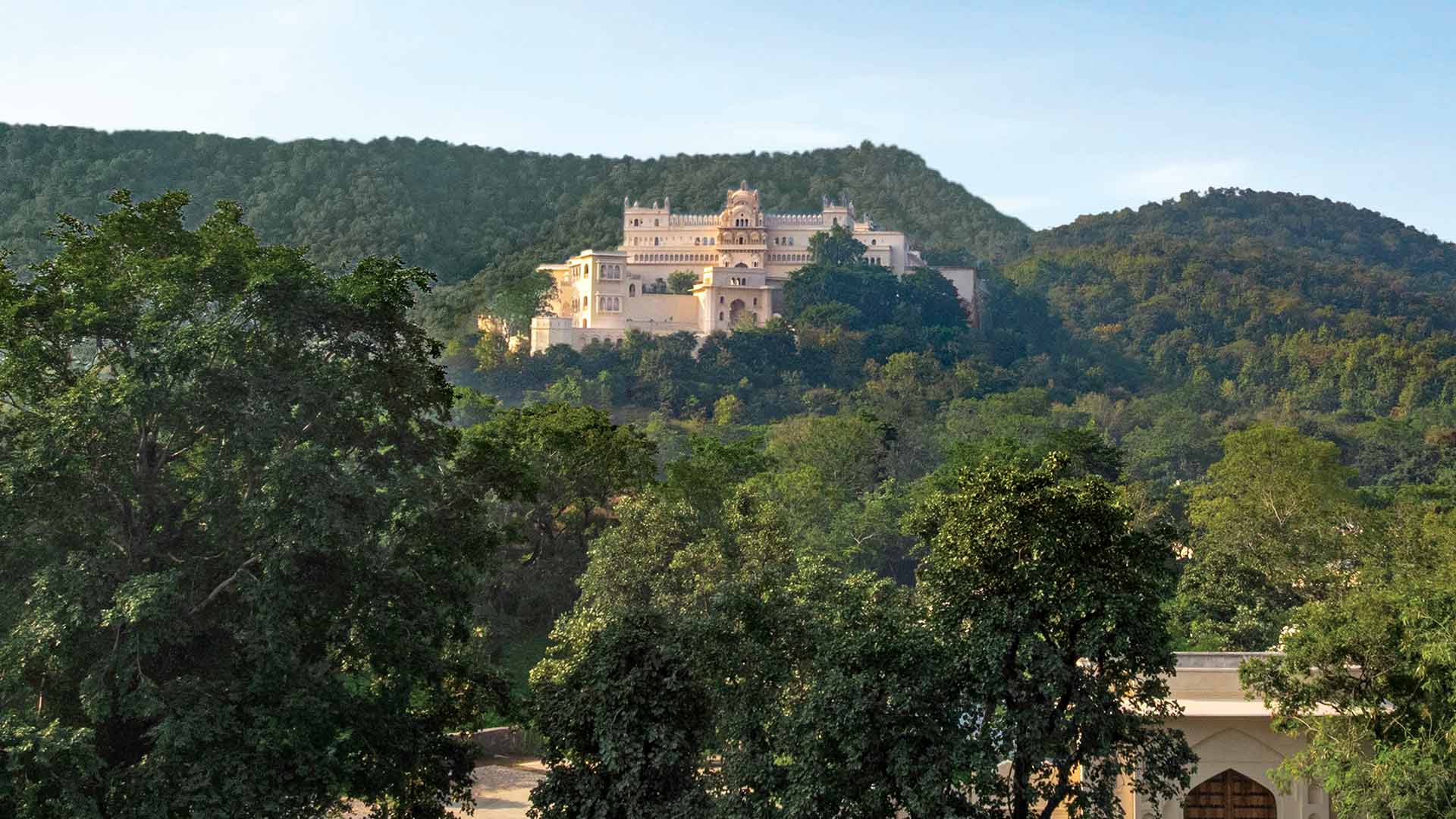
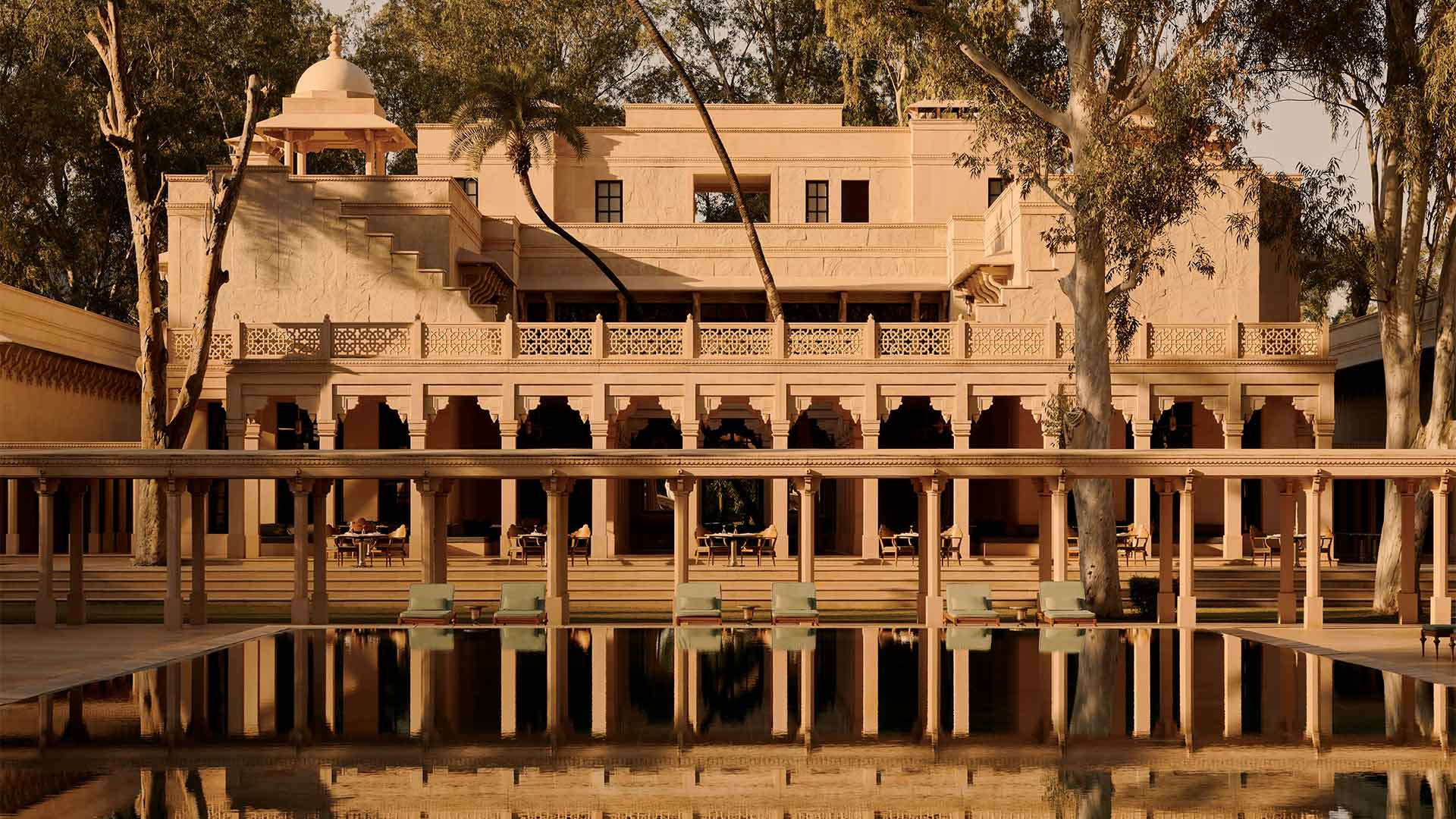
Hotel developments are seeing a boost. The Oberoi Rajgarh Palace introduced a luxury stay near Khajuraho in December 2025.
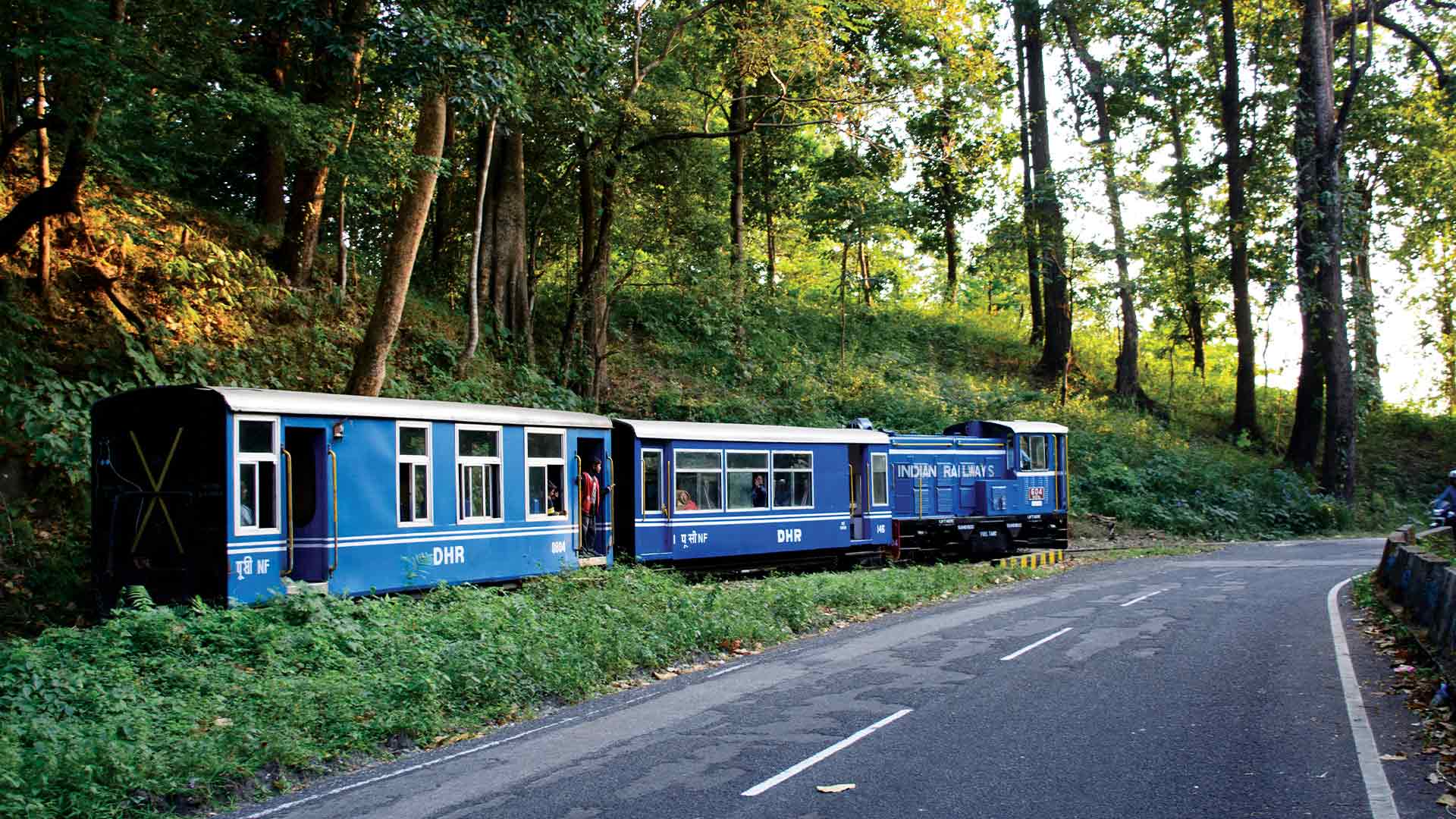
Classic experiences like the toy train in Darjeeling become attractive choices domestically.
Disruption or opportunity?
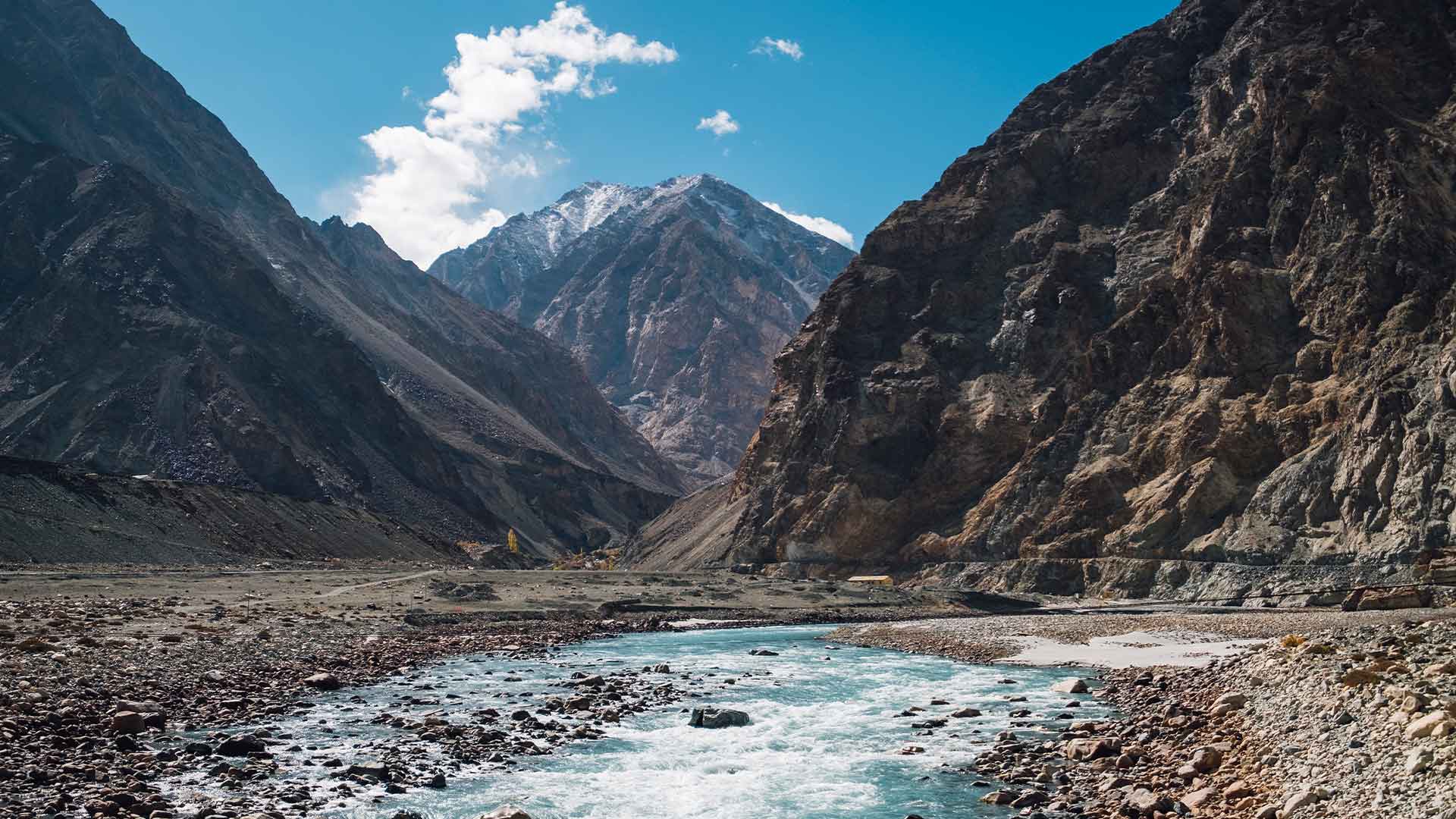
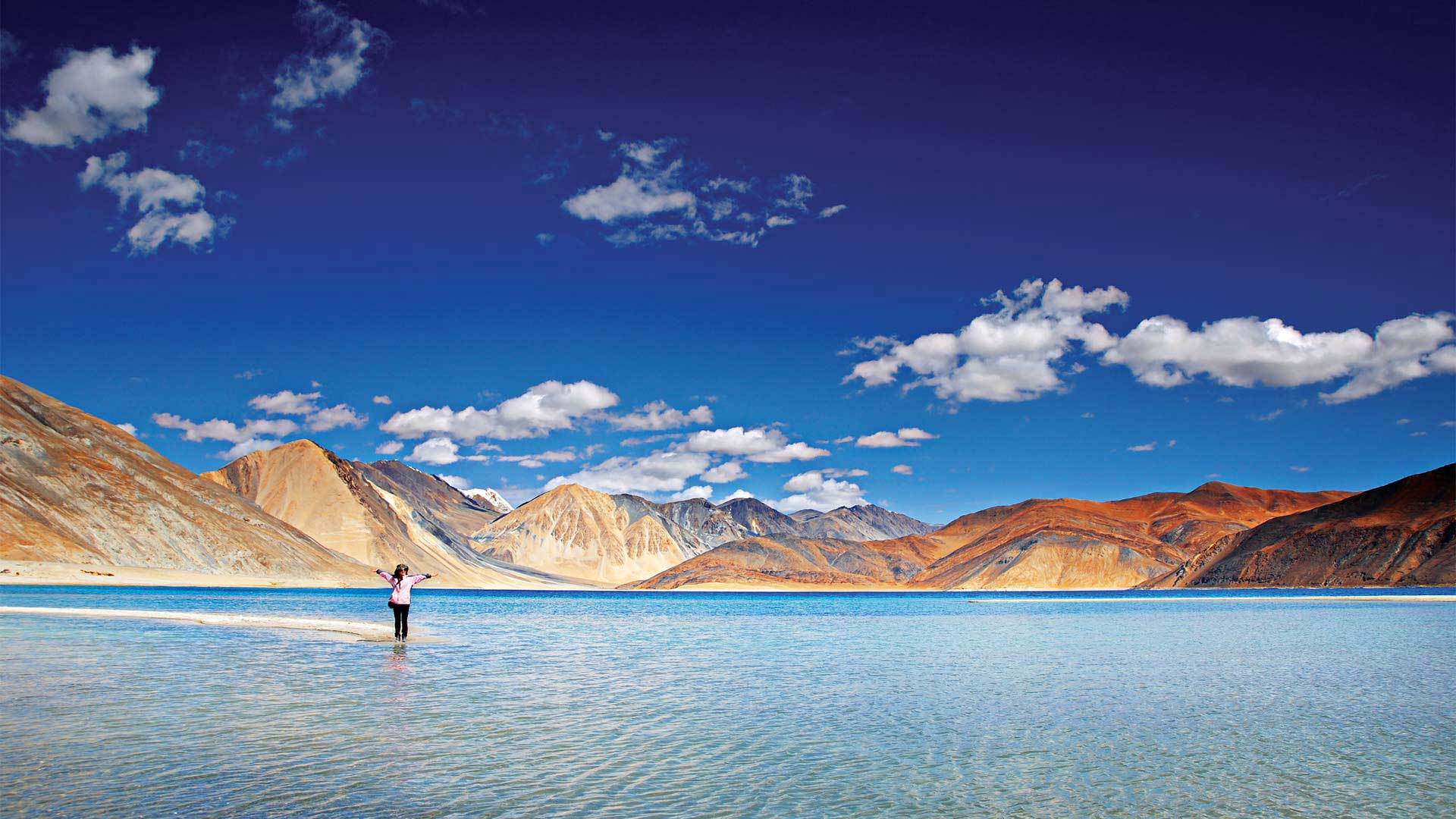
A section of Indian travellers who would have otherwise travelled overseas is likely to redirect their holidays toward domestic destinations. A shift already visible, with booking platform Thrillophilia reporting a 312% spike in search for Kashmir and Ladakh within days of the disruptions starting.
As a result, the domestic hotel sector is entering Summer 2026 with strong momentum, and the current global environment is likely to amplify this further. “National occupancy levels in early 2026 (YTD February) were in the range of 70–73%, with ADR growth of 9–12% and RevPAR up by 10–13% year-on-year, building on an already highbase in 2025,” informs Akash Datta, Managing Director (South Asia), HVS ANAROCK.
Even as occupancy seems stabilised through spring and summer, ADR growth holds firm across Indian hotels, with luxury and upper-upscale segments pulling ahead of economy categories, a pattern increasingly described as a ‘rate-led’ cycle, where pricing power, rather than occupancy spikes, is driving RevPAR growth.
The March 2026 monitor by HVS Anarock found most markets holding occupancy above 75%, with hotels posting double-digit ADR growth on the back of strong demand from weddings, MICE, and corporate travel. The momentum is expected to continue into April and early May, as:
- Easter travel fell in April 2026
- Wedding demand remained strong
- International inbound has improved
- Supply growth is still relatively constrained in premium markets
So, what’s driving the optimism? ICRA says the sector is being supported by:
- Strong domestic leisure travel
- Weddings
- MICE demand
- Resilient business travel
- Concerts and large events
- Religious tourism
- Growth in Tier 2 and Tier 3 destinations
While India may not be a direct substitute for traditional Mediterranean or Gulf leisure circuits, the shift presents another strategic opportunity for India, says Mandeep S Lamba, President & CEO (South Asia), HVS Anarock. “The current environment presents a clear opportunity for India to emerge as a stronger MICE destination. With world-class convention infrastructure now in place, India is well-positioned to capture demand that may shift away from established hubs such as Dubai,” he says.
Kristi Gole, EVP - Strategy, Global Hotel Alliance, supports this trend. “While February saw a notable spike, demand was pulling back sharply in March. Inbound travel tells a steadier story, with international arrivals to India posting lower cancellation rates than the previous year, pointing to more stable traveller intent,” Gole noted.

Akash Datta, Managing Director (South Asia), HVS ANAROCK.
India’s domestic hotel sector is entering Summer 2026 with strong momentum and the global environment will amplify this further with stronger demand concentration in leisure markets.
Akash Datta
Managing Director (South Asia), HVS ANAROCK

A domestic boom
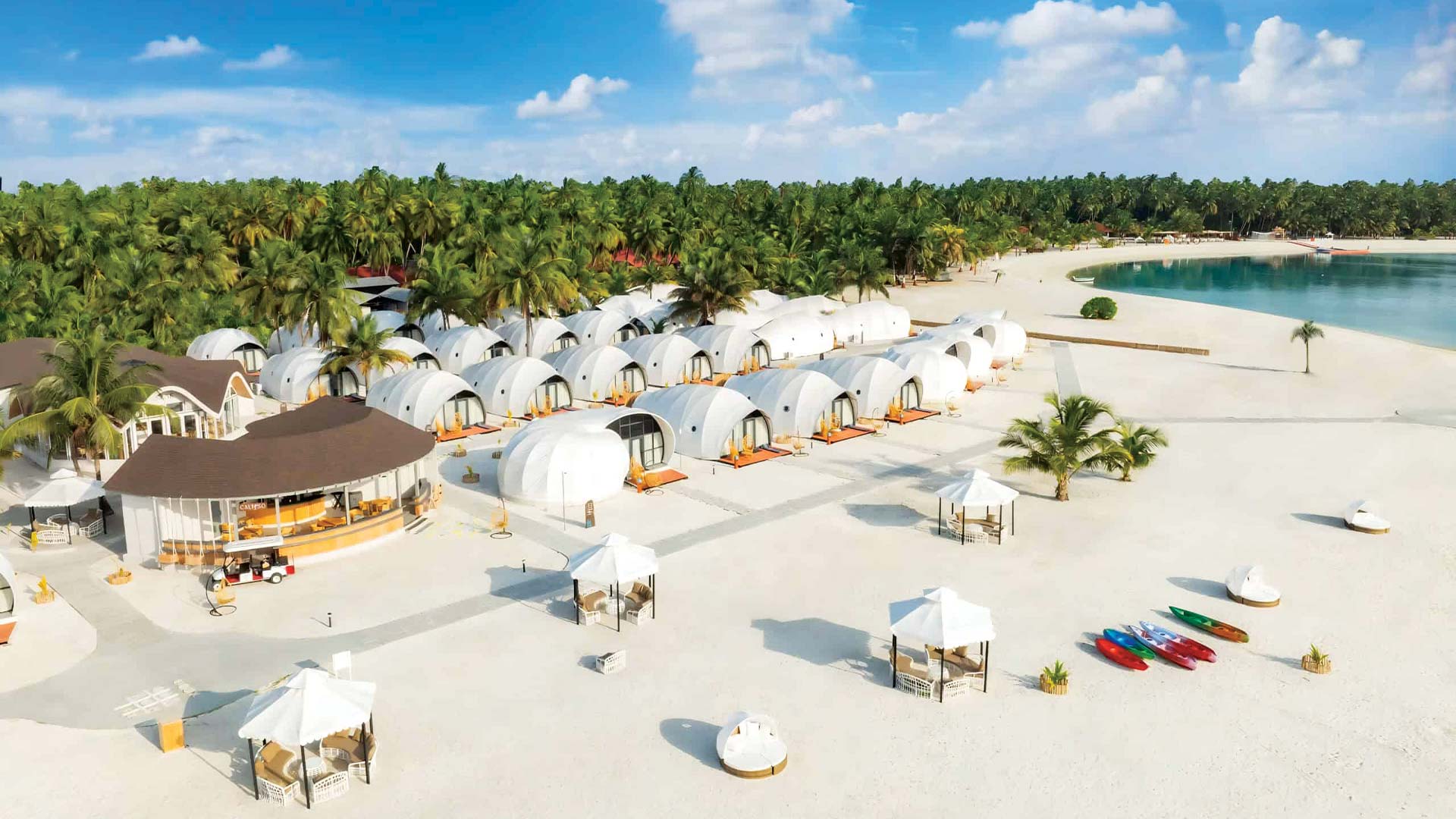
Thomas Cook India and SOTC Travel's summer edit for 2026 shows a strong preference for experience-led holidays spanning cool mountains, tropical islands, and culturally rich regions—Kashmir, Darjeeling and Gangtok, Kerala, Sikkim, Ladakh, Rajasthan, the Andamans and Lakshadweep, and the northeastern states, including Meghalaya and Arunachal Pradesh.
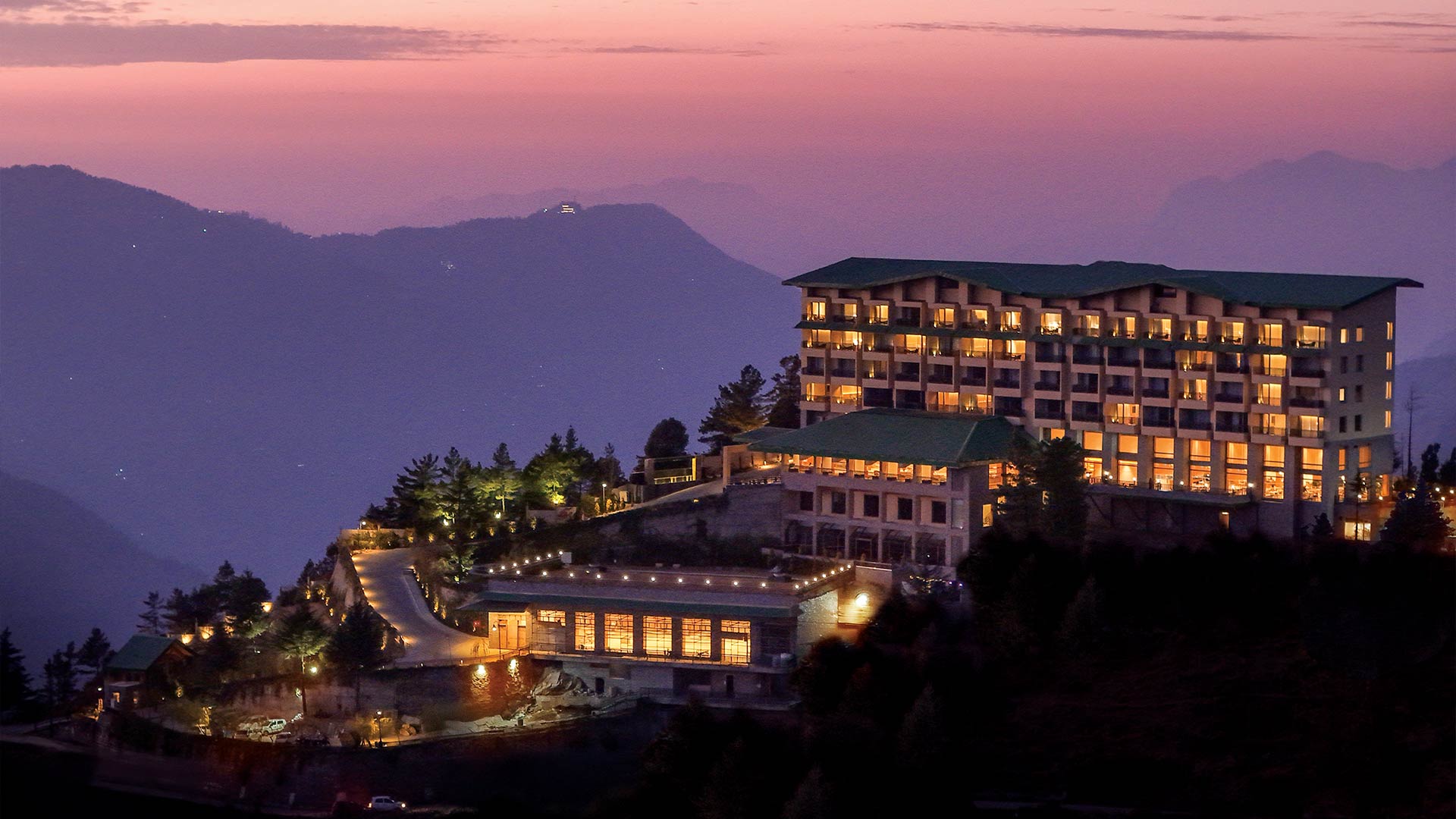
“India’s leisure hospitality ecosystem today is far better placed to absorb incremental demand than in previous cycles, with over 42% of the newly opened hotels being in leisure destinations,” Datta says. Several high-quality launches across key leisure locations, including The Oberoi Rajgarh Palace, Khajuraho; Fairmont Udaipur Palace; IHCL SeleQtions' properties in Lakshadweep; Storii By ITC Hotels Narindera Orchards, Kufri; dusitD2 Fagu Shimla; and Radisson Resort & Spa Sasan Gir, among others. “This expansion has broadened the quality accommodation base and strengthened the ability of domestic leisure destinations to attract higher-spending travellers,” he adds.
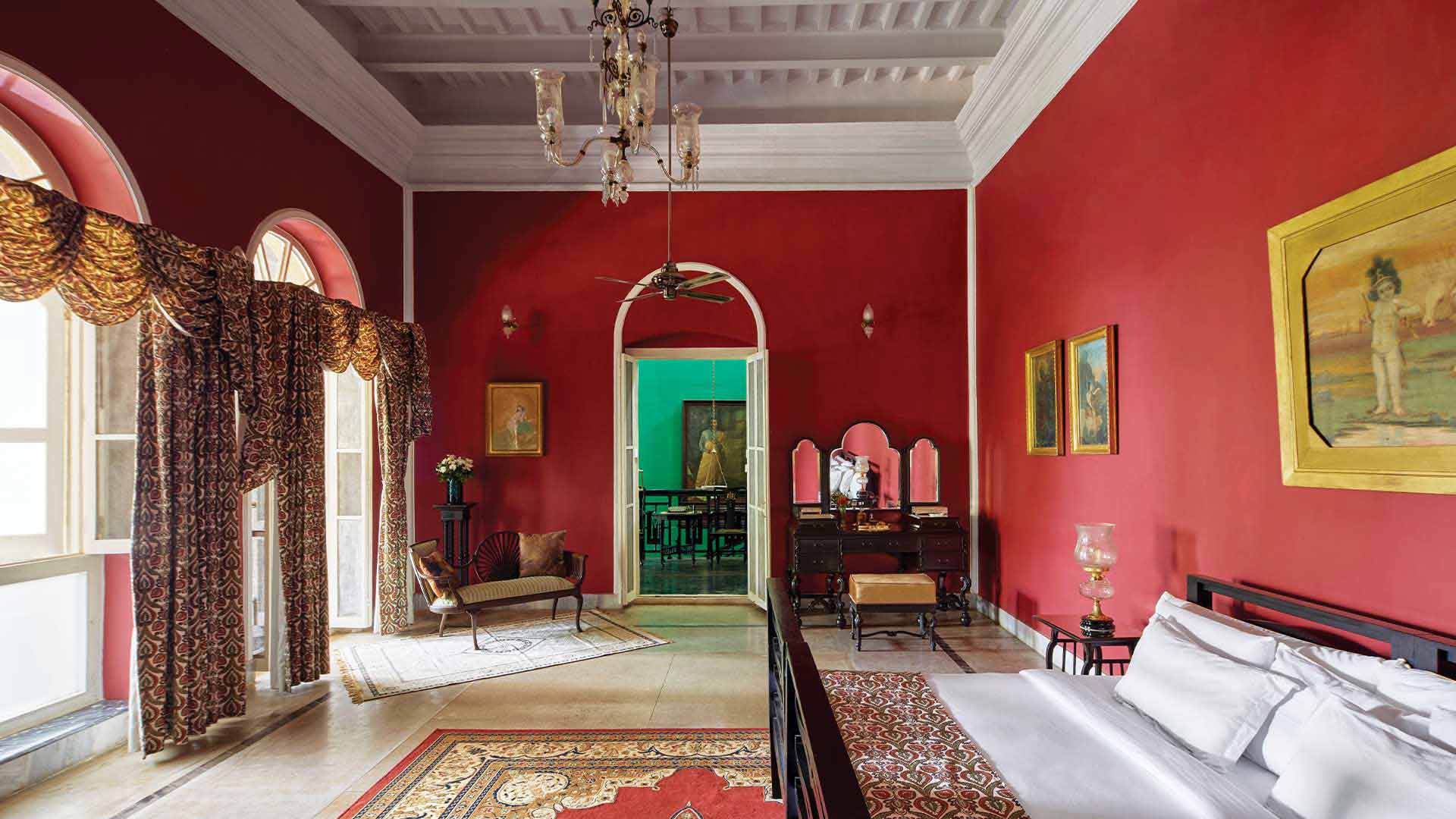
Akshita M Bhanjdeo, Co-Owner, The Belgadia Palace, Odisha, reveals that “inbound enquiries are increasingly skewing towards longer stays (three-seven nights), anchored in heritage and nature circuits with strong interest in craft, wildlife, and community-led experiences.” Boutique and private stays are being preferred over large hotels. She also notes that a noticeable uptick in last-minute planning likely reflects the broader uncertainty shaping outbound travel decisions right now.
Industry veterans echo that the shift is less about cancelling travel altogether and more about redirecting it toward domestic destinations that feel easier, more flexible and better suited to family holidays. “Summer 2026 is shaping up to be a strong season for domestic leisure, especially as uncertainty around international travel has made many Indian travellers rethink long-haul holiday plans,” says Devendra Parulekar, Founder, Saffronstays, a premium holiday rental platform.

Akshita M Bhanjdeo, Co-Owner, The Belgadia Palace.
Inbound enquiries are increasingly skewing towards longer stays anchored in heritage and nature circuits with strong interest in craft, wildlife, and community-led experiences. There is an uptick in last-minute planning, likely reflecting the uncertainty shaping outbound travel.
Akshita M Bhanjdeo
Co-Owner, The Belgadia Palace
Overall, the sector is not only well positioned to see a strong summer season but is also experiencing a broader structural shift where domestic tourism continues to deepen and absorb a larger share of India’s travel demand, Datta believes. Indian Railways has approved 908 summer special trains to operate 18,262 trips between 15 April and 15 July 2026 to manage the seasonal passenger rush. Of these, 660 trains accounting for 11,294 trips have already been notified for advance booking.
“We’ve seen a 30-35% uptick in domestic bookings compared to the same period last year, particularly in the past few weeks, as uncertainty around international travel has increased,” reveals Amit Damani, Co-Founder, StayVista. Parulekar affirms this saying, “as of mid-April, bookings have grown by approximately 25–30% year-on-year, while May is already tracking at ~40% higher than the same time last year.”

Kristi Gole, EVP – Strategy, Global Hotel Alliance.
Inbound travel tells a steady story, with international arrivals to India posting lower cancellation rates than the previous year, pointing to more stable traveller intent.
Kristi Gole
EVP – Strategy, Global Hotel Alliance
Delhi and Mumbai continue to lead pricing in the hospitality segment as per HVS Anarock Monitors, with Delhi occupancy touching 78–80% and ADRs crossing ₹10,500 in several upscale segments. Goa, by contrast, has seen softer rate growth from increased luxury supply and more rate-sensitive domestic demand, though premium resorts still hold firm over long weekends and destination-event periods. Leisure markets, including Udaipur, Jaipur, Rishikesh, Kerala, and the wildlife circuits, are riding a confluence of experiential travel, weddings, luxury domestic demand, and returning international visitors.
As discretionary travel budgets are retained within the country, domestic leisure markets are likely to see stronger demand concentration, especially across resort destinations, hill stations, and drive-to markets. “For hotels, this is expected to translate into sustained pricing power during the peak summer period, with demand outpacing supply in several high-performing leisure destinations,” Datta confirms.

Amit Damani, Co-Founder, StayVista.
We’ve seen a 30-35% uptick in domestic bookings compared to last year, particularly as uncertainty around international travel has increased. As of mid-April, bookings have grown by approximately 25–30% year-on-year, while May is already tracking at ~40% higher.
Amit Damani
Co-Founder, StayVista
But supply is tightening. For travellers making late decisions, availability is becoming the primary challenge. The premium heritage properties, the better tented camps, and good guides in destinations that don’t usually see this kind of footfall weren’t set up to absorb a sudden rush.
“But that’s also what makes this moment interesting,” says Meghana Arora, Sales Director - India & Middle East, Liberty International Tourism Group. “We’re seeing parts of India that were always deserving of more attention get discovered in a genuine shift. For younger, first or second-time international travellers, this disruption will become a discovery. They’ll visit somewhere domestically or in Southeast Asia out of necessity and return by choice. But for the experienced outbound traveller with a mental checklist of far-away destinations, the appetite doesn’t disappear, it simply defers,” Arora notes.

Meghana Arora, Sales Director - India & Middle East, Liberty International Tourism Group.
For younger travellers, this disruption will become a discovery. They’ll visit closer destinations out of necessity and return by choice, marking a genuine shift. For the experienced outbound traveller, the appetite doesn’t disappear; it just defers.
Meghana Arora
Sales Director - India & Middle East, Liberty International Tourism Group
ICRA's latest outlook on Indian hospitality points to a market where demand continues to outpace supply, sustaining hotel pricing power well into summer. Q3 FY2026 occupancies touched 76–78%, and the trajectory implies those levels hold through May and June, with premium hotels maintaining strong ADRs and leisure-heavy markets and wedding destinations staying particularly robust. The broader takeaway from ICRA's reporting, however, is a structural one. Indian hospitality has moved decisively beyond its recovery narrative into a cycle defined by fewer discounting rounds, sustained rate discipline, asset-light expansion, and luxury demand outperforming wider consumption trends, which is why even incremental new supply hasn't dented the ability of hotels to push ARR growth.
Damani notes an increase in shorter booking windows, with many travellers confirming stays within seven–10 days of travel, compared to longer planning cycles earlier. “At the same time, there’s a clear trend of premiumisation, with guests reallocating budgets from international travel toward higher-value domestic stays,” he adds.
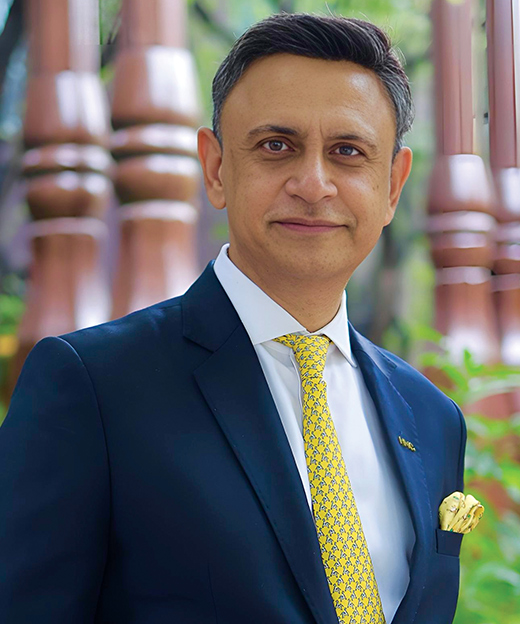
Hemant Mediratta, Founder & CEO, One Rep Global.
What we are seeing is what could be described as ‘revenge deferral’ rather than a departure. Europe continues to hold an unmatched experiential value for Indian travellers. At the same time, the sudden redirection of demand has exposed pressure points. Premium inventory is being absorbed at a far quicker pace.
Hemant Mediratta
Founder & CEO, One Rep Global
According to Hemant Mediratta, Founder & CEO, One Rep Global, “if this disruption sustains through the season, it could leave behind a more lasting shift. Indian outbound travel has long followed a predictable pattern, with Europe anchoring the summer calendar. This moment is expanding that mindset with a more diversified travel approach.”
Nearly 40% of Indian travellers heading westward rely on the Middle East for connectivity. The outbound tourism market is valued at $23.4 billion in 2026 and projected to reach $68.8 billion by 2036 on an impressive CAGR, predicated on continued low-cost connectivity through Gulf hubs. The current conflict has inserted a question mark into that projection that the industry will be answering for years to come.

Gloria Guevara, President and CEO, World Travel and Tourism Council (WTTC).
History shows that the region, which accounts for around 5% of global international arrivals and 14% of international transit traffic, is incredibly resilient and will recover. Experience shows tourism demand following security-related incidents can recover in as little as two months when governments and industry work together.
Gloria Guevara
President and CEO, World Travel and Tourism Council (WTTC)
The international circuit
While outbound travel has slowed down, it hasn’t completely halted. Increased flight prices from longer routes due to the airspace and security concerns in the Middle East have disrupted travel globally, bringing not just a wave of cancellations, but a structural shock to how Indian outbound travel has traditionally been routed. “A significant share of long-haul traffic from India to Europe and North America has historically relied on transit through West Asian hubs. When that corridor became uncertain, the system fragmented almost instantly,” notes Hemant Mediratta, Founder & CEO, One Rep Global.
World Travel & Tourism Council (WTTC) data shows that Travel & Tourism was the world’s fastest-growing sector in 2025, contributing a record US$11.6 trillion to global GDP (9.8% of the global economy). Additionally, the industry grew 4.1%, exceeding overall economic growth of 2.8%, and supported 366 million jobs—a figure higher than the US population.
Gloria Guevara, President and CEO, WTTC, however, believes markets affected by security-related incidents often see the fastest recovery times. “In some cases, it takes as little as two months. Additionally, 92% of destinations affected by shocks regain their visitor numbers,” she says.

Seema Roy, Area Managing Director - South Asia, Middle East & Africa, Preferred Hotels & Resorts.
Outbound travel from India continues on an upward momentum, with summer demand accelerating steadily. Q1 2026 booking patterns highlight a 36% increase in outbound room night bookings, a trend that reflects the resilience and sustained strength of the market.
Seema Roy
Area Managing Director - South Asia, Middle East & Africa, Preferred Hotels & Resorts
While the conflict in the Middle East has cost the regional tourism sector an estimated $600 million per day in visitor spending, the global travel industry remains resilient. However, the softening of discretionary, leisure-led long-haul travel demand is now visible, Mediratta notes.
“Outbound travel from India continues to show strong upward momentum. While some travellers may have adjusted or redirected their plans, the appetite for international travel remains robust,” says Seema Roy, Area Managing Director - South Asia, Middle East & Africa, Preferred Hotels & Resorts. Traditional favourites continue to hold significance, though travellers are increasingly making more deliberate decisions influenced by value, unique experiences, and travel convenience, she notes.
“Q1 2026 booking patterns highlight the continued evolution and diversification of India’s outbound travel market. We witnessed a 36% increase in outbound room-night bookings, a trend expected to continue despite current disruptions, reflecting the market's resilience and sustained strength. While Singapore remains a leading destination, Malaysia and Japan are emerging strongly, reflecting Indian travellers’ growing preference for culturally enriching and seamlessly connected destinations across the Asia-Pacific region,” Roy adds.
Meanwhile, Australia and Japan have emerged as new long-haul interests among Indian travellers, destinations that saw little traction last year, suggesting an early but meaningful shift in outbound appetite, GHA data shows.