








The Quit Rebellion of Travelling Solo
What was once a niche segment is now a powerful driver of global travel demand, a $100 billion economy powered by solo women travellers. They are a transformative force, pushing the industry to rethink and restrategise.

By Deepali Nandwani
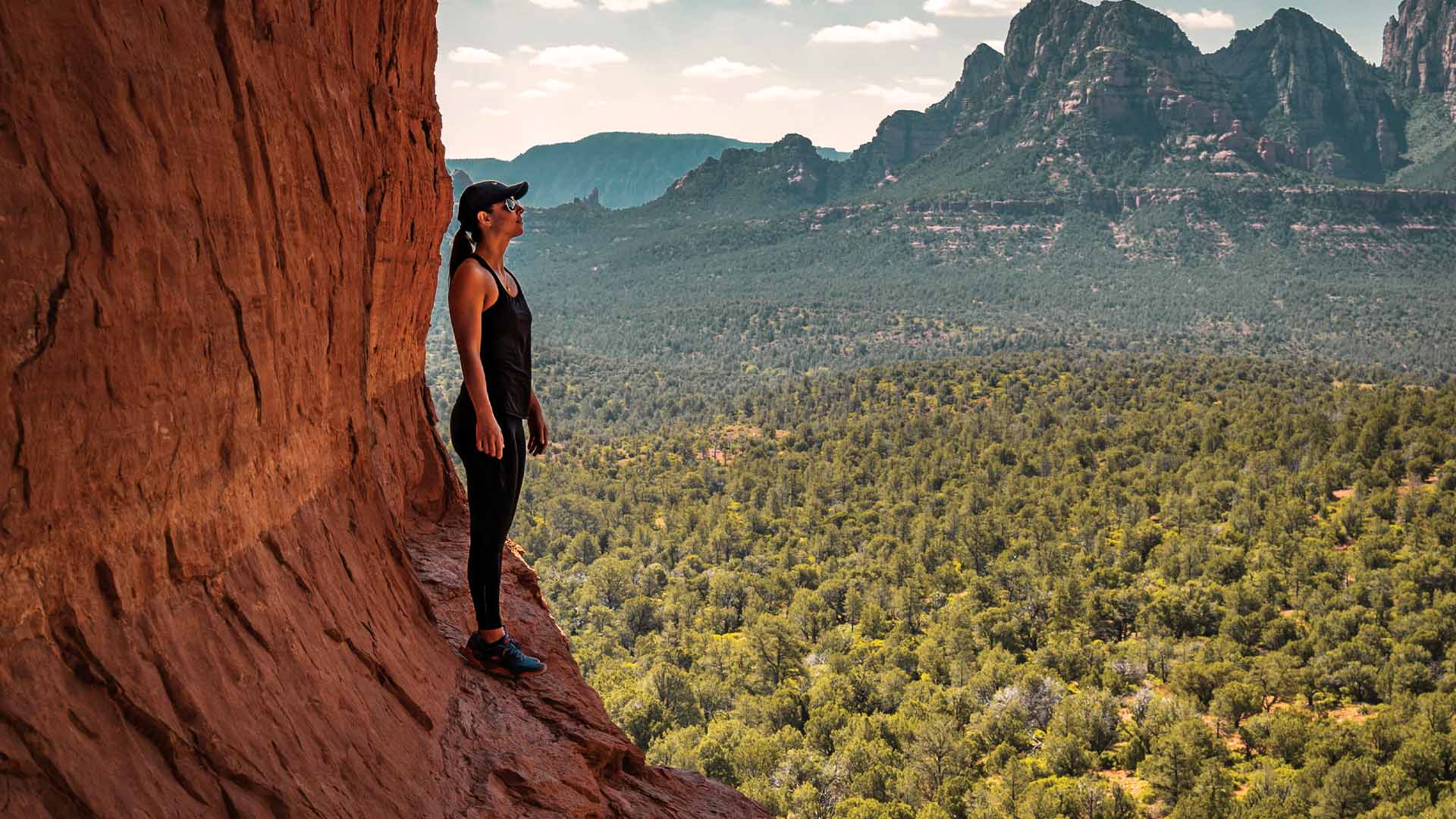
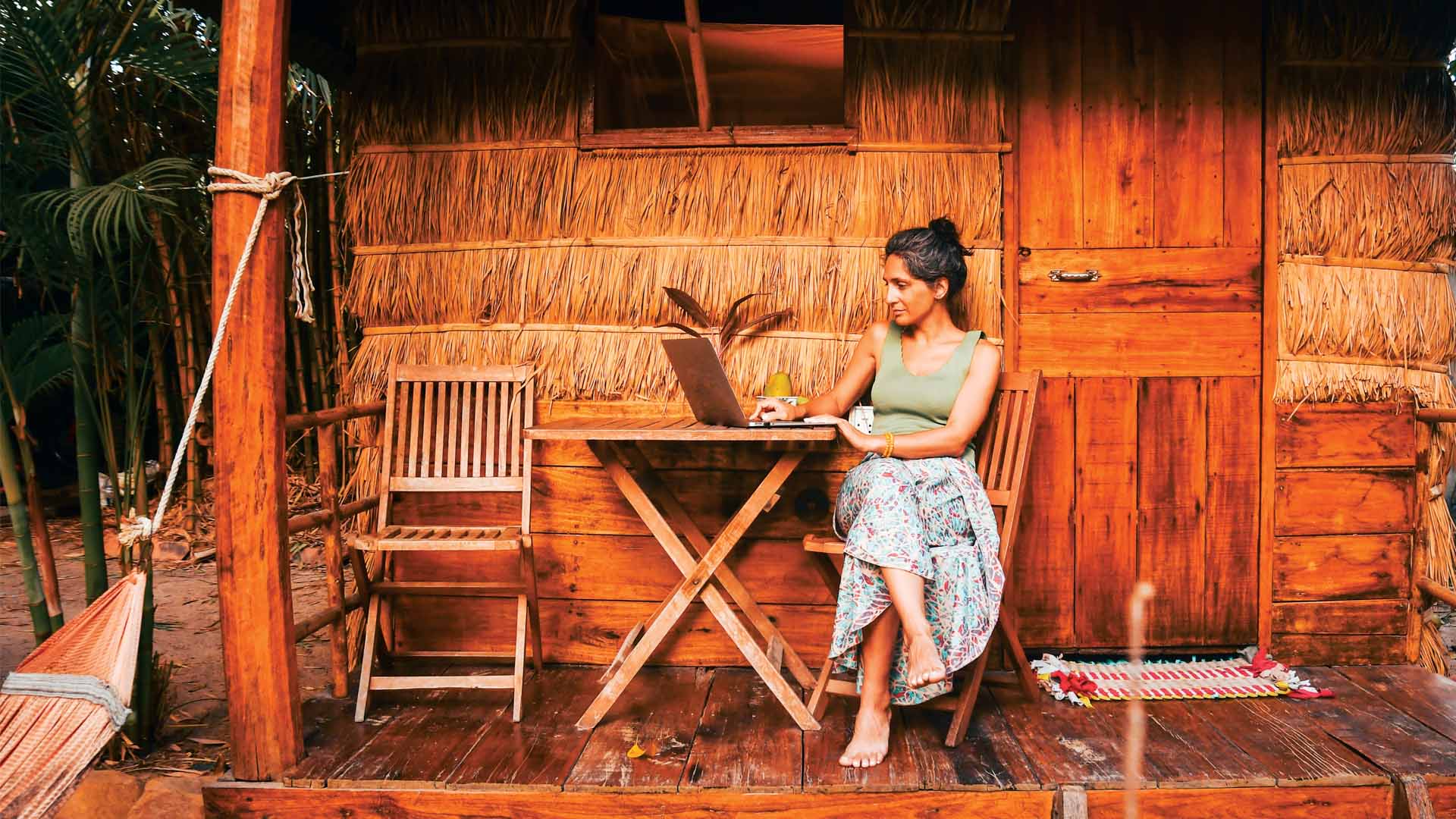
On a sun-drenched morning in Goa, a woman checks into a boutique villa alone. No family trailing behind, no group itinerary, no compromises. She has chosen the room, the neighbourhood, the café she will visit, and the pace at which she will move. This is not rebellion. It is not even unusual anymore. She dines alone. She travels without compromise, without apology.
It is the new normal. The global solo travel economy is worth $645 billion today, of which solo women travellers account for $100 billion and are growing, as per US-headquartered Grand View Research and Custom Market Insights. Experts estimate that in another decade, solo women travellers will catch up with men, powered by an independent younger generation of women.
Across India, and increasingly, the world, travel itself is being redefined. Journeys are no longer just about movement; they are about meaning. Travellers are seeking reconnection with the destination, culture, and increasingly, with themselves. And few trends capture this shift more clearly than the rise of solo travel. “Women are choosing to travel independently, not just to explore new destinations but also to reconnect with themselves, pursue personal interests and experience the freedom that comes with planning a journey entirely on their own,” says Santosh Kumar, Regional Manager, South Asia, Booking.com. “This shift reflects a broader cultural change where travel is increasingly seen as a form of self-expression, personal growth and discovery.”
India, in many ways, offers the perfect backdrop. A country of contrasts, from bustling cities, quiet mountains, spiritual centres, to expansive coastlines, it allows a solo traveller to move between anonymity and belonging with unusual ease. What was once seen as a bold or even risky choice is now becoming a defining expression of independence, identity and economic agency.
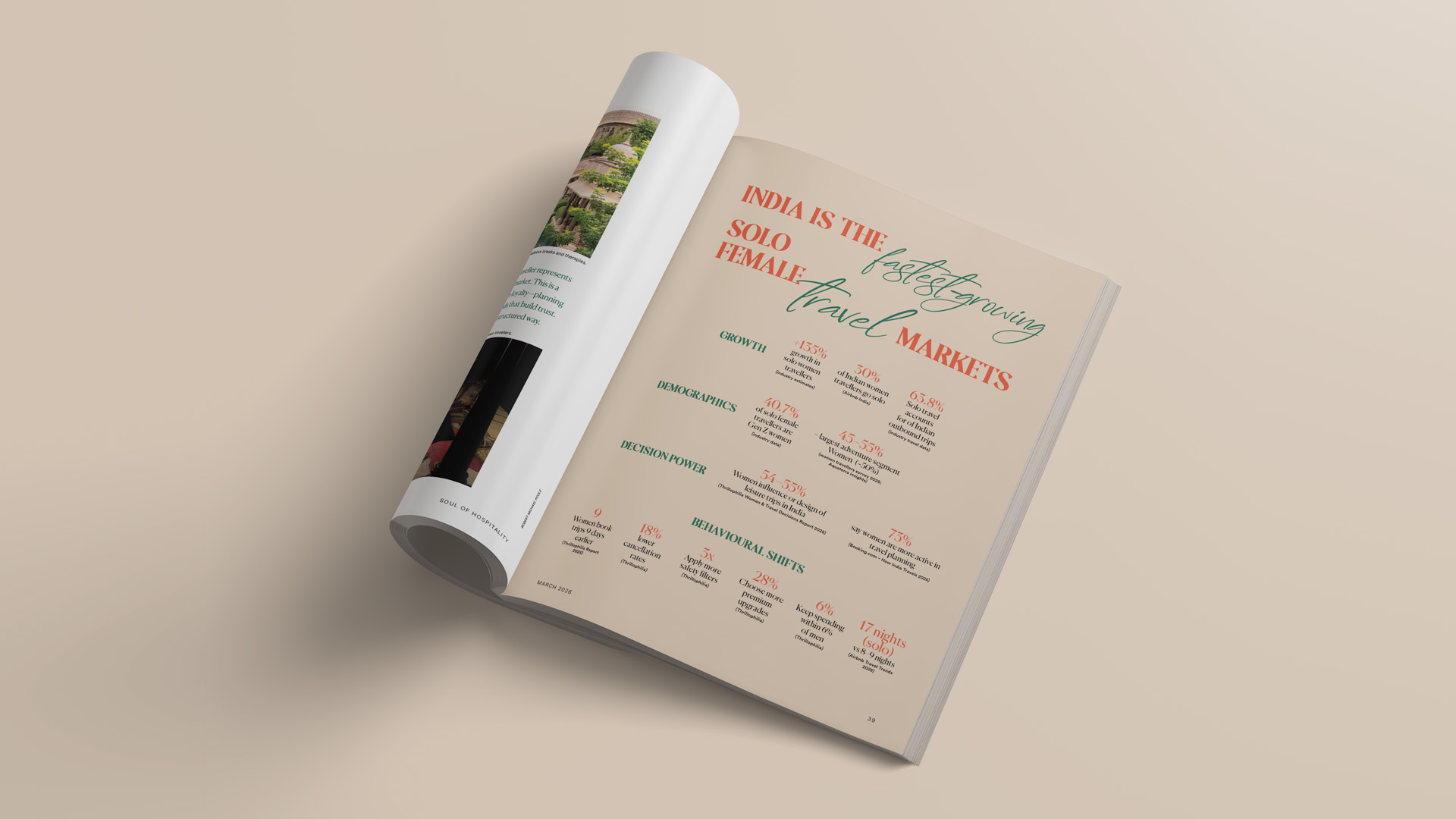
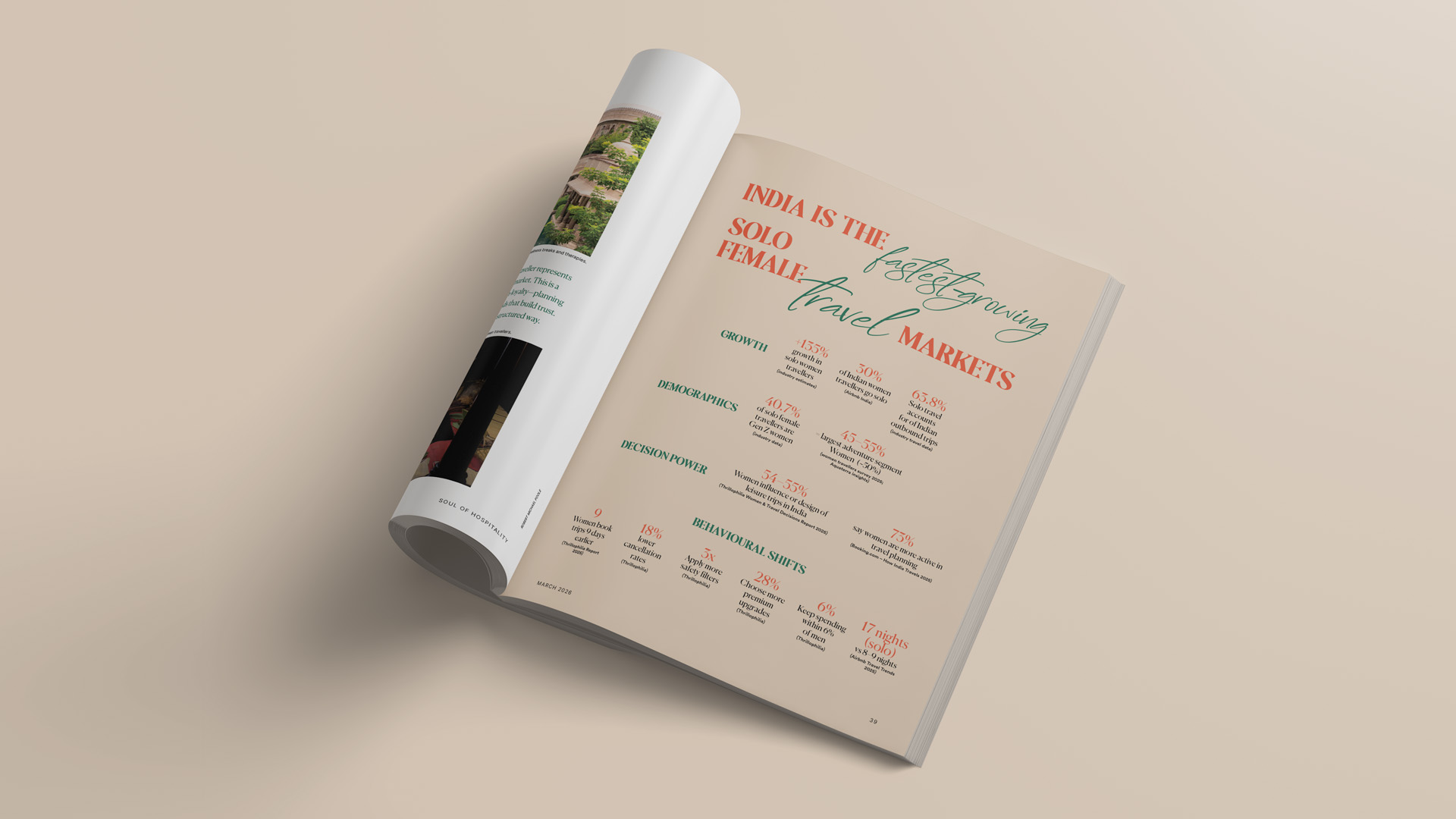
Data confirms what hoteliers, airlines, and travel platforms are already seeing on the ground (see box): the solo female traveller is no longer a niche segment. She is one of the most powerful forces driving the future of travel.
The New Traveller
For decades, luxury travel was constructed around togetherness: the honeymoon suite, the family villa, and the long dining table designed for multiplicity. Even solitude, when offered, was often aesthetic rather than genuine, curated rather than lived in.
But quietly, a different figure has entered the frame, and she is changing the game. Platforms, hostels, and luxury hotels report not only initial curiosity but also something more enduring: women travellers and guests often return if they enjoy the experience. Indian online travel platforms are registering this shift in real time.
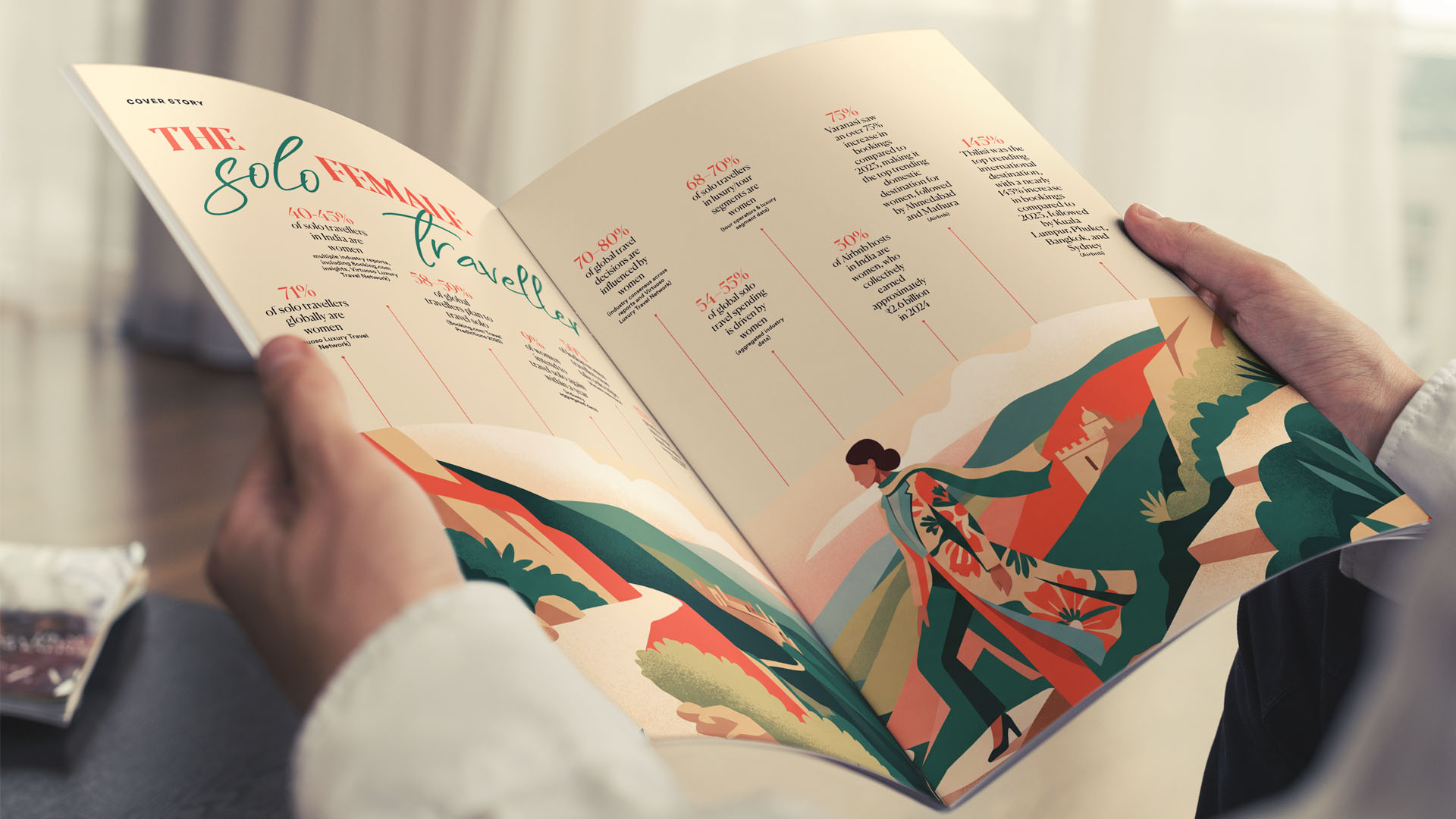
This is no longer a niche movement or a fleeting trend. It is a structural shift redefining the very architecture of global travel demand. Women today account for 71% of solo travellers globally, according to Virtuoso’s luxury travel network, while nearly 40% are actively planning solo trips in 2026. More significantly, women influence over 80% of travel decisions worldwide, positioning them not merely as participants but as the primary demand architects of the industry.
Within this global rebalancing, India is emerging as one of the fastest-growing markets for solo female travel, driven by rising financial independence, greater cultural confidence, and a hospitality ecosystem that is gradually adapting to their expectations. On Indian platforms, including MakeMyTrip, demand for solo women travel has reportedly risen by 30–40% over the past two years, indicating that what was once a niche preference is now scaling rapidly. The platform’s data further indicates that overall solo travel bookings have grown by over 20% year-on-year, signalling a behavioural shift that is now firmly entering the mainstream.
That shift—from hesitation to certainty—is visible across newer formats of travel as well. “Over the past few years, we’ve seen a clear shift, from mere curiosity to group conviction,” says Sujal Patwardhan, Co-founder, Embarq, which helps organise guided road trips across the world. “Earlier, women would ask if they could do a self-drive expedition. Now they sign up, assuming they absolutely can. The demand has grown not just in numbers but in the intensity of intent. Women want meaningful, interesting journeys, not just run-of-the-mill travel.” Choice, here, is not rhetorical. It is logistical, economic, and deeply personal.
And increasingly, this independence does not always manifest as isolation. “We’ve seen a steady rise in women-led bookings across our portfolio,” says Devendra Parulekar, Founder, SaffronStays. “While solo ‘digital detox’ trips are popular, there is a massive surge in purposeful group travel.” He reframes the idea of ‘solo’ itself: “Women are moving away from noisy clubs and crowded hotels for their big moments. Whether it’s a landmark 40th birthday, a sophisticated bachelorette, or a long-overdue reunion, the preference is shifting toward private villas—spaces where you can celebrate without interruption.”
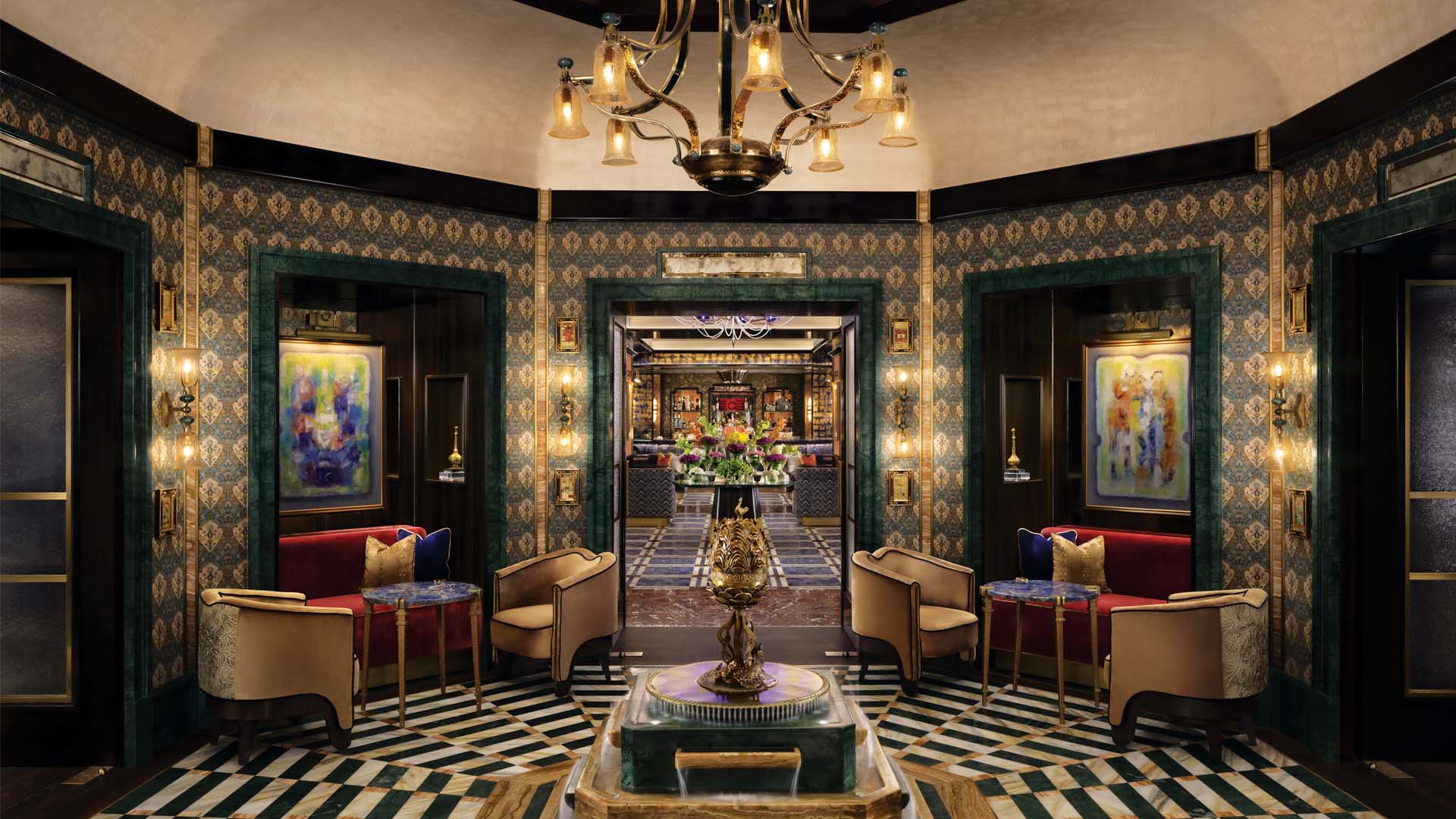
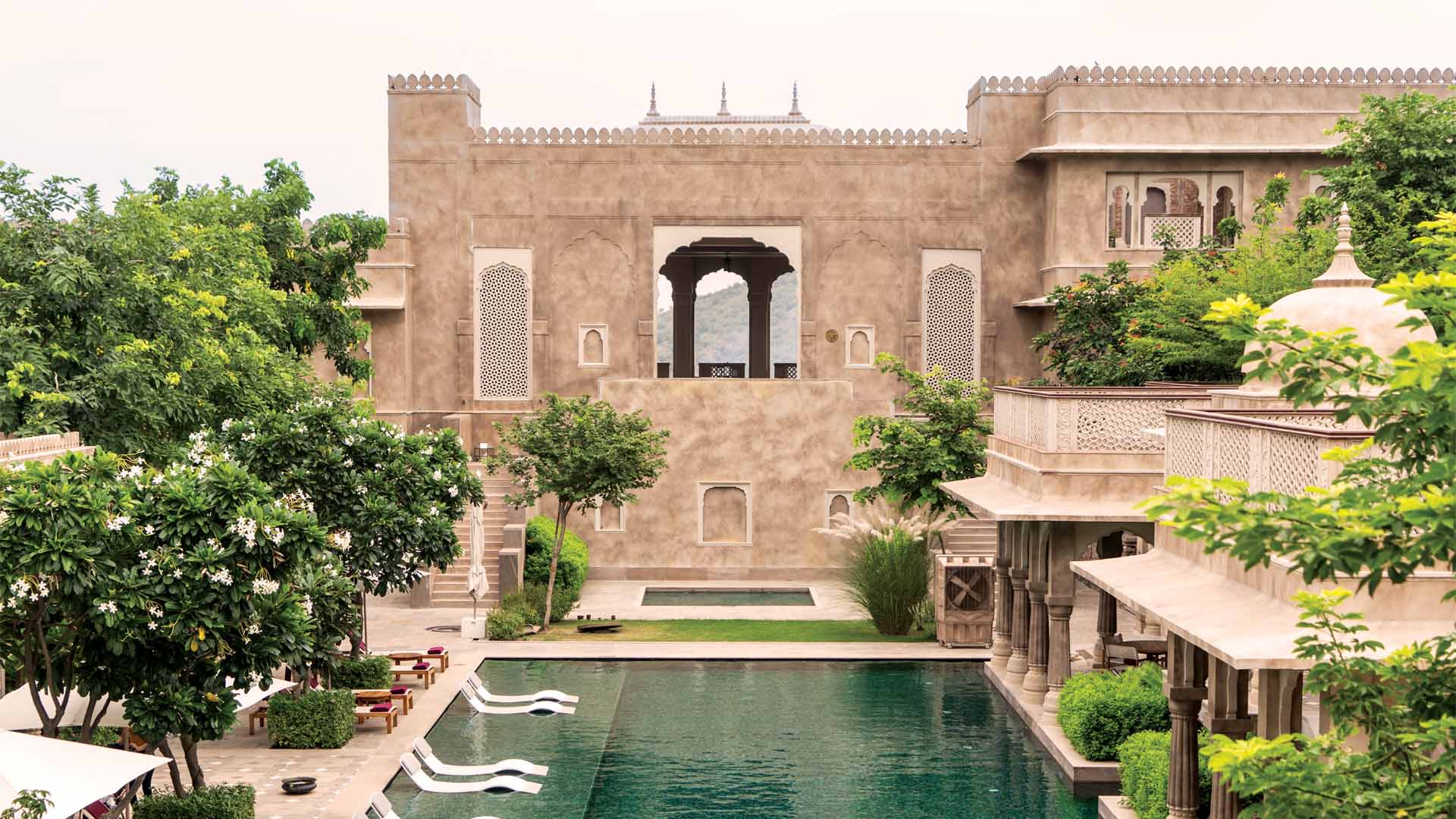
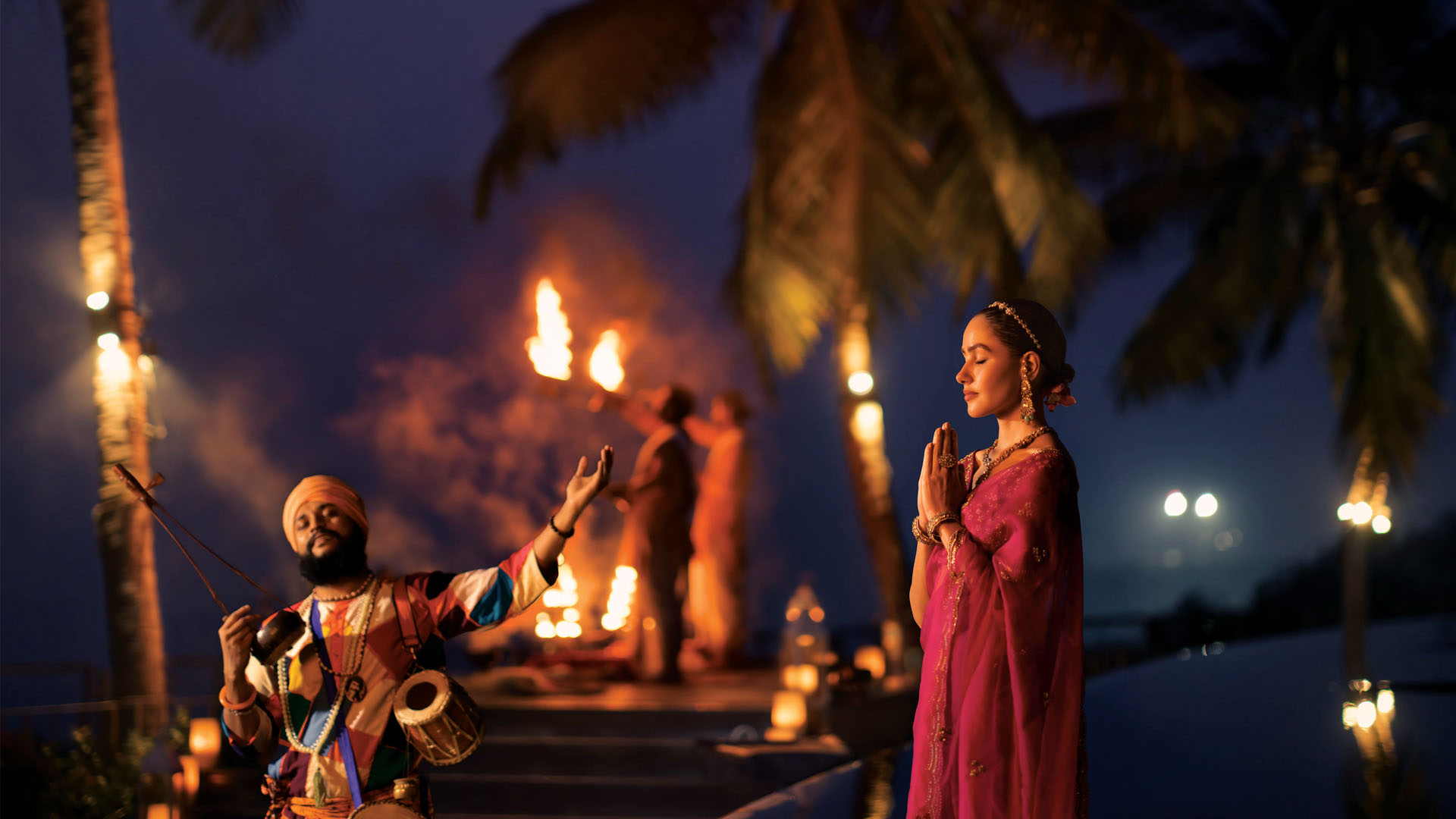
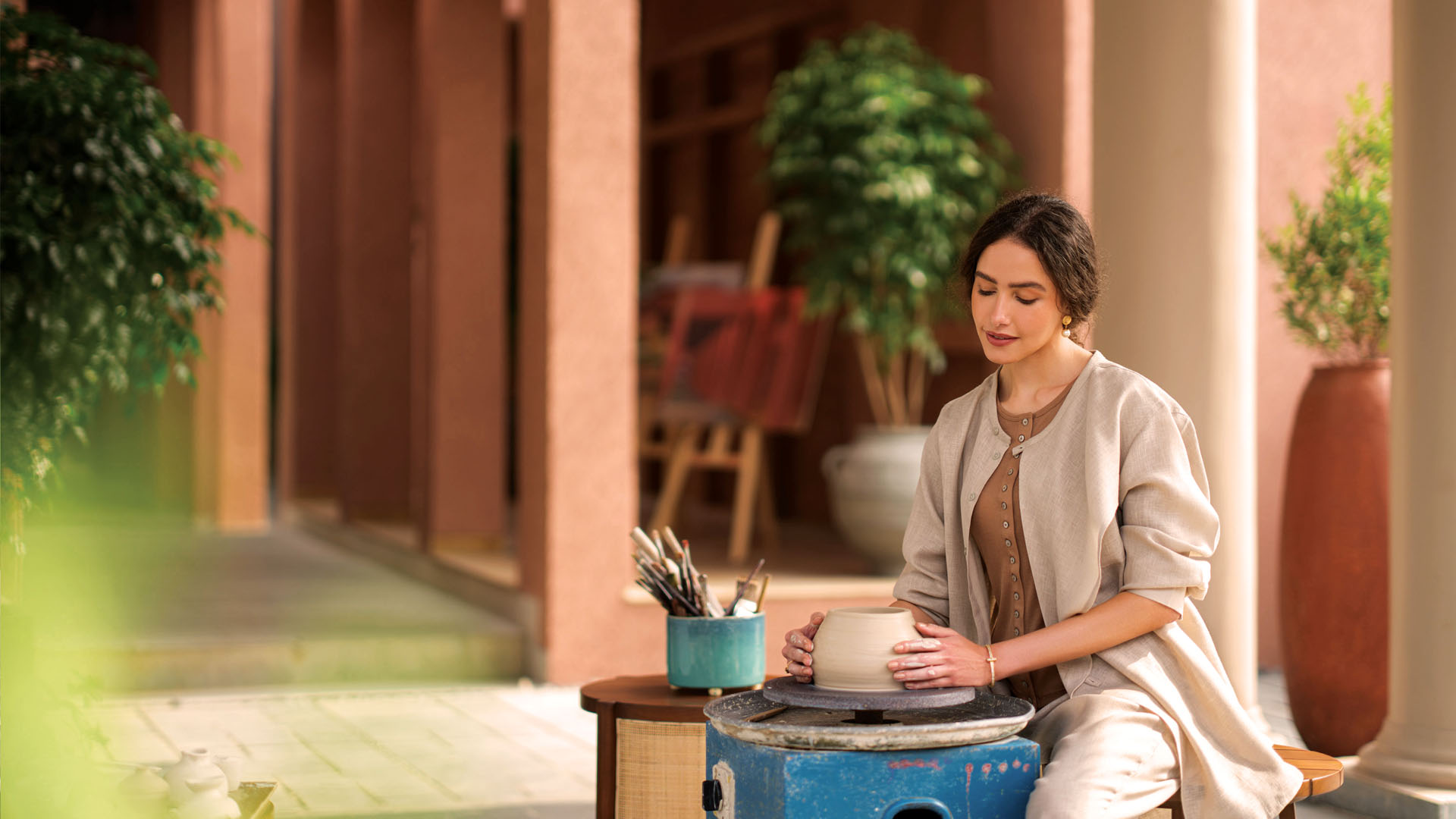
Solo women travellers are booking into hotels such as Six Senses Fort Barwara for wellness breaks and therapies.
For the travel and hospitality industry, the solo woman traveller represents one of the most under-leveraged opportunities in the market. This is a customer segment that is high-intent, high-value, and high-loyalty—planning extensively, spending meaningfully, and returning to brands that build trust. And yet, the industry is only beginning to respond in a structured way.
The Indian Paradox
What makes India’s solo female travel story particularly compelling is the contradiction at its core. On one hand, mobility data suggests that over 50% of women in urban India do not step out daily, compared to just 14% of men, highlighting deep-rooted social and infrastructural constraints. On the other hand, a growing cohort of women across age groups is choosing to travel independently, often for the first time, and then returning to it several times.
Increasingly, travel is not always alone in the traditional sense, but independently within the community. This is where formats such as private villas and curated homestays are quietly reshaping the landscape. “The location often dictates the mood,” Parulekar explains. “For milestone birthdays, guests choose mountain retreats like Dehradun or Kasauli for intimate dinners under the stars. Others head to coastal villas in Alibaug or Goa, where the sound of the waves becomes the soundtrack to a new decade.”
For reunions, proximity matters: “The drive-to belt—Lonavala, Karjat, Alibaug from Mumbai, or Kasauli and Rishikesh from Delhi—has become the go-to for quick, high-energy escapes,” he says. And for a different kind of celebration, quieter, more aesthetic destinations, such as “the leafy lanes of Assagao and Siolim in Goa offer a chic, slow environment for groups who want to lounge, unwind, and simply be,” adds Parulekar.
A big part of having women travel solo is removing the invisible barriers. “We handle route planning, safety protocols, vehicle support, and logistics so participants can focus on the experience. But equally important is the sense of community… travelling with other women creates a very reassuring environment,” says Patwardhan. This tension between restriction and aspiration is precisely what gives the movement its emotional charge.

Santosh Kumar
Regional Manager, South Asia, Booking.com
Women are choosing to travel independently, not just to explore new destinations but also to reconnect with themselves, pursue personal interests and experience the freedom that comes with planning a journey entirely on their own. This shift reflects a broader cultural change where travel is increasingly seen as a form of self expression, personal growth and discovery.

Reclaiming Their Space
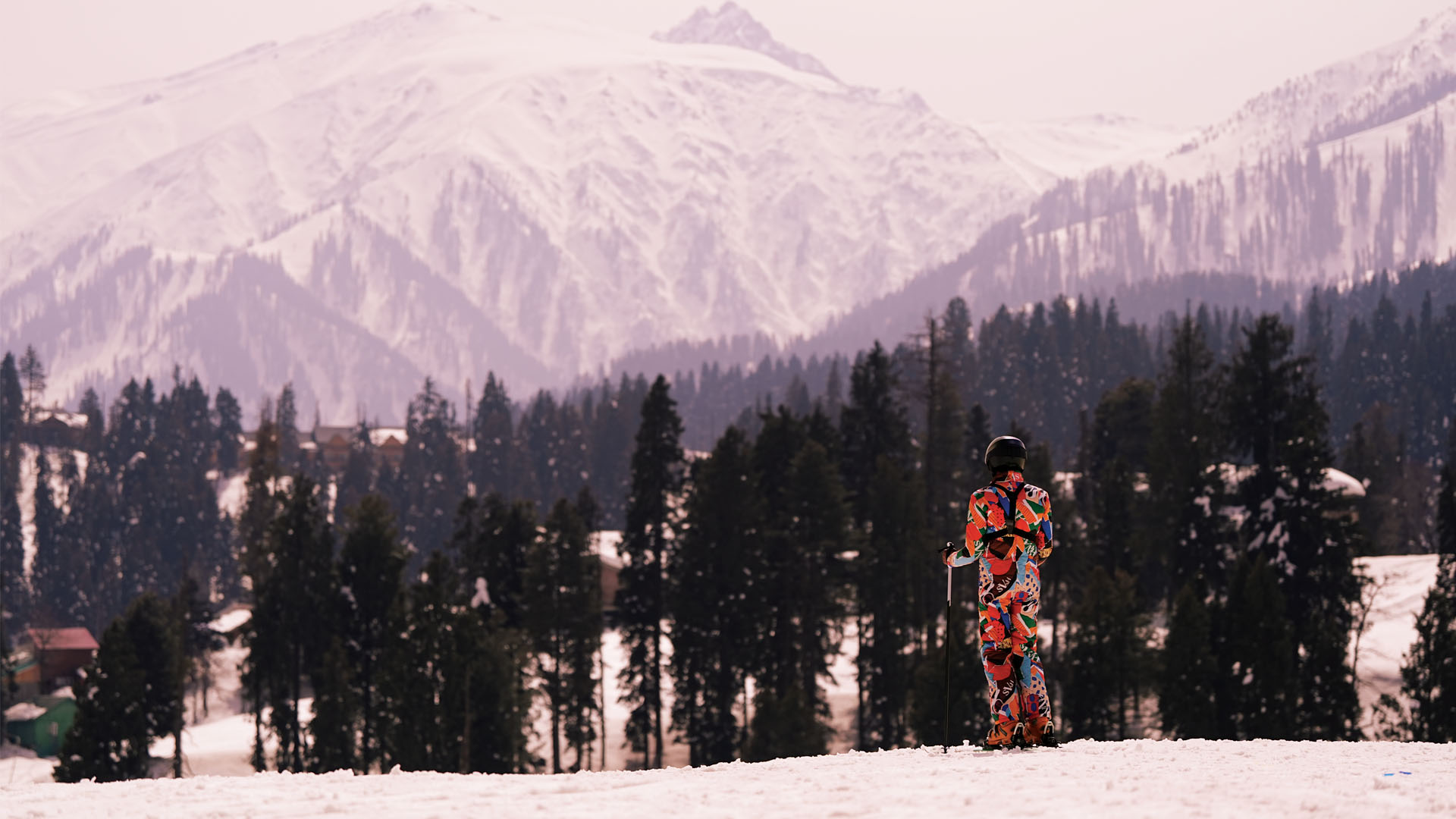
Solo travel, for many Indian women, is not just a leisure activity. It is an act of reclaiming space. Anamika Vishwakarma, a social media professional, was 23 when she travelled solo for the first time. She lives in a joint family in Varanasi—parents, grandparents, brothers—where decisions are rarely individual. “In 2022, I travelled solo to Manali, 1,350 kilometres from my hometown,” she says. “It was a 15-day trip. It took me four days to convince my family that I could do it alone.”
The hesitation was not logistical. It was cultural. Safety, capability, and perception—each of these aspects had to be negotiated before the journey even began. For decades, Indian women have moved within frameworks of permission, with travel mediated by family and caution. A woman travelling alone was not just uncommon; it was, in many contexts, unthinkable.
And yet, to read this purely as a market opportunity would be to miss its deeper charge. Because what appears, on spreadsheets and in boardrooms, as a growth segment is, in lived experience, something quieter and more subversive. It is a reordering of permission, a redistribution of space, a refusal, increasingly, to be accompanied in order to just be able to experience travel.
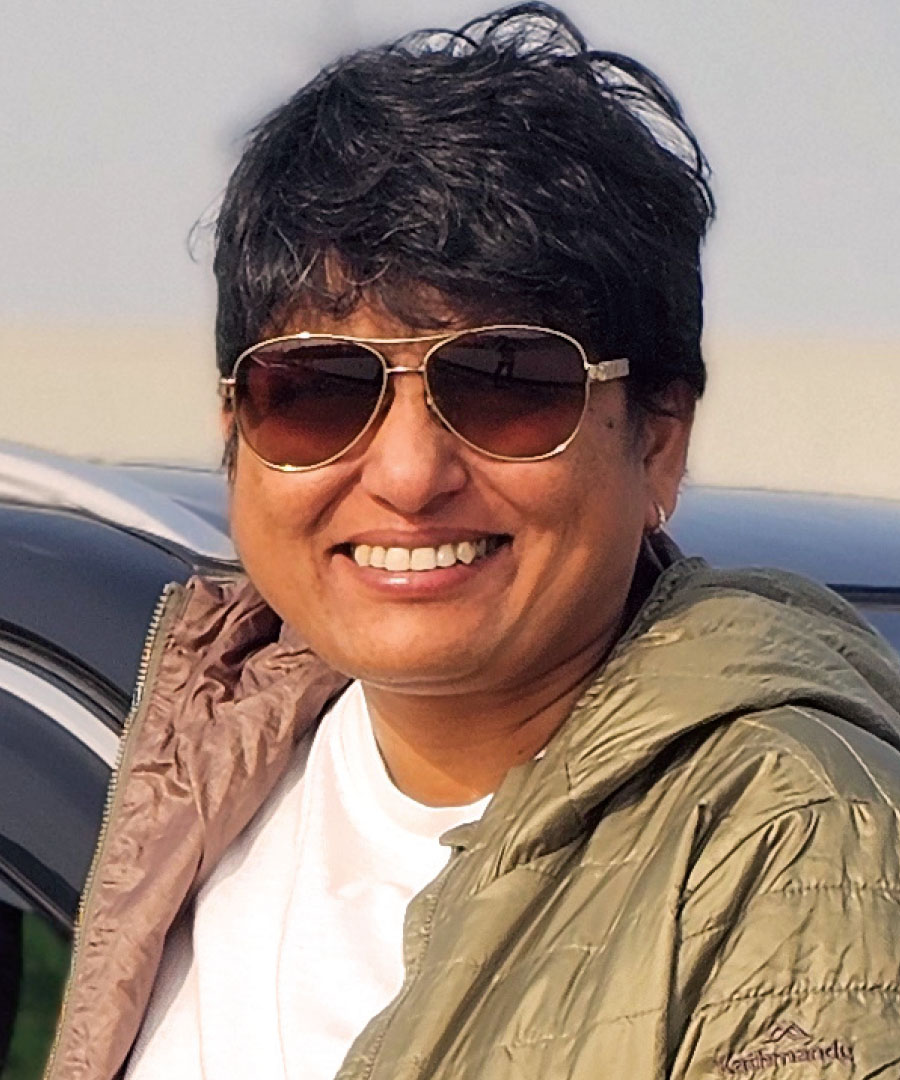
Sujal Patwardhan
Co-Founder, Embarq
Women are far more decisive about the experiences they want. We’re seeing a growing willingness to choose journeys that are unconventional, whether it’s remote landscapes, cross-country drives, or destinations that aren’t typically on mainstream itineraries.
The Numbers are Striking
In India, solo female travel is accelerating at an unprecedented pace. Platforms such as Zostel recorded over 92,000 solo female bookings in 2025, nearly tripling from 2018 levels, with strong post-pandemic recovery and repeat travel behaviour emerging as a defining pattern. Meanwhile, travel fintech platform Scapia reports that solo travel among women has grown nearly ninefold year-on-year, reflecting a surge in confidence and control over travel decisions. MakeMyTrip’s reporting similarly points to a sharp rise in solo and premium travel behaviour, particularly in international bookings, reinforcing the idea that independent travel is increasingly linked to higher-value, experience-led consumption.
On platforms such as Airbnb, nearly 30% of Indian women travellers are now choosing to travel solo, while a similar share of hosts are women, collectively shaping both sides of the travel economy. Amanpreet Singh Bajaj, Airbnb’s Country Head for India and Southeast Asia, says, “Our data shows that women hosts are delivering exceptional hospitality while achieving financial independence, and women travellers are increasingly exploring the world with confidence. Not just hosts, but Indian women travellers too are embracing Airbnb for their myriad experiences and plans. Data shows that female Millennial travellers are leading the charge for bookings, followed by Gen Z. The majority of female travellers prefer to travel in pairs or in groups, typically taking trips lasting between two to six nights, reflecting a preference for short yet immersive experiences.”
Globally, the trajectory is just as pronounced. Nearly 40–45% of women now express intent to travel solo, with repeat travel behaviour and forward planning significantly higher than their male counterparts.
But alongside demand, supply is evolving too. “From a broader industry perspective, we are seeing a rise in women-friendly accommodation options and bespoke itineraries specifically curated for independent travellers,” Kumar notes. “Whether it’s celebrating a professional achievement or a personal breakthrough with a solo retreat… travel is increasingly becoming a way to mark personal milestones.”
This is not just travel. It is a ritual. A promotion becomes a journey. A transition becomes a retreat. A moment becomes a destination. And increasingly, platforms are being designed to enable this shift. “Our mission is to make it easier for everyone to plan every part of their journey seamlessly,” Kumar adds. “We are committed to helping them discover new destinations, connect with local cultures and explore the world with confidence and on their own terms.”
The Freedom Economy
What sits beneath these numbers is not just cultural change, but commercial gravity. This is a multi-billion-dollar segment in motion—high-spending, repeat-driven, and remarkably loyal. The solo female traveller researches more, stays longer, and often spends more per trip than her counterparts. She is not incidental to the system; she is beginning to reorganise it.
“Our 2025 travel trends data highlights a diverse range of motivations for solo exploration,” says Kumar. “Seventy per cent of women travellers plan solo trips to relax, 68% to immerse themselves in nature, and 41% to visit friends and family. More than half choose solo journeys to explore both domestic and international destinations.”
What appears, on spreadsheets, as behaviour is, in lived experience, something more layered: autonomy, intention, and self-direction. “Luxury isn’t just about material comfort,” says Joseph. “It’s about meaningful experiences. Women-only expeditions combine adventure, camaraderie, and personal discovery—which makes them incredibly powerful.” She pauses, then adds, almost as a prediction rather than a conclusion: “We believe this segment will grow steadily as more women look for travel that is both immersive and different.” Women are creating a new travel economy centred on autonomy.
Parulekar echoes this, but grounds it in how those milestones are experienced. “The beauty of a private villa celebration is that you don’t have to play host. Our on-ground teams handle the meals and logistics, so whether you’re celebrating a promotion or simply taking time off, you can actually enjoy the moment instead of managing it.”
Behavioural data reveals just how distinctive this traveller is. A recent Solo Traveler Reader Survey—where over 80% of respondents were women, largely over the age of 55—offers a glimpse into a high-value, highly intentional segment. Nearly 43% reported taking three or more trips in a year, with another 22% taking at least two. Trips are longer—75% travel for two weeks or more—and deeply considered. Price and safety remain the two most influential factors (77% and 76% respectively), followed by weather.
What is striking is not just the frequency, but mindset. Nearly 90% of respondents opt for guided or escorted tours at least some of the time, not out of dependence, but for access and ease: the ability to go places they might not otherwise feel confident navigating alone, and the freedom to outsource logistics while retaining control of the experience.
This is not a contradiction; it is calibration. Independence is not defined by doing everything alone, but by choosing how much support to accept. From hostels to luxury hotels, from platforms to policy, the industry is beginning to respond: safer infrastructures, more intuitive service, experiences that privilege choice over prescription.
But this economy is not built on consumption alone. It is built on autonomy, on the ability to move through the world without negotiation, on the expectation that space can be occupied without explanation. In that sense, what appears as economic force is also cultural intent.
This is a freedom economy, yes, but it is also, quietly, a social rebellion.

The Industry take Notice
- The shift of more women travelling solo, within boardrooms, is no longer anecdotal. At Zostel, India’s largest hostel network, the numbers have begun to speak with clarity. “Solo female bookings have grown exponentially over the past few years,” says Dharamveer Singh Chouhan, its co-founder. “But what’s more interesting is repeat behaviour. Once women start travelling solo, they don’t stop.”
- Zostel, with its shared spaces and standardised safety protocols, has functioned as an entry point, a threshold across which hesitation becomes habit. “We didn’t set out to build for women specifically,” Chouhan adds. “But we realised early on that if women feel safe, everyone feels safe.” Safety, here, becomes not a feature but a foundation.
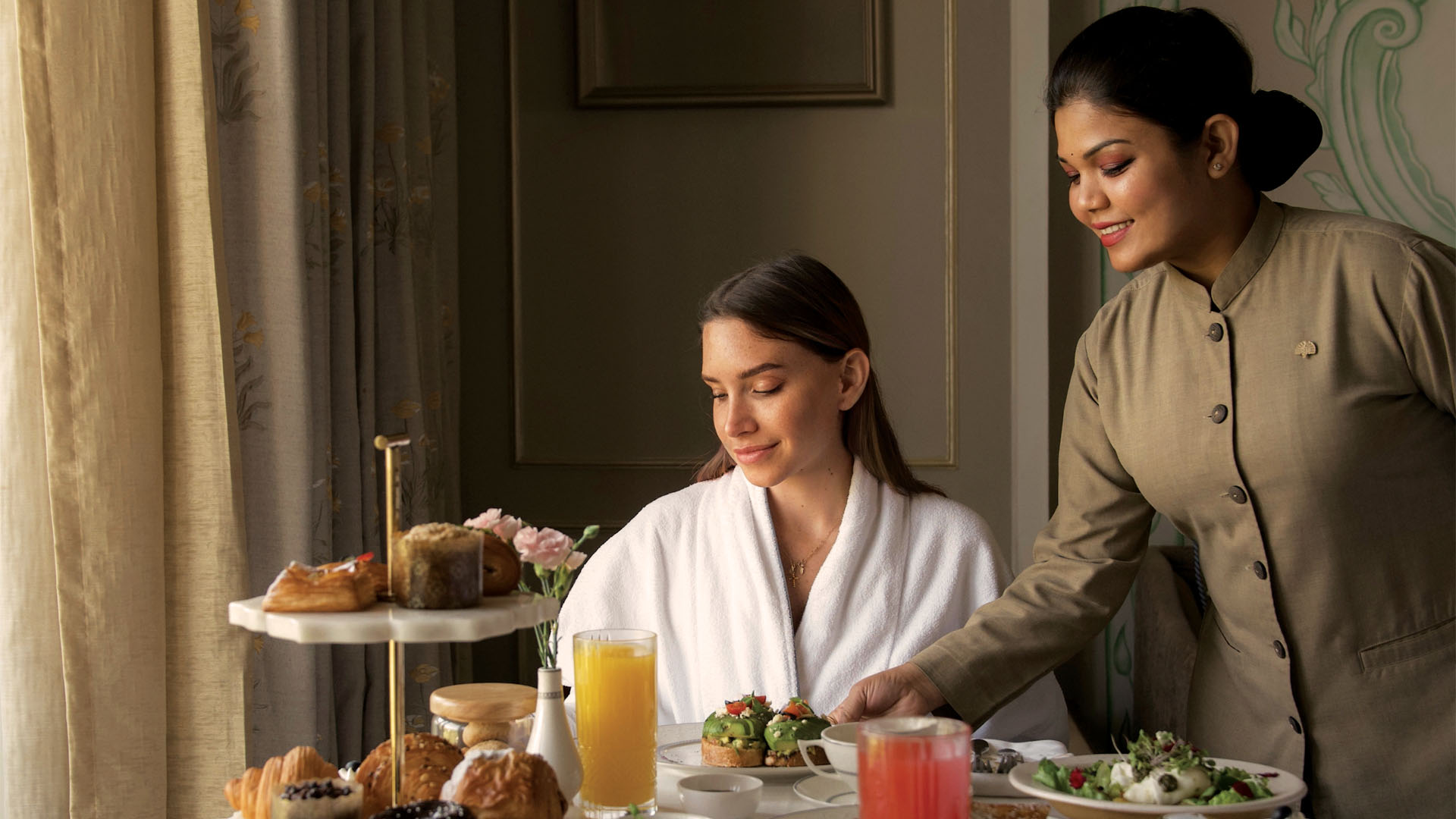
- If hostels democratised solo travel, luxury hospitality is now being asked to refine it. At CGH Earth, where properties are low-density and deeply local, the approach is almost invisible. Many solo women guests are not looking for activities; they are looking for environments where they can exist comfortably, without being watched, questioned, or managed. Staff are trained to read cues without intrusion. Spaces offer privacy without isolation. Experiences remain optional rather than insistent. It is, as they describe it, as much about emotional safety as physical safety.
- At The Leela Palaces, Hotels and Resorts, the same shift is translated into behavioural design. The solo female traveller is one of the most discerning guests they have, attuned to everything from corridor lighting to the tone of interaction. Arrival is discreet. Room allocation considers visibility and proximity. Dining has evolved, and women are offered tables that do not stage solitude as spectacle. The objective is not to create separate spaces for women, but to design spaces that work better for them, and therefore, for everyone.
- Elsewhere, the response becomes more spatial, almost philosophical. At Aman Hotels, space itself becomes the first gesture of reassurance. At Aman-i-Khas, tents are placed with intention; distance is not emptiness but design. Movement slows, and silence is allowed to accumulate. For the solo woman traveller, privacy is not isolation. It is control.
- At RAAS Jodhpur, embedded within historic cityscapes, the emphasis is on permeability without exposure, allowing women to move between the hotel and the city with quiet confidence. In the Jaisalmer desert, at Suryagarh Jaisalmer, experience is carefully choreographed; excursions, dining, and movement are curated so exploration never feels uncertain.
- At Six Senses Vana, structure becomes a form of freedom. Wellness schedules, communal dining, and guided routines remove the friction of decision-making while preserving solitude. Many women arrive hesitant. They leave transformed, not because of what is done for them, but because of what they allow themselves to claim.
- Across these varied responses, a pattern begins to emerge. Rooms are no longer simply assigned; they are positioned. Floors are secured, but discreetly. Dining is redesigned so solitude does not feel like a spectacle. Experiences are curated not to limit movement, but to enable it with confidence. What is taking shape is a new grammar of hospitality, one that replaces overt protection with invisible assurance. Not safety as restriction, but safety as design. Not supervision, but freedom, held quietly in place by carefully constructed safety nets.
- For the travel and hospitality industry, this represents one of the most under-leveraged opportunities in the market. This is a customer segment that is high-intent, high-value, and high-loyalty—planning extensively, spending meaningfully, and returning to brands that build trust. And yet, the industry is only beginning to respond in a structured way.
At The Centre of Travel Planning
Women are also increasingly at the centre of travel decision-making, not just for themselves, but for others.
According to Booking.com’s How India Travels 2025 report, 73% of respondents believe women today play a more active role in planning trips than ever before. Four in 10 women report being more involved in travel decisions, while a third take the lead in planning and booking for their families or groups.
More recent data suggests that this influence is even more structural than it appears. According to Thrillophilia’s Women & Travel Decisions 2025 report, women now influence or design nearly 72% of all leisure trips across India. What began as subtle shifts within households has become a measurable reconfiguration of how India travels, from budgeting and booking to destination selection and experience design.
The patterns are telling. Women plan earlier—on average, nine days ahead of men—reducing exposure to dynamic pricing and lowering cancellation rates. They research more deeply, cross-checking reviews, studying images, and circulating itineraries within family networks before committing. The result is not just better planning, but smoother journeys.
Women are increasingly shaping higher-quality travel. They choose significantly more premium upgrades—boutique stays, wellness add-ons, curated experiences, and comfort-first transfers—while keeping overall spend almost on par with men. It is what the report describes as a “smart luxury aesthetic”: more thoughtful, less excessive; more
meaningful, less performative. Even in shared travel contexts, the shift is visible. While women lead planning decisions, a majority of payments on couple trips are still made by men, revealing a quiet but important divide between financial transactions and decision-making authority.
Safety, however, remains central. Women apply significantly more safety filters while planning, prioritising trusted drivers, verified accommodations, secure neighbourhoods, and structured itineraries. These decisions are not abstract; they translate into measurable outcomes, including fewer disruptions and lower distress signals during travel.
Medha Joseph
Co-Founder, Embarq
We do have seasoned travellers and confident drivers, but increasingly we’re seeing women who may never have done a road trip. What draws them is the chance to try something bold in a supportive environment. Many come with an open sense of curiosity and leave with a new level of confidence.
Where Women are Going
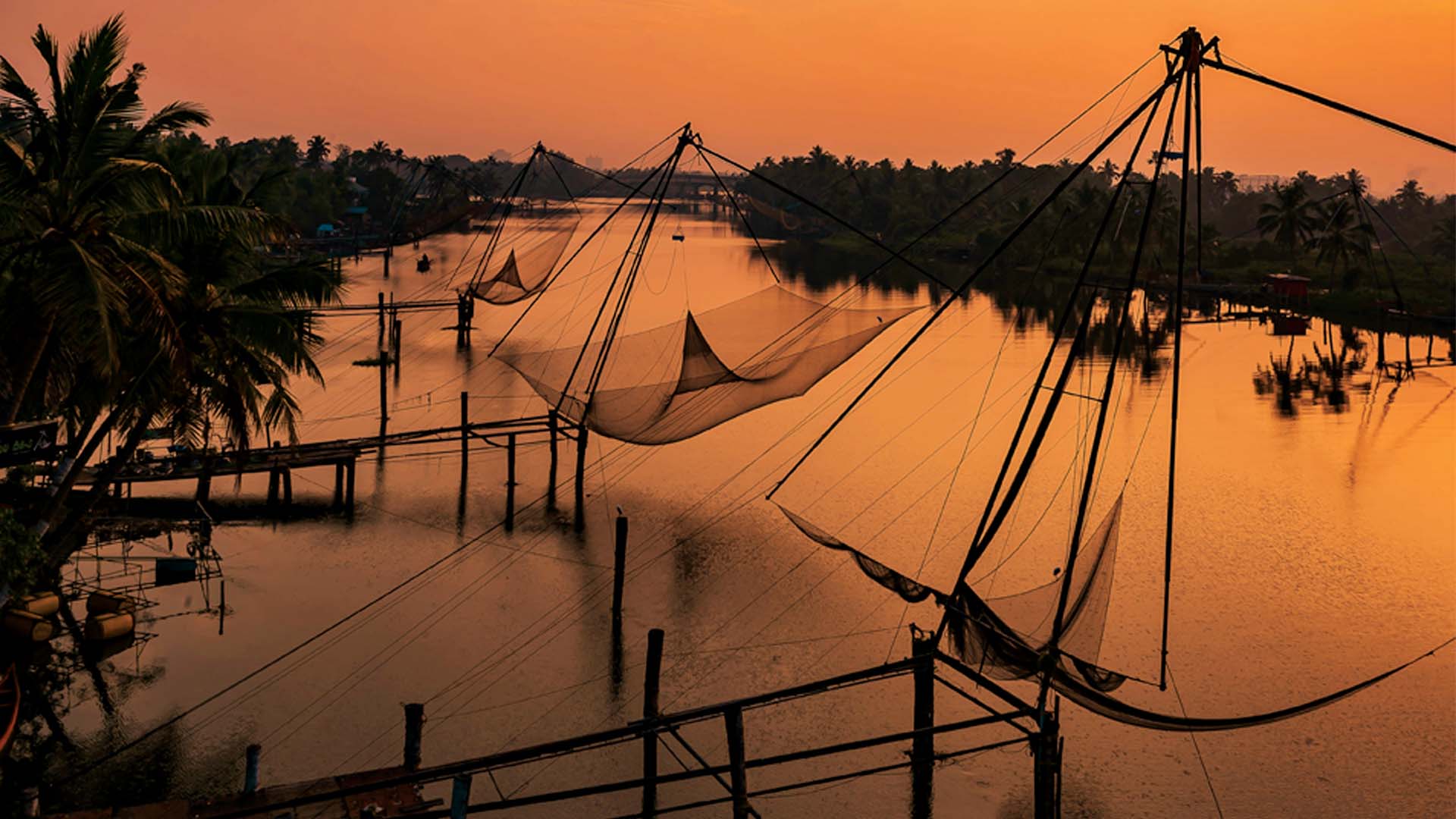
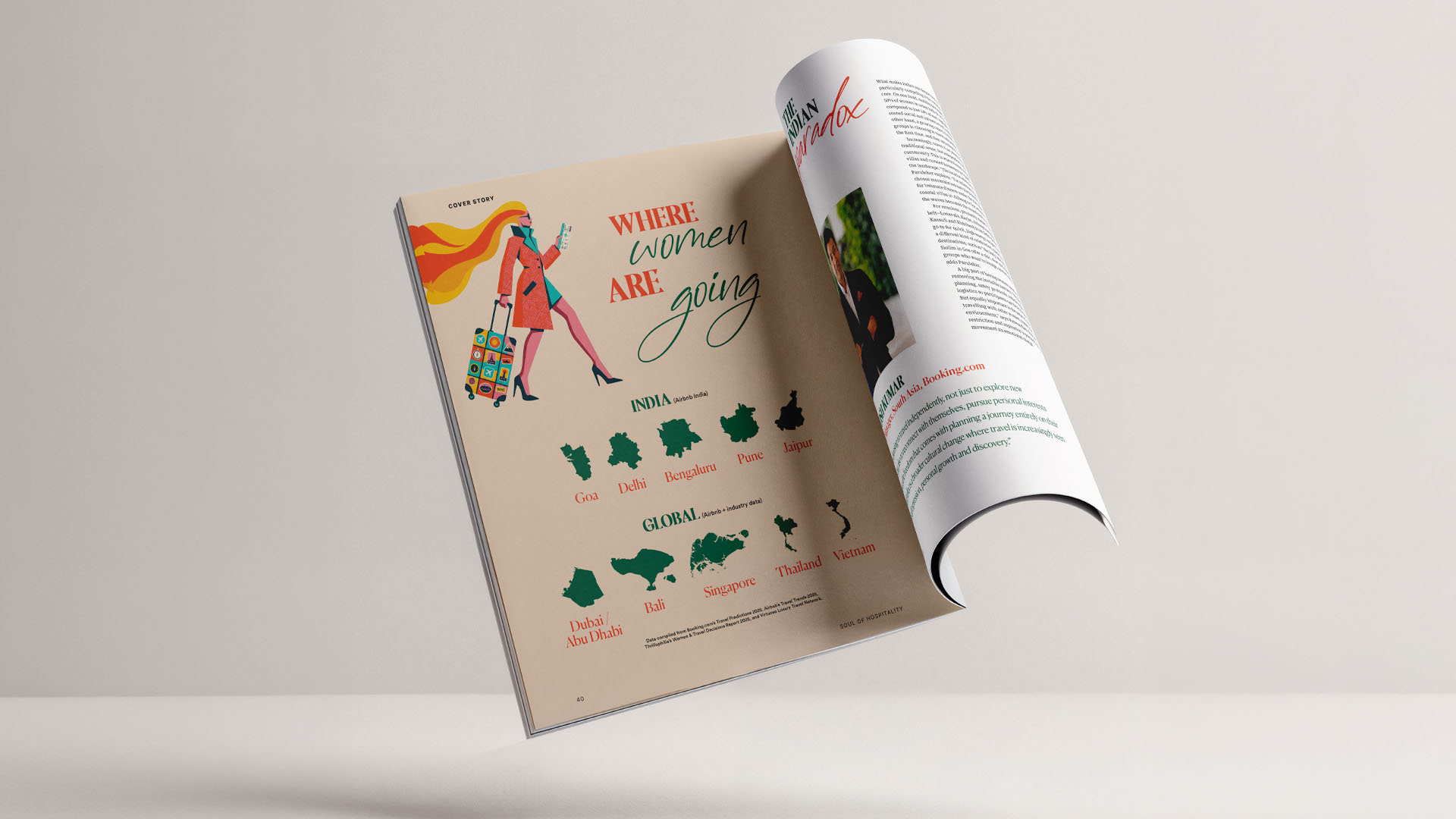
This shift is reshaping where women travel. Domestically, destinations such as Rajasthan, Kerala, and Goa—places that combine culture, pace, and relative ease—continue to dominate. Internationally, choices reflect a balance of accessibility and aspiration: Dubai and Abu Dhabi, Bali, Singapore, Thailand, and Vietnam.
Perhaps most telling is where this change is coming from. Tier 2 cities such as Indore, Ahmedabad, Lucknow, Jaipur are emerging as some of the fastest-growing hubs for women-led travel planning, signalling that this is no longer an urban, elite phenomenon. It is diffusing.
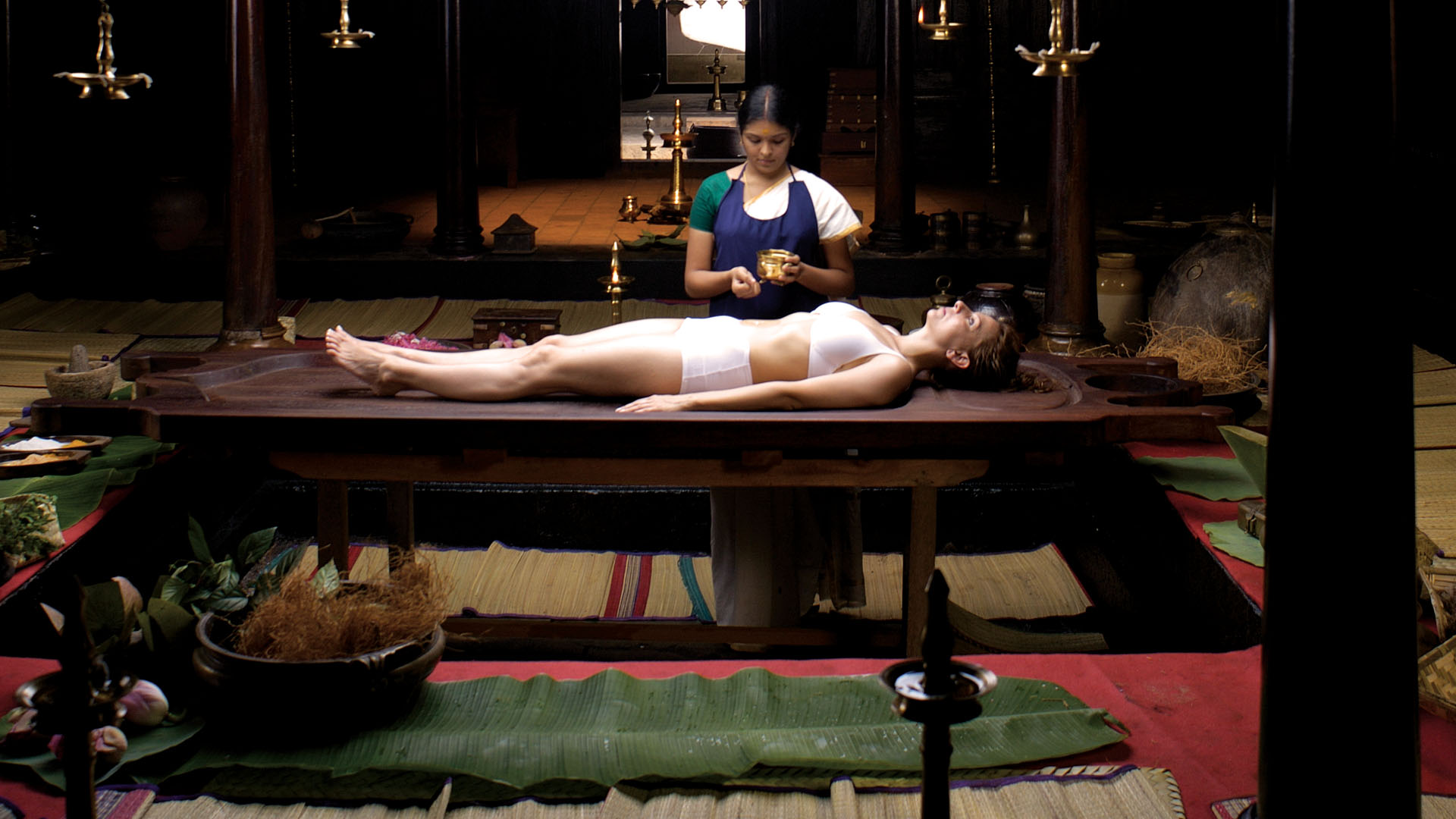
Wellness, sustainability, and immersion are no longer peripheral. They are central. In Kerala, Ayurveda retreats now draw global travellers for week-long, deeply structured healing programmes. In Rishikesh, yoga schools continue to attract seekers looking not for sightseeing, but for stillness. Across Goa, Uttarakhand, and Rajasthan, luxury resorts are blending spa, nature, and mindfulness into integrated experiences.
For many women, particularly those travelling alone, these environments offer something more than relaxation. They offer structured spaces in which decision fatigue dissolves, and self-direction becomes intuitive. At the same time, sustainability and cultural immersion are reshaping how journeys unfold. Travellers are choosing homestays over hotels, craft experiences over curated tours, and local engagement over passive observation. Village tourism, artisan-led workshops, and slow travel formats are no longer niche—they are preferred.
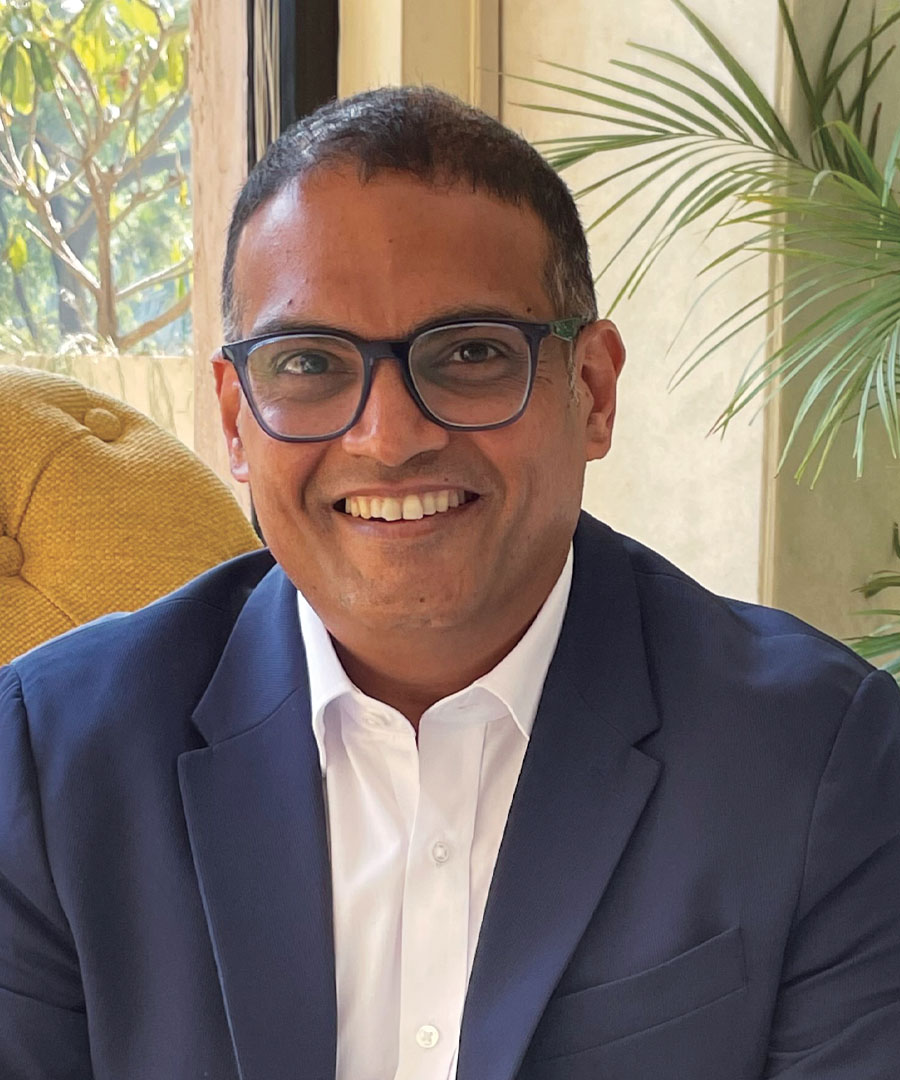
Devendra Parulekar
Founder, SaffronStays
Not just hosts, but Indian women travelers too are embracing Airbnb for their myriad experiences and plans. Data shows that female millennial travellers are leading the charge for bookings, followed by Gen Zs. The majority of female travellers prefer to travel as a pair of two or in groups, typically taking trips lasting between two to six nights, reflecting a preference for short yet immersive experiences.
Safety as Luxury
For the solo female traveller, safety is not a baseline expectation. It is the architecture upon which everything else rests. But increasingly, it is not experienced as restriction; it is experienced as design. “When women travel, safety is the foundation of comfort,” Parulekar says. “We provide a fully managed ecosystem—trained caretakers, on-ground support, and, in many homes, women-led hospitality teams.”
That last detail is subtle, but significant. “In properties like Araqila or Ovates by the Sea, women are actively involved in managing the guest experience. That presence creates an added layer of reassurance for women-only groups,” he adds. This is what the future of safety looks like: not visible control, but invisible assurance.
Even aviation is beginning to respond at the level of the interface. IndiGo, one of India’s largest airlines, recently introduced a feature that allows women to select seats next to other female passengers during booking. “IndiGo is proud to announce the introduction of a new feature that aims to make the travel experience more comfortable for our female passengers,” the airline said in a statement. “We are committed to providing an unparalleled travel experience for all our passengers, and this new feature is just one of the many steps we are taking towards achieving that goal.” Framed as part of its ‘#GirlPower ethos,’ the move signals a broader shift: safety is no longer reactive; it is being designed into the journey from the very first click.
Airlines experiment with such seat-selection features. State tourism boards introduce verified accommodations and safety certifications. Hotels invest in surveillance, training, and protocol. These are the visible systems. But the most effective safety mechanisms are the ones that recede into the background: a well-lit corridor that requires no second thought, a front desk that notices without questioning, and a hotel floor that feels intuitively navigable, even late at night.
This is what freedom with safety nets looks like in practice: not the elimination of risk, but the quiet presence of assurance. The solo female traveller is not seeking to be shielded from the world; she is seeking the confidence to move through it uninterrupted.
Independence, Redefined
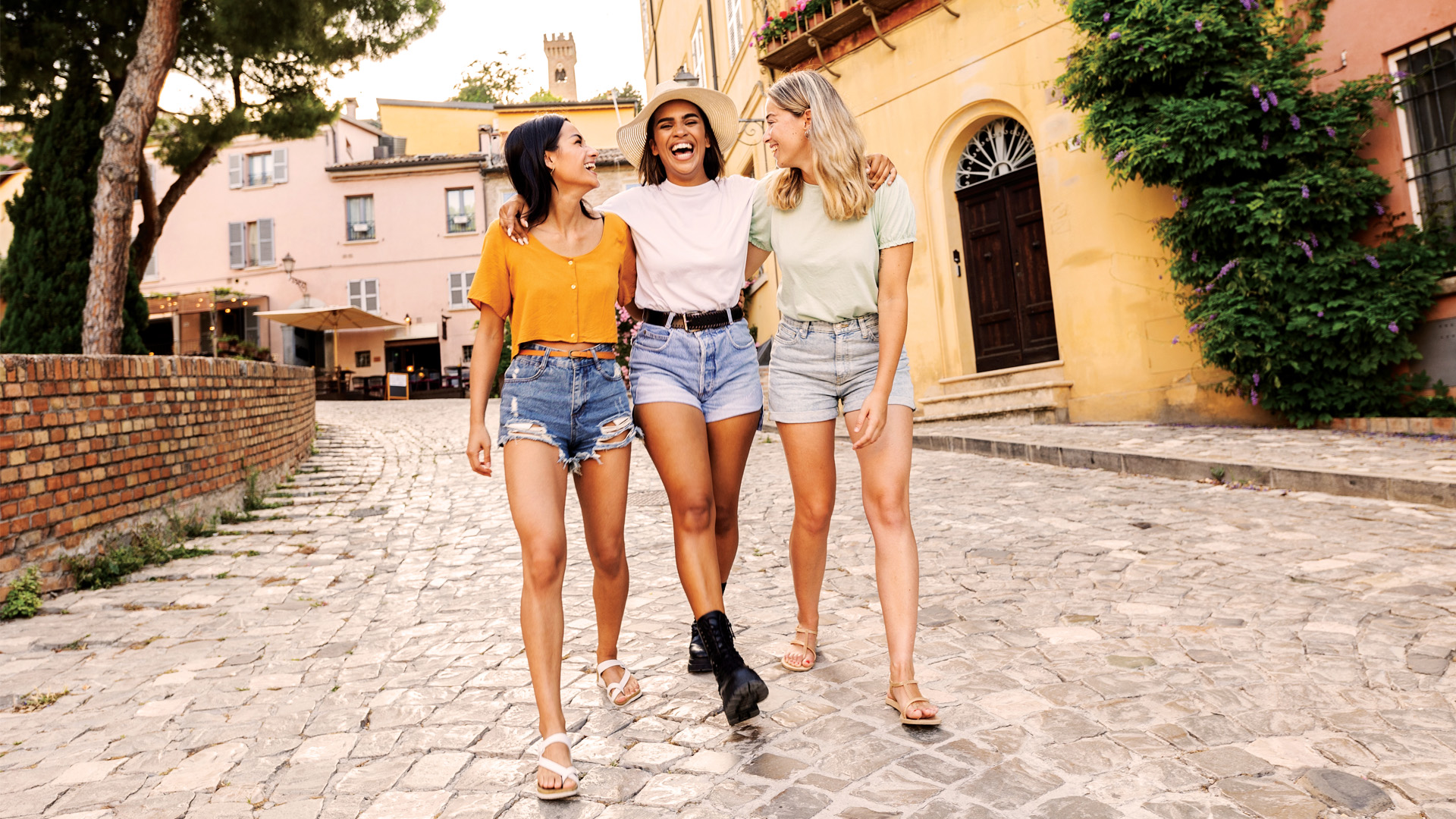
There is also a shift in how independence itself is understood. For many women, solo travel does not mean doing everything alone. It means choosing how and with whom to experience a journey. This is not a contradiction; it is calibration. And the environments they choose reflect this balance. “We’ve found that women travellers prioritise three things: safety, privacy, and aesthetics,” Parulekar says. He describes what that looks like in practice: “The appeal is the ‘private club’ feel—an entire estate that is yours. No shared elevators, no crowded buffets. Just your inner circle in a secure, gated space.”
Beyond safety, there is also the atmosphere. “From sprawling gardens for morning yoga to beautifully designed living spaces for late-night conversations, these homes are designed for making memories. They’re aesthetic, but also deeply personal.”
For decades, luxury was measured in scale, such as larger rooms, grander lobbies, and more elaborate offerings. Now, luxury has become the absence of friction. It is the presence of trust and the ability to move without negotiation, as well as the ability to choose your own company and your own solitude. Private villas, quiet retreats, small-group journeys, and solo itineraries are not alternatives to luxury. They are redefining it.
The Future
What emerges, across these stories, is not just a pattern of travel, but a pattern of change. Women are earning more, moving more, and deciding more. Over the past decade, rising workforce participation and digital access have expanded not just income, but also imagination. Platforms, apps, and information have reduced dependency, and communities that welcome women have reduced hesitation.
What was once exceptional is becoming habitual. This is not a trend that will recede. It is a shift that will deepen. There will be more gender-sensitive design, more women-led travel businesses, more policy-level interventions, more nuanced understandings of safety, not as perimeter, but as experience. And threaded through all of it will be this evolving balance: the expansion of freedom, held steadily by increasingly sophisticated safety nets.
But perhaps the most significant change will be the linguistic one. Women will no longer be described as solo travellers. They will simply be travellers. And the act itself—once questioned, explained, and negotiated—will no longer feel exceptional. It will remain what it has quietly been all along, a reclamation of space, time, and self.
Not loud. Not declared. Just a quiet rebellion, checked into, one journey at a time.

Amanpreet Singh Bajaj
Airbnb’s Country Head for India and Southeast Asia
Not just hosts, but Indian women travelers too are embracing Airbnb for their myriad experiences and plans. Data shows that female millennial travellers are leading the charge for bookings, followed by Gen Zs. The majority of female travellers prefer to travel as a pair of two or in groups, typically taking trips lasting between two to six nights, reflecting a preference for short yet immersive experiences.