













A Slow Travel Guide to Fort Kochi
An insider’s itinerary through art venues, historic quarters, cafés, bars, and restaurants, with the Kochi-Muziris Biennale at its cultural core.

By Deepali Nandwani
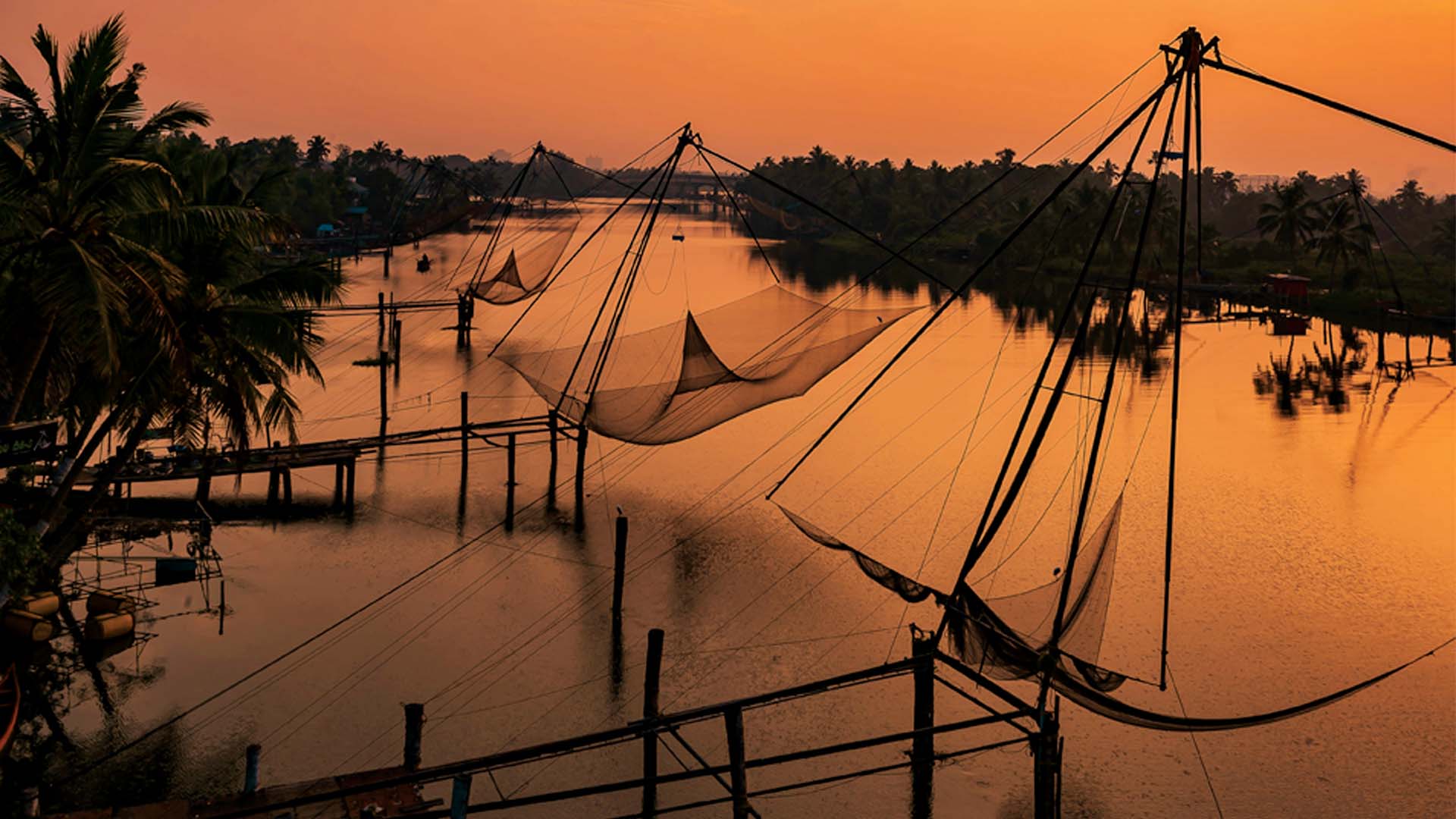
Kochi, a coastal city in Kerala, feels like a quiet conversation between centuries. The ‘Queen of the Arabian Sea,’ euphemistically referred to as Kerala’s commercial hub, is a unique ecosystem that spans mainland Ernakulam, the historic Fort Kochi island, Mattancherry, and smaller islands. Ancient spice routes meet contemporary art here; Chinese fishing nets share shorelines with boutique hotels, cafés, and galleries. Shaped by Arab, Portuguese, Dutch, and British influences, Kochi seamlessly integrates its history into its architecture, cuisine, and daily life.
Fort Kochi’s history is one of conquests and change. The Dutch seized it from the Portuguese in the late 17th century, dismantling much of their stronghold. The British, arriving in 1795, cleared what remained.
Today, only a fragment of the original wall survives, built into the Bastion Bungalow, now the Ernakulam District Heritage Museum. Portuguese, Dutch, and British colonial architecture, the iconic Chinese fishing nets, and a vibrant, diverse culture have drawn travellers in recent years. Inventive newcomers have revived crumbling houses, transforming them into hotels, cafés, and stores. At its heart, Kochi is unhurried, culturally rich, and sea-bound—more atmosphere than spectacle.
This guide to 36 hours (or 3 days) in Fort Kochi covers art, culture, heritage, and the 6th Kochi Muziris Biennale.
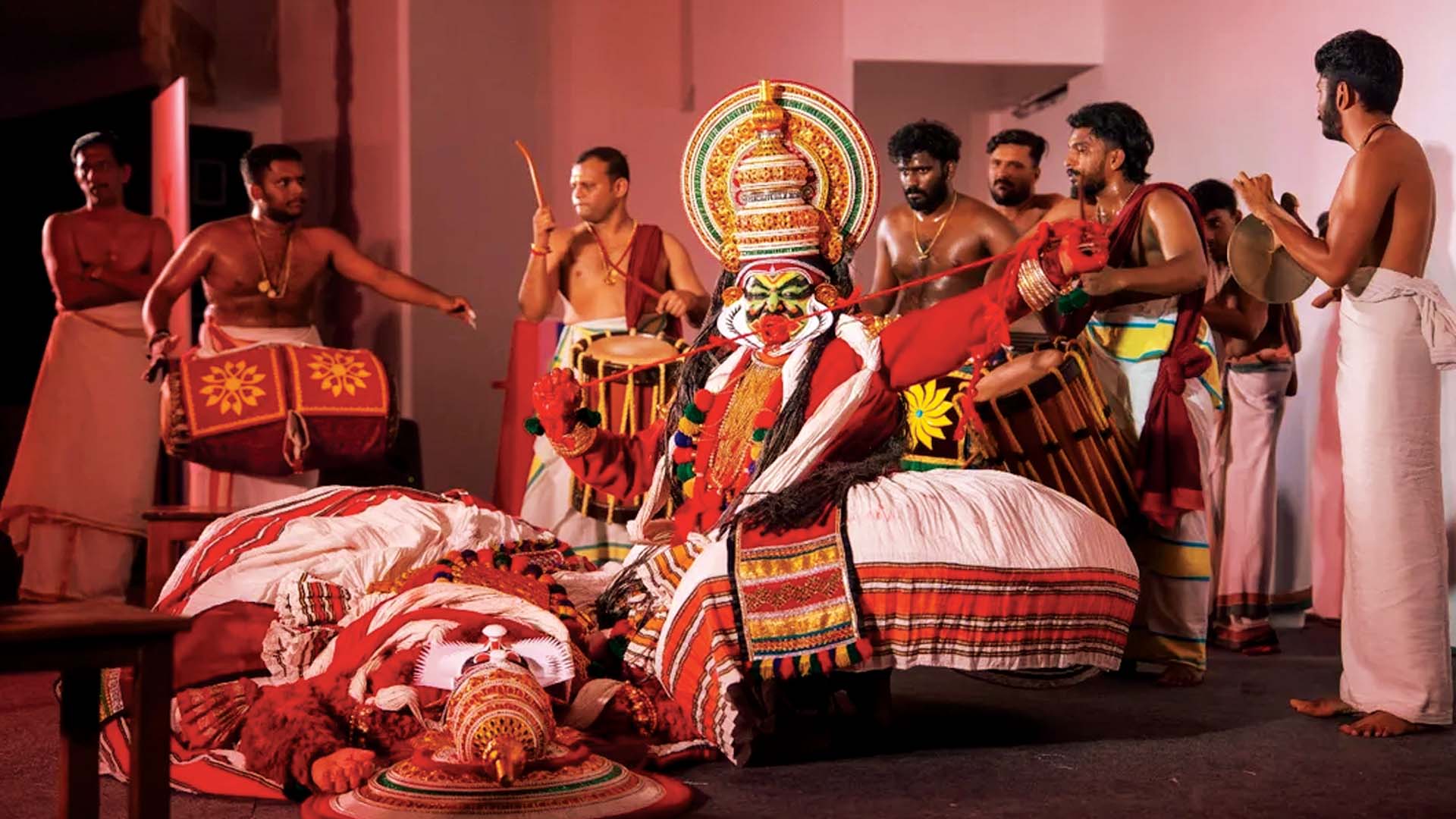
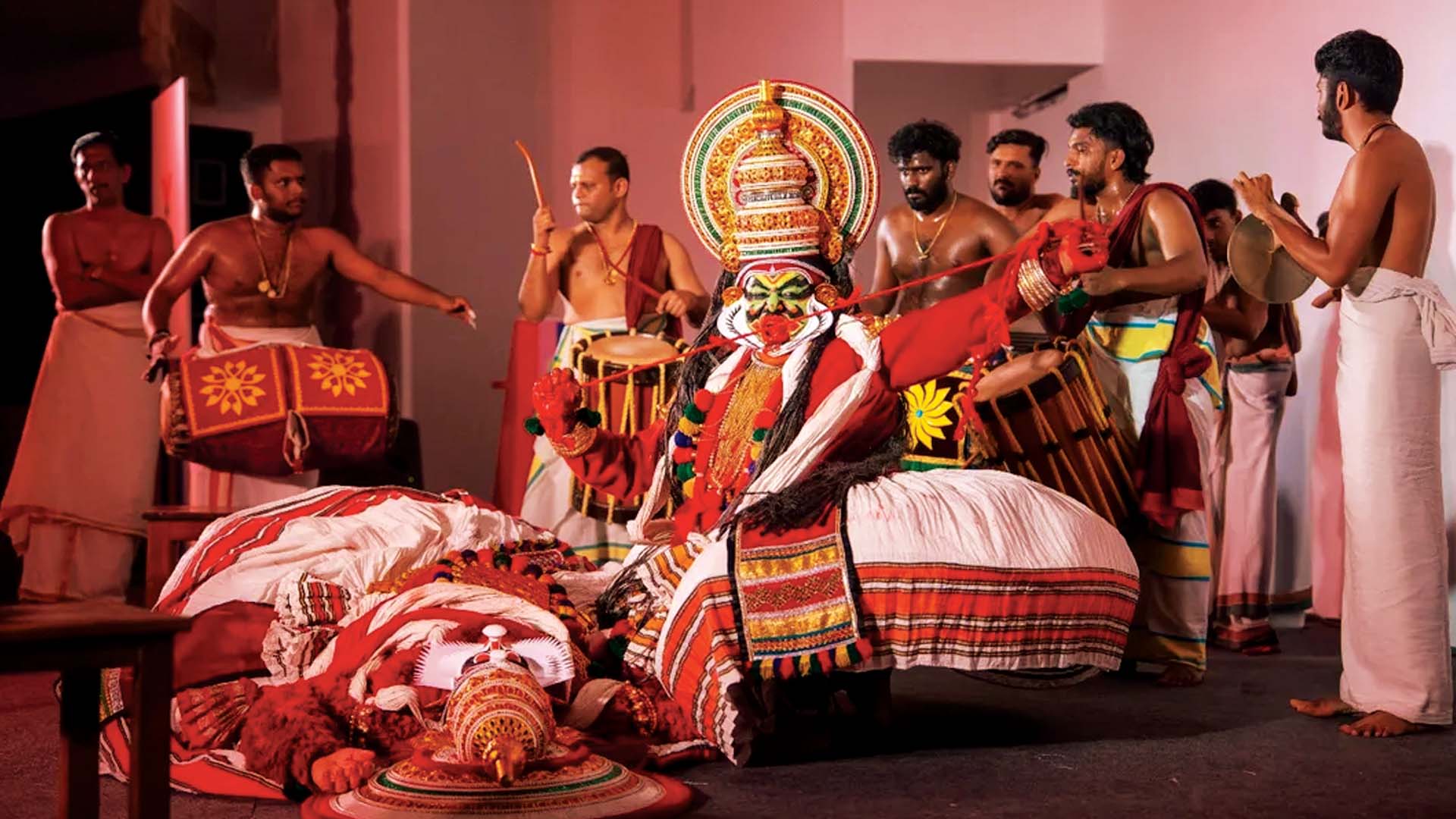
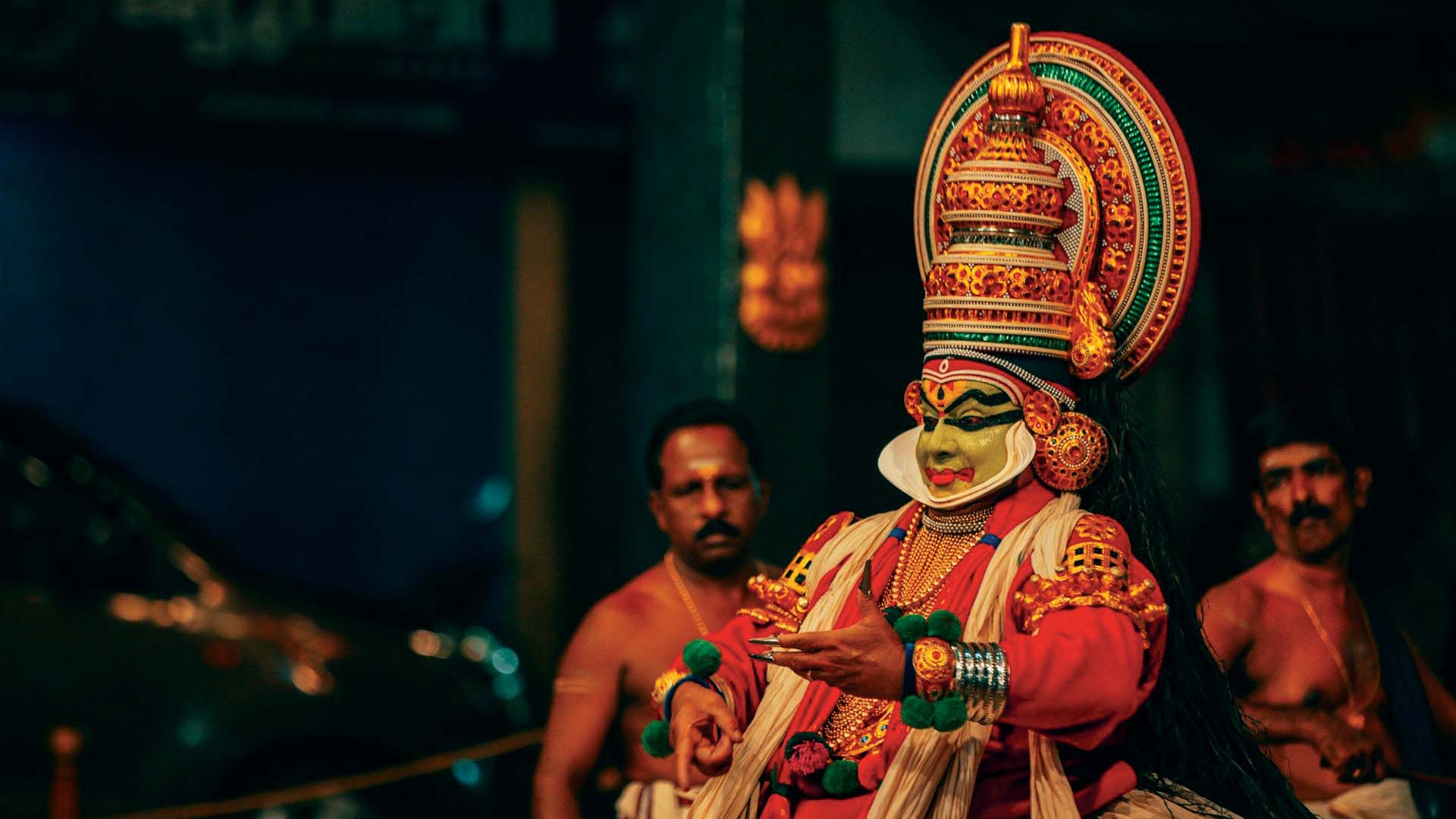
Kathakali known for its stories of gods and demons, and elaborate get-up and makeup, is best witnessed in its home state.
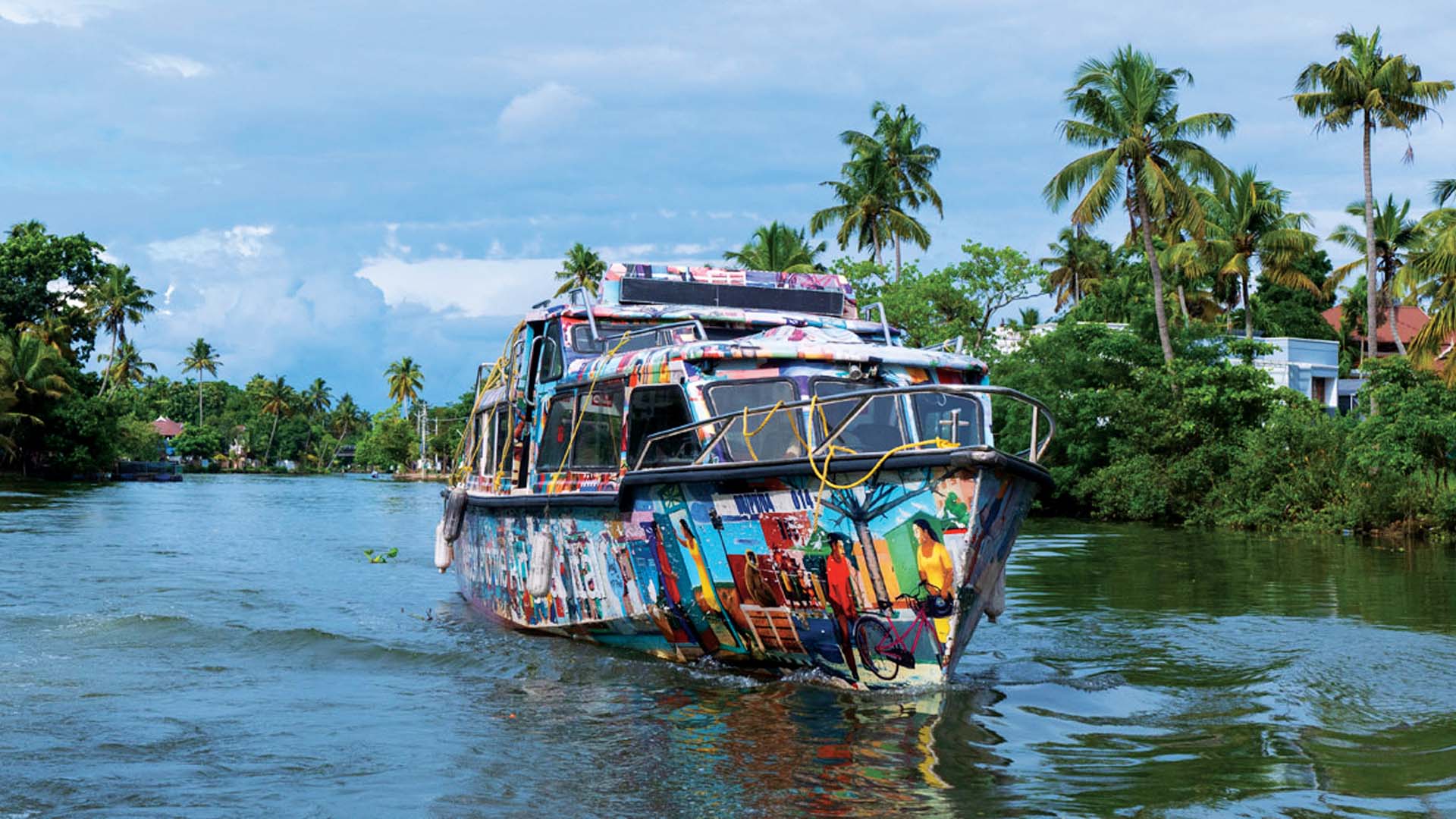
With water defining Kochi’s geography and rhythm, an easy way to ease into the city is from the deck of a boat.
Day 1
Early morning: 07.30am: Fort Kochi
The Portuguese fort that is named after this quarter is gone, but its ruins remain everywhere. The island is walkable, so start with an early stroll to absorb the layered influences. The Chinese nets are a must visit. Introduced by the Chinese traders in the 13th or 14th century, these cantilevered shore-operated nets hang from wooden frames, balanced by counterweights on a simple lever system.
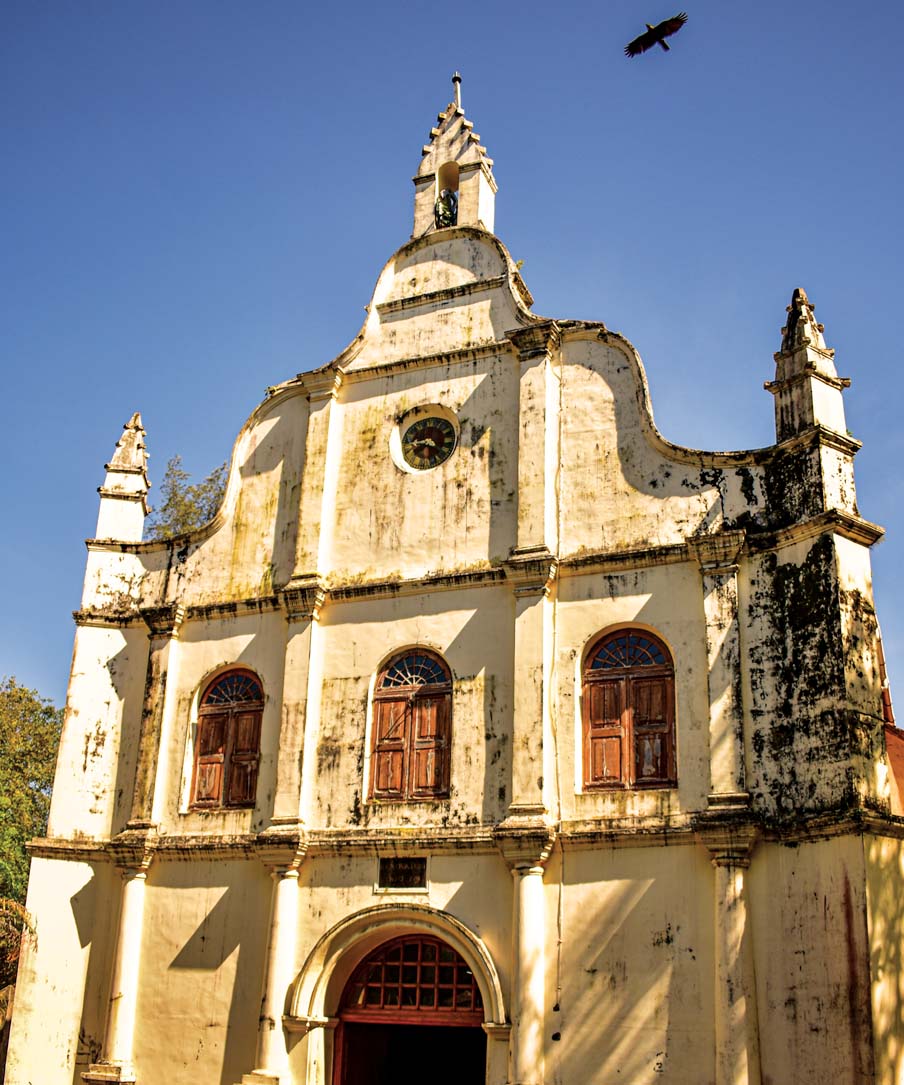
Step onto the frames and watch fishermen haul in their catch—it’s an adventure. Then head to Vasco da Gama Square and St. Francis Church, among India’s oldest European churches. Built Catholic by the Portuguese in 1503, rebuilt Protestant by the Dutch, then Anglican by the English, it once held Vasco da Gama’s grave before his remains returned to Lisbon.
10.00am: Chai at Teapot café
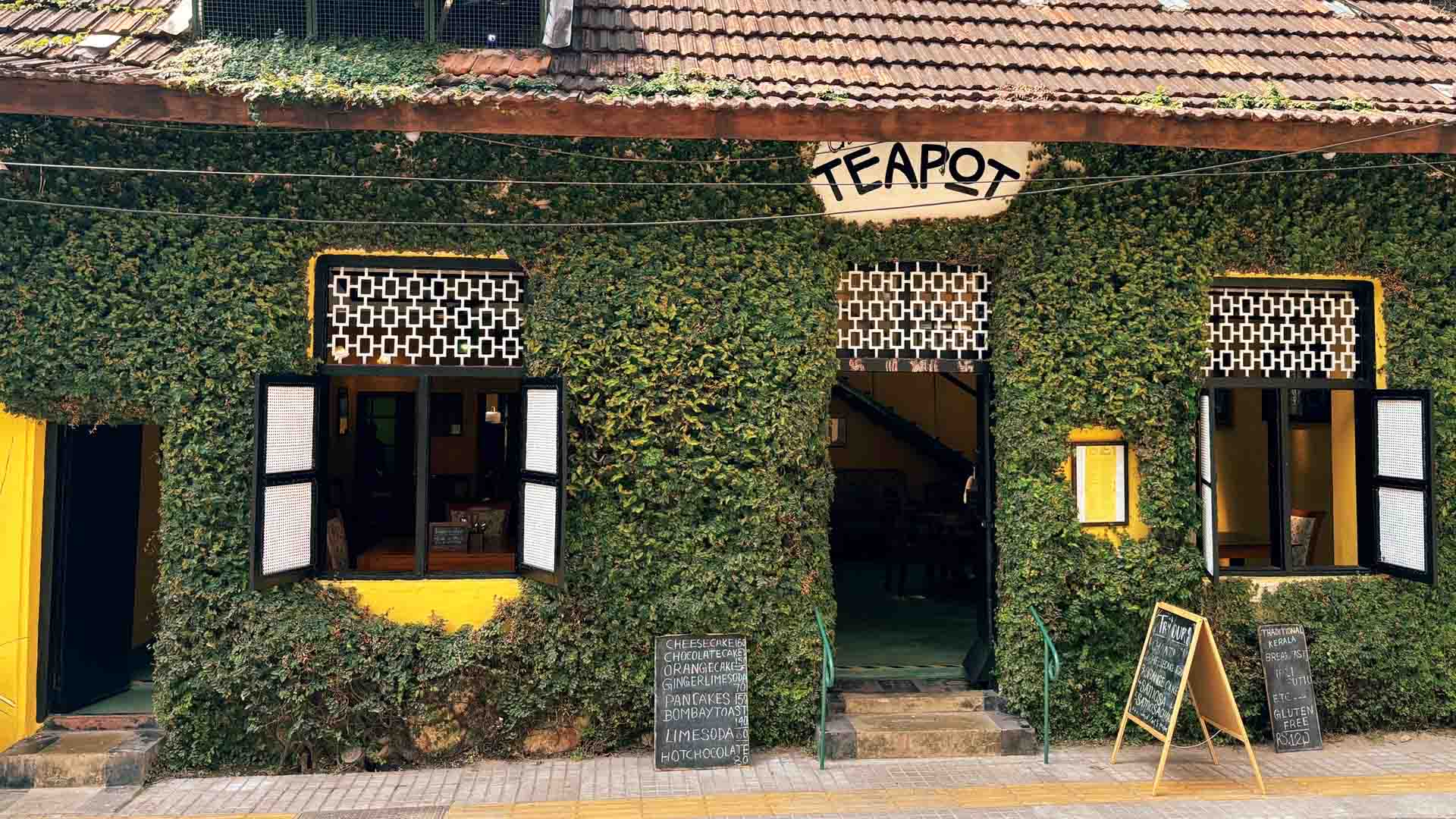
Pause for chai and breakfast of fluffy omelettes and avocado toast at retro Teapot Café with its flower-framed entrance and yellow walls. Visit the whitewashed Santa Cruz Cathedral Basilica, then wander the streets of bright blue-yellow buildings with terracotta roofs and stained-glass light. Or eat as the locals do near the waterfront: chai, pazham pori (banana fritters), and fresh coconut water.
11.00am: Kochi Muziris Biennale
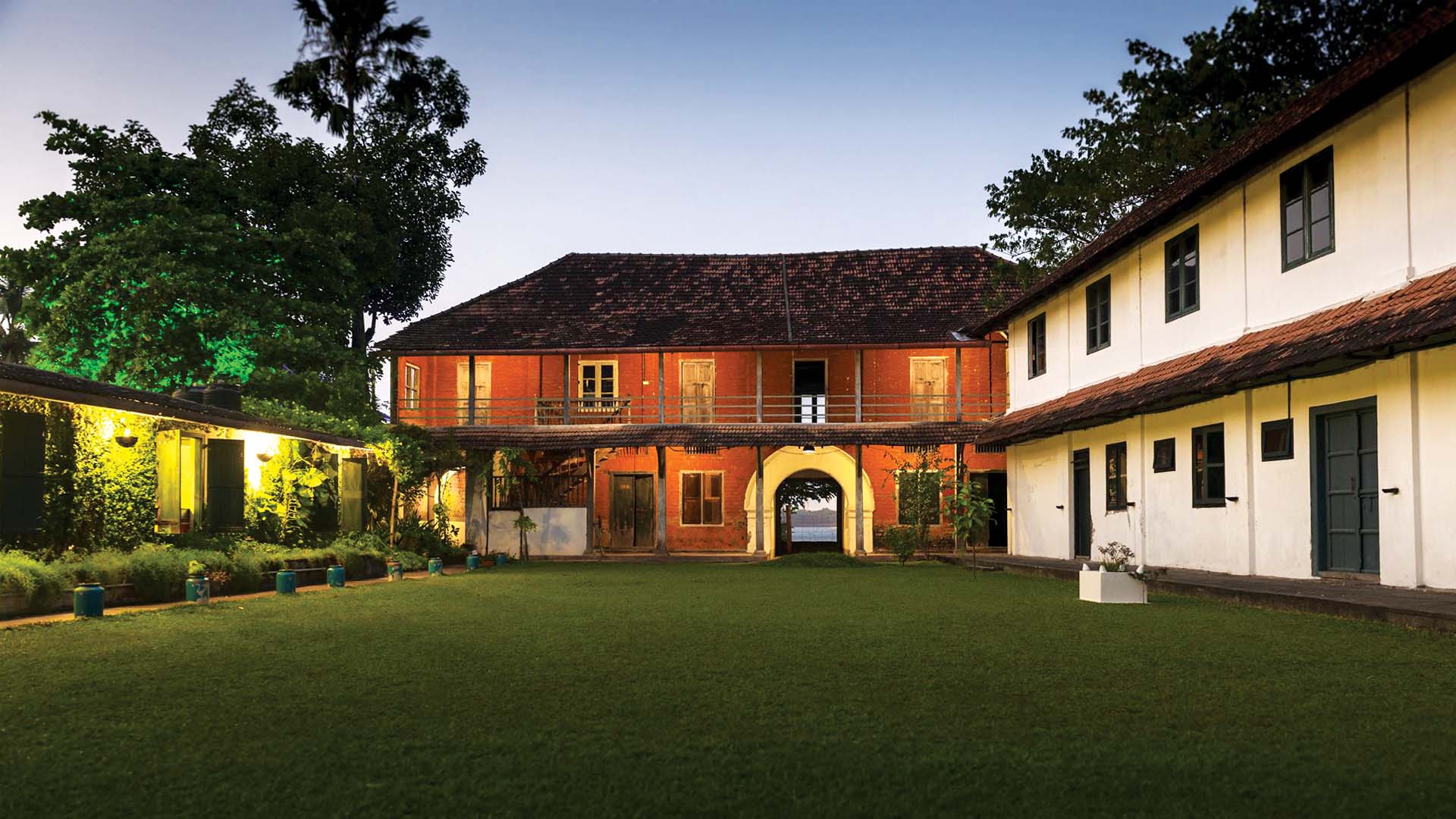
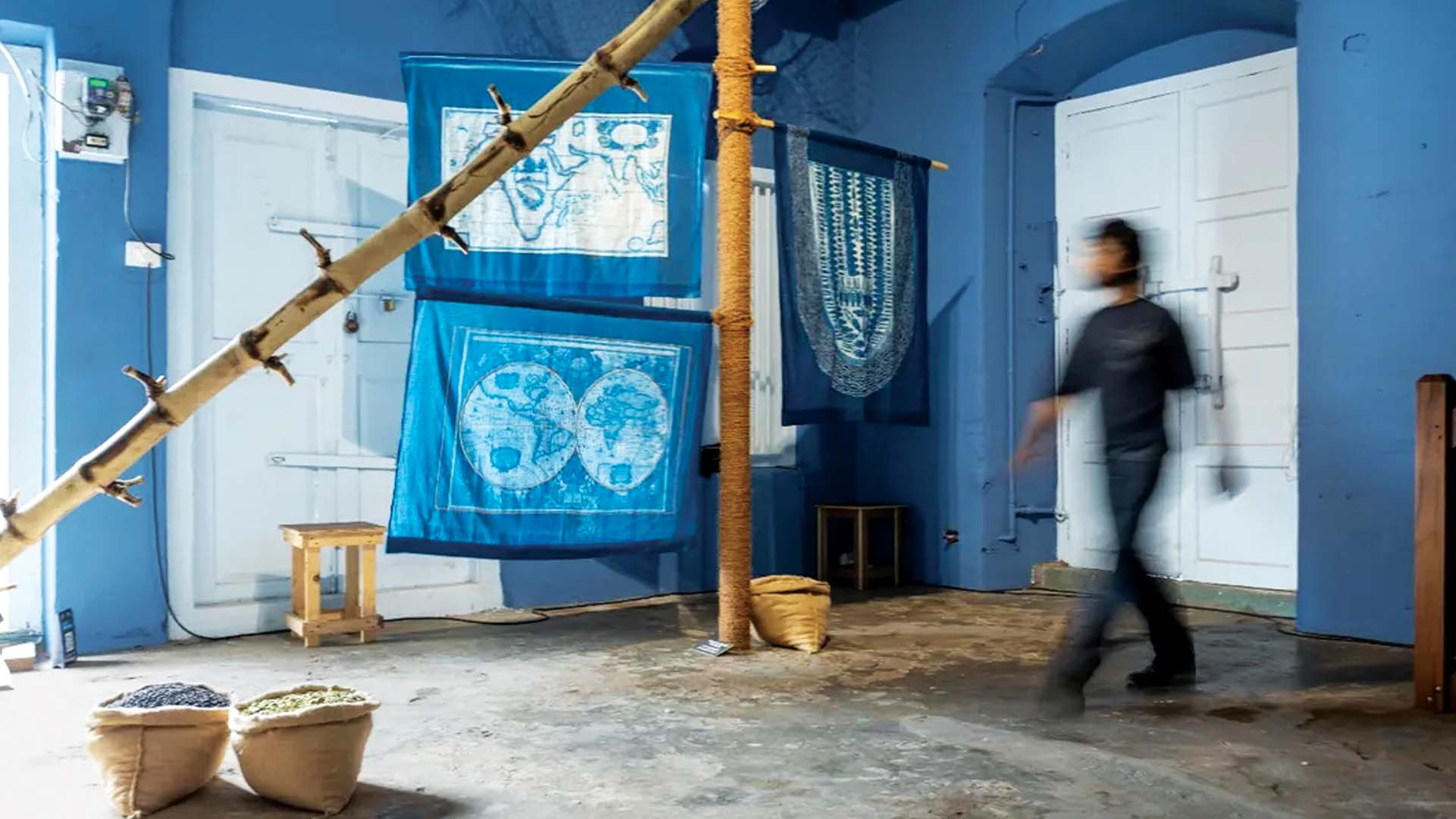
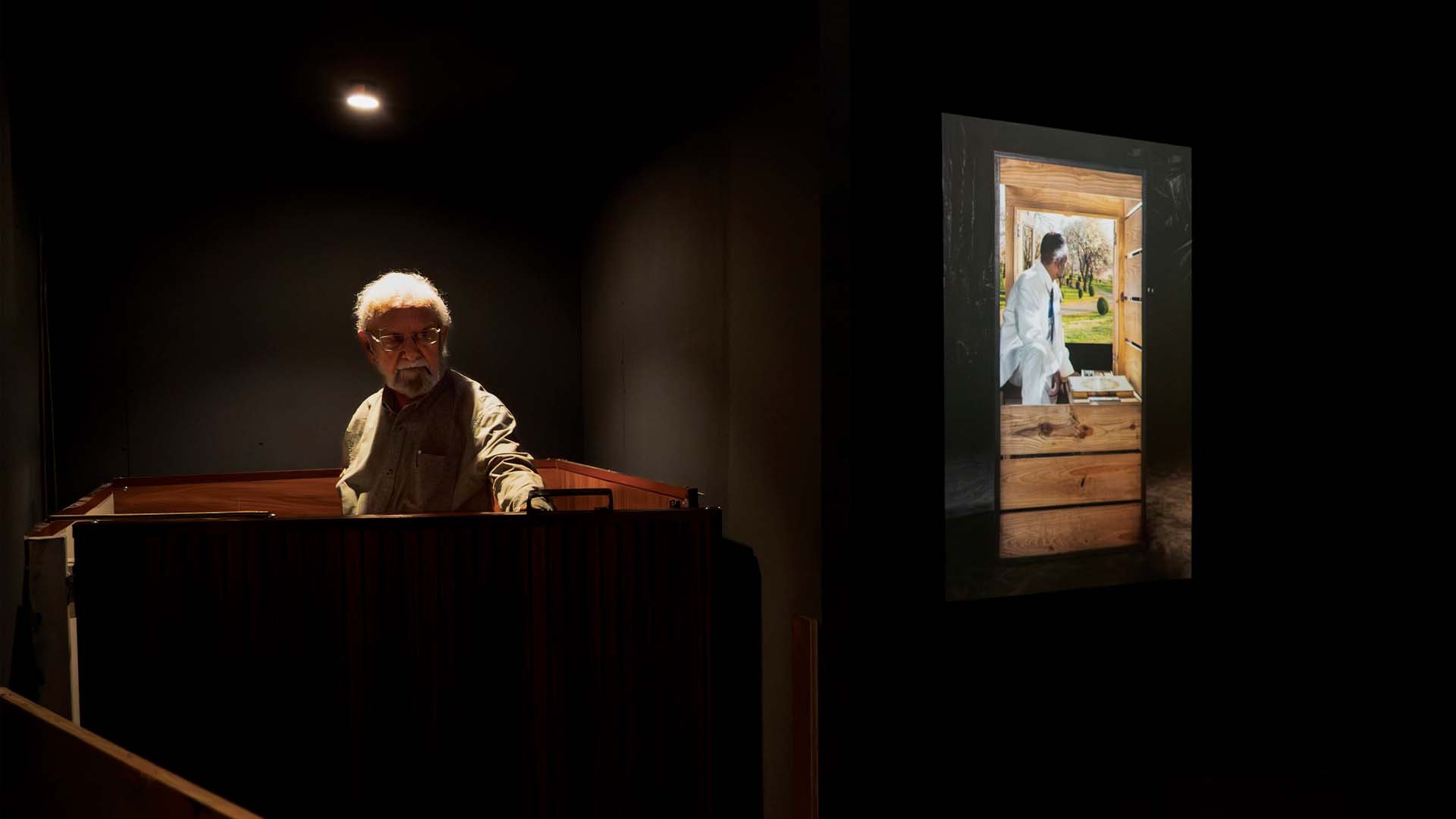
Dive into the 6th Kochi Muziris Biennale, the world’s first artist-run biennale. Many shows occupy restored heritage buildings. Start at the 19th-century Aspinwall House, a former English merchant residence on the waterfront. Don’t miss Adrián Villar Rojas’ Rinascimento—freezer drawers of decaying organic matter meditating on time, materiality, entropy. Smitha M. Babu’s Paakkalam weaves showcase layered storytelling via interconnected canvas and spatial forms.
01.00pm: Lunch at Samridhi Café
Break at Samridhi Café in Aspinwall House for simple, hearty food, lovely filter coffee, and light snacks such as banana fritters, before more biennale wandering.
02.00pm: Pepper House and David Hall
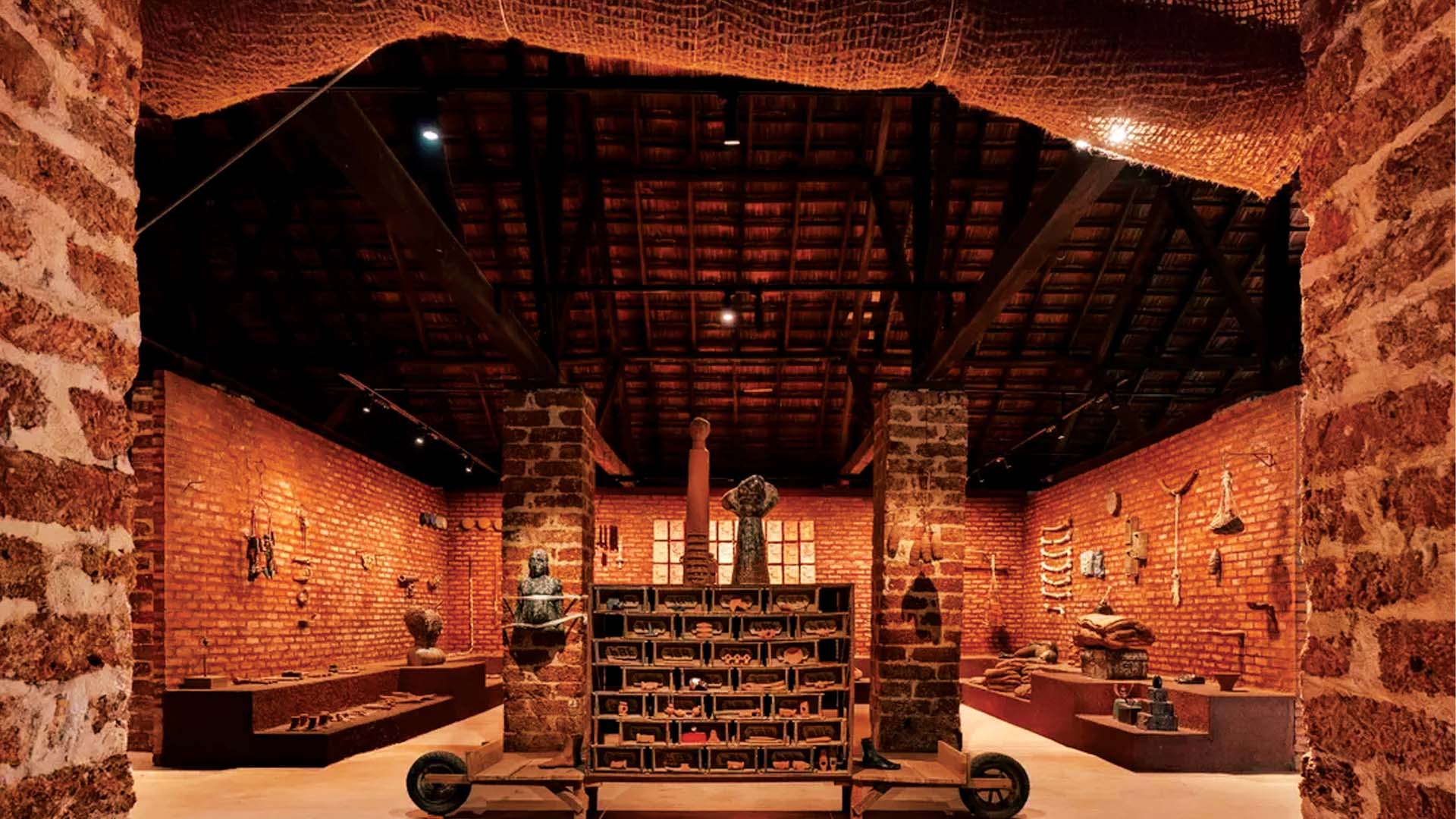
Next stop is Pepper House, a 16th-century spice warehouse with courtyards, galleries, and a library. Restored godowns host site-specific works. Recommended: Otobong Nkanga’s Soft Offerings to Scorched Lands and the Brokenhearted, a living tropical garden plus immersive soundscape musing on land and cultural histories.
On a short drive is David Hall, near the Parade Ground. This 17th-century Dutch bungalow, once military quarters, is now a restored gallery space. Recommended: Peterson Kamwathi’s Scree spans charcoal and pastel drawings applied directly to walls, tracing movement and time via gestural architectural marks.
05:30pm: Get a drink
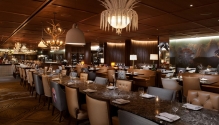
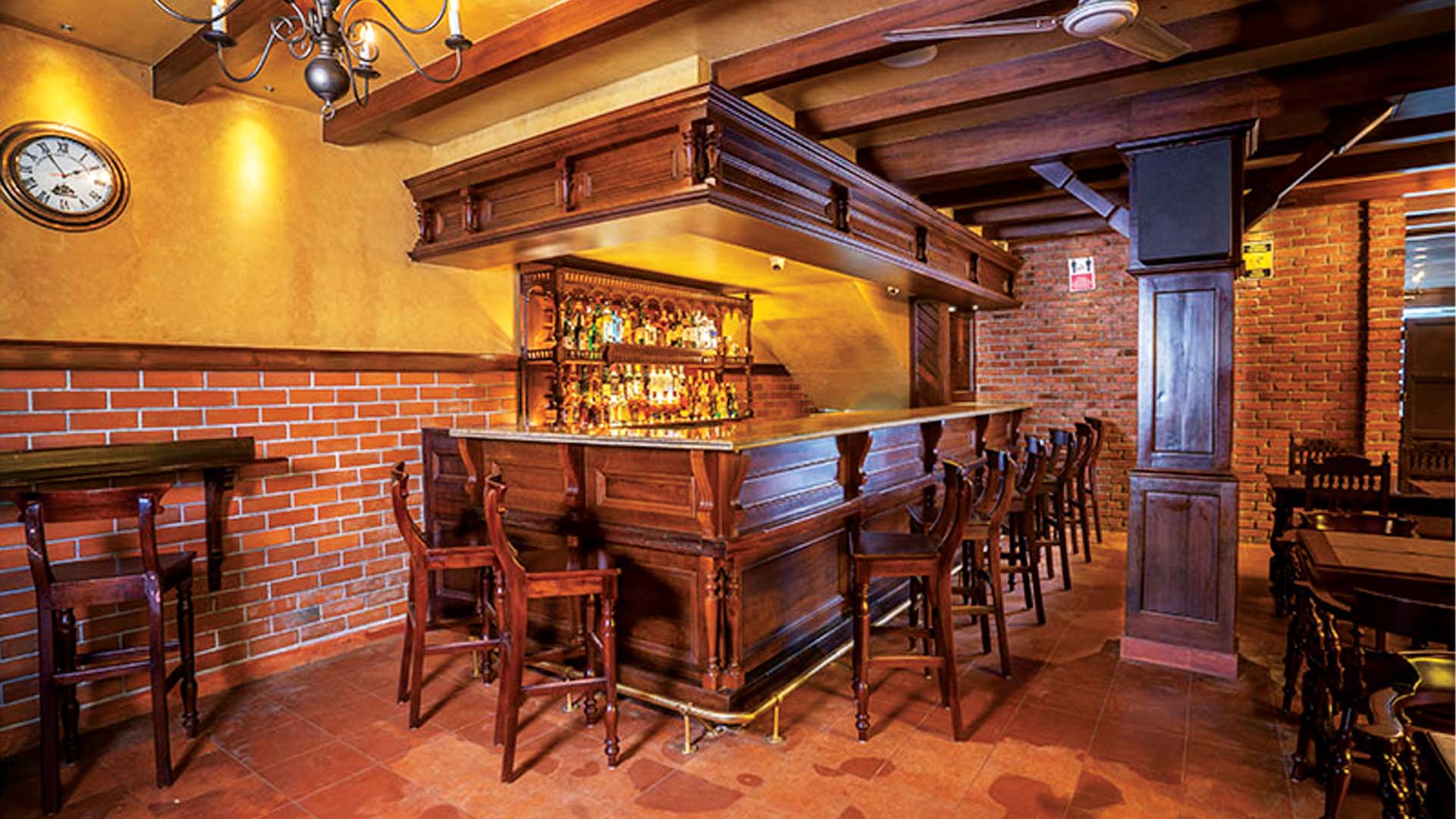
Wrap the art walk and unwind with coffee or a drink. A Fort Kochi classic is O Porto at Mai House Heritage Hotel. Wooden raft ceilings, plush green chairs, sunset through cantilevered windows, antique lights—what’s not to love? It offers Porto-inspired classics such as Porto Flip (brandy, port, egg yolk), tied to historic port-wine cocktails.
07:00pm: Dinner
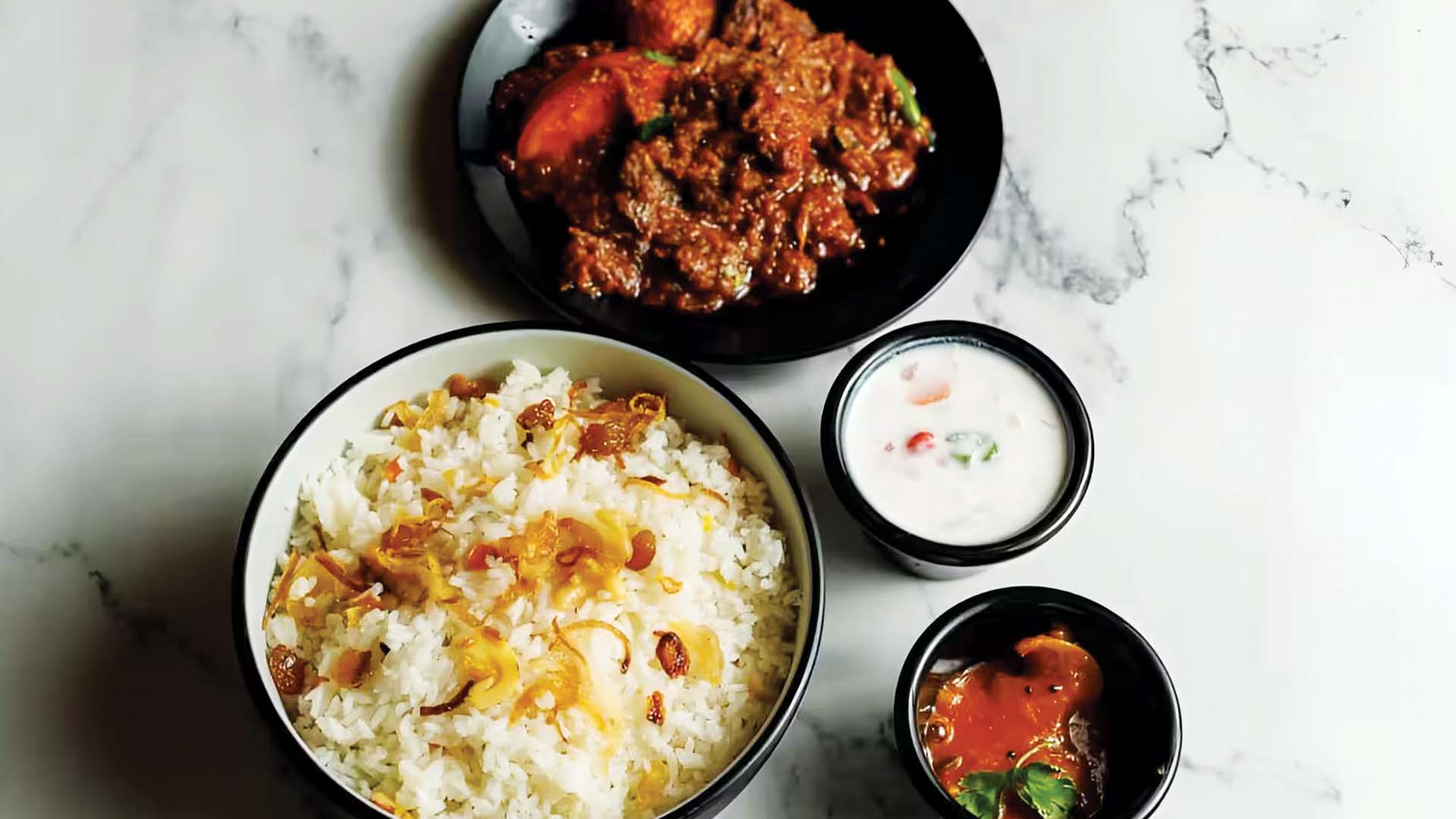
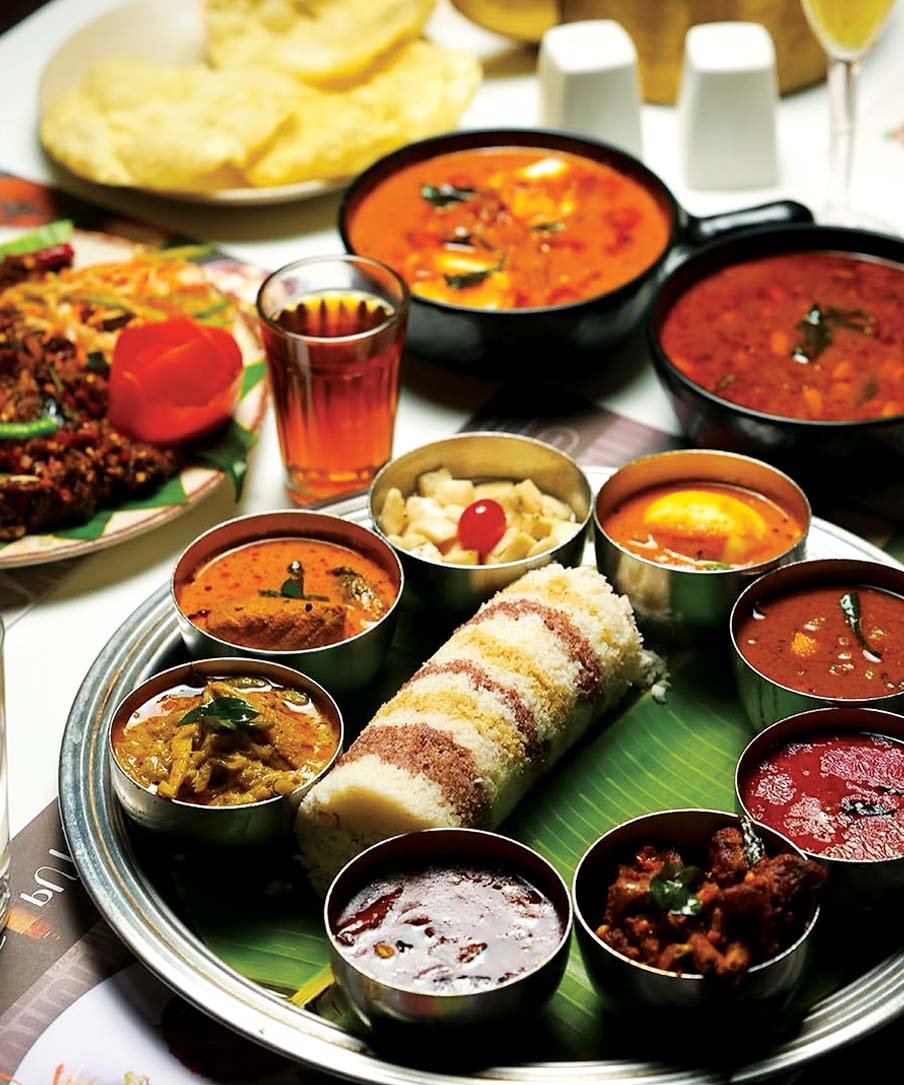
Fort Kochi and nearby areas abound with great restaurants. Fusion Bay, walkable from Santa Cruz Basilica, has simple seafood—try Fish Pappas (flavourful curry with chappatis) or Dutch-style fish (marinated white meat, banana-leaf wrapped, pan-cooked). Fort House Hotel's Fort House Restaurant (earlier called Arca Nova) serves Syrian Christian cuisine in an atmospheric setting. Beef fry with Kerala parottas is a favourite. Puttu lovers should visit Dhe Puttu for steamed rice-coconut cylinders stuffed with mutton, prawn, and roasted banana, served with curries.
Day 2
Early morning: 7.30am – Jew Town and breakfast
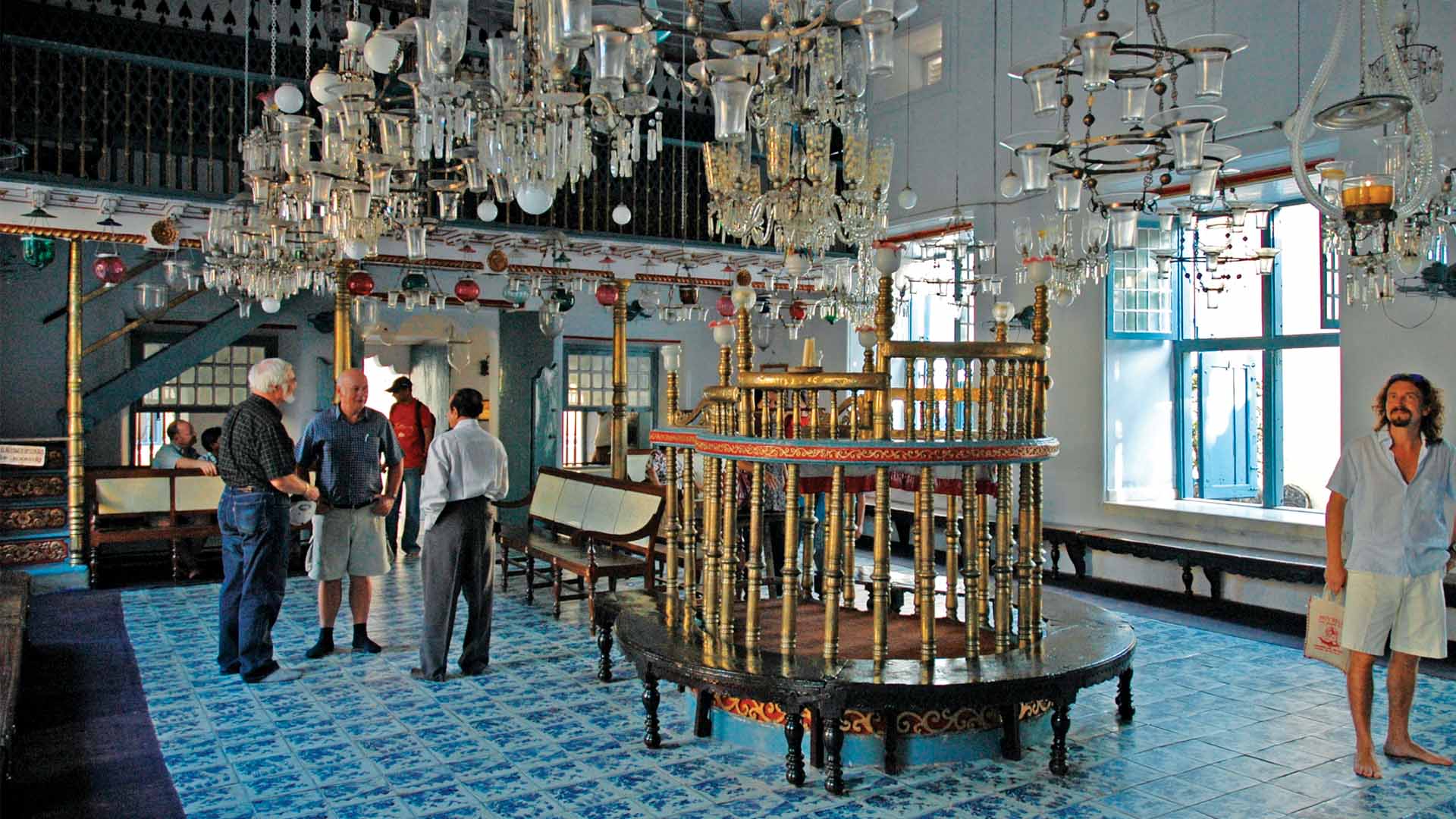
Jew Town has a languid morning feel. Yoga Art Café does bold Americanos (chocolate-caramel hints), French toast, and pancakes. After, stroll through Jew Town, a treat for the senses with rows of spice shops, antique stores from where you can buy eclectic stuff: beautifully painted cow heads (recommended), spices, sarees, vintage clocks, brass lamps, mirrors, curios and more. Then head to the 16th-century Paradesi Synagogue, the oldest active synagogue. Blue hand-painted tiles from China, chandeliers from Belgium and an Oriental rug that was a gift from the Ethiopian emperor Haile Selassie I set the aesthetic tone.
11.00am: Kochi Muziris Biennale, Mattancherry
Mattancherry Palace (Dutch Palace), a biennale venue, was a 1555 Portuguese gift to Cochin’s king—the colonisers offering a palace to the local king on his land! It fuses European and Indian architectural elements, with murals from Ramayan and the Mahabharata.
Begin there for mural storytelling and royal history. Then head along Bazaar Road to enjoy Edam (features 36 artists and collectives from Kerala and its diaspora), Cube Art Space (Vivan Sundaram’s photographic installation), warehouse exhibitions, and the Students’ Biennale—all part of KMB-6’s programming.
01.30pm: Lunch
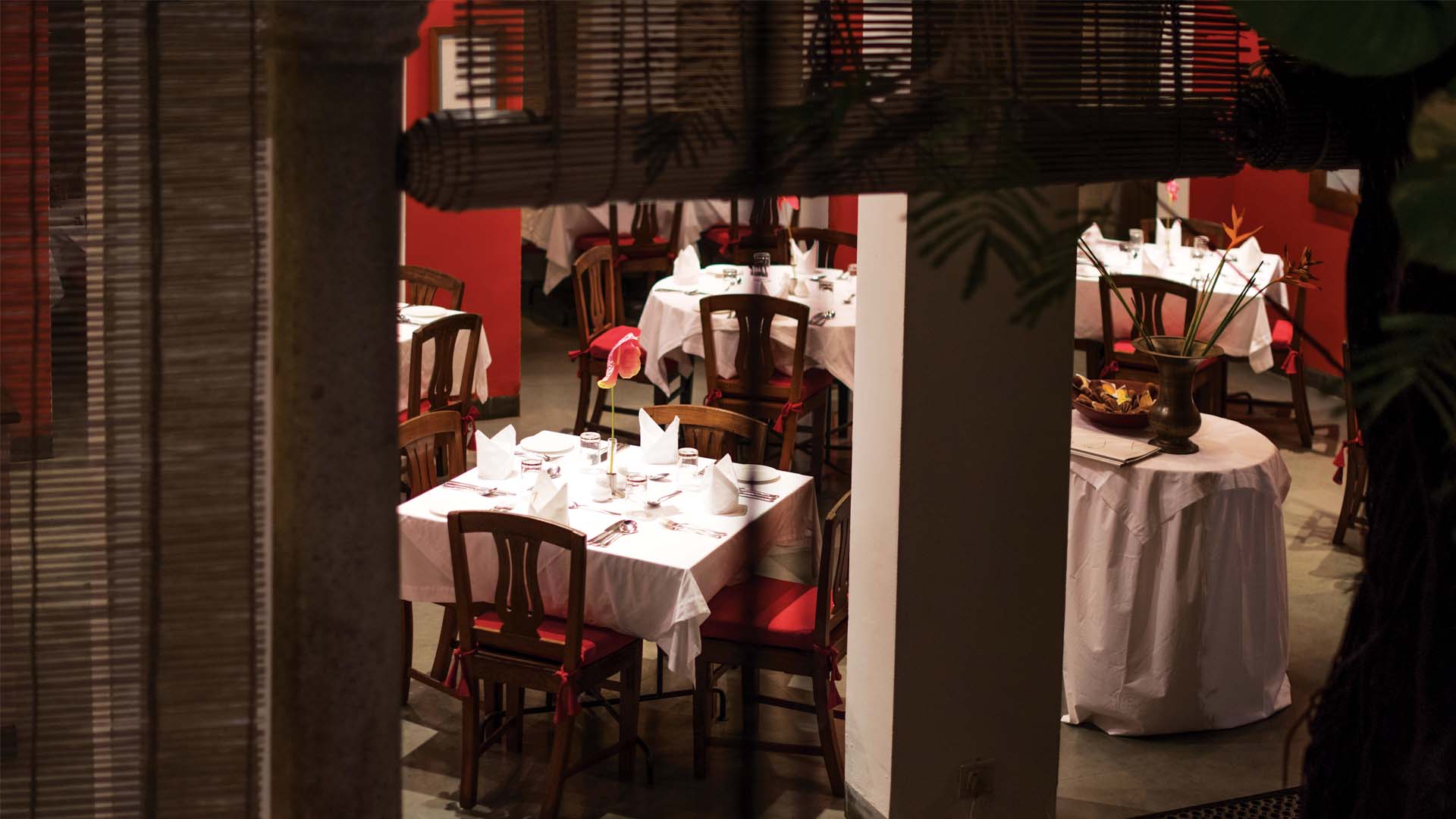
The Drawing Room at Cochin Club is the current it-spot—red sloping roofs, whimsical black-white frescoes, and a menu that lists cured anchovies on toast, and salt-baked fish from the founders’ family recipes (some friends bake desserts). Or head to Brunton Boatyard’s in-house restaurant, which serves food inspired by the various communities that have travelled through, or lived in, Kochi: curries spiced with Portuguese red chillies, Syrian Christian pork, and Dutch cinnamon puddings. The restaurant is particularly known for its Chuttulli Meen, a gastronomic delight from the Jewish community.
05:00pm: Kathakali
The classical drama and dance form known for its stories of gods and demons, and elaborate get-up and makeup, is best witnessed in its home state. The Kerala Kathakali Centre’s showcase begins with a demo explaining makeup application, the dance form's intricate movements, characters and story lines, followed by a performance.
08.00pm: Dinner
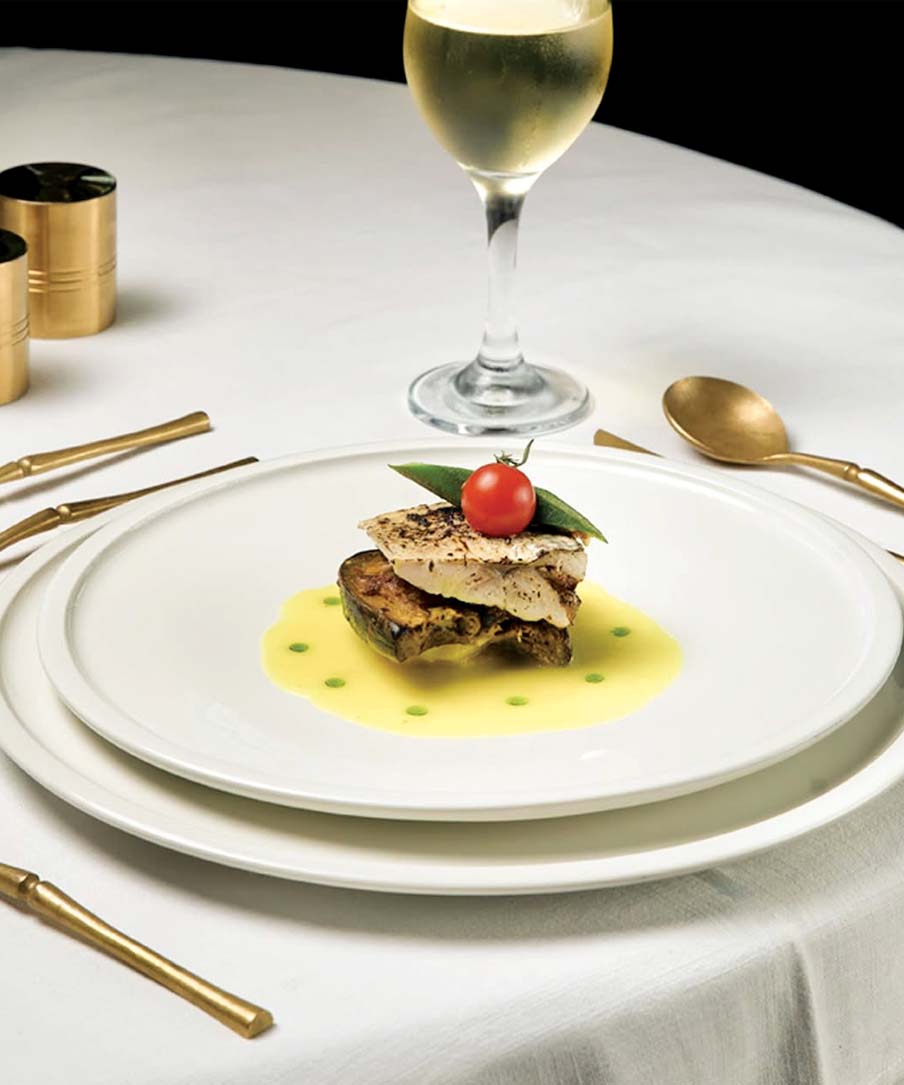
For an easygoing sunset scene, Seagull, hidden behind Pepper House, offers cold beer and seafood. For refined dining, Malabar House's Malabar Junction blends Malabar flavours with Mediterranean influences, while Old Harbour Hotel pairs fresh seafood with Continental dishes. The Upstairs Italian Restaurant serves thin-crust pizzas and pasta.
Day 3
08:30am: Breakfast
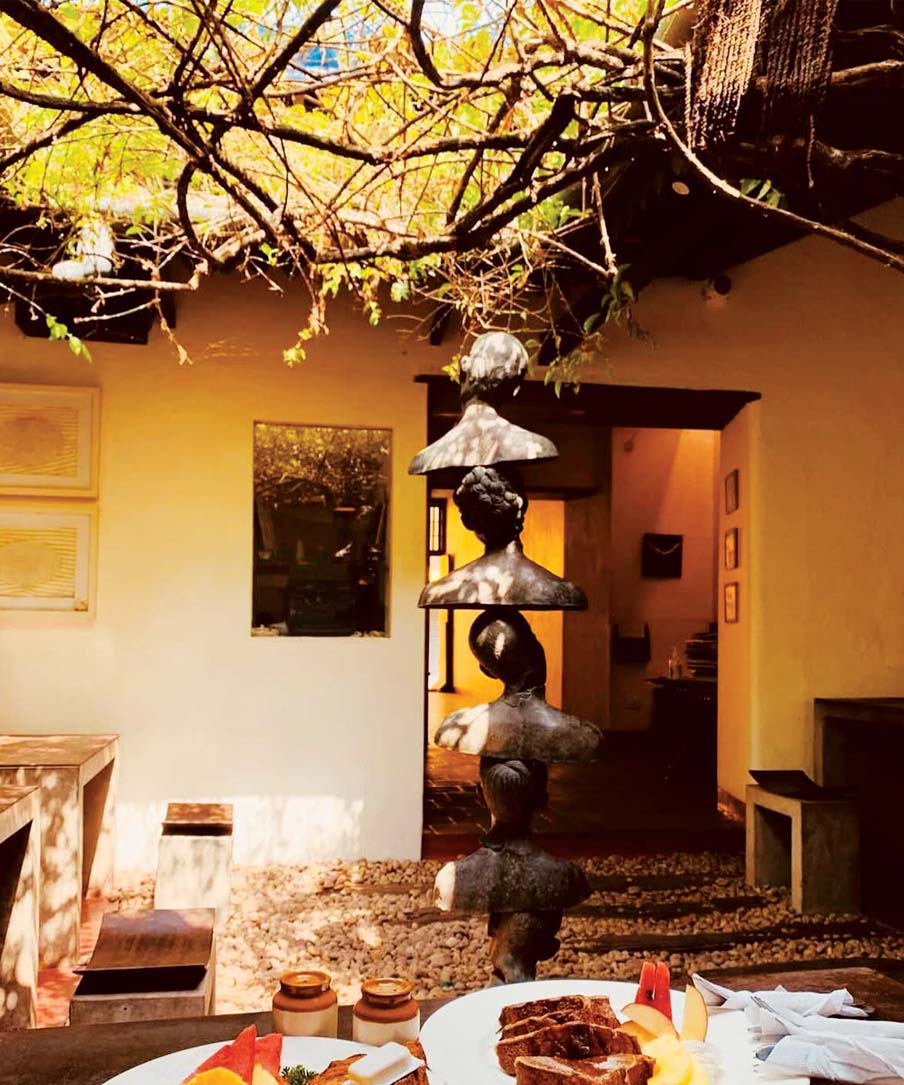
For a slow start, head to Kashi Art Gallery. This 1997 café, set up by Anoop Skaria in a sprawling Burgher Street bungalow, offers a standard café spread amidst art installations. The café is now owned by Edgar Pinto, also a Fort Kochi native and owner of Old Harbour Hotel.
10.30am: Muziris Heritage Project
The Muziris in the name is derived from an ancient harbour town with an important seaport on the global spice route. It formed a crucial link between the spice-growing regions of southern India and countries and continents as far-flung as Persia, the Middle East, North Africa and the Mediterranean region. It is through Muziris that the Jews, the Greeks, the Romans, the Portuguese, and later the Dutch traders entered Kerala, many settling here for a while (like the Dutch and the Jews) and leaving their indelible mark on the architectural heritage and culture.
The Kerala government launched the Port Muziris Conservation Project a while ago, encouraged by the success of Kochi-Muziris Art Biennale, which brought in cultural and art-inclined travellers to the city. The project brings together a constellation of heritage sites scattered along the Periyar River: ancient synagogues, Portuguese-era churches, remnants of Dutch fortifications, and the imposing Paliam Palace, once the seat of the influential Paliam family, hereditary prime ministers to the Maharajas of Kochi. Carefully restored, these sites now form a coherent heritage circuit that invites travellers to trace the contours of Muziris’s past.
A delicious lunch of fish and local vegetarian food is part of the Muziris Heritage Boat Ride, served, well, on a boat docked below a lush green expanse.
04:00pm: Wander, shop, eat
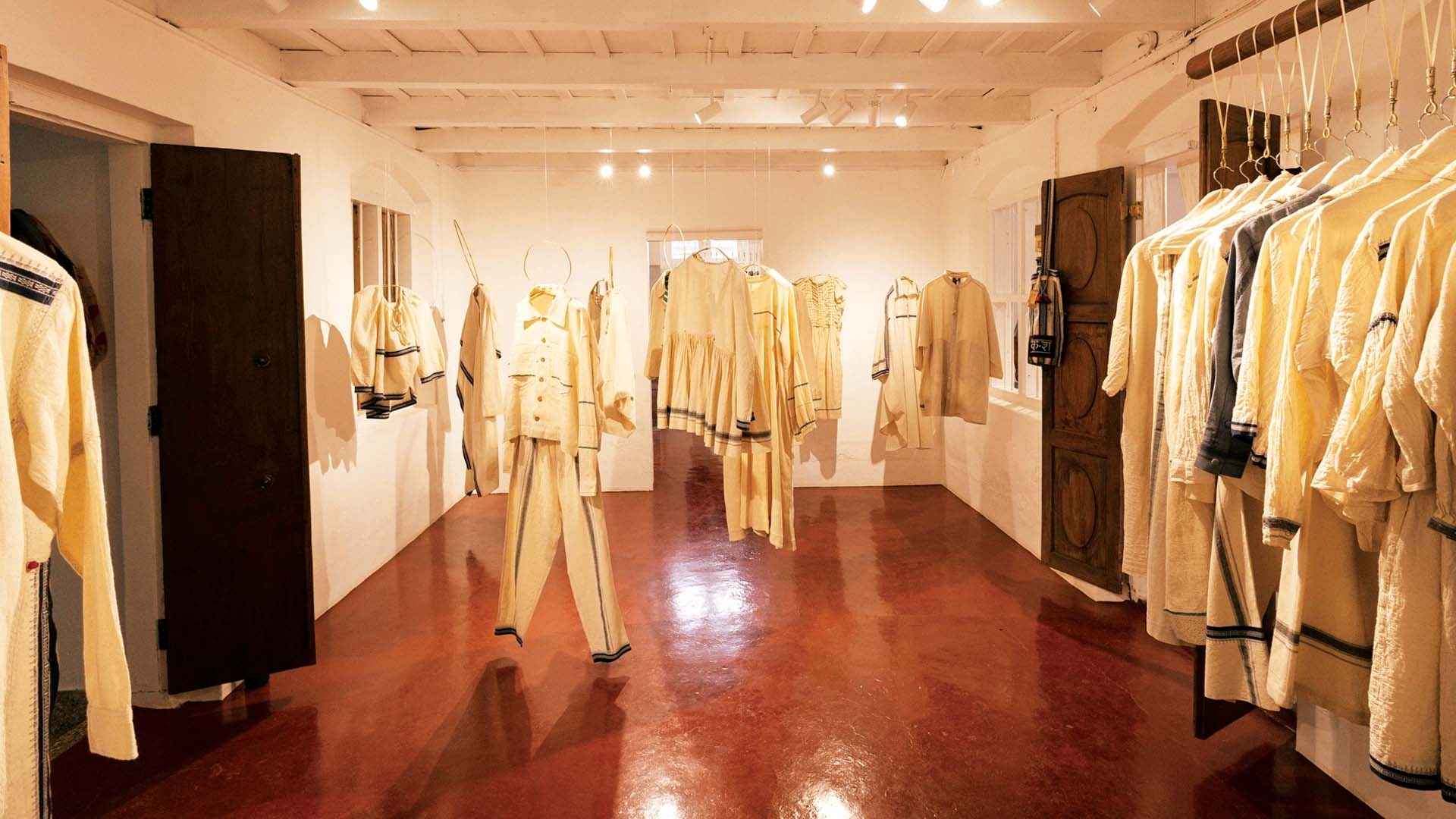
It is your last day on this historic island—shop, wander past heritage homes, and stroll across its waterfront. One Zero Eight by Save the Loom, housed in a 250-year-old Portuguese villa (Binny and Billy’s House), feels cultural as much as retail. It is a non-profit born from the devastation of the 2018 floods that destroyed 700 weavers’ looms. In a quiet Fort Kochi bylane, BAKR offers climate-suited clothes: breathable organic-cotton separates, relaxed silhouettes.
08:00pm: Dinner
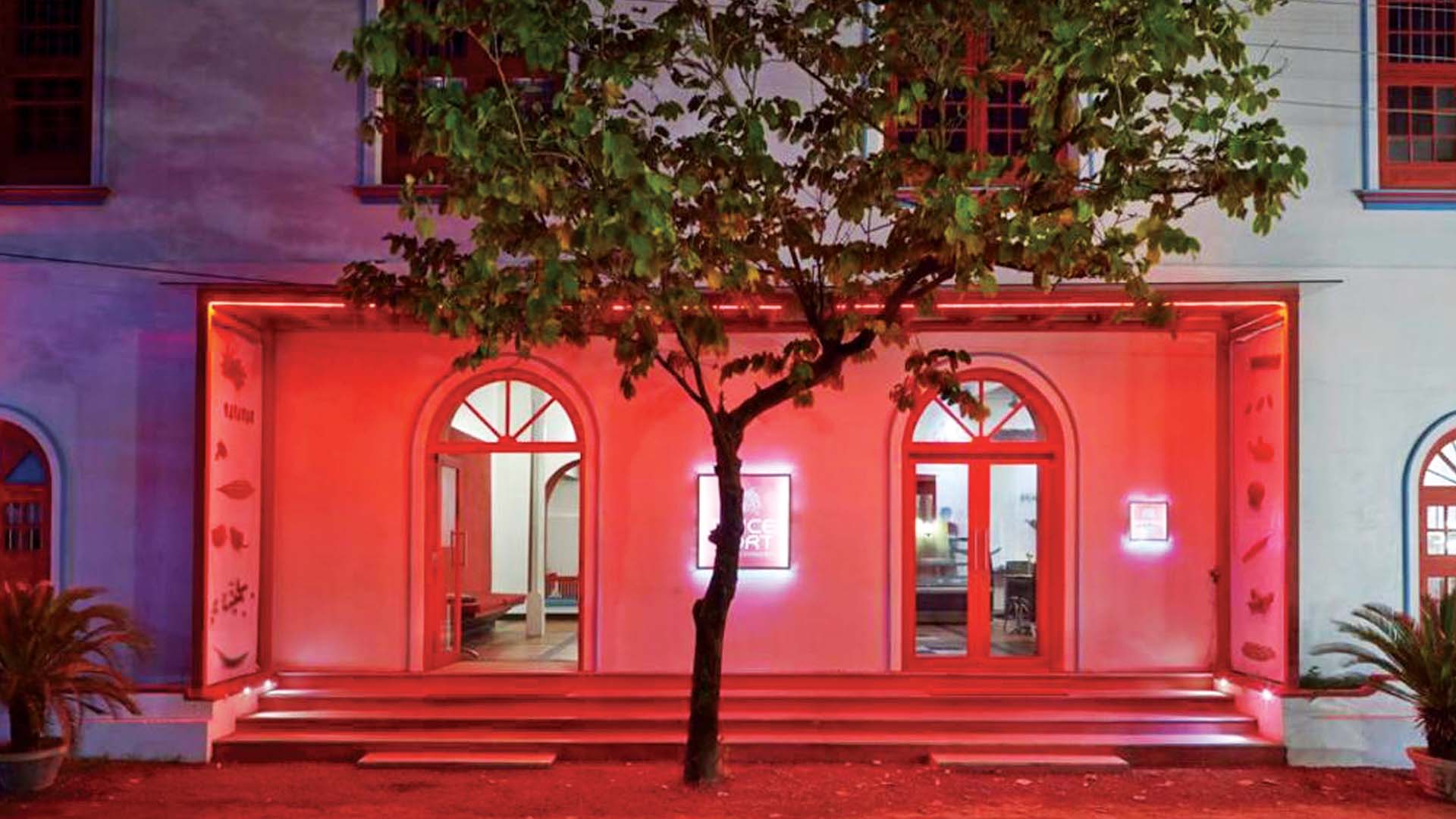
Spice Fort Hotel’s bold red entrance opens to frescoed fruits, vegetables, and spices. Its kitchen excels in Indian-Continental and uses the hotel’s organic farm/orchard ingredients. In Mattancherry, head to Kayees Biryani, a no-frills eatery that serves Kerala-style biryani with mutton, chicken, fish and prawns, besides korma and mutton curry.
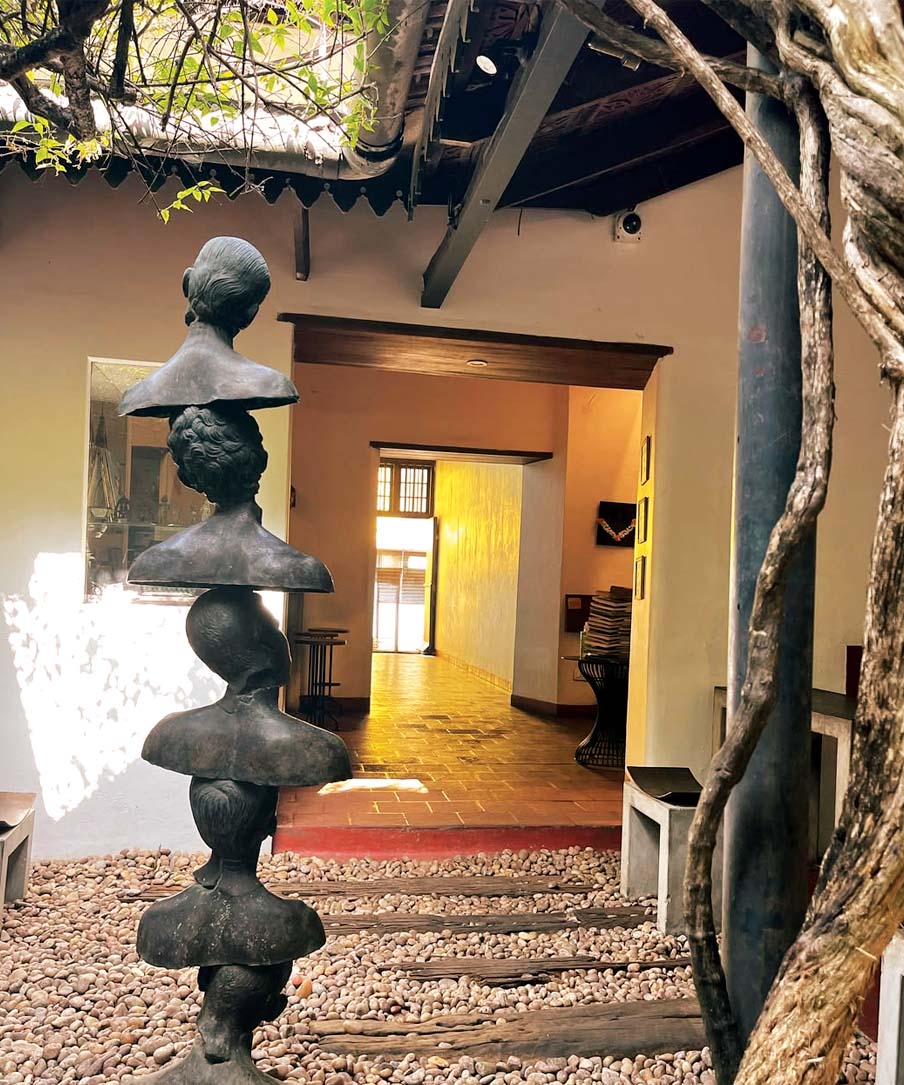
Where to stay
Malabar House
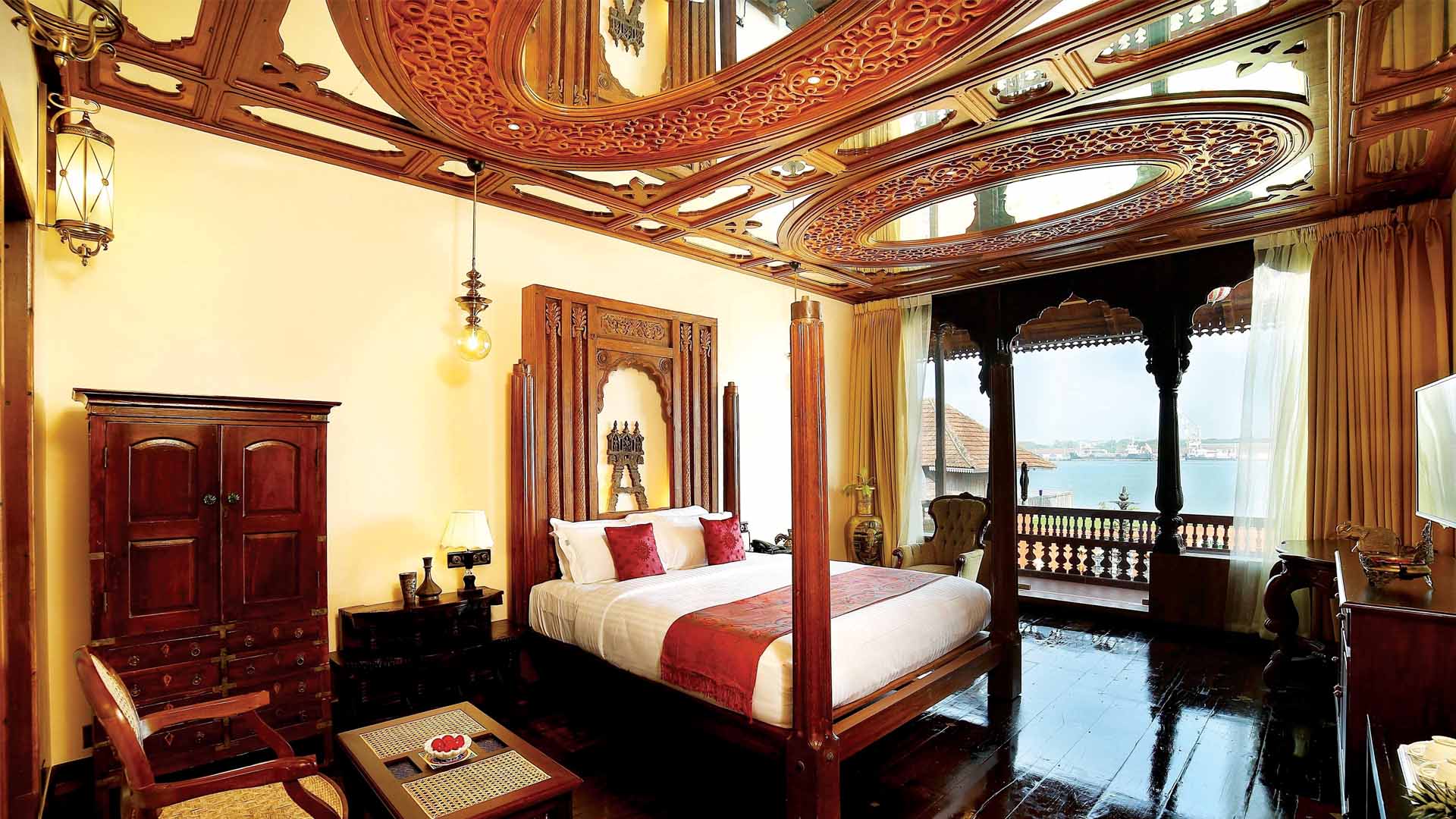
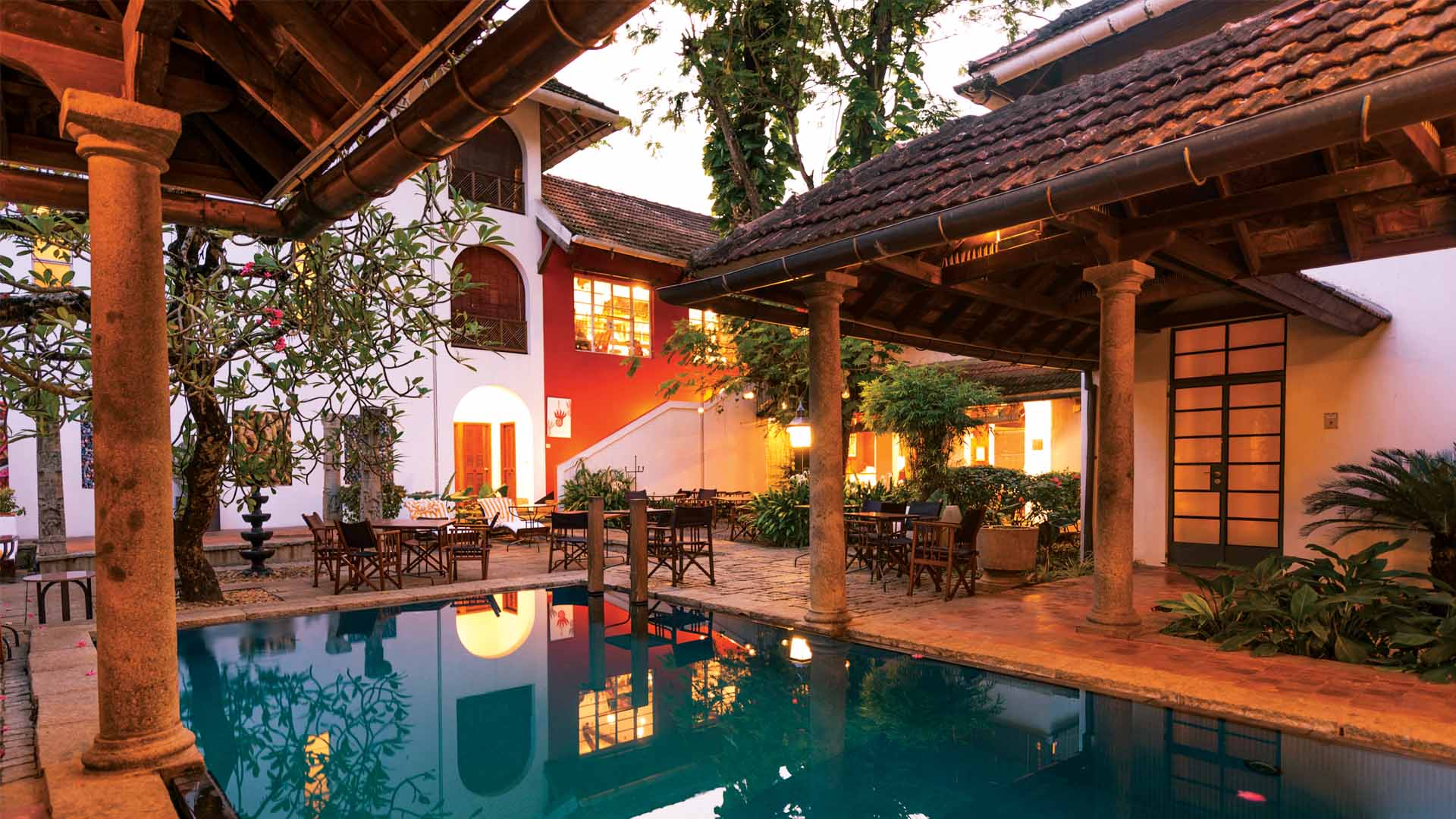
Fort Kochi’s first boutique heritage hotel, Malabar House set the template for intimate, design-led stays in the historic quarter. Created by a German patron, Joerg Drechsel, with a profound affinity for Kerala’s arts and culture, the property has long attracted travellers who value aesthetics, storytelling, and a sense of place. Evenings unfold at an unhurried pace. Divine, the hotel’s wine lounge, is ideal for a quiet glass, while Malabar Junction Restaurant offers imaginative takes on Indian cuisine.
The Postcard Mandalay House
The boutique heritage hotel in the heart of Mattancherry is set within a restored 200-year-old building, and feels more like an intimate art retreat than a traditional hotel. With just a handful of rooms—each known as a gallery and individually curated with artwork and installations—the experience is deeply immersive, blending contemporary design with local history and craftsmanship.
Ginger House Museum Hotel
Launched in 2016, the Ginger House Museum Hotel offers an experience that blurs the line between stay and gallery. Tucked away in Mattancherry, it sits atop a vast antiques emporium and an in-house restaurant, placing guests quite literally within a world of curated heritage.
Brunton Boatyard
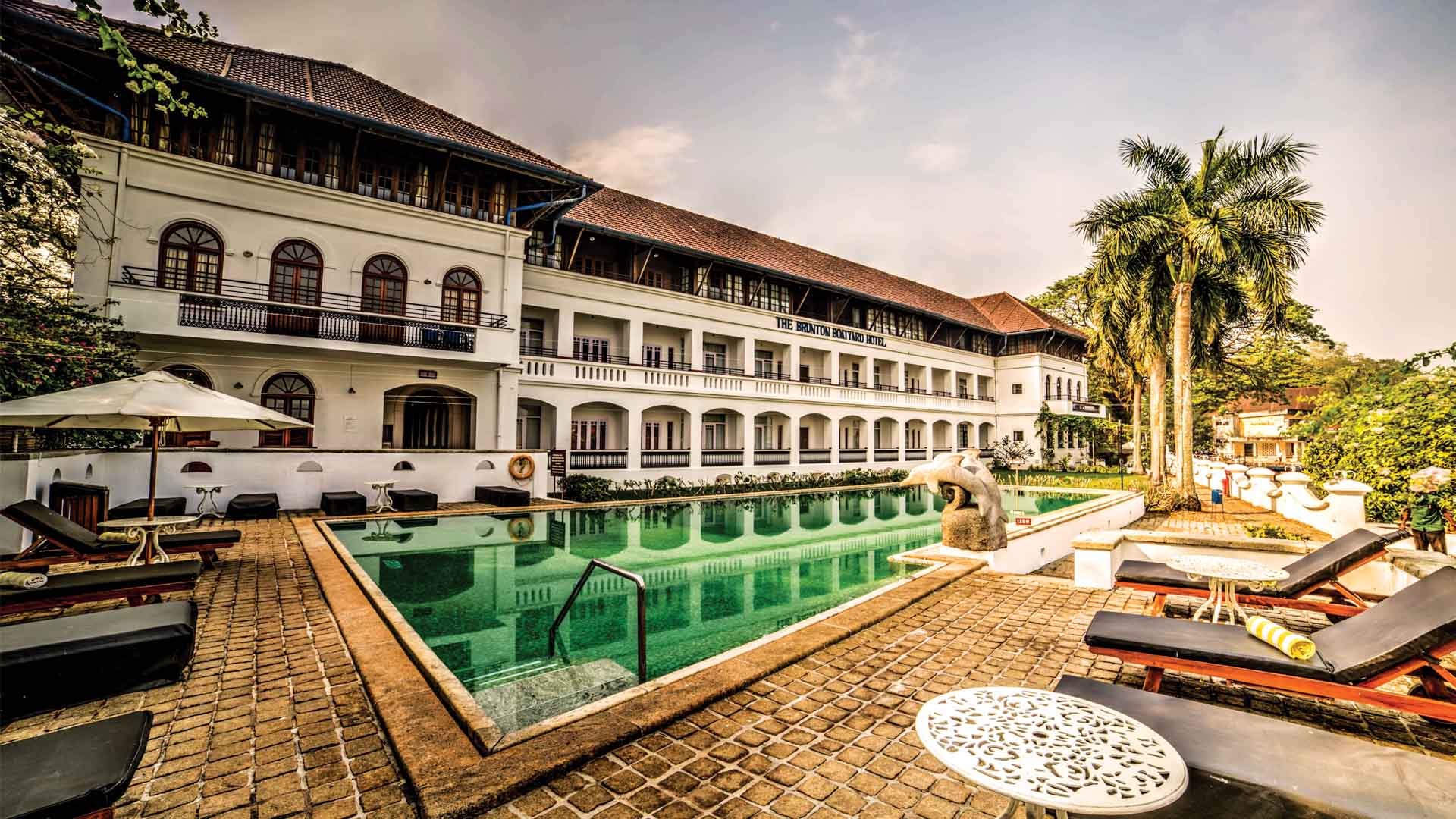
With water defining Kochi’s geography and rhythm, an easy way to ease into the city is from the deck of a boat. Spend your first afternoon gliding through the harbour, letting the waterways introduce you to the place before you tackle it on foot. If you’re staying at Brunton Boatyard, the hotel arranges a complimentary sunset cruise for guests—an unhurried way to take it all in.