











A Love Letter to the Ganga
Couched as a premium hospitality destination, the relaunched Taj Ganga Kutir Resort & Spa in Raichak is an unparalleled ode to the river.

By Suman Tarafdar
Gurudev Rabindranath Tagore’s love for rivers, especially the Ganga and the Padma, is among the most iconic expressions of love in all of literature. At the newly renovated Taj Ganga Kutir Resort & Spa—erstwhile The Fort Raichak by Ambuja Neotia Group—that spirit of love and admiration for the river imbues the resort, especially as the river, designated the Hugli here, is about a kilometre wide.
It is hard to tear oneself from the mesmerising flow of life on this massive waterway. The Haldia Petrochemicals Limited plant lies on the opposite bank, while Diamond Harbour Port is just a couple of kilometres downstream. This ensures riverine vessels of all shapes and sizes plying the river—barges carrying goods of varying shapes and sizes, often tucked below protective tarpaulin.
Fishermen come out pre-dawn in their wooden country boats, patiently perched for the day’s catch such as rohu, katla, mrigal, barramundi, catfish, shrimps and, of course, the hilsa. The Raichak–Kukrahati ferries cross the river every half hour or so, carrying not just humans scurrying to work, but also their worlds—luggage, hens, goats, groceries, motorbikes, screaming kids, and even fish.
Unfortunately, sand-mining boats are just as visible. While the silt-laden waterway makes it impossible to spot fish in the river, birds—including some that prey on them, such as kites, harriers and kingfishers—can be regularly spotted.
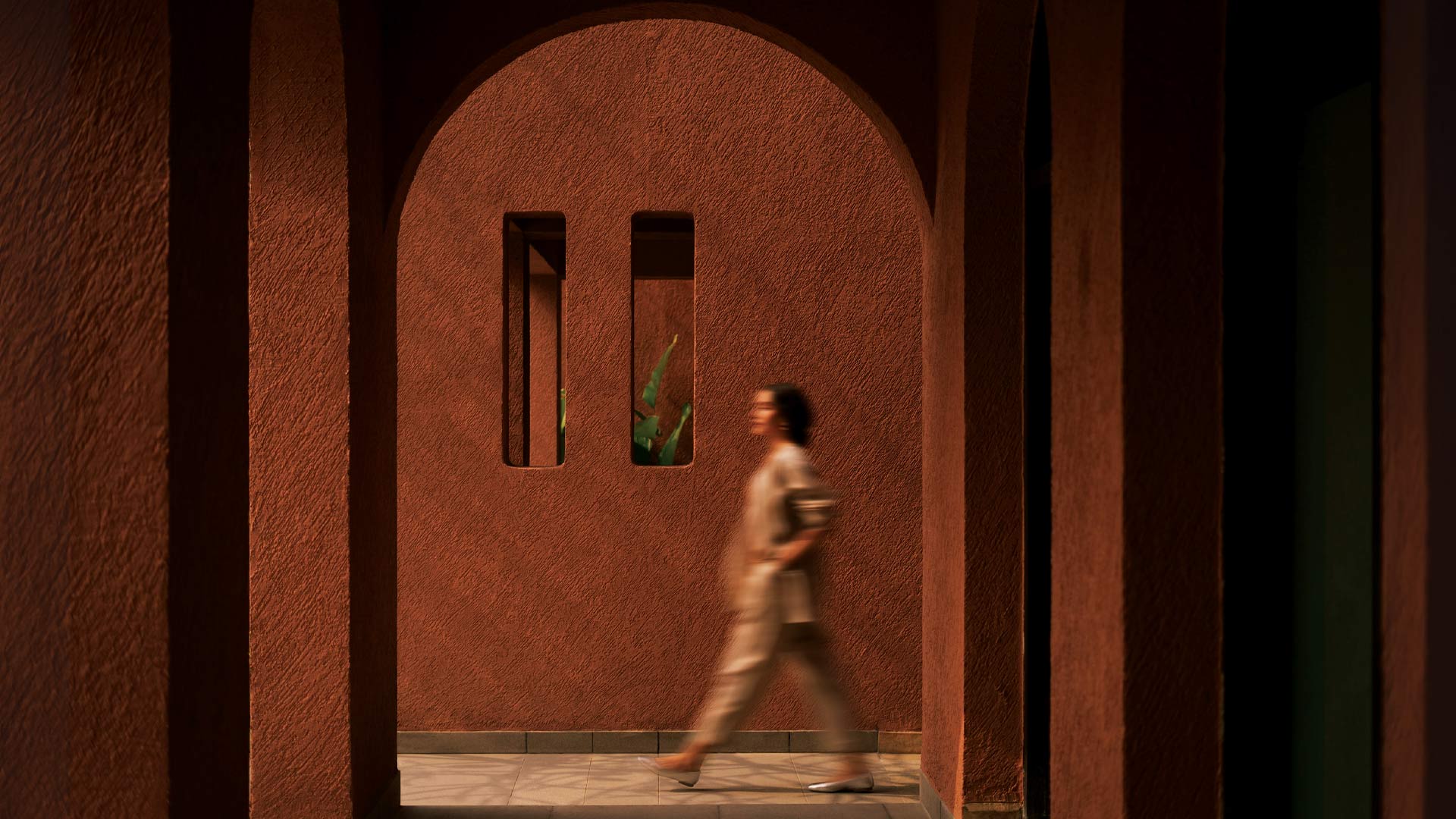
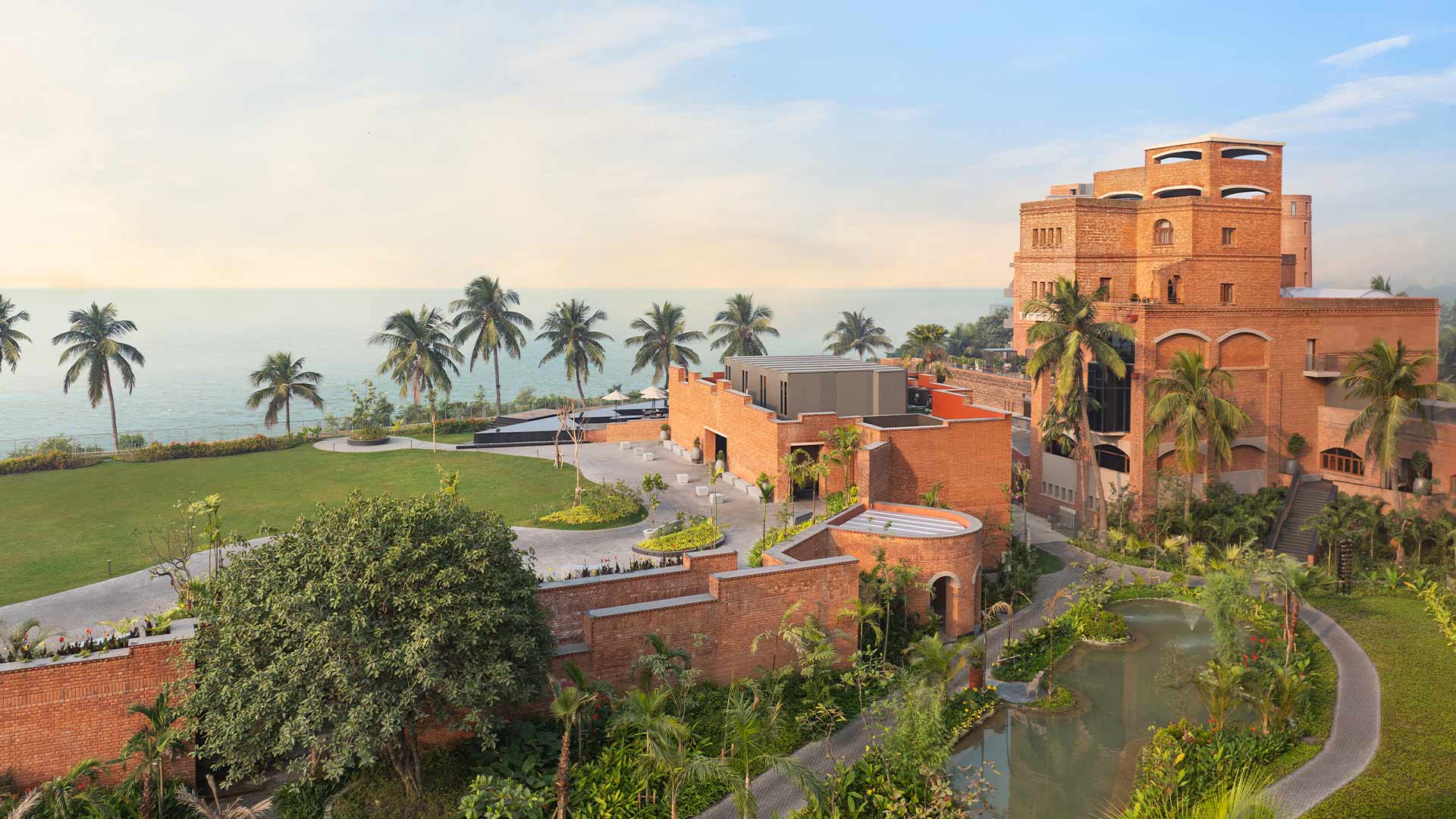
Grouped into four parts, the resort offers distinct visual languages.
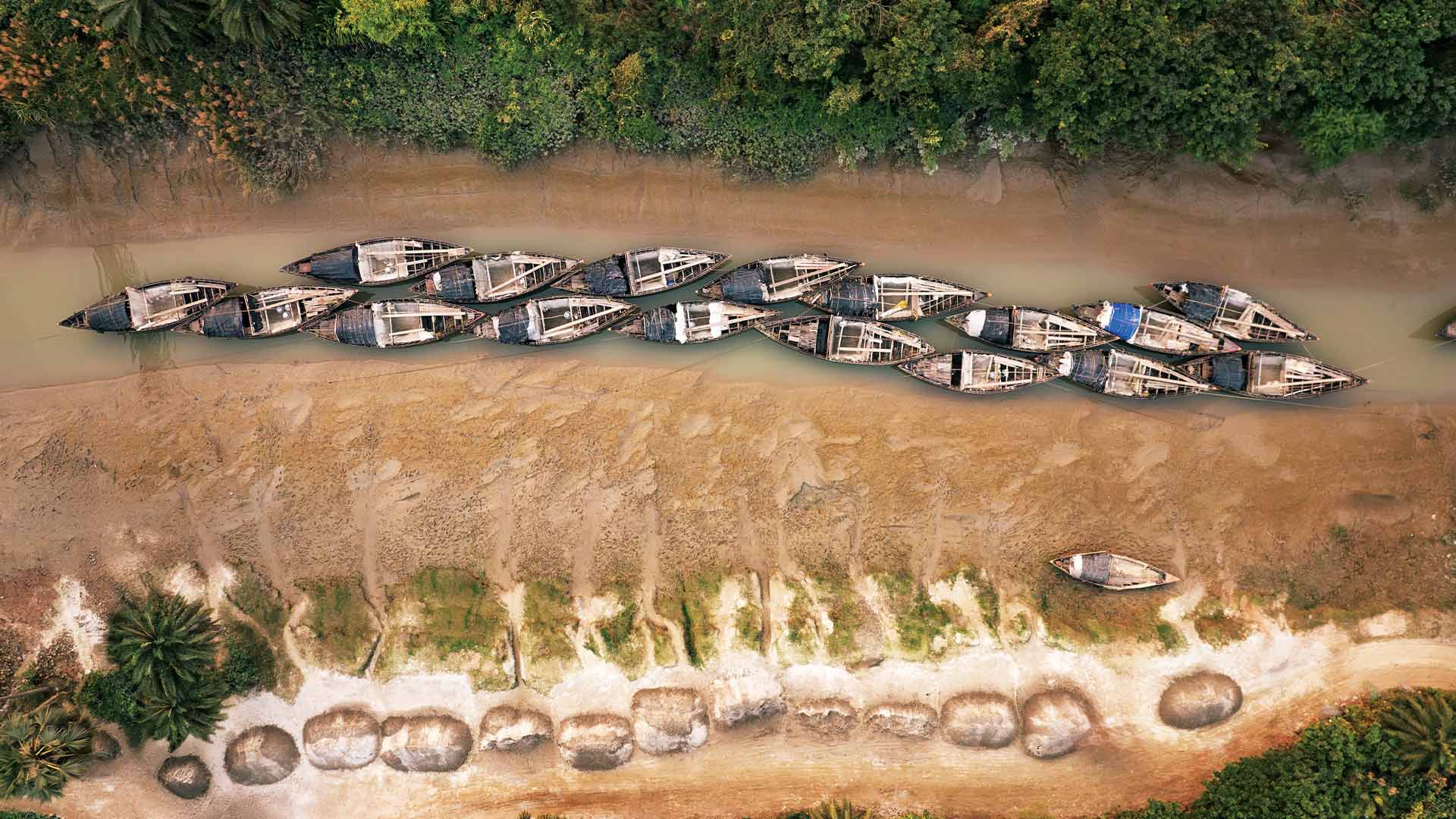
The river is about a kilometre wide here—and an economic provider to many a profession, including fishermen.
Love for the land
Originally launched in 1997 as a weekend retreat for slow living amidst the sylvan settings of southern West Bengal, its reputation as the region’s getaway grew over the decades, tied to the unique individual who envisioned it—Harshvardhan Neotia, Chairman of the Ambuja Neotia Group.
The resort helped put Raichak on the map. “I did not begin with the idea of a resort. In 1989, when I first stood at Raichak, there were no drawings, no hospitality plans, no commercial blueprint,” points out Neotia. “There was only the river. It was a quiet fishing village. Maa Ganga was majestic, patient, almost meditative. The moment I stood beside her waters, I felt I had returned to something older than memory. It felt less like discovery and more like homecoming. Friends asked what I would do in such stillness. But stillness was not emptiness. It was a presence.” Neotia’s love for the location is apparent. “The first thought was modest—a small club, a place for friends to gather, to swim, to share a meal, to sit by the river. The idea of investing in Raichak was not a calculated hospitality decision. Over time, that relationship deepened. Brick by brick, season by season, the club evolved. What began as a personal retreat became a destination. And eventually, it became a responsibility—to shape something meaningful along the banks of a sacred river. The investment was long-term, patient, and guided by the ebb and flow of the tide. When you build beside the Ganga, you do not impose. You listen.”
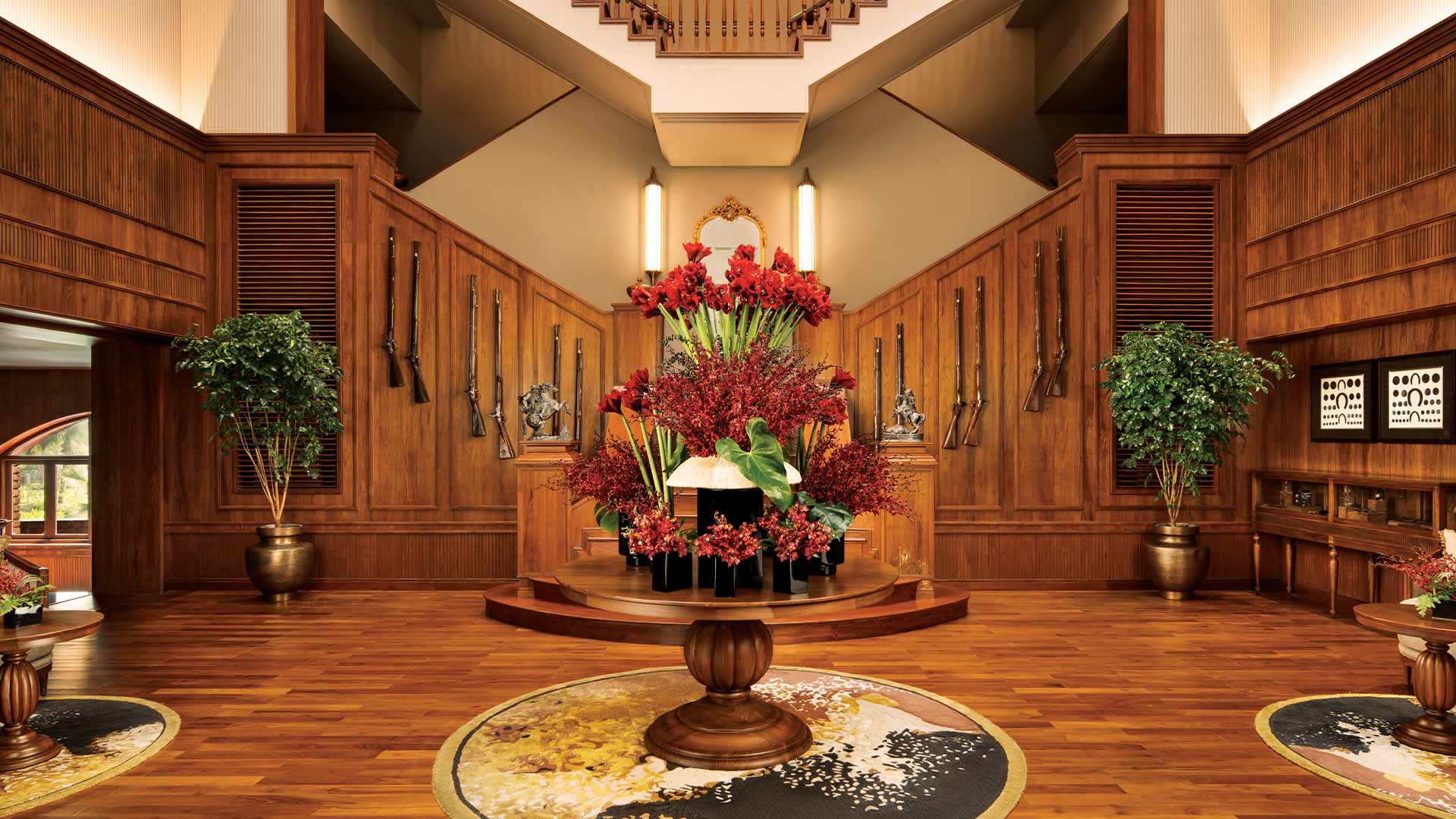
The interiors effectively double up as quasi museums, showcasing the region’s cultural wealth in uniquely alluring ways.
Putting Raichak on the tourism map
The renovated resort is expected to put Raichak firmly on the tourism map, especially after its association with Indian Hotels Company Limited (IHCL), India’s leading hospitality group. “Taj Hotels has a long legacy of shaping and establishing destinations across India,” points out Puneet Chhatwal, MD & CEO, IHCL.
“IHCL, with its iconic brand Taj, has helped shape global perceptions of Indian destinations like Rajasthan, Goa and Kerala by thoughtfully restoring heritage palaces and properties and creating authentic luxury experiences that resonate with travellers worldwide. These efforts have helped bring international attention to the cultural richness of these regions. At the same time, we are nurturing emerging destinations like the Andaman and Nicobar Islands, Lakshadweep and the Northeast India, with a focus on sustainability and community engagement.”
Chhatwal notes that as the world’s largest operator of palace hotels, IHCL has restored some of the country’s most significant royal residences and brought global recognition to them. “Like Taj Lake Palace, which continues to earn accolades, reaffirming its status as one of the finest heritage hotels globally. Continuing this legacy, the company recently opened Taj Lalit Bagh and signed Pushpabanta Palace, a 1917 royal retreat, reflecting its ongoing efforts to revive historic landmarks and introduce new regions like the northeast to the global luxury travel circuit.”
Opportunities and challenges often intersect here. Getting to Raichak remains a challenge. National Highway 12—colloquially Diamond Harbour Road—is often more an obstacle course than a highway, extending travel time. Even though it is among the most sought-after premium getaways from Kolkata, room rates in the east are often below those of comparable properties elsewhere in India.
“Around the year, we will be very happy if we touch 60–65% occupancy at a good price point, which I think is possible because there is a market looking to step out of Kolkata,” points out K Mohanchandran, Senior Vice President, IHCL. “A lot of opportunities are now popping up because guests, as they see the product, say maybe I will do an event here.”
In winter—the region’s peak season spanning Christmas, New Year and weddings—the hotel has clocked ADRs of about ₹18,000. Other seasonal spurts include Durga Puja and Pohela Boishakh.
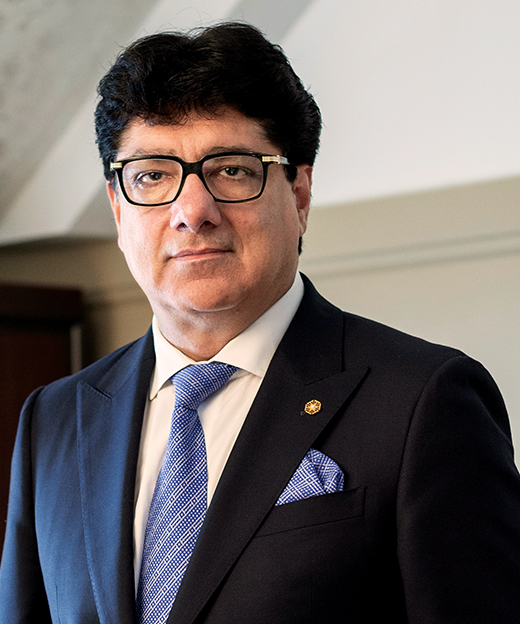
Puneet Chhatwal, Managing Director and Chief Executive Officer, IHCL.
The restoration process
Ffort Raichak was originally planned in 1993 and opened in 1997. That was nearly 30 years ago, so naturally, many things are out of context today, both in terms of facilities, features, and general quality, points out K. Mohanchandran, Senior Vice President, Indian Hotels Company Limited (IHCL).
“From the earlier inventory of about 100 rooms, we wanted it to be at least 150 to cater to conferences and weddings. So, we added one tower block with about 40 rooms, as well as some other rooms in other locations, to take the capacity to 155 keys. Then we had an embankment in front of the property, which was about three metres high. As a result, from the lawns, you could not see the river despite being on the riverfront. We had to raise that by about four metres to be a little above the embankment.”
The renovation was not just about expansion, points out Neotia. “Over the years, Raichak on the Ganges became a kind of muse. Artists, writers, photographers, architects—all felt something here. The next chapter had to preserve that spirit while elevating the experience. With Taj Ganga Kutir, the intent was clear—to refine tranquillity, not replace it, to strengthen the relationship between architecture and river, and to create spaces that breathe rather than overwhelm.
“The design language draws from memory and narrative. It carries a sense of layered history, as if the structure has always been part of the landscape. The rooms are intimate yet open to the vastness outside. The wellness philosophy acknowledges what the river already offers. The culinary experiences are meant to become reasons to travel, not merely amenities.”
The greatest challenge was balance, stresses Neotia. “How do you modernise without erasing memory? How do you elevate without disturbing the quiet dignity of the river? A riverine environment demands respect. Weather, tide, humidity, ecology—these are not variables you control. They are forces you must accommodate.
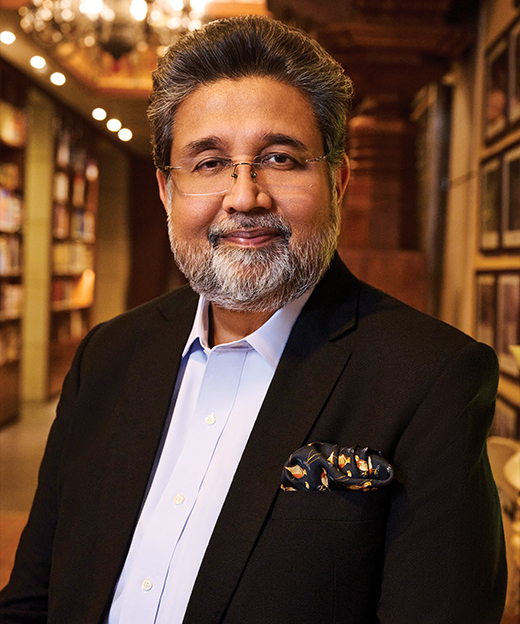
Harshavardhan Neotia, Chairman, Ambuja Neotia.
“There was also an emotional challenge. Raichak was not merely a project. It was personal. When something grows over three decades, it becomes part of your inner landscape. To renovate it is to revisit your own journey. But growth is also necessary. The river flows forward. It never stagnates. That philosophy guided us through the complexities.”
The extent of detailing is remarkable—beginning with its very conception and extending to the creation of a fictional backstory dating to 1783, involving General Watson, his daughter Caroline and Sergeant Huntly. If you haven’t already, let your curiosity (and appetite) be whetted to visit the resort and discover what became of them.
What this imaginative narrative ultimately led to in the 1990s was the creation of a mesmerising destination—where old bricks meet stark glass facades, giving the property a distinctive sense of place. Over time, it evolved into a favourite getaway for visitors from Kolkata and beyond.
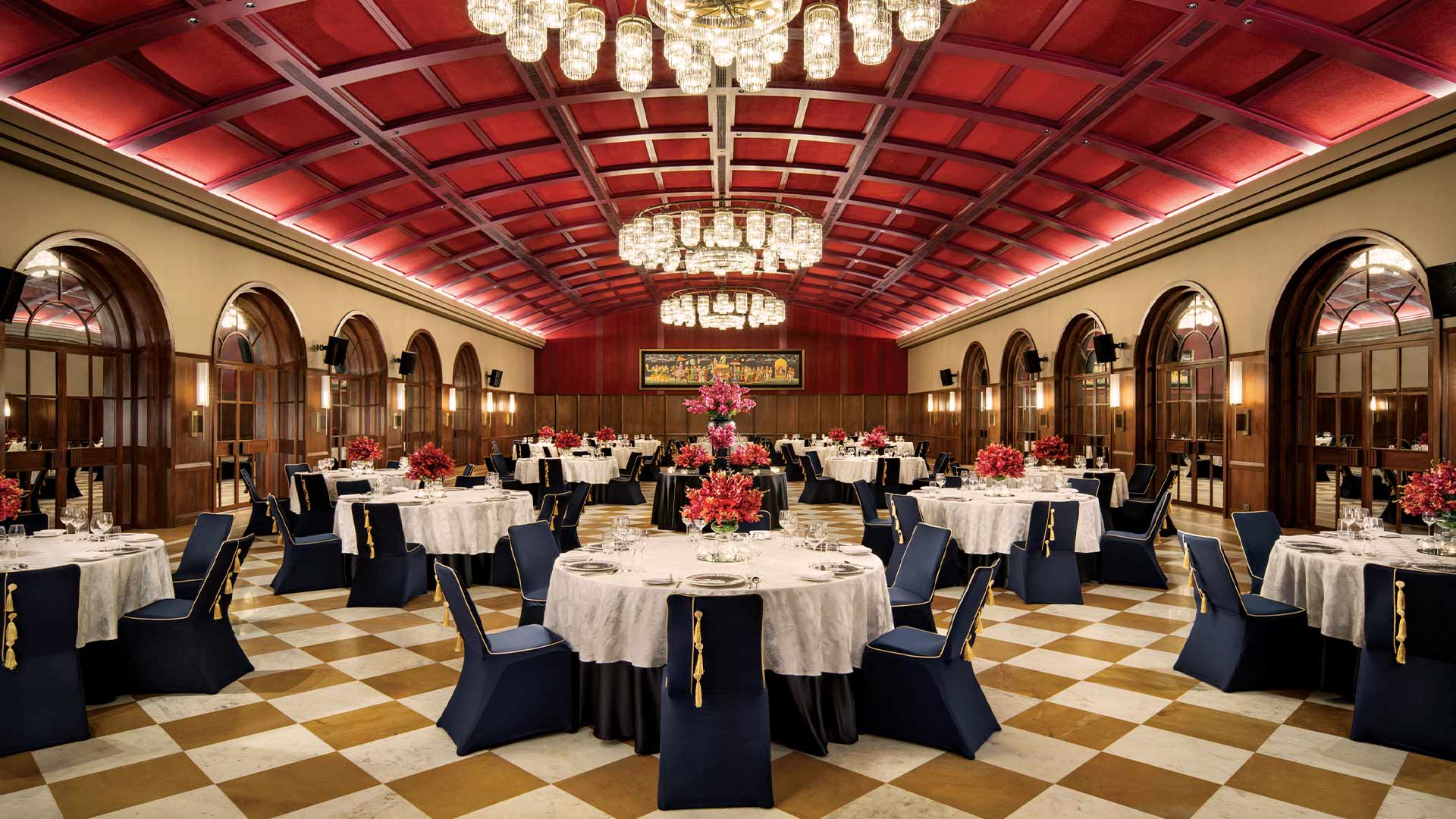
The resort abounds in meeting spaces, such as Royal Pavilion seen here.
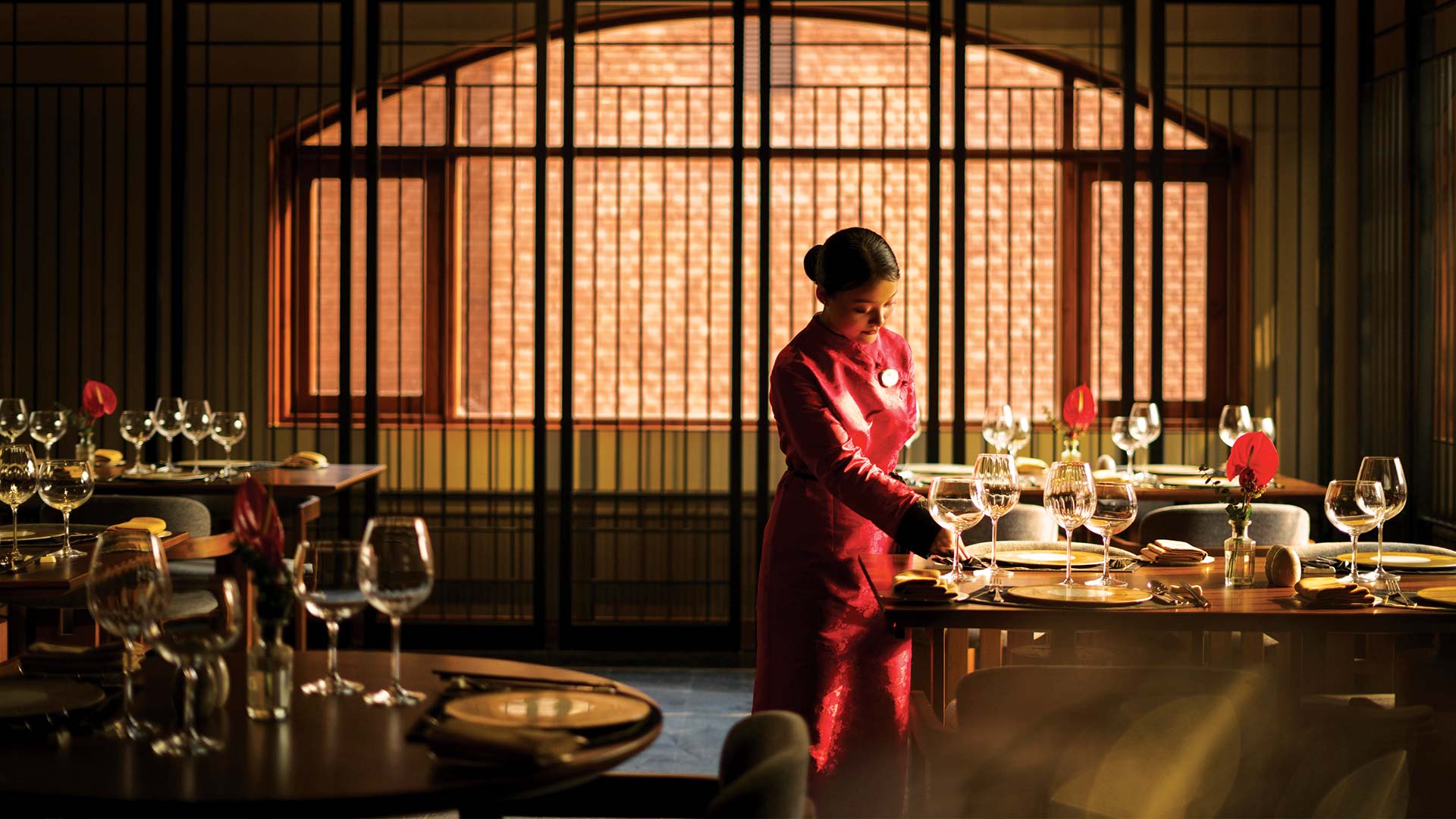
The group’s iconic restaurant brands, such as The House of Ming here, have found new locations in this remote riverine retreat.
Heritage, renewed
Interim, the country changed. Now there is this landmark resort, at a whopping upgrade tag of ₹350 crores—new hotels have been built for less. “It was almost like building a new hotel,” exclaims Mohanchandran.
An entirely new ‘turret’ block for premium rooms has been added. Other additions include a nightclub, Footloose, a children’s play area, huge activity areas including pickleball and padel courts and mini golf. The spa has been expanded and relocated. There is considerable emphasis on landscaping, with tens of thousands of plants and trees planted.
The hotel is part of a 100-acre estate, originally designed by Sri Lankan architect Channa Daswatte, who brought a vibe of tropical modernism. It comprises four units, each with its own distinctive design. “The look of each one has also been refreshed. In the two and a half years that it was closed, the hotel has been totally reimagined, retrofitted, redone and relaunched,” points out Indranil Ray, Cluster General Manager – Operations & GM, Taj Ganga Kutir Resort & Spa.
He also points to several venues spread over 70,000sq.ft. of banqueting space, including expansive lawns and indoor venues of various sizes. The South Lawns, for example, can host 3,000 people.
The Ffort Block (62 keys), the largest and original block, retains its original look to a great extent, though the interiors have been spruced-up with several new elements. Anayavasla (19 keys), offering duplex units, has a prominent central pool and is ideally suited for groups. Sundervasla (11 keys) is designed around a lagoon and offers private duplex lagoon villa rooms.
The most exclusive unit is Mahavasla (18 keys), offering the closest views of the Ganga.
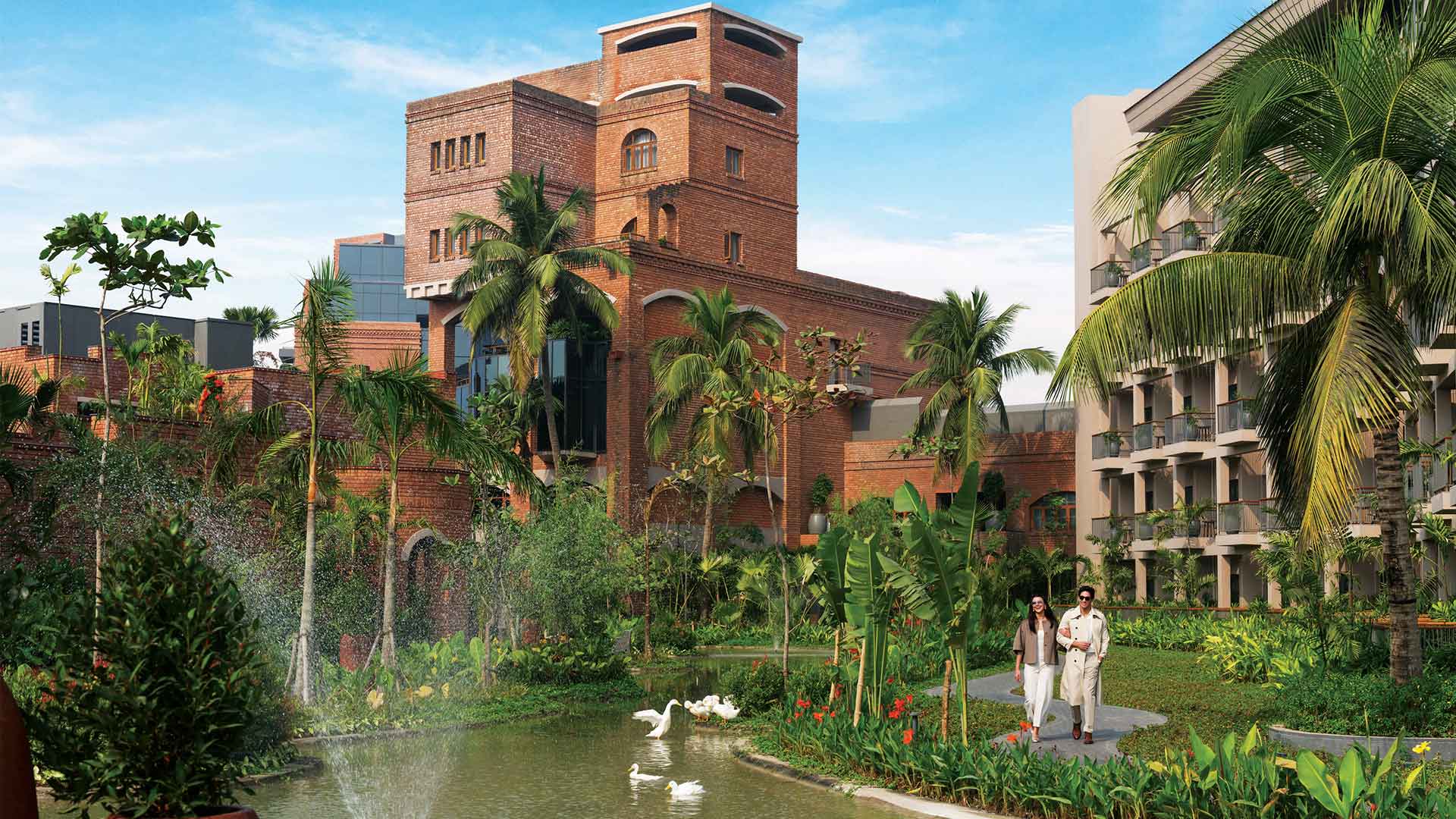
The main Ffort block, clad in 130-year-old bricks, remains the iconic heart of the resort.
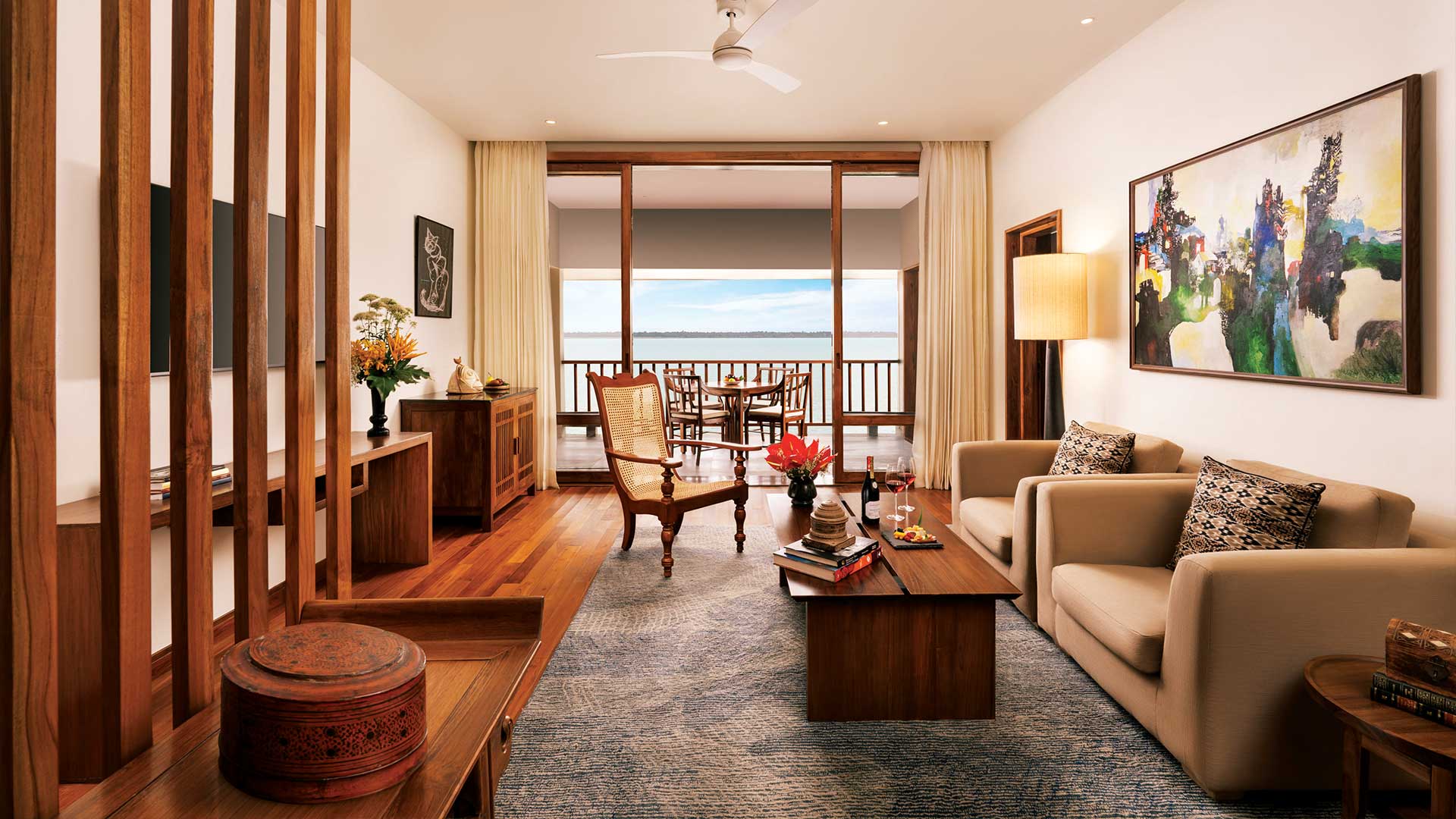
Soft, muted tones that sit close to each other were chosen for the interiors in the Mahavasla rooms.
The resort experiences
The resort offers an array of activities within its sprawling grounds. The river is almost omnipresent. A major draw is the daily Ganga aarti performed at sunset against the backdrop of the river, about a kilometre wide here, making for an arresting visual. The accompanying complimentary tea with goodies, including Bengal’s famous jhalmuri, makes it even more memorable.
In-house activities include a clay studio and art camp, sunrise yoga by the pool, crystal sound healing, Bengal Cultural Soiree, The Ganga Diaries and Whispers to the River. Multiple dining experiences are available, including celebration dining under the stars at scenic locations.
A beautiful phaeton fronted by an imposing white horse invites guests for a ride; a human-size chessboard stands ready to be played; and vintage-looking Bentleys transport guests around the resort. Of course, this being West Bengal, copious reading material is available—check the lounges. Also on offer is angling in a pond. Note, however, there is no access to the actual river from the resort.
The J Wellness Circle Spa here is a stunning space worth lingering in. Built around a tree-fountain courtyard, the serene splendour of the interiors matches the excellence of unhurried treatments. A well-appointed gym and four large pools—one in each unit—along with smaller interspersed water bodies, add to the charm.
A planned initiative is to introduce the resort’s own boat, Pari, to pick up guests from a ghat in Kolkata and transfer them to the resort via the river.
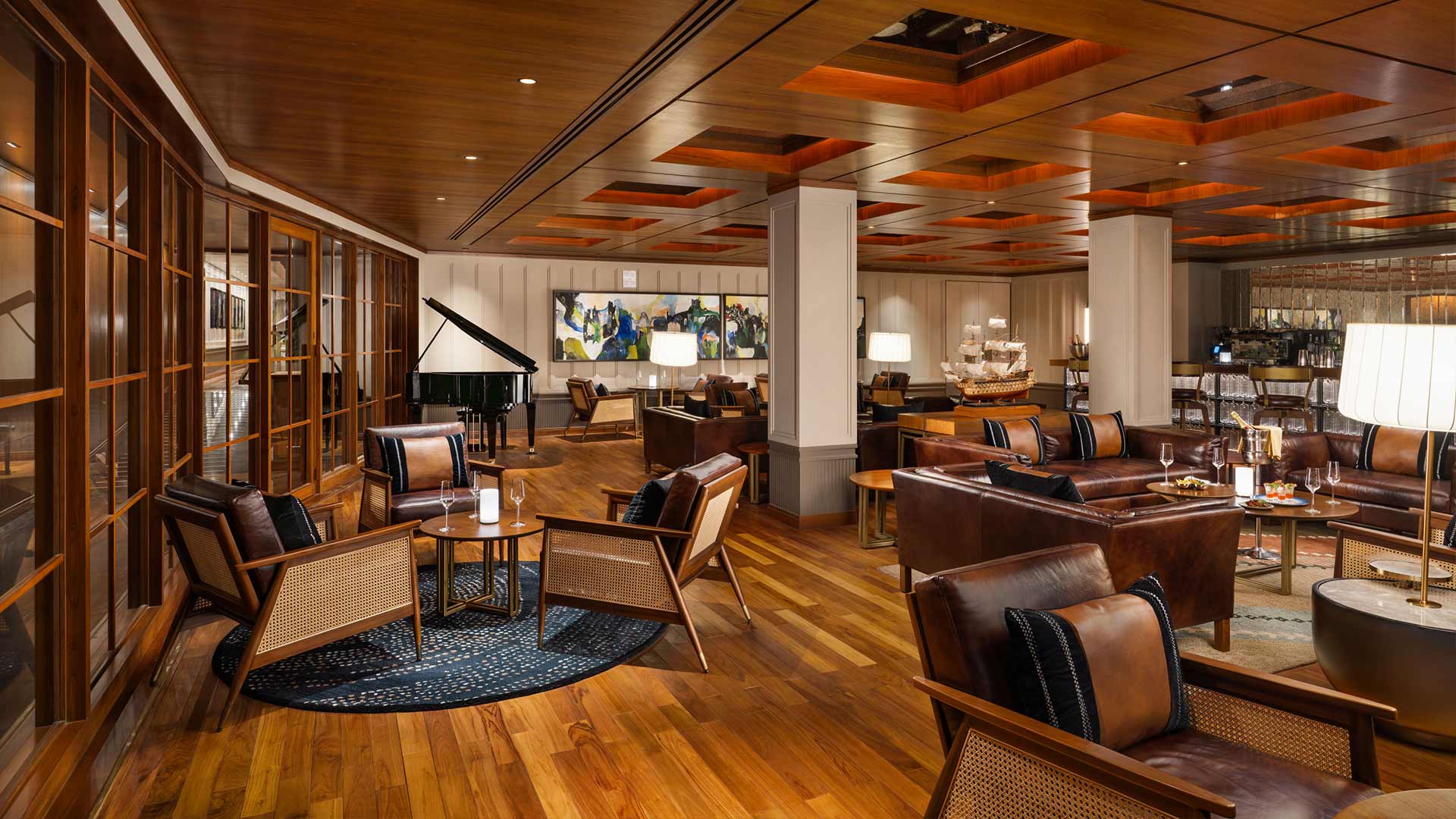
The Riverview Lounge offers spectacular views of the majestic river.
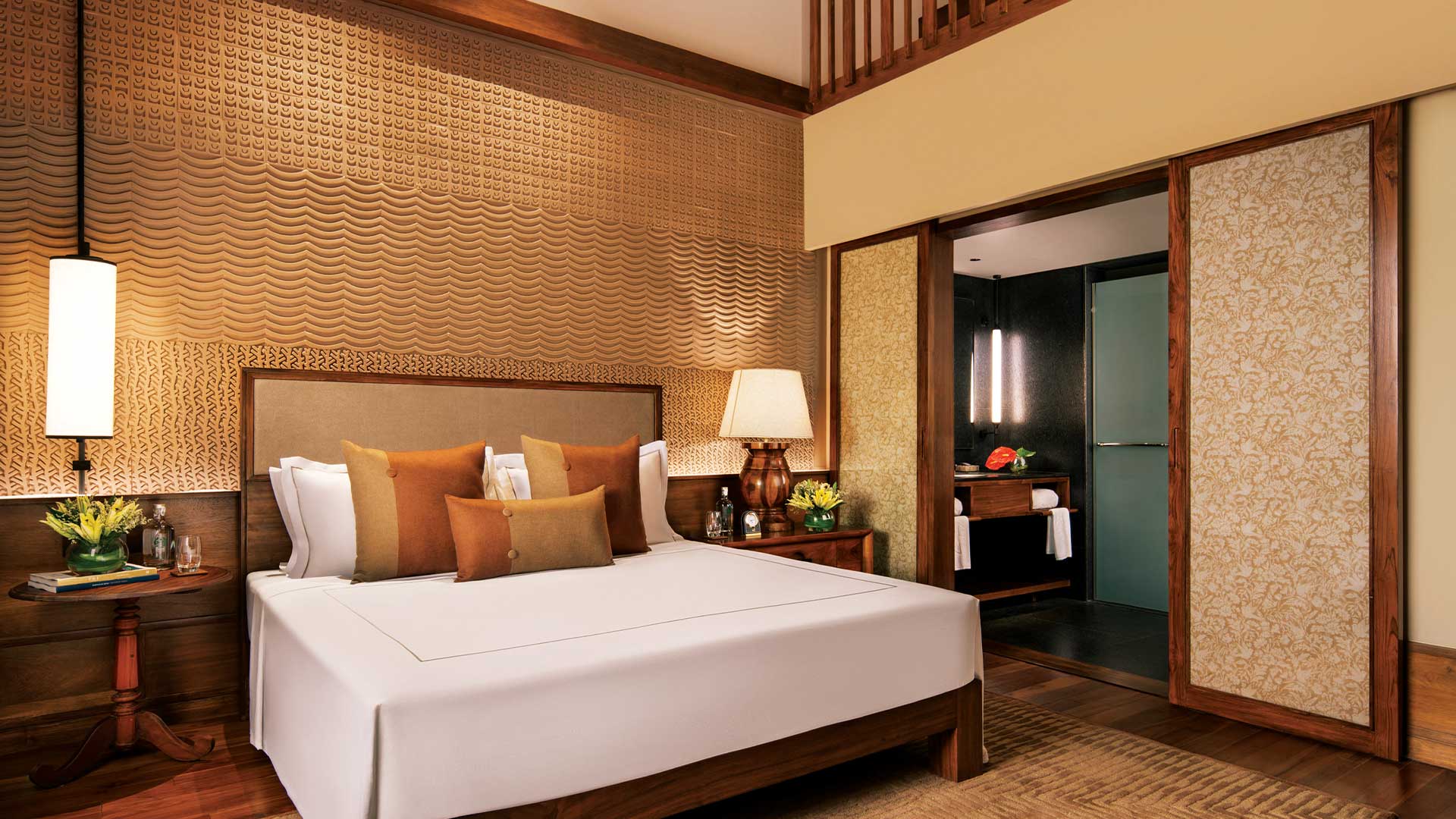
Luxury River View Room at Mahavasla.
The design retreat
Taj Ganga Kutir Resort & Spa is best experienced at a languid, unhurried pace. At the entrance, guests are welcomed with an elegant tulsi mala, even as a baul singer performs in the background. You almost linger just to hear his soulful songs.
With Chairman of the Ambuja Neotia Group Harshvardhan Neotia’s keen interest in art, the aesthetics of the resort are particularly noticeable.
The main block, originally designed by architect Prabir Mitra, famously used unique elements, including 130-year-old bricks sourced from the demolished Imperial Bank building in Kolkata. Thick brick walls, a surrounding moat with a bridge, arched windows and large balconies with river views remain its hallmarks.
“For the revamp, we did the entire master plan and changed the regrouping of the hard and soft spaces,” explains Vivek Singh Rathore, Founder Partner and Principal Architect, Salient Design Studio. “For example, we increased the height of the vast South Lawns by four metres and added a pavilion overlooking the Ganga. We also worked on complete revitalisation in terms of the interiors’ architecture and design, modulating the internal spaces of the common areas.”
For Rathore, the challenge lay in revitalising the existing structure. “In hospitality, it is not always about either pausing or moving. It is about the sequence of pausing and movement. We tried to add surprises and unpredictability to the design. There is a predictable guest-room block; let the remaining spaces be unpredictable in terms of design experiences—quirky, almost museum-like, infusing the space with nostalgia and historic relevance.”
The Ffort block is akin to a living museum. Full of memorabilia—old rifles, cameras, miniature ships, vintage coins, installations, shil-noda (the traditional Bengali mortar and pestle), earthen pots and terracotta art—there is much to linger over and admire. Unsurprisingly, there is a plethora of wall art and installations. Note the stunning collection of flower paintings in the main block.
Studio Lotus, which worked on the upgradation of Mahavasla and Sundarvasla, built on the original work of Sri Lankan architect Channa Daswatte.
“We wanted to bring as much of that vocabulary into the interiors,” says Asha Sairam, Principal, Studio Lotus. “We were delighted to see how the river was situated. The surrounding Ganga and the Sundarbans forests became points of reference in our choice of art and textiles.
“Another key aspect of the intervention was to see how much of the inherited elements we could repurpose. From furniture and lamps to lighting, arts, crafts, wall treatments and beautiful batiks that we inherited, we explored how we could reinterpret and reuse them.
“For the rooms, we went for a very quiet, residential experience, especially in our choice of textiles and palette.”
Sairam credits Neotia for being such a thoughtful collector and says his guidance was invaluable in curating the different pieces.
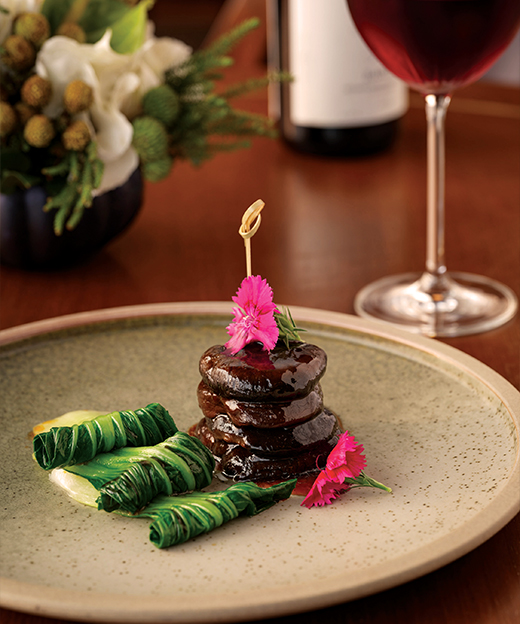
For the ‘bhojonbilashi’ i.e. the local gourmand, Taj Ganga Kutir places great emphasis on its dining options, including Machan and Shamiana.
The dining experience
The resort has made a particular effort to position itself as a culinary destination. “It’s a place where people can celebrate unique dining experiences,” points out Ray. “Apart from being a chef-led gastronomic destination, it also offers chef-curated, meticulously crafted menus.” An example is the Emperor’s Dining Menu, which has 30 courses. Multiple private dining options are spread across scenic locations.
Several of Taj’s marquee brands have been adapted here, including Shamiana, Machan and House of Ming. Machan, for example, has a continental menu similar to its Delhi counterpart and is located in the exclusive Mahavasla section. A vast Shamiana doubles as an all-day diner, while House of Ming is designed for exclusive dining options and features Chinese chef Sun Wenlin, with a focus on Szechwan, Cantonese and Hunan cuisine.
Several relaxing venues—Ganga Lounge, Verandah Lounge and Riverside View Lounge—offer quiet spaces across the resort. Footloose is a newly created gastropub with a resident DJ and youthful energy. A pre-existing speciality Bengali restaurant, Sonar Tori, is expected to return in a new avatar in April.
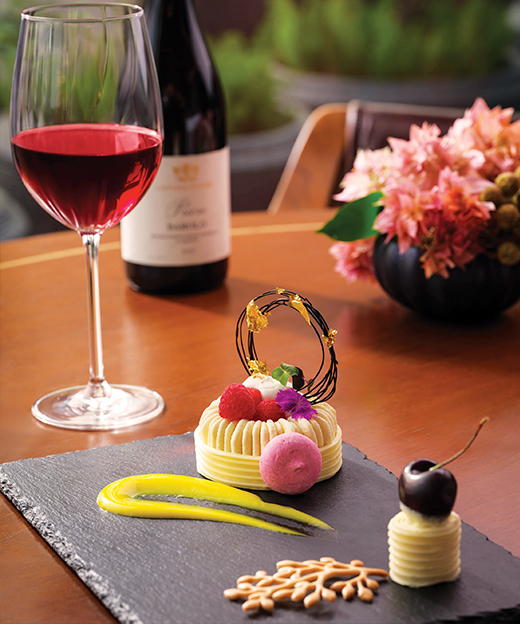
From irresistible Bengali platters to cuisines from around the world, the resort is geared to cater to a variety of palates.
The evolution of a destination
For Neotia, the future of Raichak is not about scale. It is about depth.
“We will continue to shape it as a living ecosystem where hospitality, culture, river and community coexist harmoniously. There will be curated experiences rooted in Bengal’s traditions. More intimate engagements with the river, and thoughtful expansion where it adds meaning, not noise.
“Raichak on Ganga was always my love letter to the river. Taj Ganga Kutir is the next paragraph in that letter. Thirty-six years have passed since that first morning. Every time I stand beside Maa Ganga, I feel the same gratitude. The river flows on. And we will continue to build with humility along her banks.”
Taj Ganga Kutir is a quiet retreat on the Ganga, best experienced in person. As Ray puts it, “We cannot forget the land in which we thrive. We have to give back to that land with responsibility. So, responsible hoteliering, pioneering change, and creating value are what we do. Repetitive, rigorous, regimental, religiously doing the same thing in and the same thing out inspires all of us and our associates to ensure that this is the finest resort in the east. You come in as guests, you go back as families.”