










Beyond the Unusual
Aurika Mumbai Skycity, India’s largest hotel in terms of keys, trumps site constraints with design thinking and teamwork.

By Rupali Sebastian
Exclusive experiences, extraordinary ambience, contextual design, and sensitivity to sustainability—Lemon Tree Hotels’ luxury brand Aurika has carved a distinct niche within India’s hospitality universe by holding these core values close to its heart.
The latest pearl in its string of properties is Aurika Mumbai Skycity, a massive 669-key hotel occupying a 9641.55 sq.mtr. plot near the city’s international airport. This is India’s largest hotel based on the number of rooms. While the hotel is aligned with the brand ethos of carving a unique presence through design, in this case, the narrative responds to the site limitations posed by the compactness of the plot and aviation rules.
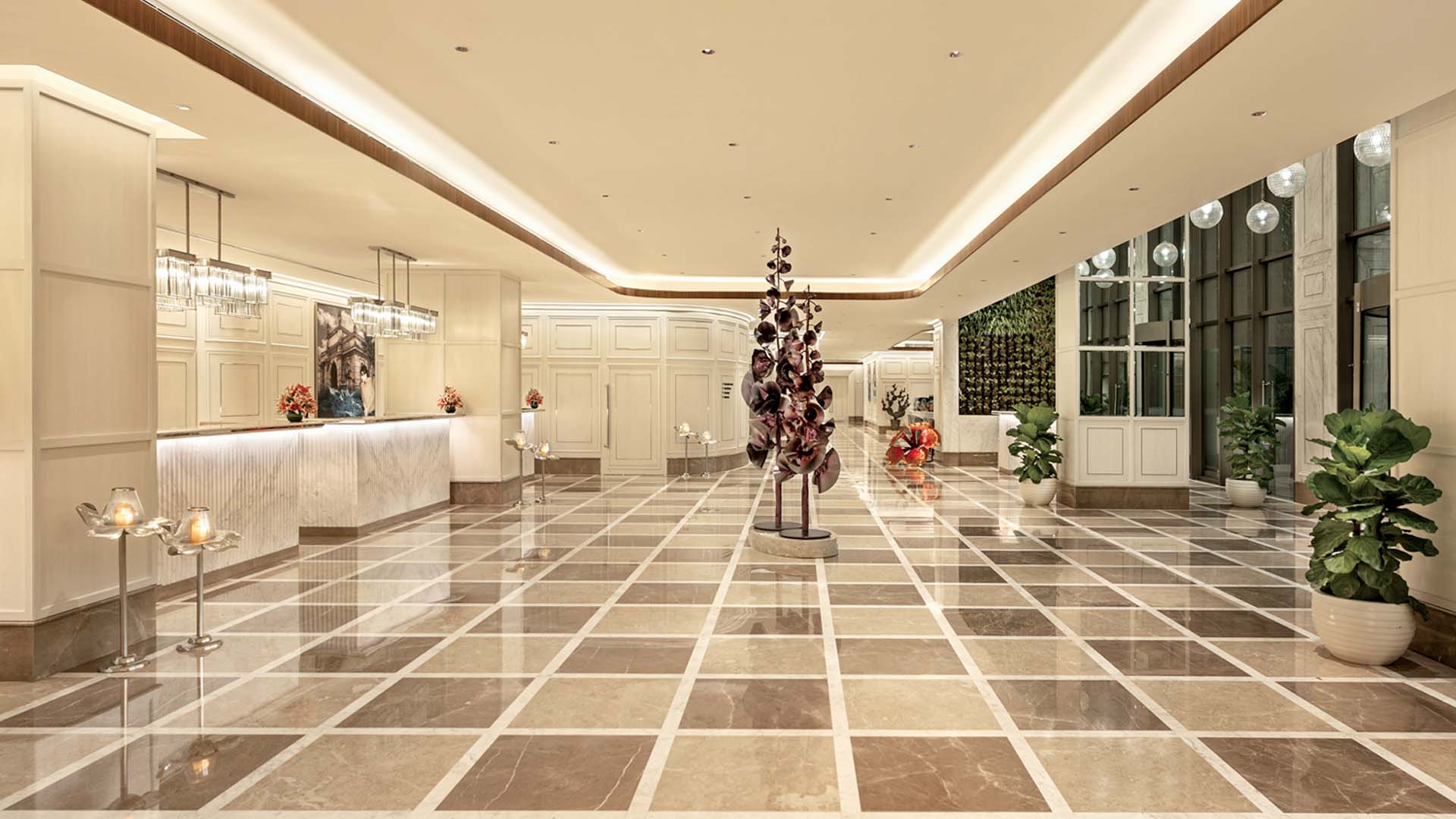
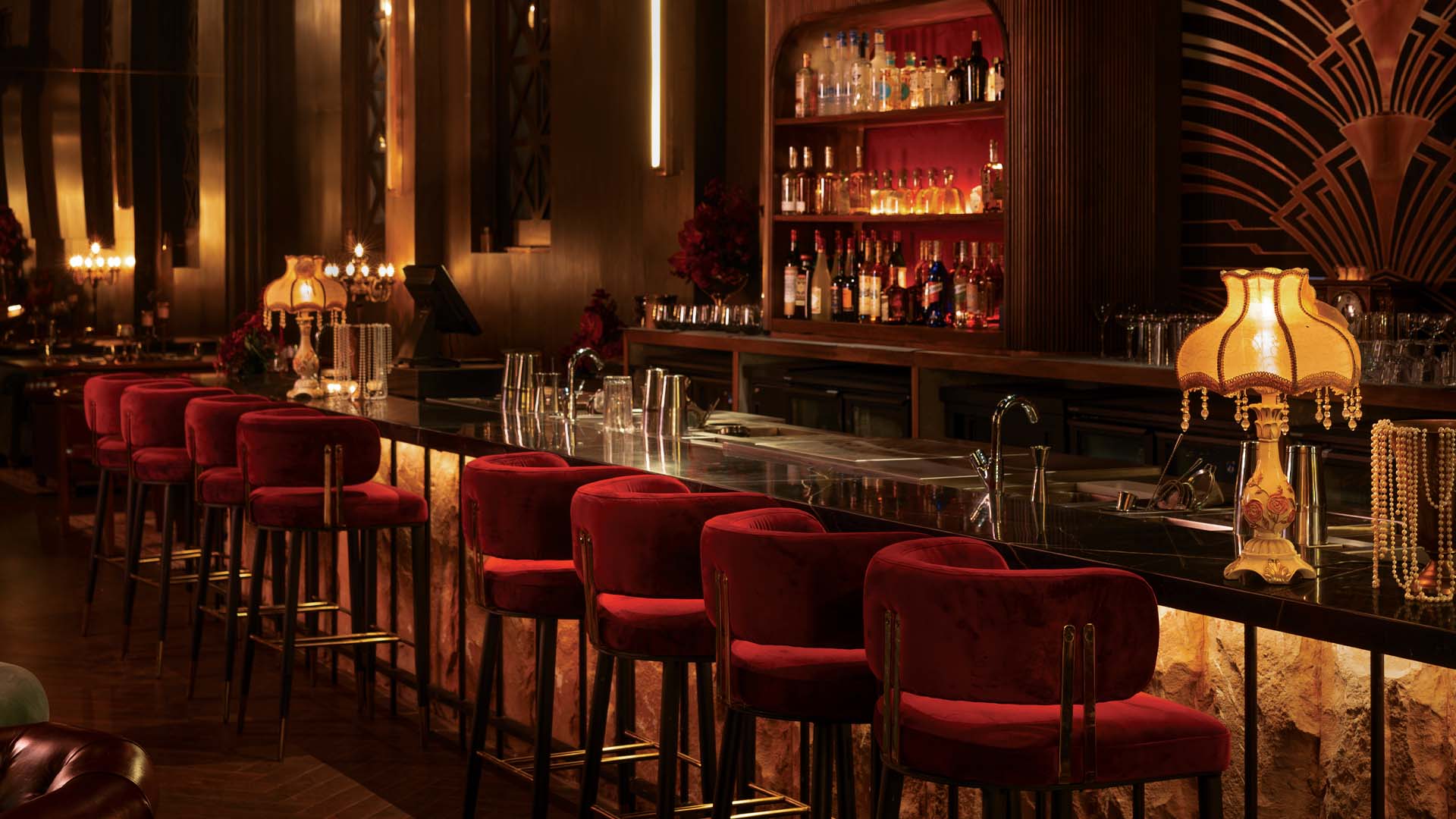
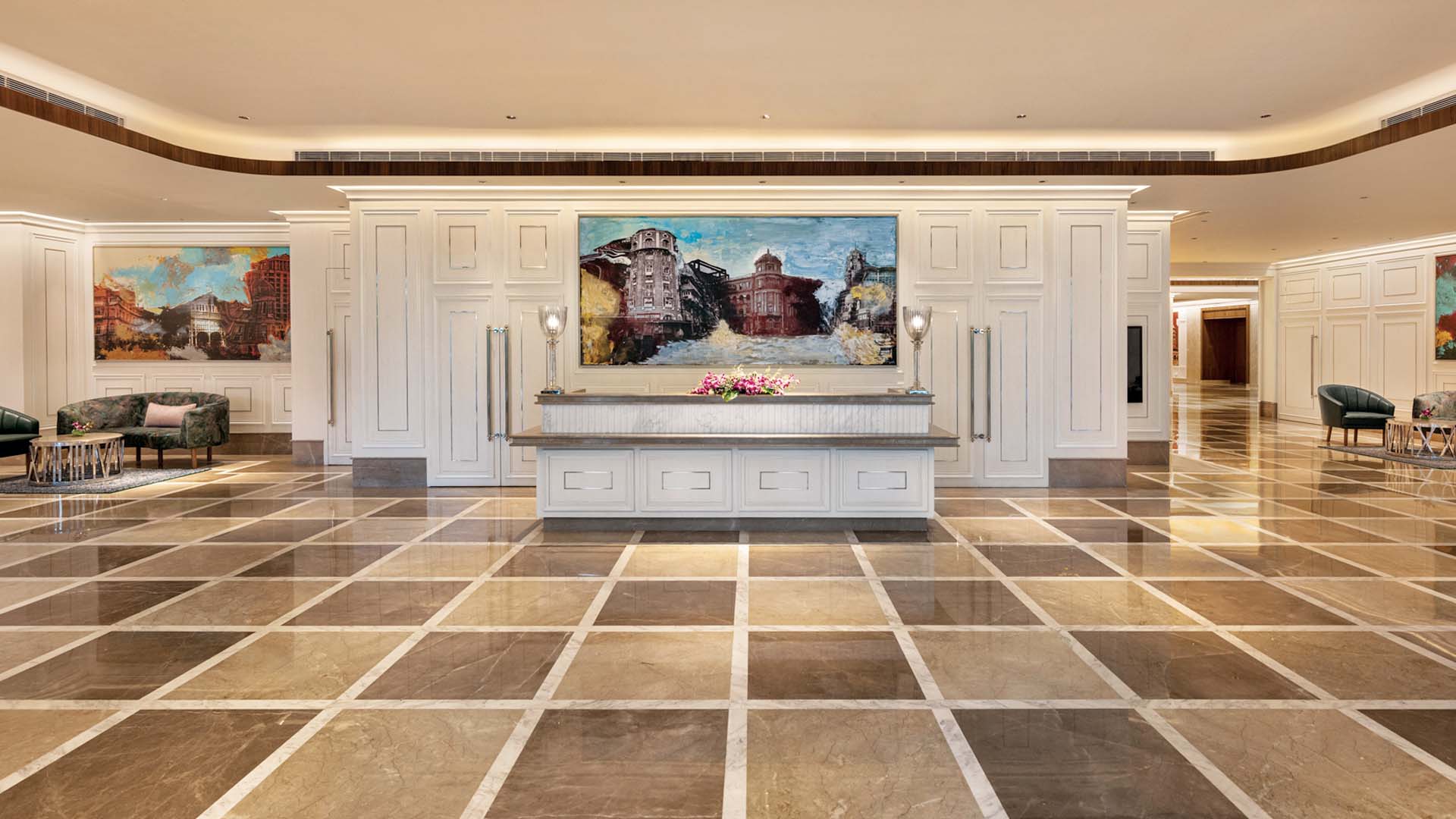
The hotel folllows the Art Deco theme, represented in the lobby through geometric elements, an important part of the style.
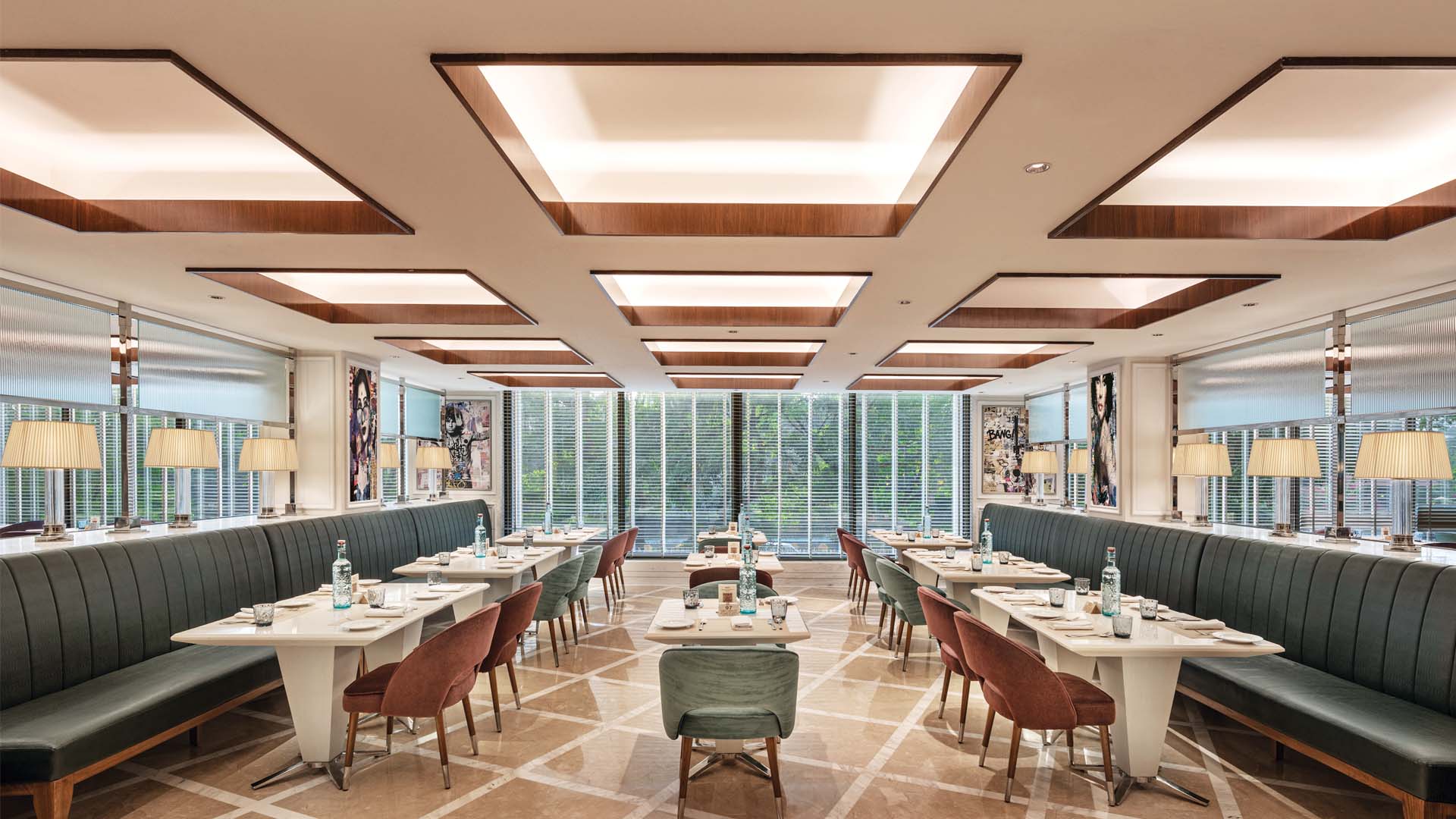
Mirasa, the hotel’s all-day dining benefits from the extensive glazing that invites the surrounding greenery in.
The idea
While the architectural response to the challenges was creating smaller spatial volumes with lesser heights than usual to enable the creation of the required number of keys, the multi-pronged interior design strategy aimed to add illusory space through colour, reflective expanses, surface finishing techniques and patterns.
“Subtlety was the mantra we followed,” says architect Bobby Mukherji, whose eponymous studio was entrusted with creating a hotel per the brand’s guidelines: “Beyond the unusual”. Ritu Ranjan, Senior Vice President - Aesthetics and Design, Lemon Tree Hotels, collaborated with the architect in this transformative process. “We used an understated colour scheme uplifted in places with gentle veins of natural stone, deep jewel tones of upholstery, texturing techniques such as moulding and fluting, and striking objets d’art to create an immersive ambience,” elucidates the architect, adding that the overarching interior theme is Art Deco, a style popular in Mumbai (then Bombay) during the 1940s.
The lobby itself illustrates this stylistic direction with its series of ribbed, marble-facia-ed reception counters deployed against panelled white walls and an unfurling of graphic flooring rendered from neutral-coloured stone. The nearby Tea Lounge carves a distinct place for itself within the overall lobby space with its plum-coloured single-seaters, teal banquette seating and round metal centre tables which, says Mukherji, explore jewellery giant Tiffany's iconic Atlas collection with its Roman numeral motif, playfully twirling the intricate band from that collection on his fingers.
Near the entrance, mirror-encased double-height columns amplify the delicacy of the globular glass pendants sourced from Moradabad. Collectively, the elements create a nuanced, richly detailed environment, and successfully divert the attention from its compact size (read low ceiling height).
While the design team curated a palette that abided by the aesthetics of the brand and hotel, they were careful to filter their material choices based on ease of maintenance and site conditions. So out went heavy carpeting and dark wood, and in came delicately-grained marble, light area rugs and rich upholstery, among others, which evoke the feeling of luxury while being more suitable to the destination. Most of these elements, barring a few that had to be necessarily procured from abroad, were made in India—reflecting on the brand, and indeed the parent company’s, philosophy of being vocal for local.
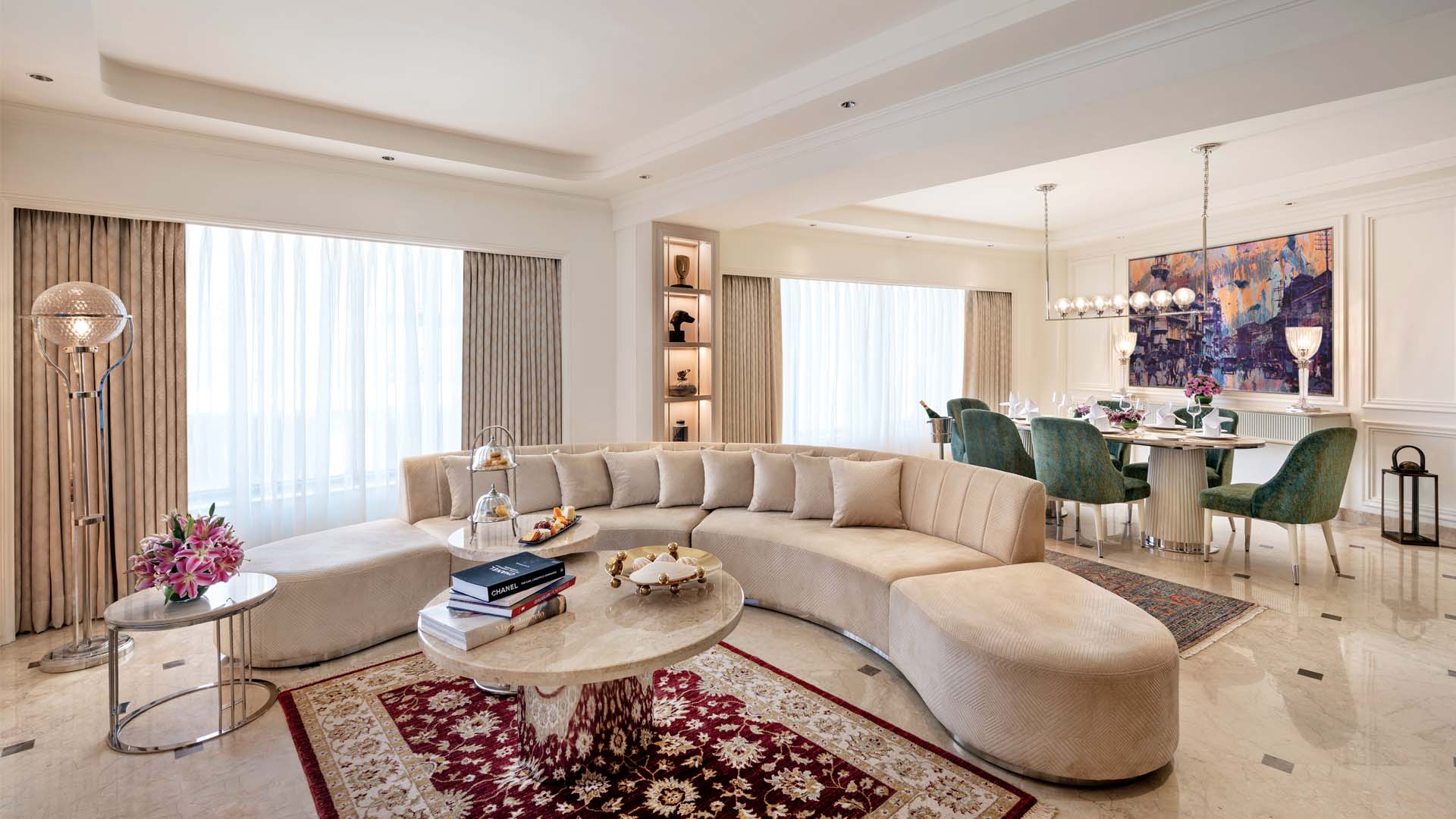
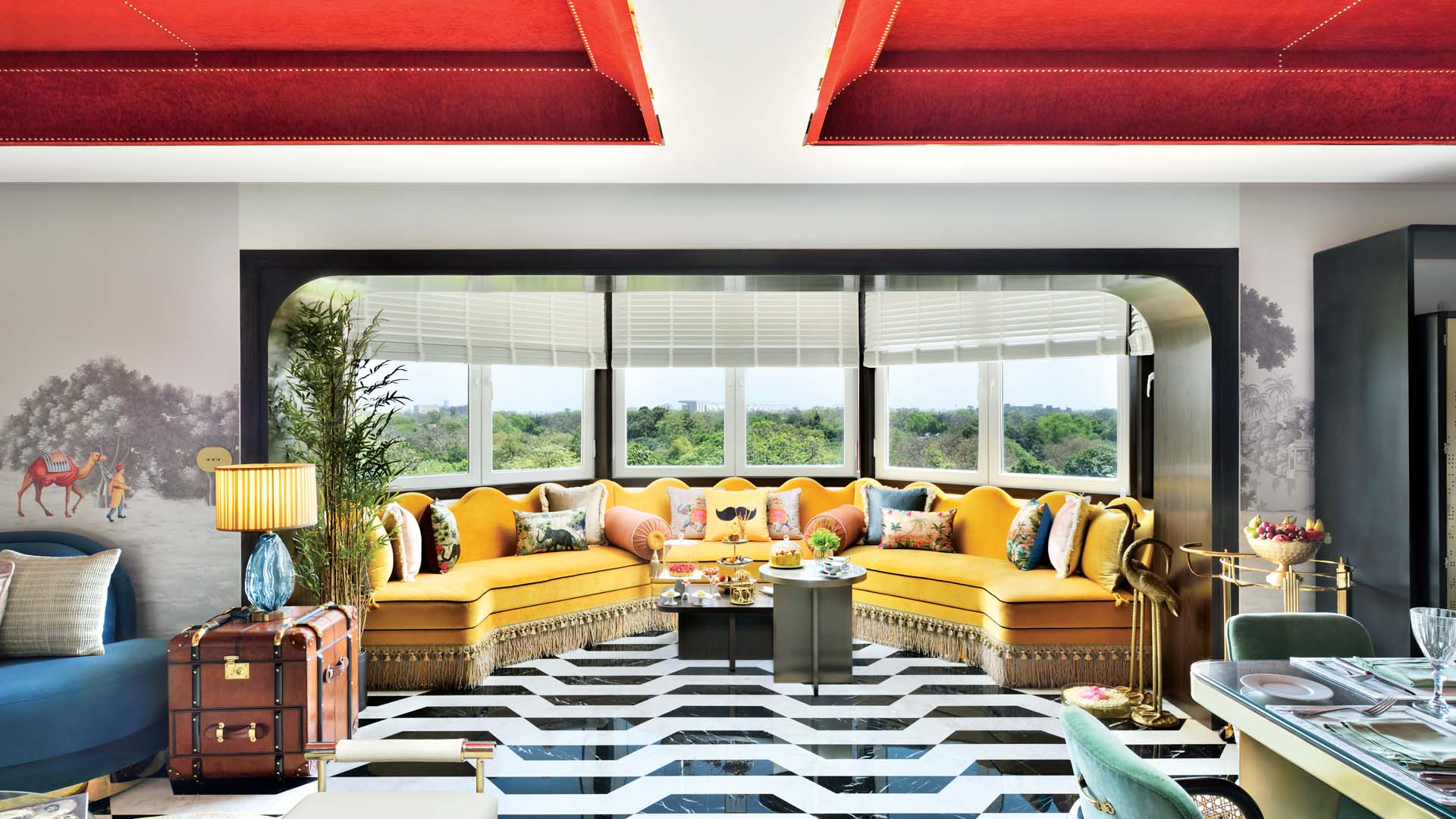
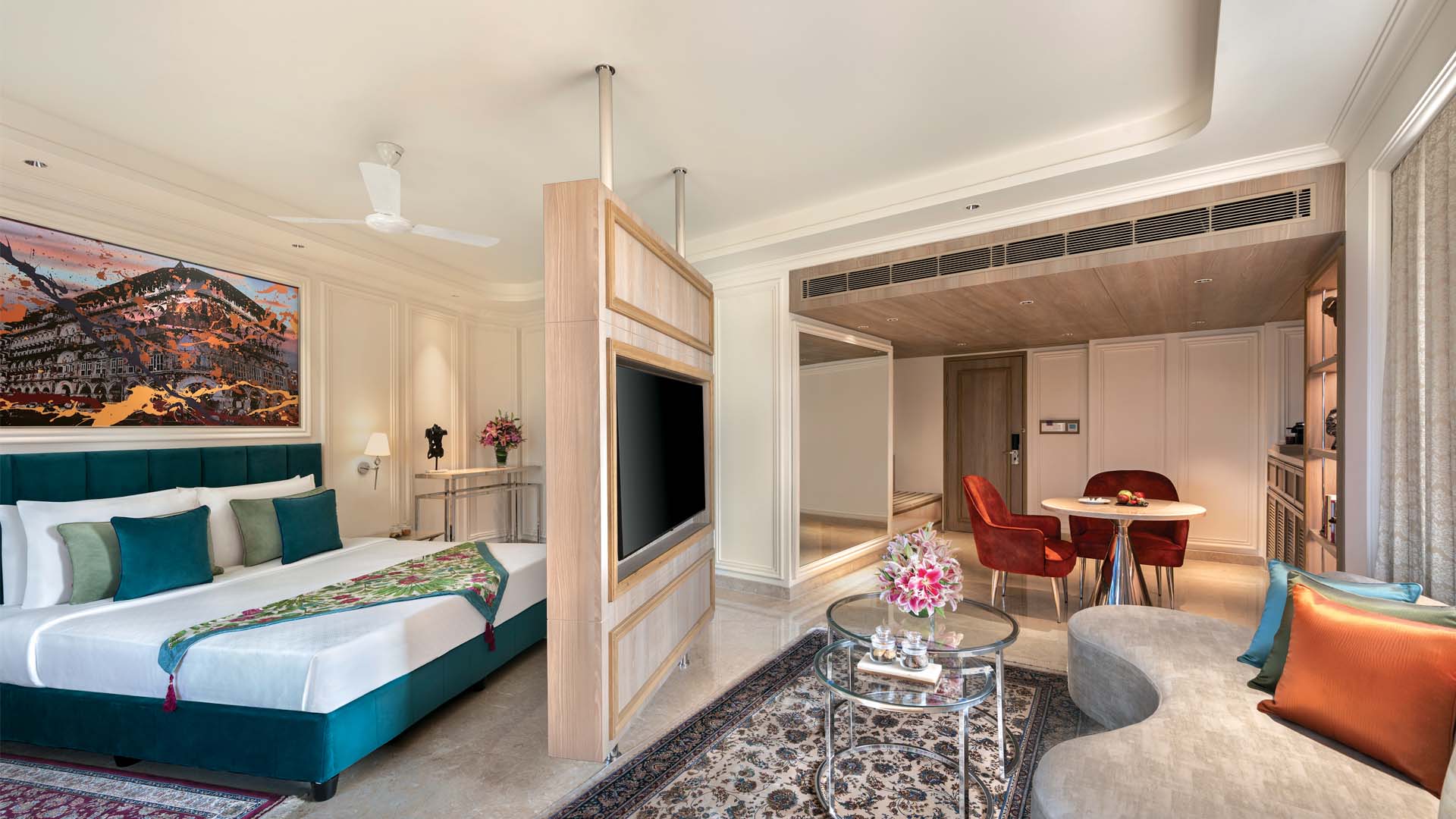
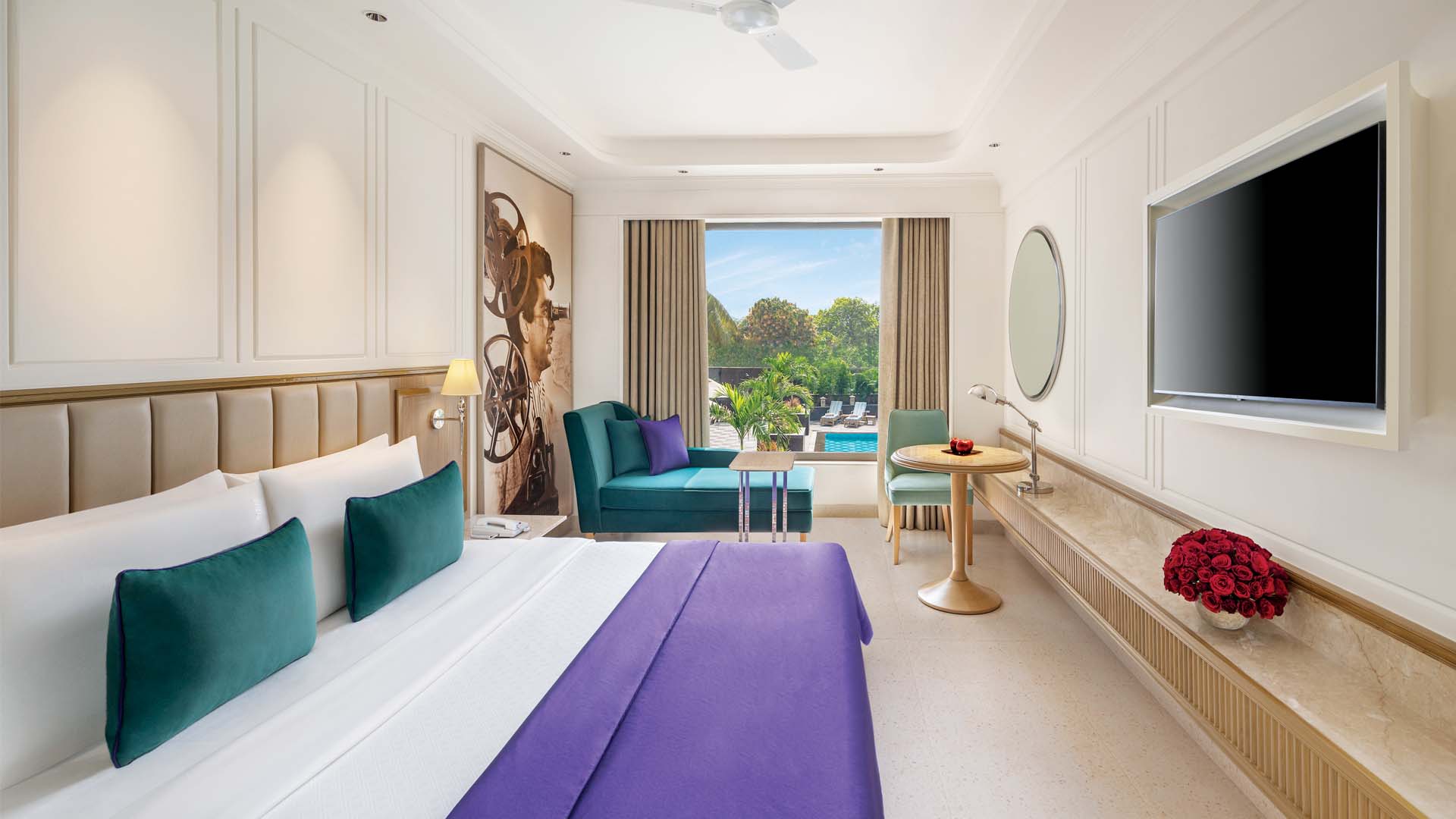
The expansive, 150 sq.mtr. Presidential Suite illustrates the strategy of an understated shell populated by vibrant, chromatic elements.
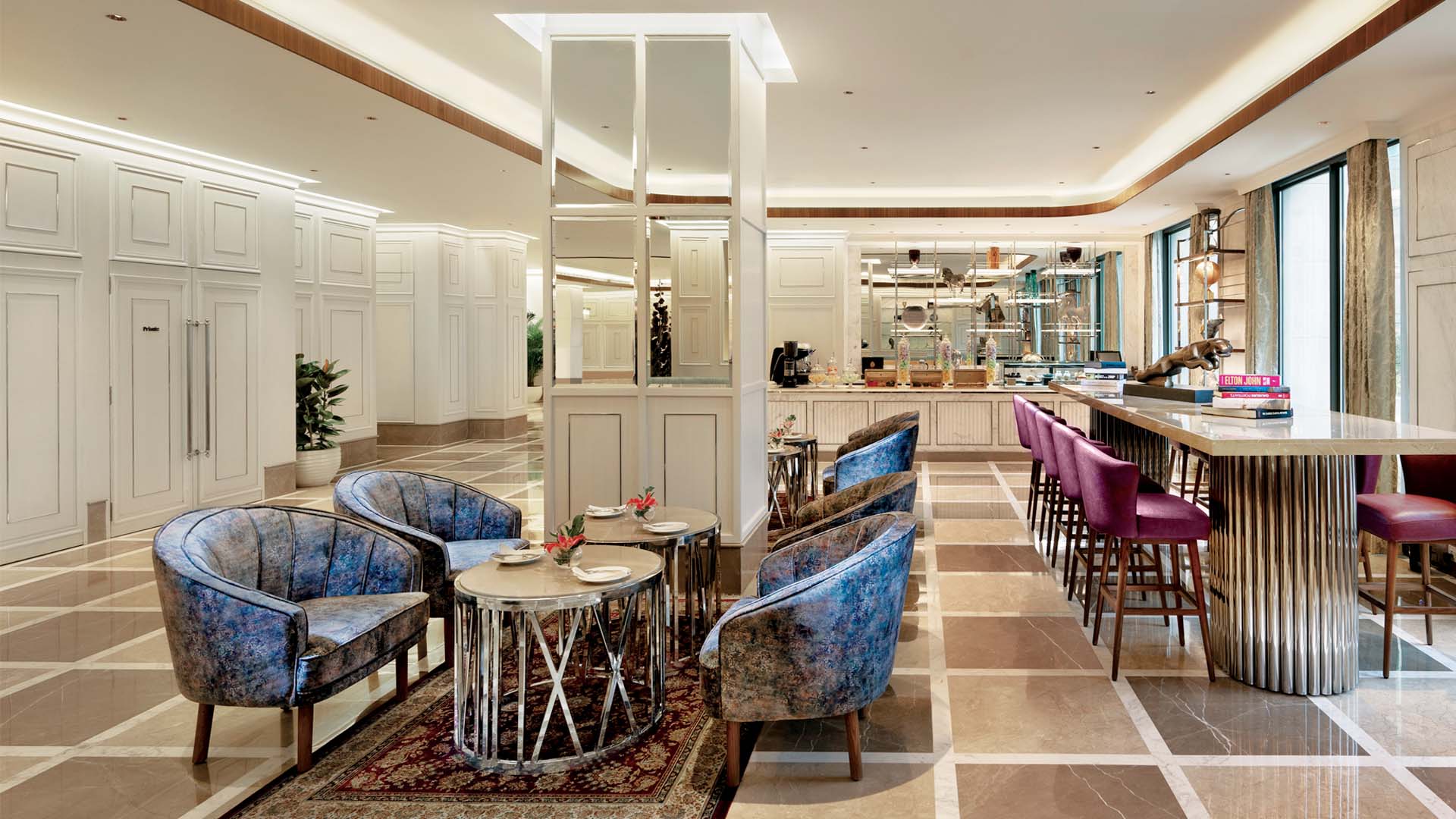
The Tea Lounge is delicately textured with the help of fluted surfaces and moulded panels.
Smart Spatial Moves
The built-form takes a decisive correctional measure to alleviate the feeling of compactness created by dimensional restrictions right at the outset. Instead of creating a lobby as a singular volume with the same height, the spatial articulation places a double-height portion just inside the glazed entrance with a single-height volume—the reception space with its several check-in desks—as its neighbour.
This volumetric play is engaging and fosters a sense of spaciousness as the guests step in, which then transforms into a more intimate feeling as they proceed to the adjacent scaled-down zone. Back in the double-height pocket at the entrance, a walkway on the mezzanine level leads to Ariva, the bar, and Mirasa, the restaurant. The footfalls on this connecting element overhead add their energy and sense of dynamism to the entrance below.
To handle a large number of check-ins in a hotel with a large room inventory, the design leverages the advantages of a double lobby, creating what General Manager Harkaran Singh calls the ‘hotel-in-hotel’ effect, clearly the most compelling move in the design strategy. A separate porte cochère leads to a secondary lobby, placed adjacent to and connected with the main lobby via a large doorway. This ancillary functionality handles larger check-ins, minimising congestion and stress in the main lobby.
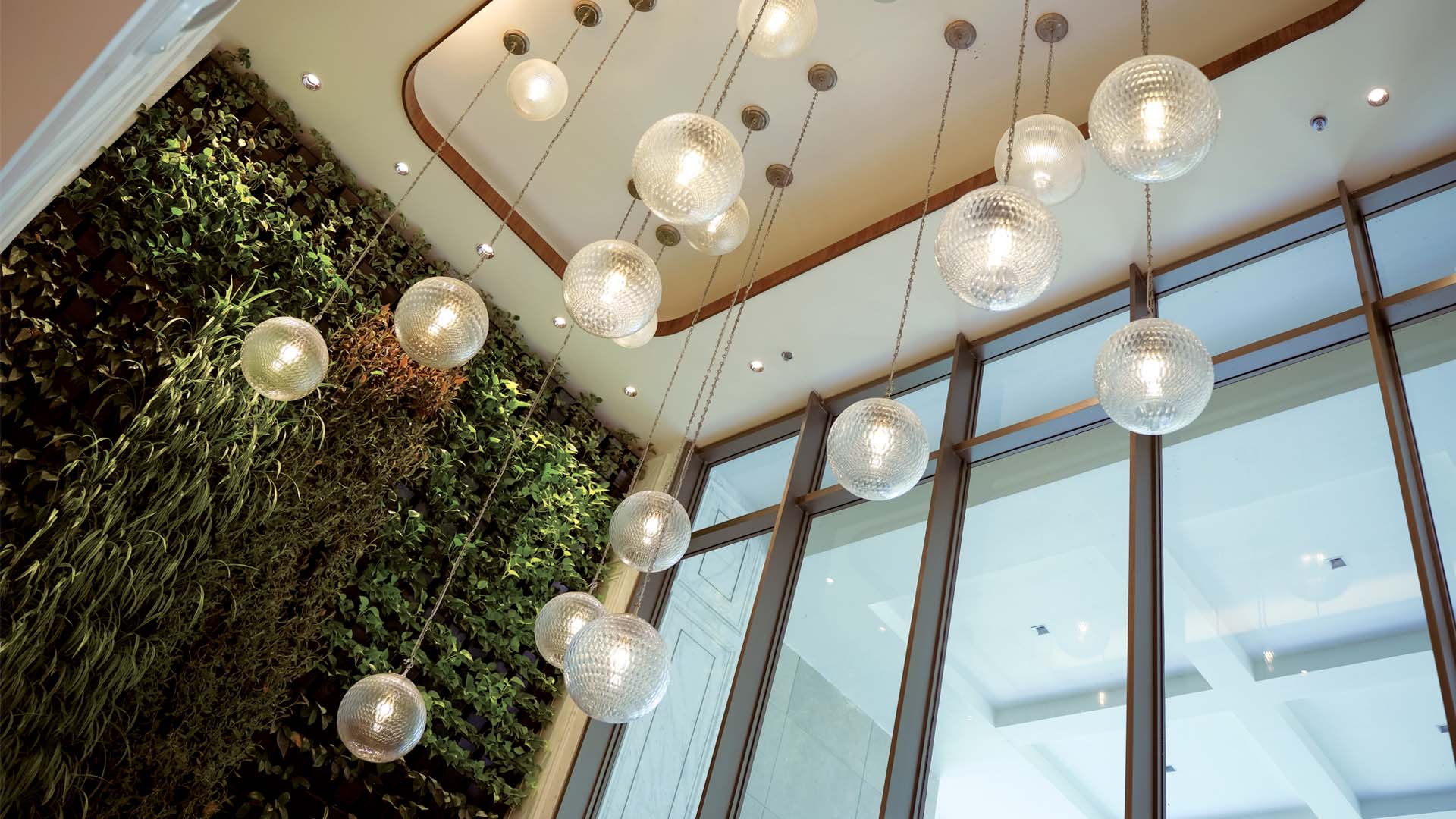
Near the entrance, mirror-clad columns add the illusion of space, so important for a hotel with compact volumes. The reflective surface multiplies the delicate beauty of the chandeliers made in Muradabad.
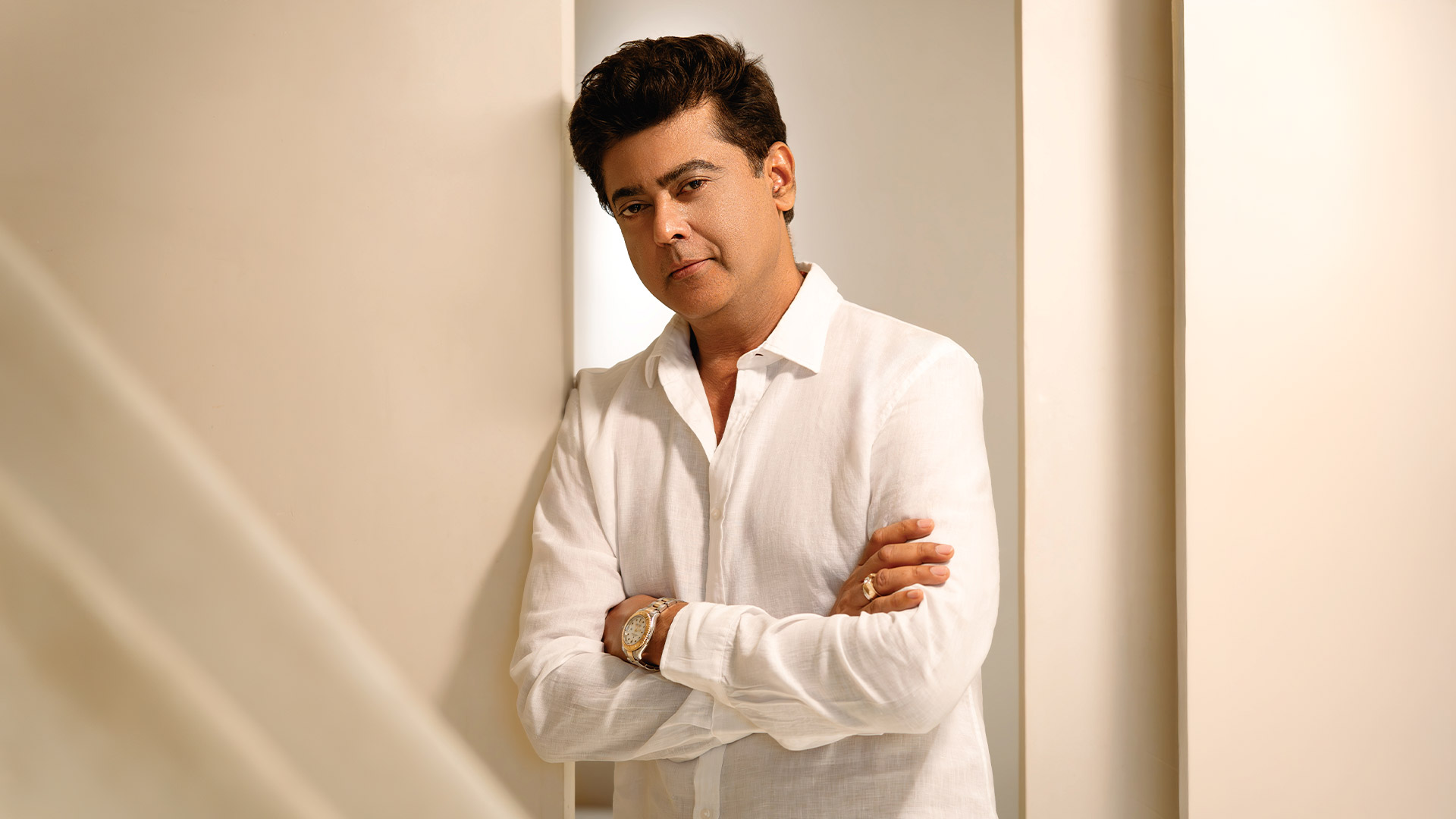
Bobby Mukherrji, Founder, Bobby Mukherrji Architects.
We used an understated colour scheme uplifted in places with gentle veins of natural stone, deep jewel tones of upholstery, texturing techniques such as moulding and fluting, and striking objets d’art to create an immersive ambience.
BOBBY MUKHERRJI
Founder, Bobby Mukherrji Architects

Rooting for Energy
A Building Management System controls all equipment within the hotel. Focusing on energy consumption alone, here’s how the hotel ensures it impacts the environment as gently as possible:
Variable Frequency Drive (a type of AC motor drive that controls speed and torque by varying the frequency of the input electricity) is a significant energy-saving piece of equipment used in the hotel. Depending upon the usage and the requirement, the speed of each machine can be reduced. On average, a speed reduction of 20% can result in energy savings of about 50%.
A heat pump, which has a dual function of heating and cooling, contributes to saving energy and power
Solar Reflective Index Paint used on the roof minimises heat entering into the rooms on top, reducing the electricity bills significantly.
EV Charging Points have been installed for electrical vehicles and there is the possibility to further scale this up.
Soundproof and Ecosense glass allows light but not heat to enter the room, resulting in substantial savings by reducing the usage of air conditioners.
In every hotel, or every building, fresh (hot) air from outside is sucked in and cool air from air-conditioned interiors is thrown out, leading to a rise in internal temperature. Heat Recovery Wheel is a device that allows both these air streams to pass next to each other, effectively lowering the temperature
of the hot air from outside.
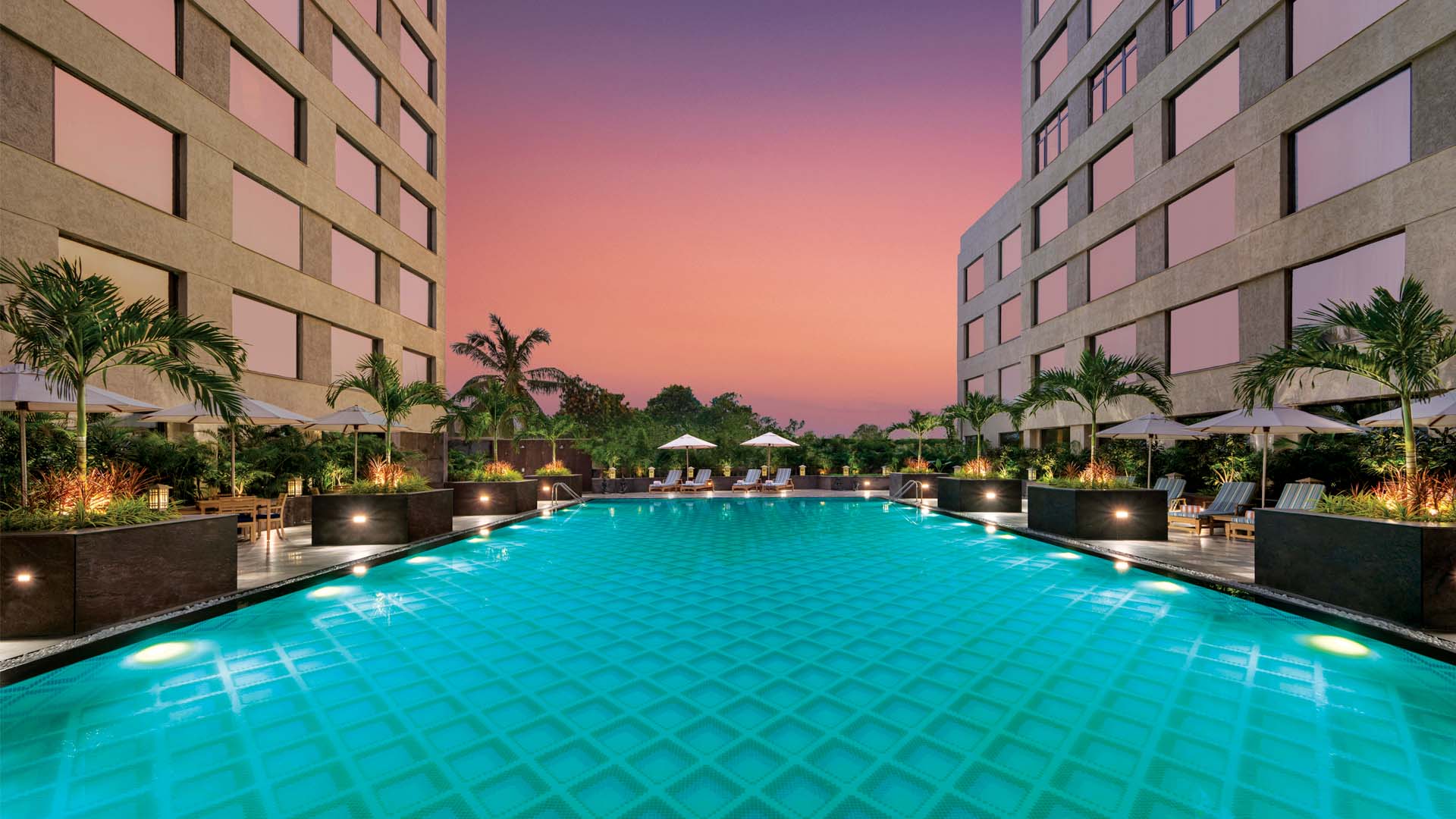
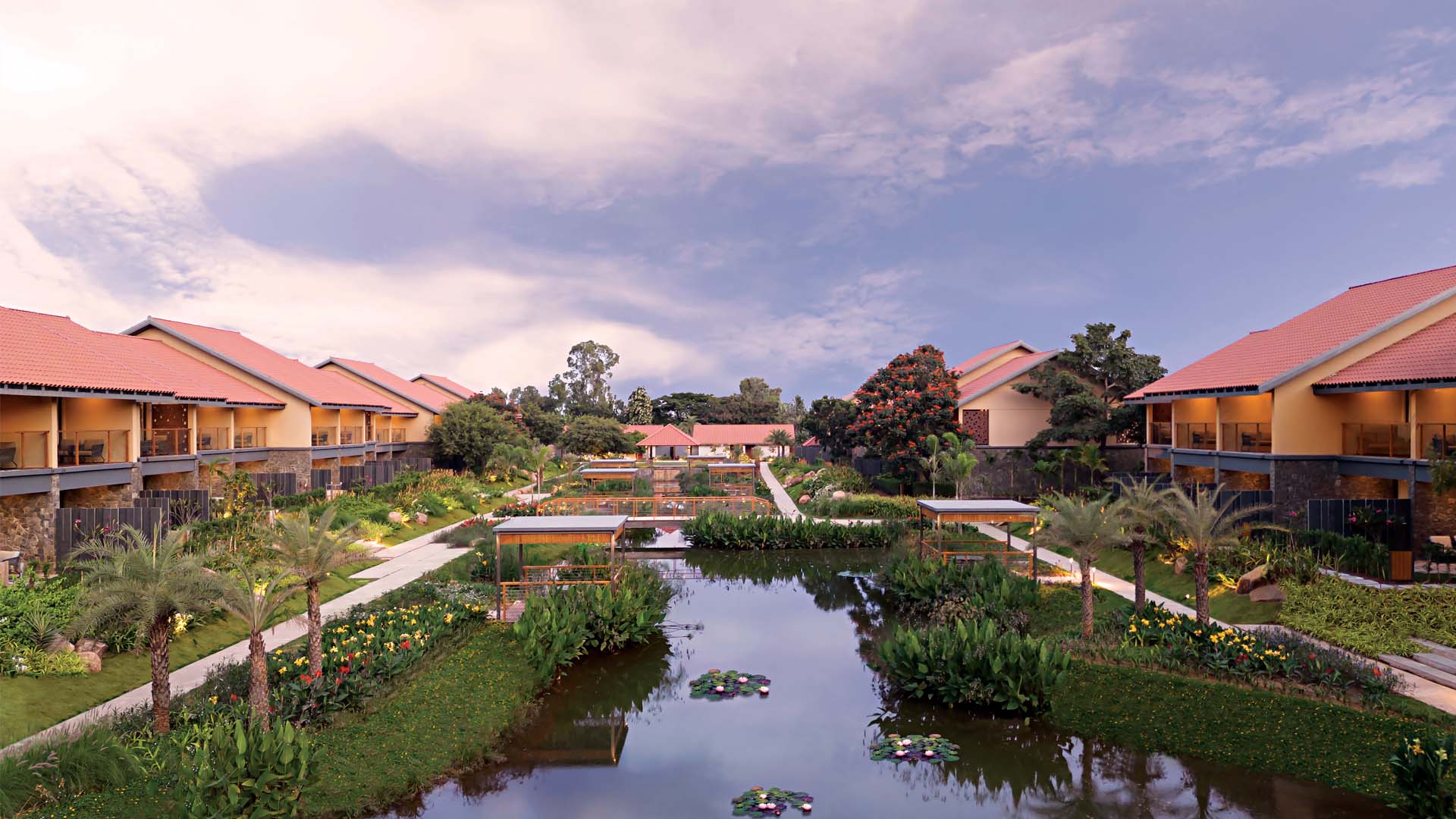
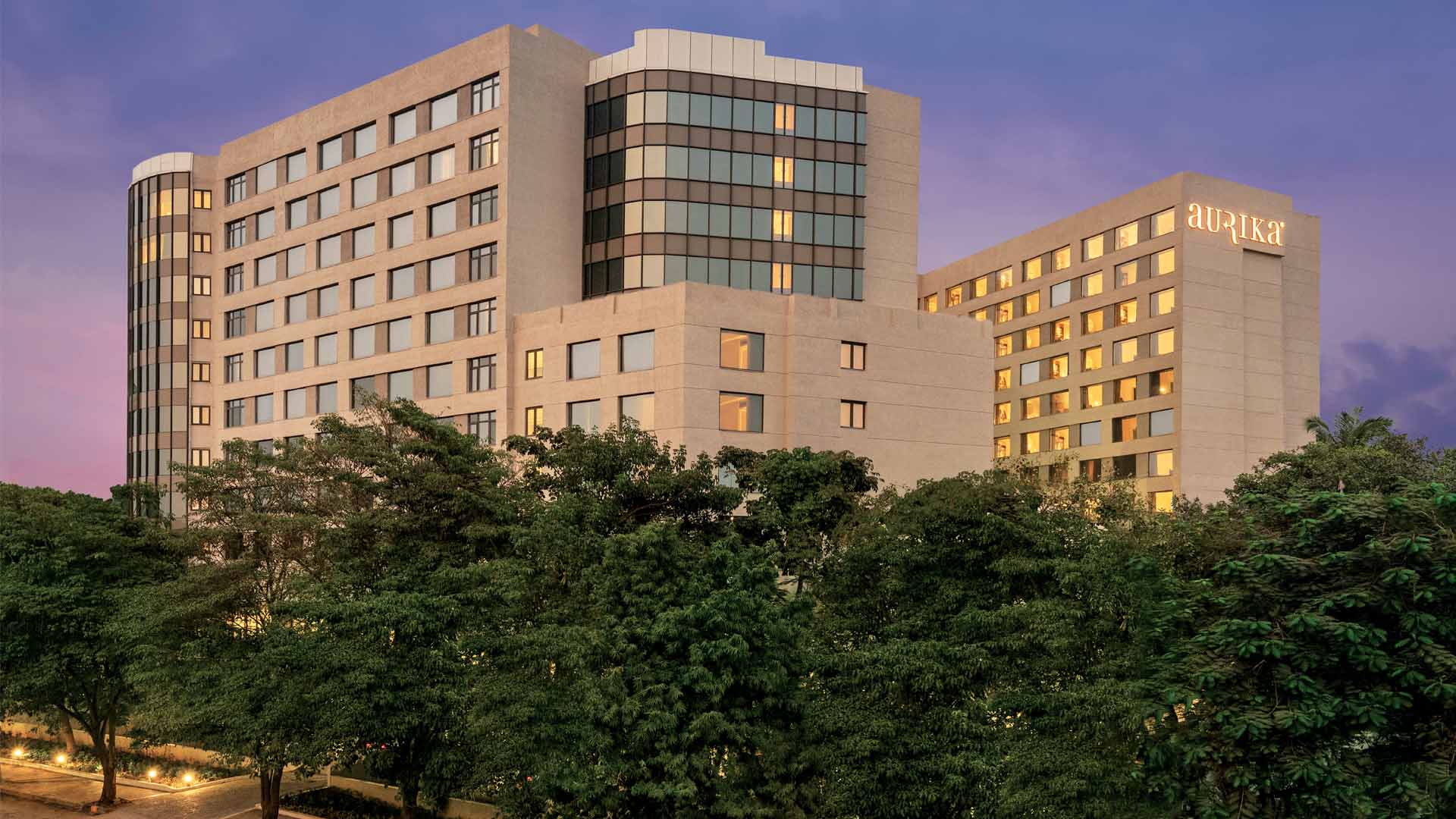
The arms of the hotel embrace an inviting swimming pool with a pool bar and a tranquil relaxation area.
Vintage charm
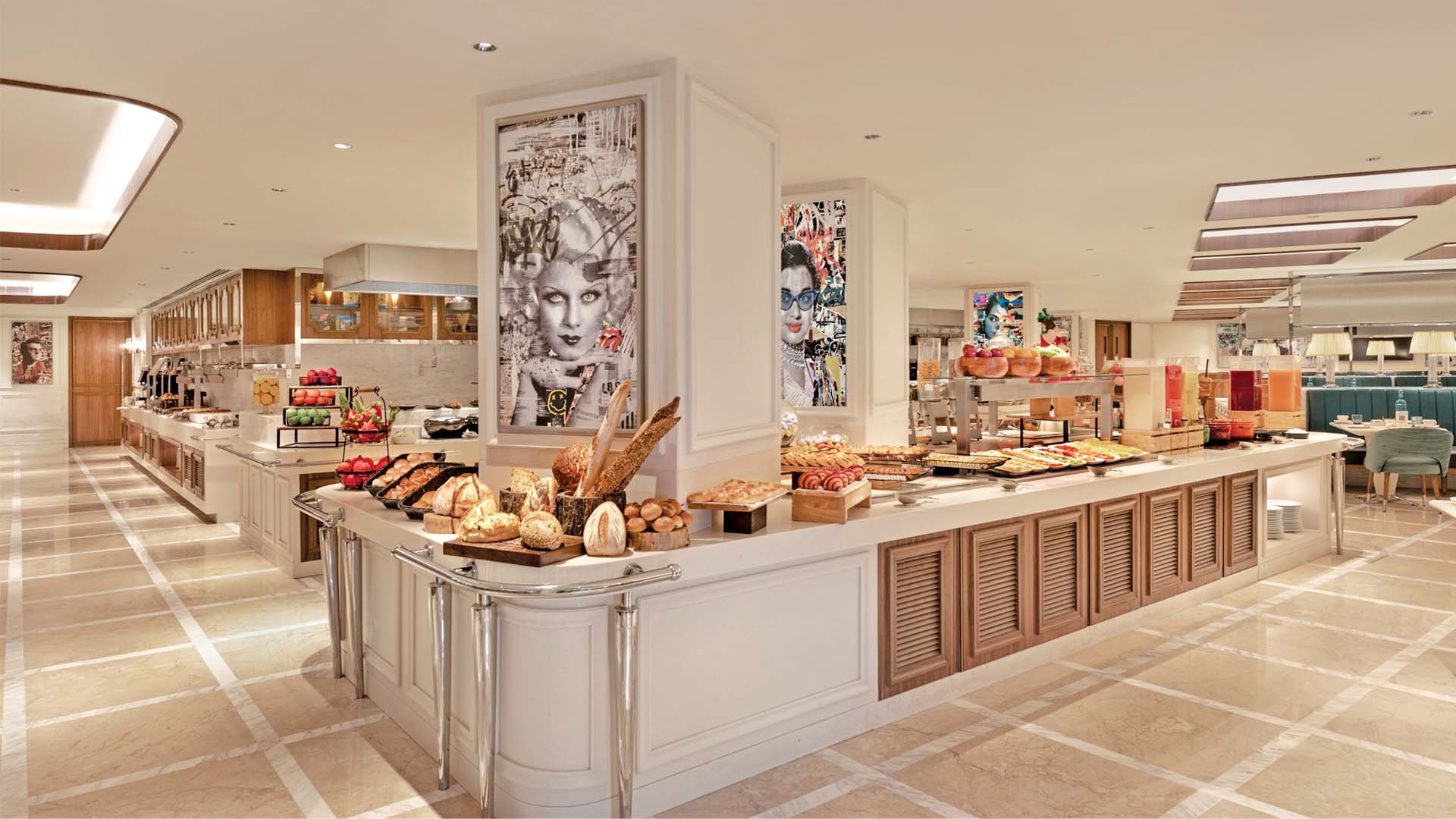
While the hotel’s public spaces articulate the chosen stylistic route clearly and aesthetically, Mirasa is where you can savour the theme at ease. Floor-to-ceiling partitions crafted out of marble and chrome-framed fluted glass, counter-top lamps that grace these dividers and scallop-backed, faux leather banquettes work together to erect a rich, nostalgic atmosphere, bolstered by quirky posters of Hollywood and Bollywood icons. Mirasa’s present footprint is spatial retrofit; its original size was incapable of handling the guest volume that would descend upon it during breakfast—and therefore became a critical area for redressal.
The enlarged avatar was achieved through smart spatial manipulation by architect Bobby Mukherji by ‘borrowing’ areas from the hallway, kitchen and the adjacent bar. The resultant awkwardness, he says, was visually erased by orchestrating the furniture islands and the flooring pattern at angles to each other and modulating the space with the help of ceiling design: either a single large trough bordered by cove lights, or a coffered pattern.
Additionally, the layout was designed as a series of seating configurations, segregated by the aforementioned partitions. This way, the restaurant can flexibly cater to the needs of groups both small and large. The buffet counter—all 120 feet long—is proof of the group sizes it can handle at the larger end of the spectrum.
As India’s largest hotel, Aurika Mumbai Skycity carves a unique presence through design. But behind that spatial narrative lies a remarkable tale of achieving delivery deadlines through dedicated teamwork and triumphing over site constraints through smart design moves.
The sustainability paradigm
Lemon Tree Hotels, brand Aurika’s parent company, likes to think green, in every aspect. Aurika, Mumbai Skycity employs eco-friendly practices, such as energy-efficient systems, water conservation and recycling, renewable energy, waste management programs and the use of sustainable materials wherever possible. “All these measures contribute to the hotel’s green building certification by the Indian Green Building Council (IGBC),” says Aradhana Lal, Senior Vice President – Sustainability Initiatives, Lemon Tree Hotels.
Air Pollution Control
CO2 sensors in the car park automatically switch on the fans when the Carbon Dioxide in the car park rises. Air conditioners are equipped with filters and UV so that the air quality maintains particulate matter of 2.5 microns or less within the hotel. DG sets are fitted with an RECD (Retrofit Emission Control Device) to prevent pollutants from the DG sets from entering the environment.
Electricity
Almost 60% of the energy usage in the hotel is from renewable sources. About 400-500 units of electricity are generated per day through solar power. All the rooms have EC fans which reduce power consumption by 25% even at top speed.
Water
Every room is installed with a pressure regulator to prevent water wastage. The hotel has a drinking water plant which reduces the usage of plastic bottles to achieve plastic neutrality. The plant also uses the latest CDI technology. The ‘third-day linen change’ policy means that linen in the room is changed after the second day of a guest’s stay. Each day that the linen is not laundered saves enough water to satisfy a person’s drinking water needs for one month.
Waste Management
While an OWC (Organic Waste Converter) is de rigueur for commercial buildings, Aurika, Mumbai Skycity has gone to step ahead to install a biogas plant which is used for cooking, hot water boilers, etc Waste segregation is mandatory at the hotel. An advanced version of STP installed at the hotel employs membranes to purify the water better, which is then used for non-potable purposes.