











Design: The Part Nobody Talks About Until They Feel It
The next decade of hospitality will be won in the way the hotel is designed, point out experts from the industry.

By Deepali Nandwani
The most underrated competitive variable in Indian hospitality right now is design, not in the Instagram sense—though that matters too—but in the deeper sense of how a space makes a guest feel before they have spoken to a single member of staff or read a single item on the menu.
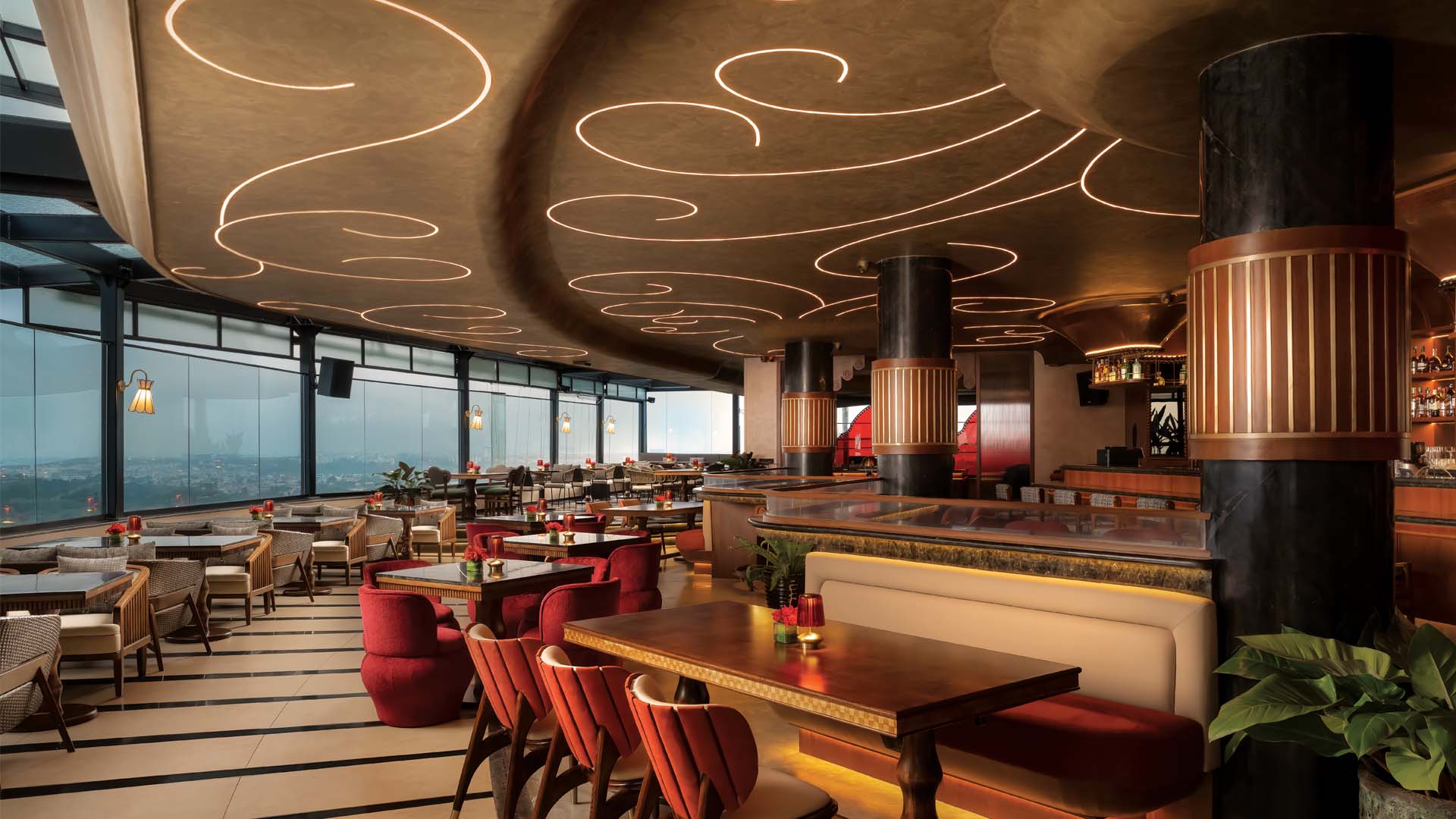
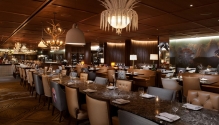
Purposeful design rooted in geography, community, and climate will remain central. Bobby Mukherjee, Founder, Bobby Mukherrji Architects, is precise about the details that guests register without knowing they are registering them: "In a high-energy business city, the design aims to counterbalance stress. From the moment you enter, the space is intended to calm and reset your senses." At the Hilton Gurugram Baani City Centre, he created a large-volume space with a skylight and full-grown preserved olive trees—earthy tones, indirect lighting, high ceilings that allow sound to dissipate. Guests use it all day: for work, for meetings, for nothing in particular. That, he says, is the point.
He is equally direct about the most expensive mistake in hotel design: "Designing purely around trends. Trend-driven spaces become dated within eight–10 years. Timeless design sustains value over a longer period." The hotel that follows the trend cycle pays for it twice, once in the redesign, once in the lost revenue while it is happening.

Bobby Mukherjee, Founder, Bobby Mukherrji Architects.
Shwetank Singh, MD & CEO, Chalet Hotels Limited, captures the stakes of this in a single formulation: "Consistency in hospitality should be about trust and quality, not sameness." As portfolios expand rapidly, the tension between operational standardisation and genuine sense of place grows sharper. His answer is to draw a clear line between what should remain consistent and what should remain contextual: systems, service standards, technology, and execution discipline on one side; design, food, storytelling, programming, and service nuance on the other. The guest experience itself, he says, "should remain deeply rooted in the identity of the destination."
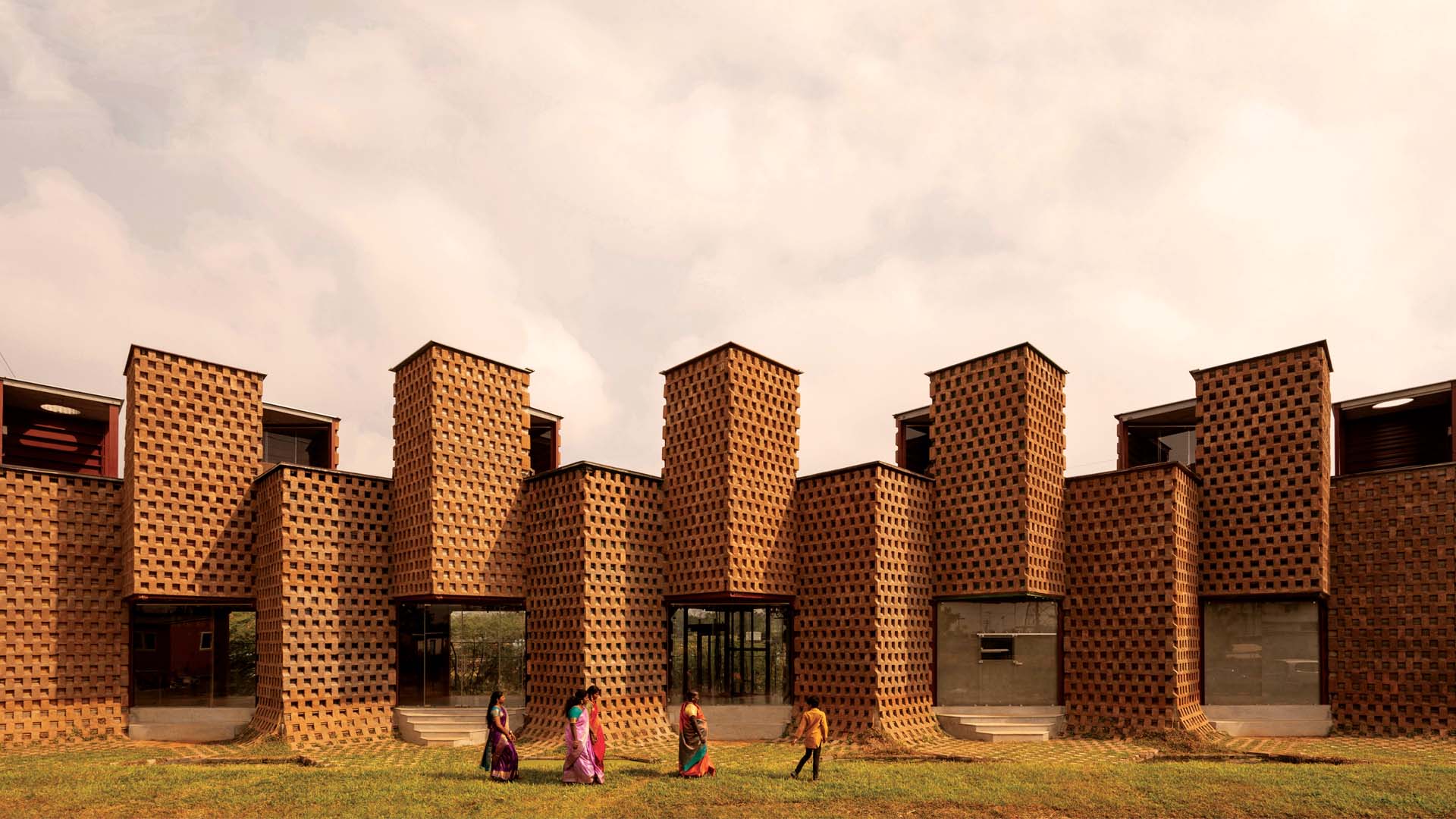
Nirupa Shankar, Managing Director Brigade Hotel Ventures Ltd., makes the same argument with a phrase that is worth stealing: "Standardise the back, localise the front." Her properties' backend infrastructure—revenue management, procurement, energy commitments—is consistent across the portfolio. But the experience the guest actually encounters must breathe the culture of its location: "I want a guest to wake up and recognise exactly where they are, simply because the property breathes the culture and spirit of its location." That means vernacular design, regional artists integrated into the interiors, indigenous cooking techniques that tell a real culinary story. “A hotel in Bengaluru should never feel like a carbon copy of one in Delhi.”

Nirupa Shankar, Managing Director Brigade Hotel Ventures Ltd.
"I want a guest to wake up and recognise exactly where they are, simply because the property breathes the culture and spirit of its location. A hotel in Bengaluru should never feel like a carbon copy of one in Delhi."
Nirupa Shankar
Managing Director Brigade Hotel Ventures Ltd.

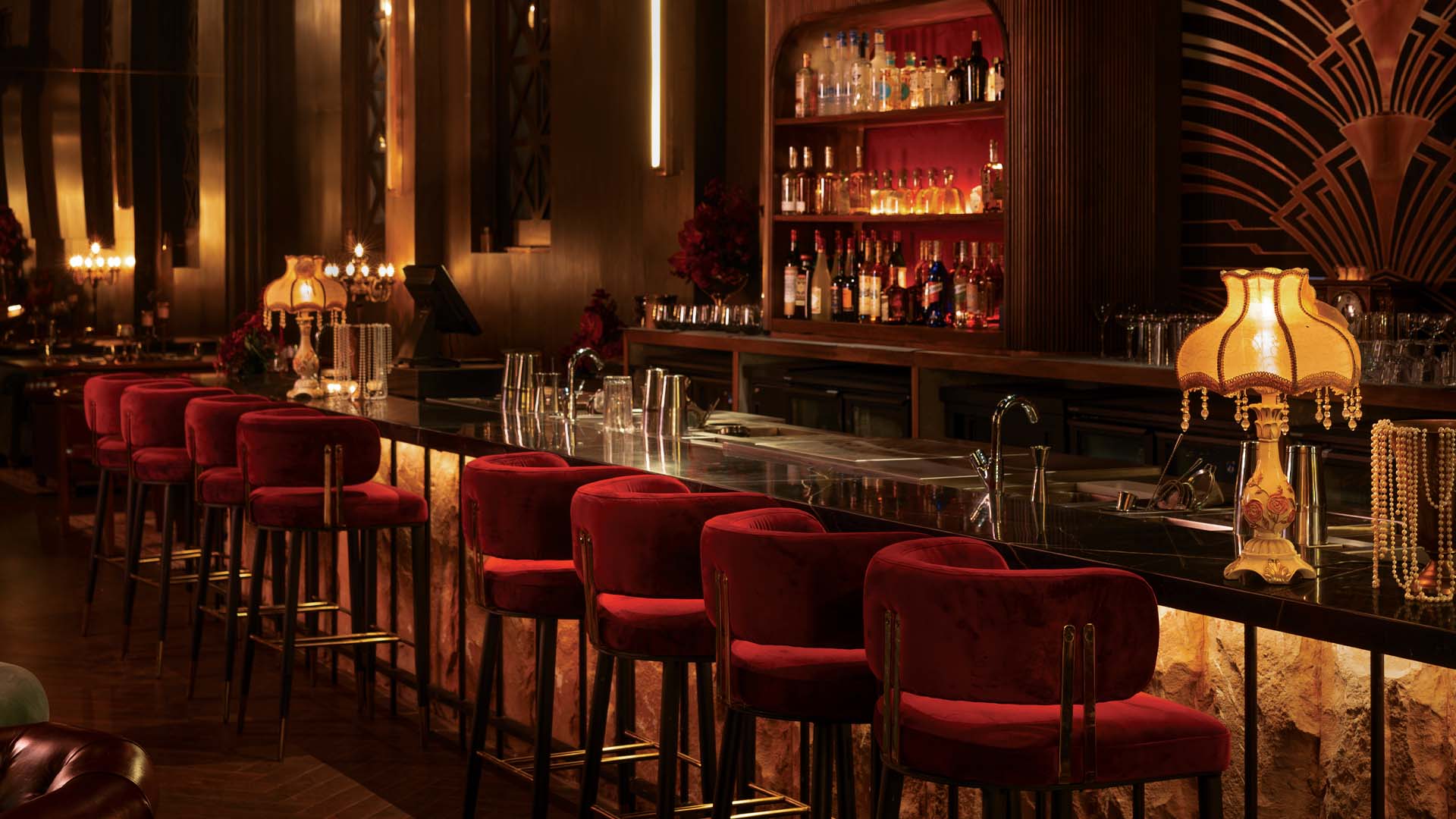
Gary Greene, Principal at Gary Greene Design—working in India on a Westin beach resort in South Goa on the former Majorda Beach Resort site, a JW Marriott in Sakleshpur within a coffee estate, and a JW Marriott in Alibaug as a ranch-style resort with equestrian elements—identifies a shift he finds significant: "There is a growing shift toward refined minimalism, even at the highest levels of luxury. Traditionally, markets such as India have leaned toward opulence, but the emphasis is moving towards quality within minimalism rather than excess." Technology, he adds, should be invisible: "The most effective technology is intuitive and integrated, enabling smoother interactions while remaining in the background." Circadian lights that follow you, app-controlled environments, seamless content integration—these are no longer differentiators. They are table stakes.
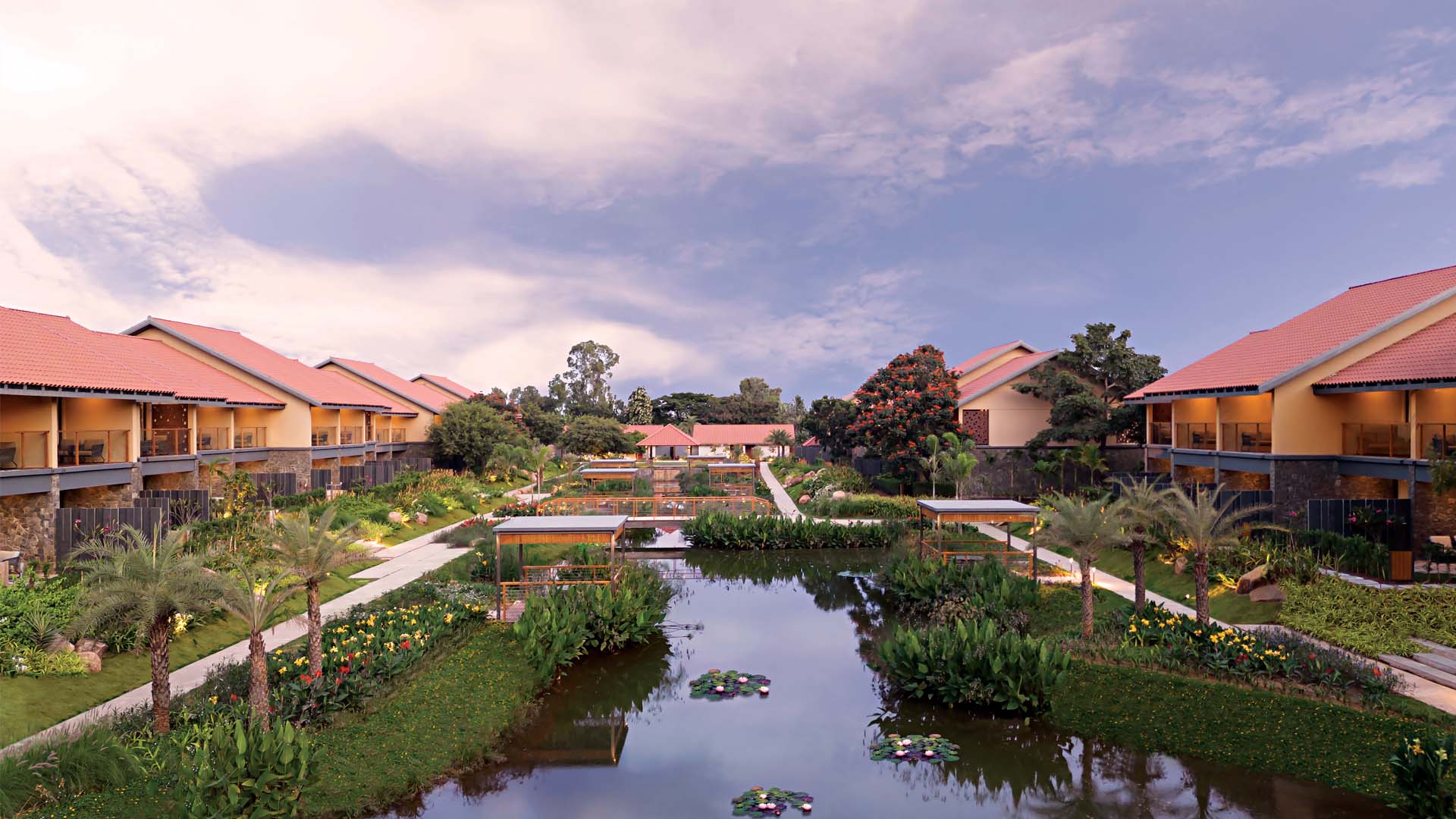
Toby Kyle, Studio Director–Landscape, WATG, argues that the memorable landscape does not announce itself. It ambushes you: "What creates lasting memories are unexpected interactions—light filtering through trees at a particular moment, encounters with wildlife, or sensory experiences that feel spontaneous and authentic. These moments of wonder are what guests carry with them long after their stay." In his previous work on the Grand Hyatt Singapore renovation, he introduced the concept of biodiversity—butterfly corridors, ecological networks—as a wellness design principle.