











Balance Becomes the New Luxury
In 2026, hospitality, travel, dining, and spirits rediscover their soul, embracing connection, meaning, and balance over excess.

By Deepali Nandwani
If there is one unifying thread running through the forecasts shaping 2026, it is this: people are no longer optimising life for excess, acceleration or scale. Across food, travel, design and hospitality, the shift is quieter, more deliberate, and deeply human.
According to Future Forecast 2026 by UK-based The Future Laboratory, consumers across generations—led by Gen Z and younger millennials—are rewriting the rules of enjoyment. The year ahead is less about singular trends and more about a cultural reset in how people eat, drink, travel, socialise and spend. Balance, presence and emotional meaning are emerging as the new aspirational currencies.
Travel and Hospitality
Nowhere is this cultural reorientation more visible than in travel and hospitality. The future of the sector is no longer being written in lines of code alone, but in the quality of connection it enables—between people, systems and the senses. Technology remains indispensable, yet its role will increasingly recede into the background, quietly supporting human interaction rather than taking centre stage.
Future Forecast 2026 by The Future Laboratory underscores this shift, urging hotels to move beyond fragmented digital touchpoints and think holistically about how guests connect with a brand—emotionally, spatially and intuitively—across the entire stay. Travel and hospitality are shifting towards experiences centred on renewal and reconnection, rather than simply sightseeing or leisure. This calls for journeys that connect travellers to people, place, culture and self-reflection.
The Travel & Hospitality Futures report reinforces this direction, calling on brands to foreground human-centred narratives—from curated local engagement to reflective experiences that linger long after checkout. As the report notes, “the future of hospitality is connection between people, systems and senses rather than technology for its own sake.”
Hotelivate India’s Hospitality Trends & Opportunities report similarly reframes travel not as escape, but as belonging. Experience-led stays, wellness-inflected itineraries and locally rooted storytelling are increasingly shaping destination choice. For hotels, this signals a move away from isolated digital interventions towards coherent, human-centred guest journeys that span booking, stay and post-stay.
Technology, in this context, plays a quietly enabling role. Horwath HTL’s Global Hospitality Outlook 2026 identifies AI-driven personalisation, predictive service and seamless digital infrastructure as baseline expectations, but only insofar as they amplify human care. The future is not contactless isolation, but frictionless connection: systems that anticipate needs, support staff empathy, and deepen emotional resonance.
India’s hospitality landscape reflects these global shifts with particular clarity. Insights from ANAROCK and Hotelivate point to strong domestic demand, expanding branded supply beyond metros, and the rise of boutique, heritage and alternative stays. Luxury remains resilient, but it is experiential luxury—rooted in wellness, food and storytelling—that earns loyalty. Mid-market and alternative formats are redefining value through flexibility, localisation and hybrid models.
Booking.com’s Travel Predictions 2026 further reveal a move away from generic holidays towards highly personalised journeys that express identity, curiosity and values. Travellers are rejecting standardised itineraries in favour of experiences that reflect who they are and what they care about.
As travel shifts away from checklist-driven itineraries, value is increasingly measured by emotional impact—by how a stay makes people feel rather than what it lists on paper. Belonging, meaning, and human resonance are shaping journeys, with connection emerging as the defining theme of 2026.
Dining mirrors this evolution. The MakeMyTrip–RedSeer Consumer Travel Insights report notes rising demand for experience-led formats—open kitchens, chef interactions, casual fine dining and sensory storytelling. Comfort has become the new luxury, casual dining the preferred social mode, and sustainability, provenance and wellness no longer differentiators, but baseline expectations.

The future of the travel & hospitality sector is no longer being written in lines of code alone, but in the quality of connection it enables—between people, systems and the senses.
Hotels
As India heads into 2026, the hotel sector is entering a phase of rare alignment—strong demand, rising rates and sustained investor confidence. Forecasts from Horwath HTL and Hotelivate suggest room demand will continue to outpace supply through FY2028, with occupancies projected at 72–74% by FY'26 and average room rates maintaining upward momentum. Branded hotels closed FY'24–25 at an average occupancy of 68%, among the strongest levels in recent years, supported by healthy ADR and RevPAR growth. Mature hotels—those operational before 2012—are leading performance, operating at around 74% occupancy and delivering significantly higher RevPAR than the national average.
This renewed pricing power is already evident. Hotelivate and HVS India commentary points to premium stays bundled with experiential elements—wellness, curated activities and lifestyle-led programming—driving tariff increases of 10–20% on peak dates through late 2025 and early 2026. Indian hotels are entering 2026 with both strong occupancies and the confidence to price for value, underpinned by steady leisure and corporate demand.
Supply, meanwhile, is expanding with intent. Horwath HTL estimates that India’s branded hotel pipeline will add over 114,000 rooms by 2030—a nearly 58% increase—taking total inventory past 300,000 rooms by 2029. What stands out is not just scale, but geography. Hotelivate and HVS data show accelerating investment beyond Tier 1 cities, with Tier 2, Tier 3 and emerging destinations drawing both domestic developers and global brands keen to tap India’s deepening domestic travel base.
Nearly half of this upcoming supply sits in the mid-market and upper mid-market segments, reflecting sustained demand for branded stays that balance comfort with value. For travellers, this translates into better availability and more consistent standards across newer destinations, widening India’s travel map beyond the metros.

The hotel sector is entering a phase of rare alignment—strong demand, rising rates and sustained investor confidence.
A few macro-trends that will shape the hospitality industry
Consumer behaviour is evolving in parallel. Insights from MakeMyTrip and Goibibo indicate earlier planning and more deliberate booking, with premium stays gaining traction even among value-conscious travellers. Price sensitivity is increasingly segmented rather than uniform. Spiritual and niche travel is also emerging as a powerful demand driver, with strong accommodation growth reported across pilgrimage destinations—positioning faith-led travel as a meaningful contributor to hotel demand in 2026.
Operationally, hotels are adapting to longer and more flexible stays as workations and blended travel become embedded behaviours. Across luxury and upscale segments, technology adoption—from smart rooms to AI-led personalisation—is accelerating, aligned with efficiency and experience goals outlined by HVS and Hotelivate. Wellness-led programming is becoming core rather than ancillary, enhancing perceived value and supporting premium pricing.
New business models are gaining momentum as well. MakeMyTrip data shows homestays now account for roughly 10% of room nights sold, reflecting demand for localised, personalised experiences. In response, hotels and OTAs are investing in technology partnerships, AI-powered discovery tools and data-driven revenue management as competition intensifies.
Underlying these shifts are strong macro drivers. Corporate travel and MICE continue to anchor performance in hubs such as Mumbai, Delhi and Bengaluru, while domestic tourism—across leisure, festivals and pilgrimage—remains the sector’s most resilient engine. As multiple industry reports underline, India’s hotel market is not just growing; it is maturing—more segmented, experience-led and confident in its long-term fundamentals.
Luxury continues to pull ahead, with RevPAR growth outpacing mid and economy segments, driven by leisure demand, business travel and the gradual return of international guests. Yet, as Mordor Intelligence notes, India’s luxury supply remains modest by global benchmarks, leaving ample headroom for expansion. The mid-market, which dominates the pipeline, presents a more uneven picture, particularly in Tier 2 and 3 markets where supply risks outpace demand. Here, operational discipline, technology adoption and the ability to serve bleisure and extended stays will be decisive.
Meanwhile, alternative stays—boutique hotels, heritage conversions, branded villas, and homestays—are emerging as experience-led disruptors. As Market Research Future, MakeMyTrip and Skyscanner’s travel trends for 2026 suggest, travellers are increasingly choosing meaning, story and place over standardisation. As India moves into 2026, segmentation, intent and experience are no longer peripheral—they are shaping the very structure of the hotel market.

Operationally, hotels are adapting to longer and more flexible stays as workations and blended travel become embedded behaviours.
Luxury continues to pull ahead, with RevPAR growth outpacing mid and economy segments, driven by leisure demand and business travel.

Wellness
Wellness tourism has become one of travel’s most powerful growth engines, now valued at over USD 1 trillion globally and set to expand sharply over the next decade. According to Precedence Research, the market reached approximately USD 1,032 billion in 2025 and is projected to surpass USD 2,185 billion by 2035, growing at a CAGR of nearly 8% between 2026 and 2035.
Industry data shows rapid expansion in the wellness hotel segment, driven by higher-spending guests who stay longer. Demand is rising for fitness- and detox-led stays, personalised wellness programmes and holistic health retreats. Innovations such as AI-powered sleep tracking, biofeedback tools and sustainable wellness design are further enhancing guest engagement and satisfaction.
Global Growth Insights 2026 notes that hotels are responding by embedding wellness into the core of the stay—from tailored programmes and fitness retreats to AI-assisted health features and digital detox experiences—positioning wellbeing as central to both value and differentiation.

Mixed-Use Developments
These developments blend hotel, residential, office and retail functions into integrated destinations that serve both business and leisure needs. The model is gaining traction in cities such as Mumbai, Delhi and Bengaluru, where demand for flexible living and hospitality formats continues to rise.
For marketers, the opportunity lies in highlighting stay flexibility and the ease of balancing work and leisure. Packages designed for longer stays and workations—combining accommodation, workspace and lifestyle amenities—will be key to attracting remote workers and business travellers and capturing this growing segment.

Spiritual Travel
Pilgrimage travel in India is gaining momentum. MakeMyTrip’s Pilgrimage Travel report notes a nearly 19% rise in accommodation bookings across 56 destinations, pointing to renewed interest in spiritual journeys. Established centres—Varanasi, Prayagraj, Ayodhya, Puri, Amritsar and Tirupati—continue to dominate, while destinations such as Khatushyam Ji, Omkareshwar and Thiruchendur are emerging, signalling a broader geographic spread of spiritual tourism.
Trips are becoming shorter and more intentional: over half are single-night stays, nearly a third last two nights, and 63% of bookings are made within six days of travel. Group travel remains core, with almost half of pilgrims travelling with family, friends or community groups.
While budget accommodation still leads, premiumisation is clearly underway. Mid-range rooms priced between ₹7,000 and ₹10,000 have grown by 24%, and demand for luxury stays is rising, supported by increased supply of hotels, homestays and serviced apartments at pilgrimage destinations. Nearly half of travel packages now combine spiritual visits with leisure or sightseeing, creating hybrid journeys that balance devotion with discovery.

Destination Check-In
Hotels as destinations? Skyscanner’s Travel Trends 2026 report states that hotels are no longer just places to sleep; they are travel experiences in their own right. “Travellers book stays based on unique architecture, amenities, and on-site experiences, treating accommodations as integral to their trip. This happens especially when we are pressed for time, but are in desperate need of a vacation. A nice and comforting hotel stay could mean a lot at times.”
Restaurants and Food
Your table at a restaurant is no longer just about what’s on the plate. It has become a stage for storytelling, connection and experience. This shift sits at the core of Marriott International’s Future of Food 2026 report, which tracks how dining is evolving across India and the Asia Pacific. Drawing on insights from over 30 chefs, mixologists and F&B leaders, alongside data from 270 Marriott properties across 20 markets, the report shows how comfort, culture and technology are reshaping not just what we eat, but how we choose to eat.
In India, dining is becoming increasingly personal and participatory. Guests are seeking multi-sensory, meaning-led experiences—chef interactions, themed evenings and immersive formats where ambience, narrative and performance are integral to the meal. Restaurants are turning dining into events, from tasting menus to sensory storytelling that heightens emotional impact.
Diners are no longer passive consumers; they want to be part of the narrative. The report notes that 65% of Indian guests prefer experience-led dining, while 61% are drawn to interactive formats such as open kitchens and direct engagement with chefs. Today, a meal carries as much emotional and cultural weight as it does flavour.
An equally strong trend is the convergence of theatre, art and food. Restaurants such as Dramique in Delhi, The Second House in Goa and Luna Et Sol in Mumbai exemplify this shift—fluid, mood-driven spaces where AI-led atmospherics meet menus built around shareable plates.
Formality is also giving way to flexibility. Nearly two-thirds of Indian diners now favour quick, casual formats over traditional sit-down meals. This is not a retreat from quality, but a redefinition of luxury. Across Asia, the report identifies ‘fine-casual’ as the new sweet spot—where elevated comfort food replaces rigid multi-course dining, and indulgence feels relaxed rather than ceremonial. Think refined homestyle curries, premium interpretations of street food, and familiar dishes finished with unexpected finesse.
Sustainability, meanwhile, has moved from the margins to the mainstream. Indian diners are asking sharper questions: 82% want to know where ingredients come from, and 73% actively enquire about eco-friendly practices. This reflects a growing awareness that what’s on the plate is inseparable from how it is sourced and produced. Across the region, chefs and social enterprises are working closely with farmers, reviving indigenous ingredients and championing biodiversity, quietly shaping a more responsible food ecosystem.
Discovery is increasingly driven by screens as much as senses. Marriott's Future of Food 2026 notes that 84% of Indian diners rely on digital platforms to discover new restaurants, while 86% trust word-of-mouth recommendations. Visual storytelling and creator-led content are shaping expectations before a reservation is made. Behind the scenes, technology is also transforming operations: over 75% of Asia Pacific properties are using AI-driven tools to manage bookings, personalise menus and streamline service—raising important questions about preserving warmth and human connection in an automated world.
The message from Future of Food 2026 is clear: the future belongs to brands that can balance speed with soul, technology with touch, and comfort with character. Through live cooking stations, cultural storytelling, regional food festivals and thoughtfully elevated casual formats, the table is becoming a place where identity, memory and experience converge—long after the last bite.
Globally, The Future Laboratory’s Now & Next foresight echoes this direction. Menus are shifting towards shared tasting boards and experiential flights that encourage connection, while sensory sips and texturally rich innovations gain ground. It urges hospitality brands to integrate multisensory moments—from aromatic presentations and textured beverages to interactive courses—and to use storytelling to guide diners through sensory journeys of crunch, aroma and temperature. Consumers, it adds, are drawn to offerings rooted in heritage and tradition: familiar flavours, classic pairings and age-old techniques, reimagined for the present.

In India, dining is becoming increasingly personal and participatory.
Some major trends in dining out

Across Asia, ‘fine-casual’ dining is the new sweet spot. Indulgence feels relaxed rather than ceremonial.
Wellness in cuisine
As food and hospitality edge toward 2026, menus are becoming quieter, smarter and more intentional. Wellness is no longer a vague promise of “healthy eating” but a functional lens shaping choice. Reports from WGSN and Horwath HTL and Marriott International’s Future of Food 2026 highlight a clear shift toward gut health, immunity, protein-forward menus and ingredient transparency. In India, this shows up in protein-enriched dosas and breads, millet-led dishes, Ayurveda-inspired bowls, functional beverages and immunity-focused, calorie-conscious menus driving restaurant success.
Hyperlocal
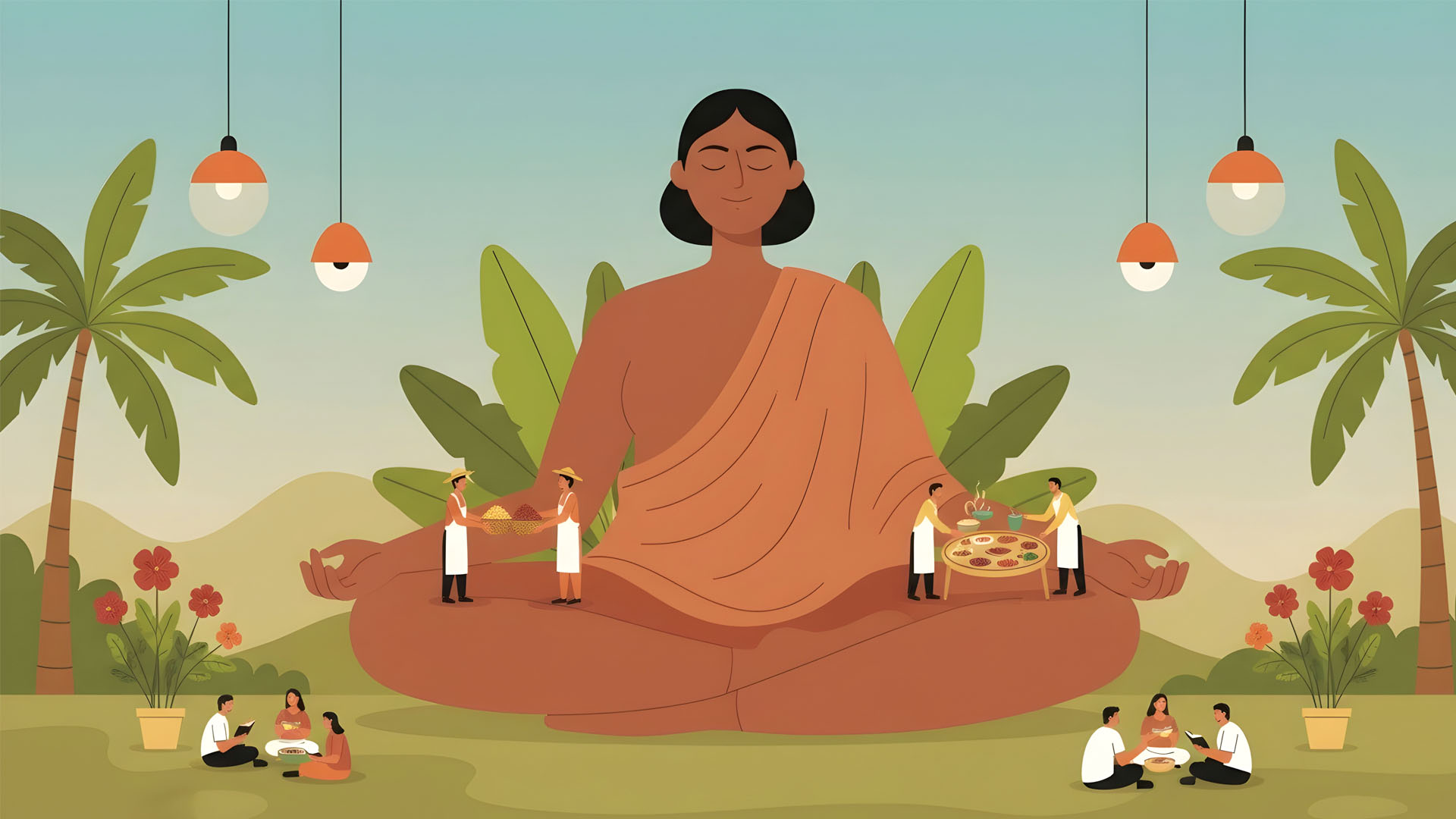
According to Marriott’s report, India’s culinary imagination is turning inward. Hyper-local and regional cuisines are gaining prominence as chefs look beyond familiar geographies to northeast India, tribal regions and lesser-known culinary belts. Forgotten grains and micro-local ingredients are being reintroduced through contemporary plating and nuanced storytelling, allowing authenticity and modernity to coexist on the same plate.
Sustainability
Sustainability is no longer a peripheral talking point. Global hospitality research shows climate consciousness reshaping both menus and operations, with zero-waste kitchens, local sourcing, composting and even carbon labelling becoming everyday practice. In India’s urban markets, diners are gravitating toward restaurants that foreground seasonal produce, transparent farmer partnerships and eco-friendly packaging—clear signals that sustainability has moved from a narrative to operating principle.

Technology
Operational flexibility is defining the next phase of restaurant growth. Ghost kitchens, hybrid dine-in and delivery models, and tech-led efficiencies—from AI-driven forecasting to smart POS systems—are now foundational, not experimental. Restaurants are being designed to serve physical and digital guests with equal fluency, particularly in delivery-heavy markets. Smart formats range from automated QSR kitchens to digital-first premium concepts and hybrid cloud models, enabling sharper demand forecasting, reduced waste and better guest experiences. Even the dining room is evolving, with immersive tech, augmented visuals and sensory cues turning meals into a quiet theatre.

Flavour Profile
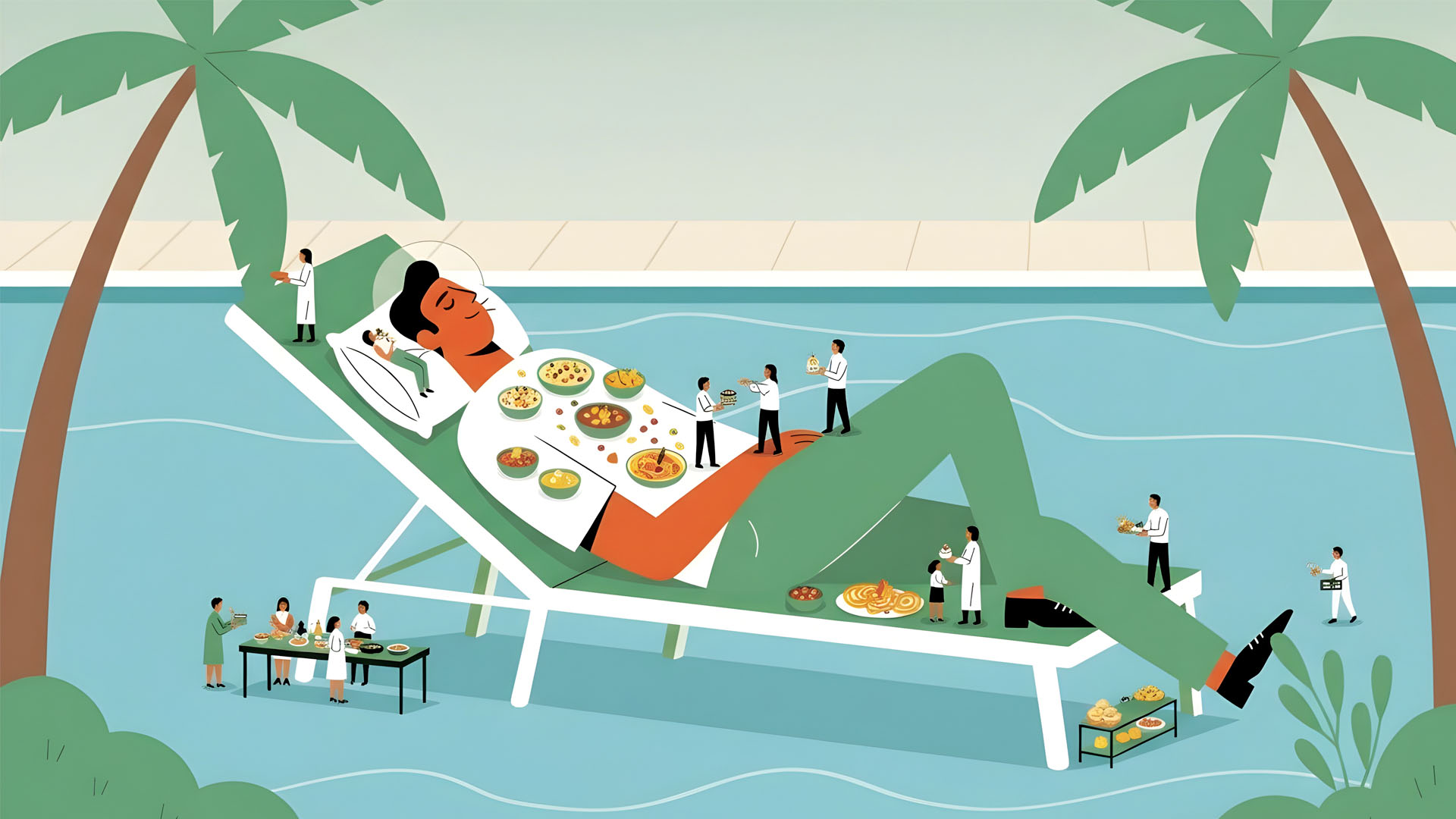
Flavour is moving between comfort and curiosity. Global forecasts suggest 2026 menus will lean into nostalgia, but layered with international complexity—elevated comfort foods that feel familiar yet quietly surprising. In India, this plays out through reimagined regional classics, where local flavours meet global technique. Texture is becoming just as critical, with contrast and crunch shaping experience, while fruit-forward notes and unexpected accents are prompting chefs to rethink familiar palettes.
Revival of forgotten techniques
Cooks are digging into the past to redefine the future. Age-old methods such as smoking, pickling, fermenting, and dry-aging are sliding back into mainstream kitchens not as gimmicks, but as serious skill sets. These aren’t just nods to nostalgia. They bring depth, complexity, and preservation smarts that modern tech doesn’t replace, especially as food costs rise and sustainability tightens its grip on the industry.

Boutique fine-dining
Guests are gravitating toward restaurants anchored in strong storytelling, refined ambience and tightly curated menus. Boutique fine-dining spaces with signature tasting formats, global-fusion expressions and thoughtful beverage programs are set to stand out. For seasoned hoteliers and chefs, this presents an opportunity to craft immersive dining journeys that command higher ticket sizes, attract affluent audiences and justify their place in prime urban locations.

Micro format restaurants
Smaller cities are displaying a strong appetite for quality dining and organised restaurant chains. Compact micro-formats—typically 400 to 800sq.ft—are set to define these markets. From biryani takeaways and kebab stations to South Indian breakfast spaces and Indo-Asian express kitchens, these smart, efficient layouts are both franchise-friendly and highly scalable, making them ideal growth vehicles beyond metros.

Food from the margins
Overlooked and historically marginalised regions are stepping into the fine-dining spotlight. Chefs are tracing personal lineages and travelling deeper in search of flavours that remain uncommodified. As indigenous and diaspora influences shape high-end plates, culinary maps are being redrawn—positioning once-untapped regions as the next gourmet frontier.

AI optimised menus
Restaurants aren’t just guessing what you’ll want anymore, they’re using data to show up five steps ahead of you. By tapping into AI, chefs and managers are now predicting crowd preferences based on previous orders, local events, weather, and even what’s trending online that week. Seasonal demand? AI clocks it faster than any human could, helping kitchens prep smarter.

Drink
One of the clearest signals of the hospitality industry’s ongoing reset is visible in how people are choosing to drink. Future Forecast 2026 identifies the rise of “zebra-striping”—the practice of alternating between alcoholic and non-alcoholic beverages—as emblematic of how younger consumers are reshaping pleasure around longevity, choice and wellbeing rather than excess. This sentiment echoes across global outlooks such as London-based WGSN’s Future Consumer 2026 and Food & Drink Trends 2026, and The Future Laboratory’s foresight reports.
Design cues such as biomorphic branding, softer visual languages and co-creation techniques point to a more immersive, intuitive engagement between consumers and products. WGSN notes a dismantling of binary ideas of indulgence versus restraint, particularly among Gen Z and younger millennials.
Hospitality menus are already responding. According to Innova Market Insights, lighter cocktails, functional non-alcoholic beverages, dessert-led formats and shared tasting experiences are privileging togetherness over intoxication. The Future Laboratory’s Now & Next foresight highlights dessert-flavoured soft drinks, nostalgia-driven profiles and heritage fermentation techniques as expressions of emotional comfort and familiarity. “The trends reflect a shift away from extremes toward more thoughtful, intentional eating and drinking practices,” it notes.
This shift—from consumption to context—is playing out just as clearly in the spirits world. According to Hemanth Rao, founder of SMAC India, the bottle itself is increasingly only the starting point. What today’s consumer values is the story behind it: the craft, the provenance, the learning and the shared moment that unfolds around a drink. As Rao sees it, the experiential economy is less about selling spirits and more about creating environments where connection, curiosity and community take precedence over volume or velocity.
Beverage lists are expanding to include textural, aromatic and multisensory drinks, while menus are moving towards shared boards, tasting flights and experience-led formats.
This shift is now clearly playing out on the ground. Across India, bar formats are diversifying rapidly, moving away from cookie-cutter templates. “Entrepreneurs are increasingly well-travelled and thoughtful, even when they do not come from the bar world,” says Vikram Achanta, Founder, Tulleho, and Co-founder, 30 Best Bars India and India Bartender Show. “In Mangalore, for instance, architect Akhila Srinivas has created multiple distinct concepts within a single space by aligning herself with professionals who understand bar culture and craft. The result is a layered, experience-led environment rather than a singular, one-note venue.”
Several bartenders are stepping into ownership roles. Names such as Jishu from Eka, Aarti Mestri, and Avinash Kapoli in Bengaluru point to a deeper shift in authorship. With this, the sensibility changes. There is greater authenticity, a sharper understanding of rhythm and service, and a clearer sense of what makes a bar sustainable beyond novelty.
Wine bars, too, are finding renewed momentum, alongside niche-driven spaces focused on specific categories—agave, mahua and other indigenous or specialist spirits, from Call Me Sofia, the aperitivo bar by AD Singh, to the Mahua Bar in Mumbai’s Bandra Born, or the Martini Bar at Indian Accent, Delhi. Operators are no longer trying to be everything to everyone. Instead, they are identifying a clear focus and building experiences around a singular point of view. Informality, Achanta notes, is often the common denominator behind success.
Celebrity-backed brands are increasingly visible, particularly in vodka, tequila and whisky. Yet, as Achanta points out, celebrity alone is no guarantee of success. Credibility, depth of involvement and long-term commitment to storytelling matter far more.
This return to clarity is also evident in what’s being poured. Classic cocktails are making a confident comeback—not as rigid reproductions, but as thoughtful riffs. Manhattans, Old Fashioneds and other familiar templates offer comfort and recognition, even as bartenders layer in creativity. Their endurance lies in balance and restraint, a DNA that has kept them alive for decades.
This emphasis on story and shared meaning sits at the heart of the experiential economy Hemanth Rao describes. Whether through curated whisky tastings for CXOs, intimate wedding celebrations built around rare bottles, immersive whisky trails in Japan or Scotland, or personalised bottlings that commemorate life milestones, spirits are increasingly being positioned as memory-makers. The value lies not in ownership, but in participation—in learning, in sharing and in belonging.
Across sectors, the patterns are unmistakable. Consumers are no longer chasing novelty for its own sake. They are choosing rituals over products, meaning over momentum, and connection over spectacle. The future, as 2026 approaches, is being shaped less by disruption—and far more by discernment.
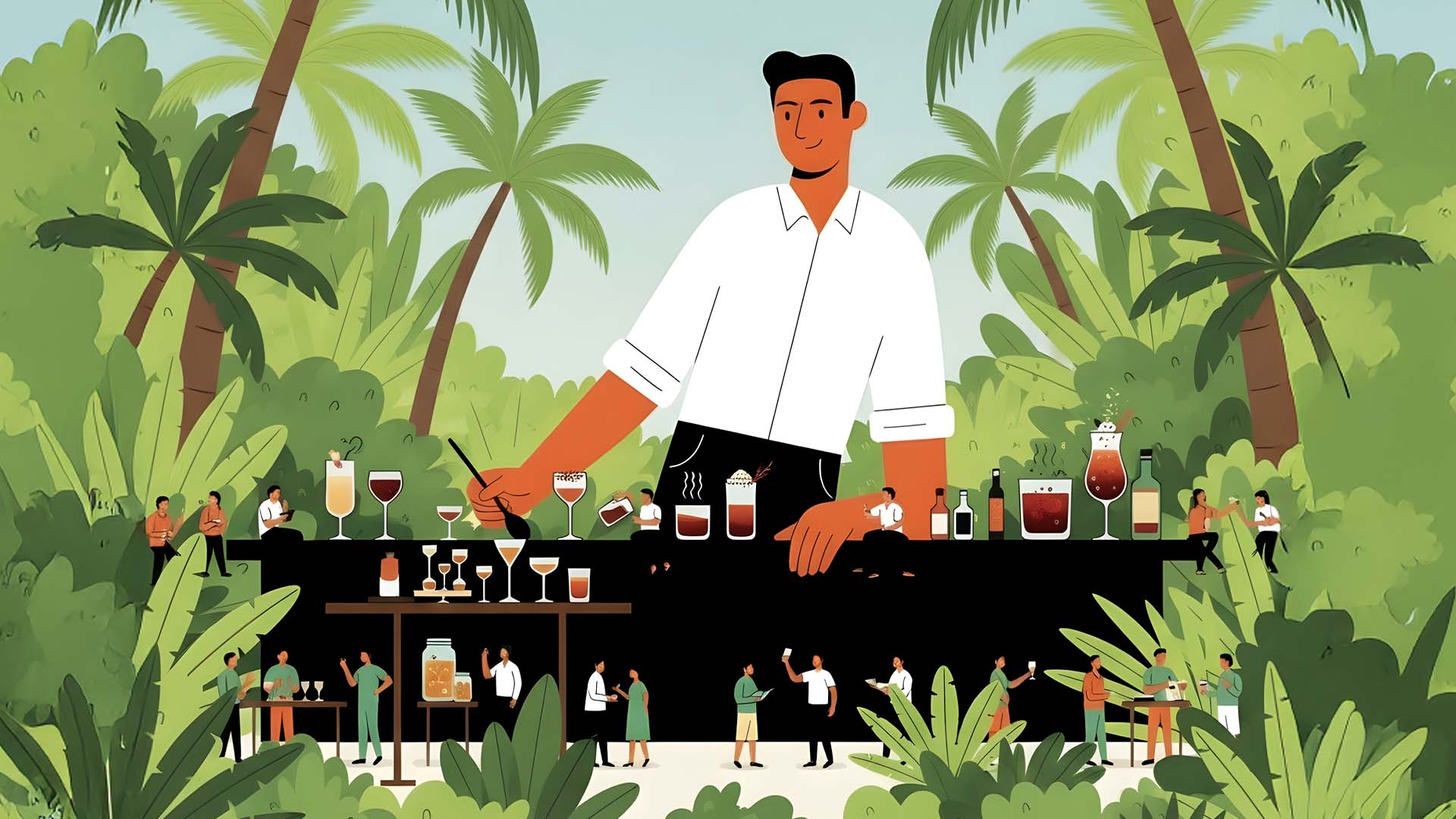
Wine bars are finding renewed momentum, alongside niche-driven spaces dedicated to agave, mahua and martini.
The Top 3 Global Consumer Trends for 2026
Relaxed Sociability
The way people socialise is shifting—from formal, late-night, alcohol-led gatherings to more informal, daytime and health-conscious occasions. Innova Market Insights research shows that 59% of consumers prefer casual socialising, while 17% favour formal gatherings. Shared food has emerged as a central connector, with 45% citing eating together as a key source of social connection, second only to family.
Me-time
Solitude is being redefined as positive, restorative and essential to well-being. One in three consumers deliberately spends time alone to manage stress, while 29% view indulgent food and drink as part of their ‘me time,’ especially among Gen Z. As an Innova trendspotter notes, “It’s about the right to disconnect—switching off after work, declining social plans, prioritising sleep.” For hotels, this calls for soulful, restorative spaces that blend wellness and rejuvenation with opportunities for solitude.
Wellness
Longer lifespans, a focus on healthy living, and greater access to health information and tracking are driving demand for solutions that optimise long-term vitality. Globally, the top physical health concerns are sleep, weight and energy. For hotels and restaurants, this translates into wellness programmes centred on holistic health. Amid stress and complexity, 29% of consumers have simplified their lives to boost mental well-being, while 31% turn to time outdoors in nature to manage stress.
Rewriting the Rules of Travel Value
Travelling for wellness
Travellers are increasingly weaving beauty, wellness, and self-care into their journeys. Skyscanner notes a rise in trips focused on skincare, spa treatments, and beauty rituals. Destinations like Seoul, Tokyo, and Paris are emerging as hotspots for rejuvenation, from K-beauty experiences to French apothecaries. These ‘Glowmads’ travel not just to relax, but to restore, refresh, and reinvent themselves.
Culinary travel
Shelf Discovery is a travel trend wherein travellers explore local markets, supermarkets, and speciality shops to uncover authentic flavours and hidden food gems. From sampling rare cheeses in France to street snacks in Bangkok, more travellers are experimenting with food—embracing the “eat like a local” ethos. This trend especially appeals to budget-conscious travellers seeking genuine culinary experiences without overspending.
Escape to the mountains
The Skyscanner Travel Trends 2026 report talks about mountains being no longer just winter destinations. “Travellers are seeking high-altitude getaways throughout the year, drawn by serene landscapes, crisp air, and fewer crowds. They are booking stays in alpine lodges, mountain retreats, and hill stations, even outside peak season.”
Solo travel
Solo travel is evolving into a purpose-driven experience. Travellers seek personal growth, emotional connection, and meaningful engagement with local communities. Solo travellers in 2026 are looking for destinations where they can volunteer, participate in local rituals, or join group activities.
Romantasy retreats
Inspired by the global boom in fantasy and romantic fiction, Booking.com suggests that nearly 91% Indian travellers have expressed interest in destinations that recreate a mythical world of dragons and fairies.
Humanoid homes
It signals the future of vacation rentals, with 94% Indians open to booking AI-and-robot assisted, states the Booking.com report. Travellers are drawn to cleaning bots, automated chefs, and energy-efficient smart systems that blend convenience with novelty.