












Beyond Hotels: Can Alternates be the Answer?
As the traveller looks at stay options beyond hotels, a whole alternative segment is emerging. Can it bridge the shortfall between demand and supply in India?

By Suman Tarafdar
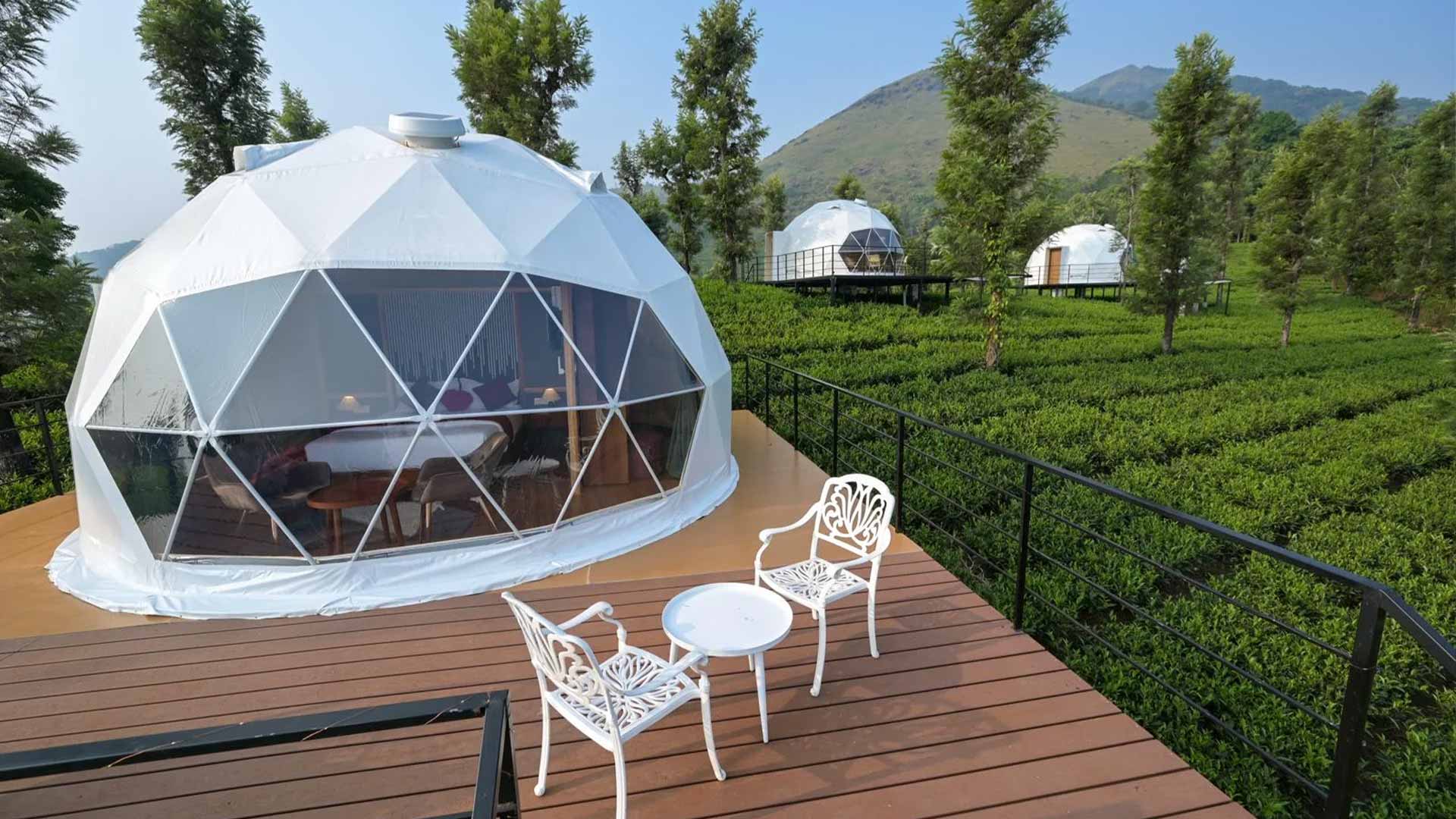
Indian hospitality has been growing at record rates in the post Covid era. Despite that, India has a huge shortfall of branded hotel room supply, even as demand grows. Can alternative accommodations – read homestays, vacation rentals, service apartments, villas, hostels and more – be the answer?
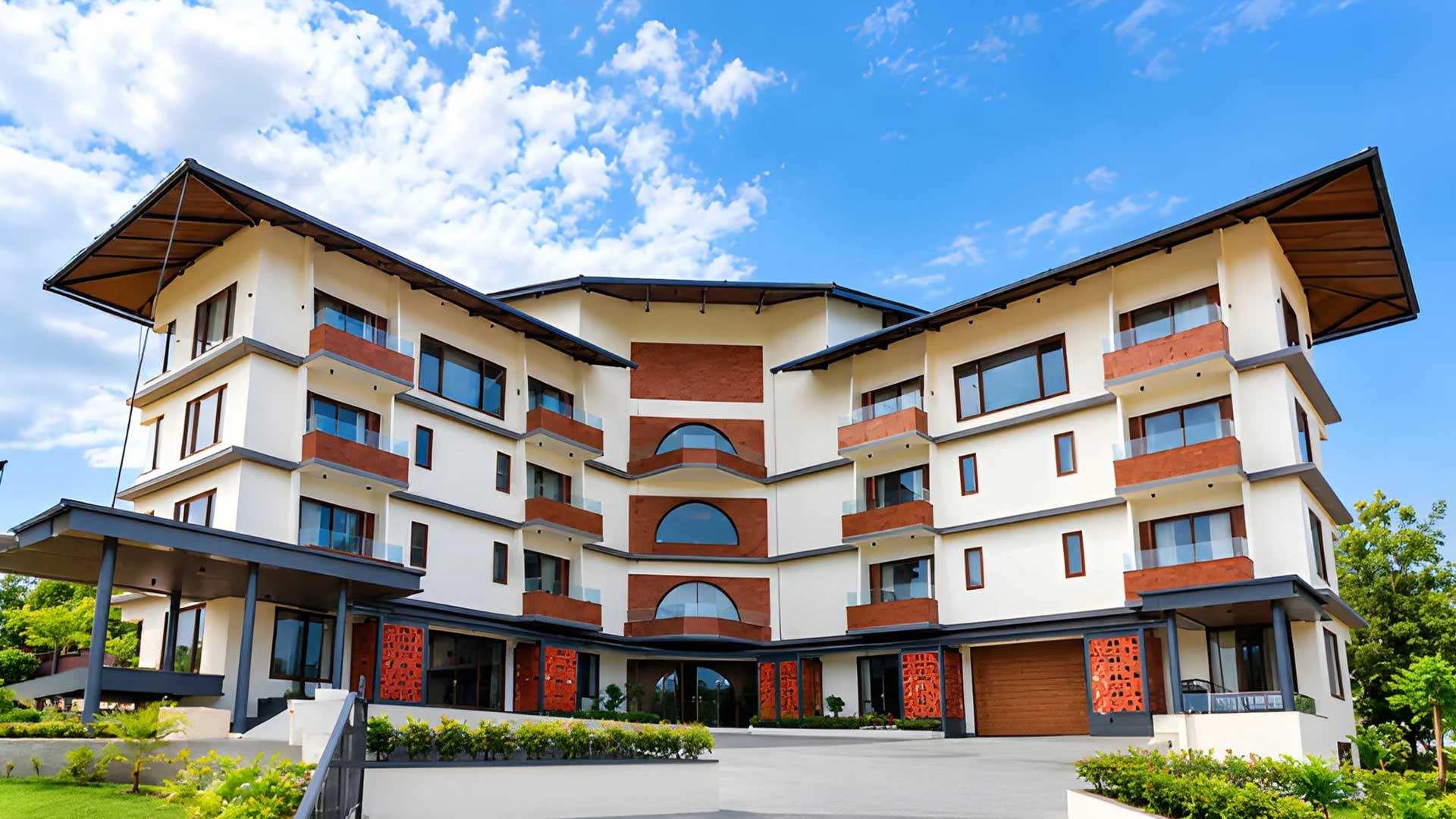
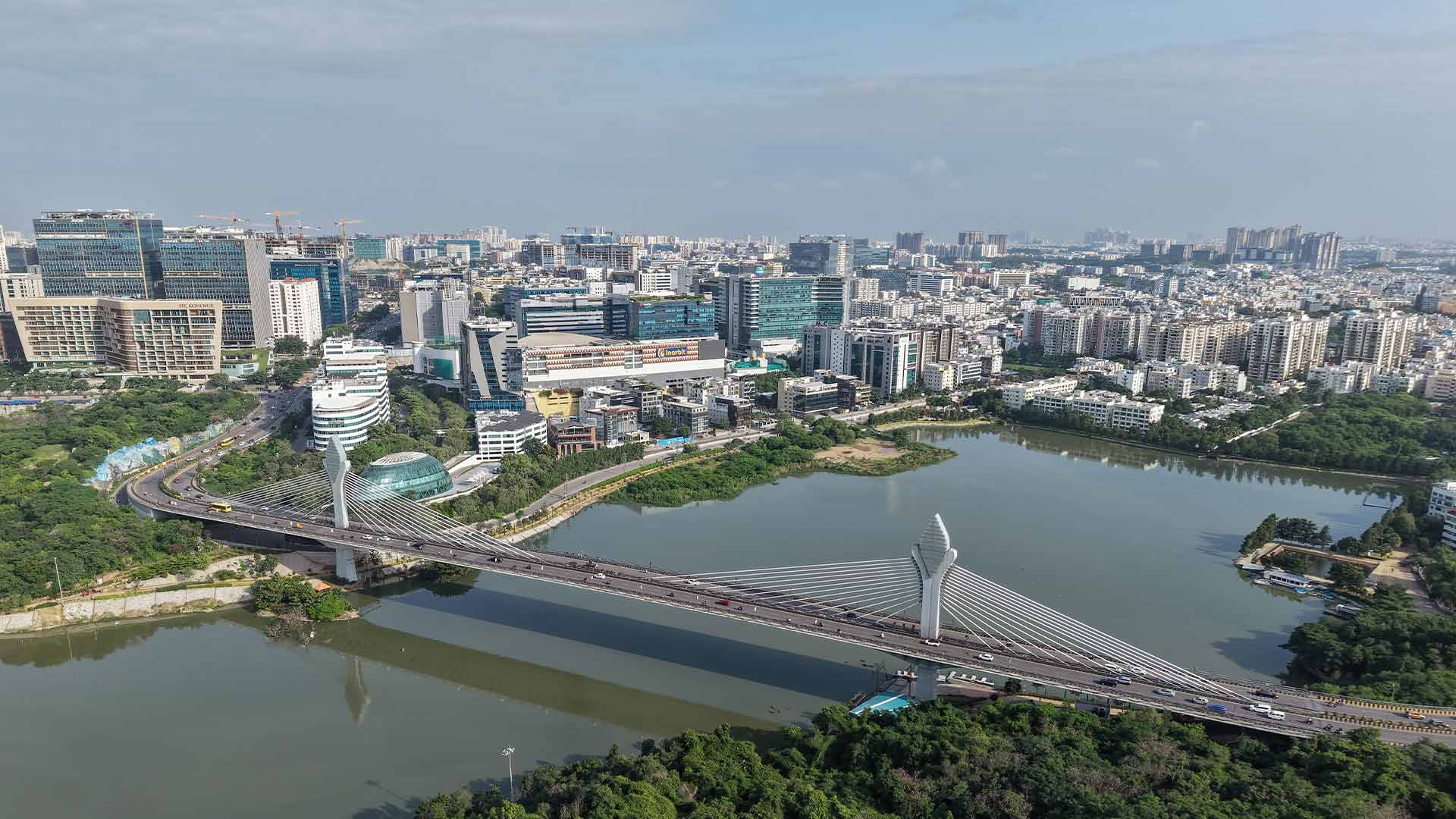
Suman Billa, IAS, Additional Secretary & Director General, Ministry of Tourism, Government of India, points out that “the demand is exploding, the supply side is not keeping up. We have 2,00,000 branded hotel rooms, along with 1.5 million unbranded hotel rooms. By all estimates, we should have doubled, if not tripled.”
Billa however, does have suggestions to overcome this shortfall. “India has a lot of speculative investment in real estate – properties that are not in productive use. So, there is a big opportunity to meet this large gap.

Laura Houldsworth, Managing Director & Vice President for Asia Pacific at Booking.com.
That is where the alternatives come into play, as given the way Indian real estate works, it will take time for the shortfall to be met. “Even if you start to build all these hotels today, and there are a lot of hotels in the pipeline, you will still require a lot of accommodation.”
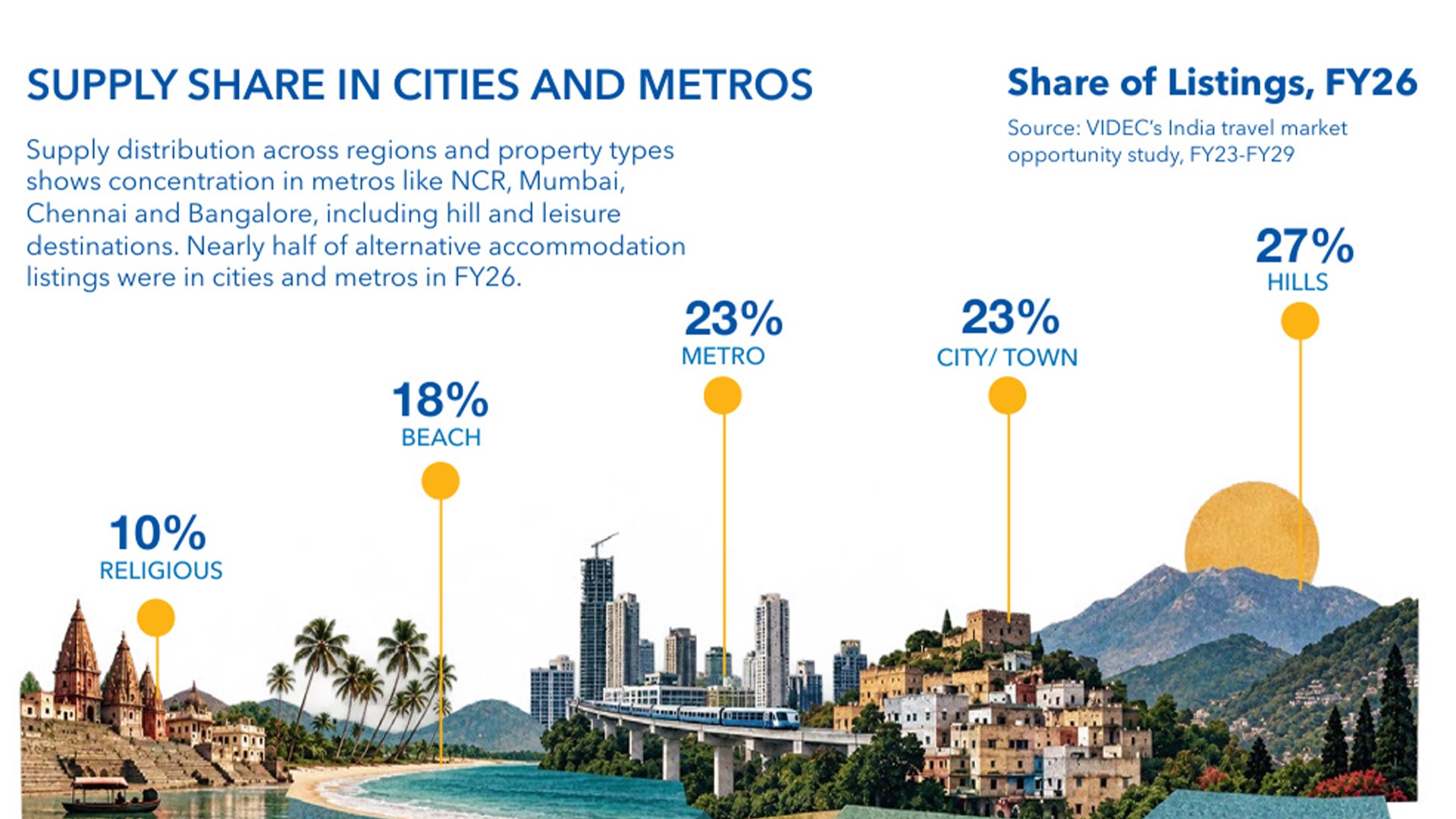
According to VIDEC’s India travel market opportunity study, FY23-FY29, the alternative accommodation market has expanded rapidly over the last three years with digitally distributed listings increasing from 102,200 in FY23 to 215,000 in FY26.
A study by Booking.com, and research firm VIDEC Consultants, highlights a fundamental shift in Indian hospitality: alternative accommodation, encompassing vacation rentals, apartments and other non-traditional accommodation options, is rapidly transforming from a niche preference into an increasingly important part of India’s travel economy.
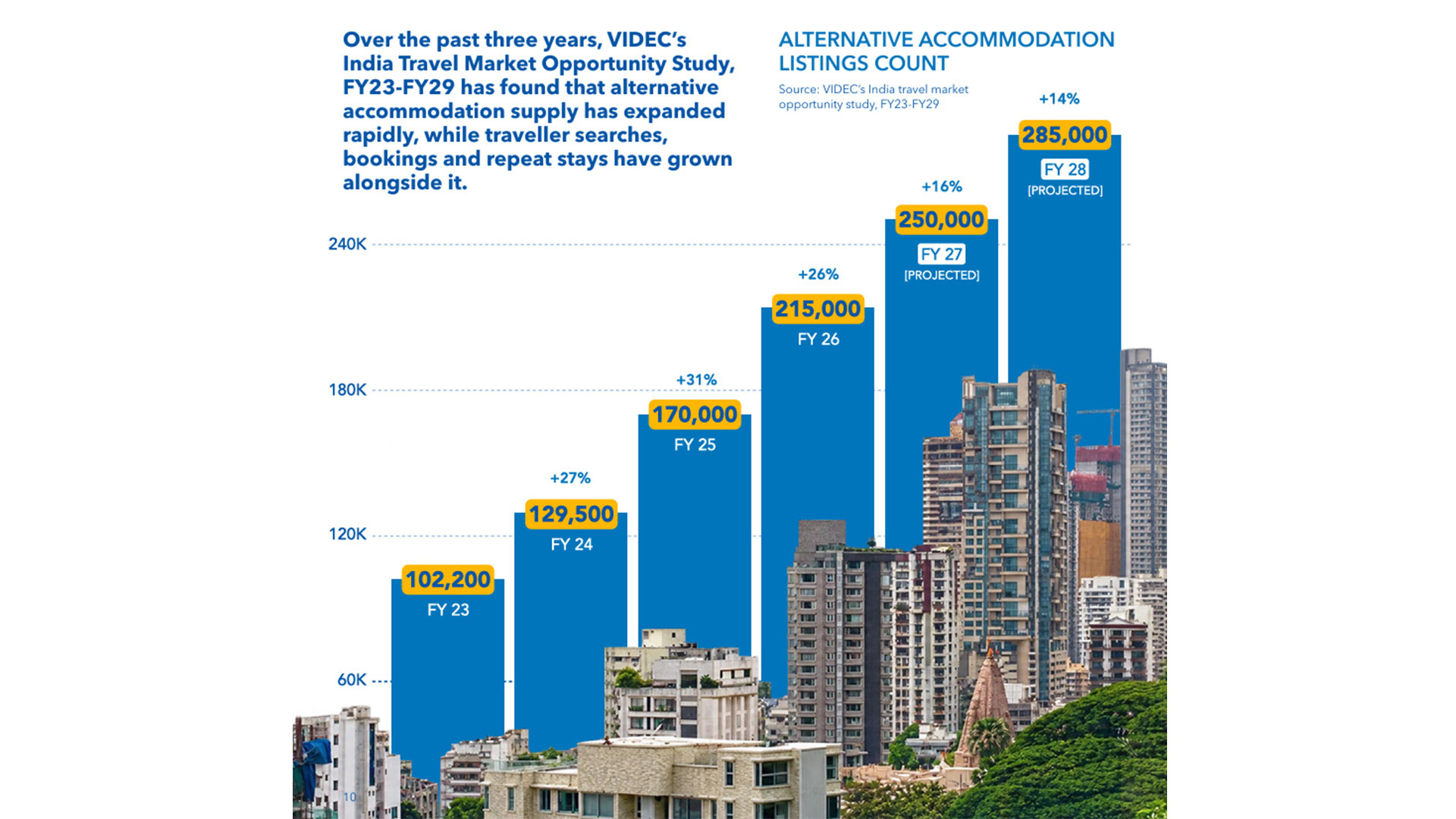
According to the study, the segment’s total Gross Booking Value (GBV) is projected to reach ₹415 billion by FY29, reflecting its growing contribution to India’s broader ₹8,200 billion travel market. Although supply growth is expected to moderate after a 26% surge in FY26, the segment’s GBV is still projected to grow at 21.2% CAGR through FY291, outpacing the overall travel market.
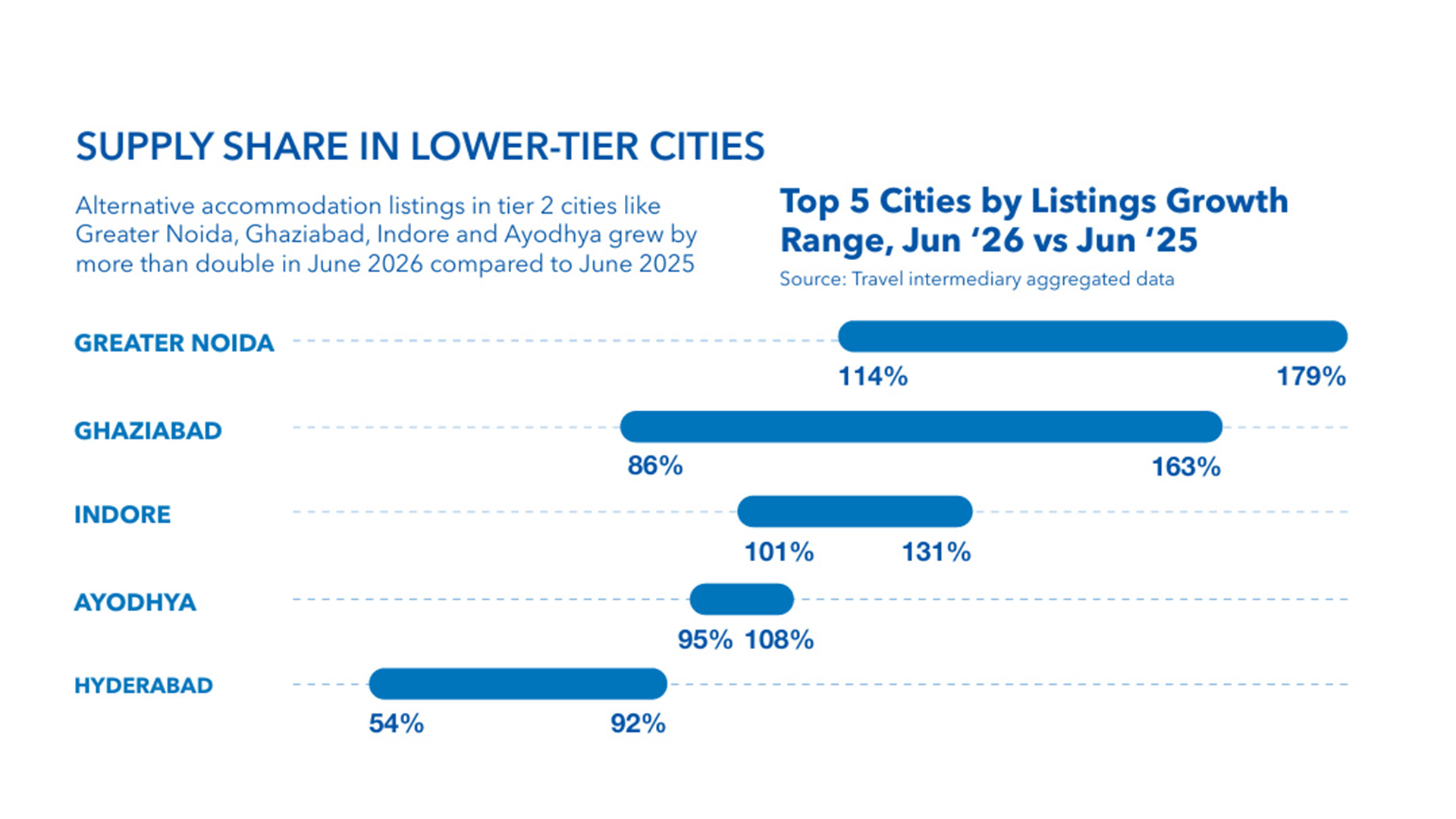
According to Santosh Kumar, Regional Head, South Asia at Booking.com, “The overall growth of alternative accommodation marks a major inflection point in India’s travel economy. We are seeing a fundamental shift where alternative accommodation is no longer just supplementary inventory, it is actively driving tourism expansion in non-metro markets and regional hubs.”
“What began as niche hosting has evolved into a core driver of modern travel culture,” points out Kumar. “Alternative accommodation is no longer an “alternative”, it has become an integral way for people to experience destinations in a more authentic, deeply connected manner.”
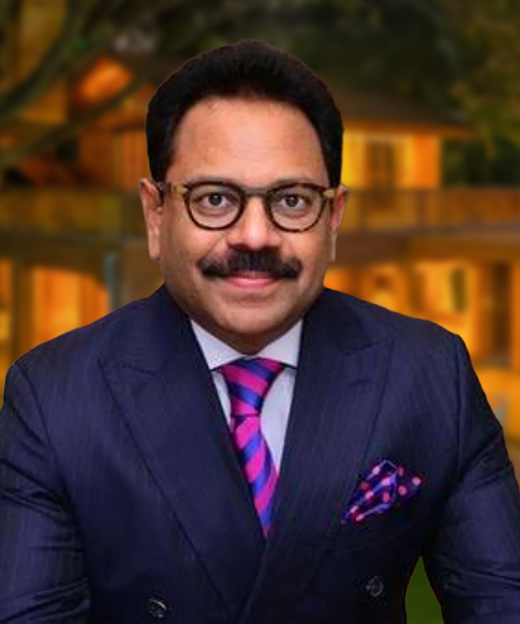
Suman Billa, IAS, Additional Secretary & Director General, Ministry of Tourism, Government of India.
Laura Houldsworth, Managing Director & Vice President for Asia Pacific at Booking.com, agrees that filling the supply gap is where the opportunity lies. “Post Covid, there has been a desire amongst travellers to experience something quite unique – and that has tended to lead to an alternative type of accommodation.”
For Virendra Jain, Co-Founder & CEO, VIDEC Consultants, “India’s alternative accommodation segment is entering a new phase of maturity. What began as a largely fragmented supply base is becoming an important part of the country’s wider travel ecosystem, supported by growing demand, digital distribution and improving operating capabilities.”
For Jain, the opportunity now lies in strengthening the foundations of this growth through greater formalisation, technology adoption, consistent quality and destination-level infrastructure, while ensuring that the diversity and local character of these stays remain at the heart of the experience.
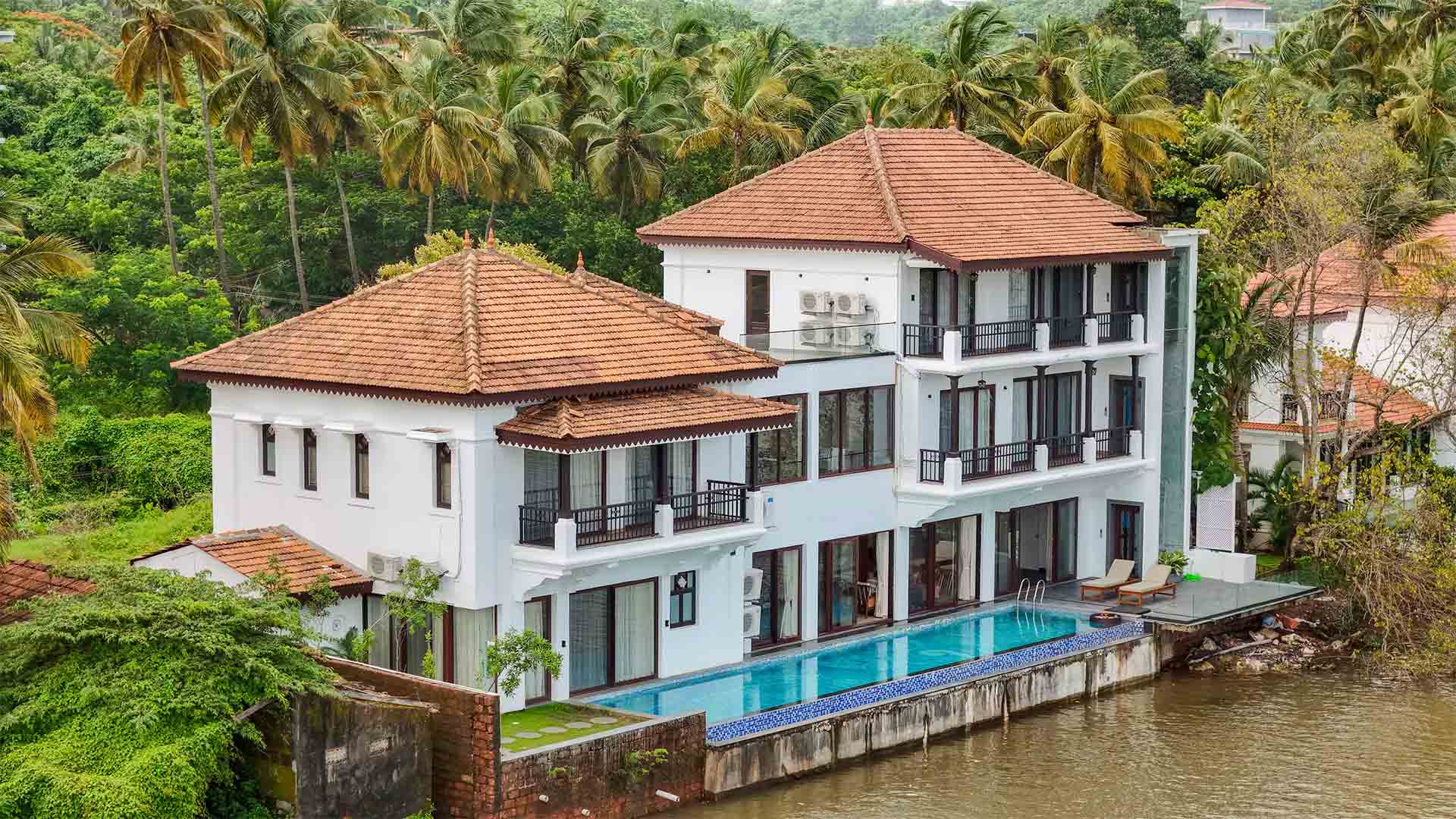
Billa also points to the different problems associated with the rapid expansion of this section. “One is the standard of service delivery. The other is the challenge of perception of alternative accommodations. However, there are states such as Kerala and Goa, which are well established and the alternate accommodation is often better than their hotels.
Nevertheless, Billa is optimistic about the growth potential of the segment in India. “If you pinpoint anywhere in the world which is right for alternative accommodation, I think India would be that place. We have a large talent pool of people who are looking for jobs, and we need to create jobs where they are located.”
Kumar too is optimistic about growth in the segment. “In many ways, alternative accommodation has done for travel what the Indian Premier League did for cricket. It has transformed how people travel, democratized the industry, put lesser known neighbourhoods on the map and unlocked a wave of micro-entrepreneurship for homeowners across the country.”
The report ‘How India Travels™ 2026 - The Home Edit’ by Booking.com, one of the world's leading digital travel platforms, in partnership with travel advisory firm VIDEC Consultants, was the fourth in the series and released recently in Delhi.
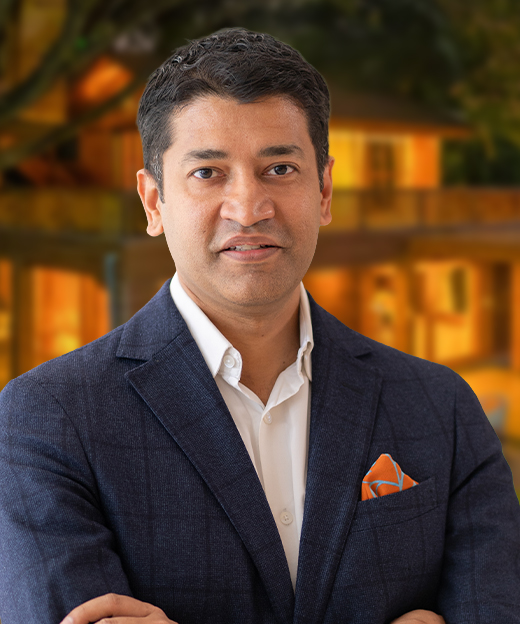
Santosh Kumar, Regional Head, South Asia at Booking.com.