











Boutique Play: How Rosastays Is Scaling India’s Experiential Hospitality
Rosastays’ recent acquisition by UHM reflects la broader shift. Boutique hospitality is no longer a niche — it is increasingly recognised as a strategic growth segment that complements traditional branded hotels.

By Suman Tarafdar
Indian hospitality is on high, riding a wave of unprecedented growth – adding record inventory, reporting its best rates ever, expanding to new geographies and segments, there is still a gap between demand and supply. According to a report by the Ministry of Tourism released in 2025, the country needs over 2,00,000 additional hotel rooms to meet rising demand. Branded hotels are projected to reach 3,00,000 by 2029, leaving a considerable shortfall. In November 2025, ICRA forecast premium hotel room supply growth at 5-6%, while demand is expected to surge at 8-10%.
Enter boutique players. One of the newer entrants in the space, Rosastays, which was launched in 2023 with the objective of building a professionally managed platform for boutique villas, heritage homes and experiential stays, was recently acquired by United Hospitality Management (UHM), a global luxury and mixed-use hospitality management firm. Rosastays represents a new generation of hospitality businesses in India — bridging the gap between independent hospitality and organised hotel systems, explains Deepika Arora, Managing Director, United Hospitality Management (UHM) India, in an exclusive interview for SOH.
Excerpts from the same.
Rosastays is an integral part of United Hospitality Management’s India growth strategy.
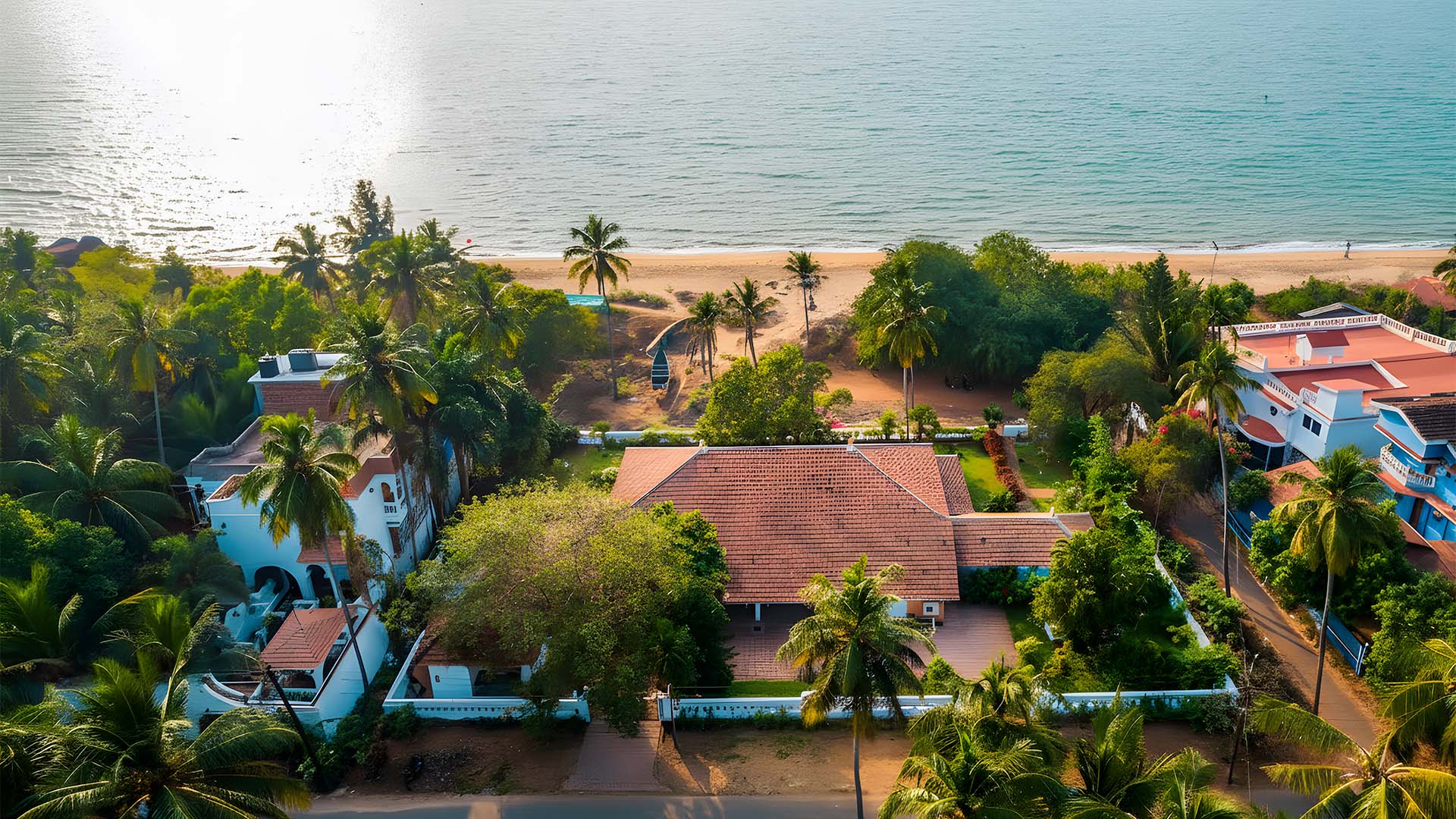
The brand was launched in 2023 with the objective to build a professionally managed platform for boutique stays.
Could you tell us about the journey of Rosastays? How will its acquisition by UHM impact its future?
Rosastays was launched in 2023 with a clear objective: to build a professionally managed platform for boutique villas, heritage homes and experiential stays that combine individuality with operational consistency. The brand was conceived for travellers seeking more than a conventional hotel room — those who value privacy, thoughtful design, local culture and immersive destination experiences, alongside the assurance of safety, reliability and service standards.
Today, Rosastays is an integral part of United Hospitality Management’s India growth strategy, strengthening our presence in boutique, lifestyle and experiential hospitality. The platform operates a curated portfolio across key leisure destinations, with a strong focus on character rich properties, host-led hospitality and destination-centric travel.
How does it view the market for boutique and independent stays in India? What is the potential vis-à-vis the branded segment?
India’s branded hotel segment continues to grow at a healthy pace, particularly in the mid-scale categories, supported by strong domestic demand, loyalty ecosystems and structured distribution. This segment will remain an important pillar of the country’s hospitality growth. At the same time, a large proportion of India’s accommodation supply still lies in the independent and unorganised segment. Many of these properties are well-located and experience-rich but lack professional management, brand visibility and access to distribution. This creates a significant opportunity for boutique and lifestyle platforms that can organise and elevate this supply without erasing its individuality.
The acquisition of Rosastays by United Hospitality Management reflects a broader industry shift. Boutique hospitality is no longer a niche — it is increasingly recognised as a strategic growth segment that complements traditional branded hotels. Together, these models address different traveller needs while expanding the overall market. United Hospitality Management’s third-party operating approach, combining deep Indian market insight with a global hospitality framework, allows us to build sustainable, long-term value for owners rather than simply operating hotels under a label.
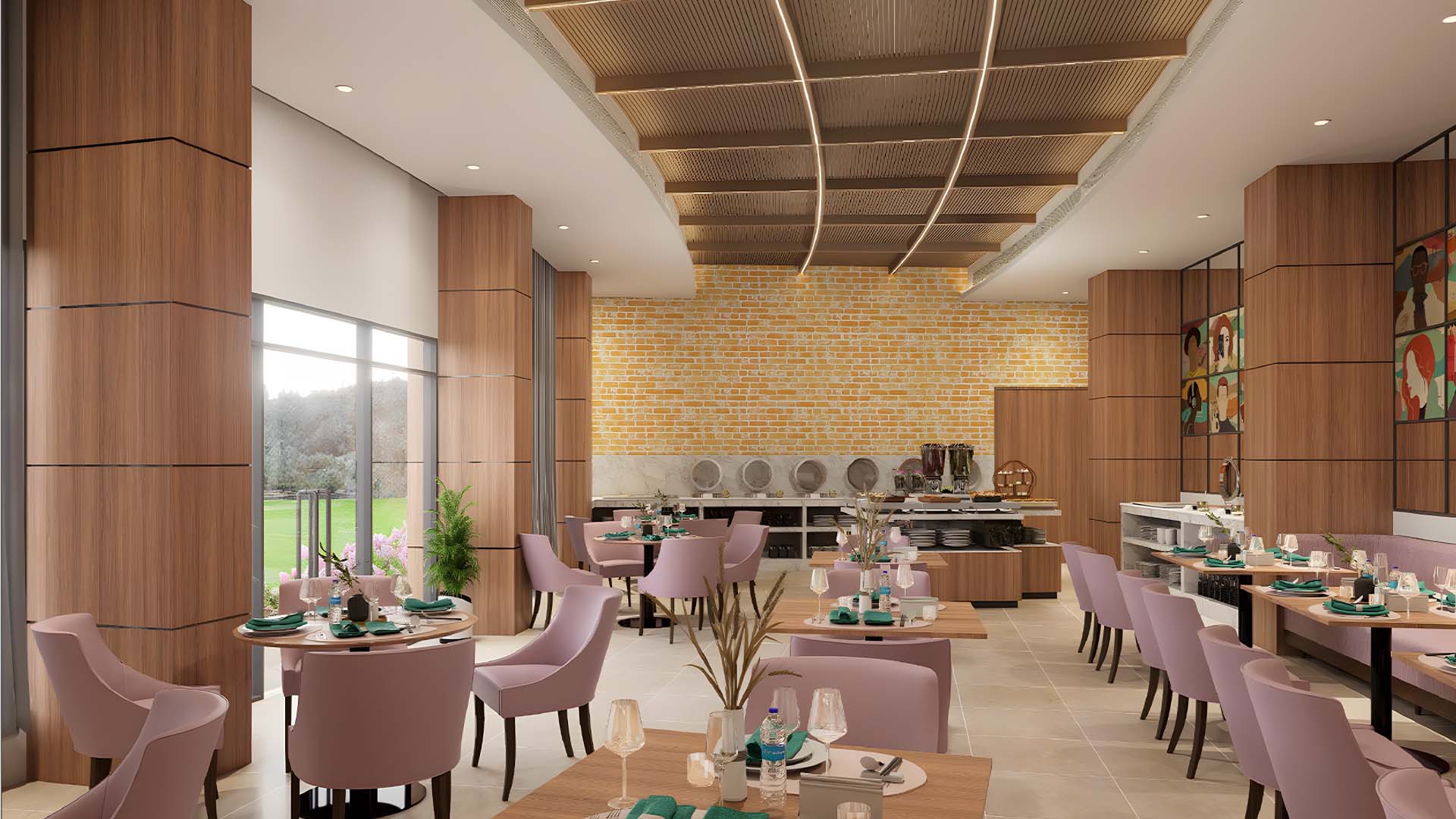
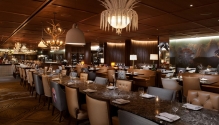
The focus is curating properties defined by strong design sensibilities, local narratives and experiential depth.
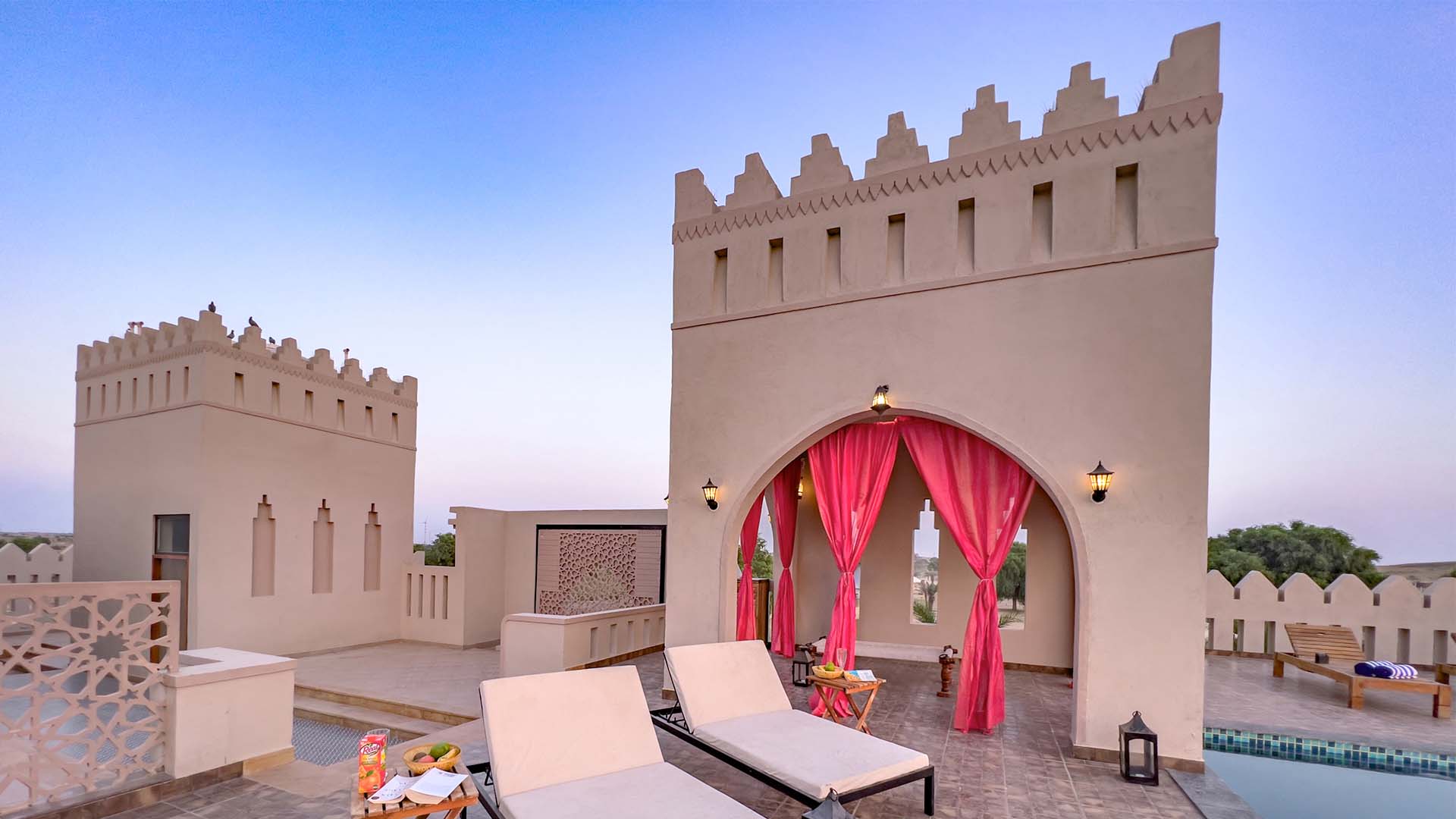
The brand operates a curated portfolio across key leisure destinations, with a strong focus on character rich properties, host-led hospitality and destination-centric travel.
Who is the main TG for the brand?
We primarily cater to urban, experience-driven travellers who value authenticity, thoughtful design and individuality over standardised hotel formats. This includes young professionals, couples, small families as well as leisure or bleisure travellers seeking meaningful destination led stays.
The brand also resonates with international travellers and discerning domestic guests who are looking for locally rooted experiences supported by professional management, consistent service quality and trusted brand standards.
How many properties does it have currently?
We currently operate a growing portfolio of boutique and experiential properties across key leisure and destination markets in India. Our expansion strategy focuses on curating distinctive villas, heritage homes and small-format boutique stays, rather than developing large, standardised hotel assets. Today, we manage close to 280 rooms across 17 operational properties and are on track to add over 700 rooms in the coming year, positioning the platform among India’s fastest-growing lifestyle hospitality portfolios.
As a third-party operator, we work closely with property owners through management and revenue-share models, helping unlock long-term asset value through branding, professional operations, distribution and yield management.
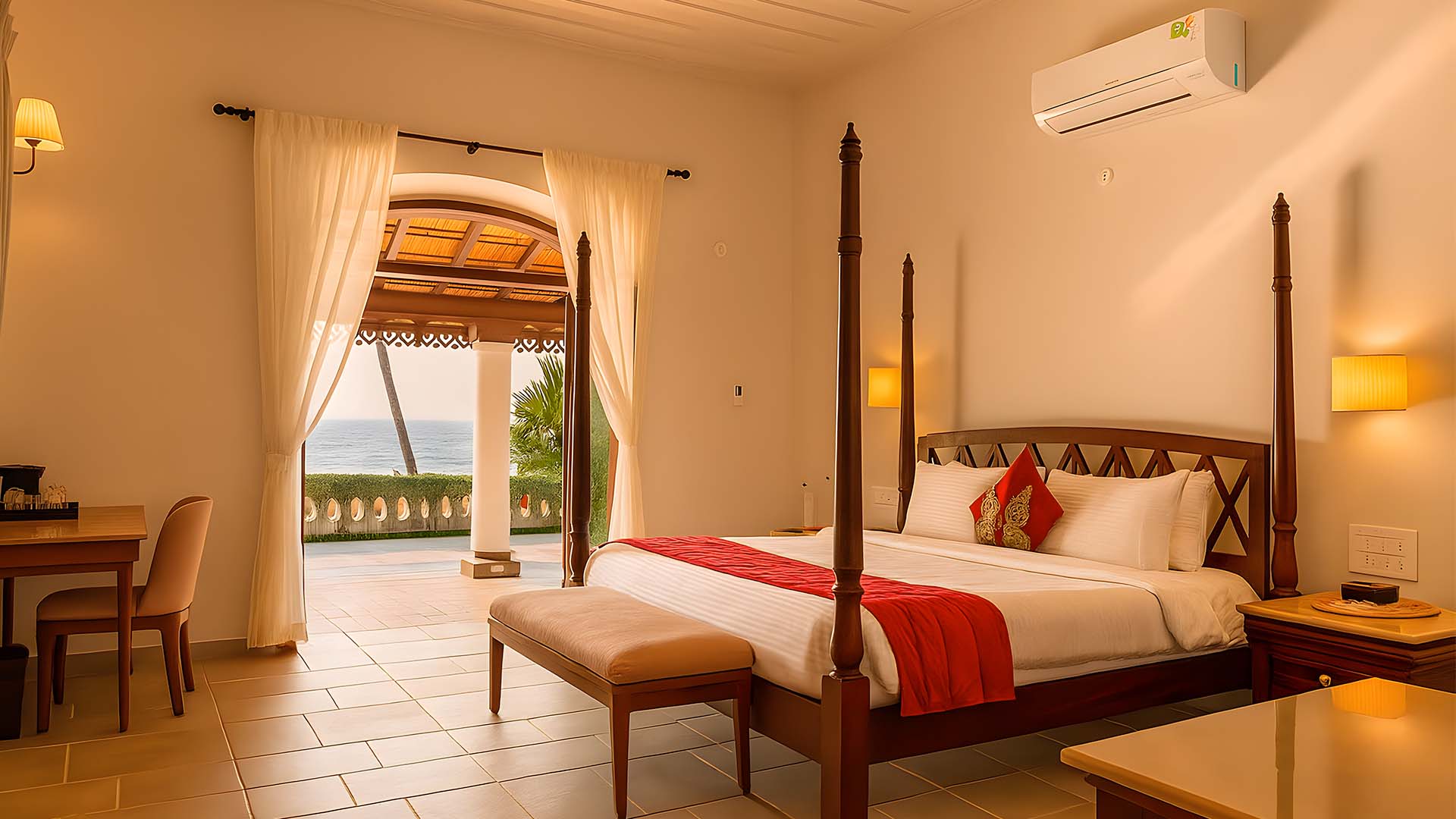
The brand caters to experience-driven travellers who value thoughtful design and individuality over standardised hotel formats.
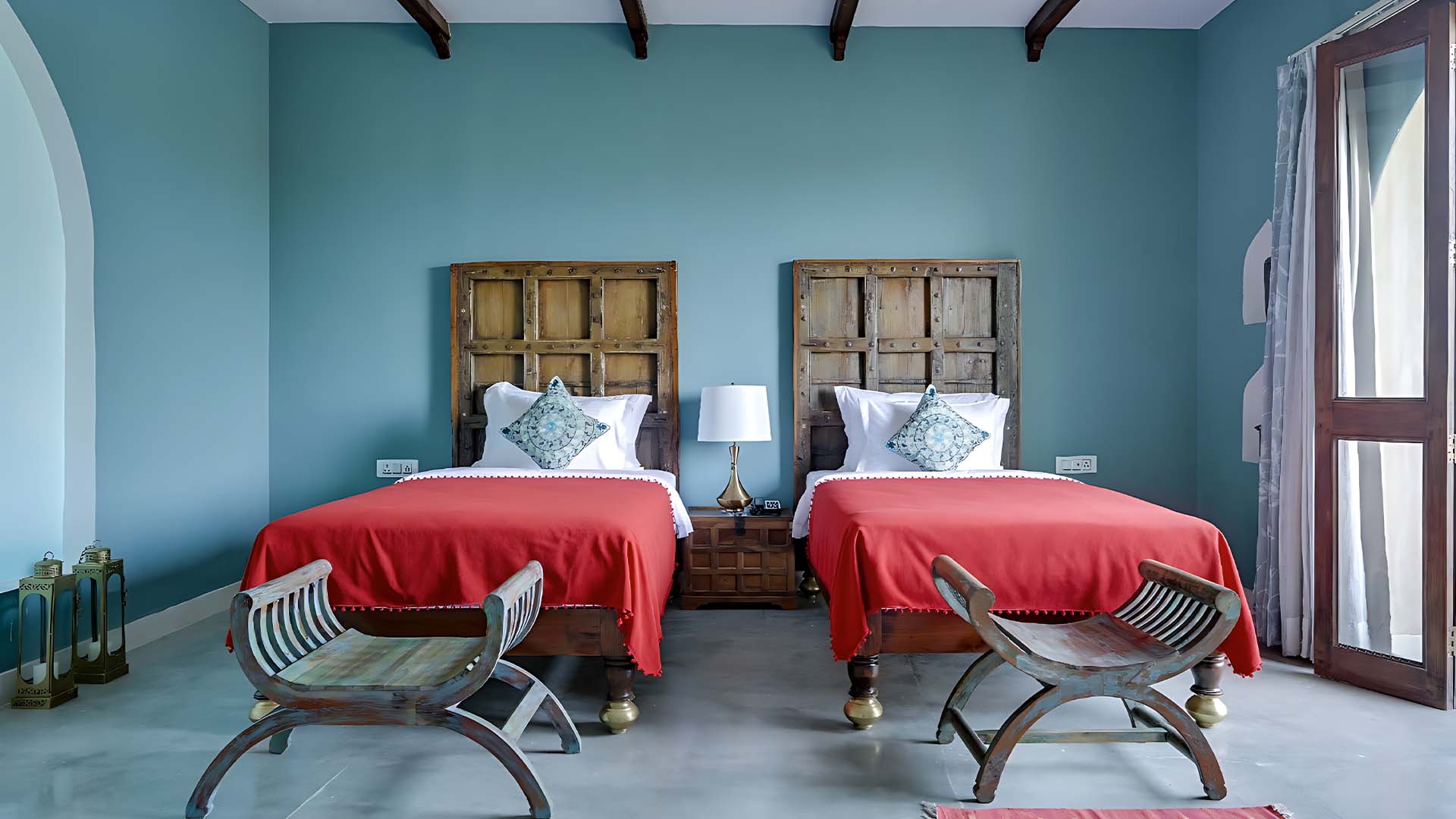
Travellers today are looking for more meaningful and immersive experiences, says Arora.
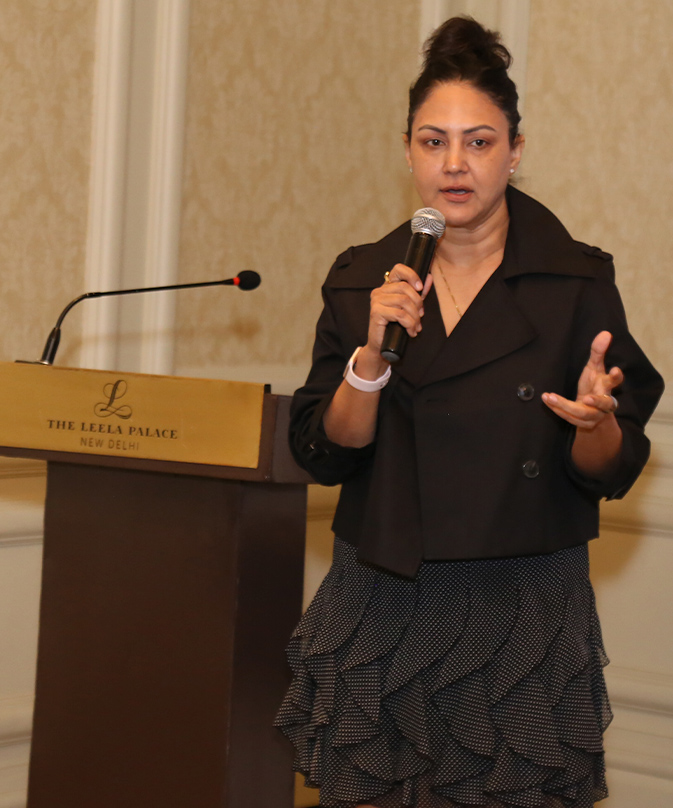
Deepika Arora, Managing Director, United Hospitality Management (UHM) India.
We primarily cater to urban, experience-driven travellers who value authenticity, thoughtful design and individuality over standardised hotel formats.
Deepika Arora
Managing Director, United Hospitality Management (UHM) India

What is the growth plan and pipeline for the brand?
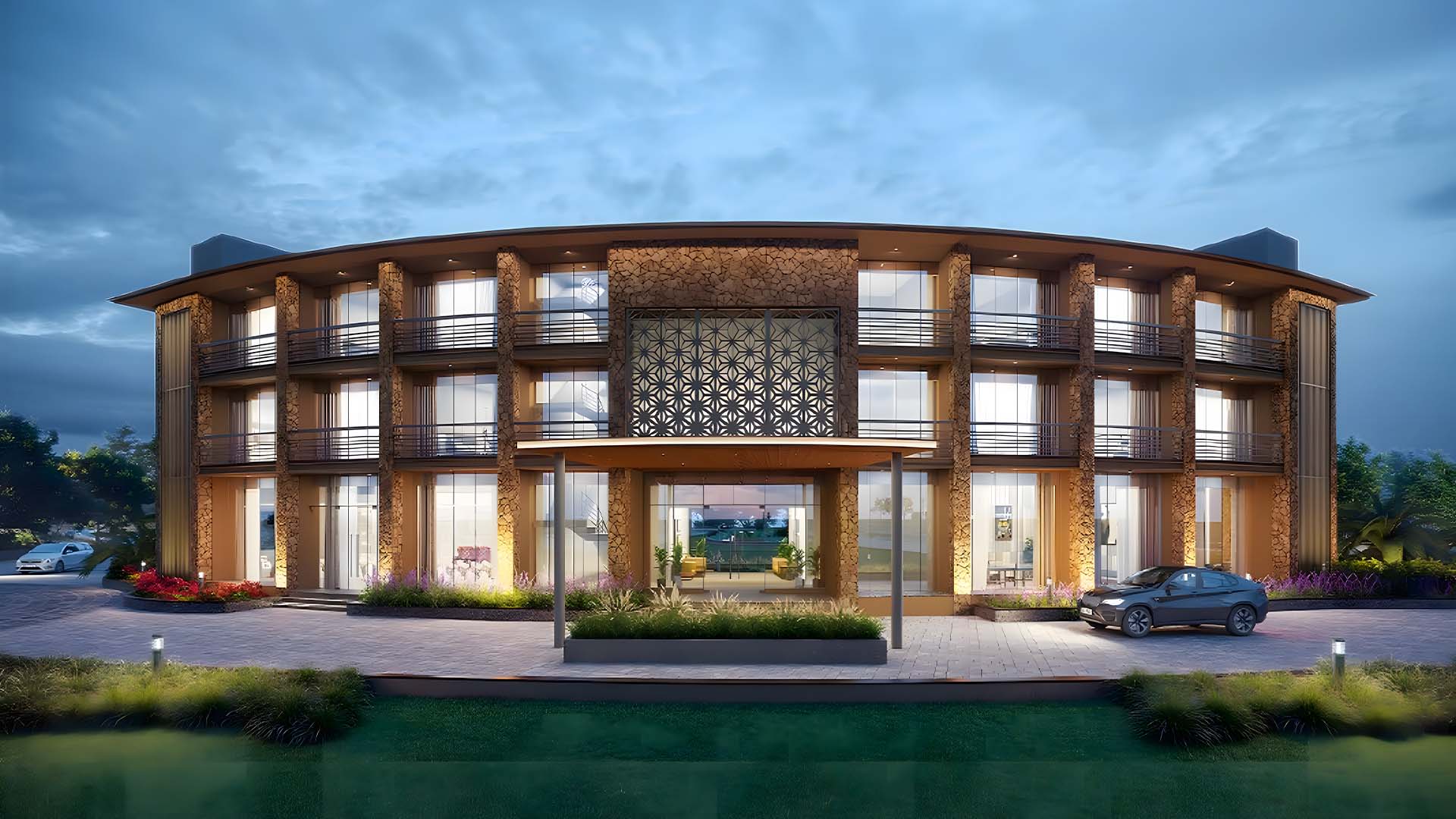
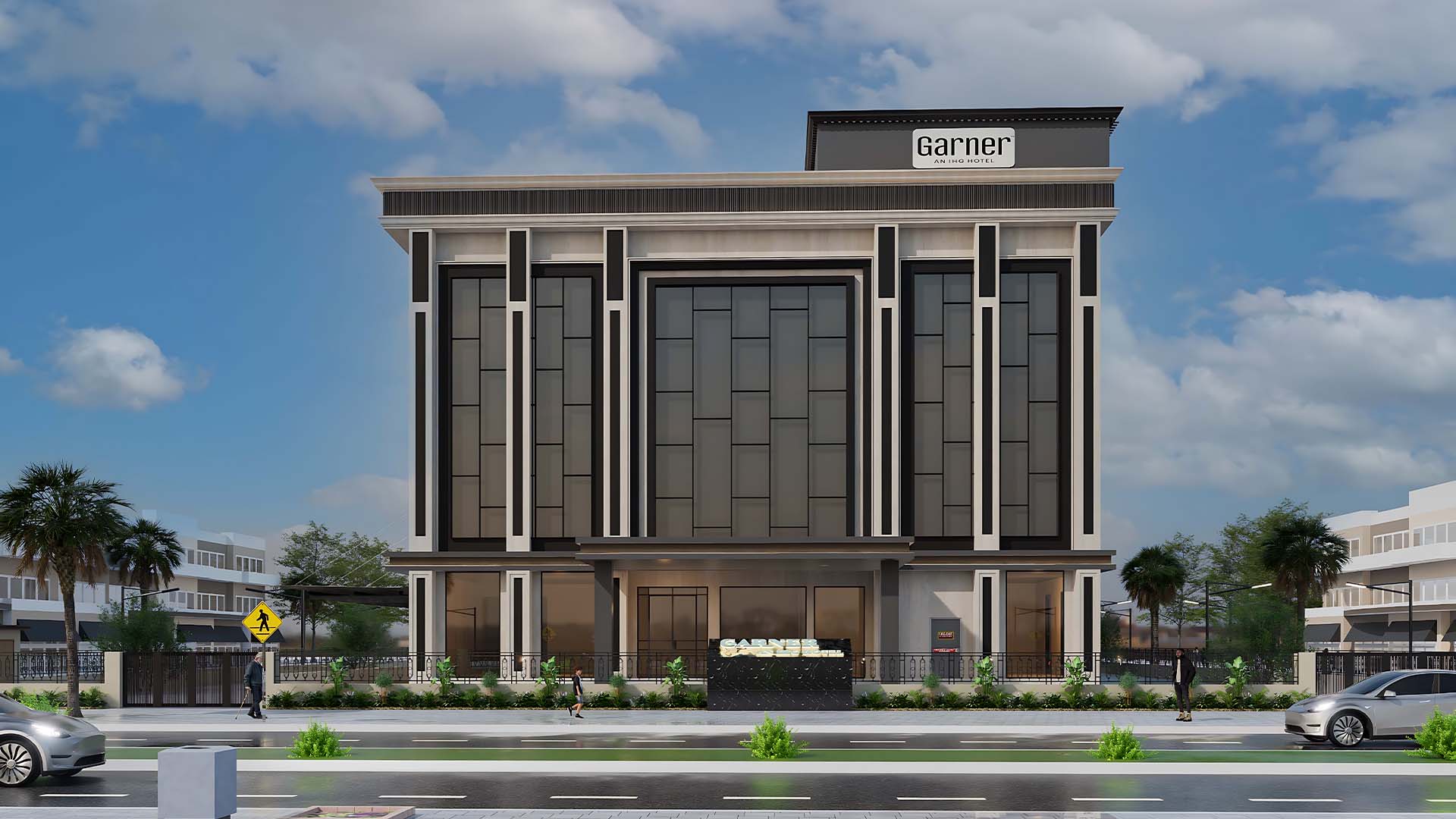
Following its acquisition by United Hospitality Management, Rosastays has moved into a more structured and disciplined phase of growth. Select properties will be progressively rebranded and integrated into the strengthened platform from early 2026 onwards. It has signed a franchise agreement with IHG Hotels & Resorts for Garner Bhiwadi, scheduled to open in 2027.
Expansion will be focused on leisure, mid-scale and experiential hospitality, with a clear emphasis on converting high-quality independent assets into professionally managed properties.
The long-term vision is to create an owner-centric boutique hospitality platform that scales responsibly, balancing growth with brand integrity, operational rigour and sustainable commercial performance.
How does Rosastays plan to stand out in an increasingly crowded market? What are its USPs?
We differentiate ourselves by operating at the intersection of boutique character and institutional-grade hospitality management. Rather than pursuing volume-led expansion, our focus is on a carefully curated portfolio of properties defined by strong design sensibilities, local narratives and experiential depth.
Our strengths lie in consistent service delivery, technology-led distribution, disciplined revenue management and a collaborative, owner-centric operating model. With United Hospitality Management’s backing, Rosastays is able to integrate global systems and operational expertise while preserving the individuality and soul of each property — a balance that remains difficult to achieve in this segment.
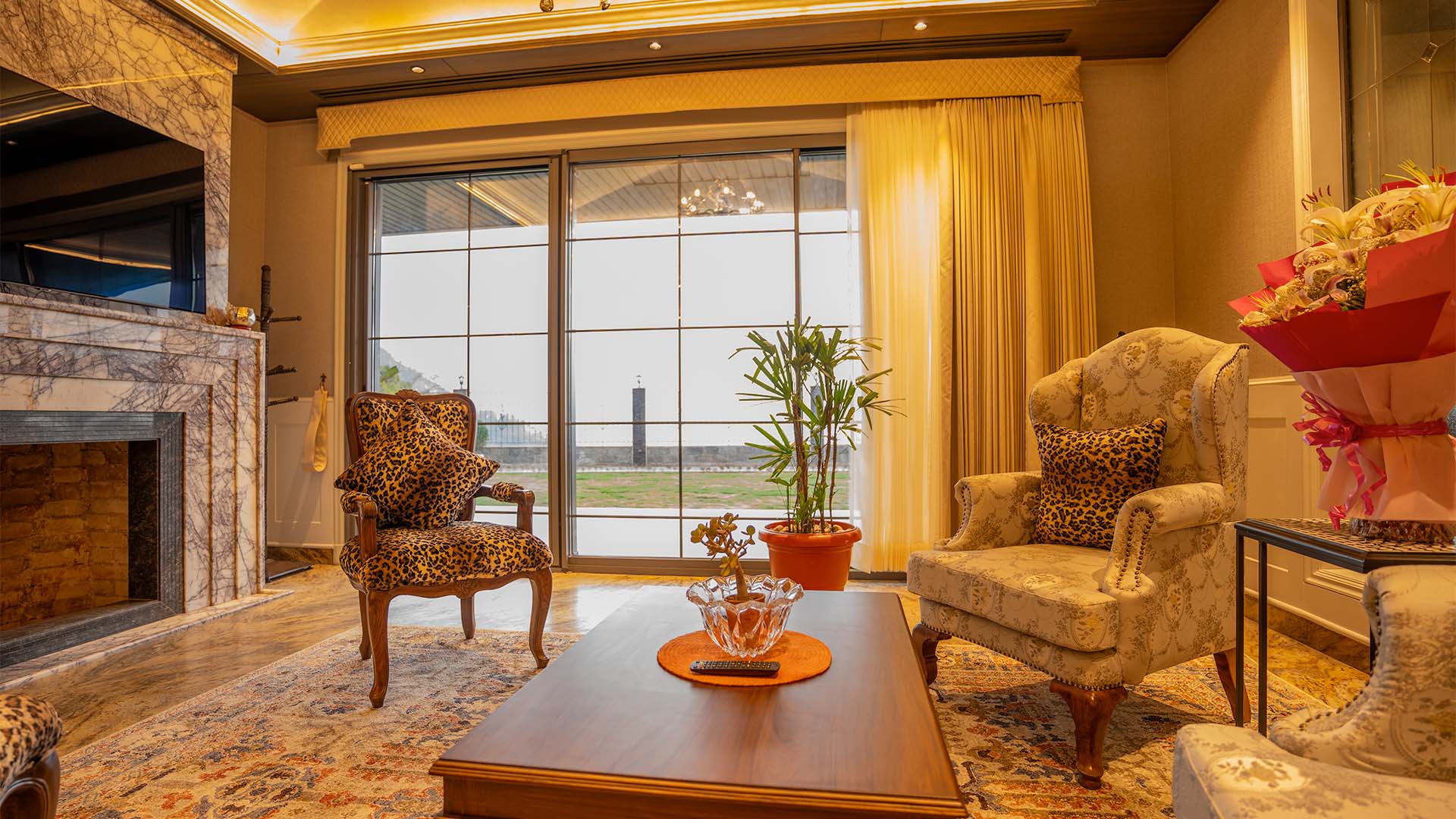
Following its acquisition, Rosastays has moved into a more structured and disciplined phase of growth.
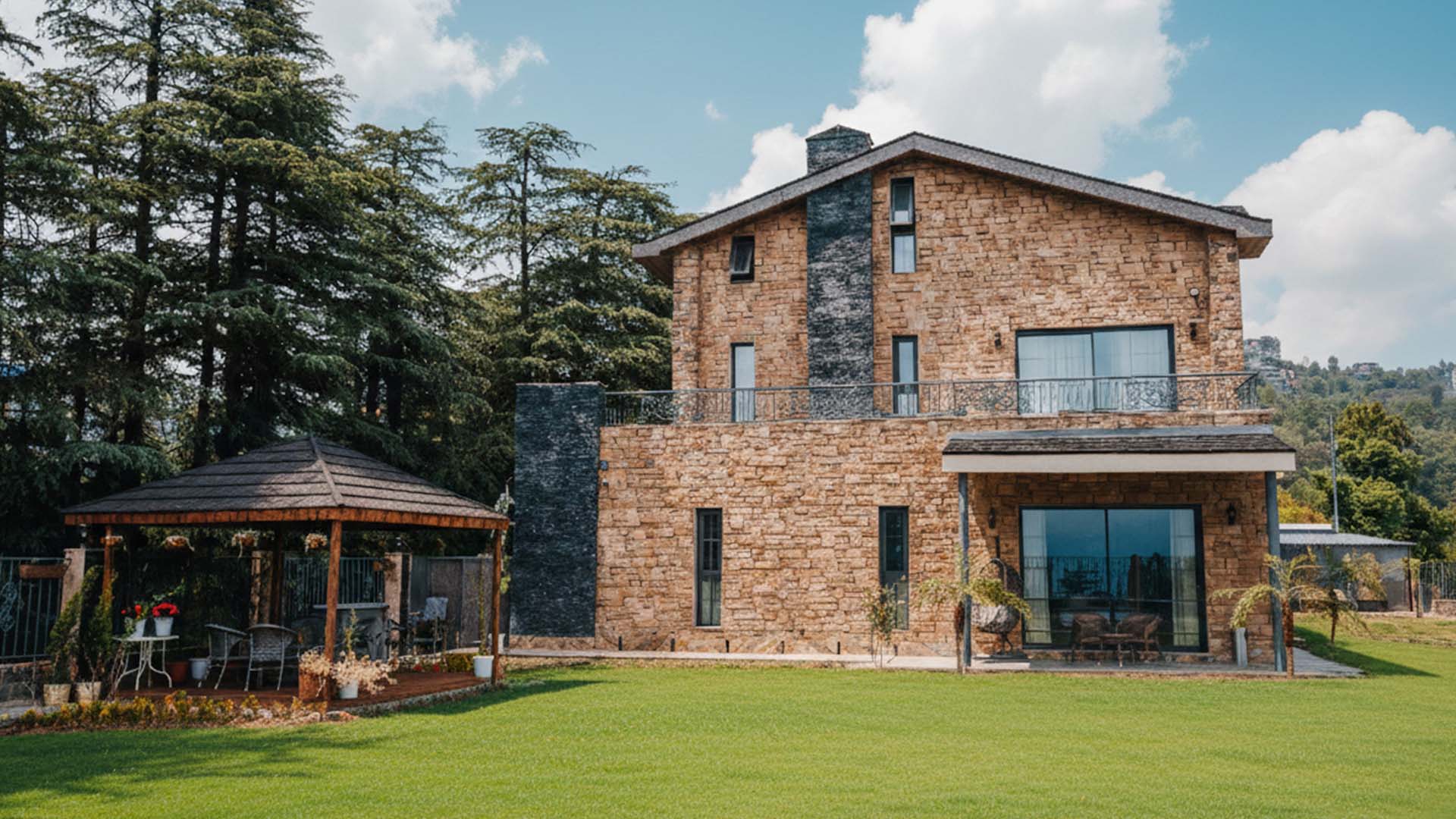
Boutique stays have successfully built and sustained a steady and repeat clientele base.
What are the challenges to building a hospitality brand in India?
One of the biggest challenges is delivering consistency across a highly fragmented market with diverse property types and service standards. Balancing standardisation with localisation is critical in a country as varied as India. Rising land, construction and manpower costs, combined with price sensitivity in many markets, impact scalability and profitability. Talent availability and retention, especially in secondary and tertiary destinations, remains another challenge. Finally, building brand trust in a crowded marketplace requires sustained investment, operational excellence and time.
What makes guests opt for an independent or boutique hotel in India? What are they looking for?
Travellers today are looking for more meaningful and immersive experiences. Boutique and independent hotels offer authenticity, privacy, distinctive design and a stronger connection to the destination — elements that standardised formats often struggle to replicate.
This reflects a broader shift from transactional travel to experience-led travel, where storytelling, emotional connection and individuality matter as much as comfort and convenience.
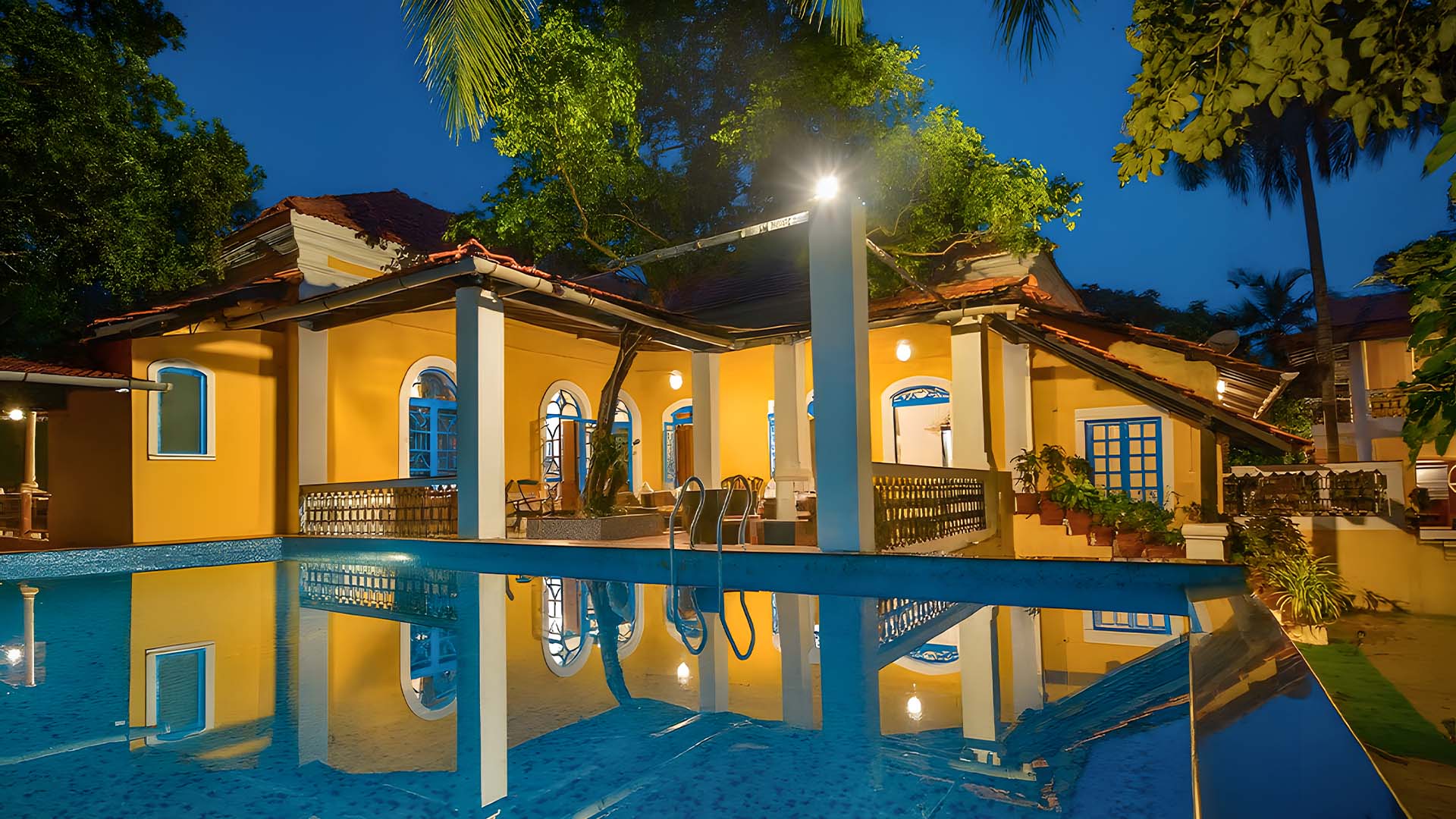
Boutique and independent hotels offer authenticity, distinctive design and a stronger connection to the destination.
Rosastays has also been supporting Dusit’s re-entry into India. How does this acquisition reshape your collaboration with Dusit going forward?
Rosastays has played an important role in supporting Dusit’s re-entry into India through local market insights, development relationships and operational understanding. With Rosastays now part of United Hospitality Management, this collaboration becomes more structured and scalable.
The acquisition expands the ecosystem rather than replacing existing commitments. It enables deeper synergies, stronger execution and access to international operating standards, while combining Dusit’s global brand strength with Rosastays’ local expertise and United Hospitality Management international experience.
With new deals in the pipeline, how will you prioritise rebranding Rosastays assets, signing new agreements and expanding partnerships?
Following our integration into United Hospitality Management, our growth approach is phased and deliberate. In the near term, priority will be given to integrating and selectively rebranding Rosastays assets to ensure alignment with strengthened operating standards and a consistent guest experience. In parallel, we continue to pursue new management agreements and partnerships in carefully chosen leisure and emerging destinations.
Importantly, not every property needs to transition immediately, or at all. Rosastays functions as an accelerator within our broader hospitality portfolio, rather than simply a label. Growth decisions are guided by asset quality, owner alignment and long-term value creation, not speed or scale alone. Strategic partnerships enable us to expand in a way that complements — rather than dilutes — the Rosastays footprint.