










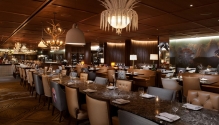







Greener Pathways to Hospitality
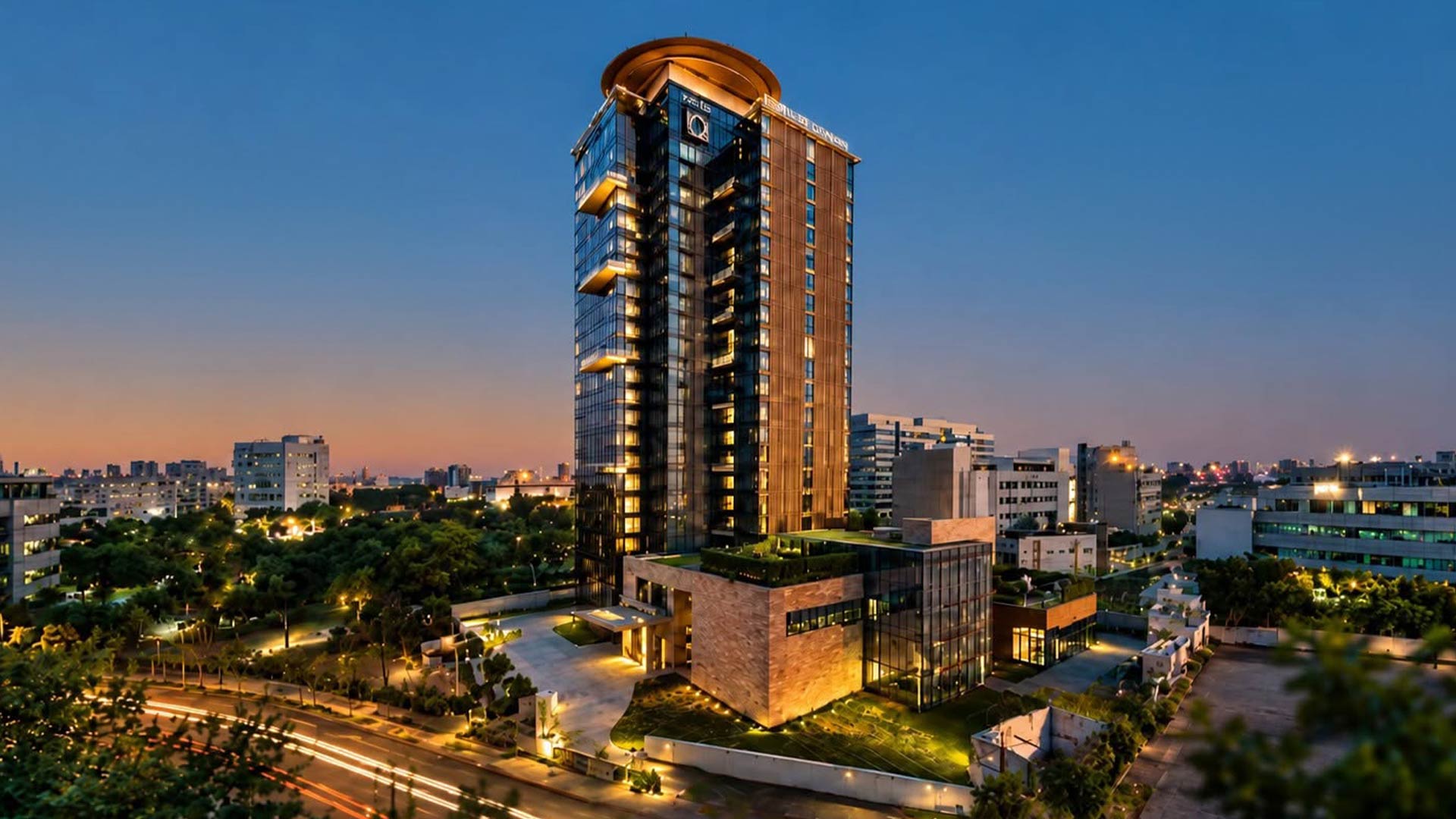
With its LEED v4.1 (O+M) Platinum Certification, Radisson Blu Bengaluru Outer Ring Road, the first hotel in India to earn this recognition, sets a benchmark in sustainable hospitality, and achieves a monthly ROI of ₹42 lakh


By Rupali Sebastian
In the hospitality industry
In the hospitality industry, few sectors are as energy-intensive as hotels, where resource consumption is high, and operational demands are constant. From sprawling lobbies to meticulously climate-controlled rooms, the environmental impact of hotels is undeniable. This high-impact sector, however, has also taken a lead in sustainability, embracing innovations that address energy, water, and waste on a large scale. As guests become increasingly eco-conscious, the importance of building sustainable hotel operations has shifted from an option to an expectation.
In response to this, global accreditation programs like LEED (Leadership in Energy and Environmental Design) by US Green Building Council (USGBC) provide guidelines for sustainable practices and offer a prestigious benchmark for environmental excellence. LEED’s Operations & Maintenance (O+M) certification, in particular, offers a comprehensive framework for existing buildings, focusing on optimising operations without the need for large-scale reconstruction. For properties such as Radisson Blu Bengaluru Outer Ring Road (ORR), originally constructed in 2008, this certification provided a roadmap to modernise and align with sustainable standards.
The Bengaluru hotel’s recent achievement of LEED v4.1 Platinum Certification for Operations & Maintenance marks a significant milestone—not only for the hotel itself but for India’s hospitality industry as a whole. As the first hotel in the country to receive this certification, Radisson Blu Bengaluru ORR has set a precedent for the sector. This ambitious sustainability journey has been led by Austin Roach, Managing Director of Roach Lifescapes, and Chairman, Radisson Blu Bengaluru ORR (the hotel is a venture by the former company). His commitment to environmental stewardship guided the hotel through the demanding certification process. “Sustainability is not about following a trend,” he emphasises, “but is a sincere way of life. We are deeply committed to the environment and we are acutely aware of the impact that the hospitality industry alone can have on our planet.”
A journey of commitment and innovation
Built 16 years ago, Radisson Blu Bengaluru ORR wasn’t initially designed with today’s sustainability expectations in mind. But in recent years, the hotel has made transformative upgrades to qualify for the LEED certification. The hotel’s chairman and his team undertook a series of impactful steps, focusing on energy conservation, waste reduction, and eco-friendly practices to meet the stringent requirements of LEED v4.1. Among these, the installation of a 3MW solar power plant stands out. “We have a production capacity of 15k to 19k units per day,” says Roach. “Our daily consumption is 11k to 13k units per day,” demonstrating a surplus that allows the hotel to operate as a net-zero energy building.
Additionally, the hotel’s biogas plant plays a central role in its circular waste management. Processing up to 500kg of kitchen waste daily, the biogas system generates between 35 and 45kg of green gas, which is then utilised for cooking. The leftover high-quality organic sludge is used to fertilise the gardens. “Our goal was to reach 100% circularity as far as organic waste management is concerned,” Roach explains. This level of self-sufficiency is a rare accomplishment in India’s hospitality sector.
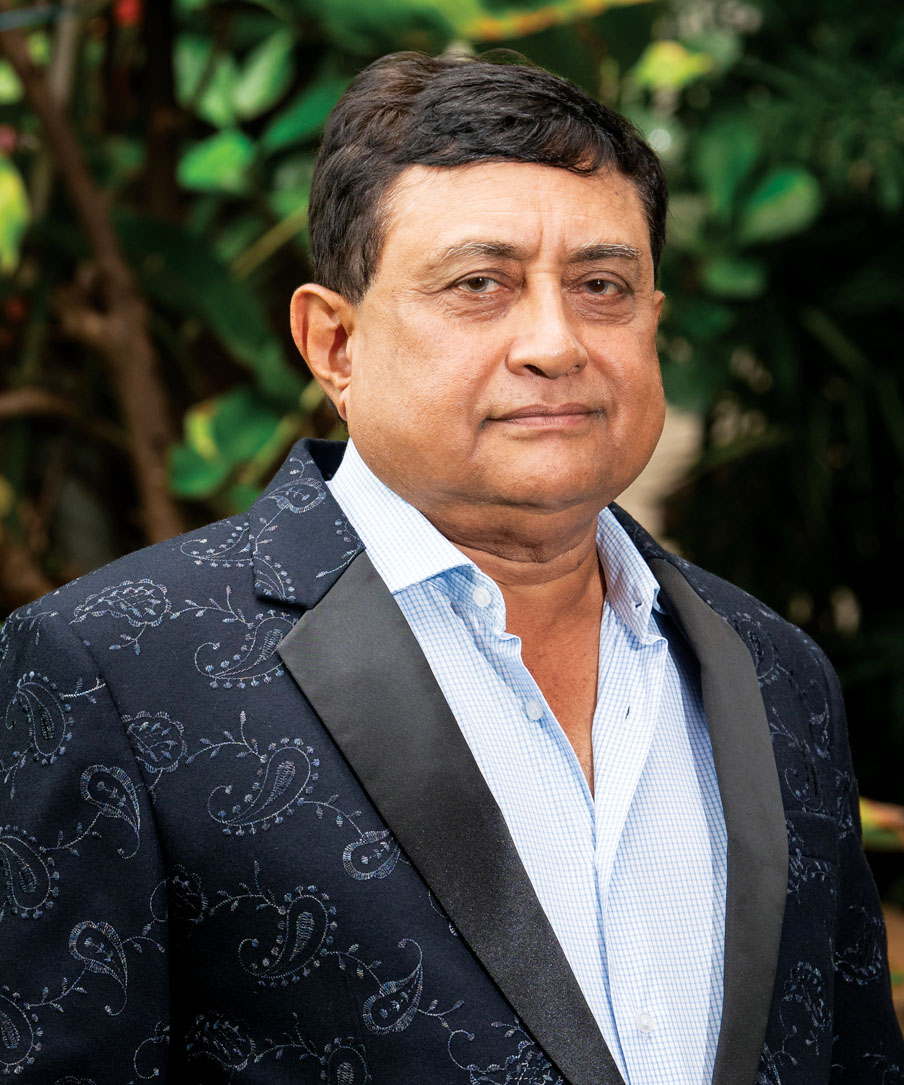
Austin Roach, Managing Director of Roach Lifescapes, and Chairman, Radisson Blu Bengaluru ORR.
Sustainability is not about following a trend, but is a sincere way of life. We are deeply committed to the environment and are acutely aware of the impact that the hospitality industry alone can have on our planet.
Austin Roach
Chairman, Radisson Blu Bengaluru Outer Ring Road

Engaging guests and the community
The hotel’s commitment to sustainability extends beyond internal operations to include guest and community engagement. A sign in the elevators reads, 'This building is powered by green energy,' which serves as both a point of pride and a conversation starter for environmentally conscious guests. Additionally, the hotel operates its own water bottling plant, using glass bottles to eliminate single-use plastics—a move that has helped prevent over a tonne of plastic waste annually. Staff members also receive regular training on sustainable practices, ensuring that each employee understands and supports the hotel’s eco-friendly goals. “We make it a priority to educate our guests about our sustainability efforts,” says Roach, adding that the hotel’s sustainability messages are visible throughout the property. “We encourage guests to make environmentally conscious choices that support our green goals.”
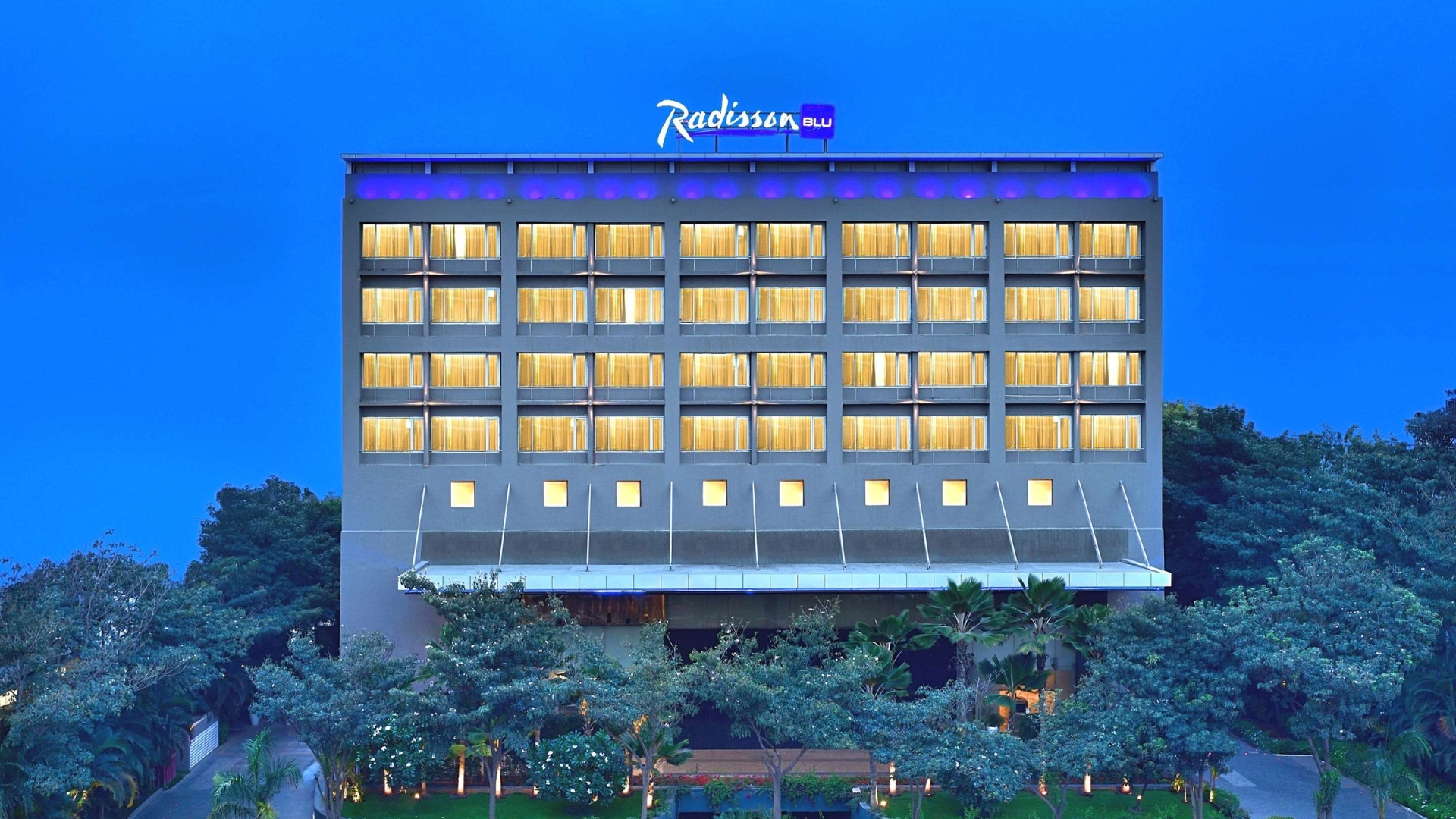
With the hotel's 3MW solar power plant producing more electricity than it can consume, Radisson Blu Bengaluru ORR effectively operates as a net-zero energy building.
Future goals and sustainability initiatives
Looking ahead, Radisson Blu Bengaluru ORR plans to deepen its sustainability efforts. On the anvil is the installation of an advanced version of ultra-filtration and reverse osmosis system to treat excess recycled water for domestic use. Expanding its electric vehicle fleet for guest transportation is also on the horizon, further reducing the hotel’s carbon footprint. Roach sees these goals as natural extensions of the hotel’s commitment to sustainability. “We believe that more and more hotels will follow this path towards sustainability in the future,” he says.
The journey to LEED v4.1 Platinum Certification has been both challenging and rewarding for the hotel and its leadership team at Roach Lifescapes. Through careful planning, bold steps, and a commitment to continuous improvement, the hotel exemplifies how sustainability can be woven into the fabric of luxury hospitality. As Roach reflects, “The path to sustainability isn’t without challenges, but it’s incredibly rewarding. And we’re just getting started.”
Lessons from Radisson Blu’s Green Journey
Advice for hotels aspiring to LEED certification
Austin Roach, Managing Director of Roach Lifescapes, shares key insights from Radisson Blu Bengaluru’s journey to LEED Platinum certification for Operations & Maintenance.
- Rising energy costs make sustainability smart business: "Energy costs have been steadily rising, so adopting sustainable practices is just good business sense,” says Roach. “Our own investment in solar energy and water bottling systems yielded returns far beyond expectations.”
- Adopt a “Reduce, Reuse, Repair, and Recycle” mindset: Roach emphasises, “We’ve significantly reduced costs through practices that tap into natural resources like solar power, water conservation, and recycling food waste into energy.”
- Start with small, impactful changes: For hotels beginning their sustainability journey, Roach recommends practical steps: “From offering linen change options to recycling food waste, even modest efforts can create a positive ripple effect."
- Make sustainability a collective mission: Roach stresses the importance of engaging staff and guests alike. “We train our team on sustainability daily and encourage guests to opt for eco-friendly choices. This makes sustainability more than a policy—it’s a shared responsibility.”