

















How IHCL Is Using Sound to Redefine the Luxury Hotel Experience
Long before architecture or design, there was sound—and today, IHCL’s Taj is bringing this ancient truth into contemporary hospitality through its newly registered sonic identity.


By Deepali Nandwani
Sound transcends mere physical vibration caused by air molecules oscillating to reach the ear. Across philosophical traditions, it is understood as a fundamental creative force: a bridge between the manifest and unmanifest worlds, and at times, the very essence of reality itself.
In Vedanta, Yoga and Nada Yoga, the cosmos is said to emerge from sound (nāda). Ultimate reality, Brahman, first manifests as Shabda Brahman or Nada Brahman—the primal, transcendental sound vibration that precedes form, matter and meaning. Long before architecture, image or symbol, there was resonance.
Contemporary hotels, particularly at the luxury end of the spectrum, are increasingly creating modern-day ‘temples’ where guests can encounter this ancient truth in an accessible, sensorial way. Across the world, leading hospitality brands now offer sound baths, vibrational therapy, via sound experiences and sound healing rituals using crystal singing bowls, gongs, chimes and vibroacoustic beds that transmit frequencies directly into the body. Rooted in the idea that everything is vibration, these experiences aim to help guests attune to the same cosmic hum described in Indic philosophy as the source of all manifestation.

Globally, Six Senses resorts, for instance, have integrated sound healing into the core of their wellness programmes, inviting guests to “tune out the noise of the world and tune in to inner stillness”—an experience that mirrors the yogic journey from āhata (struck sound) to anāhata (unstruck inner sound), and finally, silence. Elsewhere, Four Seasons, Grand Velas, St. Regis and Kimpton Kitalay Samui offer floating sound baths in pools or purpose-built chambers, where the weightlessness of water amplifies the sensation of dissolving into universal vibration.
Architecture, too, is responding to sound with renewed intention. Forward-thinking hotels are designing rooms, spas and sound chambers with carefully calibrated resonance, inspired by ancient acoustic marvels such as the Hypogeum of Malta or India’s cave temples, where sound was used as a tool for healing and transcendence. In these spaces, the body itself becomes a resonator—echoing the philosophical belief that the universe is a condensation of primal sound. Global design studios, such as Inphinity Design, even embed Solfeggio frequencies or 432 Hz tuning into hotel environments, transforming built spaces into sanctuaries of health and harmony.

Forward-thinking hotels are designing rooms, spas and sound chambers with carefully calibrated resonance.

Experiences such as sound baths, healing rituals, crystal singing bowls and vibrational therapy transmit frequencies directly into the body.
Creating a signature sound
Sound in hotels, then, is as much part of the entire experience as dining or the various spaces, from bars to spas. Yet sound in hospitality is not only about wellness or spirituality—it is also about memory, identity and emotional connection. This is where sonic branding emerges as a powerful contemporary extension of ancient wisdom.
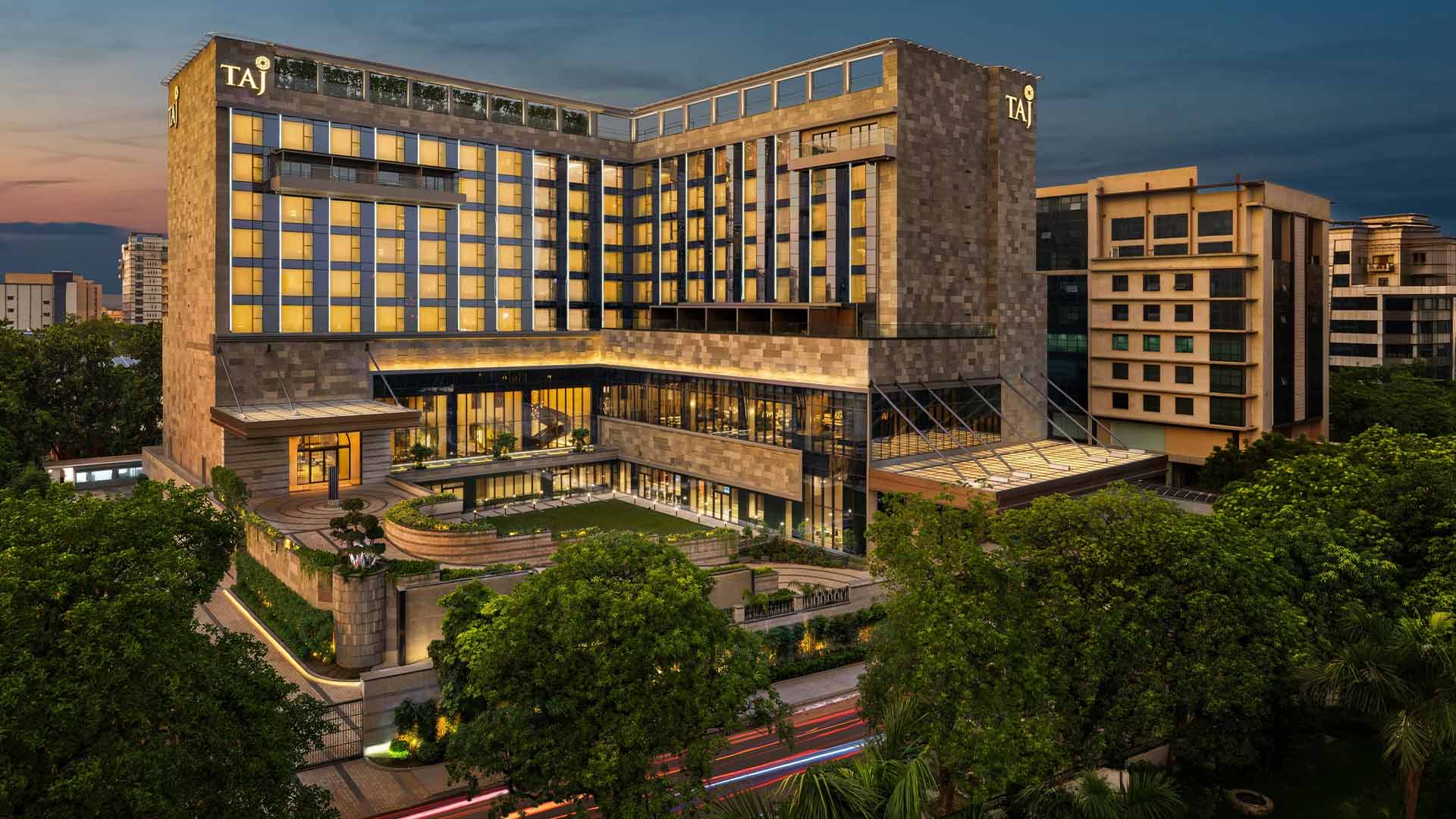
In a landmark move for Indian hospitality, Indian Hotels Company Limited (IHCL), the country’s largest hospitality company, has secured trademark registration for the Taj Sonic Sound—a distinctive sound mark associated with the iconic Taj brand. The registration recognises sound as a legally protectable brand asset, marking a significant milestone in how hospitality brands in India safeguard and express their identity.
Commenting on the development, Rajendra Misra, Executive Vice President & General Counsel, IHCL, noted: “Being recognised as the world’s strongest hotel brand carries with it the responsibility to lead all facets, including how brand equity is protected. This sound mark registration reinforces our position as a pioneer in brand protection, reflecting a forward-looking approach to intellectual property that aligns with the evolving ways in which guests engage with and connect with our brands.”

IHCL has secured trademark registration for the Taj Sonic Sound—a distinctive sound mark associated with the iconic Taj brand.
In an increasingly experience-driven marketplace, sonic branding plays a crucial role in shaping emotional memory and deepening recall beyond visual cues. Just as a chant, bell, or drone can instantly transport the mind in spiritual practice, a signature sound can evoke trust, familiarity and belonging—often before a guest consciously registers where they are.
The Taj Sonic Sound joins a lineage of progressive intellectual property strategies by IHCL. Earlier, the brand successfully secured trademark protection for the three-dimensional shape of the Taj Mahal Palace, Mumbai, underscoring a long-standing commitment to preserving and protecting distinctive elements of its heritage—now extended into the auditory realm.
As hotels evolve into immersive, multi-sensory ecosystems, sound is no longer a background consideration. It is becoming a primary touchpoint—linking ancient philosophies of vibration and consciousness with modern ideas of brand equity, emotional resonance and guest experience. From cosmic nāda to a carefully crafted sonic signature, hospitality is rediscovering what spiritual traditions have long known: sound is not just heard—it is felt, remembered and, ultimately, embodied.