














Indian Hospitality’s Mid-Market Pivot
Indian branded hospitality has finally woken up to the fairly immense potential of the midscale and budget segments, and Tier 2 and 3 markets are seeing an unprecedented boom in signings.

By Suman Tarafdar
For a nation whose hospitality offerings for decades were focused on either end of the market—luxury and unbranded standalones—the prevailing winds seem to finally align with most of the major hospitality markets around the world. Yes, the pot of gold lies—if not at the bottom of the pyramid—at least just a step above it. Numerous mergers, acquisitions, and strategic alliances have witnessed India’s top hospitality players invest in expansion into the hinterland.
Globally, most hospitality majors have their largest number of hotels and revenue from their mid-segment hotels. Admittedly, though, the definition of what constitutes mid-segment differs considerably from country to country. India’s hospitality majors are waking up to the low-hanging fruit provided by the midscale segment. This year has already seen expansion in this space with Accor's partnership with Banyan Tree group and Marriott’s global launch of its new collection brand for the midscale and upscale lodging segments—Series by Marriott, through a founding deal with Concept Hospitality Private Limited (CHPL) in India. Under the strategic agreement, CHPL’s flagship brands, The Fern, The Fern Residency, and The Fern Habitat, will affiliate with Series by Marriott on an exclusive basis across the country, and Marriott will make a small equity investment in CHPL.
IHCL, India’s largest hospitality brand by number of hotels, recently announced a significant step to expand into the midscale segment. It entered into a strategic partnership, signing agreements to acquire a controlling stake in ANK Hotels Pvt Ltd and Pride Hospitality Pvt Ltd, and signed a distribution agreement with Brij Hospitality Pvt Ltd, catapulting IHCL’s portfolio to over 550 hotels. With this acquisition, IHCL emerges as the leading player in the segment with 240+ hotels.
"We are now leading the midscale opportunity," Puneet Chhatwal, Managing Director & Chief Executive Officer, asserted while making the announcement regarding the partnership. "In 2018-19, we reimagined and relaunched Ginger more in a lean luxury segment. This partnership (with ANK, Pride, and Brij) doubles our presence and helps us secure another platform, which will help us pivot. The idea is not to collapse, merge, and put it all under IHCL, but rather to use this as a platform to grow exponentially, and also to make it a much more attractive and profitable proposition. We have the possibilities of synergising with other group companies, so we can offer these companies big box assets."
Paris-headquartered Accor, which already has a significant presence in the midscale segment in the country with its Ibis, Ibis Styles, Mercure, and, to an extent, Novotel brands, invested in Treebo earlier this year, a move designed to address the economy end of the market, the sub 100-room hotel space. The unified joint venture, along with InterGlobe, has made a strategic partnership with Treebo, "under which Treebo will take on a master license for the Ibis and Mercure brands and develop that nationwide," says Gaurav Bhushan, Chairman, Accor and InterGlobe’s proposed joint hospitality enterprise in India. "While we absolutely have a big focus on luxury, lifestyle, we will continue to drive the midscale and economic growth that it's already been doing."
Sub 100-room hotels are what made the North American landscape, replete with highway properties over the past 75 years, points out Achin Khanna, Managing Partner – Strategic Advisory, Hotelivate. "With road connectivity improving by leaps and bounds across India, there is likely to be a similar opportunity across our nation. Sub 100-room hotels make business sense in various getaway leisure destinations as well. Lastly, small-format hotels can be a great FSI user as part of the mixed-use format in major markets, where excess built-up area is permissible, but it doesn’t make sense to build more retail or office space on the higher floors."
The potential is immense. About 85% of the mid-market business in India is domestic, and we are well-positioned to take advantage of the potential, says Rahool Macarius, Market Managing Director - Eurasia, Wyndham Hotels & Resorts. "Mid-market is a sweet spot, as you can draw from the upscale segment from an ADR standpoint, and you take occupancy advantage from an economic standpoint."
All the global majors have their eye on the middle. Hilton is looking to grow in the midscale space with Hampton, while IHG is signing hotels for its Garner brand. Hyatt has a renewed focus on Hyatt Place. Even Dusit is looking to grow its presence in India with expansion into smaller towns. Indian chains such as Lemon Tree and Sarovar have targeted this segment for long and both have some of the largest hotel inventories in the country, while newer brands such Bloom are also emerging.

Statues at the rock garden in Chandigarh.
Growth opportunities galore
LinkedIn, in its recent report, The Cities on the Rise, mentioned that "Tier 2 and Tier 3 cities are at the heart of India's economic transformation. The influx of GCC investments, the local MSME boom, and the government's vision of a Viksit Bharat are collectively turning smaller cities into serious career hubs." It identified Visakhapatnam, Ranchi, Vijayawada, Nashik, and Raipur as the fastest-growing non-metro hubs where professional opportunities are accelerating. It also highlighted emerging Tier 2 and Tier 3 growth pockets—Rajkot, Agra, Madurai, Vadodara, and Jodhpur—for professionals looking to relocate, tap into new industries, or grow their careers locally.
"Newer markets offer a multi-pronged promise," points out Khanna. "Lack of branded competition offers a first-mover advantage. The local demography has also been embracing organised supply, and both restaurant and banqueting businesses benefit as a result. Land cost (as a percentage of overall development cost) tends to be lower, thereby enabling a faster project payback. Finally, improved connectivity (road, rail and air) has meaningfully increased visitations to several Tier 2, 3 and 4 markets across India, and there is a strong business case for organised and branded supply to be developed."
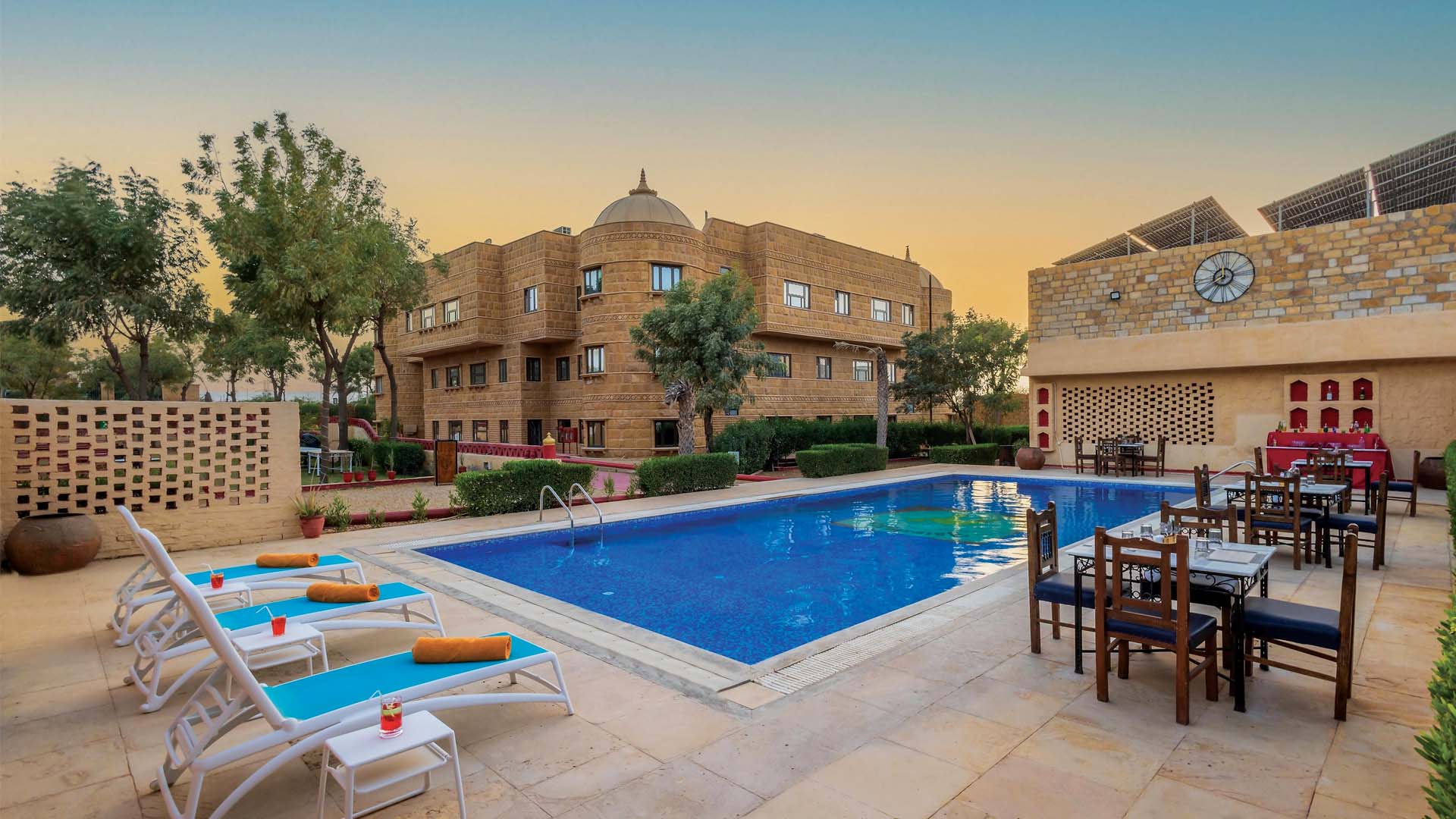
IHCL has just signed off on a new greenfield project in Visakhapatnam in partnership with the Varun Group. The Park Hotels just opened Zone Connect by the Park, Jaisalmer. Lemon Tree has opened in Vijayawada, its fifth hotel in Andhra Pradesh. Ranchi has seen recent signings by Radisson and Ramada by Wyndham.
Of course, there are multiple factors that are causing the shift to the next level of cities. More obvious factors such as a growing economy, an expanding middle class, an increase in domestic travel, better connectivity, and transport infrastructure have all contributed to the growth of hospitality. However, there are sector-specific causes too. Rapidly rising real estate costs in metros and Tier 1 cities have made midscale hotels almost unviable in these cities, even though the emergence of micro markets in these cities, such as Whitefield in Bengaluru, Noida in Delhi NCR, New Town-Rajarhat in Kolkata, Kakkanad in Kochi, and many others.
"The enablers of growth in Tier 2 and 3 markets include capital, connectivity, and multiple hybrid experiences," says Vikram Lalvani, Managing Director and CEO, Sterling Holiday Resorts Limited.
Significantly, most of the expansion in Tier 2, 3, and even 4 and 5 markets is taking a different route from the past. Most chains are following the asset-light model in these destinations. IHCL, which has just revived its Gateway brand, has a greater focus on local F&B than in its previous avatar. Mid-market hotel groups are emphasising local culture and experiences
As Khanna points out, the budget/limited-service segment presents the biggest promise of growth. "Organised supply that offers a consistent product, service, and experience is always sought after. However, what makes the budget hotel development that much more opportune is the fact that it takes less time, less money, less land and FSI, less space, and therefore less capital to develop these assets when compared to the higher positioned hotels. Consequently, they are able to achieve higher GOPs and faster ROIs, thus making this a lucrative development model for both HNI and institutional investors."
Chhatwal notes that India continues to be an underserved hospitality market, especially in the mid-market segment, where he sees considerable potential. He has, in the past, mentioned that every district of India could have a Ginger, though in the light of this acquisition, some of them might well move to the rebranded Clarks portfolio.
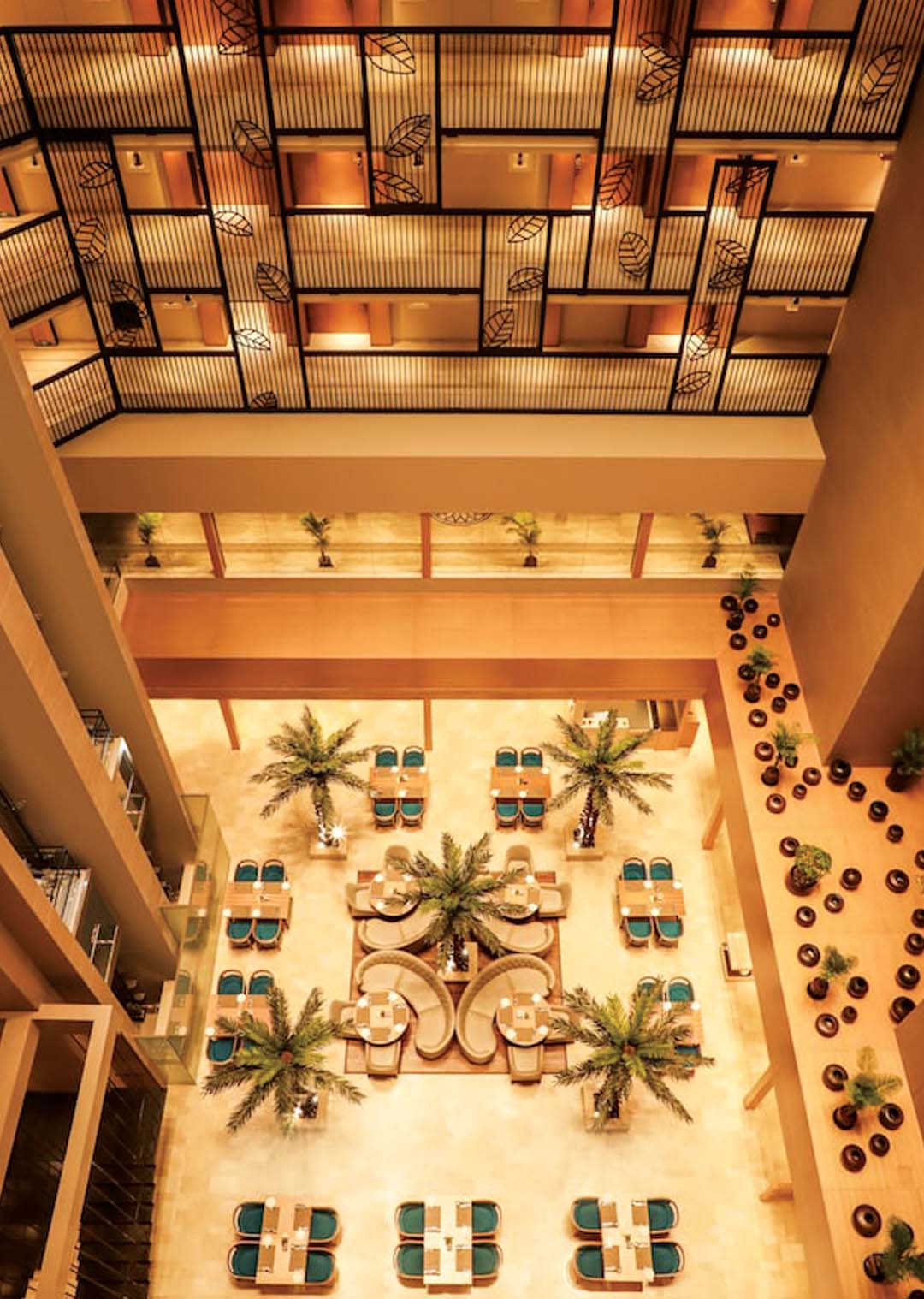
Midscale hotels, such as the Lemon Tree Premier, have sprung up recently in Vijayawada.
IHCL’s closest competitor and the world’s largest hospitality brand, Marriott, too, has been aggressively expanding its mid-market presence in India with the launch of a new global collection brand, especially for midscale hotel segments, called Series by Marriott, the first global launch of one of its brands from India. Under the arrangement, The Fern, The Fern Residency, and The Fern Habitat, owned by Concept Hospitality Private Limited (CHPL), will now become a part of Series by Marriott. This would allow the hospitality brand to bring regionally popular hotel brands under its umbrella while letting them retain their original identity, according to Rajeev Menon, President - Asia Pacific (excluding China), Marriott International.
Wyndham, which has brands such as Ramada, Ramada Plaza, Days, Howard Johnson, Days Inn, and others, is bullish about its expansion in India. "We continue to strengthen our presence in key markets across EMEA where we lead while expanding into high-growth segments such as extended stay, branded residences, and reinforcing our position in midscale," Dimitris Manikis, President - EMEA, Wyndham Hotels & Resorts, said during a recent visit to India. The brand is looking to introduce its limited-service hotel brand in India, La Quinta, in partnership with Cygnett Hotels. The first locations are slated to open by late 2026 and the plan is to have 50 hotels under the brand. The group is also looking to move another of its budget brands, Microtel, to India soon.
Growth in the midscale segment is not without its challenges, of course. Thinner margins, lack of connectivity, poor infrastructure, lack of cold chain facilities or indeed, uninterrupted electricity supply, skilled manpower have all played a role in the hitherto limited growth in the space. "The biggest challenge is fixed-cost mitigation, even more so in markets that may be seasonal," points out Khanna. Inability to adequately cater to larger groups and MICE demand is sometimes also a challenge. Operationally, managing rooms to manpower ratios can be difficult sometimes. Finally, small variations in operating costs tend to have a larger impact on GOP (which is a double-edged sword). Such hotels thus tend to both benefit and hurt from the challenge of high volatility in profit ratios."
For Lalvani, too, there are still multiple significant challenges. These include ease of doing business, availability of skilled manpower, and destination marketing for virgin markets. As he puts it succinctly: "We have to give reasons for people to even search for newer destinations."
Chandigarh to Bhubaneswar, Raipur to Vadodara, Tier 2 and 3 cities have seen hospitality expand rapidly into these cities, basically on the promise of higher returns on investments, lower operational costs, cheaper real estate, and a large talent pool that prefers the healthier lifestyle of these cities over that of metro cities. The promise of ‘smart cities’ could well unleash a spate of further growth, hopefully bucking the cyclical pattern of the sector’s trajectory in India.
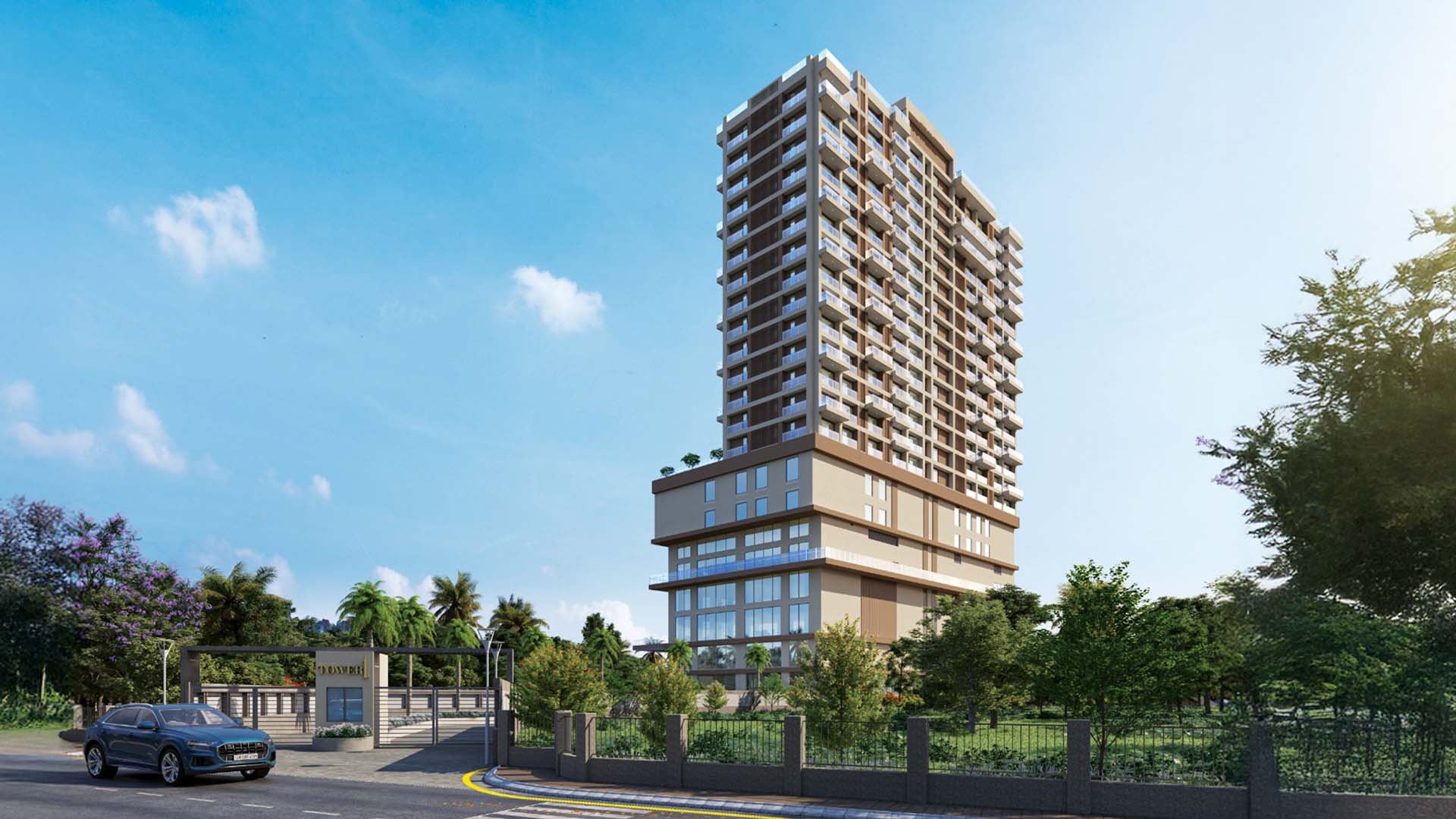
Hotels such as Ramada by Wyndham Ranchi are bringing branded names to smaller cities.

Ranchi has been identified as one of the fastest-growing non-metro hub.
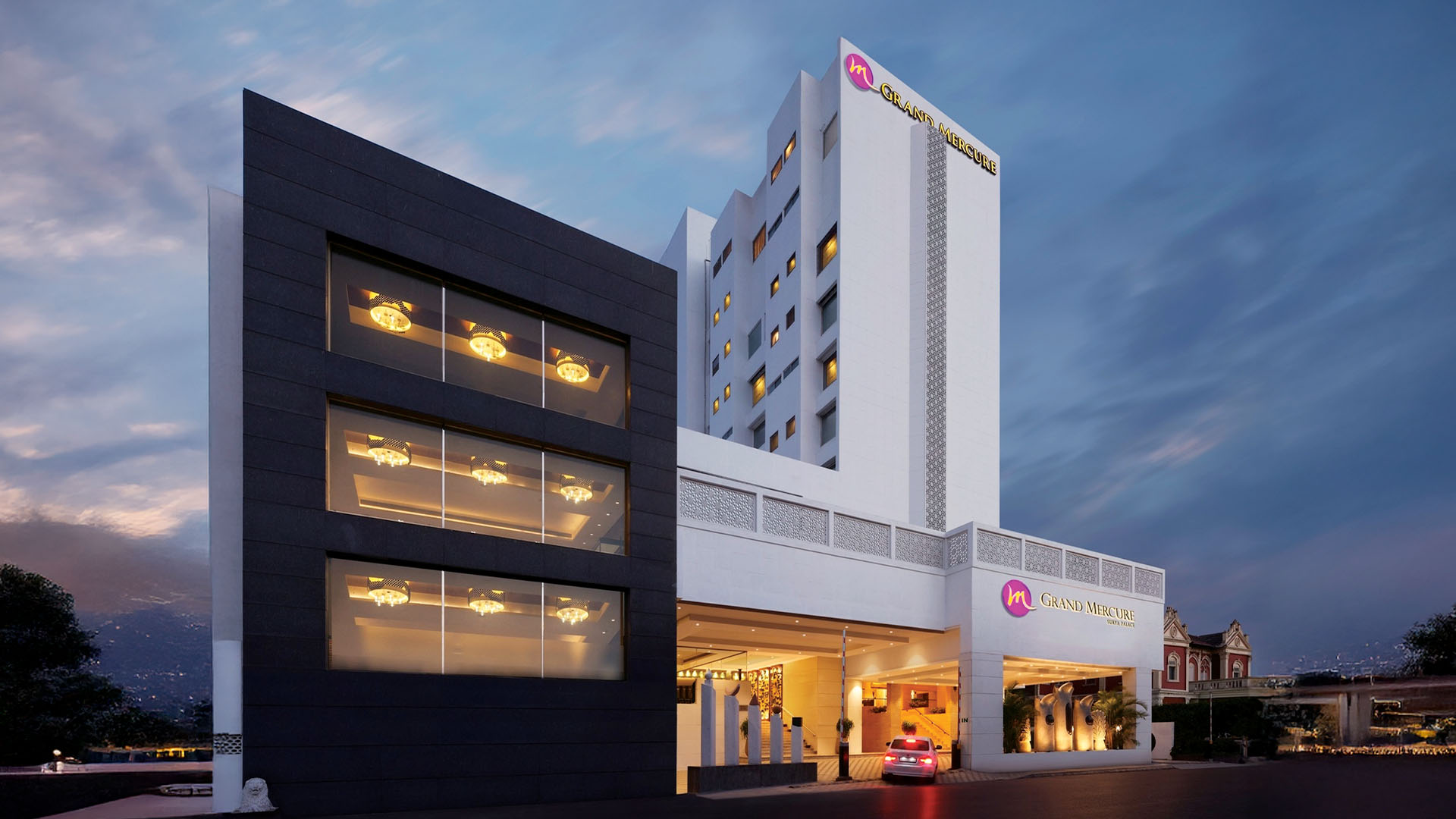
Grand Mercure Vadodara Surya Palace.
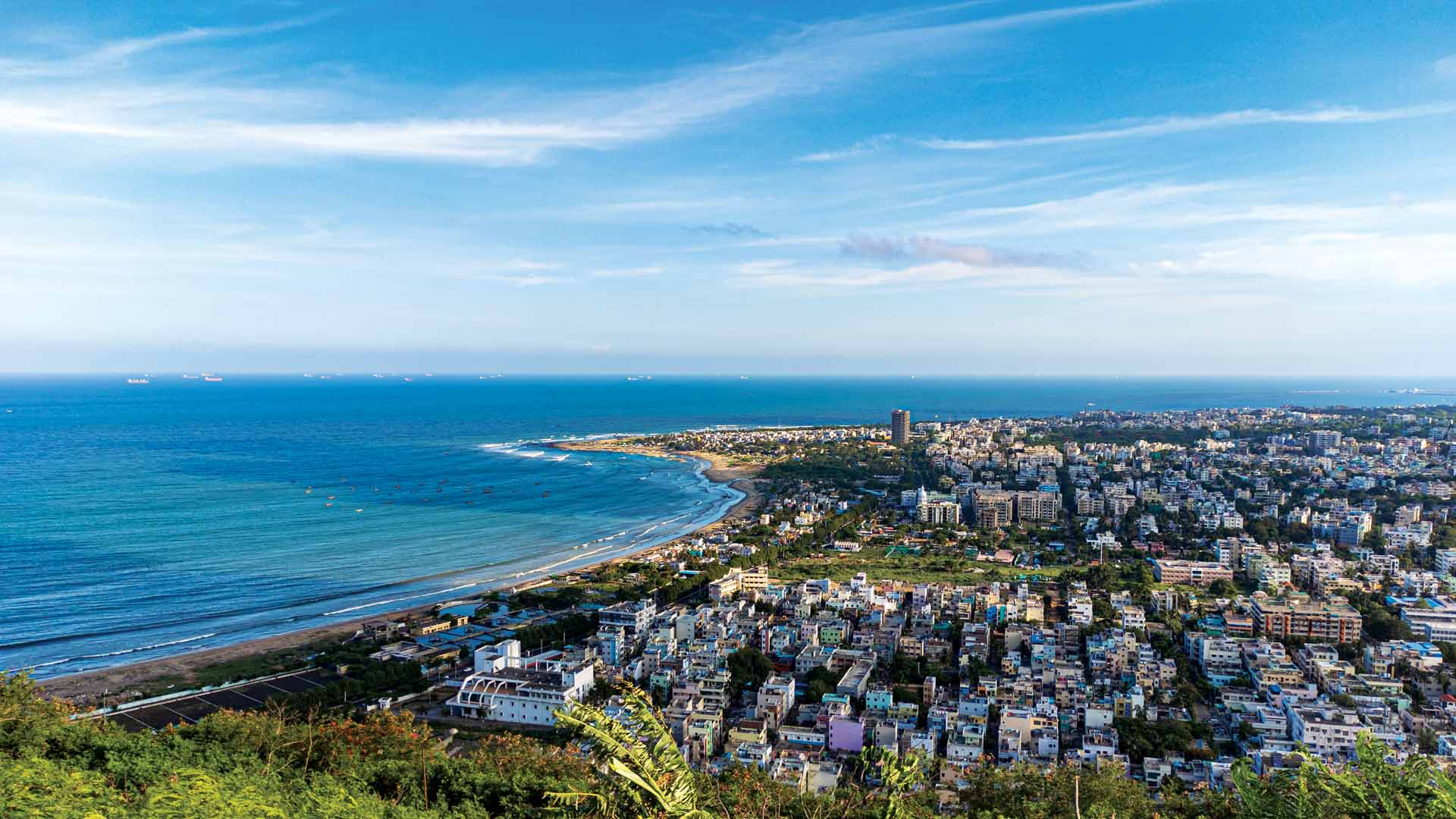
Aview of Visakhapatnam’s coastline.
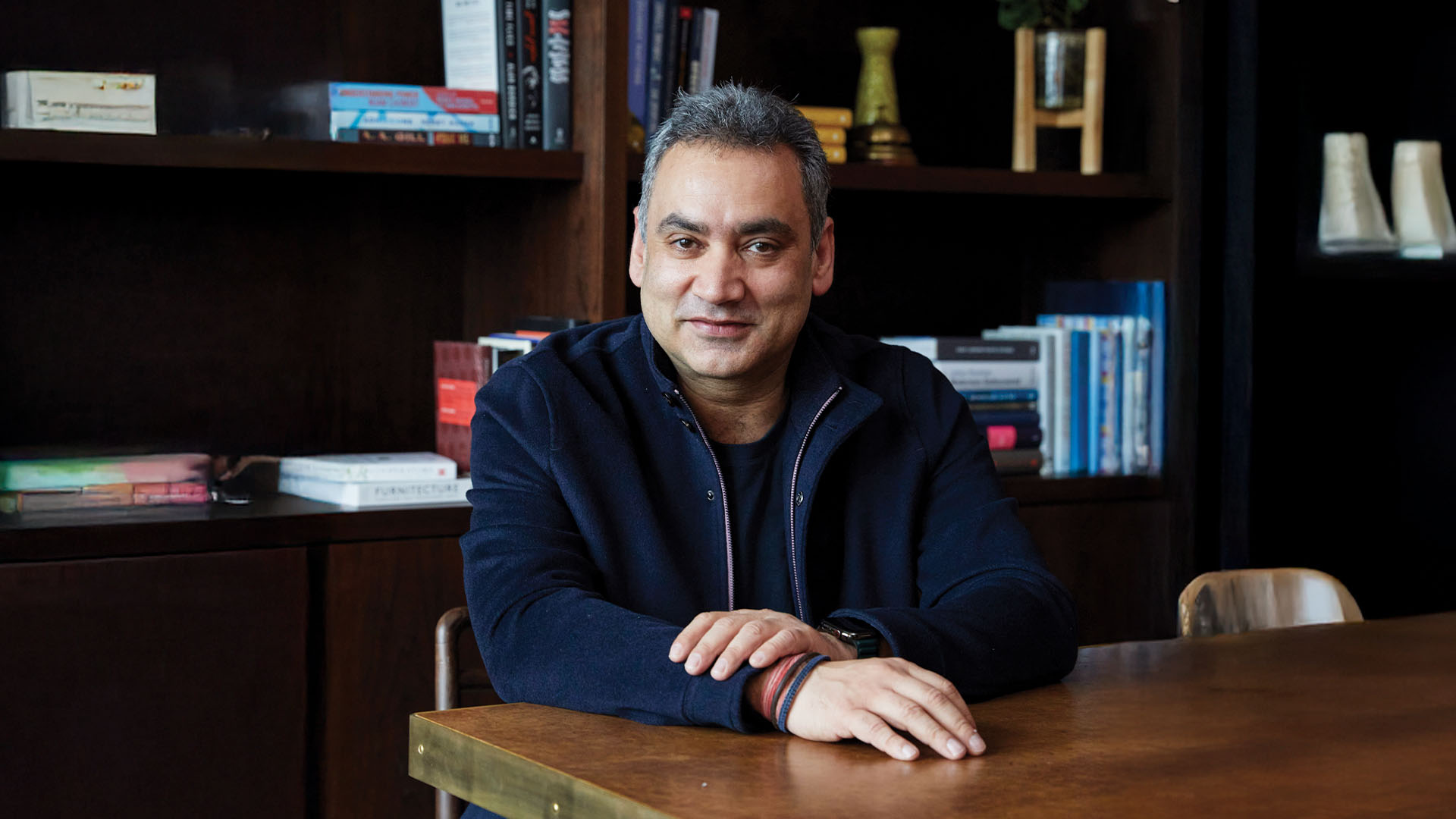
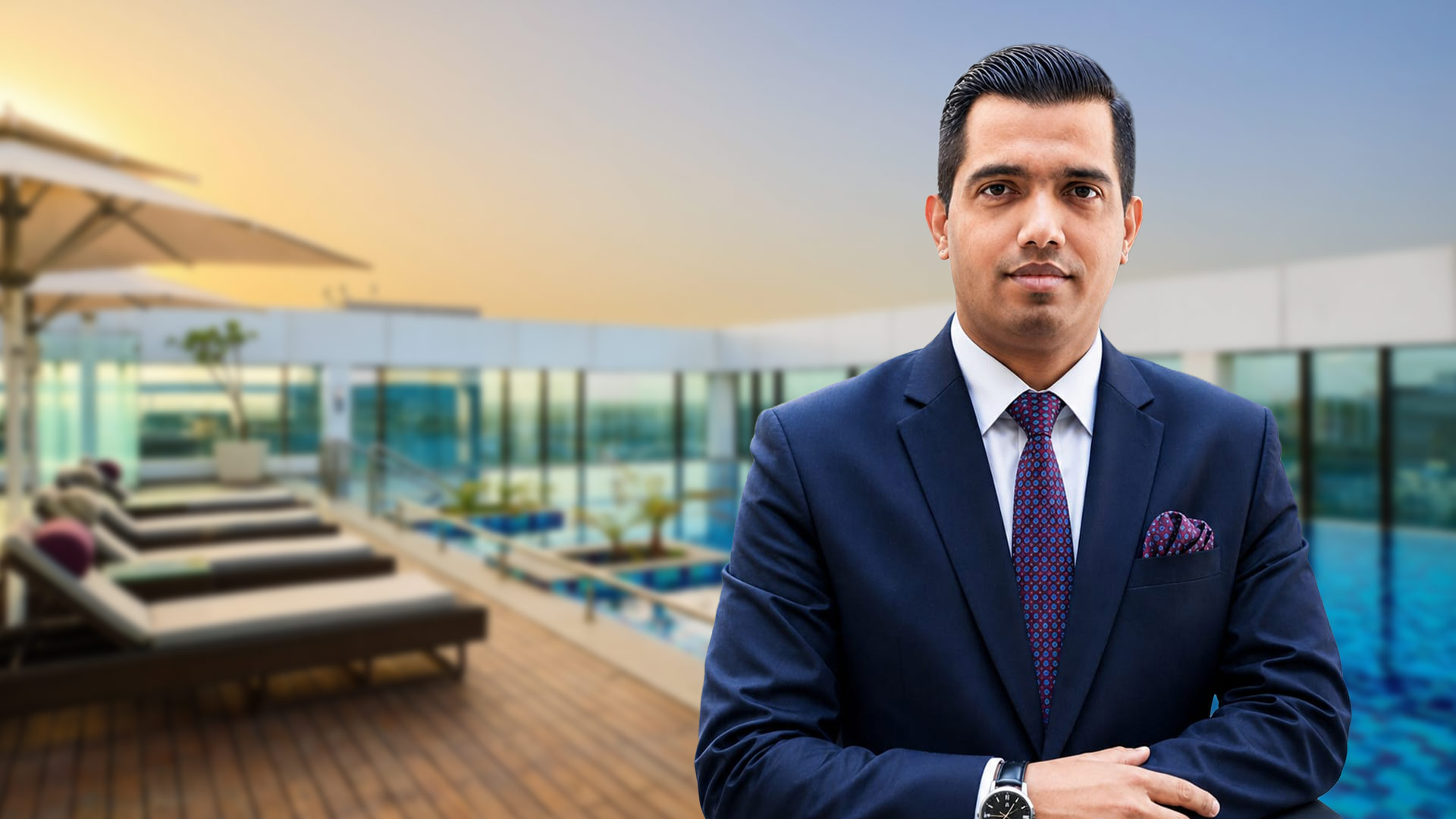
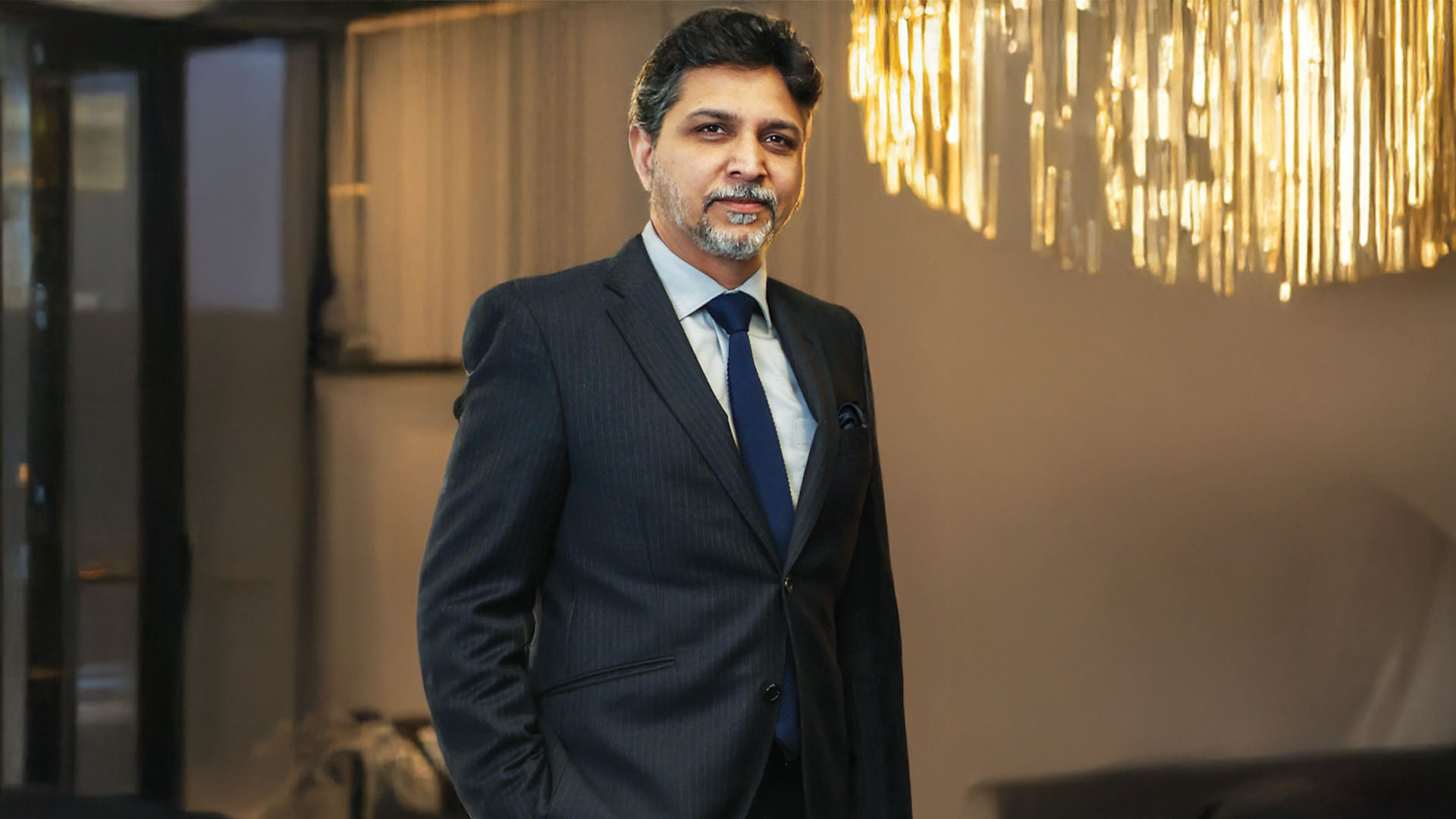
Gaurav Bhushan, Co-CEO, Ennismore; CEO, Lifestyle & Leisure Brands; Member - Accor’s Executive Committee.
While we absolutely have a big focus on luxury and lifestyle, we will continue to drive the midscale and economic growth which Accor and InterGlobe has already been doing.
Gaurav Bhushan
Co-CEO, Ennismore; CEO, Lifestyle & Leisure Brands; Member - Accor’s Executive Committee

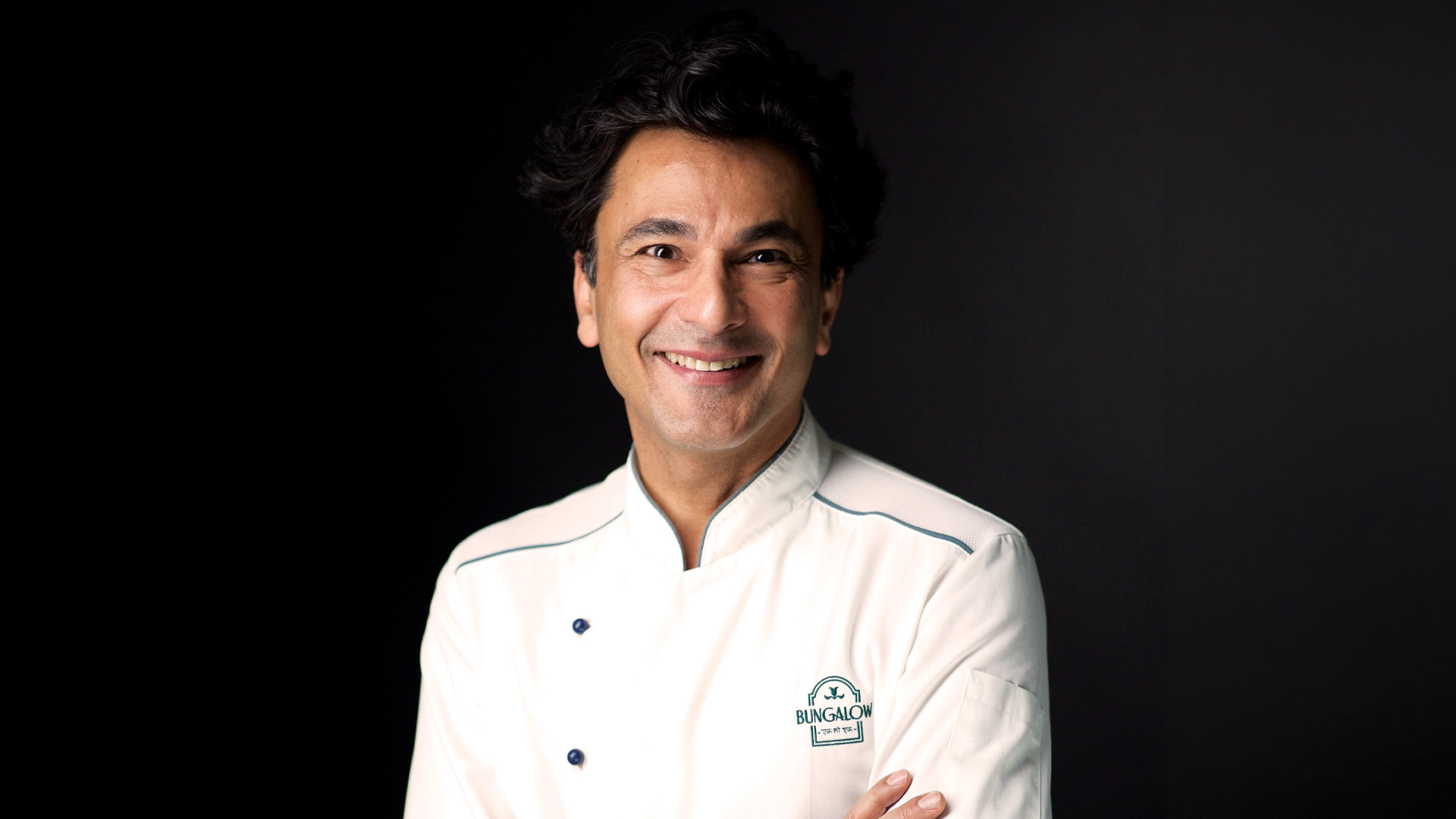
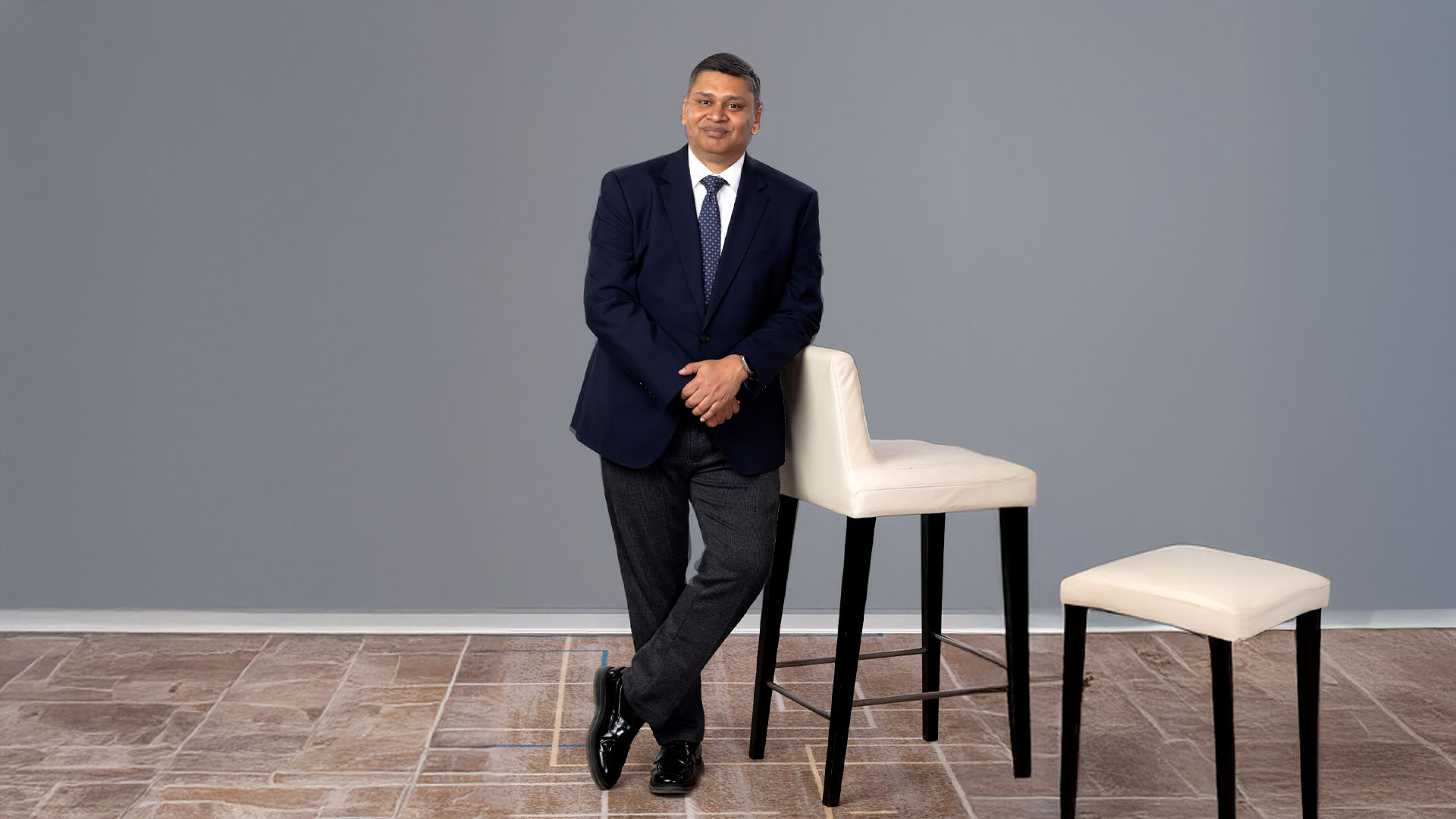
Achin Khanna, Managing Partner – Strategic Advisory, Hotelivate.
What makes the budget hotel development that much more opportune is the fact that it takes less time, less money, less land & FSI, less space, and therefore less capital to develop these assets as compared to the higher positioned hotels.
Achin Khanna
Managing Partner – Strategic Advisory, Hotelivate
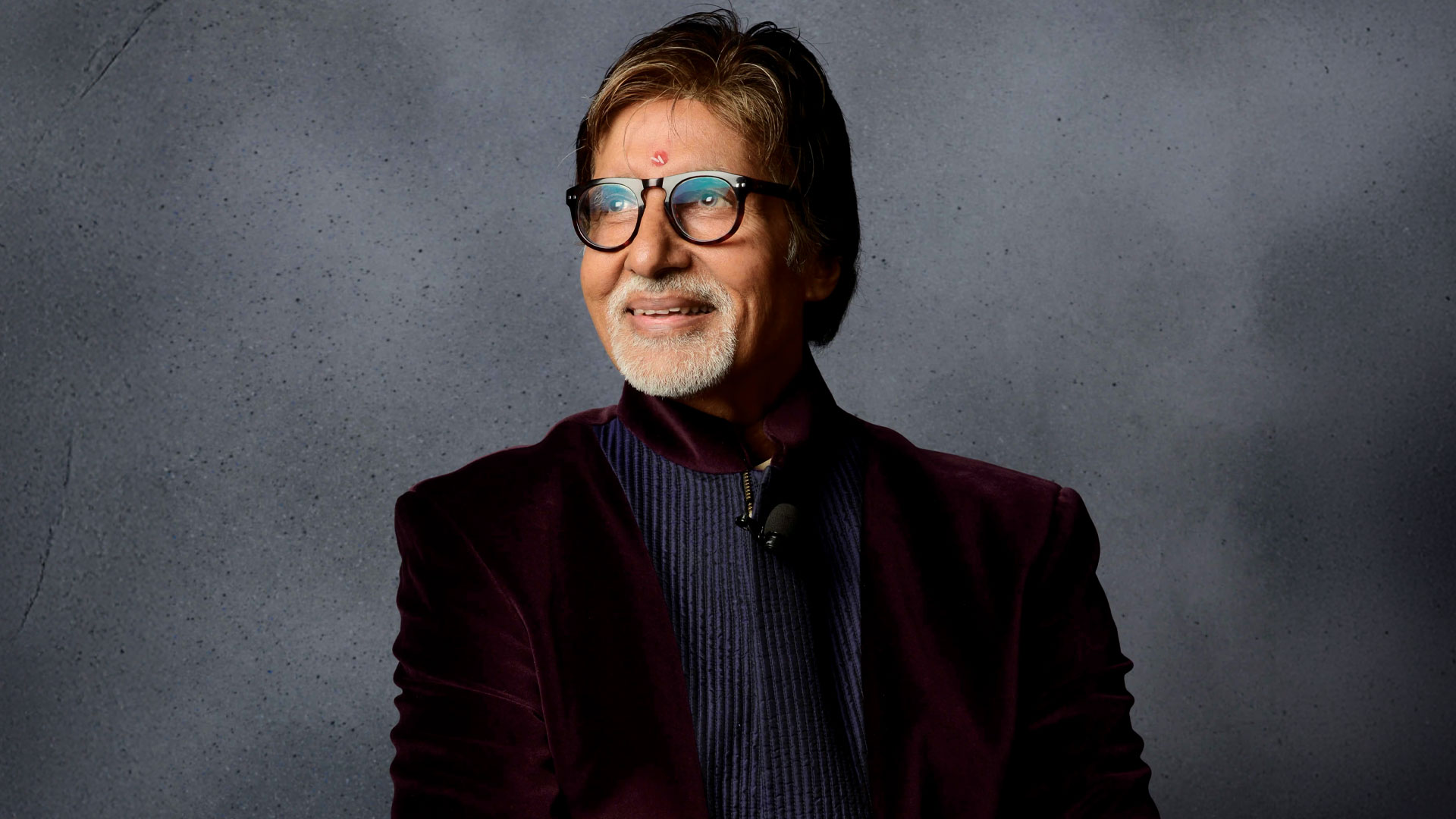
Rahool Macarius, Market Managing Director - Eurasia, Wyndham Hotels & Resorts.
Mid-market is a sweet spot, as you can draw from the upscale segment from an ADR standpoint and you take occupancy advantage from an economic standpoint.
Rahool Macarius
Market Managing Director - Eurasia, Wyndham Hotels & Resorts
Will GST help boost midscale fortunes?
- As part of the next generation GST reforms announced last year, the GST rate on hotel rooms priced up to ₹7,500 per night was taxed at 12% with input tax credit (ITC), which, under the revised rates, will now fall under a 5% GST slab without ITC. While rooms priced below ₹1,000 per night will remain GST-free, premium hotels with tariffs above ₹7,500 will continue to attract 18%.
- There has also been a revision in the GST for domestic air travel. Economy class tickets will attract 5% GST, down from 12%. Business class tickets will be taxed at 12%, compared to 18% earlier.
- Both these moves are expected to support growth in the tourism and hospitality sectors. Lower taxes on hotels and flights are likely to improve consumer sentiment, making travel more attractive and affordable. In an economy faced with several headwinds, these cuts are designed to spur consumer spending during the upcoming festive season, traditionally the season that sees the most spending from domestic sources.
- According to the Hotel Association of India, the tax reduction on hotel accommodation priced at ₹7,500 and below will provide relief to the extent of 7% on the room rate with the maximum of ₹525/room per night.
- Reactions from the industry have been positive. Nikhil Sharma, MD & COO, South Asia, Radisson Hotel Group, told PTI that the simplified tax structure provides much-needed clarity for hotel operators and travellers, enabling long-term planning and reinforcing confidence in the industry's growth trajectory. For Ajay Bakaya, Chairman, Sarovar Hotels and Director, Louvre Hotels India, "The wide-ranging cuts in GST across a large swathe of goods and services will spur the economy.
- The reduction to 5% on hotel tariffs makes domestic travel more inclusive, encouraging more families and young travellers to explore India, says Karan Agarwal, Director, Cox & Kings.
- "For travel and tourism, the cut in GST on hotel rooms priced below ₹7,500 will make stays more affordable for a large share of Indian travellers, reinforcing demand in the domestic market," according to Rajesh Magow, Co-Founder and Group CEO, MakeMyTrip.
- FHRAI, meanwhile, has noted that while the decision appears consumer-friendly, it is concerned over the simultaneous withdrawal of Input Tax Credit (ITC). "The denial of ITC undermines the foundational principle of GST to facilitate seamless credit flow across the value chain, creates structural imbalances within the sector, and severely impacts the cost structures of budget and midscale hotels. For smaller and mid-segment hotels, which serve the majority of domestic travellers, the change effectively translates into a huge cost overrun. Presently, these establishments charge GST at 12% with ITC benefits, but under the new regime, they will charge 5% without ITC. This might look beneficial for consumers, but hotels will have to absorb unrecoverable GST at 18% on rentals, outsourced manpower, maintenance, utilities, and capital expenditure, fundamentally altering their cost equation and eroding competitiveness."