













Why EQ Still Matters
How Indian hotels are leveraging AI without compromising their authenticity.


By Neeta Lal
In India, hospitality has never been about efficiency alone.
It’s as much about instinct—about noticing before being asked, remembering without recording, and responding with warmth rather than protocol. Long before dashboards and algorithms entered hotel back offices, service was shaped by observation, empathy, and repetition.
However, as artificial intelligence quietly integrates itself into Indian hotels today, the industry is not asking whether technology belongs, but how far it should go. The concern is not about adoption, but erosion: will speed replace sensitivity? Will automation flatten nuance?
Across airport hotels, business brands, and heritage palaces, a distinctly Indian answer is emerging. AI is being deployed not as a visible interface, but as an invisible concierge working in the background to sharpen intuition, remove friction, and give hotel teams something increasingly rare in modern hospitality: time.
India’s $10.6 billion luxury hotel market is rewriting global hospitality by fusing heritage with AI. Forget cookie-cutter service—Oberoi Hotels also use AI-powered tools (like digital butlers and chatbots) to handle routine, time-consuming requests such as answering FAQs, handling basic service requests via WhatsApp or mobile app — freeing staff to focus on more meaningful human interaction. This ensures automation doesn’t replace people but enables richer, more personalised guest engagement. In select properties, AI-enabled smart rooms pre-set lighting, temperature, music, and other ambience options based on guest preferences, creating a comfort experience that feels personal and thoughtful before the guest even engages with a staff member.

AI absorbs complexity behind the scenes, allowing service to unfold with calm, clarity, and human presence.
How high-volume business hotels are leveraging AI
While guests experience AI with ease, its most transformative impact is operational, particularly in hotels, balancing high volume with personalised service especially when repeat travellers form the backbone of occupancy. This data-led intuition is already bearing fruit in operational environments that used to struggle under volume and variability. At Pride Plaza Hotel, Aerocity, New Delhi, a key gateway property for both international and domestic travellers, AI-powered analytics review patterns in flight arrivals, guest preferences, historical consumption, and in-stay behaviour.
This enables hotel teams to prepare rooms ahead of early arrivals, allocate specialised amenities to returning guests, and adjust housekeeping or F&B resources dynamically based on predicted demand. “AI helps us reduce delays, improve accuracy, and anticipate peak pressure points. More importantly, it allows our teams to spend less time reacting and more time engaging,” elaborates Mohammad Shoeb, Vice President - Northern Region, Pride Hotels Ltd. At Pride Plaza Hotel, Aerocity, AI systems also manage enquiry routing for reservations, banquets, dining, and events. During peak conference seasons, the system flags bottlenecks in advance—allowing managers to reallocate staff, stagger services, or proactively communicate with guests. “Earlier, service gaps showed up only after complaints,” says Shoeb. “Now we see pressure points before they affect the guest.”
For regular guests, such as Rohit Malhotra, a Mumbai-based consultant, that anticipation feels more human than digital. “After my third stay, I didn’t need to say anything. My room was ready early, my airport pickup aligned perfectly, and even the coffee machine I prefer was already there. It felt remembered, not recorded.” For staff, the impact is profound. A front-office executive at Pride Plaza, explains: “While earlier, screens controlled our day. Now systems support us, and conversations come first.”
At Crowne Plaza properties across India, too, predictive hospitality plays out at scale. AI-driven demand forecasting tools analyse historical data from conferences, weddings, and seasonal travel to predict not just occupancy, but service load—breakfast rushes, concierge demand, banquet pressure, and housekeeping turnover. This crucial information allows hotels to staff smarter, not heavier. Crowne Plaza hotels are also using AI-driven sentiment analysis to scan online reviews, internal feedback forms, and post-stay surveys. Patterns—slow check-ins, F&B delays, housekeeping issues—are flagged in near real time, enabling corrective action within hours, not weeks.

At Oberoi Hotels, technology sharpens anticipation, while the welcome remains unmistakably human.
Modern intelligence for boutique and luxury properties
Even in luxury settings, the anticipation model is being calibrated carefully. At Radisson Blu Palace Resort & Spa, Udaipur, AI flags milestone celebrations and intention signals based on booking patterns and preferences, triggering teams to create memorable moments like private lakeside dining or curated cultural excursions.
“AI enables us to anticipate guest needs and deliver highly personalised experiences,” informs Somesh Agarwal, Chairman & Managing Director of the hotel. “But the emotion still comes from people. AI supports dynamic pricing and demand forecasting, ensuring competitive rates and availability. Additionally, we’re also exploring ʻsentiment analysis tools’ to better understand guest feedback and tailor services accordingly. These initiatives allow us to anticipate needs and deliver a seamless, customised stay while maintaining the human touch that defines our hospitality.”
At the Udaipur hotel, machine learning supports dynamic pricing, event forecasting, and banquet resource planning, particularly critical for destination weddings. “AI allows us to anticipate demand accurately,” says Agarwal, “so service never feels stretched.”
Feedback from guests has been positive, with many appreciating the convenience and personalisation that technology brings to their journey. Many have noted that booking and pre-arrival processes feel smoother and more intuitive, thanks to AI-driven recommendations. This has helped Radisson Blu Palace Resort & Spa, Udaipur, identify what matters most to the guests—whether it’s curated dining experiences or flexible check-in options—and respond quickly.
“Guests value that technology complements rather than replaces human interaction. They enjoy efficiency but still cherish the warmth of our team, which remains central to their experience,” adds Agarwal.
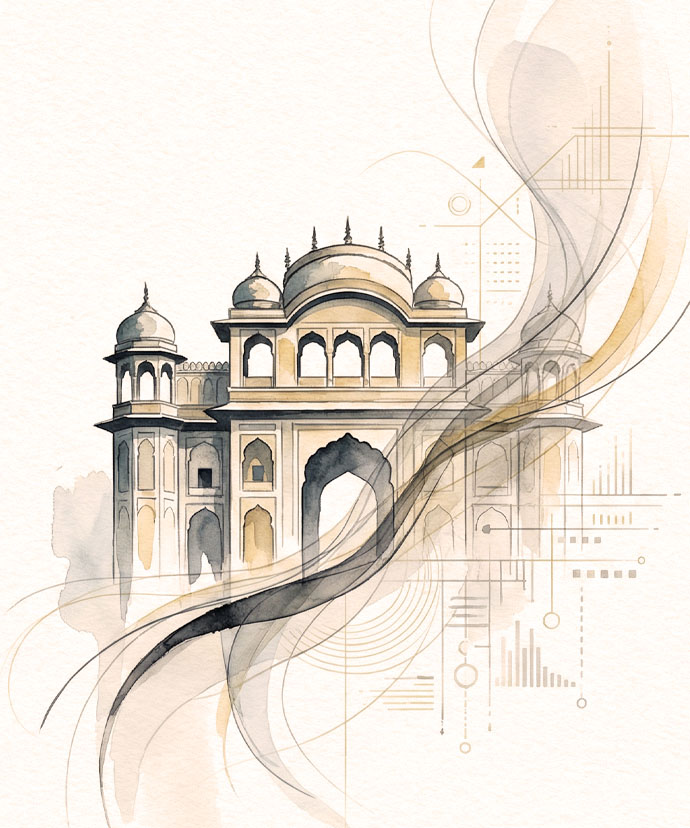
In heritage properties, intelligence adapts discreetly, allowing architecture and ritual to remain unchanged.
Why emotion still leads
Personalisation is where AI walks its finest line. Too little, and it feels generic. Too much, and it feels invasive. Indian hotels are increasingly training AI to understand when not to speak. UpsellGuru’s platform uses behavioural signals—time of day, length of stay, past responses—to decide if and when a recommendation should appear. Leisure travellers may be gently nudged toward spa experiences during low-activity windows, while business guests are offered express services closer to departure.
“What makes AI effective is subtlety,” adds Schmidtner. “When recommendations are contextual and well-timed, guests feel guided, not sold to.”
At Crowne Plaza hotels, AI-powered preference engines allow guests to quietly personalise stays through mobile interfaces—choosing pillow firmness, room temperature ranges, or breakfast preferences—without staff intervention. These choices are stored securely and resurface automatically during repeat visits. “I liked that I wasn’t constantly asked questions by staff,” says Neha Kapoor, a marketing professional who stayed at Crowne Plaza Jaipur. “The hotel already knew my preferences, but no one made it obvious.”
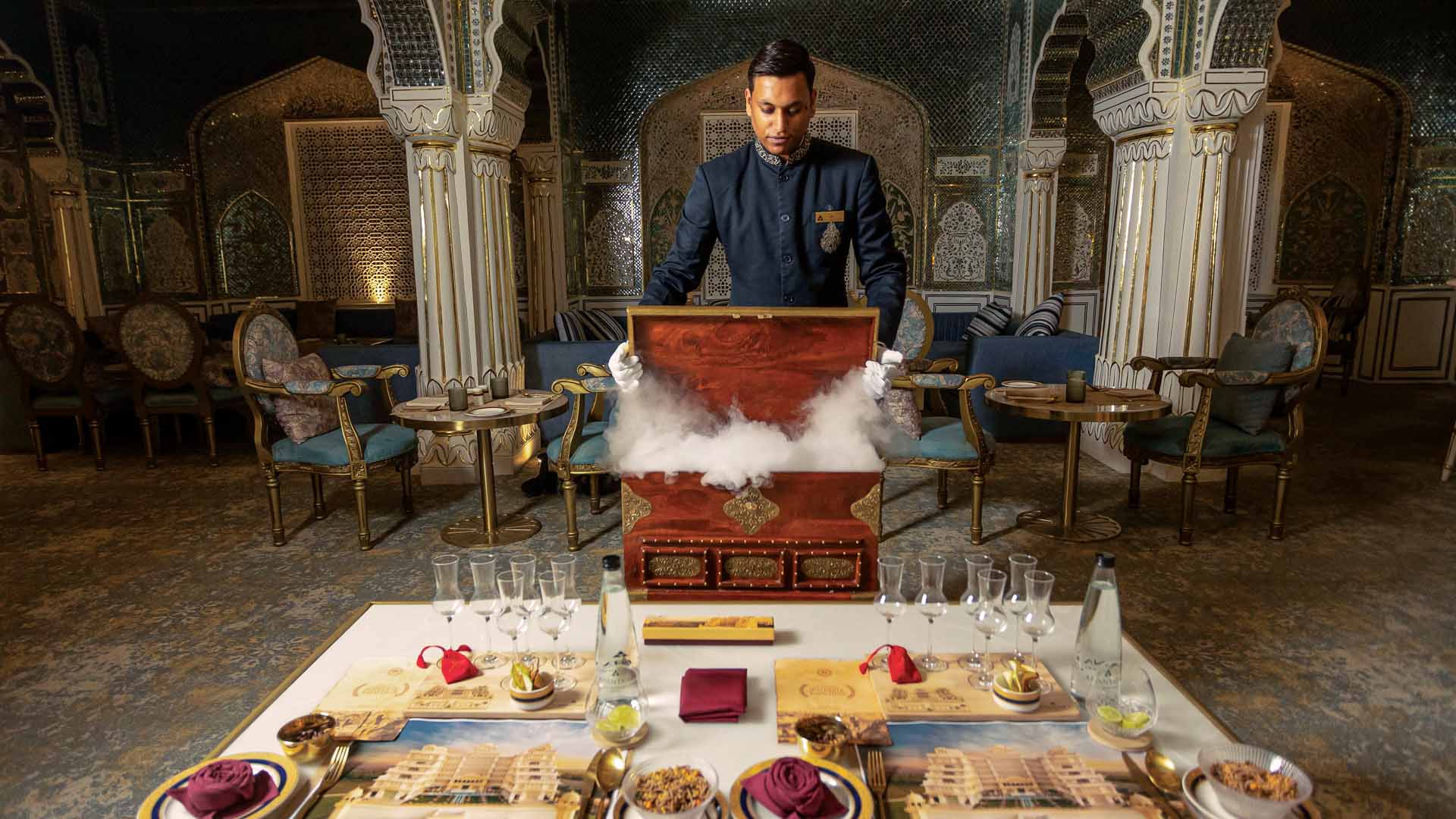
At Anantara Jewel Bagh Jaipur, AI informs dining preferences and timing in advance, allowing service at the table to feel measured and personal.
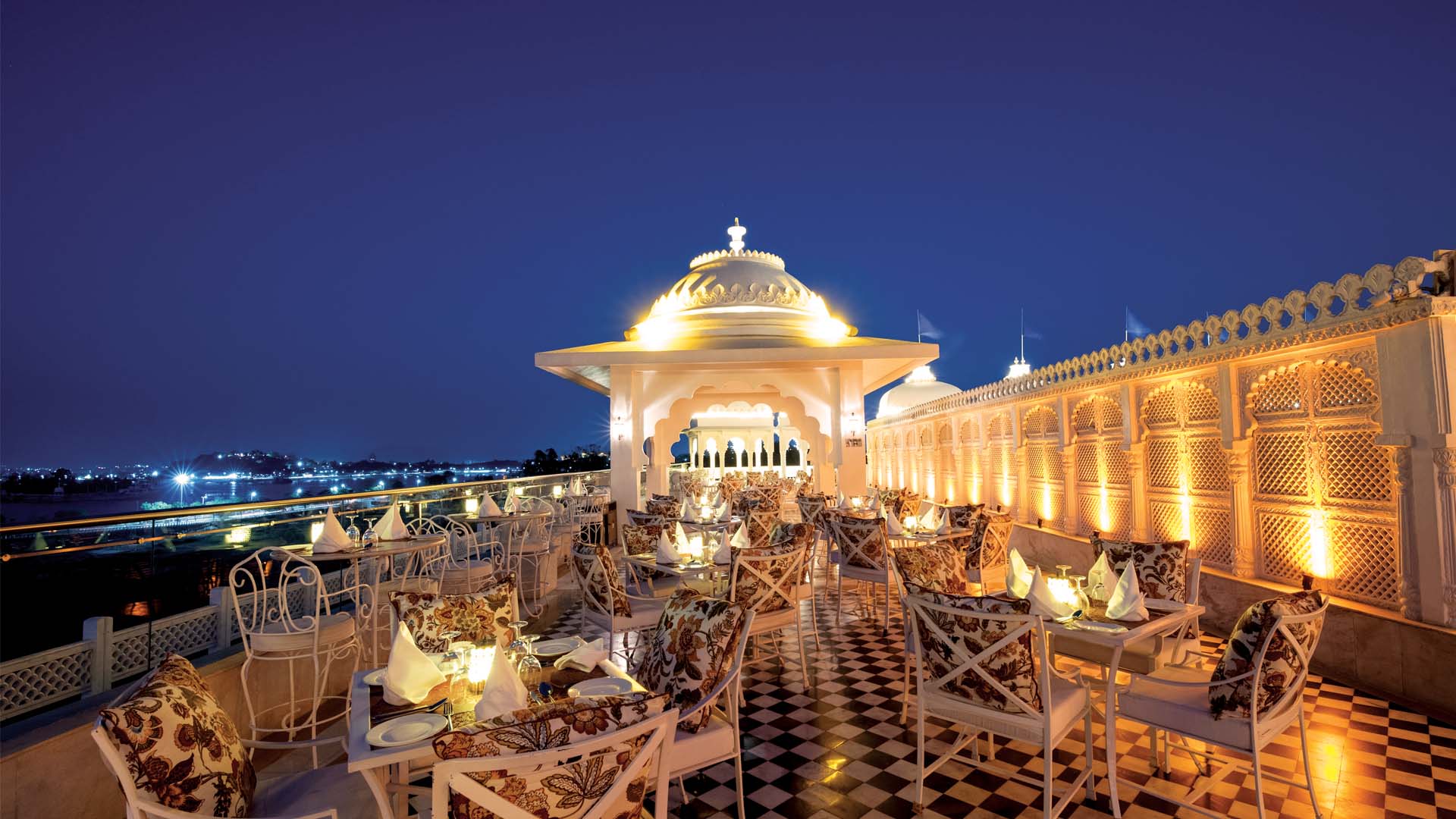
Milestone celebrations are anticipated through booking patterns at Radisson Blu Udaipur Palace Resort & Spa, allowing experiences to be shaped before the guest asks.
Time as the new luxury
At Anantara Jewel Bagh Jaipur Hotel, personalisation extends beyond the room. AI-supported guest profiles help the team tailor dining suggestions, spa timings, and even walking tour recommendations based on past behaviour. Technology manages logistics so staff can focus on storytelling and conversation.
“Technology handles convenience,” says General Manager Vimal Verma, “so our team can focus on warmth. At the same time, secure digital guest profiles allow the team to remember preferences across visits, ensuring that, say, a favourite dining style or spa treatment resurfaces without prompting.”
At Radisson Blu Palace Resort & Spa, Udaipur, AI-assisted booking tools are already recommending optimal room categories—heritage-facing rooms for leisure travellers, quieter wings for seniors—while sentiment analytics interpret guest feedback to fine-tune service decisions in real time. AI helps us refine the experience continuously without guests feeling observed, explains Agarwal.
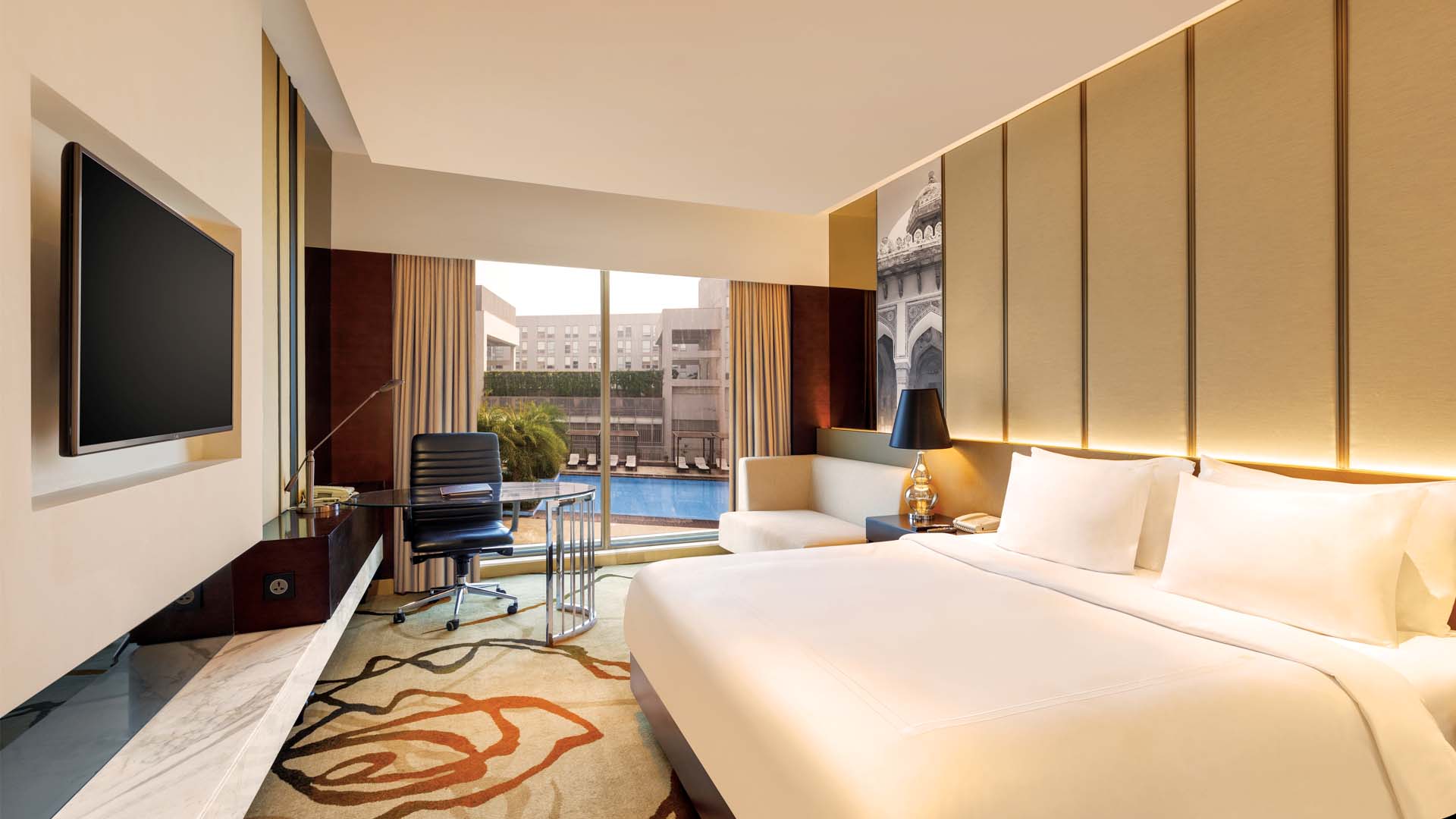
In a high-volume gateway setting like Pride Plaza Hotel Aerocity, AI helps teams read pressure points early, keeping service fluid even at peak demand.

When systems align in the background, service holds steady across every touchpoint.
Oberoi Hotels is leveraging predictive algorithms to craft dining and spa plans; at The St. Regis Goa, wearables curate wellness itineraries; and IHCL Hotels’ chatbots remember your vintage wine and pillow choice.

When data feels personal
Interestingly, guests rarely talk about AI. They talk about `flow’. “At Pride Plaza, everything felt organised but not rigid,” says Amit Verma, a repeat corporate guest. “The staff seemed relaxed, and that made me relax.”
At Crowne Plaza Delhi, Sonal Arora, travelling with family, noticed the difference. “Requests were handled quickly, but people still took time to talk. It didn’t feel rushed.”
At Radisson Blu Palace Resort & Spa, Udaipur, Rakesh Jain, a luxury traveller, appreciated the restraint. “Booking was smooth, but the experience felt charming and old-world. Technology stayed invisible.”
Across UpsellGuru-enabled properties, guest feedback frequently includes words such as effortless, thoughtful, and seamless. As Schmidtner observes, “When AI reduces friction, guests remember how the stay made them feel—not how it was delivered.”

Karl Schmidtner, Co-Founder and Chief Commercial Officer, UpsellGuru.
By analysing guest behaviour, preferences, booking patterns, and in-stay engagement, AI enables hotels to tailor experiences at scale. This ensures that guests feel recognised rather than processed.
Karl Schmidtner
Co-Founder and Chief Commercial Officer, UpsellGuru
Learning from the world, adapting for India
Perhaps Indian hotels are taking a leaf out of international hotels, which have pioneered operational uses of AI. Hilton, for instance, has deployed AI-powered chatbot assistants worldwide to handle thousands of guest conversations, freeing human staff to focus on complex and emotional interactions. Marriott uses AI analytics to optimise pricing and personalise recommendations across its Homes & Villas portfolio, tailoring offers based on past guest behaviour. InterContinental Hotels Group (IHG) employs AI-enhanced mobile apps that act as digital concierges, offering real-time travel assistance and smart room controls—all contributing to operational efficiency while enhancing guest experience.
Back in India, Crowne Plaza hotels use AI-driven sentiment analysis to track online reviews and internal feedback in near real time, enabling corrective action within hours rather than weeks.
At The Earth Amritsar – Trademark Collection by Wyndham, AI-assisted inventory planning ensures heritage assets are maintained without disruption. Predictive maintenance systems flag wear-and-tear before breakdowns occur, reducing downtime and guest inconvenience. “Technology handles data quietly,” says General Manager Ram Krishan, “while our teams focus on cultural storytelling and guest engagement.”
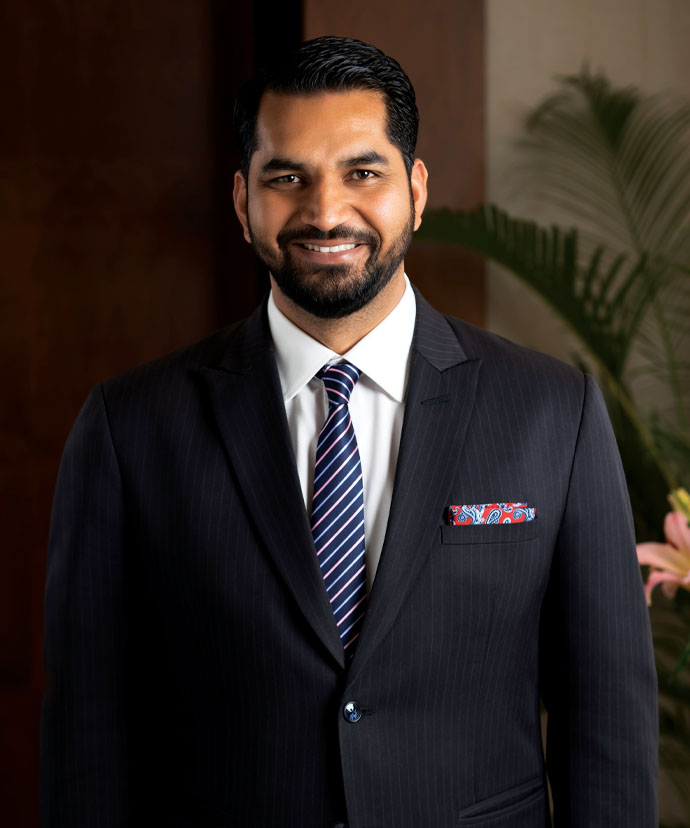
Vimal Verma, General Manager, Anantara Jewel Bagh Jaipur Hotel.
Technology handles convenience so our team can focus on warmth. Secure digital guest profiles allow the team to remember preferences across visits, ensuring that, say, a favourite dining style or spa treatment resurfaces without prompting.
Vimal Verma
General Manager, Anantara Jewel Bagh Jaipur Hotel
The red lines: privacy, trust, and human judgment
The biggest challenge with AI adoption is ensuring data privacy and security. Hotels are acutely aware that trust, once broken, cannot be automated back. Personalisation relies on sensitive guest information, so hotels are required to follow strict compliance protocols, including encryption and secure storage. Transparency is critical so guests need to be informed about how their data is used so they can be given control over their preferences. “The biggest challenge is data security,” says Mohammad Shoeb. “Guests trust us with sensitive information.”
Radisson Blu Palace Resort & Spa, Udaipur, follows strict compliance protocols, encryption standards, and transparent consent policies. “Guests must know how their data is used and retain control,” Agarwal emphasises. There is also caution against over-reliance on algorithms.
Another potential pitfall of AI usage is over-automation, which can make experiences feel impersonal, say experts. “To avoid this, some hotels position AI as a `support system’, not a substitute for genuine hospitality. Continuous staff training is also done to balance technology with the warmth and authenticity that luxury guests expect from Indian hotels,” elaborates Hotelivate's Kapoor.
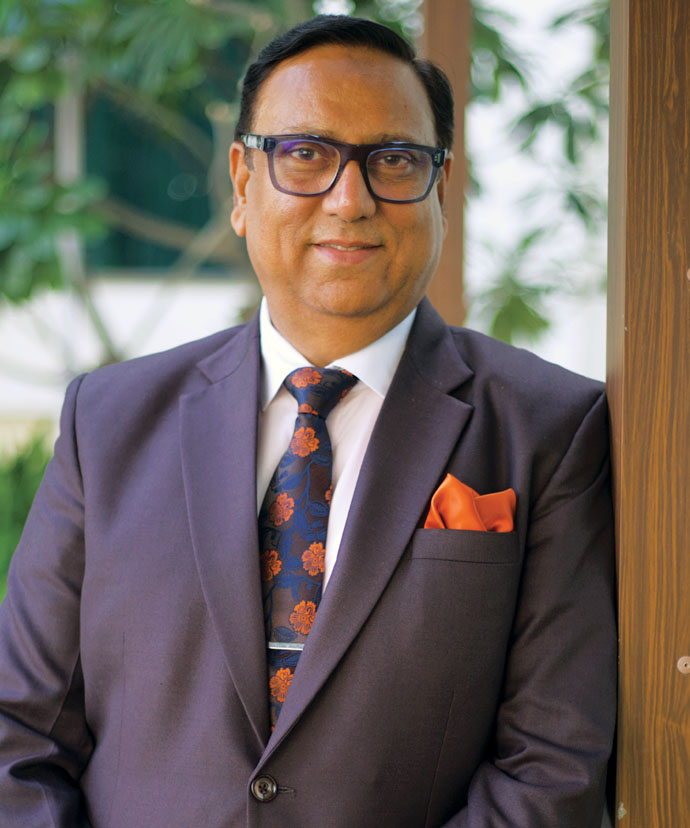
Somesh Agarwal, Chairman & MD, Radisson Blu Palace Resort & Spa, Udaipur.
AI enables us to anticipate guest needs and deliver highly personalised experiences. But the emotion still comes from people. AI supports dynamic pricing and demand forecasting, ensuring competitive rates and availability. Additionally, we’re also exploring `sentiment analysis tools’ to better understand guest feedback and tailor services accordingly.
Somesh Agarwal
Chairman & MD, Radisson Blu Palace Resort & Spa, Udaipur
Intelligence with intention
Given the dangers that tech poses, Indian hotels are not racing toward automation. They are curating intelligence with intention—freeing staff, sharpening intuition, and ensuring consistency—so that hospitality feels warmer, not faster. As Vikram Sethi, 38, a seasoned Bengaluru-based traveller, puts it: “The best luxury is when nothing feels forced, and everything feels cared for.”
In that balance between data and discretion lies the future of Indian hospitality—one where technology steps back, and humanity steps forward. This becomes all the more important given the striking scale of India’s booming hospitality industry.
The Indian hotel market, estimated at around $10.6 billion in revenue in 2024, is expected to grow to $16.8 billion by 2030, according to rating agency ICRA (Investment Information and Credit Rating Agency). Domestic tourism, with over 2.3 billion visits annually and foreign arrivals steadily rebounding, plus evolving leisure demand and continued interest in experiential travel, will further add to this buoyancy.
It is within this growth arc that AI has begun embedding itself—not as a shiny add-on, but as a tool that can help Indian hotels capture and sustain value in a brutally competitive global marketplace.
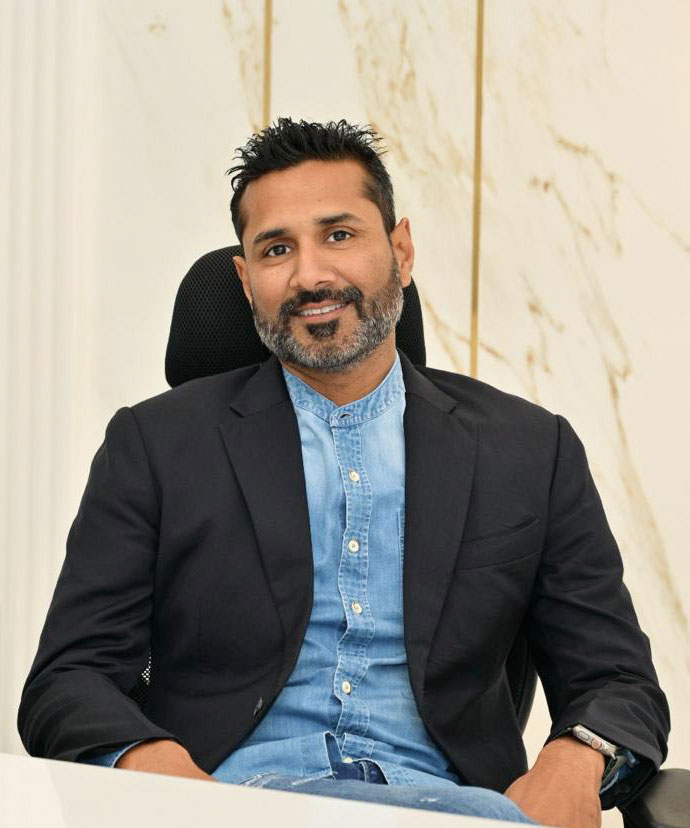
Mohammad Shoeb, Vice President - Northern Region, Pride Hotels Ltd.
AI helps us reduce delays, improve accuracy, and anticipate peak pressure points. More importantly, it allows our teams to spend less time reacting and more time engaging.
Mohammad Shoeb
Vice President - Northern Region, Pride Hotels Ltd