



















Hotels Emerge as an Investment Asset as Deals Top ₹ 36,500 Crore: NOESIS Report
A new report from NOESIS Hotel Advisors studies around 125 hotel deals, 37,847 keys and ₹ 36,564 crore of disclosed value. Its message to owners and investors is simple. In hospitality, math decides everything.


By SOH Edit Team
India's hospitality sector is undergoing a structural shift, with hotels increasingly viewed as institutional investment assets rather than businesses operated solely by hotel companies, according to a new report by NOESIS Hotel Advisors.
Titled The Art and Science of Buying and Selling Hotels, the report analyses 125 hotel transactions across India involving 37,847 keys and disclosed deal value of ₹ 36,564 crore. It argues that hotels are now attracting a broader investor base—including developers, family offices, institutional investors, lenders, landowners and first-generation entrepreneurs, reflecting the sector's growing appeal as a real estate-backed operating asset.
Luxury leads value creation
The study estimates the average transaction value at around ₹ 0.97 crore per key across the deals analysed. However, the averages mask significant differences across segments.
Luxury hotels accounted for just 29 transactions but contributed ₹ 22,033 crore in deal value, with an average transaction value of about ₹ 1.68 crore per key. Budget hotels, by comparison, represented the largest volume of activity with 48 deals covering 14,903 keys but averaged only ₹ 0.38 crore per key.
Institutional investors emerged as the largest source of capital, accounting for transactions worth ₹ 21,812 crore. Large multi-city portfolio acquisitions alone contributed ₹ 15,095 crore, underscoring investors’ willingness to pay a premium for scale.

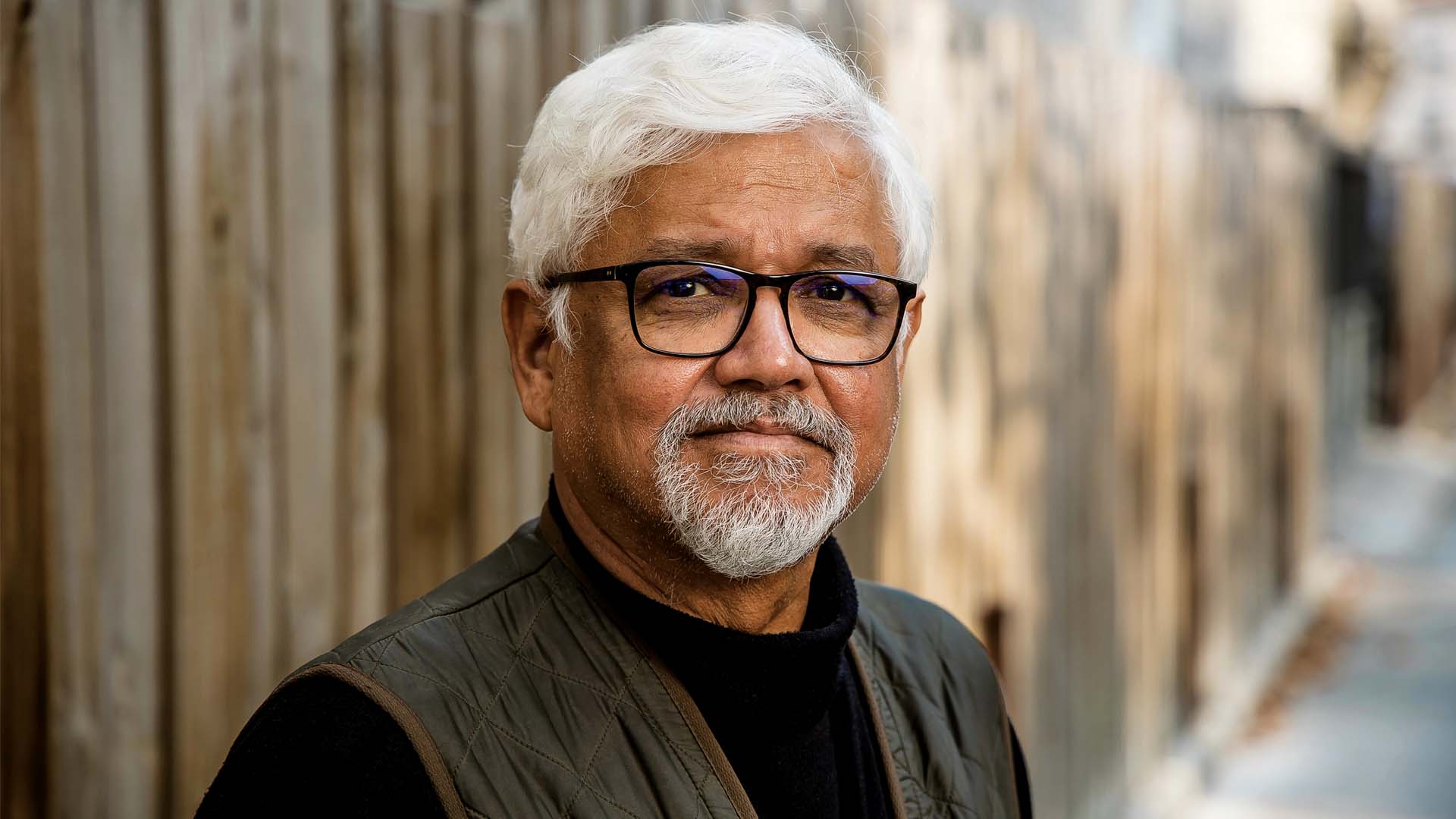
Nandivardhan Jain, Founder and CEO, NOESIS Hotel Advisors.
“A hotel is a working business that sits inside real estate. Its value comes from the cash it earns, not from the size of its lobby. Owners who understand this are building real wealth. Owners who do not are simply paying for someone else's future purchase.”
Nandivardhan Jain
Founder and CEO, NOESIS Hotel Advisors

Different lessons for different stakeholders
The report highlights how hotel valuations increasingly depend on the strategic objectives of different buyers rather than simply on room count or replacement cost.
For individual hotel owners, it suggests that identical assets can command vastly different valuations depending on the buyer profile, making per-key pricing an incomplete measure of value.
Developers are presented with multiple entry strategies, ranging from acquiring operational hotels and distressed assets to investing in under-construction projects, minority stakes and land parcels with hospitality potential.
For family offices and high-net-worth investors, the report positions hospitality as a way to participate in India’s rising incomes and expanding domestic travel market, while emphasising the importance of disciplined investment decisions. Operators and lenders, meanwhile, are reminded that feasibility studies, capital structures and brand alignment often determine long-term asset performance before operations even begin.
“For most of the last two decades India treated hotels as a passion business. That time is over,” said Nandivardhan Jain, Founder and CEO, NOESIS Hotel Advisors.
“A hotel is a working business that sits inside real estate. Its value comes from the cash it earns, not from the size of its lobby. Owners who understand this are building real wealth. Owners who do not are simply paying for someone else's future purchase.”
Case studies highlight valuation discipline
Drawing on advisory assignments undertaken by the firm, the report illustrates how financial discipline can significantly alter investment outcomes.
In one South India assignment, a promoter who had invested around ₹ 110 crore in a 140-room hotel approached NOESIS to raise additional capital for project completion. Following a detailed review, the firm concluded that the project suffered from overbuilding relative to market demand and excessive leverage. Instead of arranging fresh funding, it advised the owner to exit the investment. The property was eventually sold for around ₹ 94 crore, preserving equity that might otherwise have been eroded.
In another case in Jaipur, NOESIS helped reposition a weekend resort as a destination wedding property under an appropriate brand, enabling the owner to increase average room rates while expanding capacity from about 70 rooms to 145.
“Most hotels in this country are still built on emotion, not evidence,” Jain said. “A buyer will never pay for an oversized building, vanity or a brand the owner simply likes. A buyer pays only for what the business can support. That one line explains most of the trouble we are called in to fix.”
A practical guide for hotel transactions
NOESIS describes the publication as a practical handbook rather than a market commentary.
The report covers the entire investment lifecycle—from market assessment and asset selection to acquisition costs, debt and equity structuring, post-acquisition integration, sale preparation and due diligence frameworks aimed at helping investors identify risks before committing capital.
“India still has too few quality hotel rooms and the capital has finally noticed,” Jain said. “This is the best window in ten years to buy the right hotel or to sell a good one at the right price. The mistake is to buy or sell without doing the math first.”