

















Sarnath Joins UNESCO World Heritage List, Raising India’s Total to 45 Sites
Sarnath, where the Buddha delivered his first sermon, has officially been inscribed as India’s 45th UNESCO World Heritage Site—a landmark achievement for cultural heritage and global recognition.

By SOH Edit Team
The Ancient Buddhist Site of Sarnath in Uttar Pradesh has been inscribed on the UNESCO World Heritage List during the 48th session of the World Heritage Committee in the Republic of Korea, taking India’s total number of World Heritage Sites to 45.
The inscription recognises Sarnath’s exceptional cultural, historical and spiritual significance as one of Buddhism's most revered destinations. According to Buddhist tradition, it was here that Gautama Buddha delivered his first sermon after attaining enlightenment in the sixth century BCE, marking the beginning of the spread of Buddhist teachings.
Located near Varanasi, one of the world’s oldest continuously inhabited cities, Sarnath evolved into a major centre of Buddhist learning and pilgrimage over several centuries. Successive rulers and monastic communities developed the site with stupas, temples and monasteries, cementing its place among the four principal Buddhist pilgrimage sites globally.
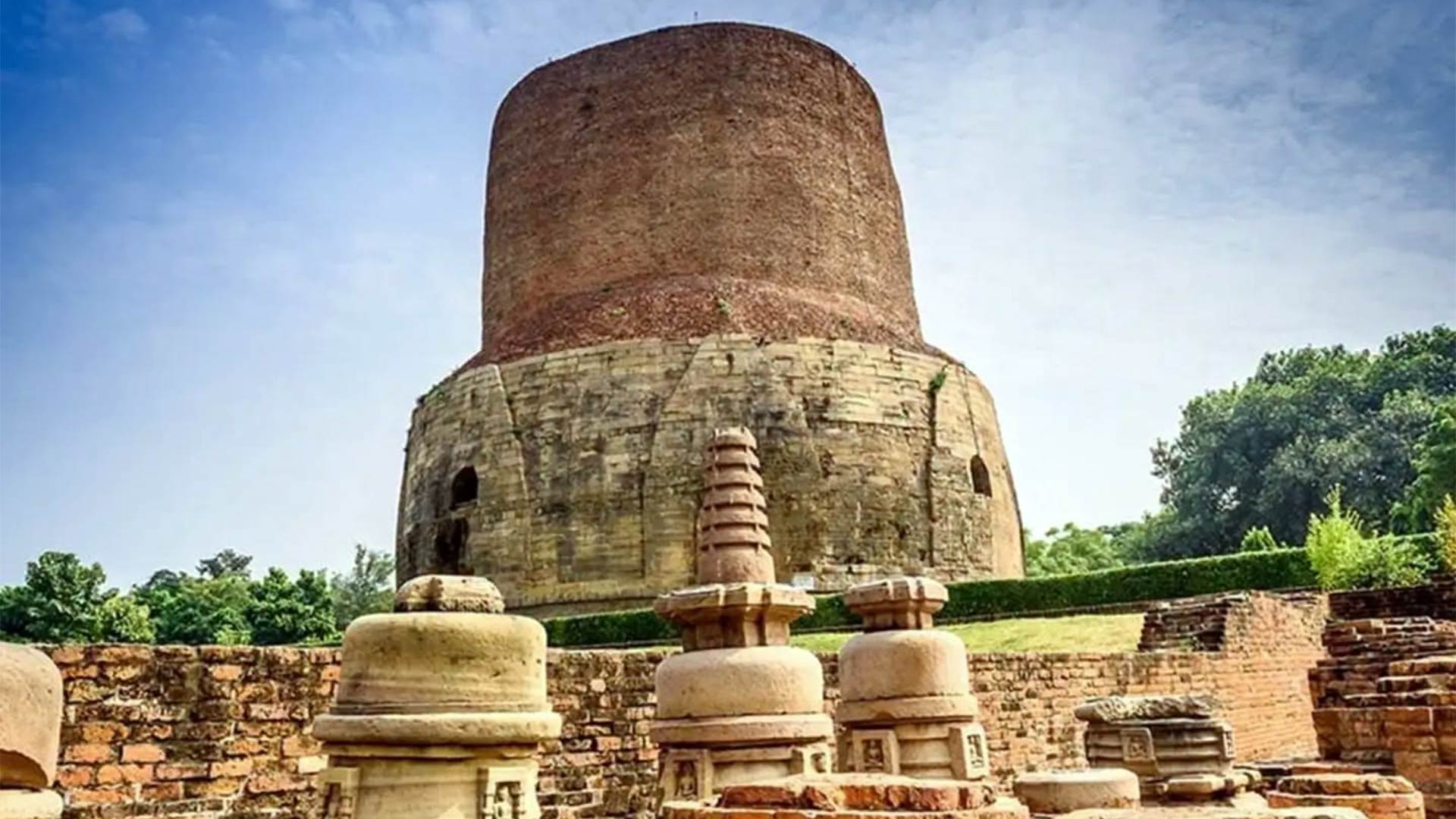
The UNESCO inscription covers the Chaukhandi Stupa and the Archaeological Remains of Sarnath, including the iconic Dhamek Stupa and Dharmarajika Stupa, collectively forming the historic landscape known as Deer Park.
A Landmark in Buddhist Heritage
Highlighting the importance of the Buddhist site, India’s Ministry of Culture said, “This global accolade celebrates India’s enduring cultural legacy, showcasing its diverse traditions of architectural brilliance, regional identity, and historical continuity.”
The recognition also underscores India's growing prominence in global heritage conservation. According to UNESCO, India now has 45 World Heritage Sites, with the Maratha Military Landscapes becoming the country’s previous inscription in 2024.
The decision was approved by the World Heritage Committee, which oversees the implementation of the 1972 World Heritage Convention and identifies sites of Outstanding Universal Value—places whose cultural or natural significance transcends national boundaries and is considered part of humanity's shared heritage.
With 1,248 World Heritage properties across 170 countries, UNESCO’s list remains the world’s foremost recognition of cultural and natural heritage.
Sarnath’s inclusion further strengthens India’s position as a global custodian of civilisation, faith and heritage, while creating new opportunities for cultural tourism, international collaboration and heritage-led economic development.