
















Gong Strikes a New Culinary Frequency in Mumbai’s Dining Scene
Mumbai welcomes a new expression of Pan-Asian cuisine with Gong, a culinary venture that brings together immersive design, a strong sushi programme, and a menu shaped by contemporary Asian flavours.

By Rachna Virdi
After a decade-long stint in Pune, Gong from the house of Specialty Restaurants Limited arrives in Mumbai with a dining experience rooted in sound, atmosphere, and contemporary Asian cooking.
Step in from the bustle of Linking Road, and the transition feels immediate. The pace softens, the noise fades, and the space begins to unfold quietly. Gong brings together progressive cooking, considered design and a menu exploring Asian flavours with depth and detail—much like the lingering resonance of a gong.
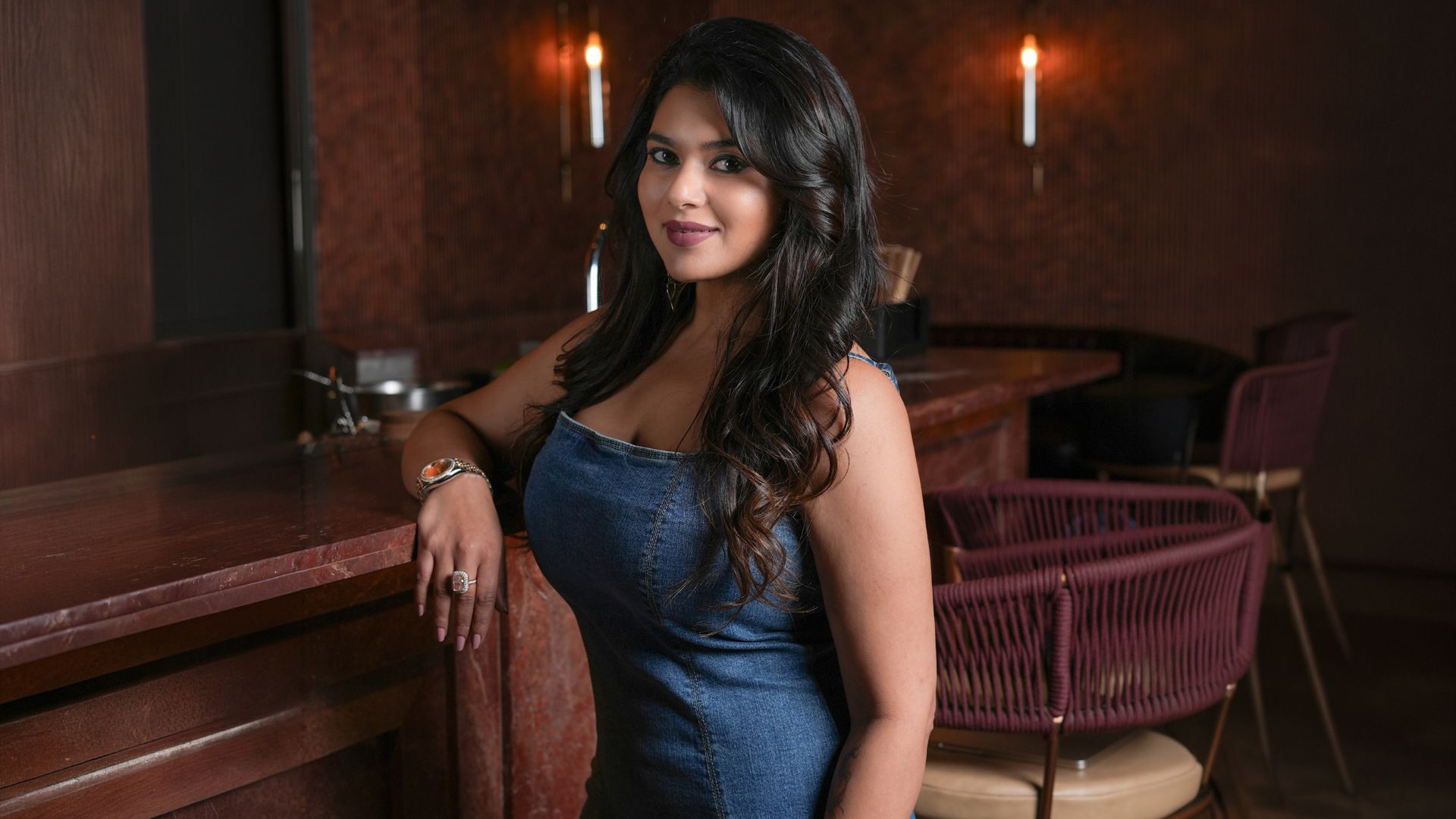
At the helm is Avik Chatterjee, Executive Director, Innovation & New Formats at Speciality Restaurants, and son of hospitality veteran Anjan Chatterjee. “Gong was envisioned as a high-energy Asian dining experience that brings together the precision of Japanese cooking with the vibrancy and pace of modern Tokyo. The name represents resonance and energy, much like the sound of a gong. We wanted the restaurant to create a lasting sensory impression through the food, atmosphere, music, and overall experience,” he says.
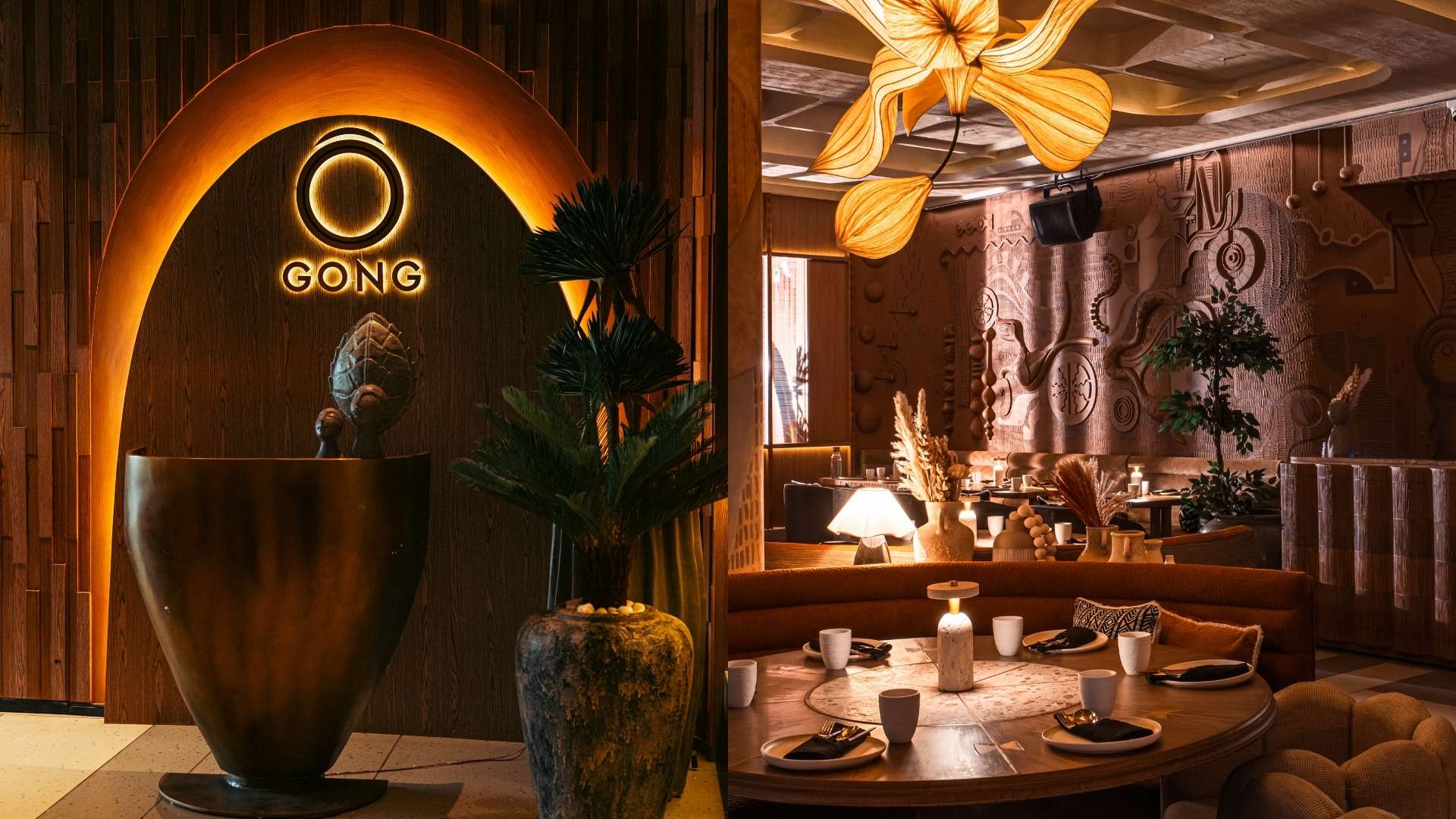
The name represents resonance and energy, much like the sound of a gong.
The Mumbai chapter
For Avik, bringing Gong to Mumbai was deeply personal. “Bandra has one of the most exciting dining cultures in the country. People here are curious, well-travelled, and constantly looking for new experiences. It felt like the perfect neighbourhood for Gong to build its identity.”
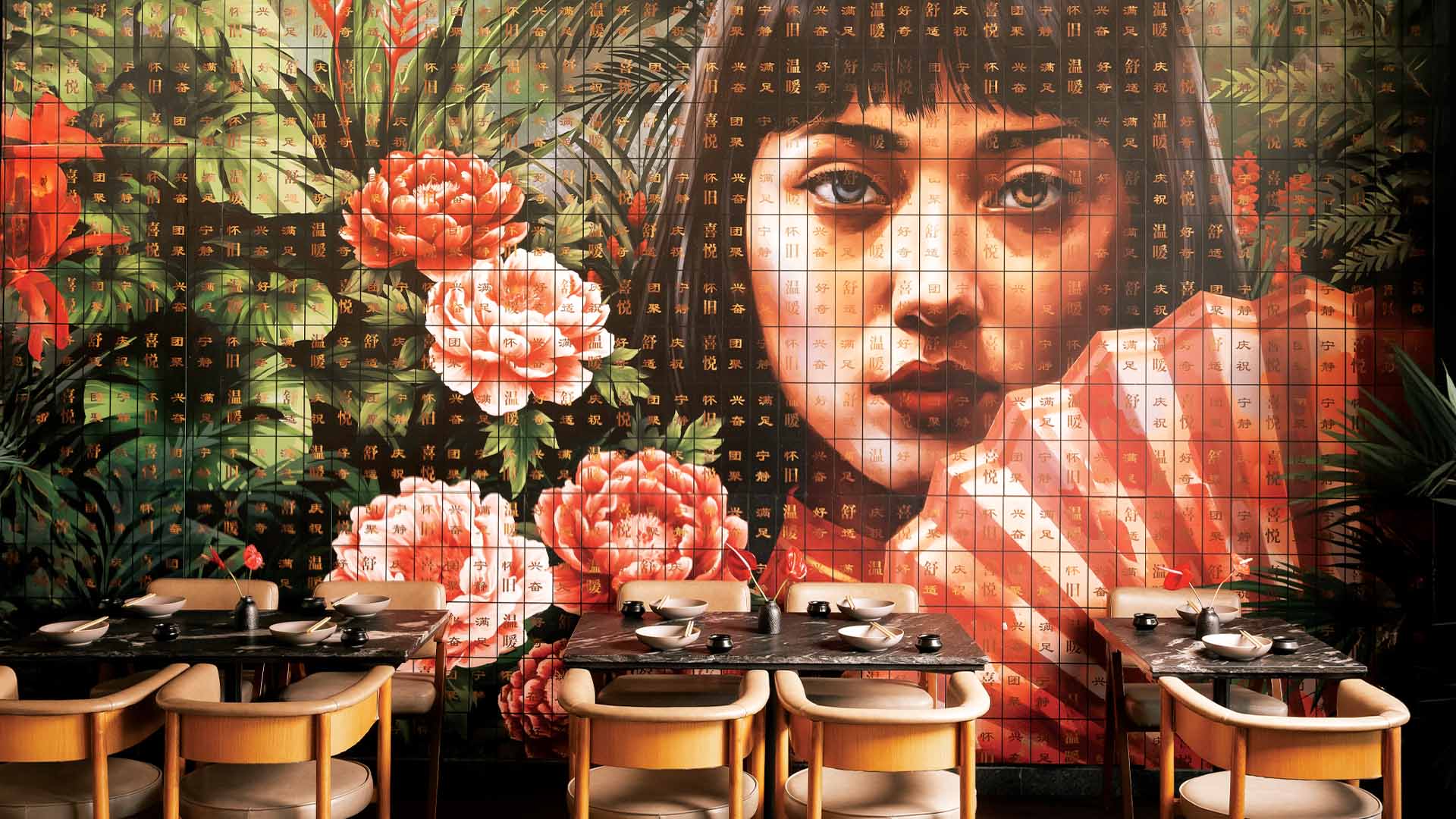
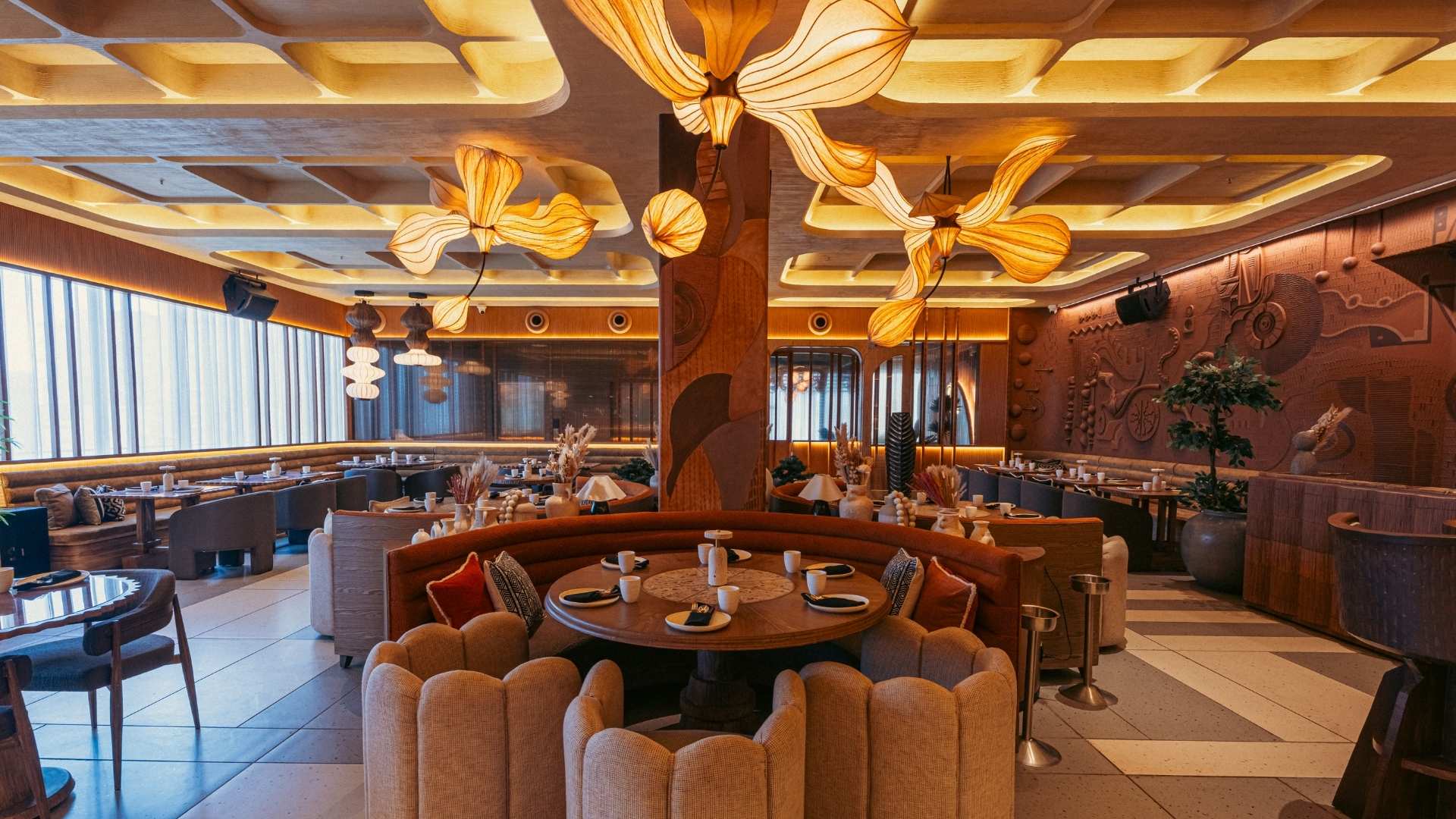
Designed by Sumessh Menon Associates, the restaurant is immersive yet restrained, with earthy brass and bronze tones, organic materials, and fluid forms shaping the interiors. Inspired by sound and resonance, the design incorporates tactile details ranging from ZA Works’ monolithic wall art to Oorja’s banana-fibre lighting.
“We consciously wanted to move away from the stereotypical visual language associated with Asian restaurants. The inspiration came from the layered energy created by the sound of a gong when struck—something dynamic yet calming at the same time. Through a contemporary interpretation influenced by wabi-sabi principles, we wanted the space to feel minimal and emotionally engaging rather than overtly thematic,” he explains.

Avik Chatterjee, Executive Director, Innovation & New Formats at Speciality Restaurants, and son of hospitality veteran Anjan Chatterjee.
“Gong was envisioned as a high-energy Asian dining experience that brings together the precision of Japanese cooking with the vibrancy and pace of modern Tokyo."
Avik Chatterjee
Executive Director, Innovation & New Formats at Speciality Restaurants

The menu philosophy
As a second-generation entrepreneur, Avik’s focus lies in balancing legacy with innovation. “Innovation does not mean changing the identity of a dish completely. We try to respect the essence of a dish while introducing subtle shifts through ingredients, techniques, or presentation. Sometimes replacing one hero element or adding a new layer of flavour can make something feel entirely fresh while still staying true to its roots.”
That philosophy extends to sourcing as well. Quality, freshness, and ingredient standards remain non-negotiable, especially for seafood sourced from Japan and handled using specialised deep-freezing techniques that preserve texture and flavour with remarkable precision.
“We work with carefully sourced ingredients and trusted suppliers to ensure consistency,” says Singh. “For seafood in particular, we follow extremely high storage and handling standards to maintain freshness, safety, and integrity without compromising flavour or texture.”
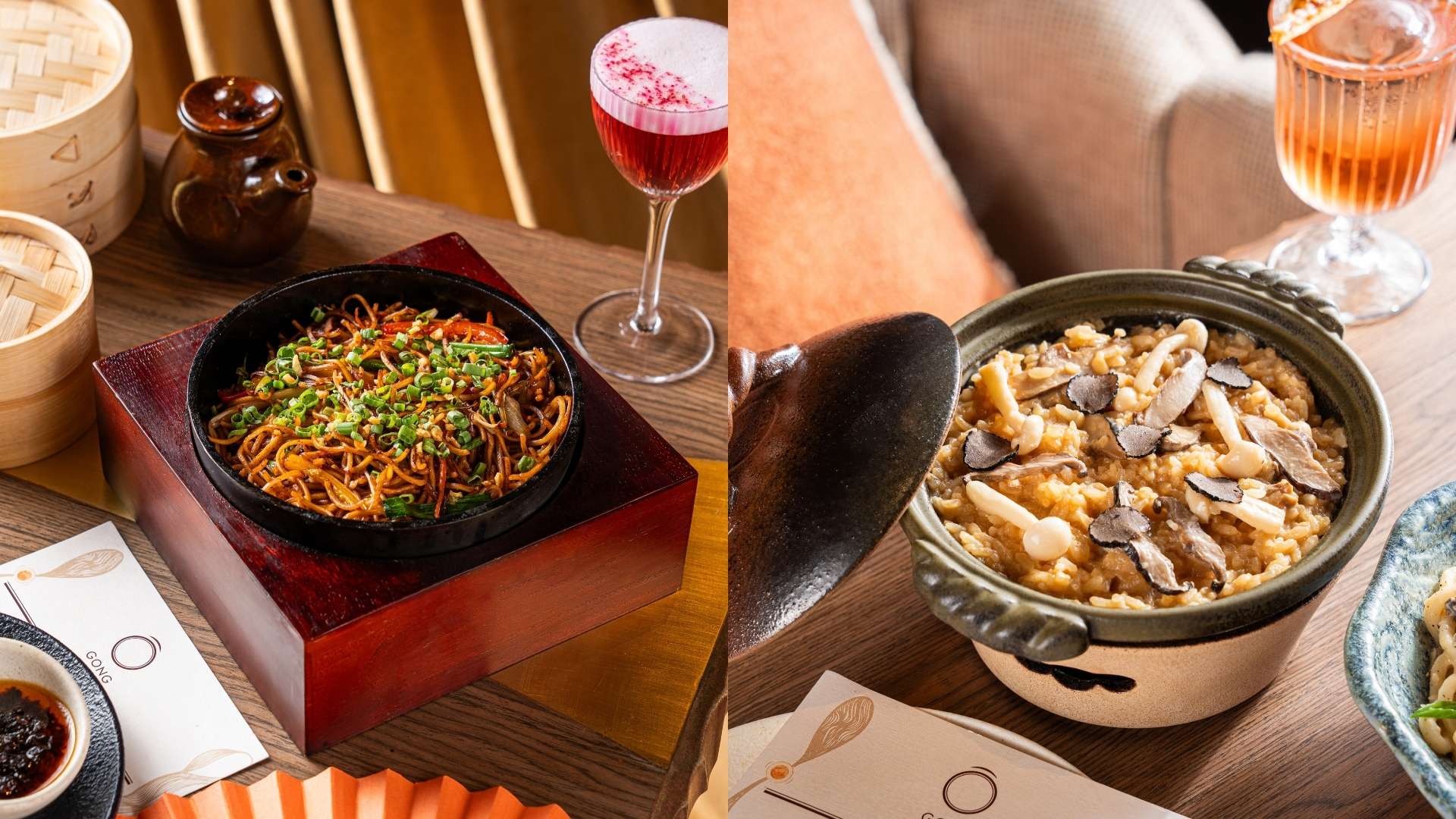
The Chuka Stone Bowl- Stir Fired Noodles and Itameshi- Truffle Mushroom Risotto are some of the must-haves.
A progressive pan-Asian menu
Avik was clear that he didn’t want Gong to feel like another conventional Pan-Asian restaurant. The menu leans into progressive Japanese cooking and techniques, with Chūka and Itameshi influences appearing in a Pan-Asian format for the first time in India.
“We wanted to reinterpret familiar Asian flavours through a more contemporary lens. Chūka and Itameshi allowed us to introduce lesser-known Japanese subcultures while keeping the food relatable for Mumbai diners,” he says.
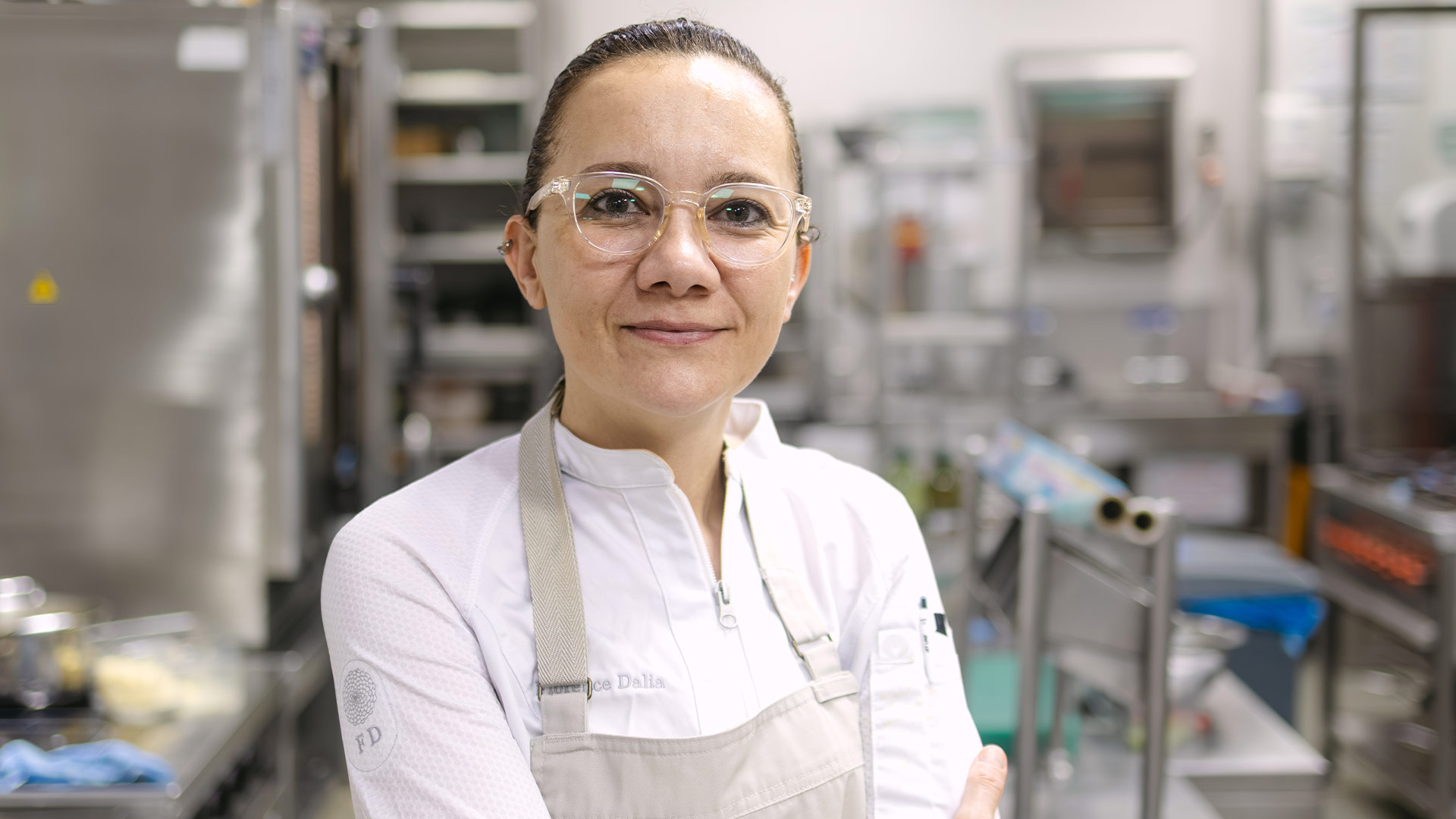
The kitchen is led by Chef Sahil Singh, Chief of Culinary & Operations – Innovation & New Formats, whose experience across India and international markets shapes a menu that feels confident yet accessible.
“The approach to Japanese cuisine is rooted in authenticity while embracing a more contemporary perspective. We enjoy bringing influences and techniques from different Asian cultures onto a single plate, while still respecting the integrity and balance of the cuisine. The idea is to create something familiar yet unexpected,” says Singh.
The Chūka section focuses on Japanese-style comfort bowls built around warmth and umami. Dishes like Mapo Tofu with miso butter rice, Dan Dan Udon with kombu butter, and Sake Duck Yakimeshi balance familiarity with depth. The Itameshi section explores the intersection of Japanese and Italian cuisines through dishes such as Udon Carbonara with Kurobuta bacon and Cantonese chilli, Udon Chilli Olio with chilli crema, and Wafu Pizza with shiso pesto mushroom.
At the heart of the menu is an extensive sushi programme spanning classic nigiri and sashimi to inventive uramaki and signature rolls. Dishes like the Avocado Truffle Roll, Hamachi Jalapeño Roll, Scallop Dynamite Roll, and Aburi Toro Nigiri feature alongside omakase selections designed for sushi enthusiasts. Beyond sushi, the menu moves across cold plates, dim sum, wok-tossed dishes, grills, baos, and sandos.
And what are Avik’s recommendations for a first time guest? “The Aburi Tuna Nigiri, Hamachi Carpaccio, and Avocado Crispy Rice Nigiri are must-orders. From the Chūka selections, the Sakè Peking Duck Bowl is a favourite, while the Shichimi Pepperoni Pizzette reflects the playful side of the menu. And of course, the Singapore Chilli Crab is something I’d never let anyone leave without trying.”
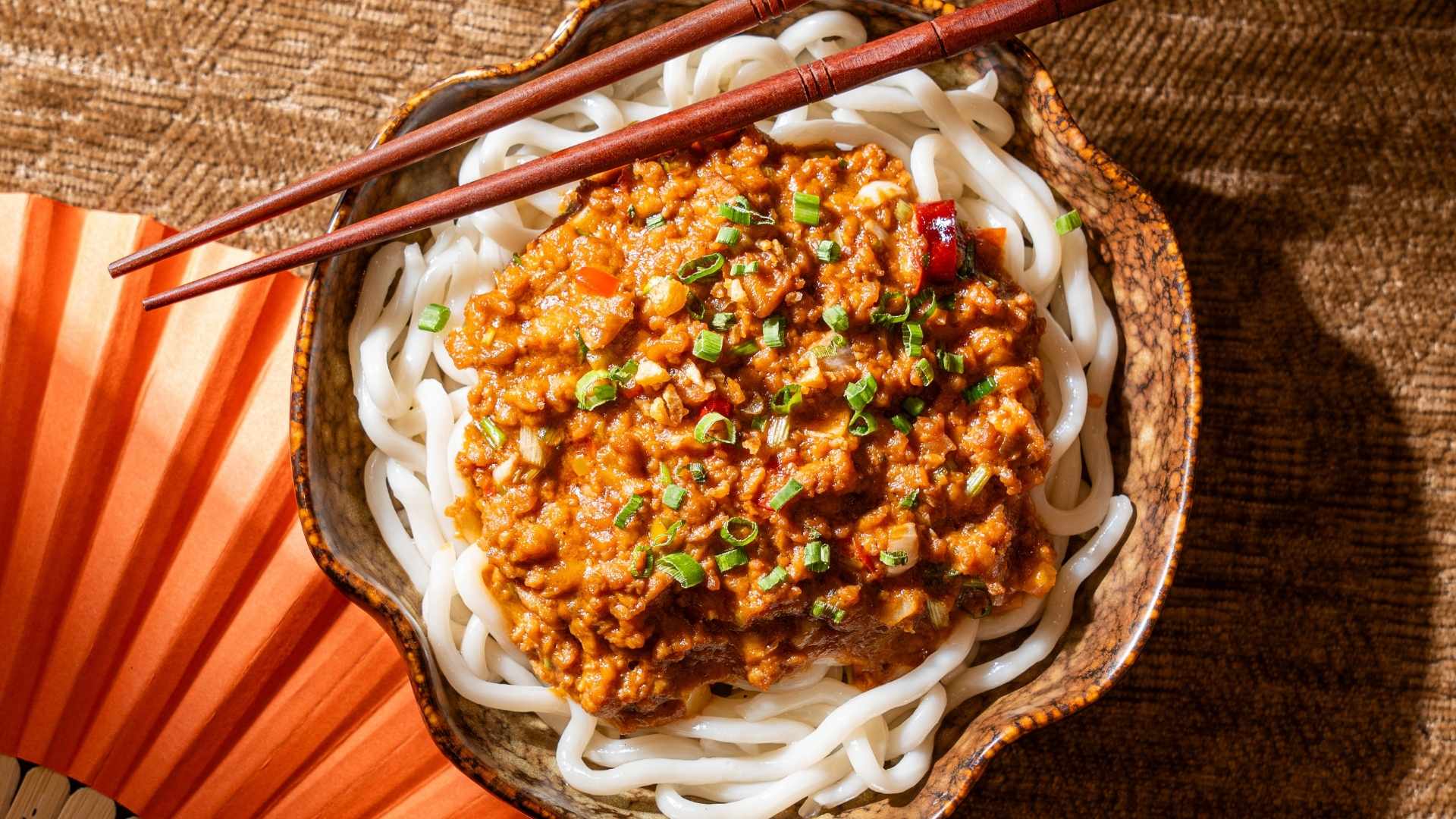
The Chuka section brings in Japanese-style comfort bowls such as Dan Dan Noodles.
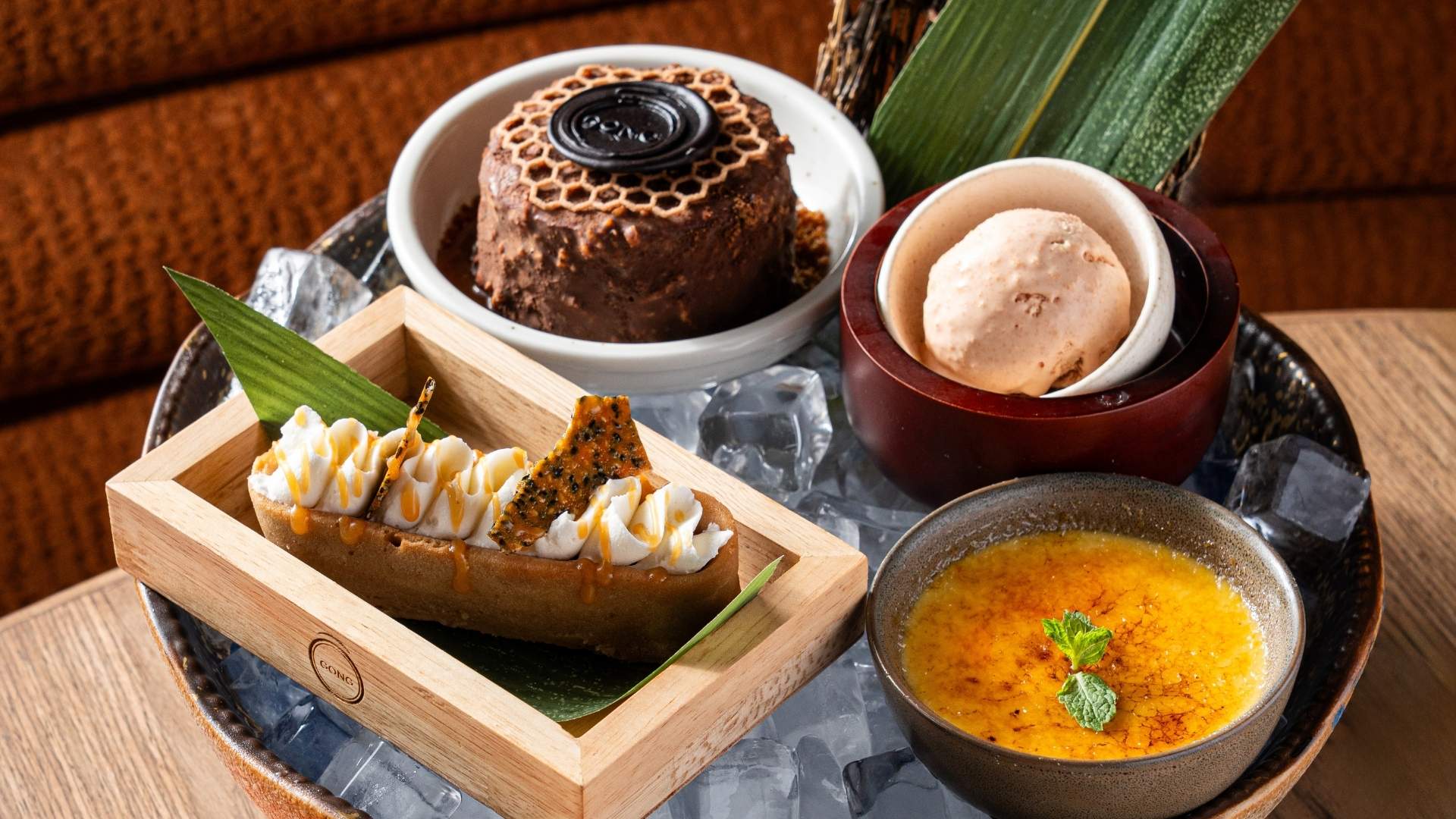
The Dessert Platter at Gong.
A collaboration with cocktails
The cocktail programme plays an equally important role in shaping the dining experience and was developed in close collaboration with the kitchen.
“Once the direction of the cuisine was established, both teams worked closely together, sharing ingredients, flavour inspirations, and techniques to create a cohesive experience. The idea was for every element on the table to feel connected through flavour and storytelling,” says Avik.
The bar menu draws heavily from Asian ingredients while keeping flavours clean and balanced. Kasumi combines raspberry, grapefruit, and gin into something bright and refreshing, while Korin blends gin with limoncello, orange blossom, and basil. There’s also a playful side to the programme with cocktails like Amai Netsu, built on red velvet gin with cream cheese and Campari, and Kagero, combining pisco with kaffir, wasabi, and honey.
For richer profiles, Hakuyoru pairs white rum with orgeat and yuzu, while Akai Koji blends Japanese whisky with tamarind and miso syrup. The zero-proof menu includes drinks like Konatsu, Yuka, Sazanami, and Seika, built around tropical fruit, tea, herbs, and spice.
“The drinks are designed to complement the cuisine rather than exist separately from it. We wanted the cocktails to feel layered and ingredient-driven while carrying the same sense of creativity that defines the food menu.”
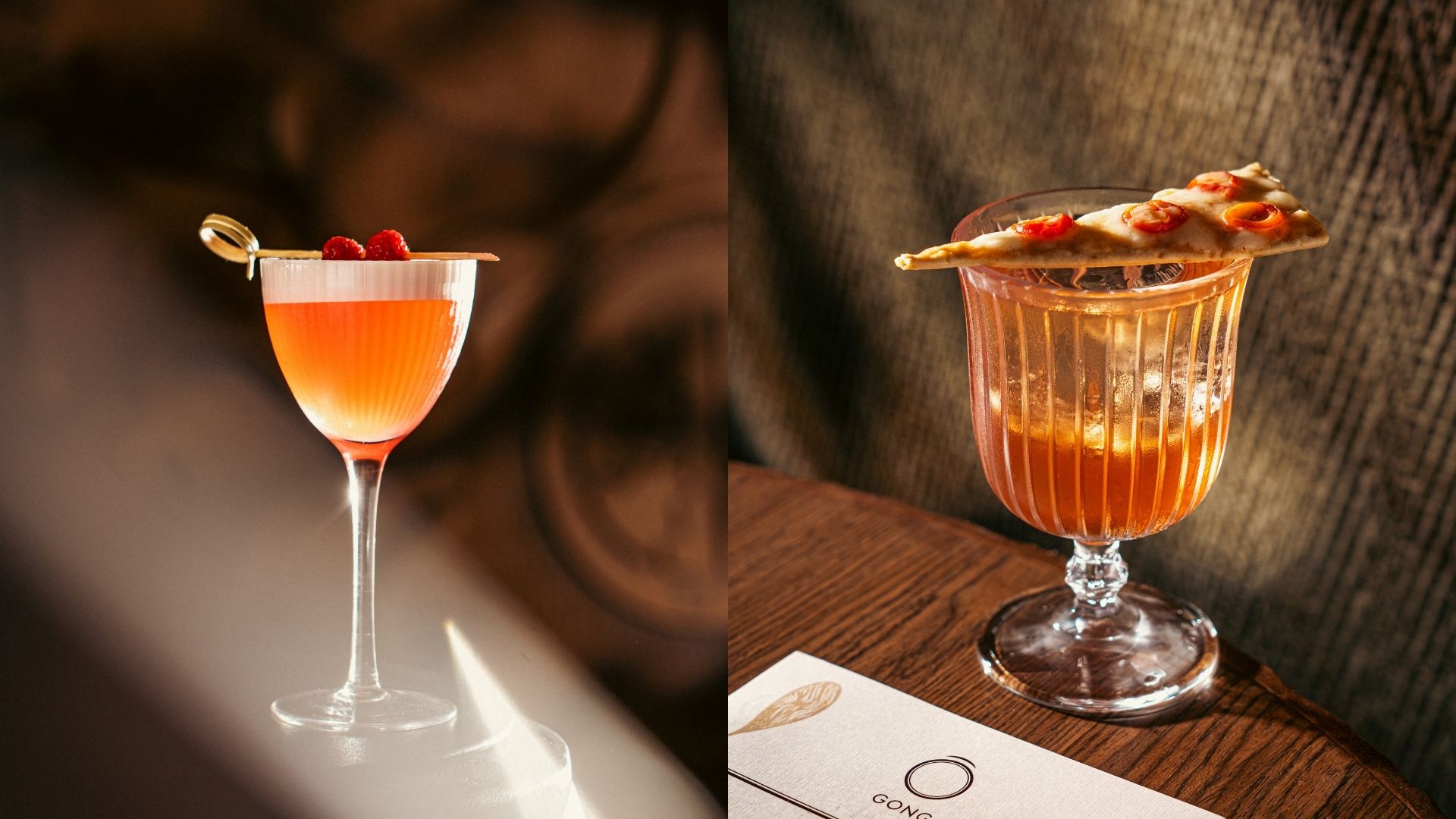
The cocktails include Kasumi bringing together raspberry, grapefruit, and gin and Amai Netsu built on red velvet gin.
Looking back at the journey
Coming from a family behind one of India’s most influential hospitality groups, Avik shares that he developed an understanding of restaurants beyond the business itself from an early age.
“It happened naturally during my university years,” he recalls. “I used to dine out often and experience different restaurant formats. Some places had great food or impressive spaces, but they lacked warmth or that extra effort that leaves you smiling when you walk out. In those moments, I would think back to the values my father spoke about so often, and it made me realise how powerful genuine hospitality can be when it’s done right.”
Growing up around restaurants taught him that hospitality extends far beyond food or décor. “What truly brings people back is the emotional connection they build with a place—the warmth of the welcome, the familiarity of faces, and how the entire experience makes them feel. Watching my father build brands showed me that successful restaurants are not just operationally strong; they create memories and foster a sense of belonging.”
His biggest learning from his father remains simple. “Hospitality is ultimately about making people feel valued. Great food is important, but what stays with guests is how they were treated and how a place made them feel.”
In a city constantly chasing the new, Gong’s greatest strength may simply lie in its ability to make people feel something memorable.
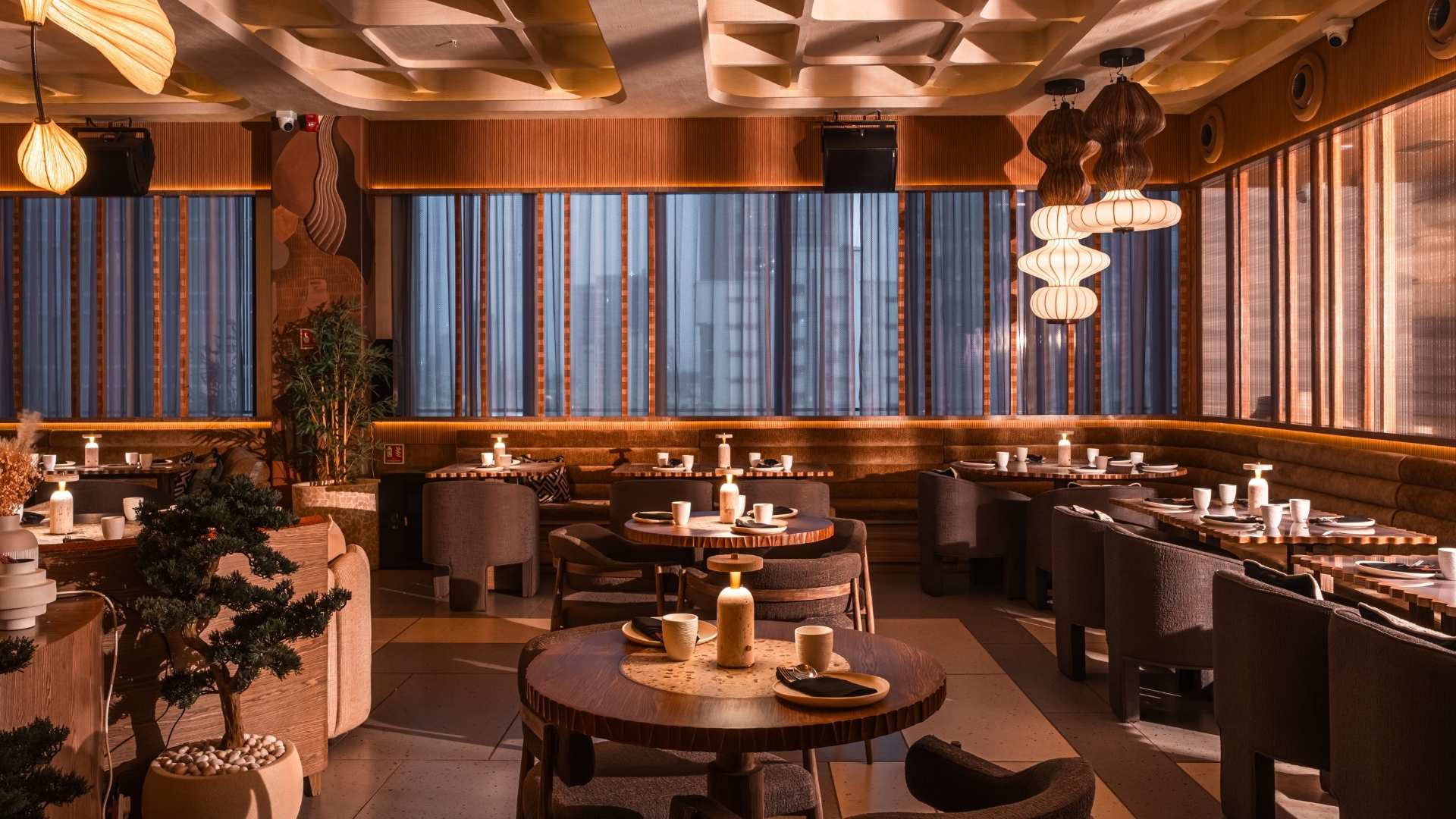
Designed by Sumessh Menon Associates, the restaurant is immersive yet restrained, with earthy brass and bronze tones, organic materials, and fluid forms shaping the interiors.