










The Crucible for Indian Single Malts
From five-star bars to mini-bars, Indian single malt whiskies are gaining prominence in luxury hotels. This stynergy between top-shelf spirit brands and premium hospitality is creating a new wave of brand building and customer engagement.

By Vikram Achanta
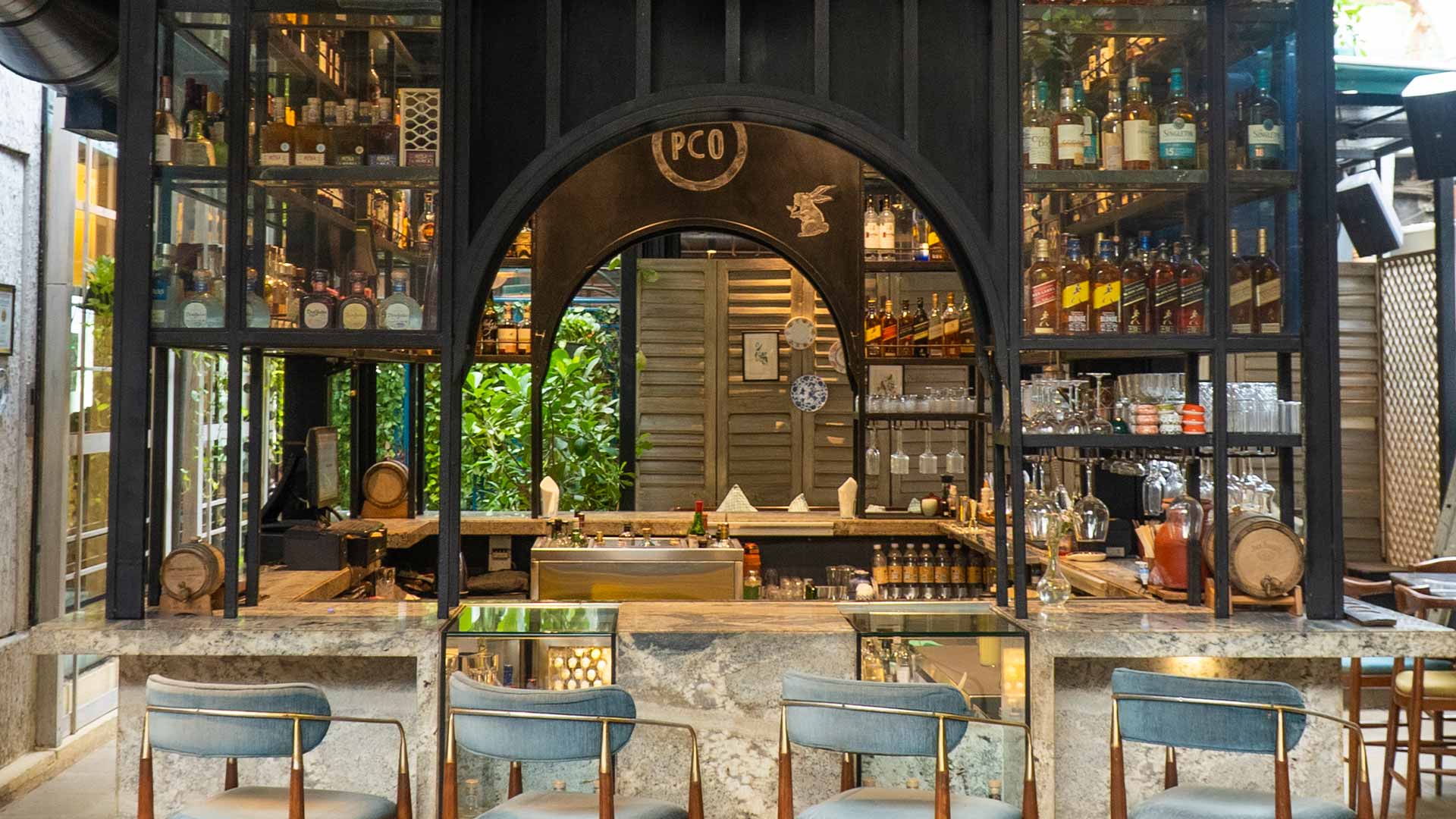
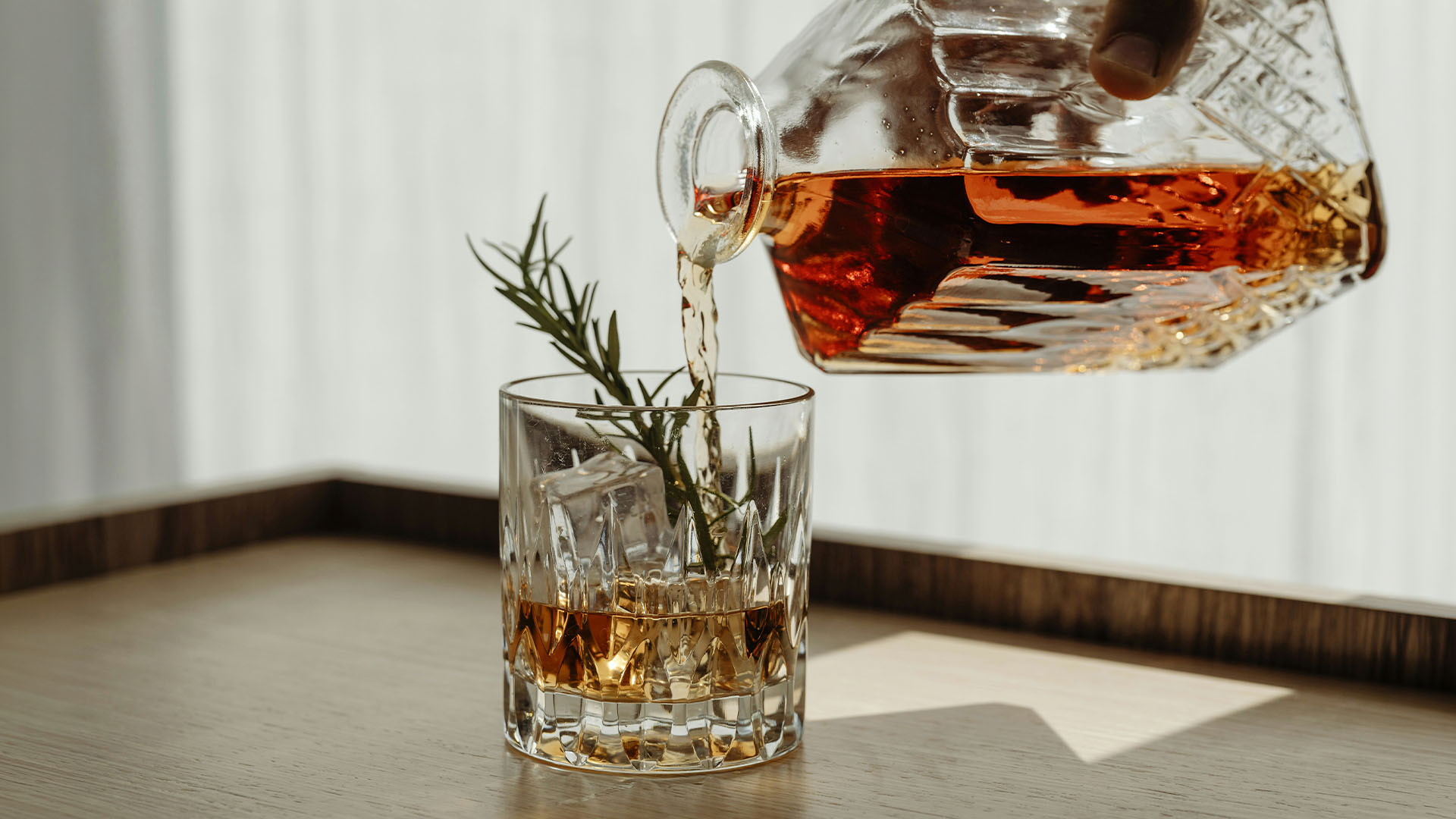
Picture the scene, a whisky bar in a 5-star hotel in Goa
that has the most outstanding selection of Indian single malts possible. The labels are carefully curated, representing a diversity of climatic conditions where Indian single malts are made, from the tropical climes of Goa to the hot and dry conditions of northern India, to the temperate climate of Bengaluru and Jammu, and the humidity of Maharashtra.
Now picture yourself, a beverage manager, who has every Indian single malt key account manager on speed dial, and who can be relied on to ensure the first availability of new expressions for your hotel. Through your efforts and the support of your partners, you’ve ensured drill-perfect training for your floor staff and bartenders across the hotel, so that they can talk intelligently about the uniqueness of Indian six-row barley and the climatic conditions that turn the angel’s share into the devil’s share.
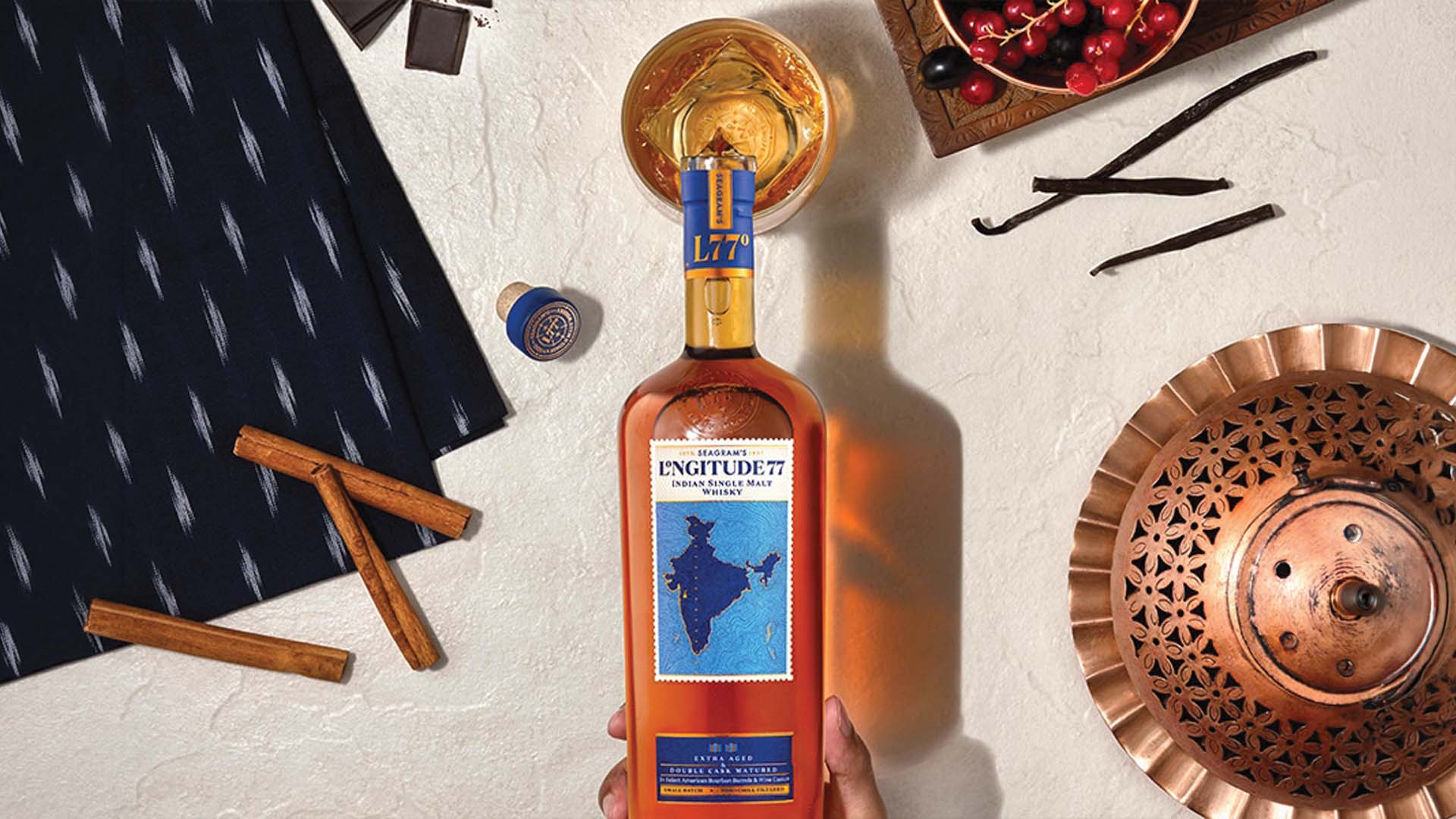
And then picture your guest, a cosmopolitan individual, who loves her/ his whisky and is intrigued by this new phenomenon they’ve been reading about called Indian single malt, a category with so much heft that the world’s leading alcobev companies have now begun their labels in the form of Godawan for Diageo and Longitude 77 for Pernod. To their delight, the hotel bar has expressions that enable them to go down this rabbit hole to their heart’s content.
I am painting a picture that is not beyond the realms of impossibility. From a customer standpoint as Radico’s Sanjeev Banga points out, “More and more Indians are now very proud of Indian single malts and demand these brands when they visit five-star hotels”. Atul Tiwari, EAM, The Leela Palace New Delhi, mentions, “Our international guests are curious about Indian single malts, with increasing levels of brand awareness also on their part.”
The premium end of the on-trade is a critical channel for brand building especially for top-shelf brands, offering customers a chance to sample before buying in retail. As Diageo’s Chief Innovation Officer Vikram Damodaran says, being present in these channels gives them a “constant opportunity of engagement with their target customer base.”
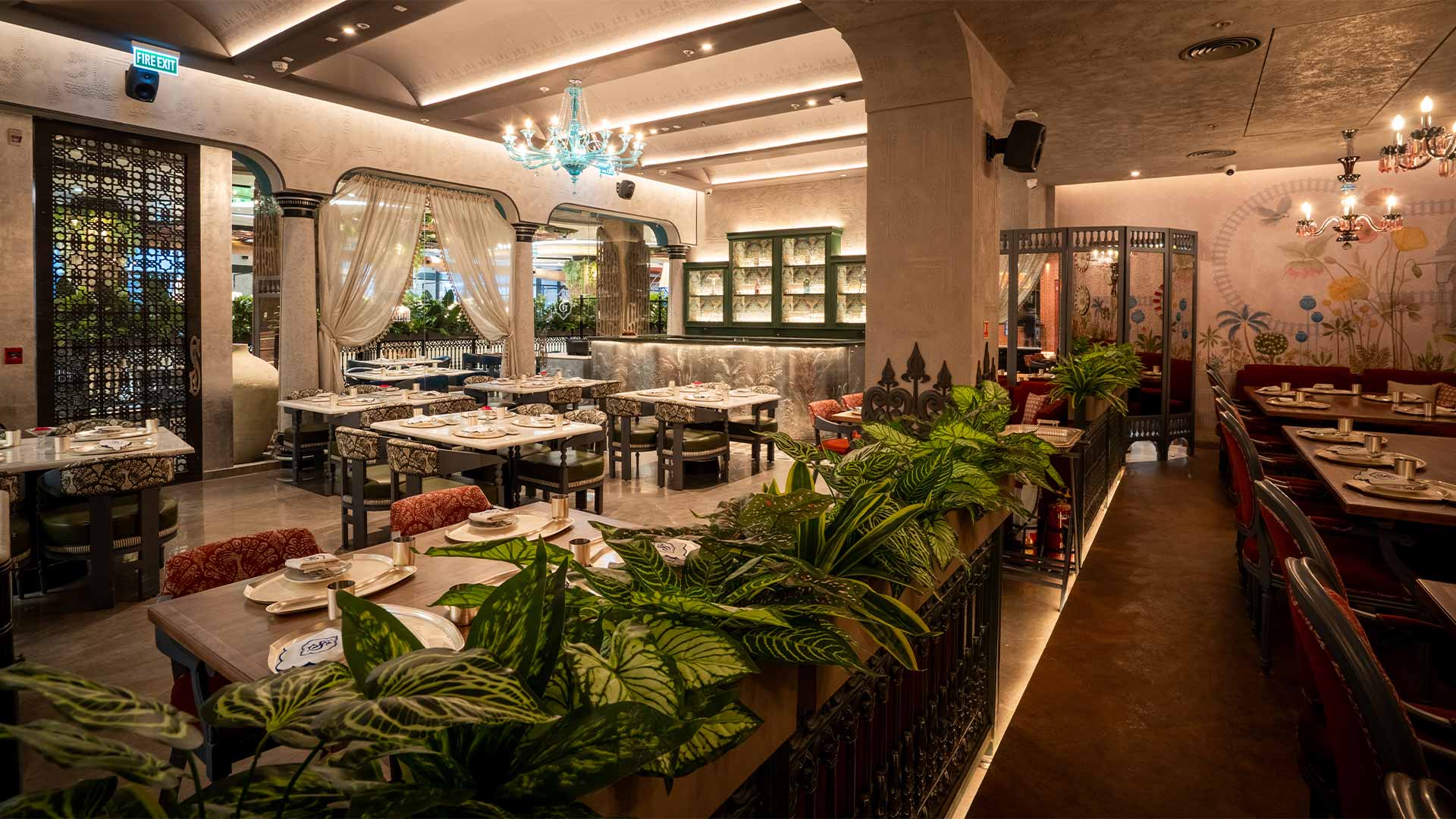
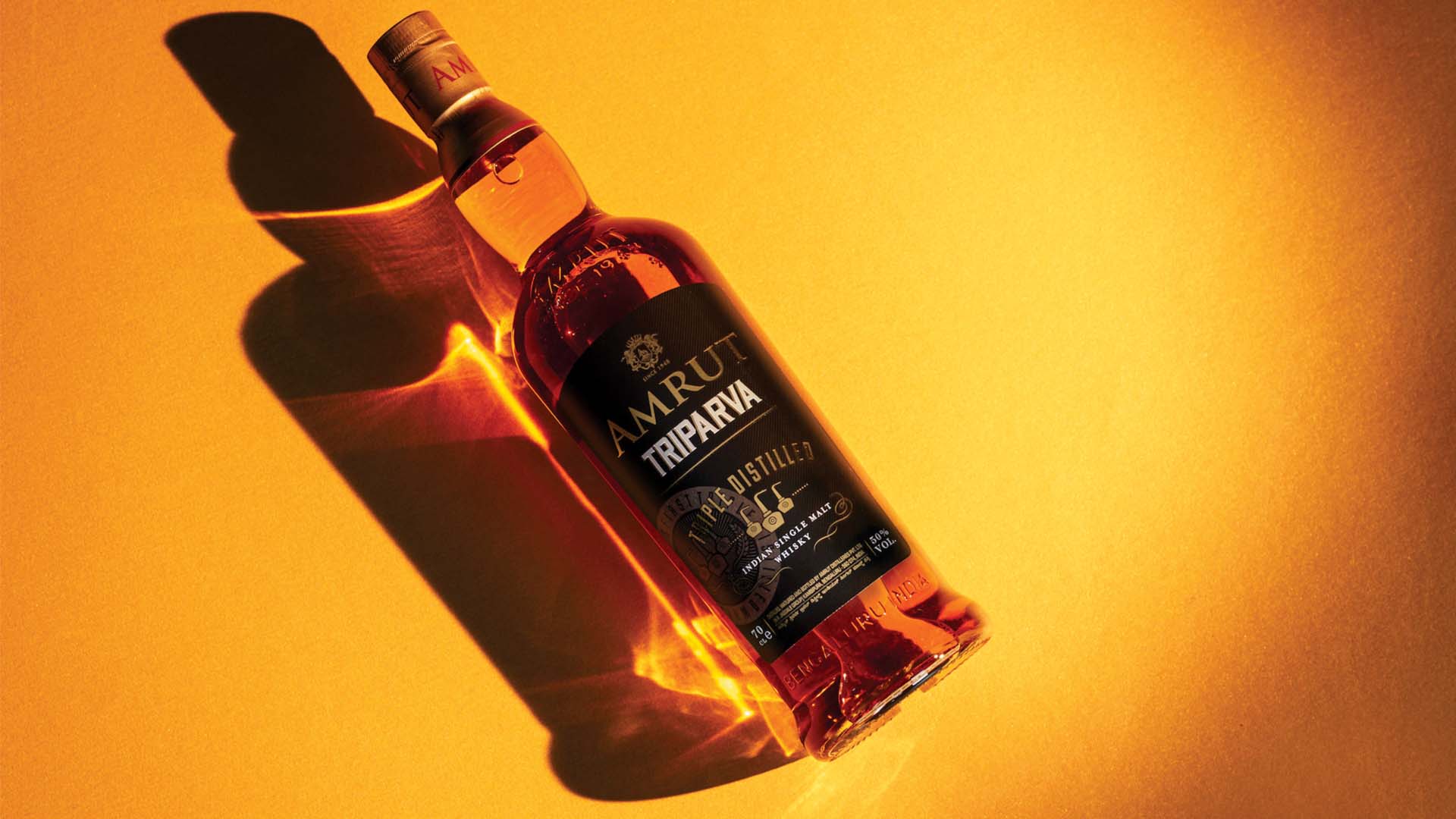
Indian hotel groups such as The Leela Palace are eager to support Indian products. Tiwari makes the generous offer of dedicating an entire page of his bar menu to Indian single malts, brand availability permitting. This is also in line with their “taking pride in highlighting the best of what India has to offer”. Ashok Chokalingam, Head of International Sales and Marketing, Amrut and Asa Abraham, Head of Digital Marketing and Public Relations, Paul John also point to Taj Hotels, Resorts & Palaces as a brand that gives due weightage to Indian single malt brands.
There are significant constraints though, with Chokalingam pointing to a lack of awareness and realisation as to how good our homemade single malts (that are sold in top-class bars and restaurants internationally) are. Abraham also points to the old paradigm: What comes from abroad is better and hence in spirit we appreciate imports more. Top hotels and on-trade establishments, she says, ask for “steep listing fees without any volume commitments.”
Another constraint is the complex state excise laws, combined with very high entry barriers that impact the nationwide availability of brands. In some states such as Delhi it is more expensive to list an Indian single brand than it is their competition from Scotland. Massive investment that has been poured into India by the scotch whisky industry over the years, making India the single largest export market in the world. Given that multinational companies have a wide portfolio of brands that find a place in top bars, they’re able to also lock in pouring rights for their single malts.

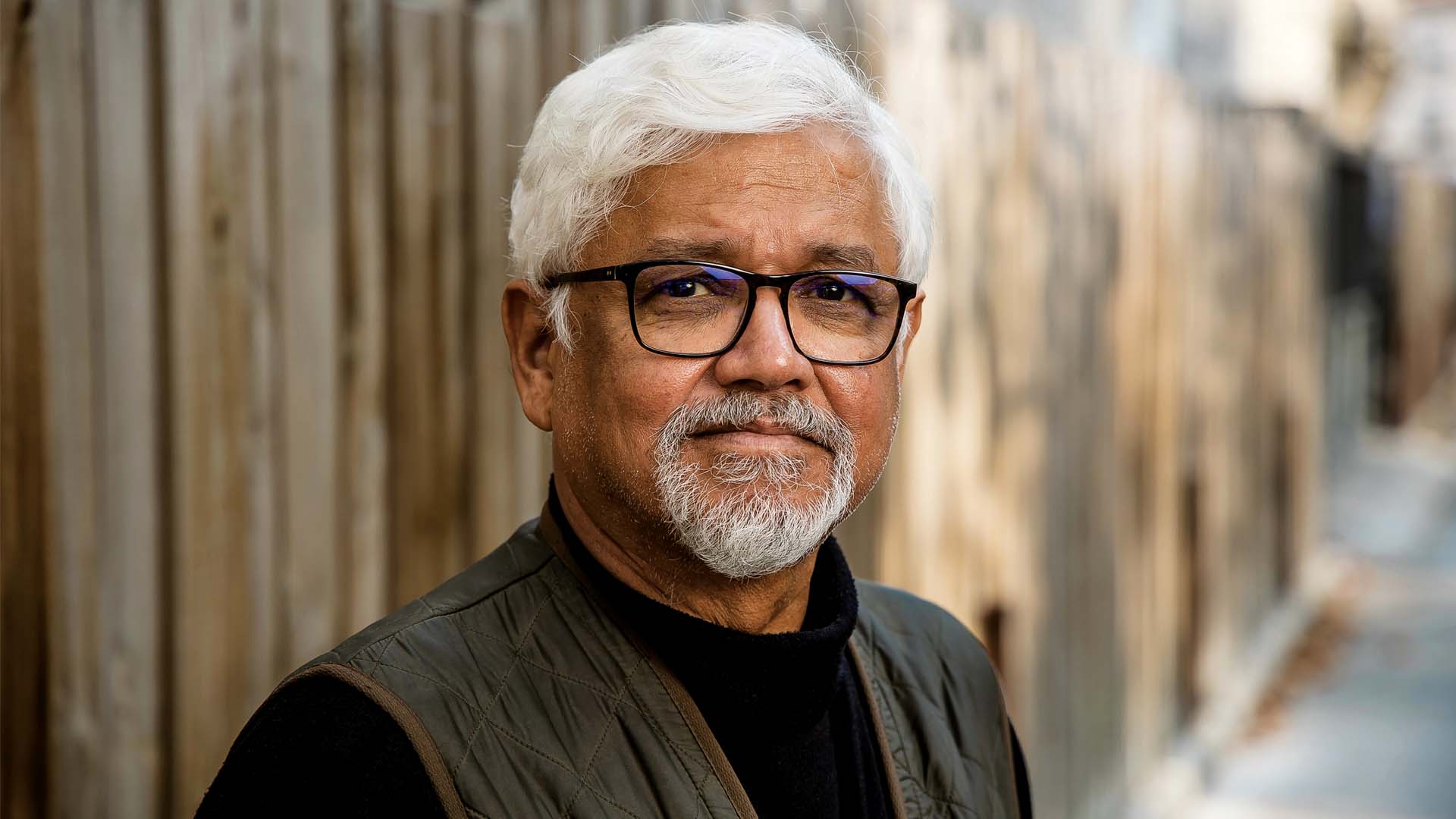
Vikram Achanta is Founder/ CEO of Tulleeho, a drinks training and consulting firm and co-founder of 30 Best BarsIndia, India’s first bar ranking and awards platform.
For both sides to come closer, five-star hotels need to walk the talk by offering Indian hotels need to walk the talk by offering brands equal opportunity.

Many Indian brands are being more aggressive in their pursuit of the five-star bar (and customer). In my experience, most companies lacked a strong on-trade sales team that could work effectively towards brand building in various forms.
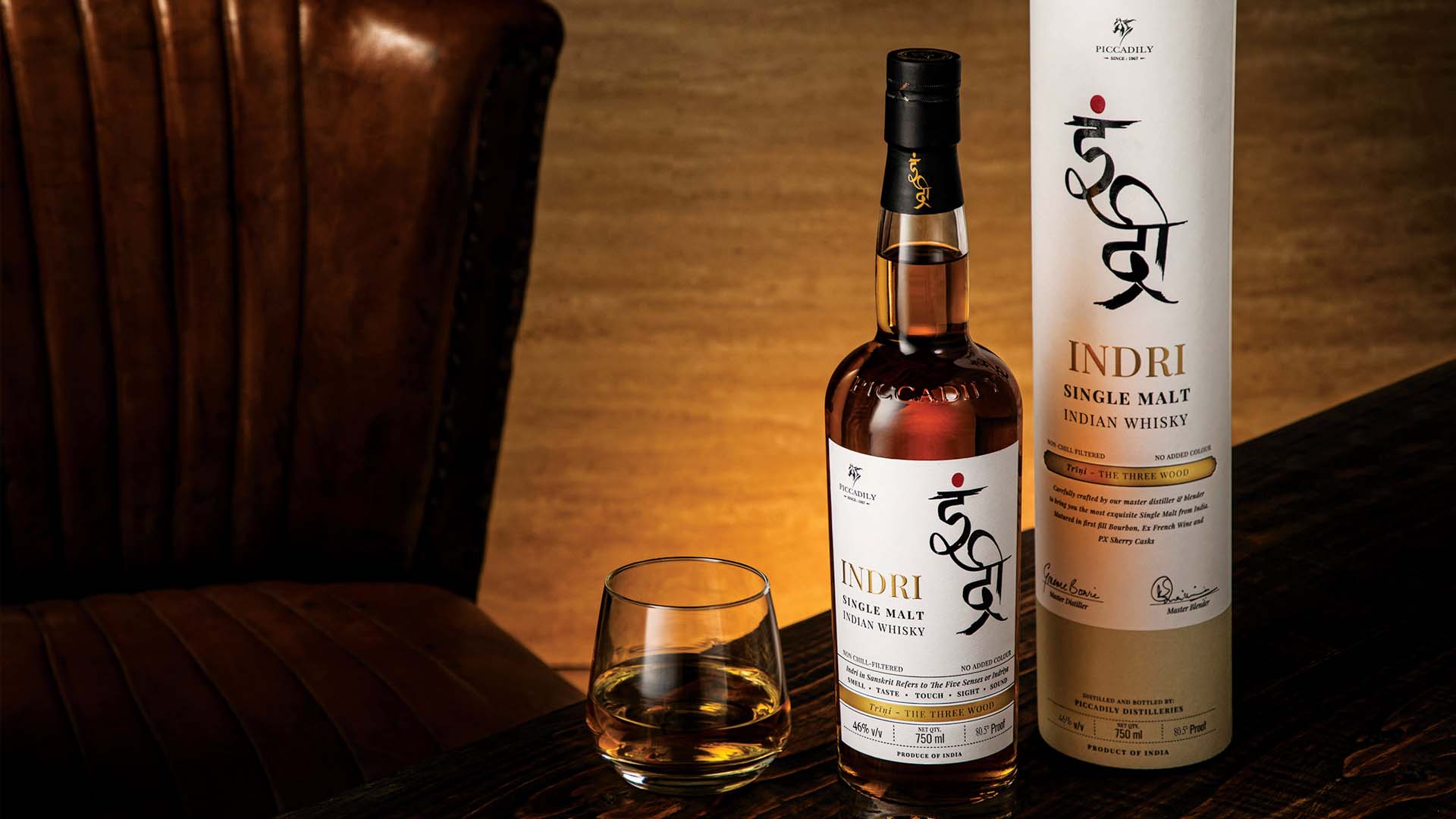
That has fortunately changed. First up as hygiene factor is training. Brand ambassadors of brands such as Indri from Piccadilly and Godawan conduct training sessions for bartenders. As Prabhakaran Hundal, Senior GM – Sales & Marketing, Piccadilly Distilleries says, training delivers a payoff as it leads to “better recommendations and customer experiences.” Tiwari re-emphasises the importance of education for all members of his F&B service team.
Brands like Godawan are emphasising building the narrative by focusing on the artistry and craftsmanship involved, taking a page or maybe even a chapter out of the scotch whisky playbook. Damodaran points to partnerships with premium on-trade establishments where the focus is on “artisanal culinary processes” that play well with Godawan’s creation story.
Indri and Paul John mention hosting exclusive events and whisky dinners, but there’s still a long way to go here. Kshitij Goel, ex-beverage manager of the W Goa and Tiwari mention that they have never been approached by brands for hosting dinners or events.
For both sides to come closer, five-star hotels, especially those that portray themselves as guardians of Indian heritage, need to walk the talk by offering Indian brands equal opportunity. They have the capital to invest in stocks and a plethora of options to showcase brands. As Tiwari points out, “The mini-bar is a big opportunity area for Indian single malt brands as we have limited availability of International single malts in minis.”
Given that distilling and warehousing capacities are increasing significantly across the board, I would expect Indian brands to start investing in building their on-trade capabilities as well as crafting unique whisky experiences in luxury hotels. This will help them in brand building with the end consumers as well as in relationship building with the hotels.
Vikram Achanta is Founder/CEO of Tulleeho, a drinks training and consulting firm and co-founder of 30BestBarsIndia, India’s first bar ranking and awards platform.