











An Inventive Vision Behind India’s Contemporary Cocktail Culture
On World Bartender Day, we put the spotlight on globetrotting mixologist and Beverage Head at All In Hospitality, Razvan Zamfirescu, whose international journey and inventive approach are helping shape contemporary cocktail culture in India.

By Rachna Virdi
Globetrotting mixologist Razvan Zamfirescu’s passion for bartending and hospitality is unparalleled. Equally adept at serving high-energy crowds and crafting intimate, bespoke drinking experiences, he delivers impeccable service while driving profitability. Fueled by a deep curiosity for ingredients, techniques, and trends, he creates not just drinks but memorable stories that engage and delight guests, shaped by his extensive global experience.
Razvan’s journey began in Barcelona, where he discovered the art and science of bartending. Inspired by the craft, he pursued an international path, refining his skills across Spain, England, Greece, Argentina, the Philippines, and India. Throughout his career, he has blended technical expertise with cultural influences, creating cocktails that showcase diverse flavor profiles. His adaptability—from high-volume venues to refined, high-end bars—defines his professional approach.
As Brand Mixologist, Bar Manager, and Head of the Beverage Department at antiSOCIAL Goa, Razvan led all facets of beverage operations, from developing innovative cocktail menus to optimizing profitability. He was also the creative force behind Darling’s Bar, which quickly became a popular hotspot known for its inventive drinks and vibrant atmosphere.
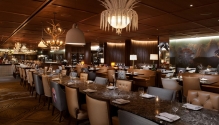
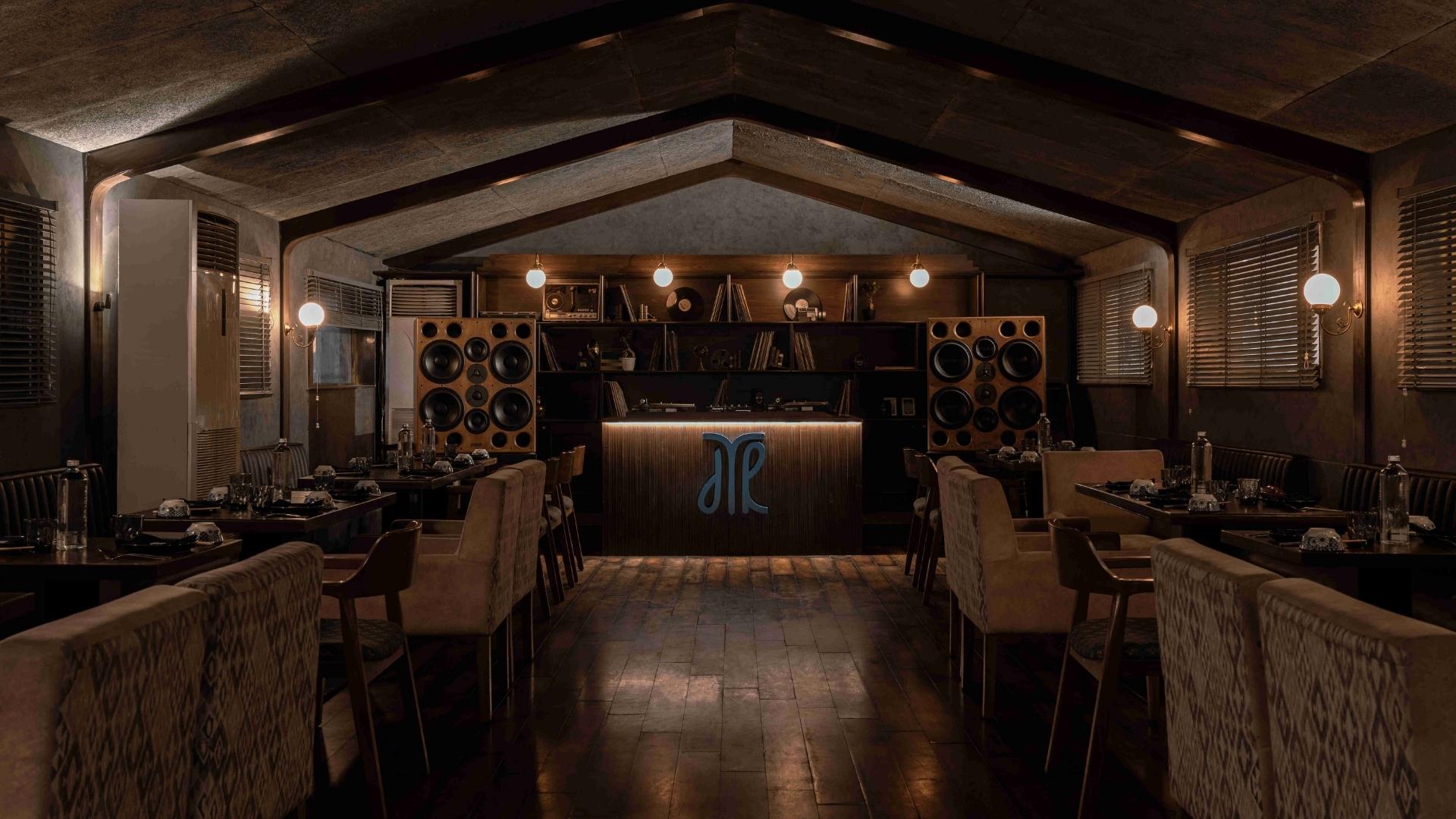
Currently serving as Beverage Head at All In Hospitality, Razvan brings his global perspective and innovative approach to elevate beverage programs. Overseeing bar concepts across The Dimsum Room, HyLo, and HyLo Taproom by Igloo, he blends global techniques, local ingredients, and immersive storytelling to create distinctive drinking experiences.
Across all concepts, Razvan continues to push boundaries through ingredient-driven storytelling, globally inspired menus, and a constant curiosity for evolving beverage trends. His cocktails are conceived as immersive experiences, reflecting his travels, technical mastery, and passion for hospitality.
On the occasion of World Bartender Day, we speak with him about emerging trends in India’s cocktail culture and the menus shaping today’s cocktail narratives.
Excerpts from the interaction:
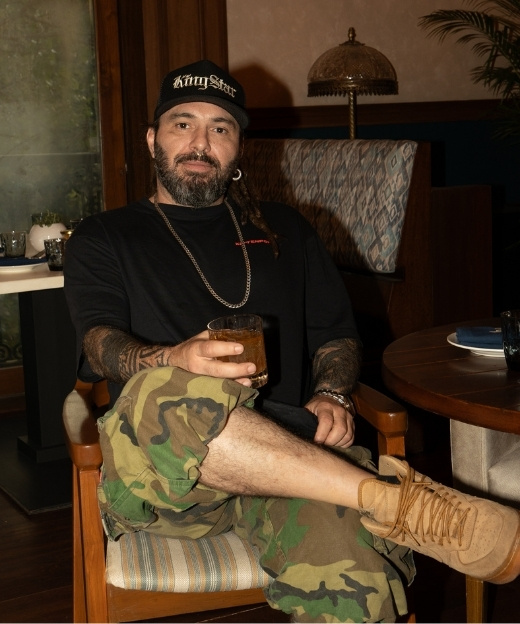
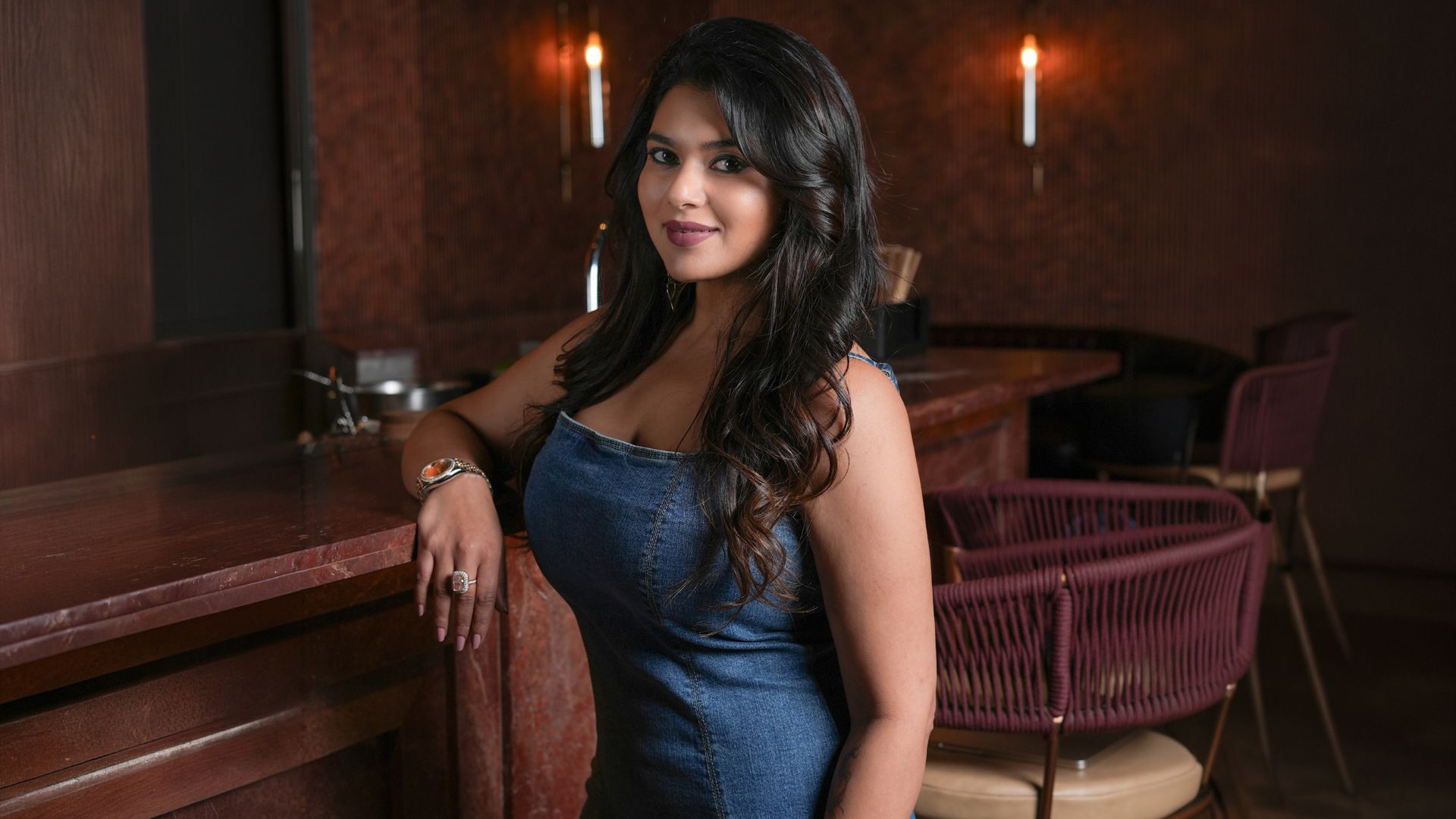
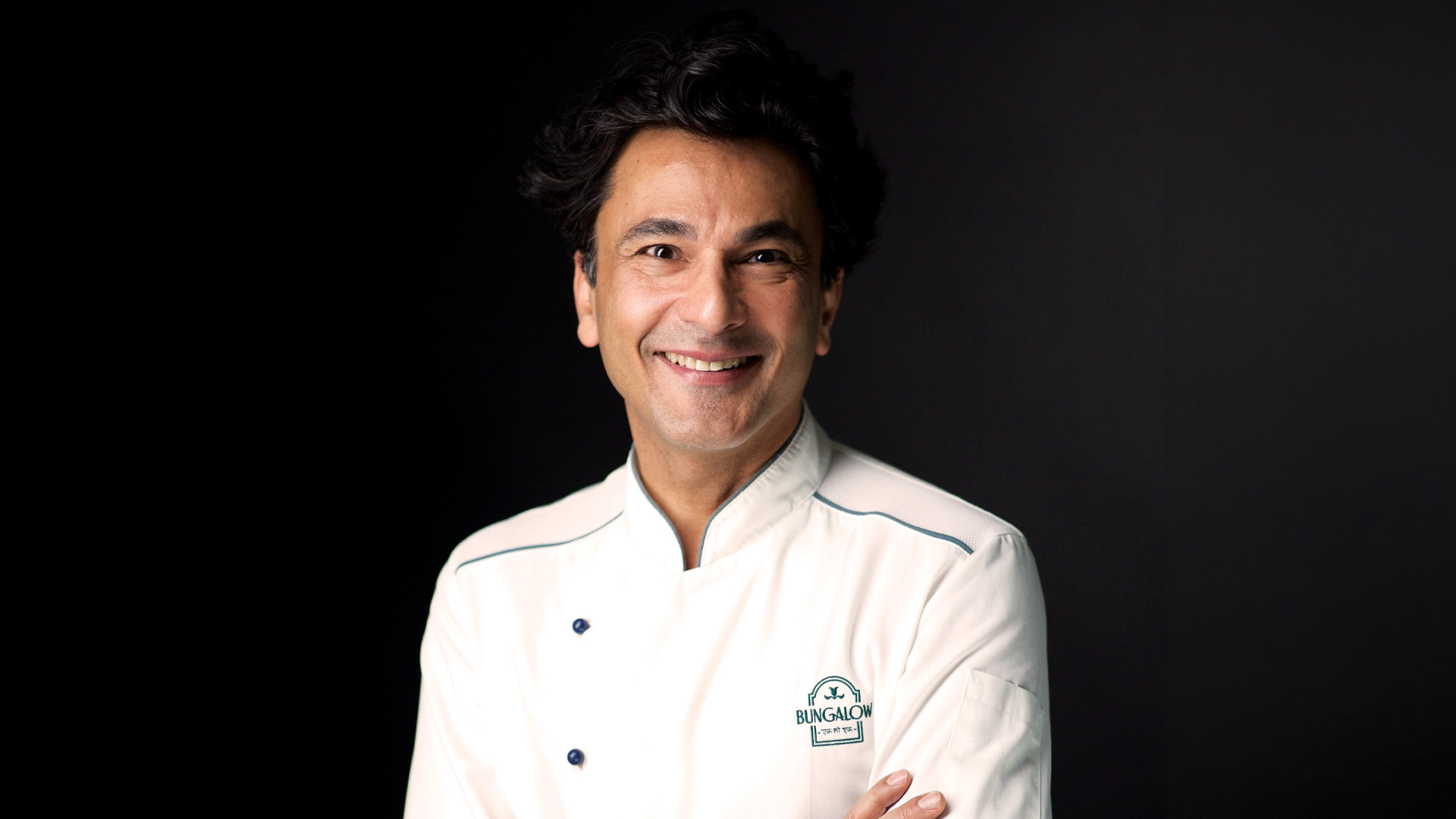
Razvan Zamfirescu, globetrotting mixologist and Beverage Head, All In Hospitality.
What trends do you see in the Indian cocktail culture around local ingredients or flavour profiles?
Currently, the Indian cocktail culture is strongly leaning toward local production and regional identity. There’s a visible shift toward celebrating Indian-grown ingredients and homegrown brands rather than relying only on imported products. At the same time, there’s a clear obsession with bold, spicy profiles cocktails like picantes and chilli-forward variations that are dominating menus. The modern Indian palate appreciates heat, acidity, and complexity, and that is directly influencing what we’re creating behind the bar. Guests are increasingly drawn to drinks that feel vibrant, layered, and slightly adventurous, especially when they incorporate green chilli, kokum, curry leaf, tamarind, or regional citrus.
Do you use modern or traditional techniques such as fermentation, clarification, or regional prep methods?
We use a combination of both modern and ancient techniques more than ever. On the modern side, tools like homogenizers allow us to extract and stabilise flavours quickly, cleanly, and with better texture. We’re also working extensively with controlled infusions and small-scale distillations of fruits, herbs, and spices to build layered profiles.
At the same time, we are returning to traditional preservation and fermentation methods — tepache, kanji, pickled fruits and vegetables, and house ferments are becoming central to our flavour development. Clarification is also widely used to refine texture and create visually minimal yet flavour-forward cocktails. It’s really about balancing technology with heritage and precision.
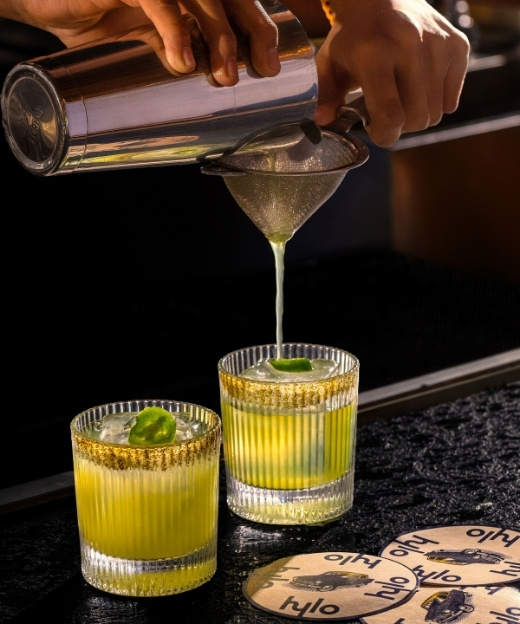
There’s a clear obsession with bold, spicy profiles cocktails like picantes and chilli-forward variations.
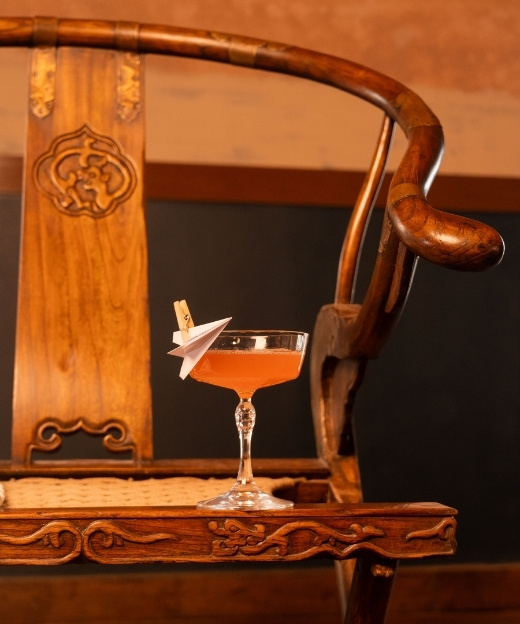
For cockails such as Paper Plane, bartenders use a combination of modern and ancient techniques.
How are Indian-made spirits or locally inspired infusions influencing cocktail menus today?
Indian-made spirits are now appearing confidently on menus, often highlighted with denomination of origin. Spirits like Feni, Mahua, and premium Indian whiskies are shaping cocktail narratives and pushing bartenders to explore traditional Indian flavour pairings in a more contemporary way. Instead of hiding these spirits, we are celebrating them. They inspire experimentation with regional ingredients and allow us to reinterpret traditional Indian flavours through a modern cocktail view.
What are the biggest challenges faced by bartenders in India right now, whether with sourcing, regulations, or educating guests?
One of the biggest challenges faced by bartenders is access. There are many exceptional international liqueurs and spirits that simply don’t reach Indian shelves due to import limitations and regulations. This forces bartenders to become more creative, often producing in-house alternatives or adapting recipes to available products.
Another major challenge and opportunity for us is guest education. When working with regional ingredients, fermentation, or lesser-known Indian spirits, it becomes essential to guide guests through the experience. At our venue, we take pride in explaining our sourcing, techniques, and inspiration. Education is key, and when guests understand the craft and the story behind the drink, the experience becomes far more meaningful.