










Inside India’s Craft Chocolate Revolution
Chocolate expert and educator Martin Christy unpacks the sensorial world of craft chocolate and how it’s reshaping India’s hospitality landscape.

By Rachna Virdi
Chocolate has gained global traction not just as a sweet treat, but as a sophisticated, multifaceted product that aligns with evolving consumer values and lifestyles. Within this broader premiumisation trend, craft chocolate has emerged as a fast-growing niche. In 2025, the overall chocolate market was estimated at approximately USD 2.48–2.9 billion, with craft and premium segments driving growth through rising incomes, health-conscious trends, and the expansion of e-commerce.
For those curious to know what an award-winning chocolate tastes like, Dhayvat Udeshi, founder of BAR (Baker’s Artisanal Recipes), one of India’s pioneering producers of premium couverture chocolate based in Vadodara, invited UK-based chocolate expert and educator Martin Christy to India for a workshop Tasting the World’s Award-Winning Chocolate. His aim was to elevate India’s chocolate landscape and take enthusiasts on a journey of taste, texture, and terroir, while introducing them to the artistry that transforms cacao into a luxury sensory experience.
Founded in 2021, BAR—built on purity, precision and a commitment to elevating chocolate craftsmanship—aims to bring world-class chocolate education and innovation to India’s thriving community of creators and connoisseurs.
Christy is the founder of International Chocolate Awards and IICCT (International Institute of Chocolate & Cacao Tasting), and the only authority in the world dedicated to chocolate tasting, equivalent to a Q level coffee taster or a master sommelier of wine. Drawing from decades of exploration into cacao origins and fine chocolate craftsmanship, he shared stories of the origin and evolution of chocolate. Christy believes that his collaboration with BAR will help redefine the chocolate experience in India. "We aim to break barriers and fuel innovation in the journey of Indian chocolate," says the leading global authority on craft chocolate.
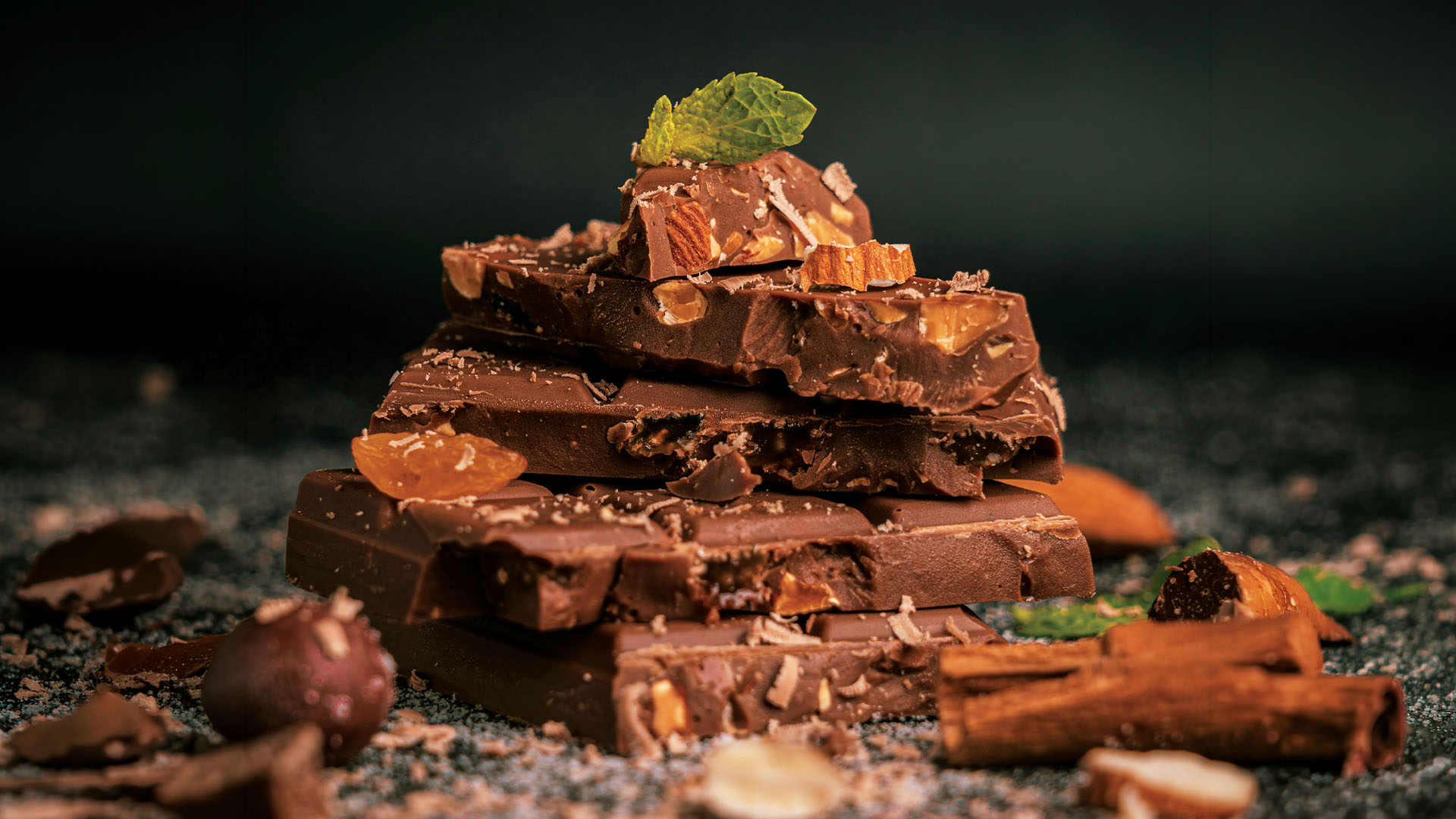
Craft chocolate has been elevated from a dessert to a signature experience.
The sensorial world of craft chocolate
Modern artisans, including those in India, are creating award-winning craft chocolates that move beyond traditional European centres. Craft chocolate makers increasingly emphasise single-origin beans, ethical sourcing, and innovative flavour combinations—often incorporating Indian spices—to create artisanal bars that reflect both heritage and creativity.
"Craft chocolate is a movement, and when you first taste a good chocolate, this can be a revelation, like tasting a good coffee or wine for the first time, or eating real Indian food in India, not in Europe. Most chocolate is made from low-grade cacao that does not look like something you would want to eat when you see it. Farmers don't treat it as food. Chocolate, or products you can't even call chocolate, made from this cacao, are super-high roasted and have lots of additives to hide problems. People now want to know more about their food, where it came from, how it is made and most importantly, how it tastes," advocates Christy.
Fine chocolate is deeply appreciated, evaluated, and celebrated on the international stage. Christy notes, "The traditional market for baking chocolate and couverture is changing, not least driven by the recent global price increases in cacao. Prices for cacao have settled down a little recently, but are still around double what they were five years ago."
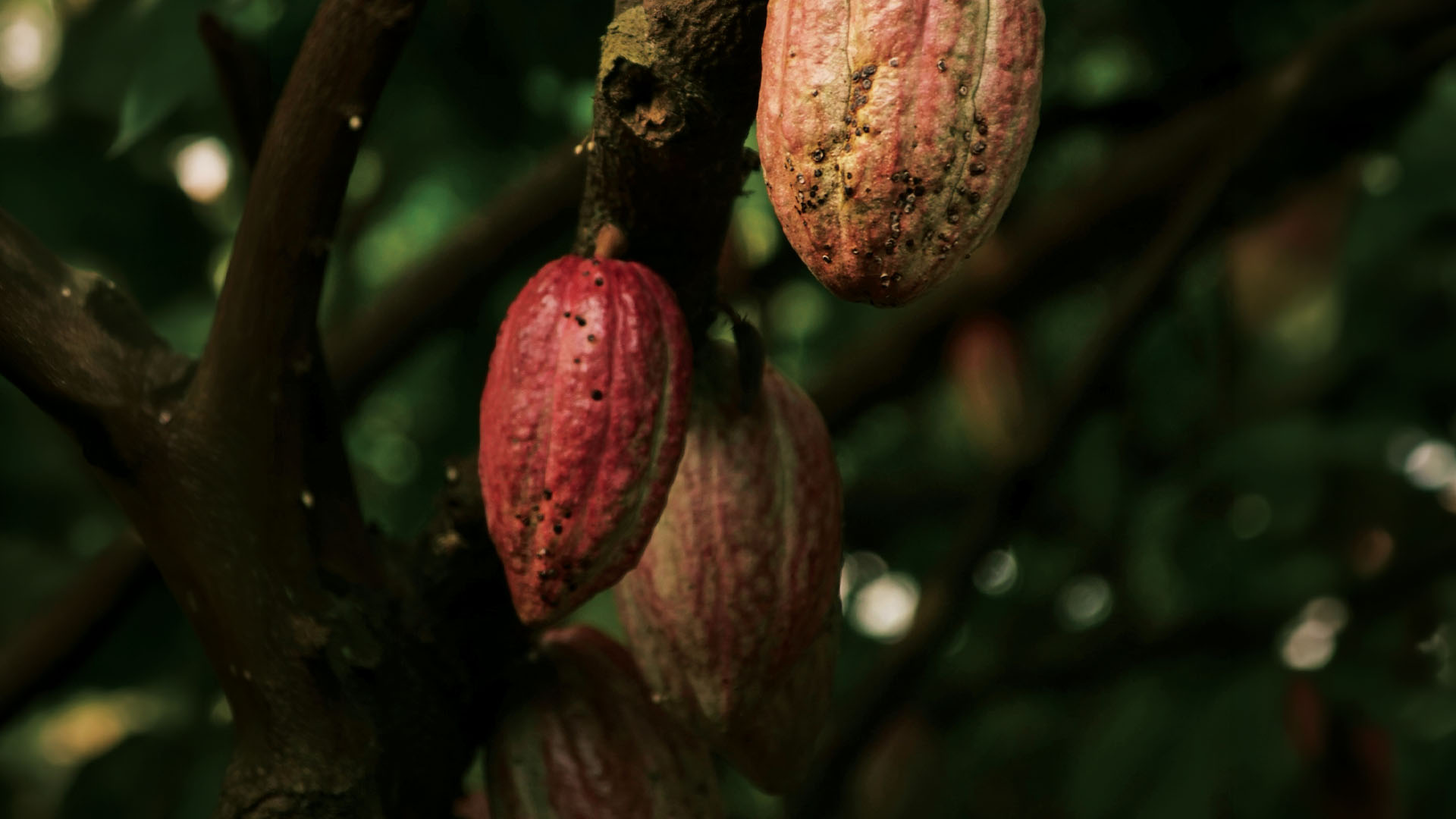
Cacao originated in the Amazon and was cultivated in Mesoamerica.
Elevating the experience
With the Union Budget 2026-27 announcing a dedicated programme to make India self-reliant in cacao production, India’s chocolate market presents vast opportunities for the hospitality sector. Christy says, "In many countries, chocolate brands start in someone’s bedroom or kitchen, literally. Something starts out as a hobby and slowly builds into a brand. India is approaching craft chocolate in a much more business-like way, with creative branding and marketing from the start, while aiming high in quality."
A younger generation of chefs and pastry chefs is beginning to realise that chocolate is not just a structural component of recipes, but an ingredient capable of delivering extraordinary flavour. "I believe it will soon be a trend to use better-tasting chocolate in recipes, which will become a unique selling point that other outlets will need to follow to keep up. In India, I see too many fancy 'chocolate' cakes in hotels covered in completely black icing. This is a sign of low quality, not high quality, and this will change for at least the upper part of the market," he elucidates.
To elevate chocolate from a dessert to a signature experience, Christy advises, "Use good chocolate. Taste it, don't think of it as a building block with a nice melt. Chocolate (or mostly compound in India, made with vegetable fat replacing the more valuable cocoa butter) is one of the most neglected ingredients for a pastry chef."
He challenges long-held assumptions in professional kitchens. "Chefs are taught to think of chocolate as a base to build on by adding flavours, and not as an ingredient that is good in itself. They are trained to think that ‘Belgian chocolate' is somehow the best, but they forgot to taste it. Most of it is really not very good." Instead, he encourages chefs to let chocolate lead. "It's much better to make chocolate the star and allow the complex and nuanced flavours to shine through, than pair flavouring ingredients to match your chocolate. Any consumer interested in a better quality experience will immediately notice the difference, even if they don't quite know why."
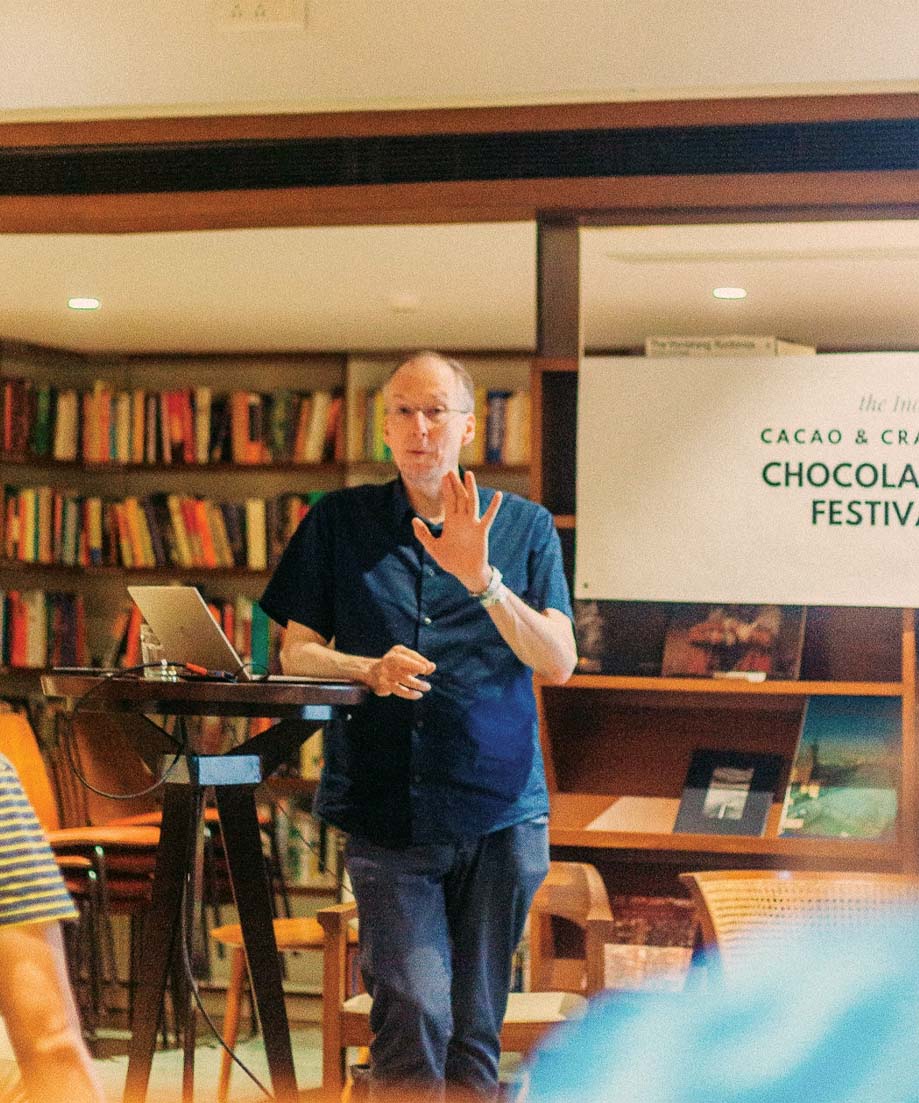
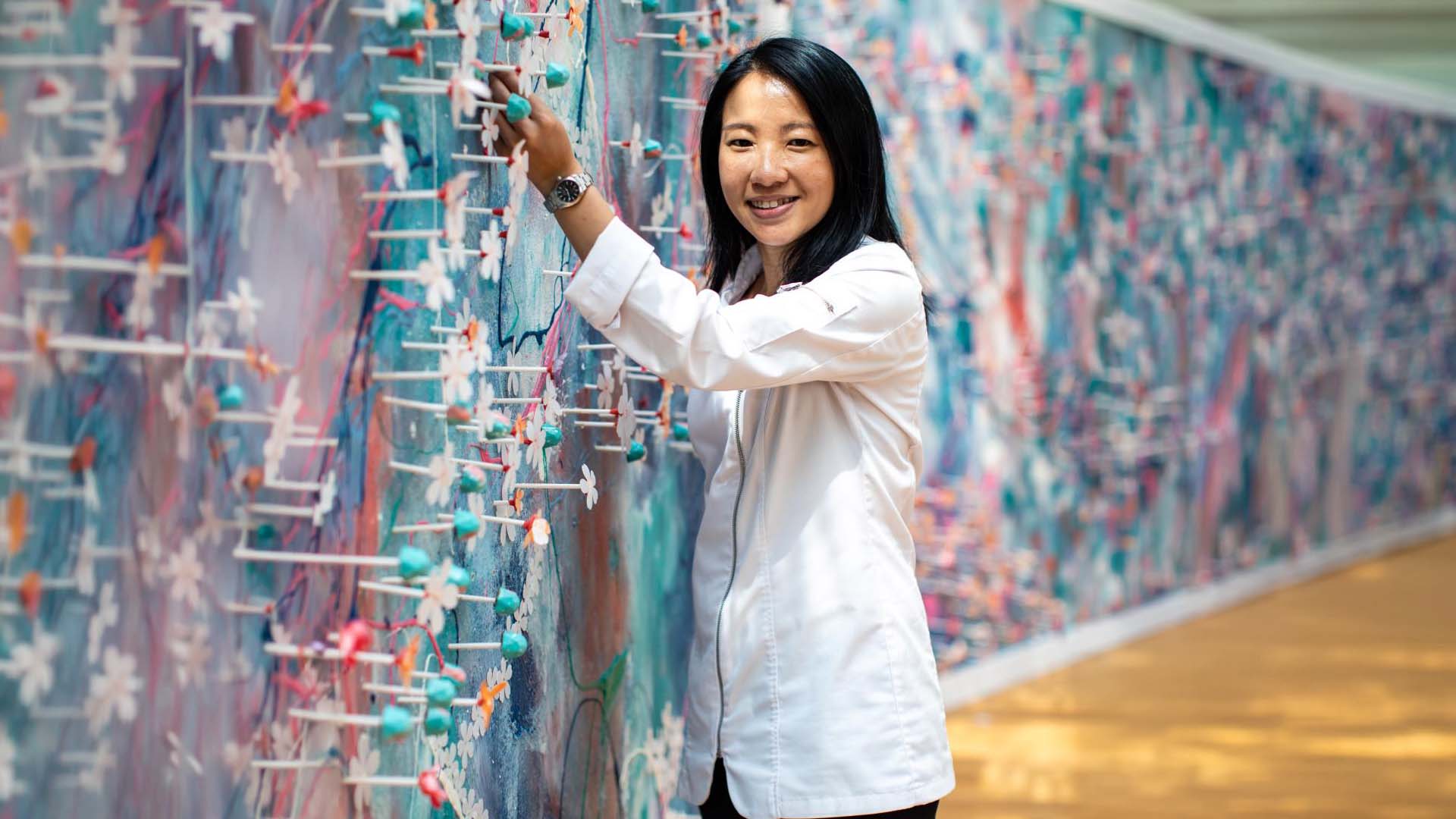
Chocolate expert and educator Martin Christy during one of his chocolate workshops.
The extreme concentration of production in West Africa, led by the Ivory Coast, makes global supply highly vulnerable to negative events such as disease and drought, very likely the result of climate change.
Martin Christy
Chocolate expert and educator

Climate change & cultivation
Climate change is reshaping cacao cultivation across the world. Shifting harvest seasons and increasingly erratic weather patterns have made supply far less predictable, with direct consequences for the chocolate industry—and, by extension, for patisseries and chocolatiers who depend on stable, high-quality couverture.
Christy explains, "A long-term structural problem in the cacao market is the extreme concentration of production in West Africa, led by the Ivory Coast. This makes global supply highly vulnerable to negative events such as disease and drought, both of which have occurred recently, and very likely with climate change as a contributing factor." The result was a dramatic supply-demand gap of nearly half a million tonnes, pushing cacao prices to nearly five times their original level in a short span, further intensified by market speculation.
But the roots of the crisis run deeper. "Fundamentally, cacao has been priced too low for too long," he adds. "Farmers are simply not paid enough to produce quality cacao."
Large multinational chocolate companies have historically compensated for this by masking inferior beans with heavy processing and added flavours like vanilla. Today, however, even entry-level chocolate has become significantly more expensive. The price gap between well-known luxury brands and carefully sourced craft chocolate has narrowed considerably.
This shift is particularly relevant for pastry chefs and chocolatiers. High-quality, traceable couverture—often made in cacao-producing countries—can now rival or surpass imported products in both flavour and ethics. "So-called ‘Belgian chocolate’ has become more of a commercial marker than a guarantee of quality," Christy notes, "rather than a product defined by taste, sustainability, or transparency."
The future lies in treating cacao as a precious agricultural product, one that is grown with care and priced in a way that supports everyone along the value chain, especially farmers. He says, "India is uniquely positioned to develop a strong internal market for fine cacao and emerge as an exporter of high-quality beans. This moment could trigger a broader rethinking of the chocolate industry—how value is defined, who benefits from it, and how chocolate is ultimately experienced. For India, it represents a significant opportunity."
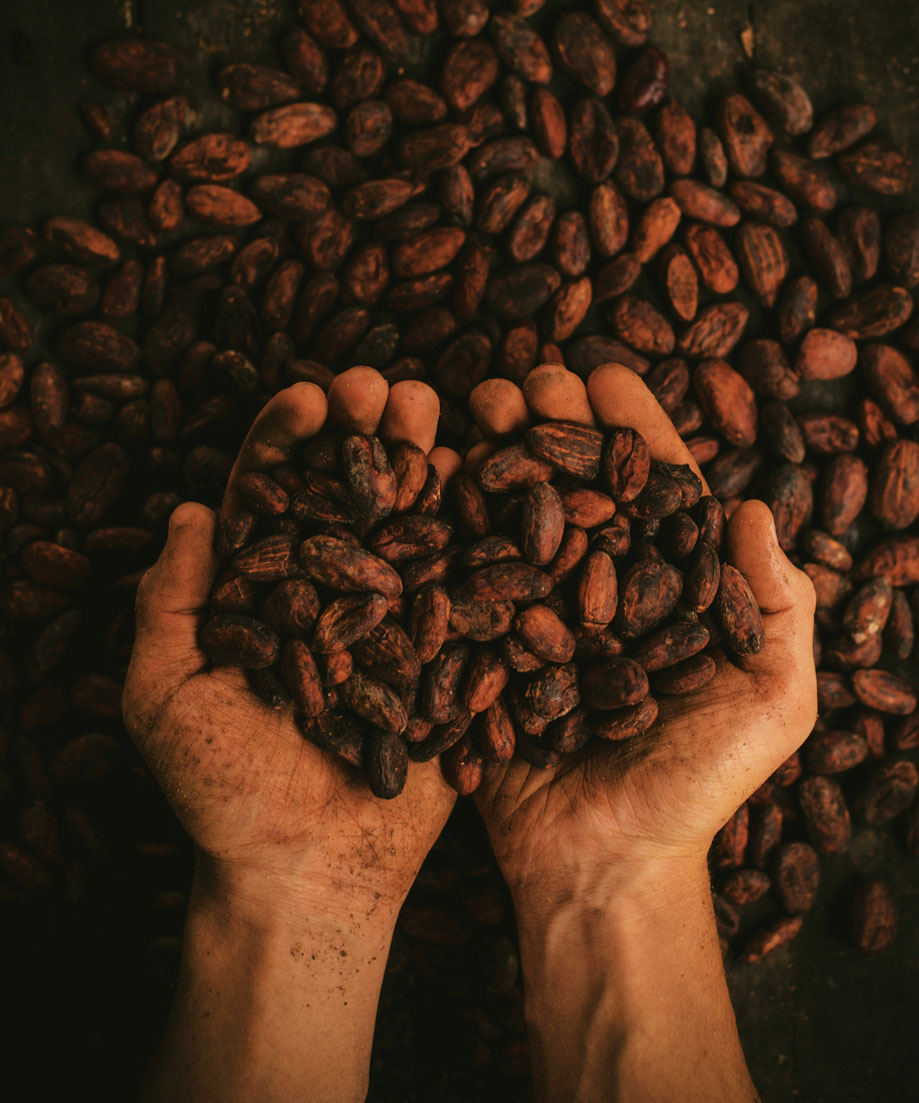
Most chocolate is made from low-grade cacao that does not look like something you may want to eat.
The market shift
Sustainable profitability often lies beyond small-batch bars, believes Christy. "In reality, it’s hard to build a profitable, sustainable business only selling small-batch chocolate bars. Producing higher-end couverture chocolate for chefs is a more realistic market, so it's really important that this part of the market develops. I believe the key here is taste, for chocolate makers, chefs and consumers. The price for high-end couvertures will be more, but people will pay for better-tasting products, made with care for the sourcing of ingredients."
This shift has narrowed the gap between low-quality and premium chocolate. "This means that the price of cheaper baking chocolate is not so far away from good chocolate, made from clean cacao, with good taste. It's now relatively affordable to buy good chocolate for baking." As a result, many independent chocolate makers—often based in cacao-growing countries rather than Europe—are producing technically excellent couvertures. "This is a worldwide trend, led by award-winning chocolate makers like Friis-Holm in Denmark or Cacaosuyo in Peru. India is in a great position to follow this trend as it's already producing a substantial amount of good-quality home-grown cacao," Christy adds.
Christy’s reflection captures his lifelong passion: "Chocolate is a dangerous spirit that catches and captures you and takes you down its special flavour path. Chocolate has always been in my life, from cheap commercial candy growing up in the UK to my first time tasting something better. I've had other careers, but I suspect that chocolate would have gotten me somehow in the end!"
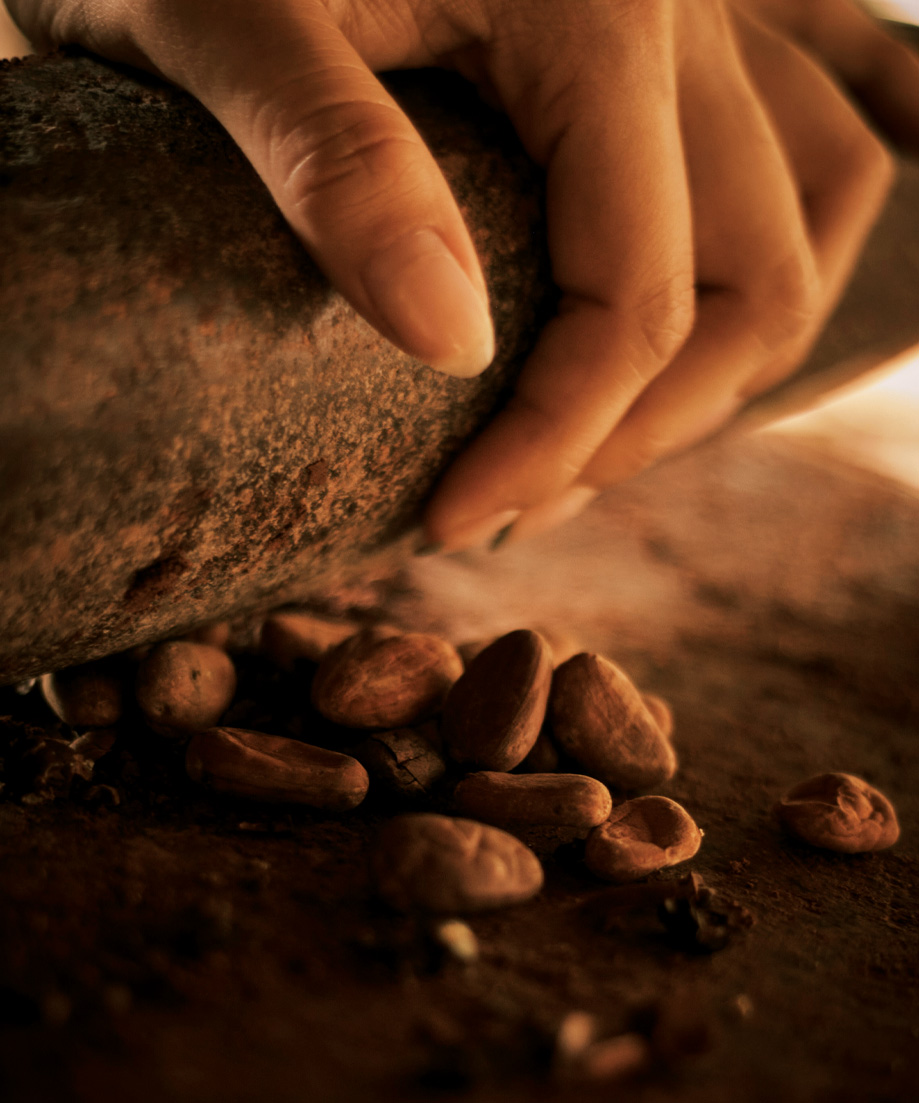
Climate change is reshaping the cultivation of cacao across the world.
Flavours & Innovations
- The International Chocolate Awards, the world’s largest chocolate product competition established by Martin Christy in 2011, has witnessed remarkable innovation in flavour pairings. Christy admits he is often surprised by the creativity on display. "From specialty coffee, to black soy beans, freeze-dried strawberries ground into white chocolate to create a red chocolate bar, or activated charcoal to create a completely black white chocolate bar; hot chillies, sancho pepper, mushrooms, crickets (the insect, not the sport), ants, matcha, Taiwanese tea, the list is endless."
- Quality is the foundation for experimentation. "You need good chocolate with good flavour in the first place for all of this to work, but when done well, chocolate can be this amazing, flexible base for pairing flavours and textures. We are constantly surprised by the inventiveness and creativity of craft chocolate makers around the world."
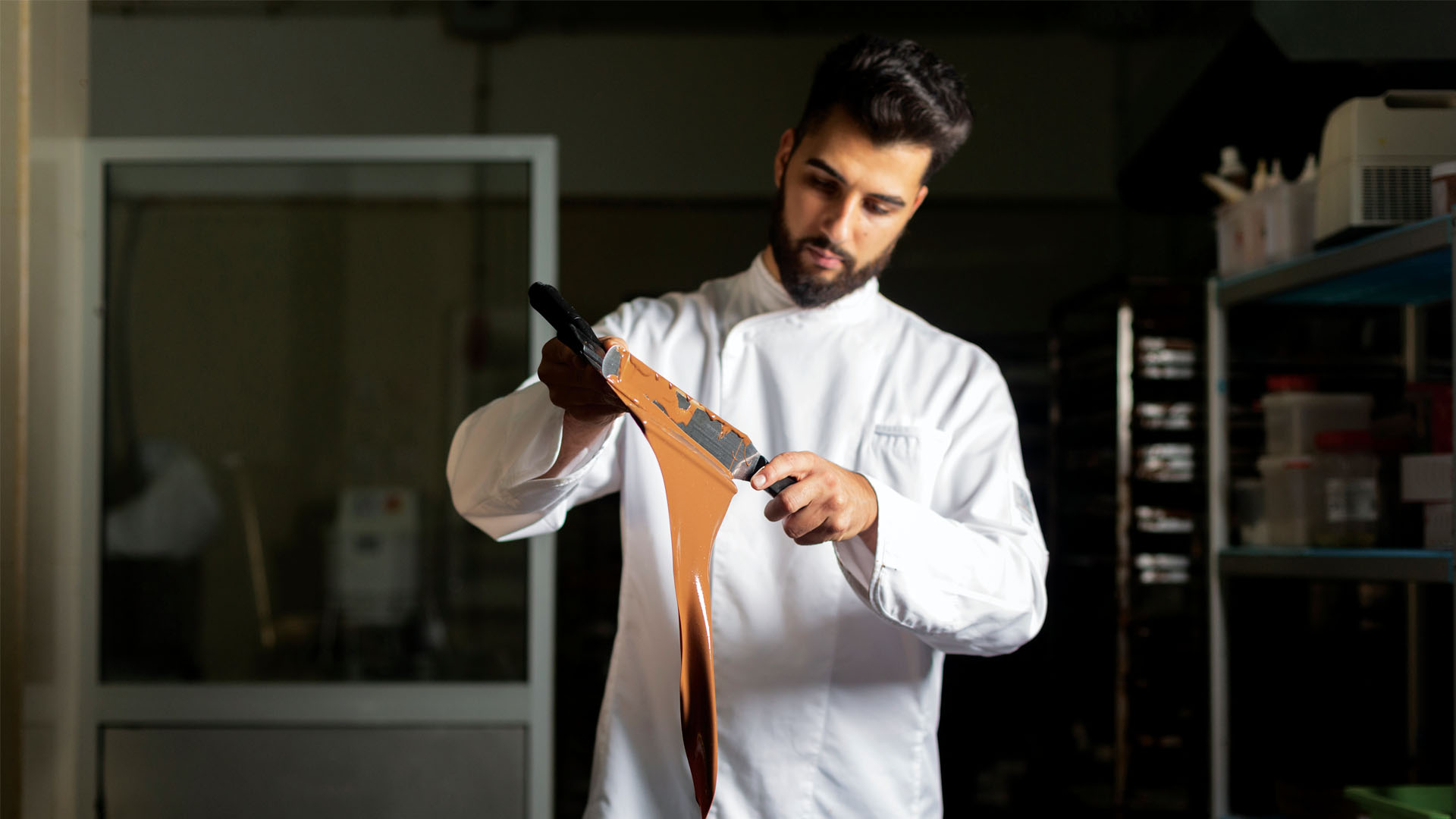
Chefs think of chocolate as a base to build on by adding flavours.
Where india's cacao grows
Cacao originated in the Amazon and was introduced to India as early as 1798, though commercial cultivation took root in earnest only from the 1970s. Today, growing is concentrated in the south, including Kerala, Tamil Nadu, Karnataka, Andhra Pradesh, Maharashtra, and Telangana, where it is commonly intercropped with coconut, arecanut, and spices on smallholder farms. For craft chocolate makers, terroir matters: bean origin, soil, shade, rainfall, and post-harvest practices shape flavour—revealing notes from bright fruit to caramel, spice, and gentle earthiness.
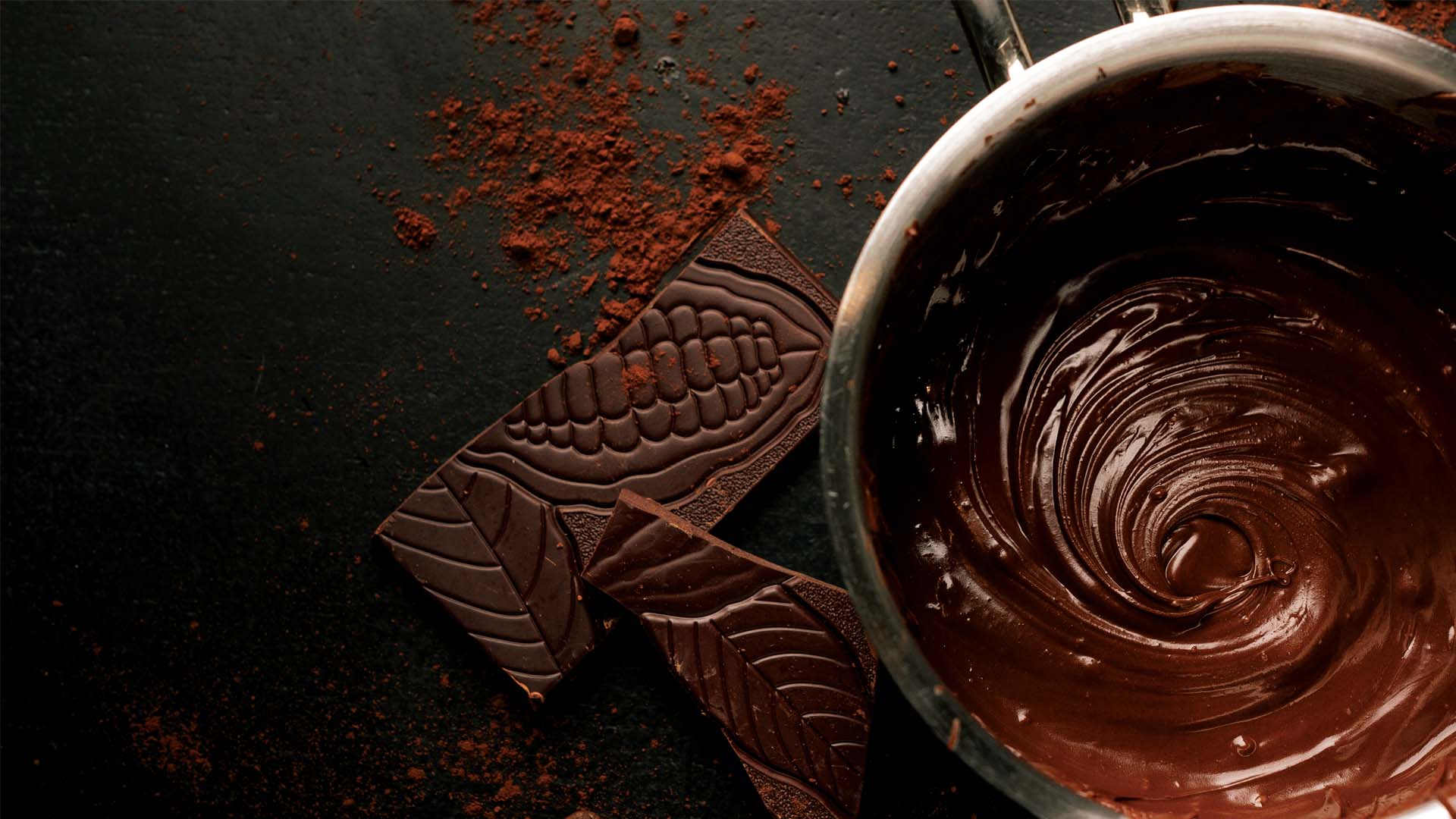
Chocolate is an ingredient that imparts extraordinary flavour to
a dessert.