











Tangra Brings Chinatown Flavours to Delhi NCR
The newly opened Tangra at Westin Sohna evokes nostalgic memories of Kolkata’s original Chinatown.

By Suman Tarafdar
Chinese style temples, temples and schools. Yes, even a Chinese Kali temple. Noodles as the presiding deity's ‘proshad’. Yes, prasad or offerings. Red lanterns, dragon motifs, kitchens with an array of delectable aromas of Hakka cuisine – dumplings, momos/ wontons, noodles. Yes, India’s best known Chinatown – Kolkata’s Tangra, is unique.
Residents of NCR however have just come into a bit of luck. Westin Sohna, that paradisiacal getaway in the Aravallis, has just opened its latest restaurant Tangra - Tales of Chinatown, inspired from Kolkata’s eponymous neighbourhood.
“Tangra, for me, is deeply personal,” says Amit Dash, Cluster Executive Chef at The Westin Gurgaon New Delhi and The Westin Sohna Resort & Spa. “It represents a cuisine that evolved organically, born out of migration, adaptation, and resilience. Having spent the formative years of my career in Kolkata, Tangra-style Hakka Chinese was not “fusion” or “trendy”; it was everyday food with soul. It carried boldness, comfort, and an unmistakable smokiness that came only from well-seasoned woks and instinctive cooking.”
Dash justifies the opening of the restaurant, pointing out that while NCR has an abundance of Pan-Asian offerings, but very few experiences that honoured the true cultural and culinary lineage of Tangra. “The idea was not to recreate street food in a luxury space, but to elevate its essence. We wanted to retain its robustness, nostalgia, and honesty while presenting it through a refined, contemporary lens suited to a discerning NCR audience. Tangra is our way of preserving a culinary heritage while giving it the permanence and respect it deserves.”
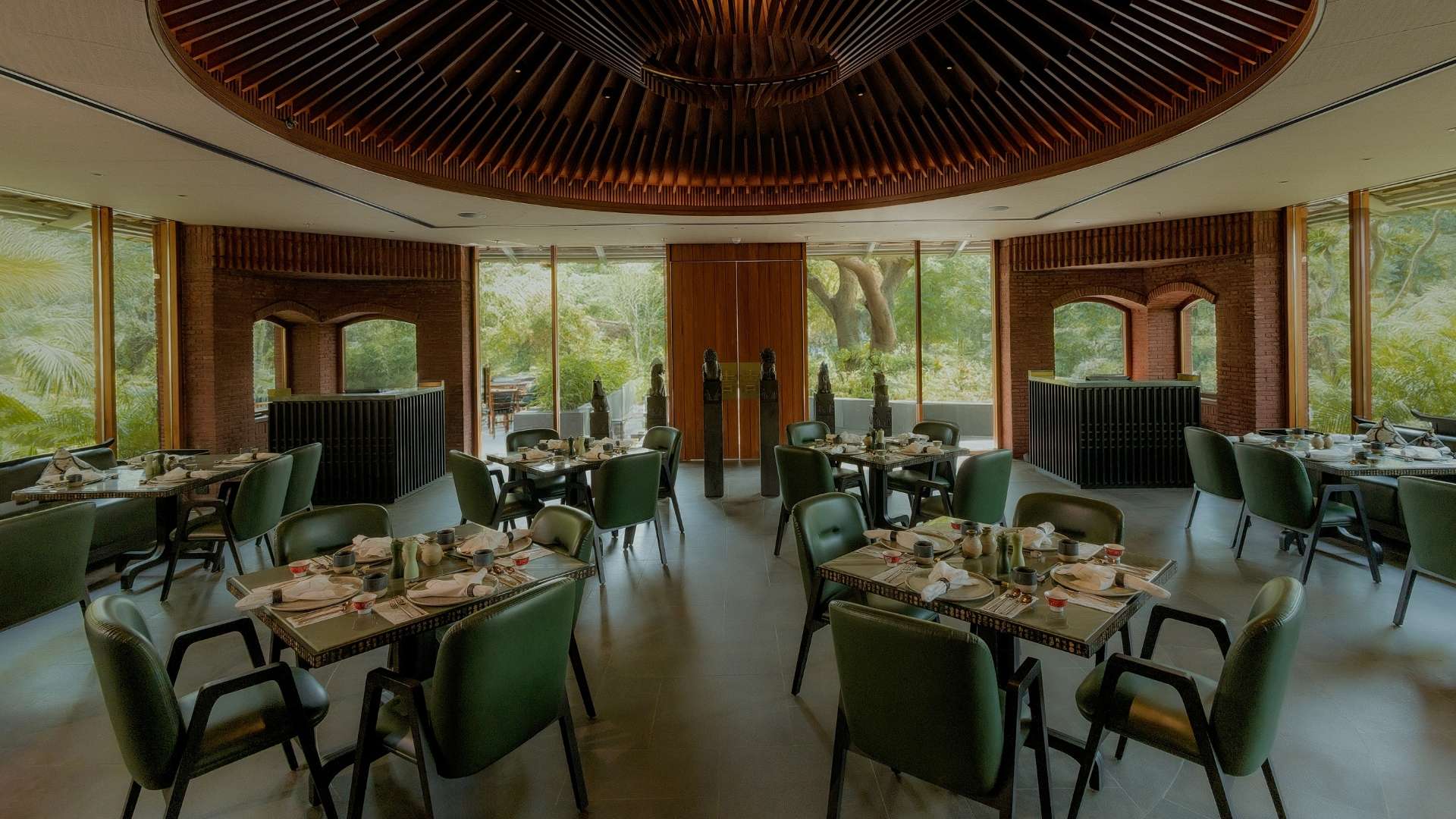
Tangra preserves a culinary heritage while giving it the permanence and respect it deserves.
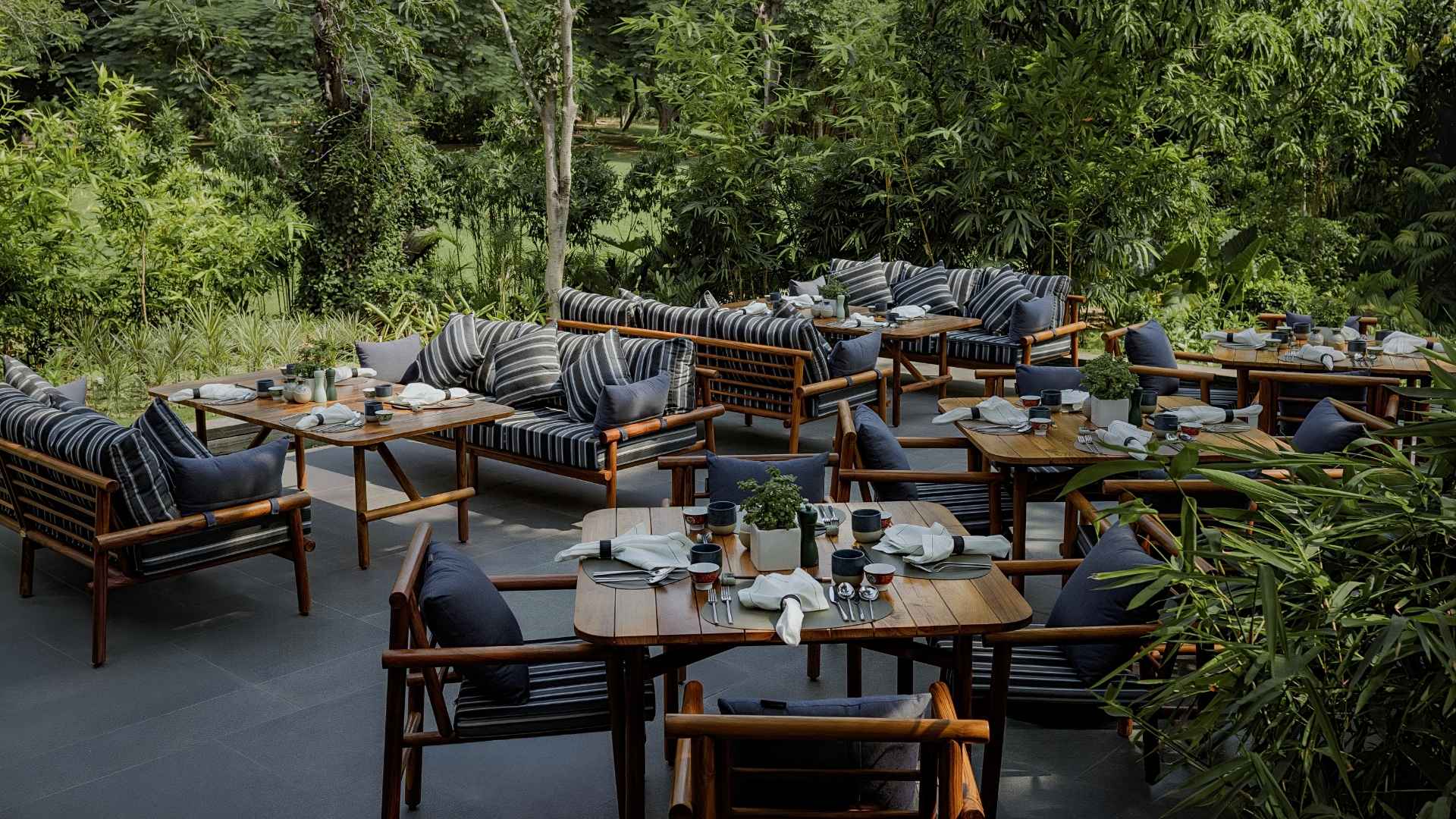
Dining tables feature Mahjong tile–inspired gold inlays, etched with traditional inscriptions that invite curiosity and conversation.
Dragons, koi, mahjong
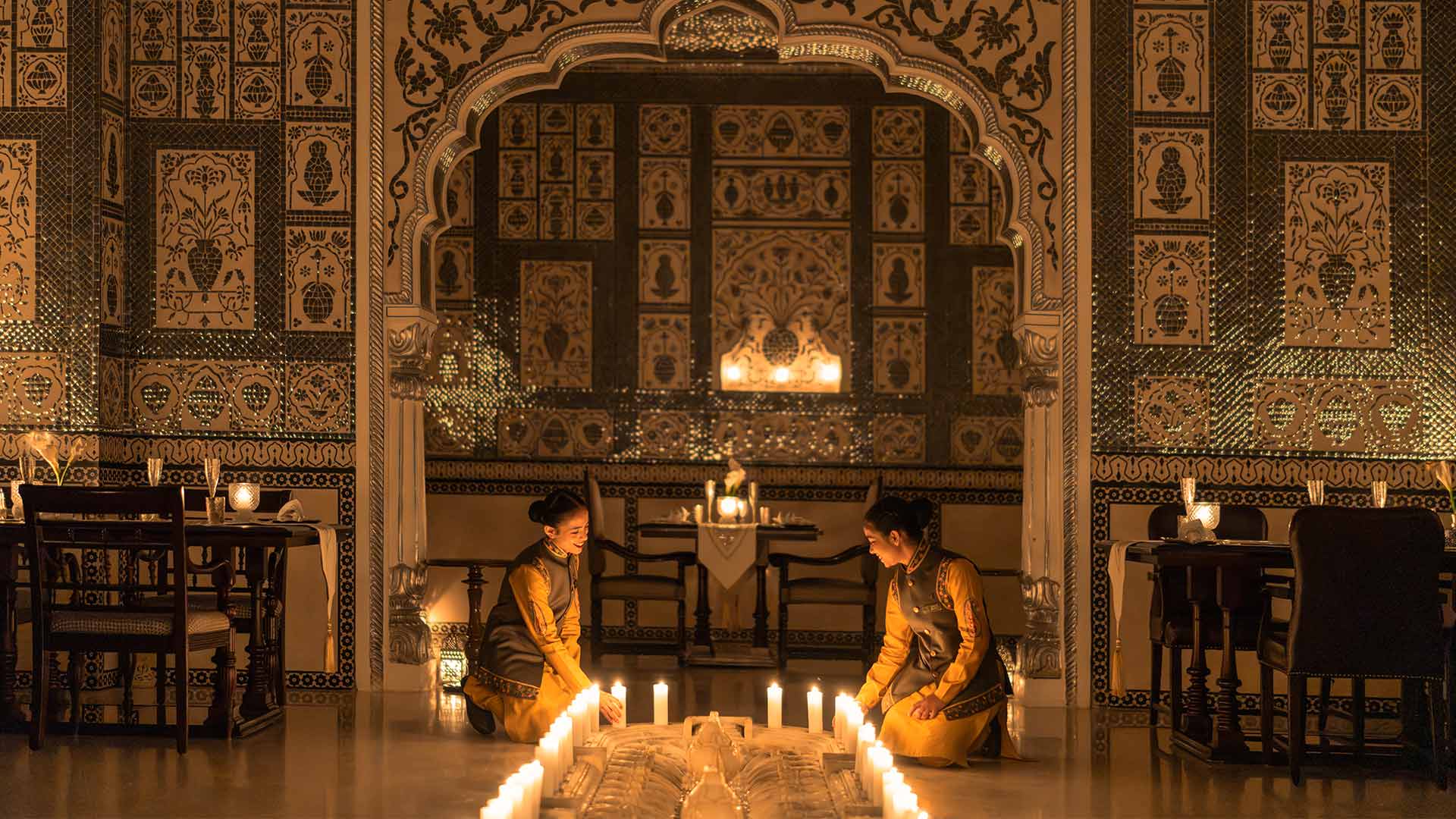
Spread over 4,300 sq. ft., the sprawling eatery pays obeisance to the original in myriad ways. The look unsurprisingly is an ode to Kolkata’s Chinatown, infusing warmth, symbolism, and character into every detail. Design details capture the essence of the area. Wood, glass, exposed brick cladding and foliage, not to overlook a pond with a multitude of orange koi conspire together to create a great welcome experience. Guests enter through the koi pond and timber doors, flanked by granite guardian lions symbolising strength and prosperity.
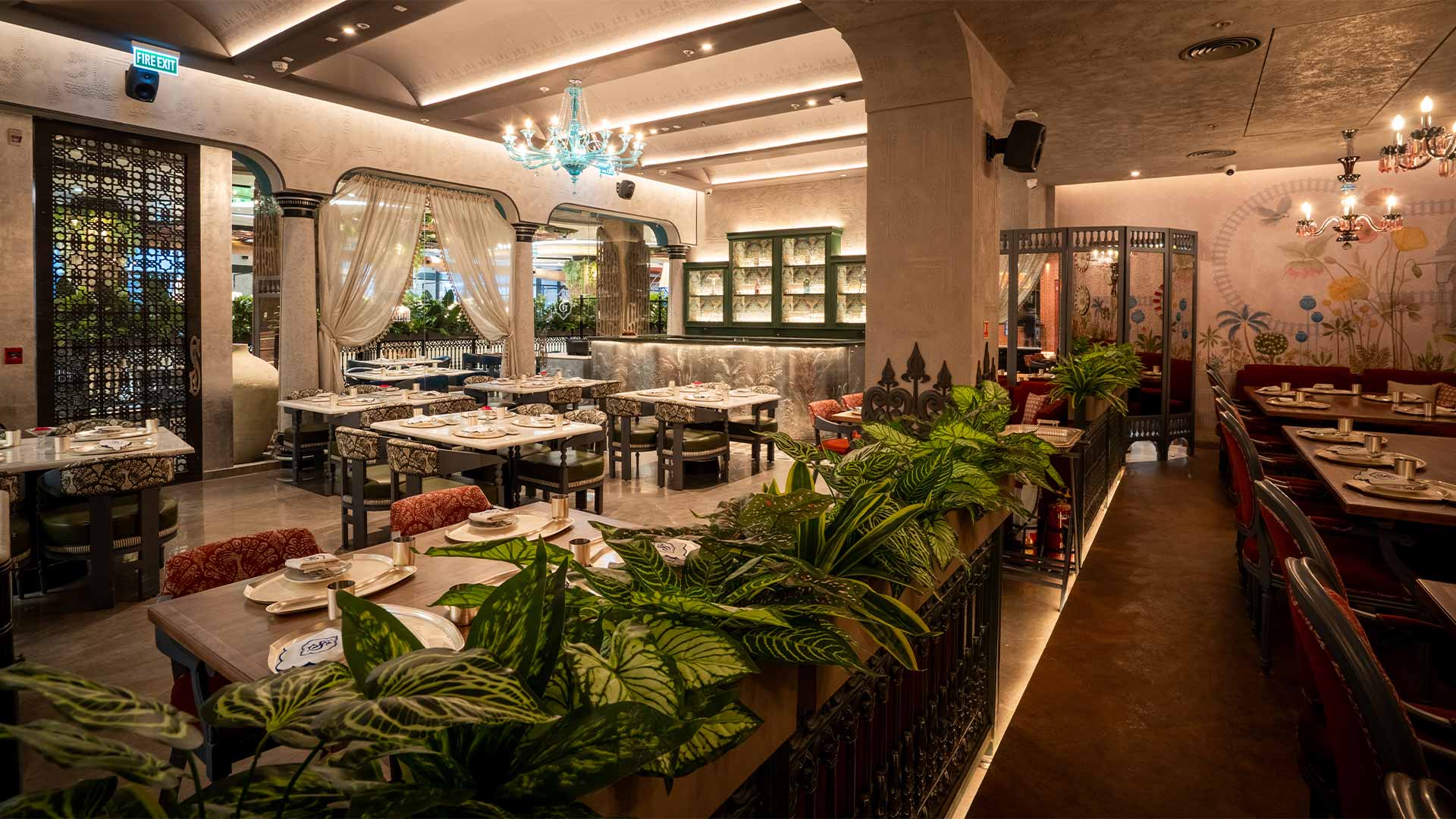
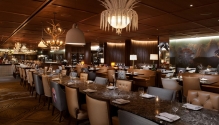
The main dining space adds many more touchpoints to marvel over. Dining tables feature Mahjong tile–inspired gold inlays, etched with traditional inscriptions that invite curiosity and conversation. Massive French windows not only bring in ample natural light, but also the lush greenery the resort is known for. The domical ceiling – dominated by a dramatic parasol-inspired chandelier, is beautifully lit, perfectly combining with the warm red and black hues of the interior.
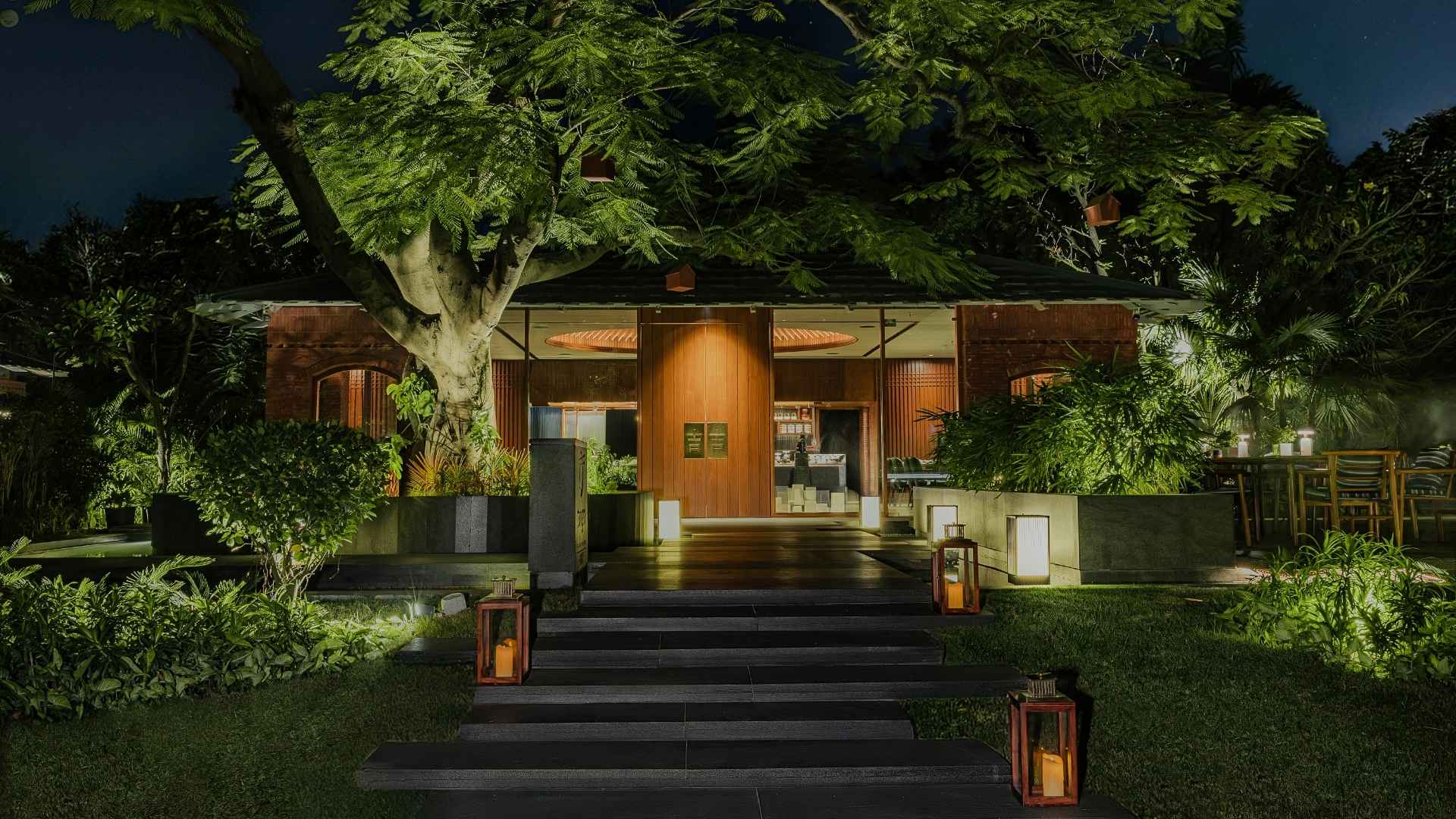
The look is an ode to Kolkata’s Chinatown, infusing warmth, symbolism, and character into every detail.
Wontons, gold coins, chimneys
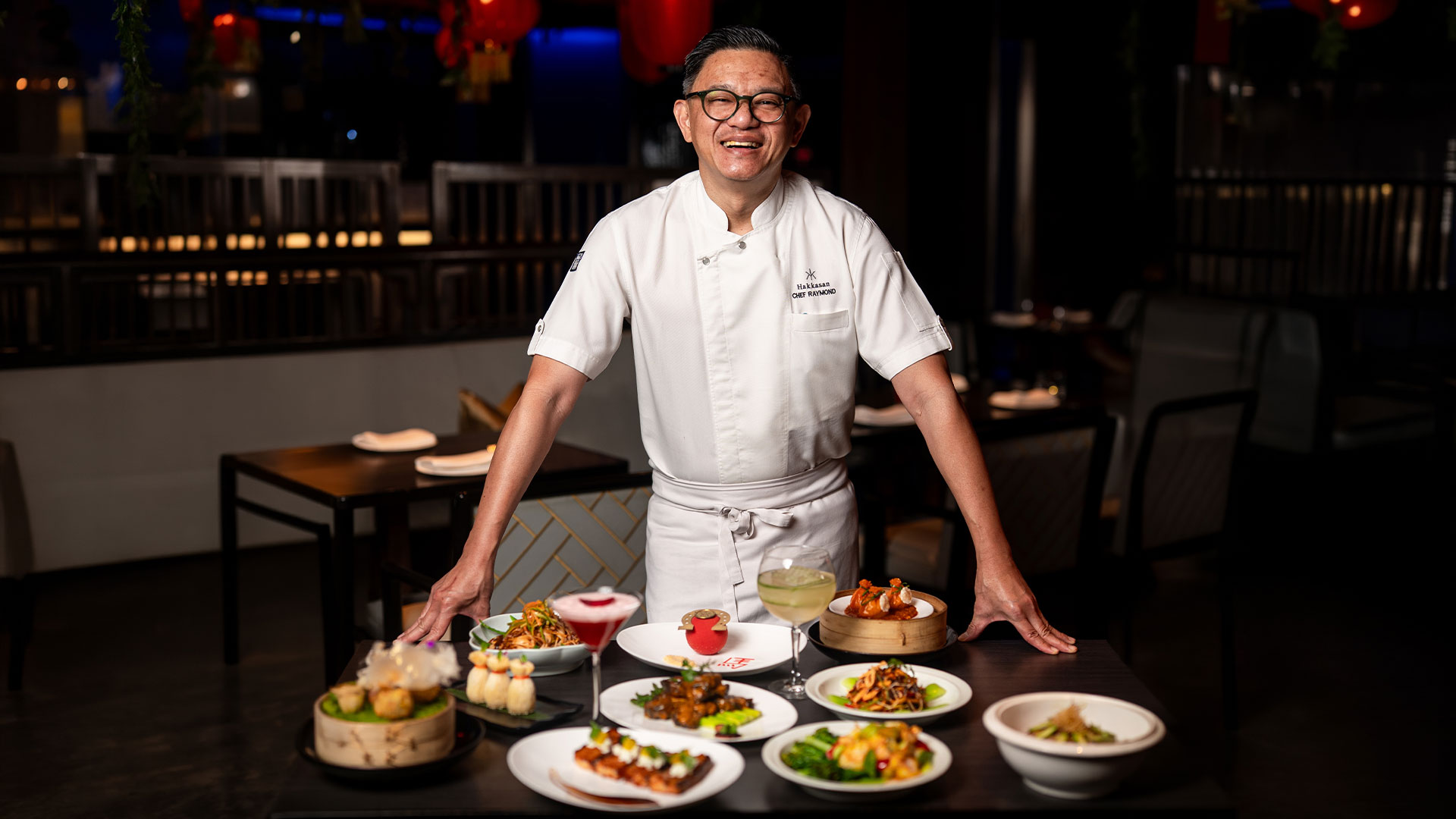
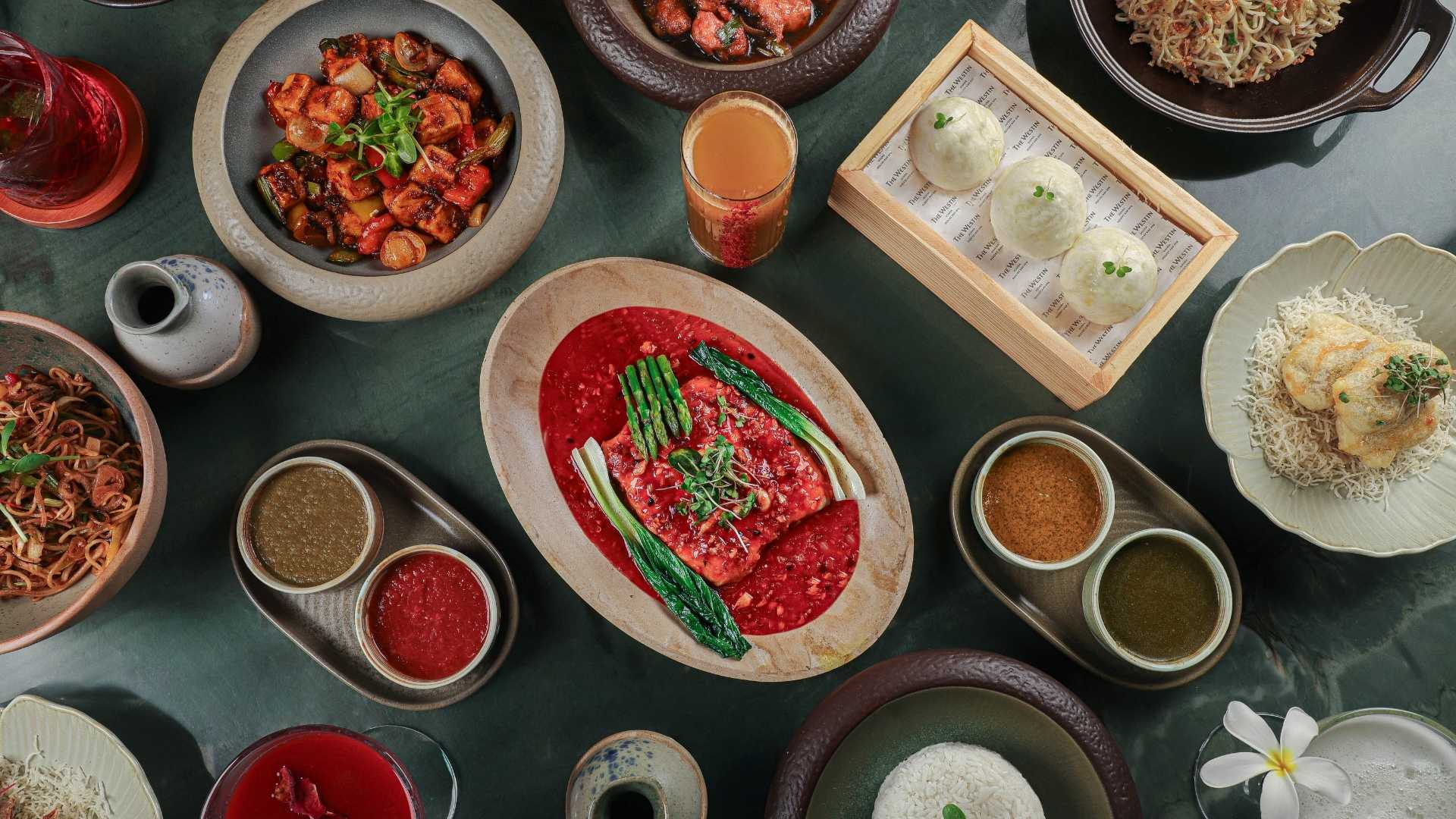
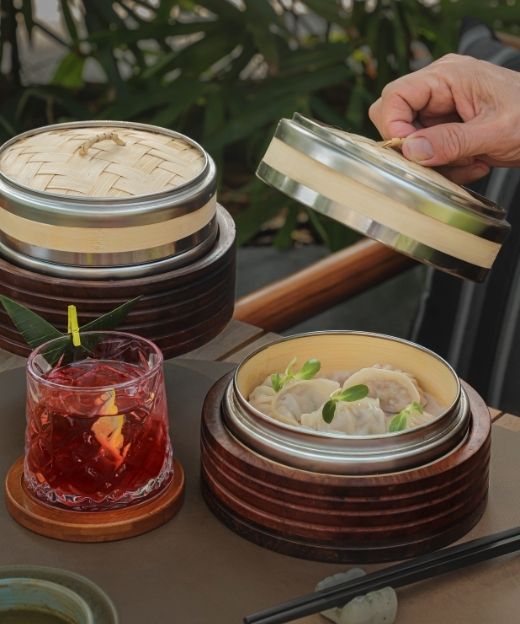
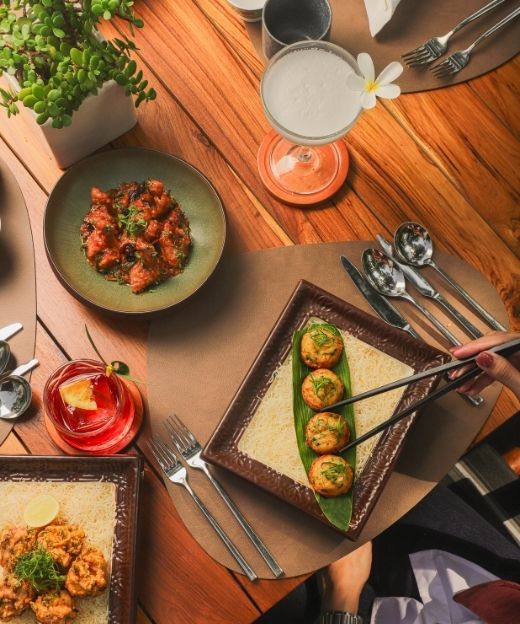
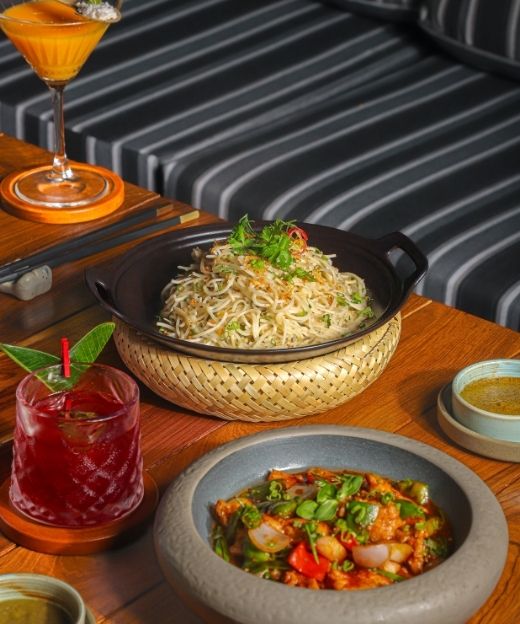
Of course, the ‘og’ Tangra is known most for its distinctive food – far removed from the ‘Indian Chinese’ that prevails across the country. The restaurant pays homage to some of the most popular dishes of the area. Expect to find iconic dishes such as Chimney Soup, Shao Mai, Braised Wontons, Tai Po, Yam Mein Noodles, and Tangra-style Chilli Chicken and Paneer showcase the depth and flavour of traditional recipes, while seafood highlights such as Prawn Gold Coins, Golden Garlic Lobster, and Mandarin Chilean Seabass add a contemporary touch. Tableside preparations, like the finishing of Steamed Fish, engage the senses and evoke the energy of Chinatown’s bustling kitchens.
Of course, there are ample vegetarian options as well. Popular ones include Seven Treasure Vegetables, Vegetables in Cilantro Sauce, and Claypot Vegetables in Chilli Bean Sauce reflect the inclusive, family-style spirit of the cuisine, while festival dishes such as Buddha’s Delight celebrate abundance and tradition.
The restaurant is deeply rooted in the soulful flavours of Hakka-style cooking but elevates them through modern plating. For the authentic touch, sources select ingredients from traditional, family-run makers in Kolkata’s Chinatown, to ensure an authentic taste of the Hakka-style cuisine. For those wishing to glimpse some of the cooking processes, an open kitchen flanks one side of the restaurant, making for a unique blend of dinner theatre.
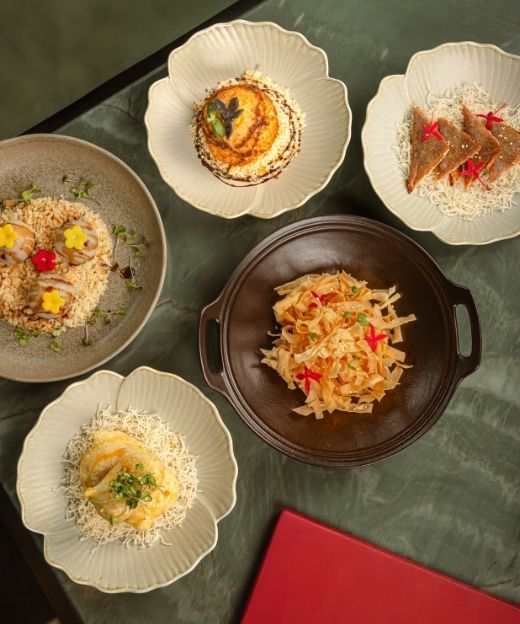
Journey of flavours
From initial ideation to final execution, Tangra took approximately 11 to 12 months to come to life, points out Dash. “This journey included extensive research, culinary trials, sourcing partnerships, chef training, spatial planning, and meticulous design detailing. The investment was substantial but purposeful. Rather than focusing on surface-level theatrics, resources were channelled into craftsmanship, including custom interiors, authentic ingredients, culinary infrastructure, and team capability. Tangra was never conceived as a short-term trend or seasonal concept.”
“Tangra at The Westin Sohna Resort & Spa reflects what we truly believe in: experiences that have a soul,” Rahul Puri, Multi Property General Manager, The Westin Gurgaon New Delhi and The Westin Sohna Resort & Spa. “We wanted to create something that guests would remember long after the meal for its warmth, its character, and the way it makes them feel. Both the menu and the ambience are the result of extensive research and collaboration, with every detail crafted to honour authenticity while presenting it through the lens of contemporary design and culinary finesse.”
Dash admits the challenges that confronted the team. “Authenticity was our biggest challenge and our non-negotiable. From a culinary perspective, Tangra cooking is technique-driven. It relies heavily on wok mastery, temperature control, timing, and intuition, skills that cannot be replicated through recipes alone. Identifying chefs who truly understood this style, and then building a cohesive brigade around them, took considerable time. In many cases, we focused on retraining and recalibrating palates rather than simply hiring talent.”
Ingredients were another critical pillar, says Dash. “Several signature elements such as sauces, vinegars, spice blends, and oils are not easily available outside Kolkata. We worked extensively with legacy suppliers and small producers, ensuring consistency and continuity in flavour. Design-wise, Tangra is layered, textured, and unapologetically real. The challenge was to translate that raw, lived-in energy into a luxury hospitality environment without making it feel staged or nostalgic for the sake of it. The space draws inspiration from old Chinatown kitchens, narrow lanes, worn surfaces, and cultural symbolism, interpreted with restraint and elegance.”
For residents of NCR outside Sohna, the journey to Tangra may well be a lengthy one, but the experiences more than make up for it. Translating what is a community cuisine to fine dining experience is a journey that Tangra has achieved with aplomb.