










Cristiano Rinaldi: The Brand Custodian
Cristiano Rinaldi, who has opened more than 40 luxury hotels, now steers Marriott's newly unified lodging function for Asia Pacific - excluding China. In an exclusive interview, he makes the case for restraint, localisation, and design that holds its value for owners, guests, and the brand alike.

By Deepali Nandwani
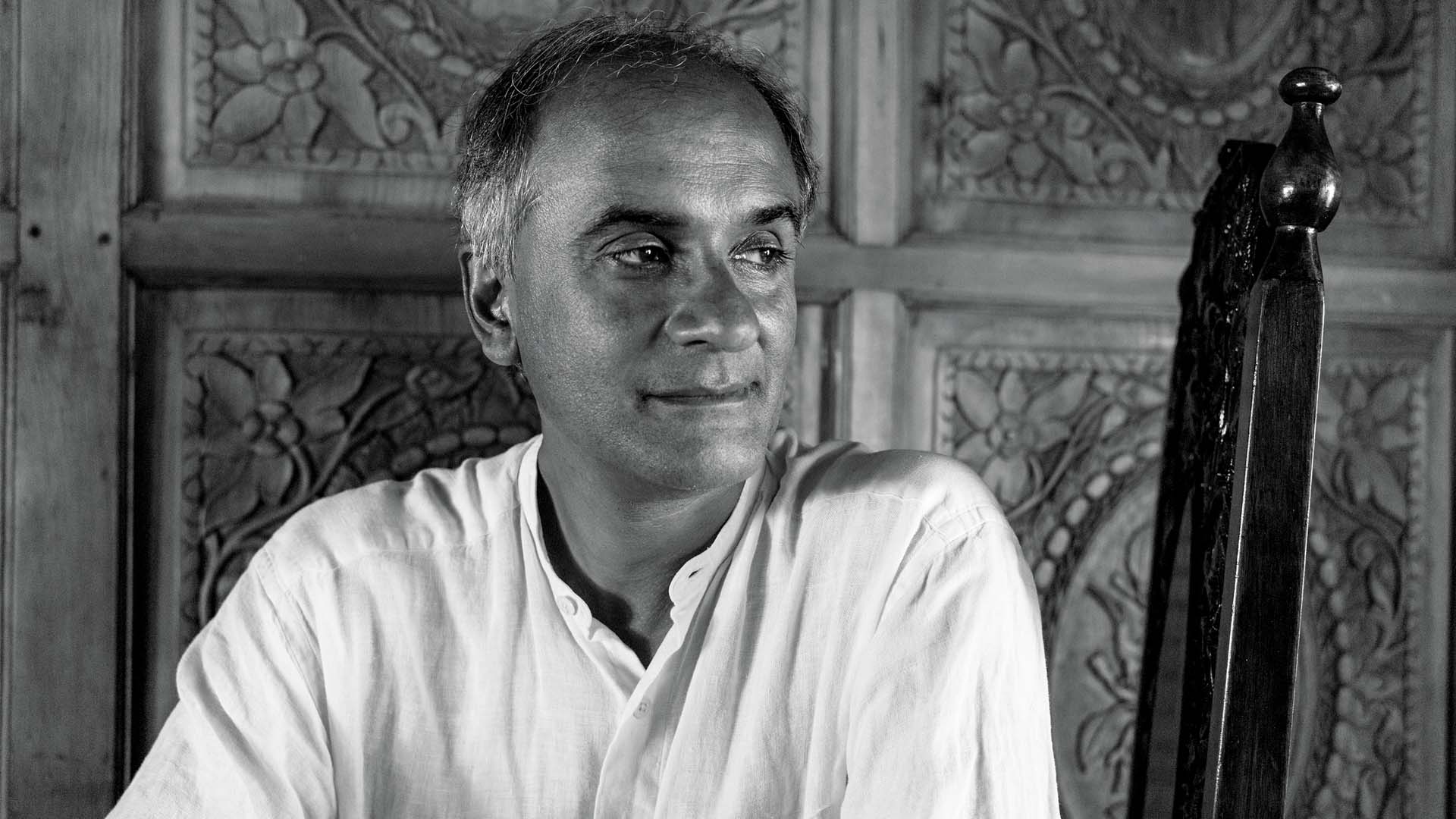
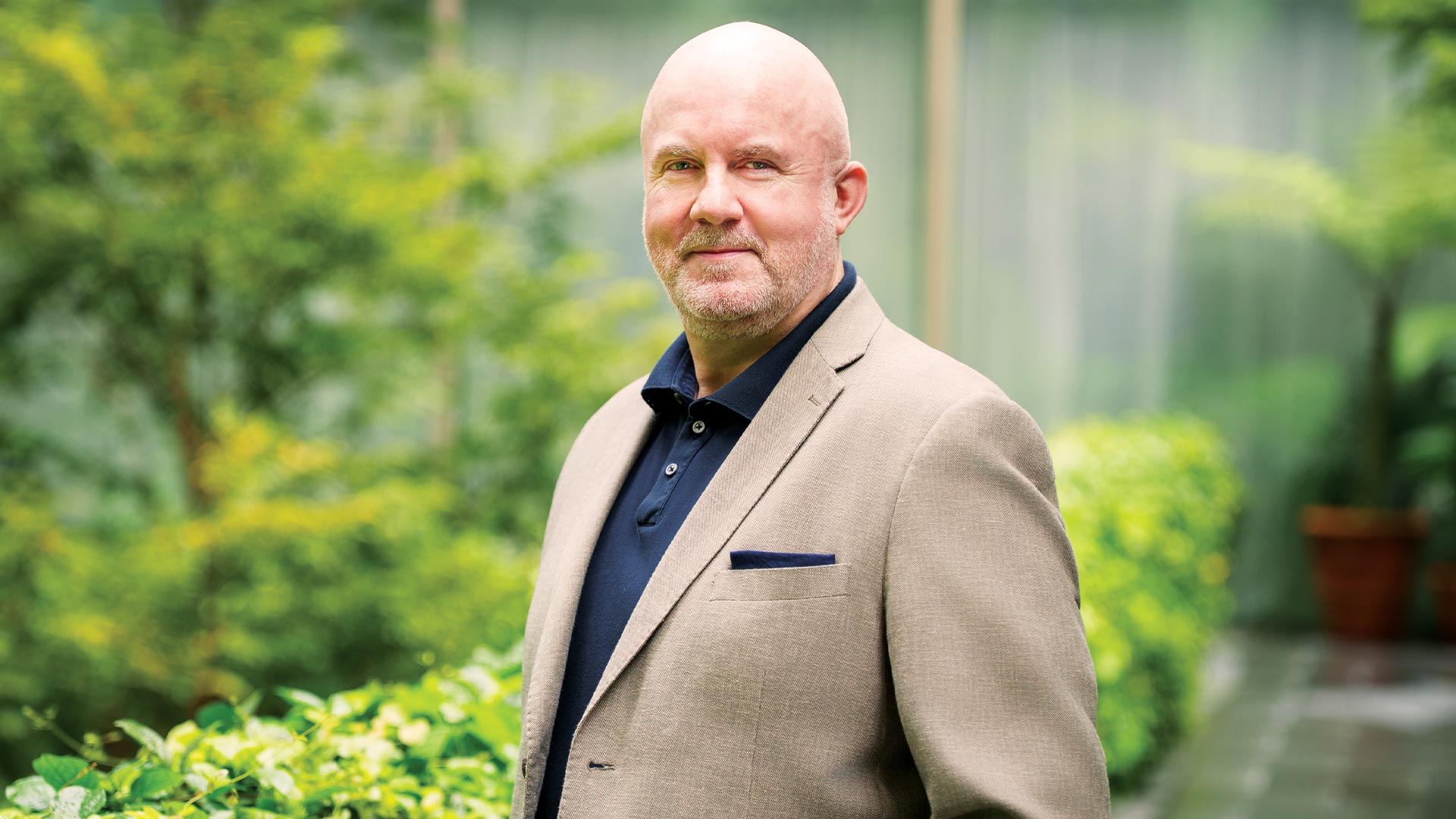
The candid, unassuming Cristiano Rinaldi, Chief Lodging Product & Services Officer, Asia Pacific excluding China, Marriott International, calls himself the ʻguardian of brands' and believes his job is to protect what each one promises long after the design drawings are signed off.
In a newly created role that unites operations, brand and global design into a single function across more than 760 hotels in the region, he treats a brand as a product to be shepherded through its entire lifecycle, from its values to the moment a guest checks out.
Rinaldi’s instincts are those of an operator rather than an aesthete. Across three decades and more than 40 luxury openings with Ritz-Carlton, Bulgari, EDITION, One&Only and, most recently, Capella, he has learned that the distance between what is drawn and what is delivered is where reputations are won or lost. He fights for quality, distrusts anything merely 'trendy' and prizes design that tells a story and ages well.
Yet for all his exacting standards, he is refreshingly human. He insists on calling the back of the house the 'heart of the house', and measures luxury less by rates than by the way a stay makes you feel.
The Millen Penang, Autograph Collection, where design reinforces a distinct sense of place.
Q&A with Cristiano Rinaldi
In an exclusive with SOH, he shares his vision for the hotels of tomorrow, and what needs to change to make them truly future-ready. Some excerpts:
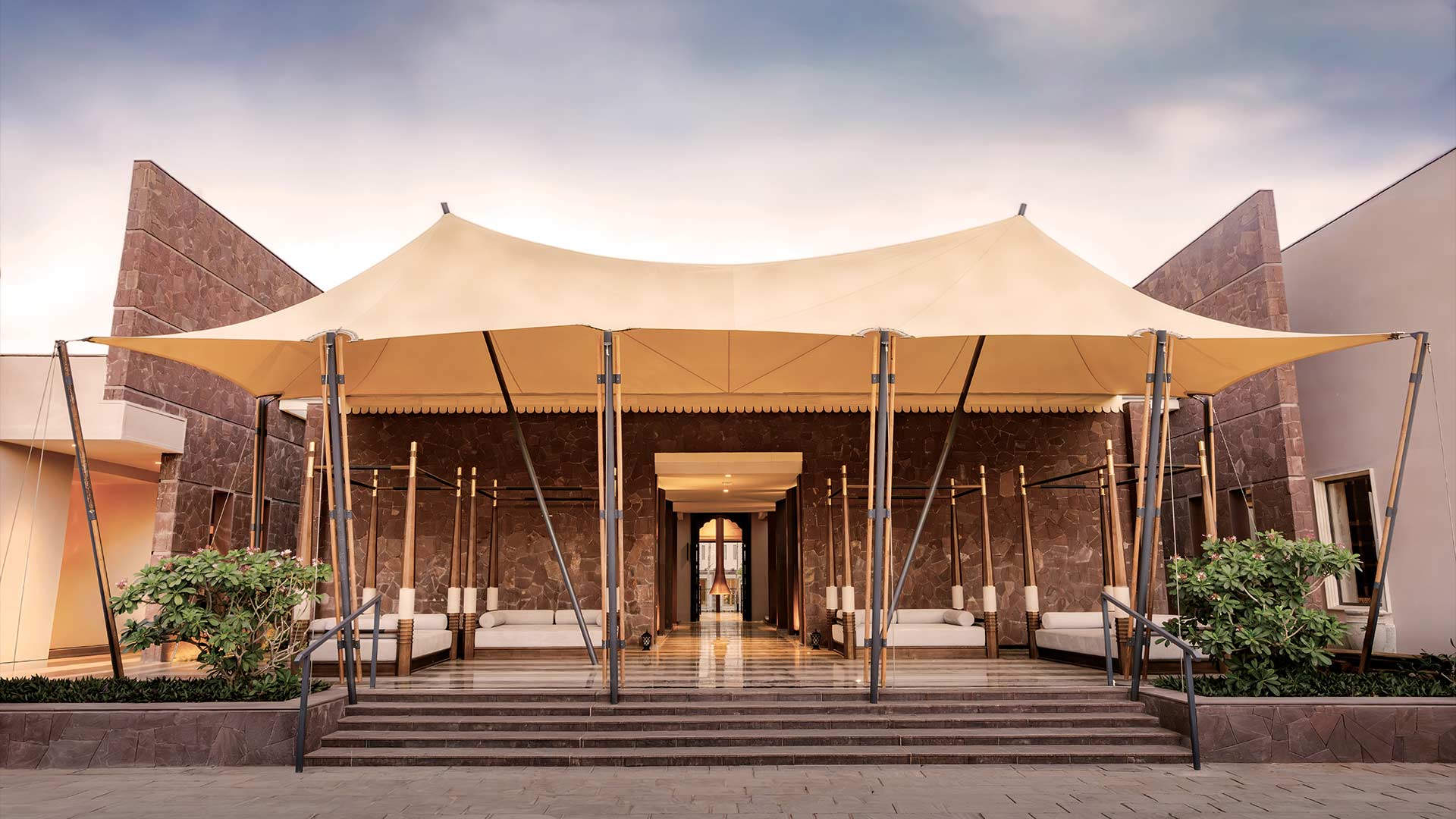
JW Marriott Ranthambore’s safari drop-off signals a stay designed around encounters with the national park.
Every brand that we manage under Marriott International, every one of our luxury or select brands, has very well-defined design elements, identity, what they represent as a brand, what they should be delivering, and, what kind of emotion they should evoke in our guests.

Your role at Marriott brings together operations, brand and global design. How does that integration ultimately shape the way you approach a hotel project?
Well, this was a necessary organisational change. We felt the brand needed to be treated like a product, with oversight of its entire lifecycle, from design and brand values to reputation and operational execution. It was critical to controlling the guest experience. Throughout my career, I’ve been fortunate to lead several hotel openings, and more often than not, what’s on paper isn’t executed as intended, whether it’s a design element or an operational detail. This new organisation gives us greater control over how we bring the brand to life, execute the product and design, and ultimately deliver the intended experience to our guests.
Having looked across the APEC portfolio, what has struck you most about its design, and where do you see the greatest opportunity to do things differently?
Everything that has happened in the past has a reason and a history, and we need to respect that. But looking at what we can do today, localisation is clearly critical to our brands and hotels. A strong sense of place—whether in India or elsewhere in APEC is essential, and we need to incorporate elements that matter to our guests. That’s why it’s important for us to be part of the entire guest journey. Localisation is a key part of that, while balancing what our owners want with what is true to the brand.
In Asia, localisation can sometimes lean heavily on craft and cultural motifs. How do you create a genuine sense of place while retaining the sophistication and restraint expected of a luxury hotel?
You can look at localisation through two lenses. The first is the product: bringing in a sense of place while staying true to what the brand stands for, how it looks and what guests expect. But, most importantly, it’s about experiences—how that sense of place comes through in the food and beverage, the room experience and the hotel’s connection with the community. It’s about allowing guests to discover and explore the surroundings and engage with the local community.
So, is it as much about community and experiences as it is about design?
It’s a combination of the two. And I have to say, something that I really enjoy when we work on projects in India is the rich cultural tapestry and seeing how local designers include these elements. Hospitality in India has always been about traditional, timeless luxury. Now we incorporate these elements into contemporary design. I can see how local talent is doing an exceptional job of creating the soft touches and elements that guests can enjoy throughout the guest room and public areas. At the same time, we bring to life experiences that allow them to indulge in what they enjoy the most.
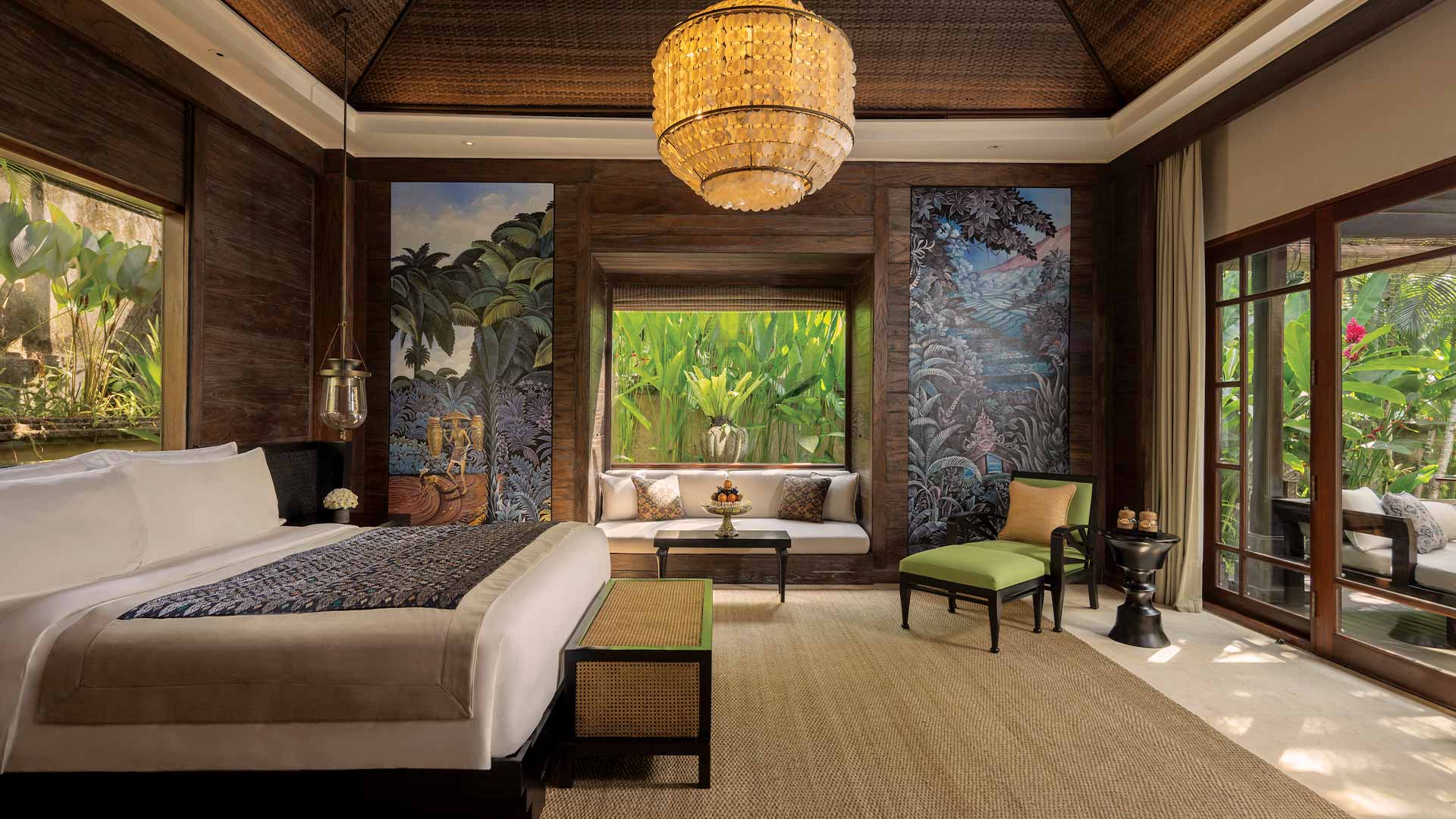
Traditional Balinese references shape the villas at Mandapa.
How do you create a genuine sense of place within a global brand?
We have multiple conversations internally about hyper-localising a sense of place. When it comes to room design, I think it’s critical to engage with local talent or designers who understand the destination and can weave storytelling through details, panels, lighting and soft touches. I find that food and beverage is a great way to connect with the local destination. You’d be surprised, but in the last few years we’ve been focusing on creating and executing impeccable regional dishes because the community is looking for local food. And the days of big partnerships with Michelin chefs and great names are long gone. We’re focusing on homegrown talent in our destinations. This is one of those elements that allows us to bring together the design, the sense of place and, ultimately, what guests take away as a memory.
When you’re working across so many cultures, how do you ensure vernacular design language is integrated into the hotel rather than simply being decoration on top?
It would be very presumptuous of us to think that we can identify all elements of design or offering throughout a hotel and ensure that they’re authentic. It has happened so many times in my career that we sat across from an owner and thought we were presenting a design which has taken into consideration the locality and the sense of place. And I could see the horror on the owner’s face, who often wondered what the design was really representing, because there was no real connection to the place.
And so, we work closely with our teams in every market. We work closely with our partners, with the design partners, architects, and marketing, the people we work with day in and day out. They are critical because they tell us what’s authentic, what’s original, what works in the market and what doesn’t. Ultimately, design needs to appeal and resonate with the local market.
Do you design for both owners and guests? How do their interests converge, and where might they differ?
Certainly, timelines, owner investment and expectations on the product have an impact on design. But I think there’s a bit of a misconception about what spaces a guest truly needs and what could have an impact. More often than not, especially in India, we design hotels that are over-providing for our guests, which could be a little bit bigger than they need. We see it a lot in the F&B segment. We design very large restaurants to cater for the number of rooms and the breakfast that we serve, and then they don’t necessarily have a multipurpose or better use of the space after breakfast.
So, we work very closely with the owner because there are ways to optimise the space without impacting the guest experience. The guest experience needs to start with room design, and the rest is about how we connect them to the destination.
Are there any design decisions that are difficult to justify to an owner on a spreadsheet, but you think are worth defending because they fundamentally improve the experience of the hotel?
To be very honest, it’s quality. Every brand that we manage under Marriott International, every one of our luxury or select brands, has very well-defined design elements, identity, what they represent as a brand, what they should be delivering and what kind of emotion they should evoke in our guests. But we constantly fight to make sure the quality is delivered, that the standards are not dropped, because ultimately our guests are used to our brands.
They know what to expect, and a brand is all about reputation; it’s all about values. So, for us, it’s incredibly important that we don’t compromise on the guest experience. When they check in at one of our hotels, they experience exactly what they are expecting to find.
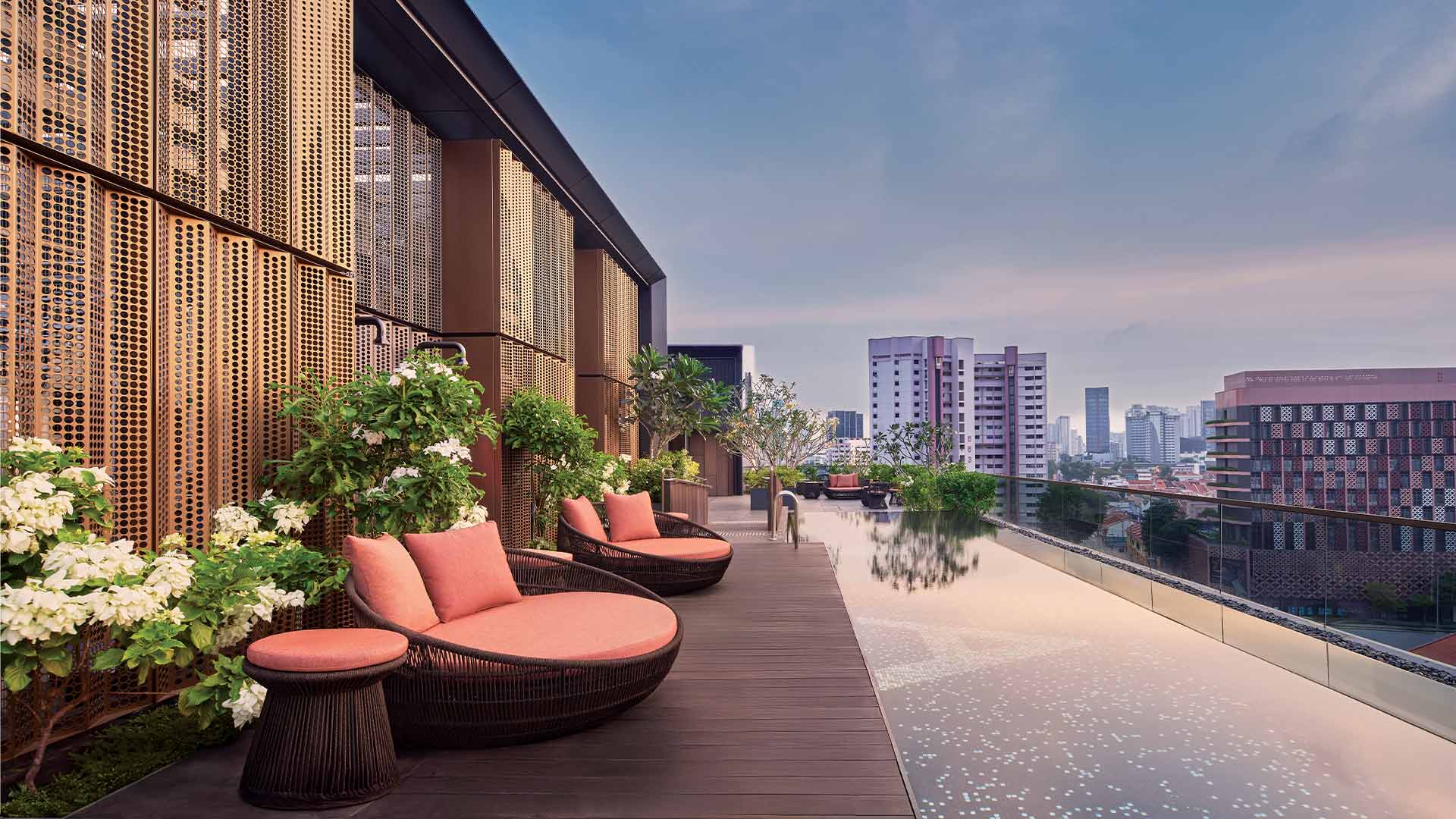
Varel Singapore takes leisure upwards, with its rooftop pool overlooking the city.
You’ve worked with minimalist hotels, and hotels which are rich and layered. What have they taught you, and what, in your view, makes a hotel memorable?
Many believe that a minimalist design is long-lasting and a better investment. The reality is we have award-winning hotels that are beautifully designed. One that comes to mind is JW Marriott in Phu Quoc, Vietnam, in partnership with Bill Bensley. And then we have very minimalistic hotels, like The Tokyo EDITION, where the experience is in the public areas, and the design in the room is functional, almost bare.
Design, really, is about storytelling to me. It’s not the layering, it’s not how complex it is; it’s really about the ability to constantly bring emotion and create those memorable memories that guests take back. That’s an incredible skill to have for us and the team, the design team, the overall organisation and the design partner that we work with. The design can be rich, theatrical or minimalistic, but the storytelling across the hotels is consistent from the moment you set foot in the hotel till your checkout, and every area, every space has a meaning, a connection. Like at the beautiful The Ritz-Carlton Maldives, Fari Islands, one of the last few projects from the late Australian architect Kerry Hill. The hotel is situated on very limited land, and it immerses with the surroundings. You focus less on the space and the villas and more on the water and the natural beauty of the Maldives. It’s somehow timeless and will always evoke emotion.
Which kind of design is the most difficult to refurbish: minimalist, or something rich and ostentatious? Which would start looking dated earlier—a classic heritage hotel or a minimal, modern one?
Ironically, minimalist design is the hardest one to execute and maintain because the material is less forgiving. If the execution of every detail is not done impeccably, it will show over time. A richer design somehow allows you to work with it over time and to enhance it. But a minimalist design needs to be impeccably executed in the finishing, in the selection, the lighting, and the panelling.
What is timeless? If I think of some of our hotels in India specifically, there is The St. Regis Mumbai. It’s one of those hotels that’s been in the community for a long time. It has evolved with the brand, infusing it with timeless feel and luxury. But it’s not specific to the design. I think it’s specific to location, the story and the connection to the community.
Hotel rooms, in general, have surprisingly not changed much over the last decade. What do you think the room of the future will look and feel like?
You’re absolutely right, the room has not changed in terms of layout. But a room is a little bit of a sanctuary. It needs to provide what you’re looking for, whether it’s comfort, privacy or a perfect night’s sleep. We recently launched the mindful rooms and the quiet floors, which is a new introduction to the JW brand, by rolling them out at our property in Tokyo. The idea is to start including some wellness elements, whether it’s circadian lights or extra filtering on AC, impeccable blackout curtains, making sure that there are no sources of light for an impeccable night of sleep. And those are elements that we see more and more in demand.
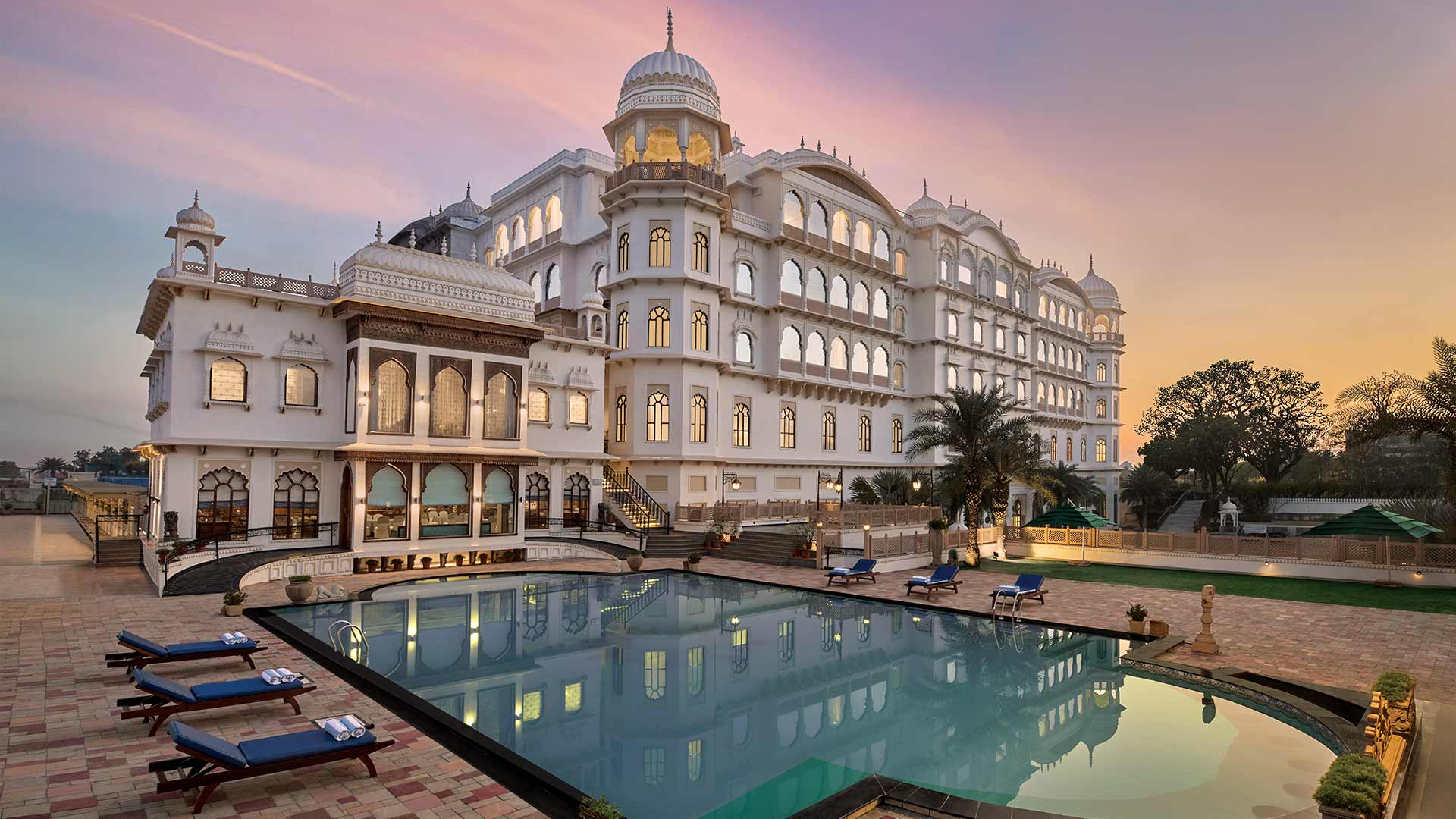
At Noormahal, India’s first Autograph Collection hotel, royal references meet contemporary hospitality.
Ironically, minimalist design is the hardest one to execute and maintain because the material is less forgiving. If the execution of every detail is not done impeccably, it will show over time.
What assumption about hotel design that held a decade ago do you now believe is outdated?
Technology. And this is going to be a very unpopular opinion. I feel like I’ve been in the industry now for over 30 years, and we have gone through so many different rounds of technology. I think we’re still trying to find the perfect balance where technology is useful but not intrusive. When you look at some of the basics, all of us have been in rooms where we spend 15, 20 minutes trying to figure out the lighting, how we turn the lights on and off.
Sometimes, especially in luxury hotels, you need to go back to basics—the ability to have one switch that you can control, dim the light, and not overcomplicate it, because that’s what the guests are looking for. They’re looking for a place to unwind, unplug, relax, and not necessarily a room that takes way too long to operate and enjoy.
Which of the hotel areas do you think will go through a design rethink in the next few years?
I think it’s a combination of what we see happening in the market: increased development costs, challenges with labour and an overall lack of resources. So, it’s really the ability to combine all the challenges that the market presents to us and maximise this in design.
What we would change at Marriott International hotels are all the dining spaces. The large 200- or 300-seat restaurants that serve breakfast to our guests need to be repurposed into micro-concepts. There could be a local restaurant, there could be a bakery, anything that maximises the usage because we’re also mindful of our investment. Wellness will play a large part in our transformation. We have already started including changes, particularly in our hydrothermal facilities and technology. Technology will once again play a key role, especially in dense markets, to help us deal with labour shortages.
In terms of design, I believe guests need the freedom to unplug and reconnect, to make the room their own sanctuary or, when needed, a functional space.
What has Marriott learnt from India? And is there any Marriott hotel in India that you’ve been particularly excited about in terms of design that has evolved out of the culture?
I’ve been very excited about how we are moving away from traditional opulent luxury that we experience with the palaces in India. Now, we’re incorporating these elements into more contemporary design and preserving the beauty and history of the country, while at the same time appealing to a new generation of domestic travellers who are demanding that type of space, as well as international travellers.
The hotel I’m very excited about, and which also happens to be our 10,000th opening in India, is the JW Marriott Ranthambore. It’s a great example of how we integrate with the community. From a design perspective, it has luxury tents close to the national park that blend with the surroundings. But the experience is also about how we activate the hotel. We created a resident naturalist position, and he helps you connect with the surroundings.
Obviously, the tigers are the ultimate attraction when you go to Ranthambore, but it’s not the only one. Last time I was there, I met someone who had actually been involved in the life of the park for the last 30 years, and it’s absolutely fascinating to learn about what it was like before, how much it has grown since, and all the effort that the country has made to preserve the area.
We want to share that knowledge with the customers staying with us at the JW Marriott. Most importantly, we want them to feel and experience an authentic stay, both from a design and an experience point of view.
Do you see AI improving the hospitality experience, or do you think there’s a danger that it could make hotels more generic?
Like all technology, it will depend on how it’s integrated. Do I see AI supporting hospitality? Absolutely. It can help us understand preferences and create a seamless, end-to-end journey for our guests, so that we can plan their stay flawlessly. But ultimately, human interaction and the guest experience, especially in our luxury brands, are paramount, and we cannot compromise on that.
While I see the benefits of technology and AI growing right across the environment, particularly in the back of house to relieve workloads, the intention is not to reduce costs or resources. It’s to free up our teams’ time so they can dedicate it to our guests and create the experiences we’ve been talking about.
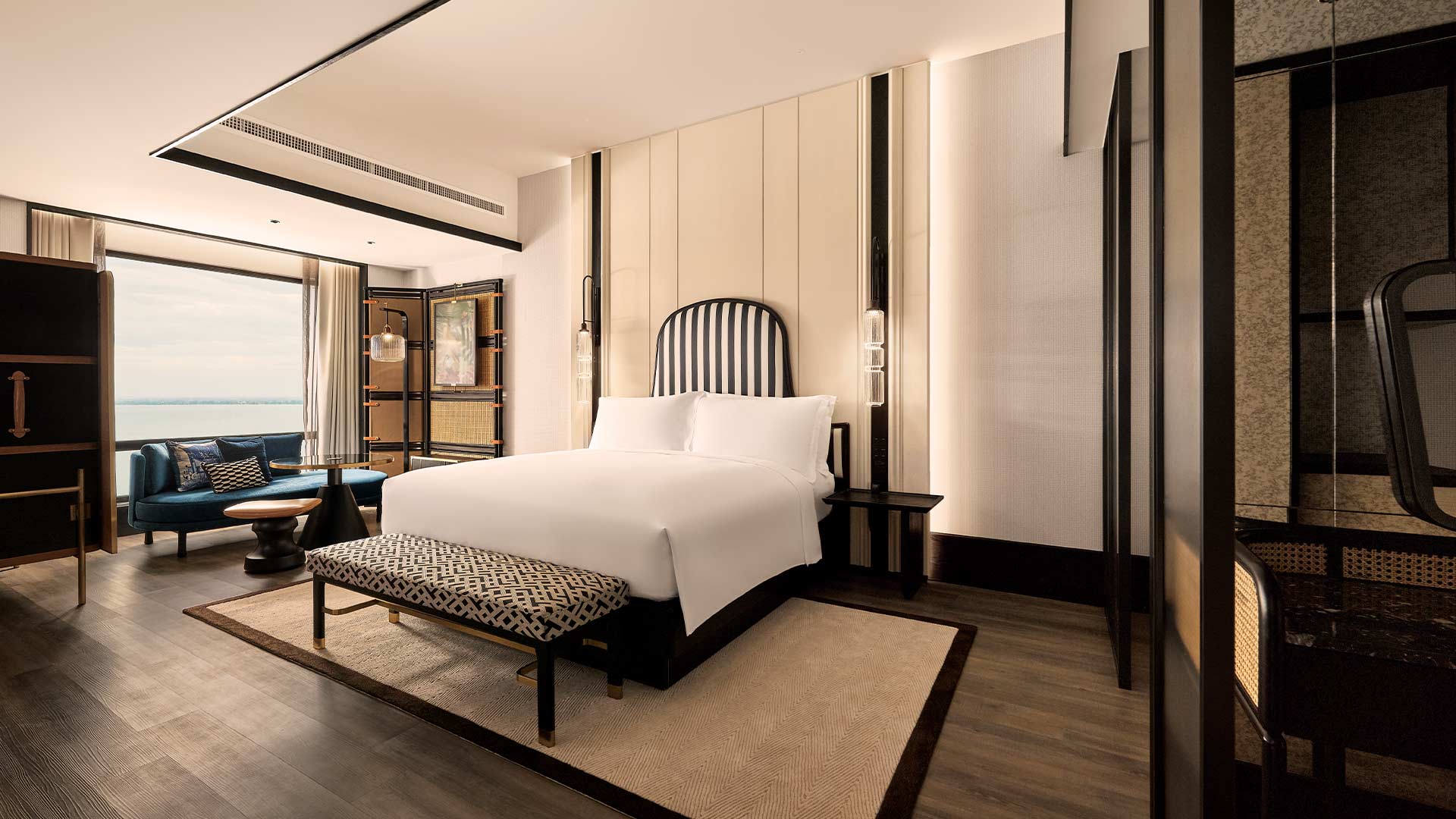
The Millen Penang, Autograph Collection, frames the Andaman Sea from its guestrooms.
What does luxury mean now, when guests have access to luxury globally?
This is going to be the hardest question you can ask me right now. If you had asked me the same question five or 10 years ago, the answer would have been very different. Luxury now is very subjective. We look at different ways of travelling, at different generations of travellers. And I think the age of luxury as a consumer good has shifted into experiences and creating memories.
To me, luxury at the moment is the ability to travel and still do what you want: to extend your lifestyle, to extend what you do day-to-day, not losing your routine, and yet at the same time being able to unplug, to connect with the community, or simply to close the door. So, it’s really shaped around what is personal, around what you want to achieve, and it’s no longer exclusively about high rates or an expensive hotel.
Hotels are increasingly experienced through phone screens. We have seen many hotels fall into the trap of creating ‘Instagrammable’ spaces. Would you draw a line between what’s Instagrammable and what’s great design?
What’s Instagrammable is, I think, by definition, trendy. And I’m not a fan of the word trendy, because, as the word suggests, it’s a fleeting moment, something that will pass. We design hotels that are relevant to the brand, so the intention is to keep the brand true to its values, to its activation, to its reputation. And we constantly study generational travellers, because we want to understand what the different generations are looking for.
Whether it’s well-being and wellness, multi-generational travel with family, solo travel or a digital detox, there are many different reasons to travel. We don’t really design specifically for Instagrammable moments, but we like to create them on property through activation, wellness, food and beverage, beautiful landscapes or stunningly designed rooms.
How has landscape design evolved?
Significantly. We used to design landscape as a final thought, almost as an afterthought to a beautiful hotel execution. Now, more often than not, landscape works from the outside in, so we carry the landscape concept throughout the hotel. This is especially true of some brands where wellness and sustainability elements are very strong, like our Westins.
And we find that landscape is a great way to separate and to activate. If you look at the JW as a brand, for instance, we have reinforced the JW Garden over the past few years, which is a wonderful experience, not only from a culinary perspective but as a way to connect: to connect with the environment, and to connect with our team.
Sustainability is a word that’s bandied about, but in a large-format luxury hotel, how do you achieve it through design?
It’s still a very complicated process, to be honest. It requires a partnership from owners, from our associates and obviously the team, from ourselves as the people who maintain and protect the brand, and in many ways, from the guest side too.
From a construction point of view, it’s critical to assess the needs and the architectural support so that there can really be an impact. Many more countries and governments are investing in sustainability grants and investing in development. From a design perspective, it’s really the choice of material. It’s being mindful of where resources and materials come from, of the impact on the environment, and also thinking about the future 10 or 20 years down the road, the ability to renovate and replace, and what the impact of that would be.
These days, through technology, you can still deliver amazing quality while heavily reducing the impact you have on the environment.
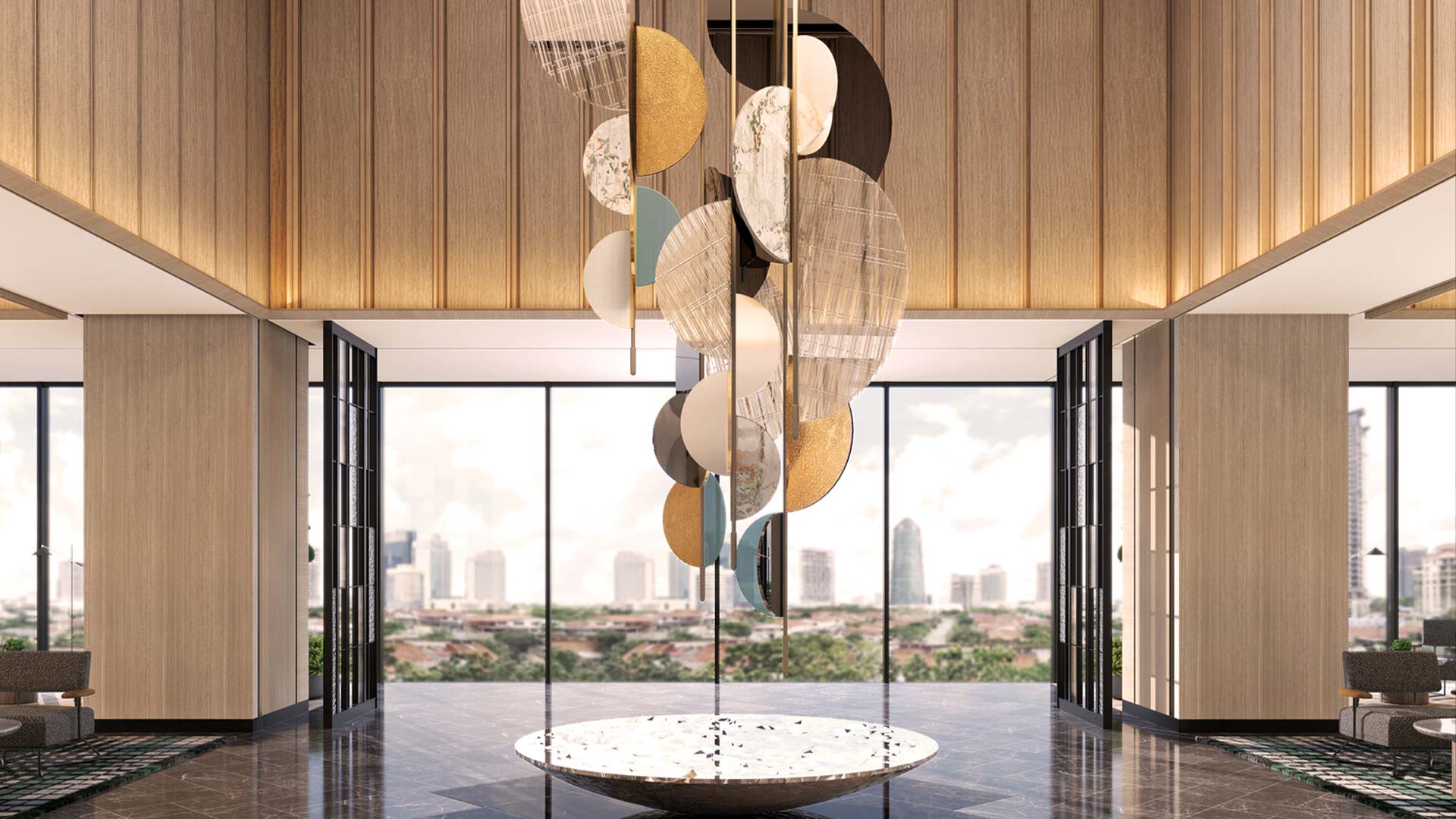
Sheraton Johor Bahru gives a 30-year-old structure a new life as a contemporary hotel.
Design, really, is about storytelling. It’s about how you connect to the destination, how you connect to the brand, and how the design flows through the hotel.
Is there any hotel Marriott is currently constructing where sustainability has been woven into the design right from the start, rather than something to achieve at a later stage?
Yes, absolutely. Without necessarily specifying the brand, we have a beautiful project coming up in Bali, Indonesia, that we intend to build as our first net-zero project. From the conceptual stages and design drawings through to the execution of the hotel itself, the intention is for it to be our first net-zero property. And we’re very excited about it.
The back of the house is as important to a hotel’s operation as the front. What design changes have been made to ensure the working environment is seamless and efficient?
I find the back of the house fascinating. If you walk into the back of the house of properties that are 15 or 20 years old, they’re probably three to four times larger than what we see now. Over time, with efficiencies and development costs, we realised that a lot of that space could have been used far better.
In the early days, when I started in this industry, one sentence always stuck with me: "Smile, you're always on stage." And that's really what happens when you work in hospitality. You are on stage, and you have to make sure the experience you provide to guests is impeccable. The heart of the house, and I don't like to call it the back of the house, is where the life comes from, so it needs to be a relaxing, somehow homely space. It needs to be a place where our associates, our ladies and gentlemen, our teams can unplug, take off their costume for a moment and relax. It’s not really about the size of the spaces. It’s about making them warm spaces that meet all the needs but can feel domestic, almost residential. Good food, a great space to rest and relax, impeccably clean: that’s what matters most.
If you could remove one feature that hotels put in as a habit and add one that almost none of them have today, what would those features be?
I have several daily battles I’m fighting. One of my biggest pet peeves, which I’m working on with the team—though I must admit I haven’t succeeded yet—are the TVs in the rooms. Most of the content we consume these days is through our own devices. It’s really about being able to project your own content into the room without necessarily having a TV as a fixture. That’s a change I can see coming. Another change I’d like to make, though I’m not sure I’ll manage it, is for the room to be more of a sanctuary and less of a space, one where you only activate and connect digitally if you want to, rather than being connected all the time.
What would a Marriott design brand book look like, say, some time from now?
With so many different brands, and so many different looks and feels and identities, I think I’d like it to be timeless above all. But ideally, I’d like it to go by brand.
Each brand?
Each brand, yes. Because the hardest part of being the guardian of a brand is differentiation. It’s being able to have brands that connect to our guests emotionally in different ways. From a product perspective, it’s about being able to enter a room or walk into a public space and immediately feel and know where you are. And that’s why I think trying to consolidate it all into one book would be a disservice to the design work we do.
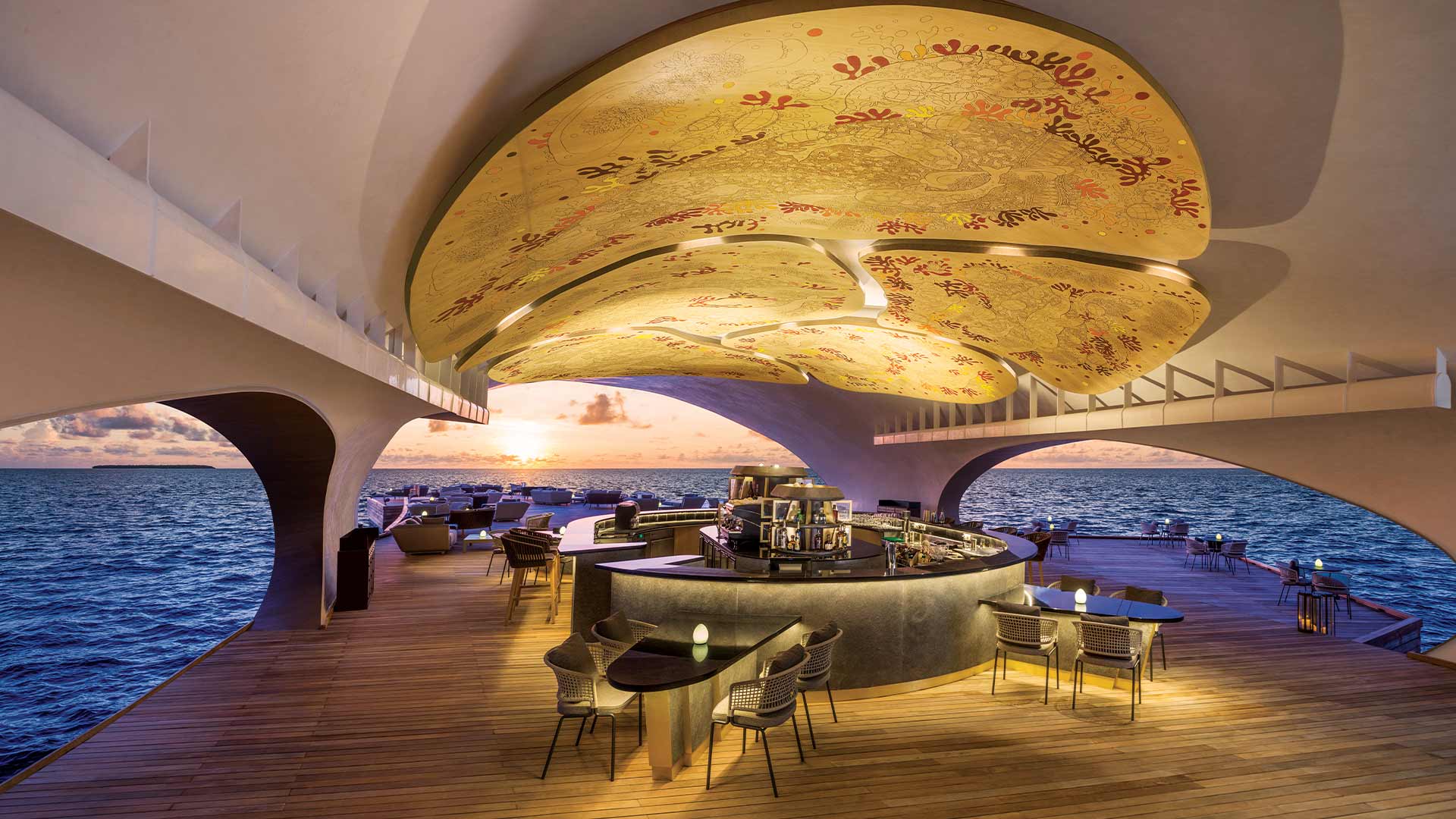
The Whale Bar at The St. Regis Maldives Vommuli Resort makes architecture part of the experience.