











India’s Hospitality Market Is Entering a New Growth Phase: Jaideep Dang
Marking his first year at the helm of development for South West Asia, Jaideep Dang tells SOH how India’s fast-evolving hospitality market is fuelling IHG Hotels & Resorts’ ambitious growth plans.

By Rachna Virdi
India has emerged as one of the most strategic growth markets for IHG Hotels & Resorts. After crossing the milestone of 50 operational hotels in the country last year, the hospitality giant is now building on that momentum with a robust pipeline of more than 70 hotels spanning its luxury, premium and mainstream brands across high-potential destinations. Its ambition is equally clear: to grow its India portfolio to 100 hotels over the next three to five years, reinforcing its long-term commitment to both established markets and the country’s next generation of hospitality destinations.
For IHG, this evolving landscape is fuelling strong momentum across its mainstream and conversion-led brands, including Holiday Inn, Holiday Inn Express and the recently launched Garner. Improved infrastructure, stronger air connectivity and growing investor confidence are further accelerating hotel development, with emerging cities and spiritual tourism hubs increasingly becoming key pillars of the company’s expansion strategy.
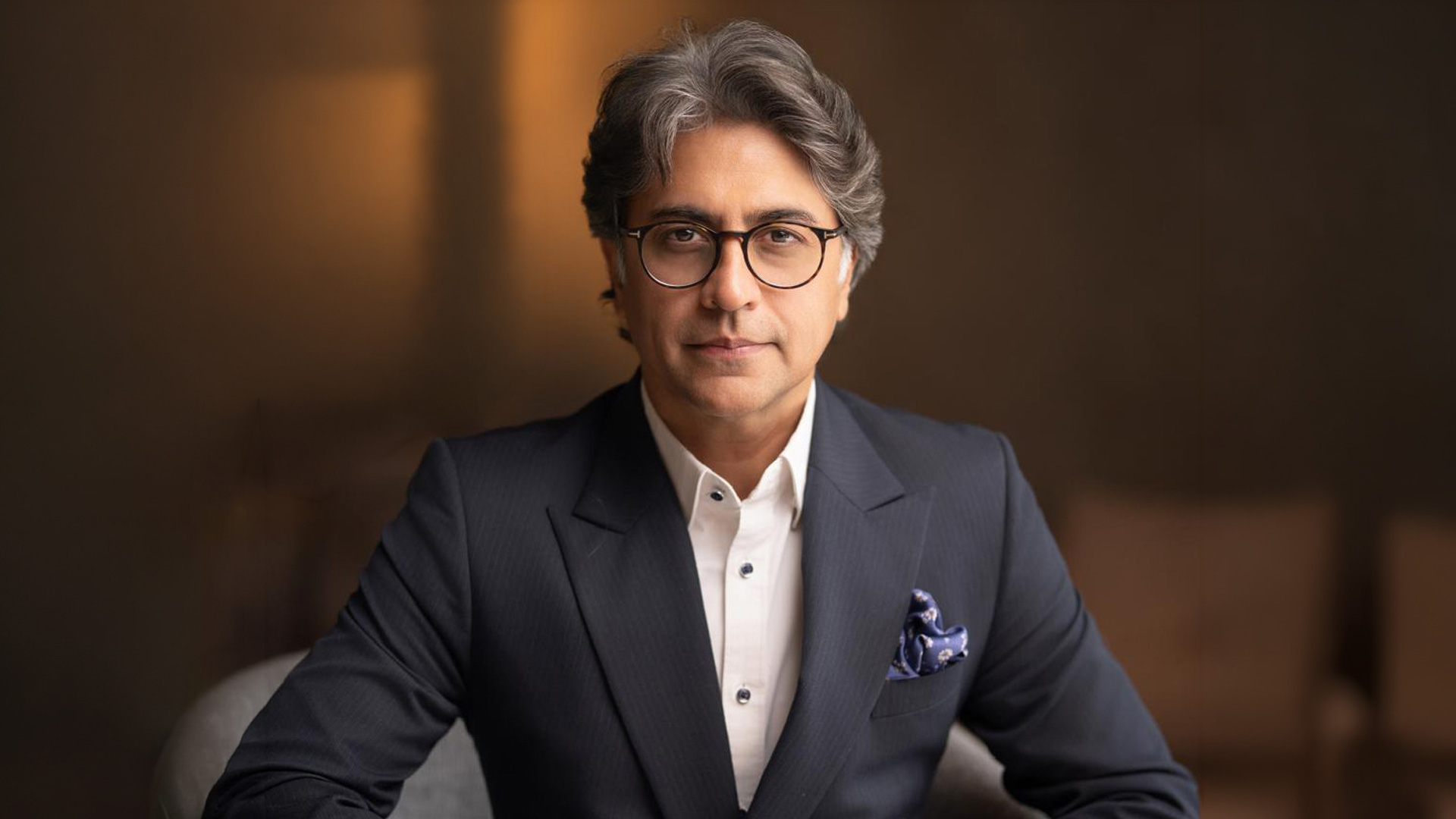
For Jaideep Dang, Head of Development, South West Asia, IHG Hotels & Resorts, the opportunity extends far beyond India’s metropolitan centres. As India enters its next phase of hospitality growth, he sees rising travel demand across Tier 2 and Tier 3 cities, leisure destinations, transit hubs and spiritual tourism markets driving the industry’s evolution. With branded hotel supply still underpenetrated in many of these locations, he is steering IHG’s development strategy to capitalise on this shift.
In an exclusive conversation, he discusses India’s next wave of hotel growth, the role of emerging destinations, and why South West Asia remains central to IHG’s long-term expansion plans.
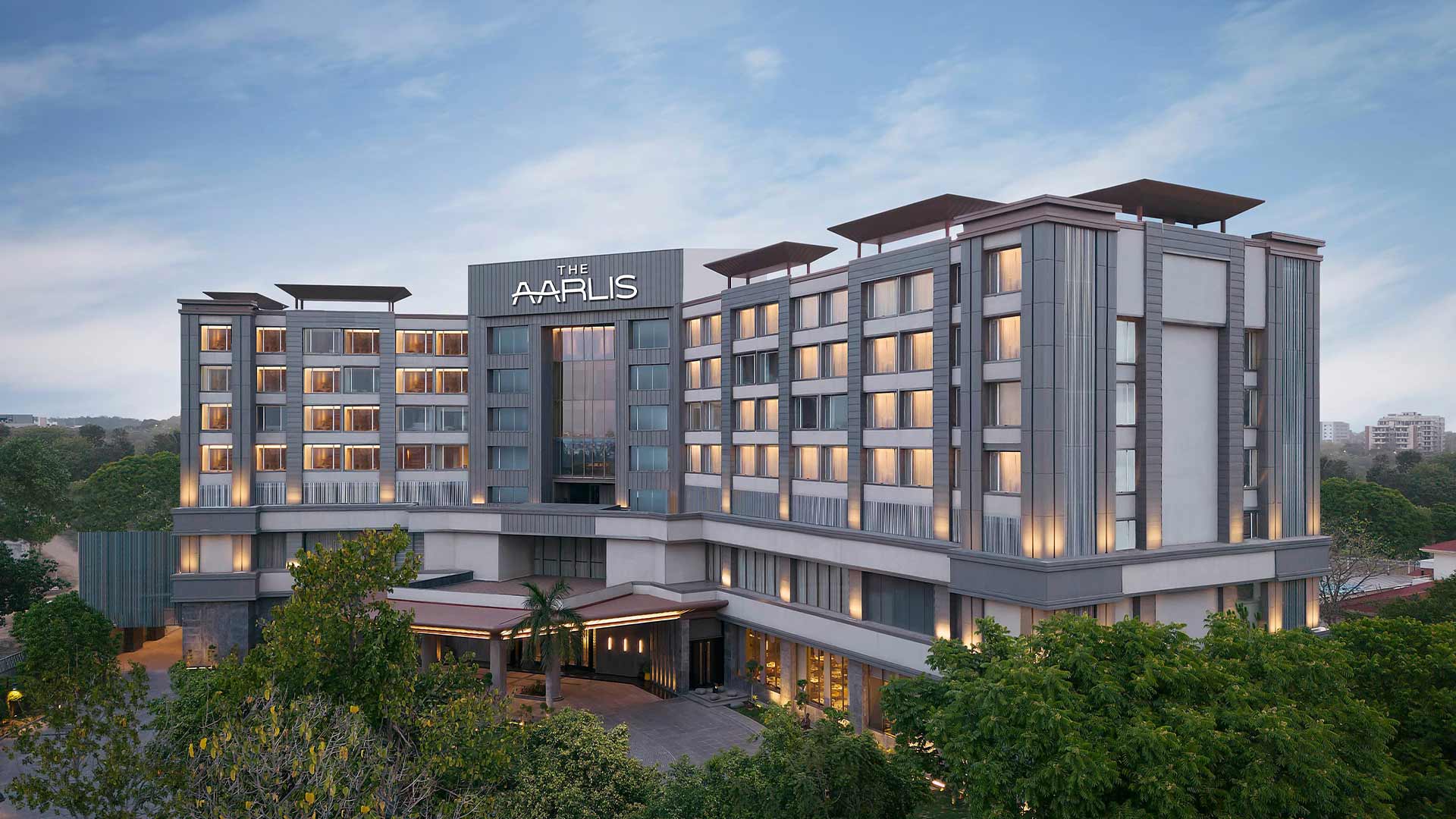
The Aarlis Hotel Panchkula, the first Vignette Collection by IHG Hotels, represents a significant milestone in its expanding luxury and lifestyle portfolio.
Excerpts from the conversation:
IHG has been expanding steadily across South West Asia. What’s driving that momentum, and which markets are surprising you the most?
South West Asia continues to be an important potential region for IHG, with India at the centre of that strategy. Today, we operate 59 hotels across the region, including 52 in India, supported by a pipeline of 114 hotels, of which 98 are in India. This reflects the long-term opportunity we see across the market.
Growth is being supported by strong domestic travel, improving infrastructure, rising demand for branded accommodation and increasing owner confidence. Beyond India, we’re also seeing encouraging momentum in markets such as Nepal and Bangladesh, where branded hospitality is gaining traction alongside tourism and infrastructure development. Together, these markets are creating a well-balanced scale opportunity across South West Asia.
Not long ago, hotel development was largely centred around metros. Today, the spotlight is shifting to Tier 2 and Tier 3 cities. What’s behind that change?
Demand is no longer concentrated in the major metros. Improved infrastructure, stronger regional economies and increasing domestic travel are creating opportunities across Tier 2, Tier 3 and emerging Tier 4 markets. We’re also seeing owners become more confident about investing in branded hospitality as demand becomes more consistent across these locations.
Our Essentials portfolio plays an important role here. Holiday Inn, Holiday Inn Express and the newly introduced Garner are particularly well suited to these markets. Together, they allow us to cater to a broad mix of domestic business, leisure and transit demand while offering owners brands that are commercially viable and designed to deliver strong long-term returns. As a result, we are expanding into markets such as Kottayam-Changanassery, Mathura, Kathua, Kutch, Bhiwadi and Jagdalpur alongside opportunities across a wider range of emerging cities.
Holiday Inn, Holiday Inn Express and Garner each have a distinct positioning. How do you determine which brand is the right fit for a market?
Every development starts with understanding the market fundamentals. We look at the demand profile, the primary travel drivers, the competitive landscape and the owner’s long-term investment objectives before identifying the right brand.
Holiday Inn continues to be one of our strongest growth brands in India and is well suited to commercial centres, regional hubs and mixed-demand markets where guests value a full-service offering. Holiday Inn Express, our largest and fastest-growing brand globally, performs particularly well in business districts, airport locations and high-growth cities where travellers are looking for an efficient, high-quality stay. Garner addresses a different opportunity altogether. It is our midscale conversion brand, designed specifically for high-quality independent hotels that want to join a global system without extensive redevelopment. It enables owners to retain the character of their asset while benefiting from IHG’s enterprise platform, commercial capabilities and IHG One Rewards.
Ultimately, our objective is not to fit every market into one brand. It is to deploy the brand that is best aligned with the market opportunity and creates sustainable value for both owners and guests.
We’re seeing more mixed-use developments, conversions and adaptive reuse projects. Are these becoming a bigger part of IHG's trajectory?
Absolutely. Mixed-use developments and conversions are becoming an increasingly important part of hospitality development in India. Mixed-use projects create more balanced demand by integrating hotels with commercial, retail and lifestyle developments. Our recent partnership with Adani Airport Holdings, which will add nearly 1,500 keys across airport-linked developments, is a good example of this direction.
Conversions are also becoming increasingly attractive, and Garner has strengthened our offering in this space by providing a purpose-built conversion brand for high-quality independent hotels. Together, greenfield developments and conversions will continue to play an important role in our expansion across India.
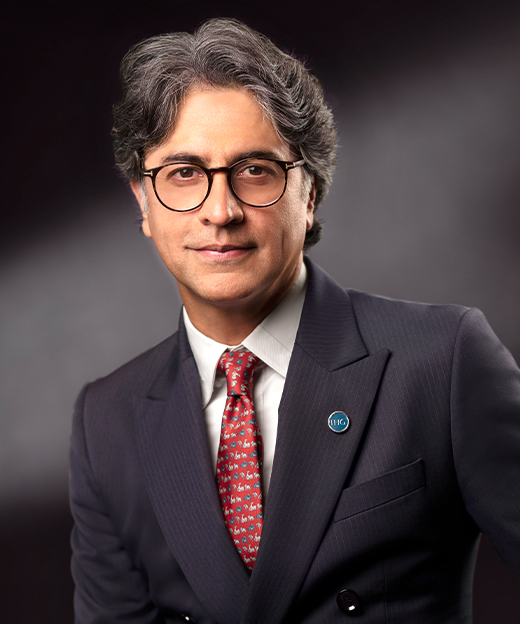
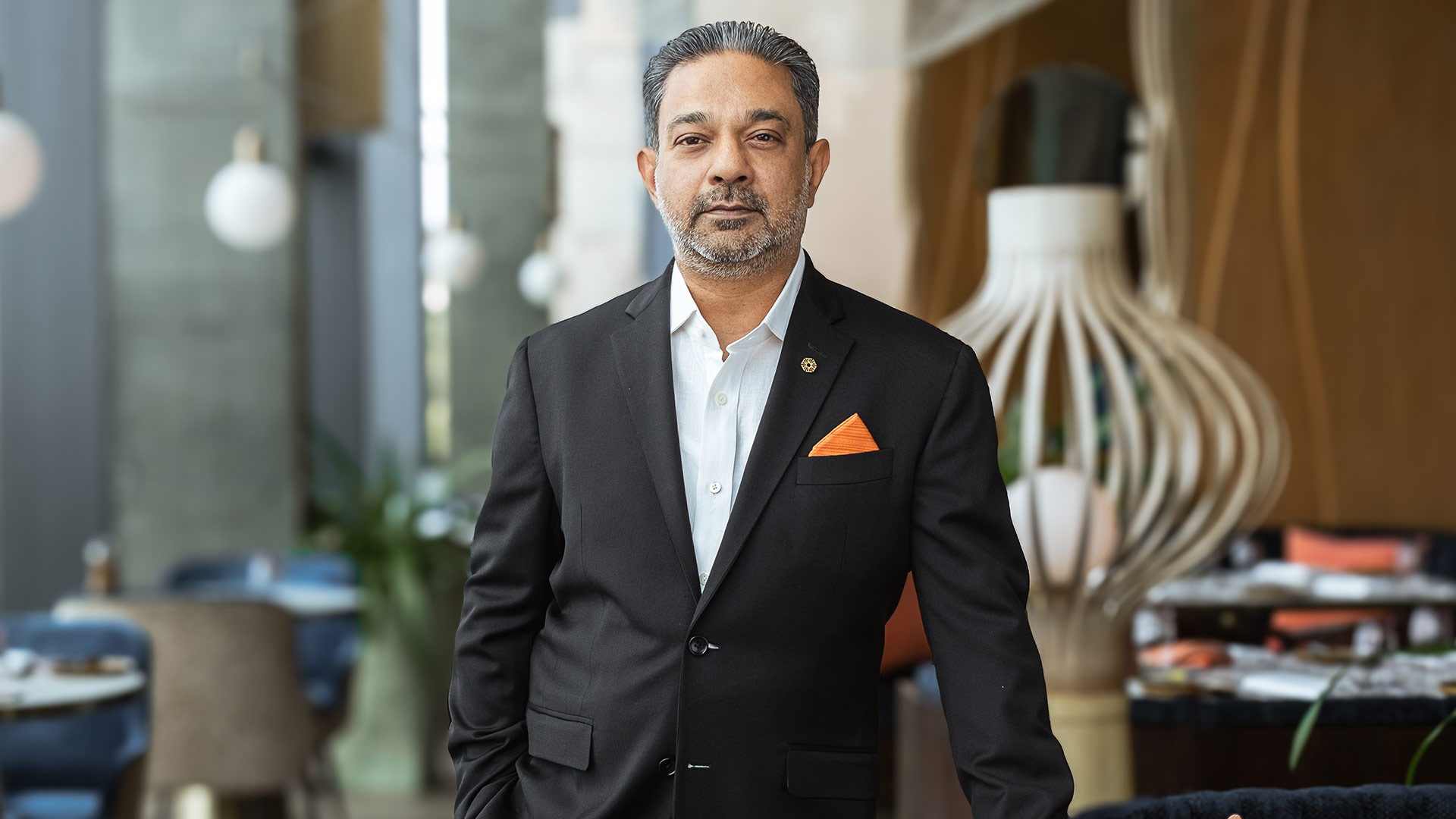
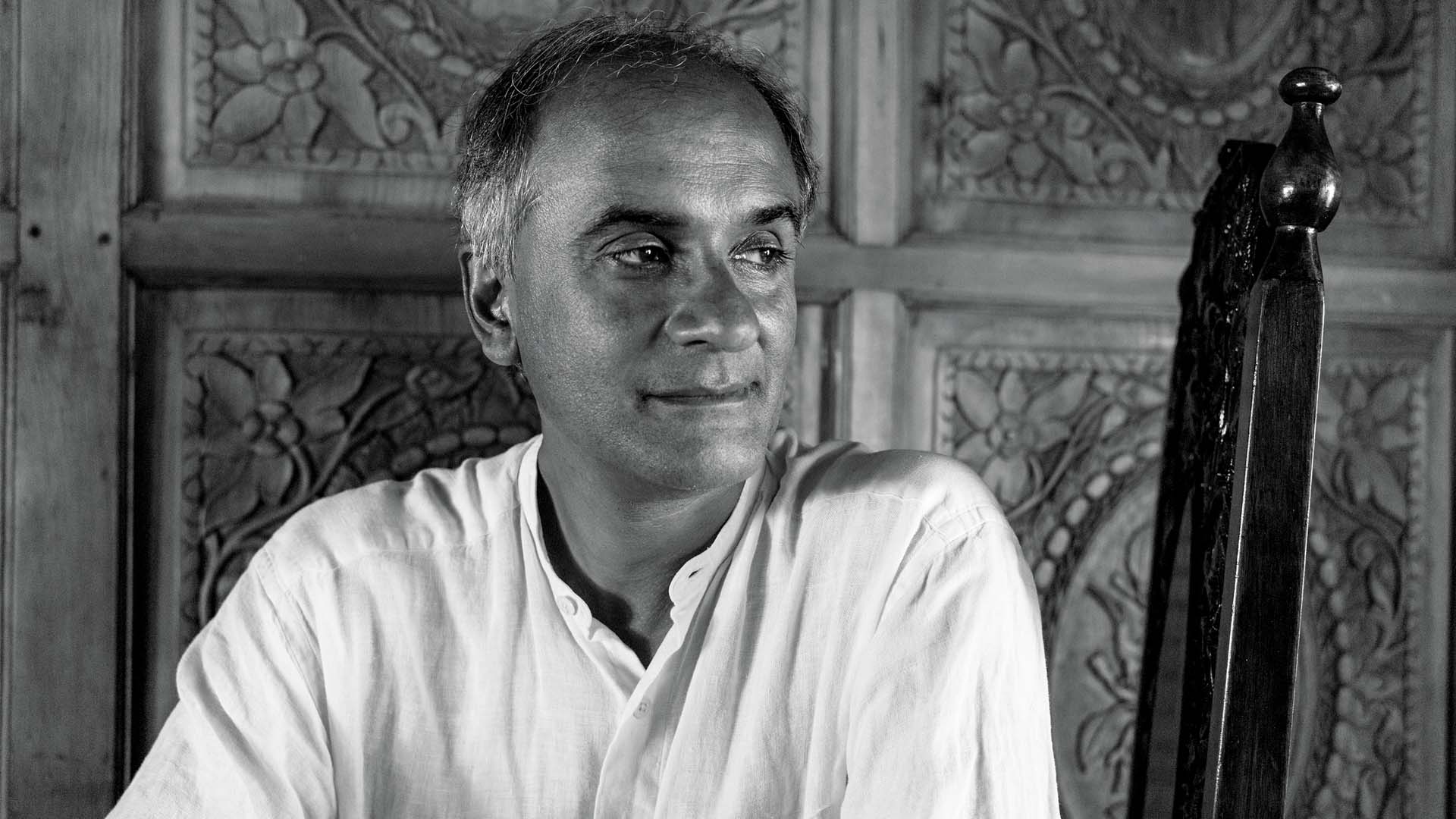
Jaideep Dang, Head of Development, South West Asia, IHG Hotels & Resorts.
Today, we operate 59 hotels across the region, including 52 in India, supported by a pipeline of 114 hotels, of which 98 are in India. This reflects the long-term opportunity we see across the market.
Jaideep Dang
Head of Development, South West Asia, IHG Hotels & Resorts

What's one misconception people have about hotel development that you'd like to bust?
A common misconception is that hotel development is primarily about location. Location is important, but it is only one part of the equation. Long-term success depends on market fundamentals, accessibility, owner capability, asset quality and selecting the right brand for the opportunity. Our development philosophy has always been simple: the right brand, in the right location, with the right owner.
India is one of the most competitive hotel markets today. When owners are choosing a brand partner, what do you think they’re looking for beyond the brand name?
Today’s owners are looking beyond brand recognition. They want a partner who understands their market, understands the demand and can recommend the brand that is best suited for that location and business. Every market is different, which is why our conversations always begin with understanding the demand drivers, catchment, competitive landscape and the long-term potential of the asset before recommending a brand. There is no one-size-fits-all approach to hotel development.
Our asset-light model allows us to work closely with owners through management and franchise partnerships. Owners benefit from global enterprise, established brands, distribution capabilities, loyalty ecosystem and operational expertise, while retaining ownership of the asset. Therefore, owners are looking for a partner they can grow with over the long term. Our role is to help them make the right brand decision, support the hotel throughout its lifecycle and build a successful business together.
If you could redesign one aspect of India’s hotel development ecosystem— from approvals and financing to infrastructure or investor mindset—which single change would unlock the fastest growth for branded hospitality?
India’s long-term demand story is already well established. Continued investment in infrastructure, combined with a strong development environment will create opportunities for both owners and operators. That will be important as branded hospitality expands into newer markets across the country.
What is that one opportunity that could reshape hospitality development in India over the next few years?
The biggest opportunity lies in the increasing maturity of India’s hospitality market, which is unlocking greater access to capital and investment. As investor confidence strengthens, we’re seeing increased funding for new hotel developments, asset enhancement and conversions, creating opportunities to optimise asset valuations while generating employment and supporting broader economic growth. Combined with sustained demand for quality accommodation across segments, this presents a strong foundation for the next phase of hospitality development in India.