










The Modern Maharaja Who Builds Legacy And Not Just Luxury
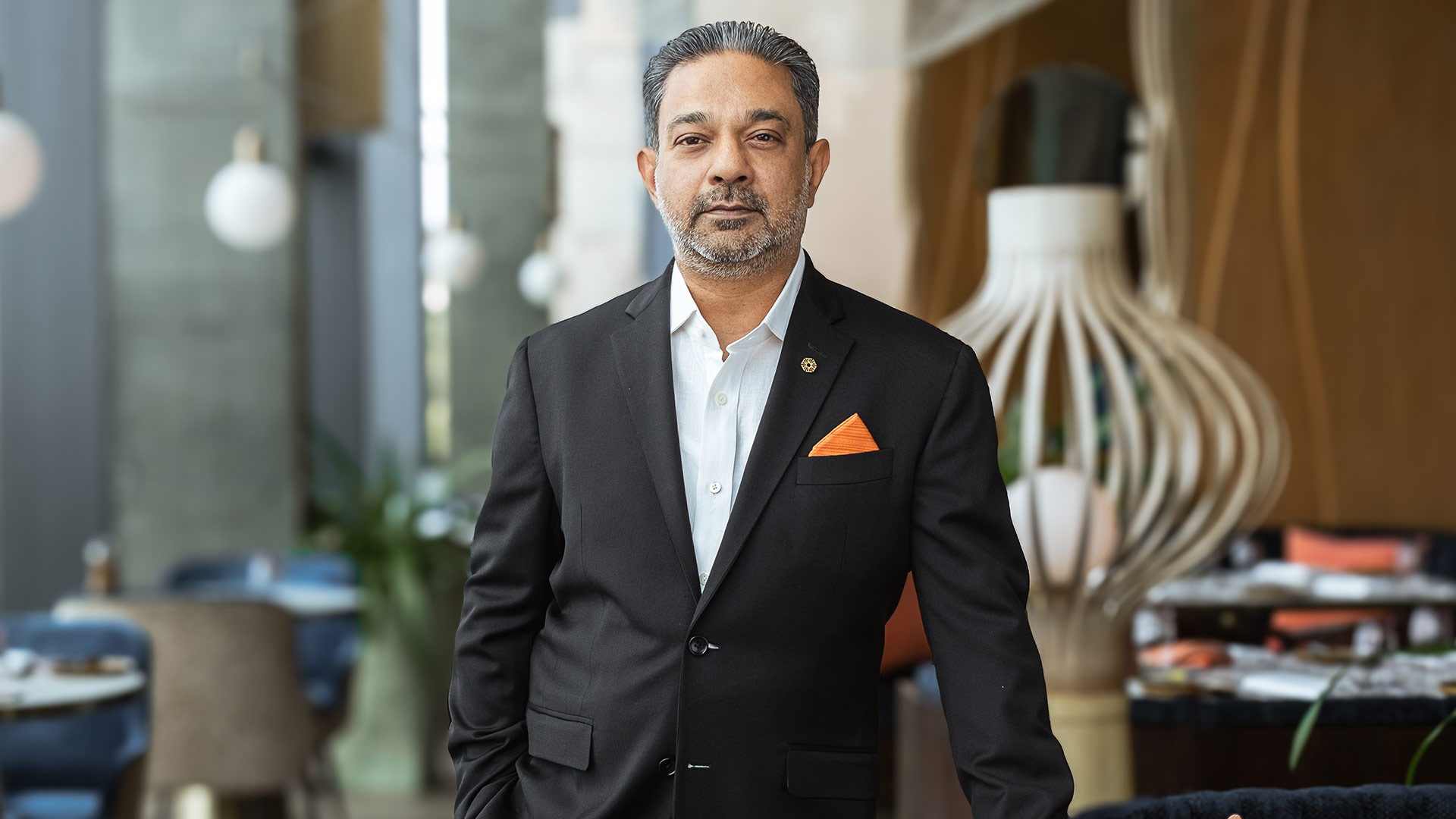
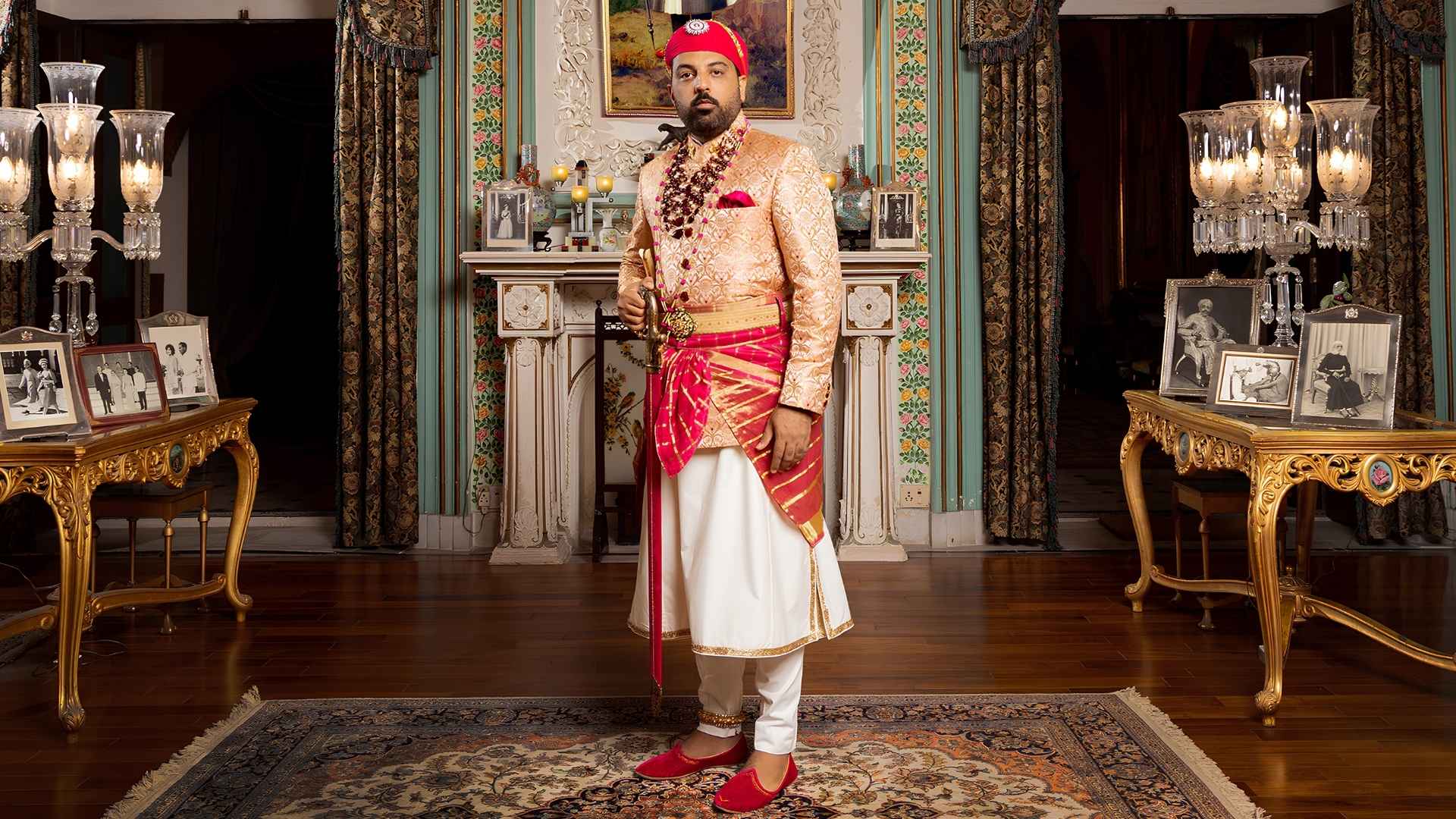
Lakshyaraj Singh Mewar, Chairman, HRH Hospitality and the 77th custodian of the Mewar legacy, says running behind monetisation has never been their goal. They believe in taking care of the customer first and revenue follows. A conversation with the prince turned into a hotelier.

By Rachna Virdi
In a world where monarchies have mostly been replaced by democracies, the idea of a prince can seem like a thing of the past. Yet, some carry their royal legacy with grace and purpose, blending tradition with modern life.
Meet Lakshyaraj Singh Mewar—an Indian businessman, philanthropist, and the 77th custodian of the House of Mewar in Udaipur, Rajasthan. The son of Shriji Arvind Singh Mewar and grandson of Bhagwat Singh Mewar, he represents a contemporary face of royalty. As the Chairman of the HRH Group of Hotels (Historic Resort Hotels)—India’s only chain of heritage palace hotels and resorts—he oversees a collection of historic properties across Rajasthan. Educated in Udaipur and Australia, Lakshyaraj brings a global perspective to his role in heritage management. Under his stewardship, the HRH Group has expanded its footprint, with a strong focus on heritage tourism and the preservation of Rajasthan’s cultural richness.
As the custodian of the 1,500-year-old House of Mewar, Lakshyaraj has ensured that the HRH Group preserves the cultural integrity of Udaipur’s heritage sites while meeting the expectations of contemporary travellers. He has played a key role in the restoration and management of iconic properties such as the Jagmandir Island Palace and Palkikhana—a European-style café set within the picturesque Manek Chowk of the City Palace—both of which draw visitors from across the world. Widely recognised for harmonising traditional values with modern management and philanthropy, he likes to describe himself as a free-spirited traveller, a rational philosopher, and a ‘scientific sadhu’ who dreams of a world without boundaries.
SOH speaks to the modern maharaja about his hospitality vision that has elevated Udaipur’s global appeal as a heritage and luxury destination. Some excerpts:
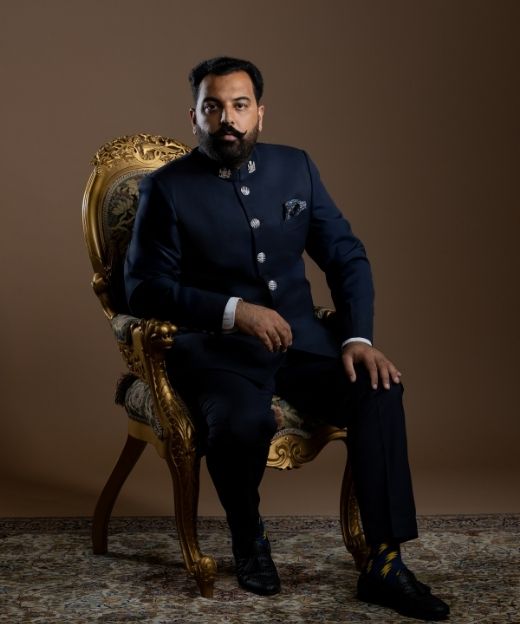
The 77th custodian of the 1,500-year-old House of Mewar, Lakshyaraj Singh ensures that the HRH Group preserves the cultural integrity of Udaipur’s heritage sites while meeting the expectations of contemporary travellers.
As a heritage brand, The HRH Group sits at the intersection of royal legacy and contemporary hospitality. What is that one legacy and authenticity practice that you chose to fiercely protect while modernising the brand?
In hospitality, you cannot separate the tangible from the intangible. Whether it’s a heritage palace or a modern structure, what ultimately defines the experience is the quality of service—the warmth, the intuition, the human connection. That is the legacy we have chosen to protect. While we continue to modernise our spaces, our focus remains on strengthening these intangible aspects, which are increasingly overlooked. For us, true hospitality goes beyond buildings—it is something guests feel. Our aim is for heritage hospitality to lead in this space and set a benchmark for authentic, experience-driven service.
In an era where ‘experiential luxury’ is much talked about, how do you ensure that monetising Mewar’s heritage and maximising profitability doesn’t turn authenticity into performance?
Monetisation has never been our goal—it wasn’t the foundation on which this business was built. As a third-generation custodian, that philosophy continues to guide us. We don’t enter this business with the primary aim of maximising revenue; we enter it to take care of our guests and the community around us. Our focus is on the fundamentals of genuine hospitality—the small but meaningful moments. Is a guest being warmly received? Is someone attentive to their needs? Are we creating a sense of care and connection? These are the areas we invest in most deeply.
For us, authenticity is not something to be performed or packaged—it is something to be lived. If you get that right, commercial success follows. We are careful not to put the cart before the horse; our priority is always the guest experience, and profitability is a natural outcome of that.
Being a custodian of heritage who’s balancing authentic storytelling with operational efficiency and commercial decisions, how do you define your leadership in one moment or strategy?
I’ve always been a bit averse to the idea of “storytelling,” largely because the meaning of the word has become diluted. Today, it often leans toward something fictional—something crafted to appeal, rather than something lived. What we offer is not a story in that sense. It is not created out of imagination or shaped for effect. It is a reality—an ongoing journey that has been lived across generations. It is something tangible, something people can truly experience.
For us, it’s about presenting this as it is: authentic, real, and deeply rooted. Guests don’t come to consume a narrative; they come to be part of a living legacy. They arrive as real people, experience genuine hospitality, and leave with memories that are equally real. Our role is simply to ensure that while they are with us, they are cared for in the truest sense of Indian—more specifically, Mewari—hospitality.
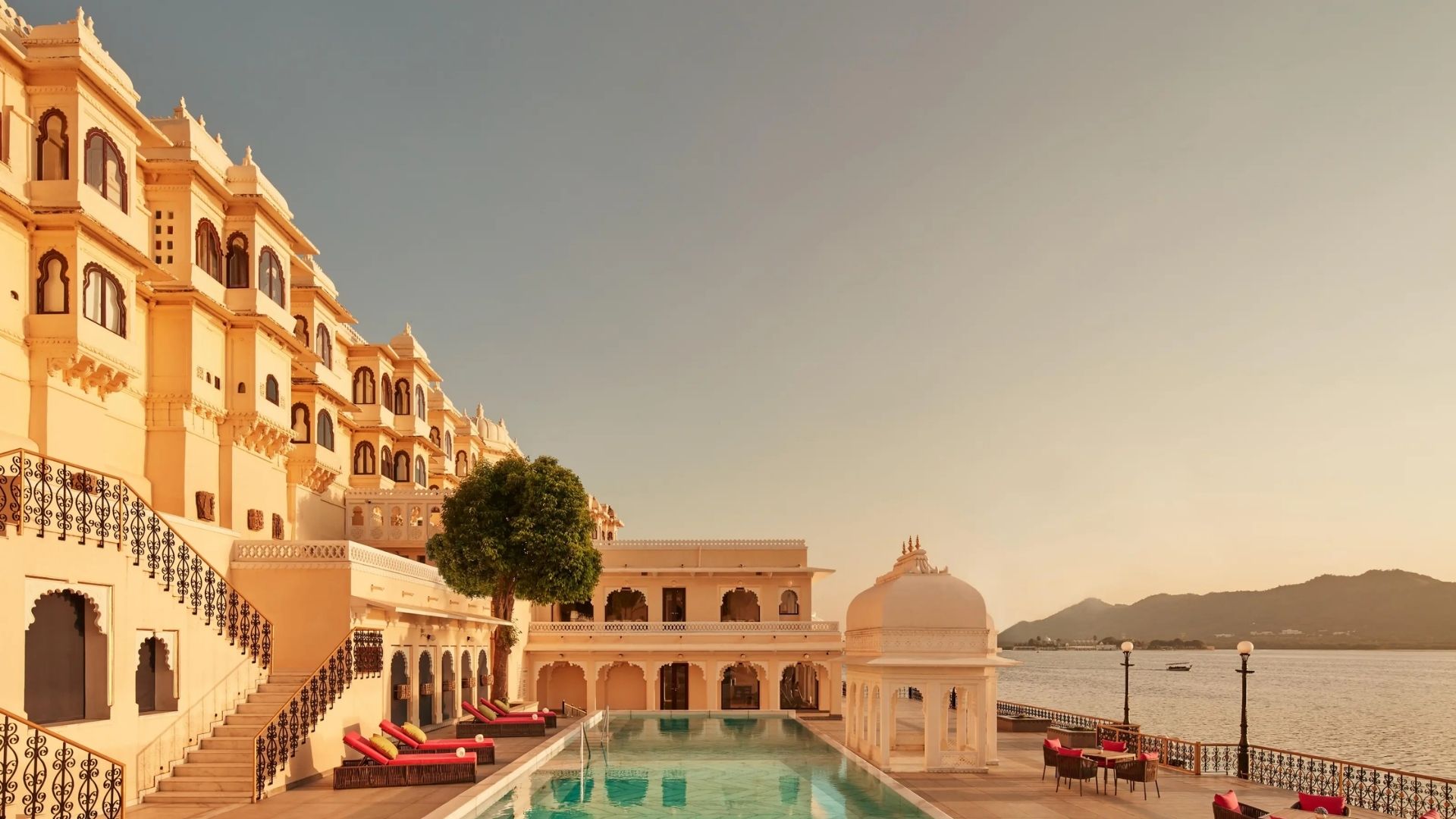
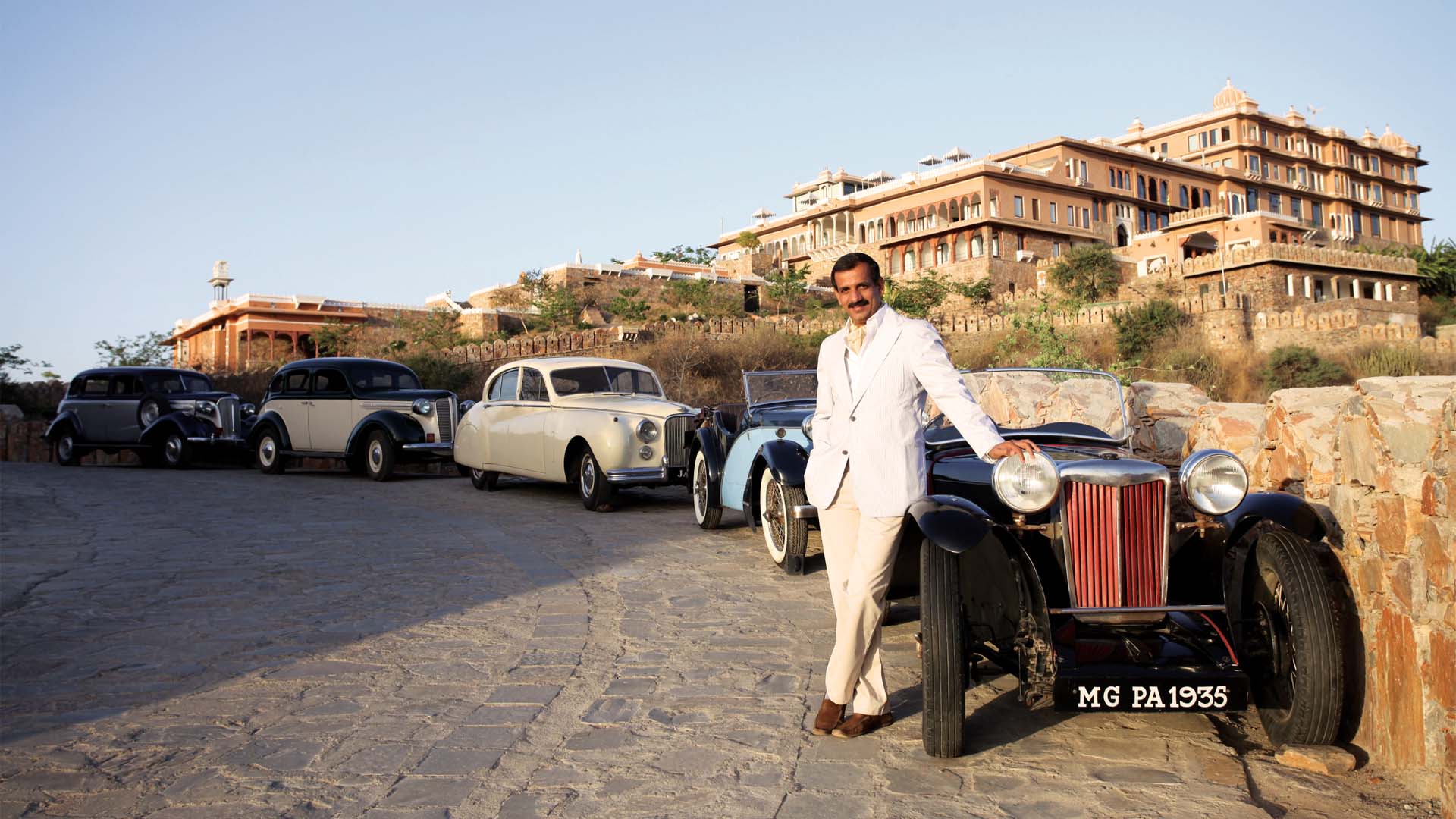
Taj Fateh Prakash Palace by the HRH Hospitality Group offers a unique experience of history and nature.
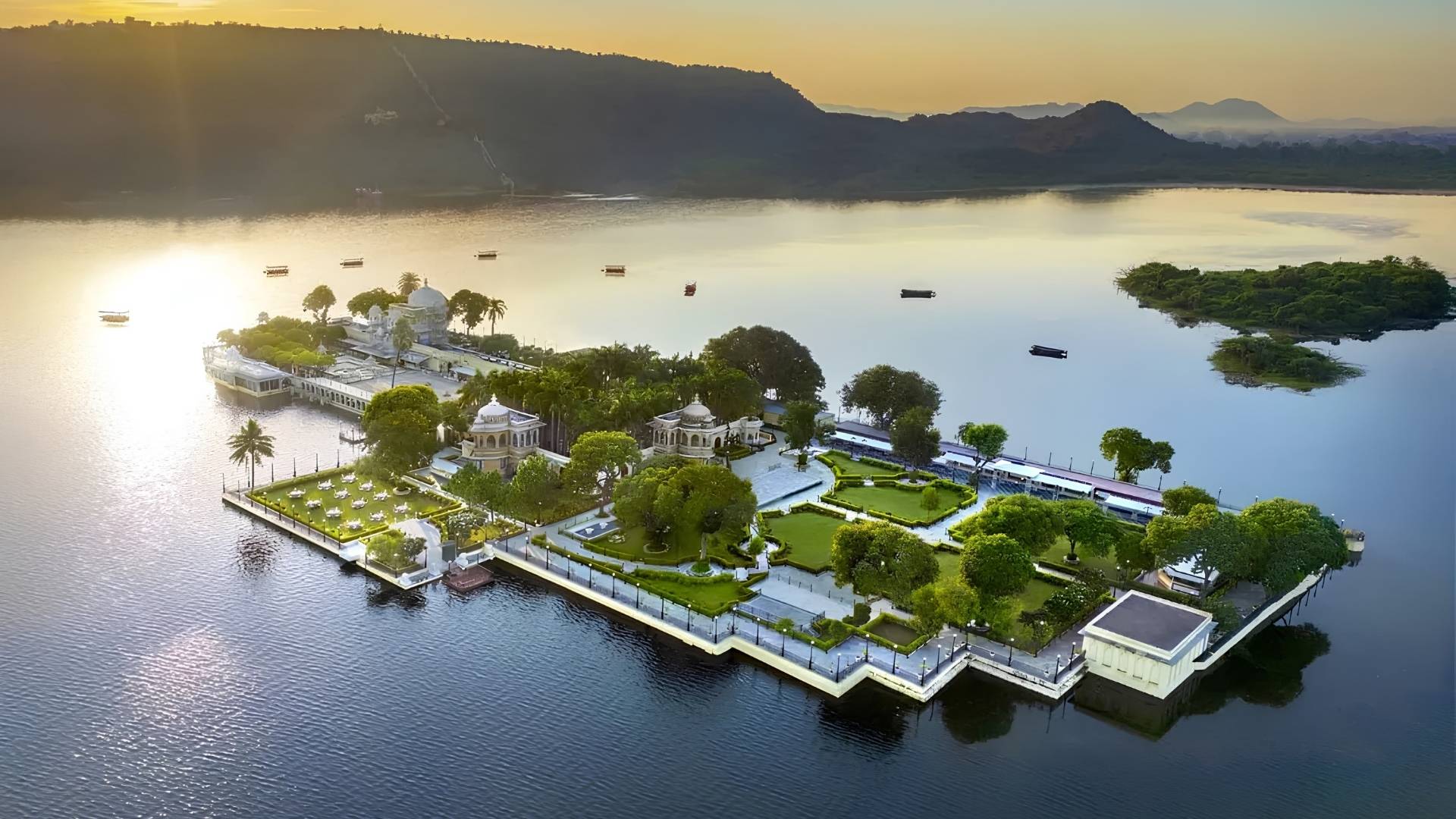
Jagmandir Island Palace by the HRH Hospitality Group is a reminder that true architecture never goes out of style.
Palace hotels are becoming like preservers of cuisine and craft. How do you institutionalise these elements without being reduced to curative performances?
We often need to pause and ask—what are we really calling “royal heritage”? At its core, it is simply our Indian heritage. The difference is that some choose to preserve it, while others let it fade. The food we eat is fundamentally the same, but what we’ve consciously done is keep dishes like ker sangri, gatte ki sabzi, and traditional preparations alive. In the rush of modern life, these everyday nuances are often overlooked—but preserving them is a matter of intent and pride.
The same applies to our festivals. Diwali, Holi—these don’t belong to any one segment; they are shared cultural experiences of the country. When we celebrate them, especially in a hospitality setting, we also have an opportunity to present them thoughtfully to those unfamiliar with them, helping them understand and enjoy their significance. Ultimately, culture is not something exclusive or staged—it is lived, shared, and passed on. Whether it’s a festival, a meal, or even something as simple as celebrating the mango season, these small, conscious efforts ensure that our heritage remains alive, relevant, and appreciated.
Royalty and palaces were always a part of the Indian landscape. What has Rajasthan been able to do that the rest of India hasn’t?
Palaces and forts were, at their core, forms of military architecture—designed to protect not just rulers, but entire communities. They housed thousands of people, along with animals, and functioned as self-sustaining ecosystems. My father often described them as “cities within a city.” These spaces were built with foresight—storing grain, water, and resources to withstand prolonged periods of conflict or uncertainty. In many ways, it was a remarkably advanced and resilient model for its time.
We must remember that these structures were born out of constant change and challenge. Some legacies faded because they did not adapt. We chose to evolve—reinterpreting these spaces to remain relevant and purposeful in today’s context. What we have today is a continuation of that journey—preserving the past, while making it meaningful for the present, and sharing it with the world.
How do you position the Mewar legacy as a global brand rather than just a historical identity?
For us, branding has always been a byproduct of what we do, not a starting point. The most powerful way for people to discover you is through lived experiences and the stories they carry forward. In the late 1980s, my father pioneered wedding tourism in the country and in Rajasthan at a time when there were no real platforms to showcase destinations. Promotion relied on personal interactions, word of mouth, and printed material. You had to physically bring people in, host them, and let them experience it for themselves.
Today, the landscape has transformed. Weddings themselves have become a medium of storytelling—each celebration turning the destination into something aspirational and widely talked about. There was a time when Udaipur was called the Venice of the East. Today, in many ways, that narrative has reversed—Venice is often referred to as the Udaipur of the West.
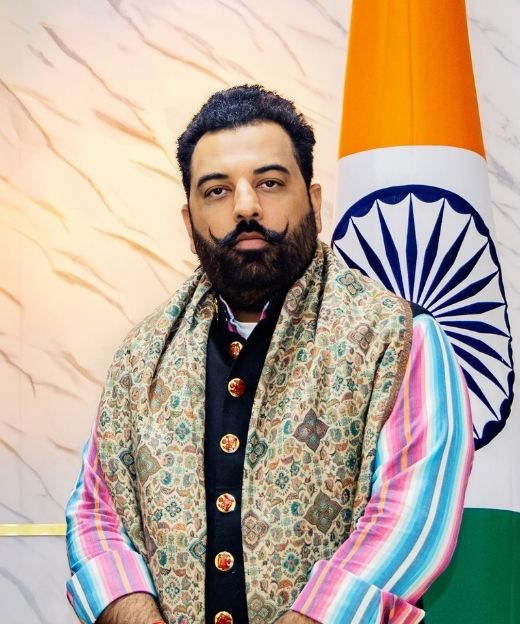
“In the late 1980s, my father pioneered wedding tourism in the country and in Rajasthan at a time when there were no real platforms to showcase destinations,” says Singh.
In hospitality, you cannot separate the tangible from the intangible. Whether it’s a heritage palace or a modern structure, what ultimately defines the experience is the quality of service—the warmth, the intuition, the human connection. That is the legacy we have chosen to protect.
Lakshyaraj Singh Mewar
Chairman, HRH Hospitality Group

Do you use any strategies to preserve the cultural essence of the brand?
For us, culture is deeply personal and often expressed in the simplest ways. Something as basic as being able to speak in my mother tongue is, to me, an act of preserving culture. Wearing attire that reflects my land and heritage is another. These are the intangible elements that we must take pride in and carry forward. While we are deeply committed to conserving our tangible heritage—the palaces, the architecture, the things you can see and touch—it is equally important to ask: are we doing enough to preserve the intangible? Our traditions, our language, our food, our way of life—these are just as vital.
I believe in leading by example. Culture cannot only be spoken about; it has to be lived—through what we wear, what we serve, how we engage with the world. By sharing these elements authentically, we keep them alive not just for ourselves, but for others to experience as well. At the same time, each individual has their own perspective and journey. As we say, sabki apni disha aur dasha hoti hai—people choose what they value and what they wish to carry forward. Change ultimately comes from that personal choice; one preserves only what one truly believes in.
Do you see a significant shift in luxury hospitality?
Luxury is an extremely subjective term—what it means to one person can be very different for another. Traditionally, it has been associated with opulence, fine materials, and grand settings. But today, that definition is evolving. For many, true luxury is simply time—the ability to pause, to be with loved ones, to disconnect from the pace of everyday life. Time has become one of the rarest and most valuable commodities.
While hospitality as an industry may often present luxury in a more tangible, material sense—and rightly so, as there is a demand for it—it’s equally important to recognise the more personal, intangible side of it. For some, luxury could be a quiet moment, a simple meal, or meaningful conversations in a setting that allows them to truly unwind. So yes, there has been a shift. But more importantly, there is a growing need to broaden how we define luxury—not just as something you see or spend on, but as something you feel and experience in your own way.
So what does luxury mean to you?
For me, luxury is not just about the journey or the destination—it’s about who you share both with. Aapko safar me dilchaspi hai ya apko apne laksya me dilchaspi hai, main ye kehta hu mujhe dono me hi dilchaspi nahi hai. Neither am I interested in the journey and nor am I interested in the destination. What I'm actually interested in is the fact that who my journey is with, and when I get to the destination, who is it that I am with? That, in itself, is the real luxury. Today, time spent with the right people, doing what you genuinely enjoy, is invaluable. Even a moment like this—having a meaningful conversation, exchanging real thoughts in an environment of choice—that is luxury to me.
The ability to express oneself freely, to engage in honest dialogue, and to have those ideas reach people beyond this room—thanks to the world we live in today—that, too, is a form of luxury. Ultimately, it’s not defined by material things, but by the quality of experiences and the people you share them with.
What advice will you give to someone who wants to make a hotel of a palace but preserve hospitality?
That’s something I consciously stay away from—telling people what to do with their own spaces. No one understands a place better than the people who belong to it. The idea is not to prescribe, but to help them find clarity, confidence, and direction within themselves. What we can offer is exposure—encouraging them to visit, observe, and learn from existing models, and then interpret those insights in their own way. Technical support is always available through experts and consultants, but the conviction has to come from within.
It’s about taking that first step. Building the confidence to act, to experiment, to make mistakes, and to learn from them—without simply repeating what others have already done wrong. Ultimately, it’s not about reacting to trends, but about responding thoughtfully, with authenticity and self-belief.
What are your plans and vision for 2026?
Everything we’ve spoken about is not a fixed goal—it’s an ongoing commitment. This is not something you achieve once and move on from; it’s a lifelong, generational effort. Seventy-seven generations before me have contributed to this journey, and many more will continue after. As we often say, “peedhiyon ka kaam tha, aaj bhi hai, aur aane wale kal mein bhi rahega”—this is work that belongs to generations, past, present, and future.
Ours is not a one-year or five-year vision; it’s a generational one. The foundation of our hospitality journey began with my grandfather, who had the foresight to transform our homes into hotels. That vision was not just imagined—it was acted upon, and that made all the difference. Today, three generations have carried that vision forward, each building upon the last. And I believe it will continue for many more to come, evolving with time while staying rooted in its original intent.