










The ‘Minor’ Key
William ‘Bill’ Heinecke saw Asia’s rise before others did. Long ago, he began building a hospitality empire, now focused on India as its next frontier.

By Deepali Nandwani
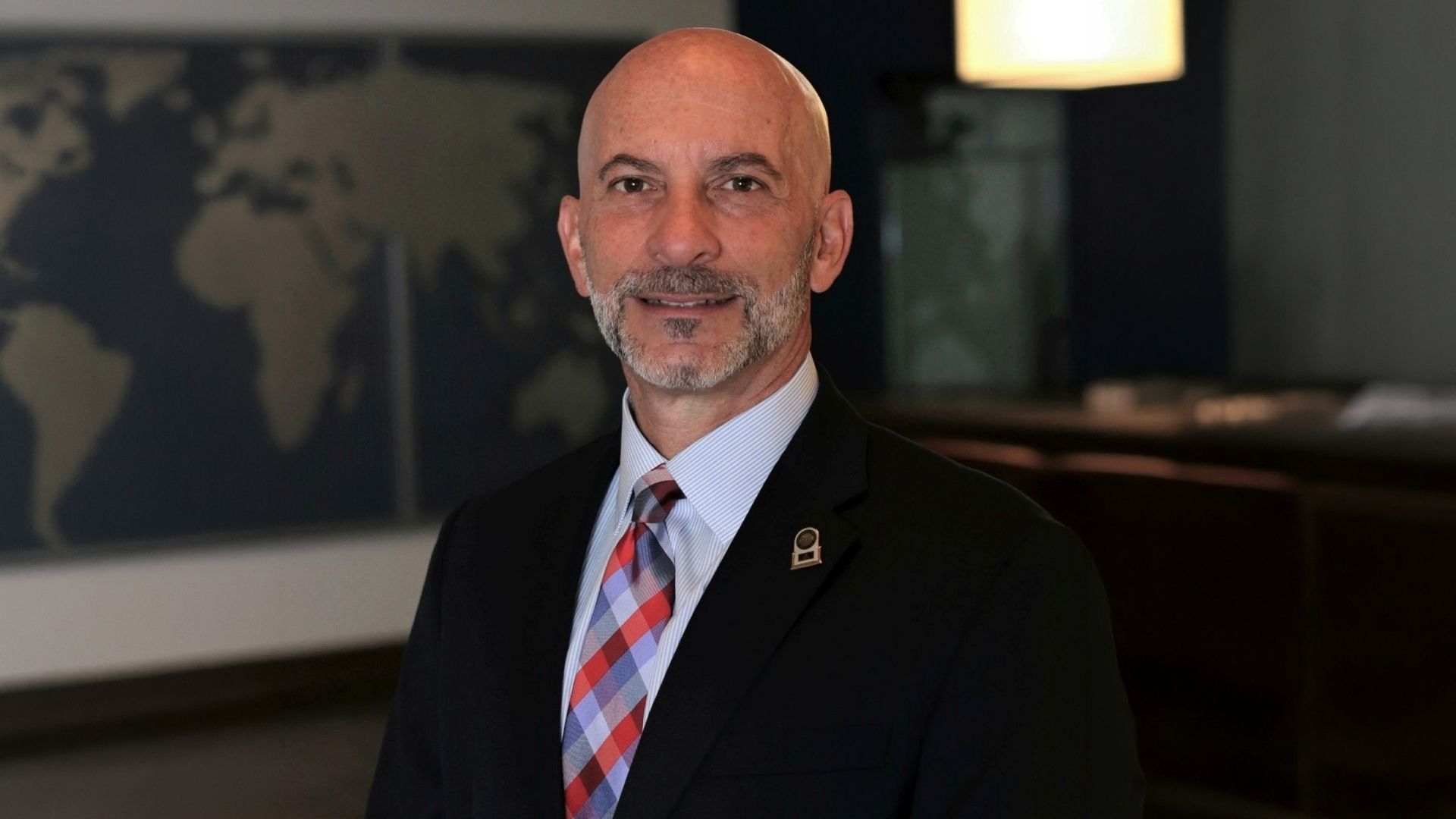
The soft-spoken William ‘Bill’ Heinecke (you have to virtually strain to hear him speak) is a man of many parts, each as fascinating as the other. He reminds us of the earlier generation of entrepreneurs who did more, spoke less, and created empires in the most unassuming manner.
His reputation as a hotelier, and, more unusually, as a kind of modern renaissance figure, is widely recognised. Much of the legend surrounding the founder of Minor Hotels rests on a life lived with appetite, aeroplanes, yachts, food, and travel. He speaks of these not as indulgences but as necessary counterweights to work, part of a philosophy that treats balance not as an aspiration but as a discipline.
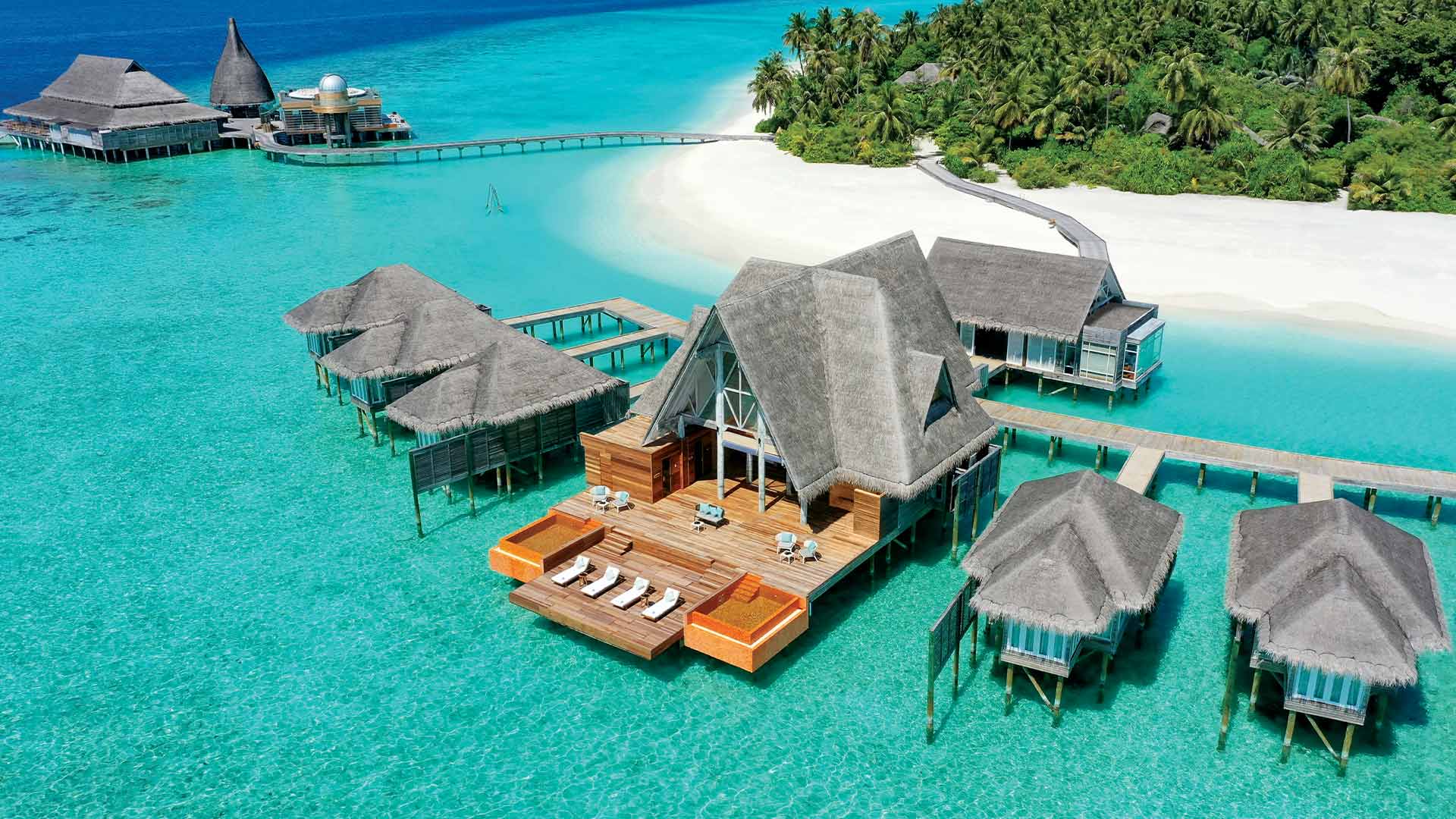
A villa at Anantara Kihavah Maldives.
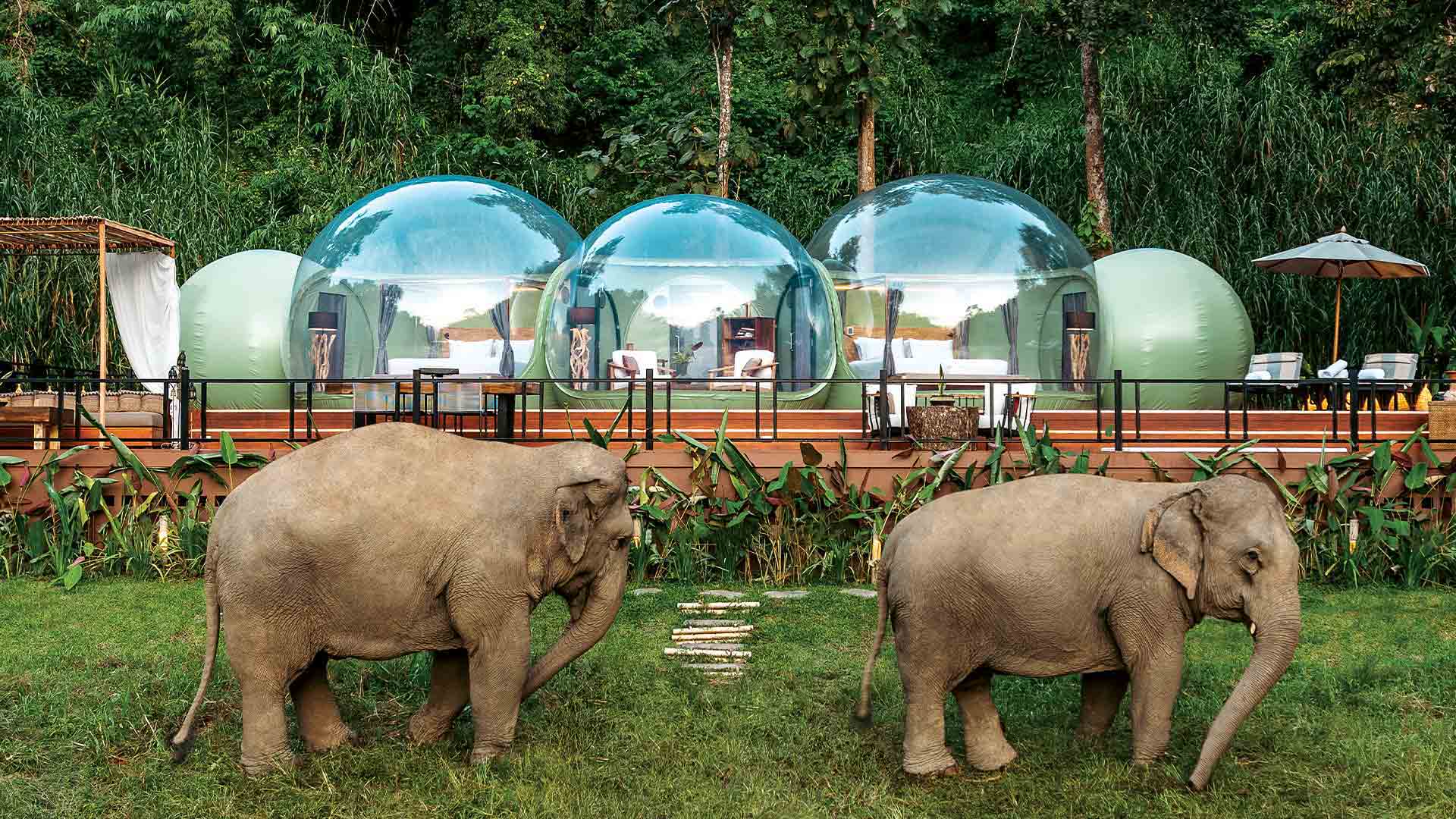
A jungle bubble at Anantara Golden Triangle Elephant Camp & Resort.
Building without a blueprint
More defining, however, is his cross-cultural identity. American by birth, Heinecke built his empire in Thailand without inherited capital or institutional scaffolding, assembling it piece by piece through ventures that, in retrospect, appear improbably eclectic. In the early years, he sold pizzas to a market that had never encountered them, ran cleaning and advertising businesses, and moved fluidly between industries, from food to aviation.
At 76, he retains the restlessness of the 17-year-old who borrowed twelve hundred dollars from his Indian tailor in Bangkok to start a cleaning business. Because he was legally a “minor,” the company took on a name that would, in time, become iconic, Minor International (MINT). Today, MINT encompasses Minor Hotels, Minor Food, and Minor Lifestyle, a portfolio of more than 600 hotels and serviced residences, thousands of restaurants, and operations in over 60 countries.
The growth was never engineered through grand strategy documents. “We didn’t even have five-year plans,” Heinecke says. “We were just trying to make payroll the next month.” Expansion came incrementally, one hotel, one restaurant, then another, until, as he says, “you look back and realise you’ve built a wall of enterprises”. Walls are not imagined, they are constructed, brick by brick, through repetition and patience.
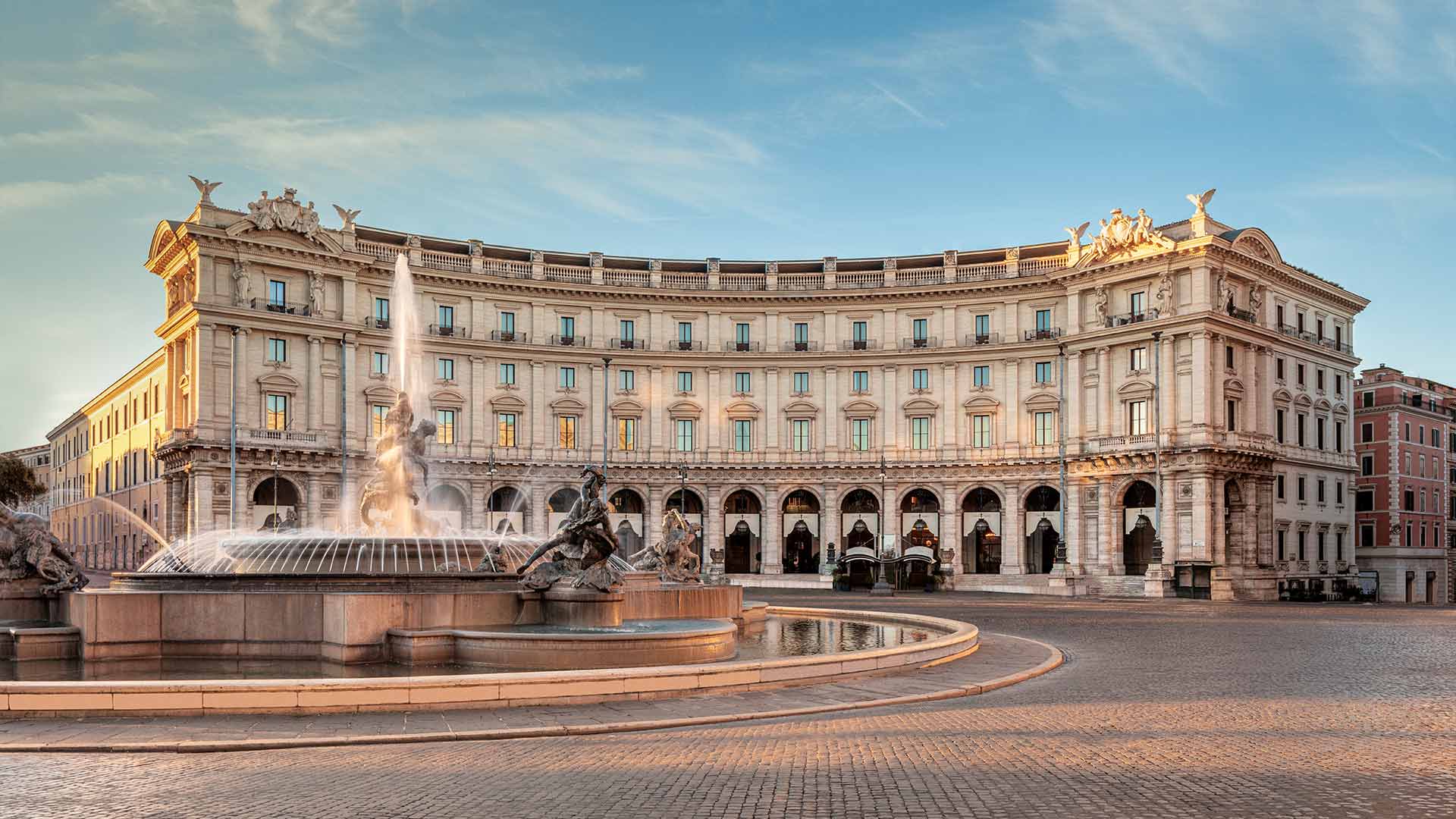
Anantara Palazzo Naiadi Rome Hote, timeless and relevant across generations.
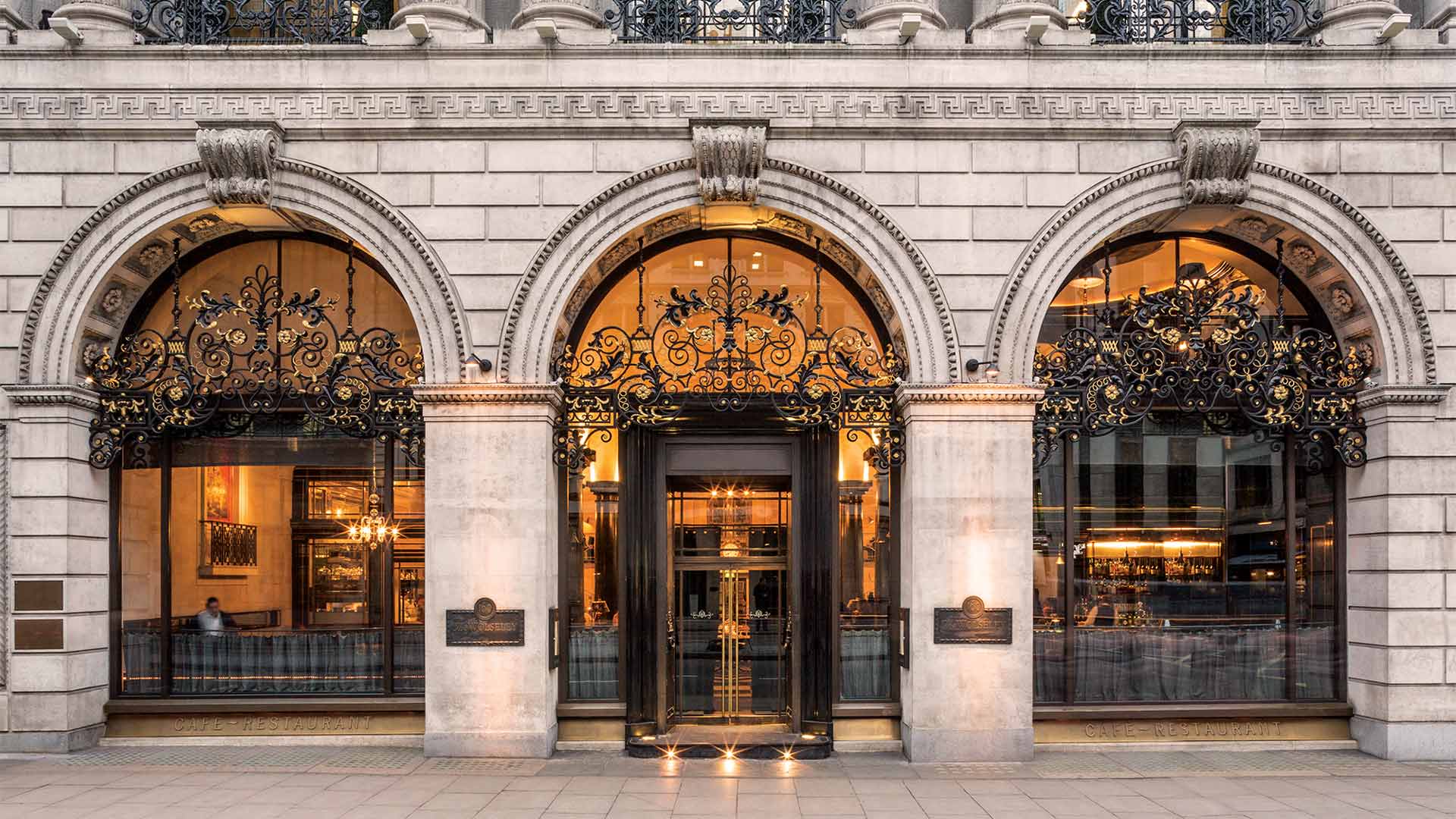
The Wolseley, London's iconic restaurant, speaks about Heinecke's love for automotobiles.
The making of an inveterate entrepreneur
Heinecke’s early life offered little in the way of conventional structure. Born in 1949 in Quantico, Virginia, he spent his childhood moving across Japan, Hong Kong, and Malaysia, before settling in Bangkok at 14. His father, a former U.S. military officer turned foreign service official, and his mother, an Asia correspondent for Time magazine, left him largely to his own devices. School held limited appeal; go-karting did not.
At 17, he launched Inter-Asian Enterprises, an office cleaning business, alongside an advertising venture selling space for the Bangkok World newspaper in exchange for a column. He repaid his loan within three months, with interest, a detail he recounts without emphasis but not without pride.
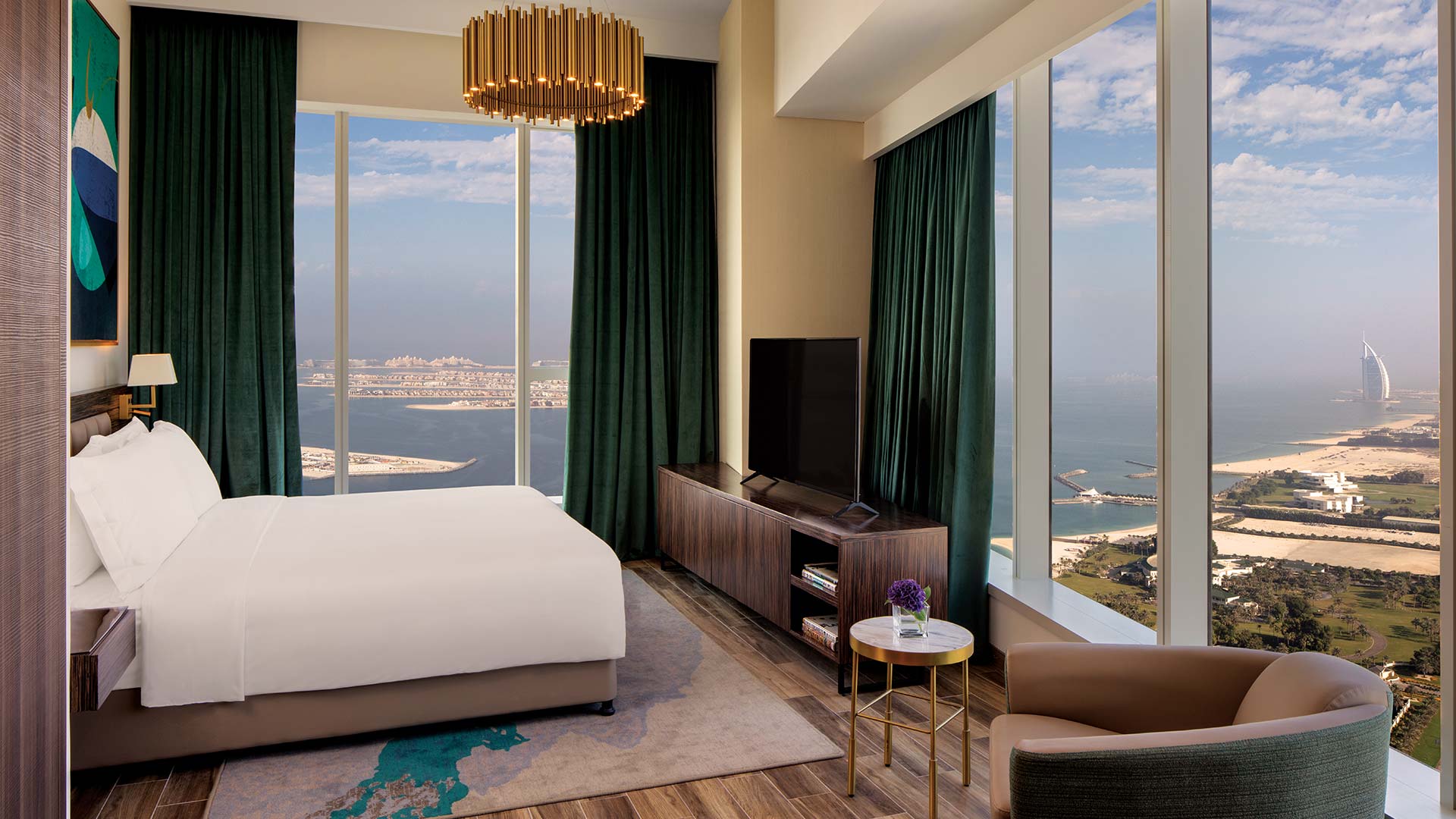
Seamless comfort at Avani+ Palm View Dubai Hotel & Suites.
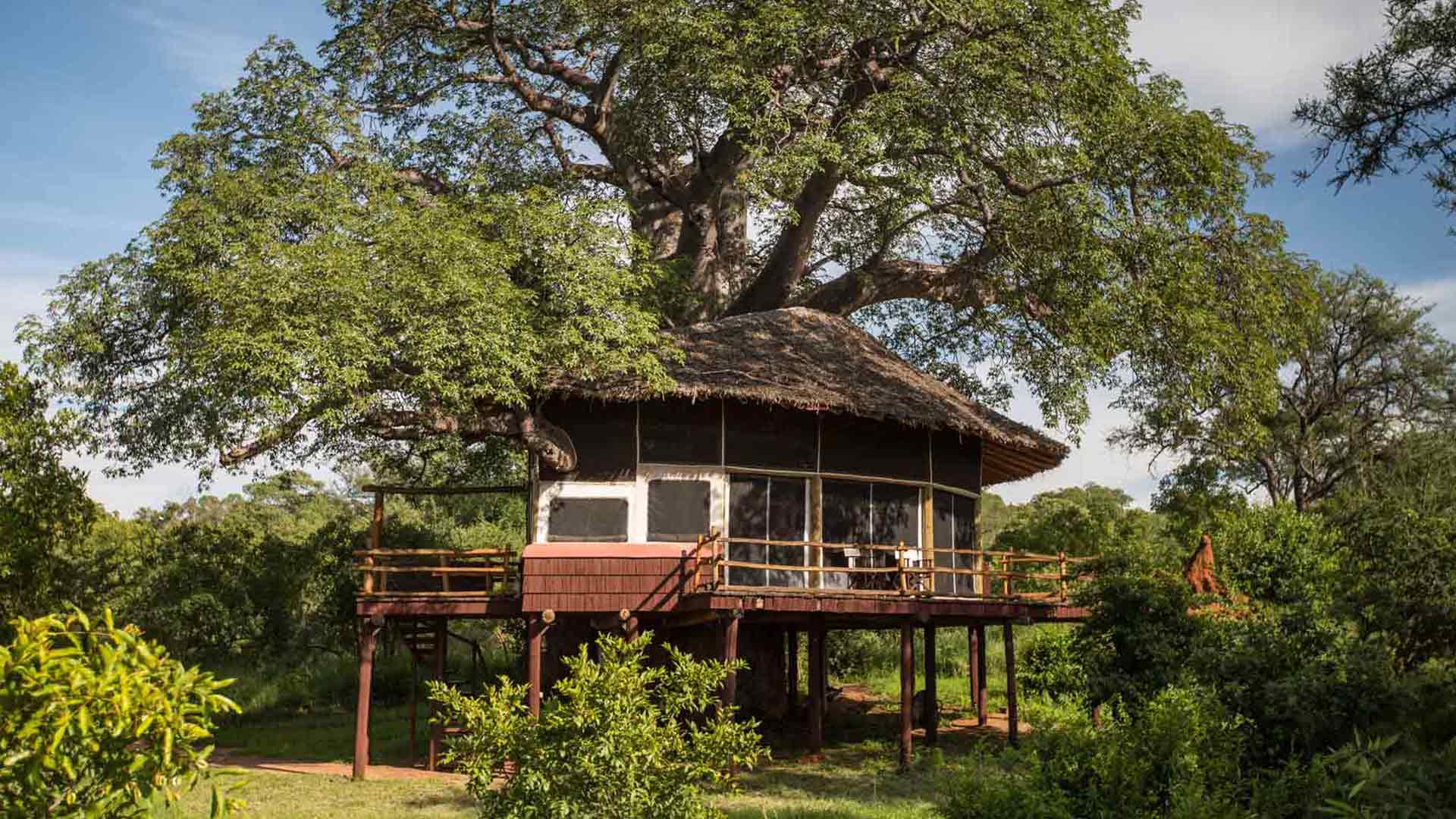
At Elewana Tarangire Treetops, Minor International chairman’s affinity is clear—toward places that feel discovered rather than merely visited.
An Asian story, ahead of its time
Heinecke’s entry into hospitality in 1978 now reads like a foundational anecdote. The Royal Garden Resort in Pattaya was followed by a series of moves that, at the time, seemed speculative. Bringing Pizza Hut to Thailand— “Thais did not eat pizzas,” he says—was widely considered audacious. Yet the bet worked. So did what followed: The Pizza Company, Dairy Queen, Mister Donut. By 1988, the company was listed.
What came next was less a departure from instinct than its refinement. The launch of Anantara in 2001 marked a deliberate move into experiential luxury, while the 2018 acquisition of Spain’s NH Hotel Group expanded Minor’s footprint into Europe and Latin America. Today, the portfolio spans Anantara, Avani, NH Collection, nhow, Oaks, Elewana, and Tivoli, brands that suggest a particular vision of hospitality, global in reach, but resistant to sameness.
Heinecke’s preference for lived understanding over abstract analysis continues to shape his thinking. Despite building his business largely on intuition, he is neither dismissive of data nor resistant to technology. “Both are important,” he says. “Technology like AI simplifies planning and gives you quick insights. What used to take weeks of research can now be done instantly. It enhances decision-making rather than replacing intuition.” Technology, in his view, sharpens judgment; it does not replace it.
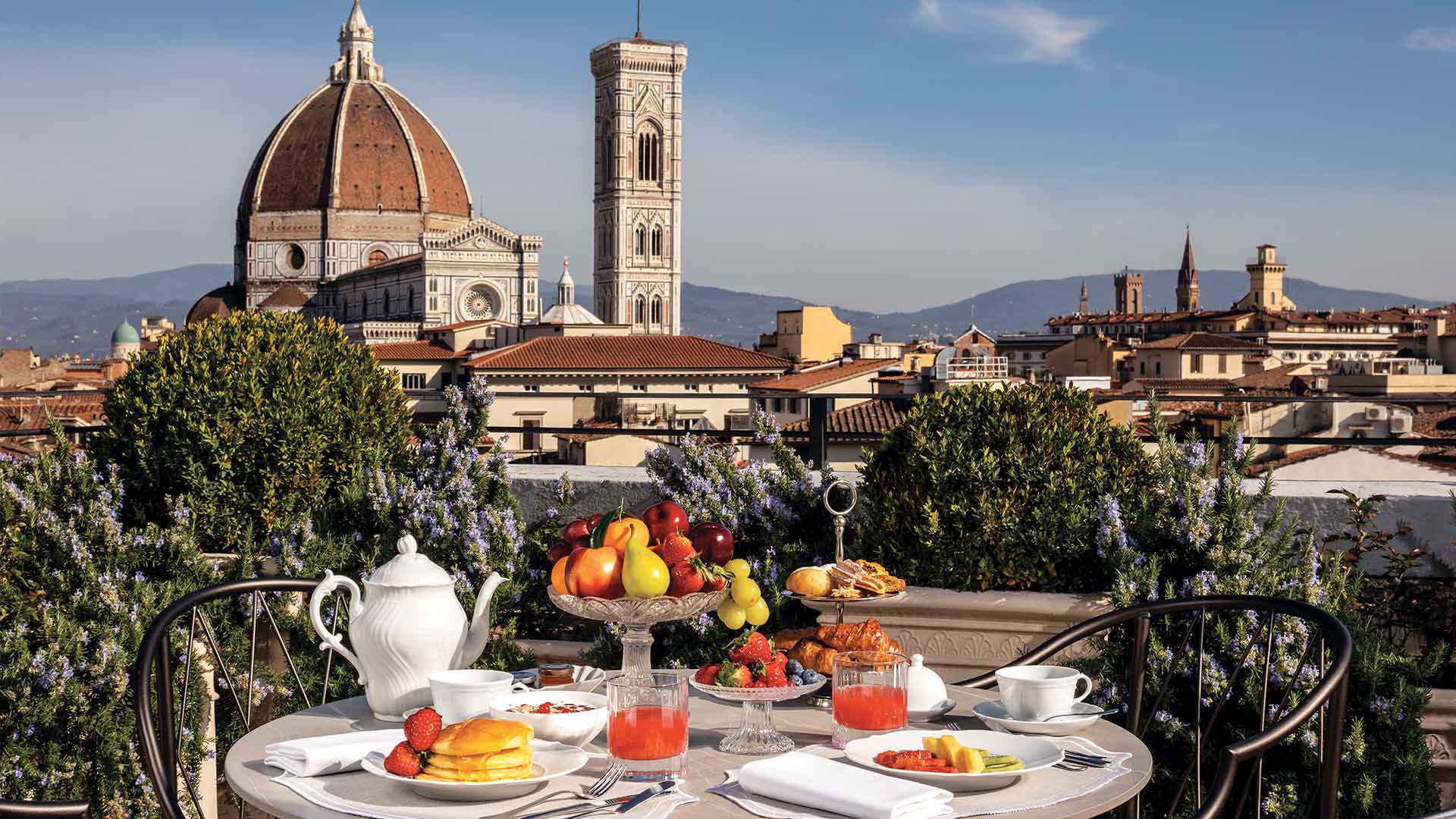
According to Heinecke, luxury today is about comfort delivered with quiet, uninterrupted ease.
India, a market of discovery
That sensibility extends to the way he travels. He describes India, where Minor Hotels is now expanding, not in terms of markets or metrics, but experiences—desert treks, camel rides, horseback riding, polo matches, and car shows. “India has tremendous history and variety,” he says. “With a little research, a traveller can find endless things to do.” Discovery, for Heinecke, is not passive. It requires curiosity, attention, and a willingness to look beyond the obvious.
India, in business terms, is what he calls a “big discovery market,” one of Minor’s most significant growth frontiers. The ambition is to build approximately 50 properties over the next decade. Yet the approach remains measured. A self-described late entrant, he emphasises “the right product in the right place,” resisting the impulse to scale indiscriminately.
The early markers are already in place: Anantara Jewel Bagh Jaipur, opened in 2025, the forthcoming Anantara Zanti Coorg Resort, the brand’s first resort in India, and the Anantara Kolkata Hotel at the World Trade Center. A pipeline of a dozen deals is underway, with at least eight expected by the end of 2026. The model is largely asset-light, management contracts and partnerships with local developers, focused on luxury and lifestyle segments through brands such as Anantara and Avani.
While Heinecke says that Indian travellers are “very demanding,” in his view, this aligns with Minor’s emphasis on experience over standardisation. He also points to broader tailwinds, shifting travel patterns, and the redirection of global flows as forces likely to accelerate growth.
Taken together, the India strategy reads less like expansion than continuation, an extension of the same instincts that guided his earliest ventures. Identify an emerging market, adapt the model, build local partnerships, and maintain quality. The variables change, the method does not.
In the end, Heinecke’s story resists neat categorisation. It is at once American and Asian, intuitive yet methodical, expansive yet restrained. What holds it together is not geography or scale, but the persistence of a particular way of seeing the world. The 17-year-old who borrowed money from a tailor to start a business has not, in any essential sense, disappeared. He has simply acquired a larger canvas.
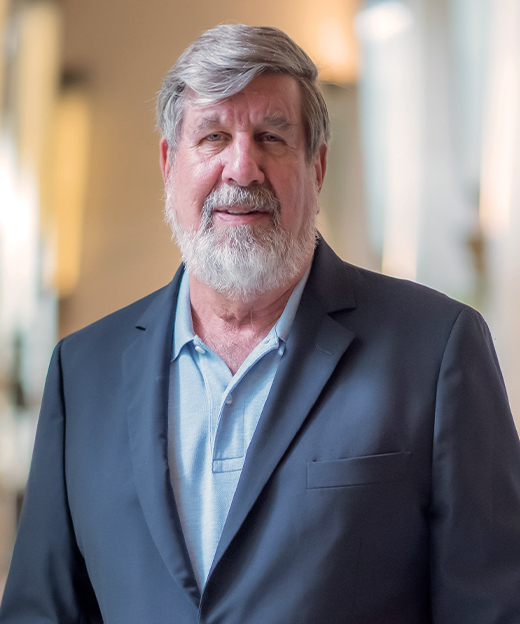
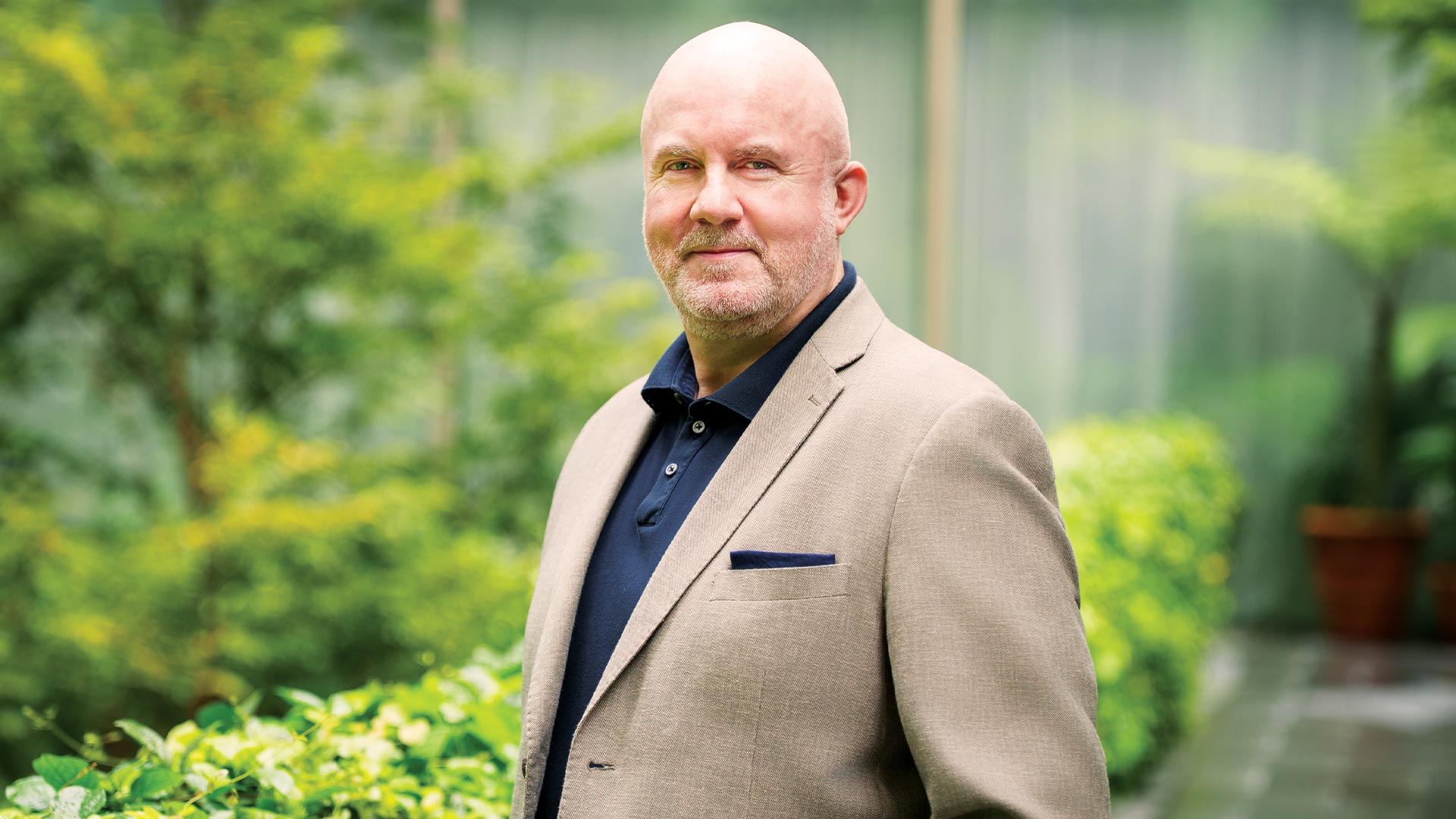
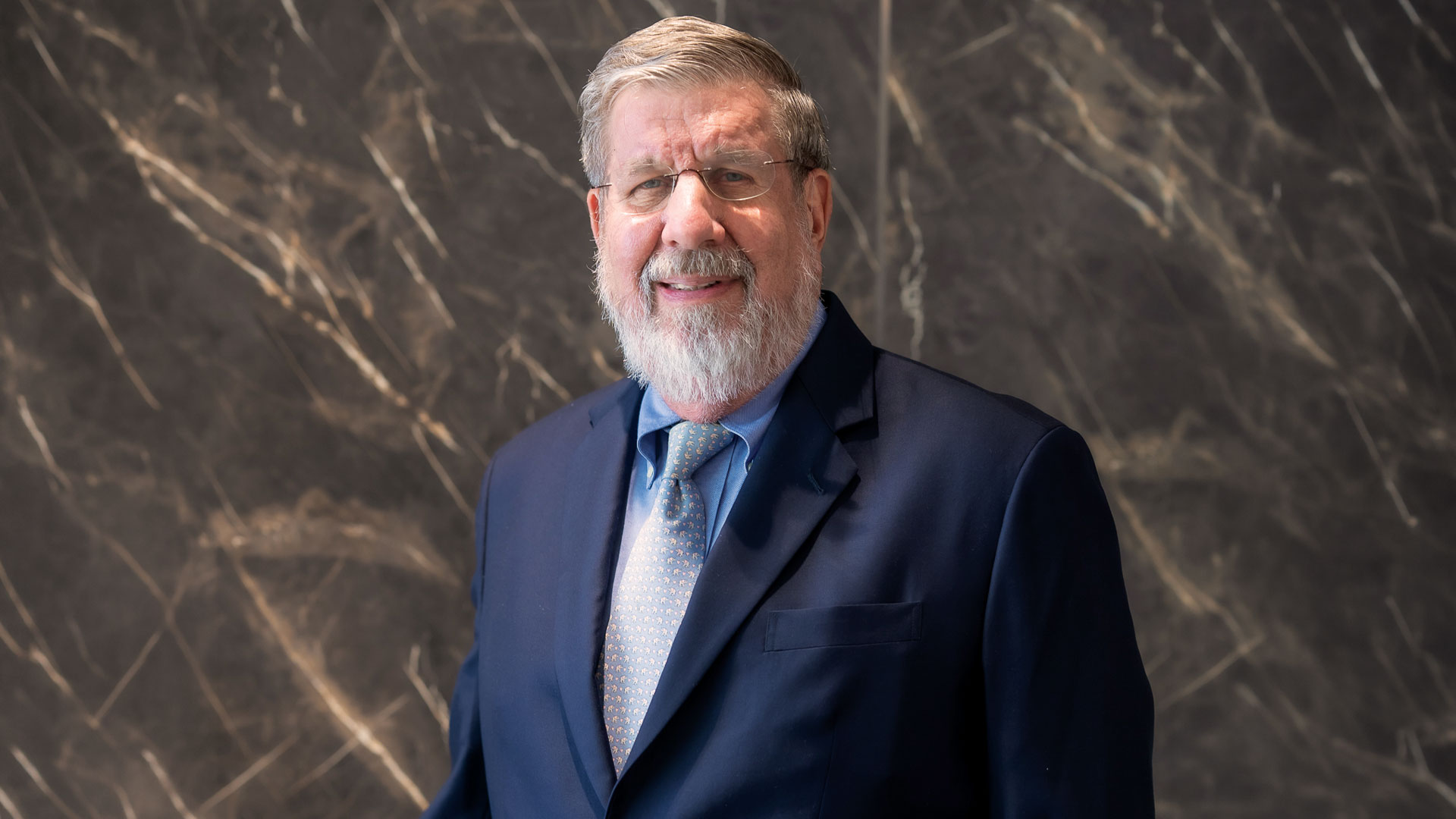
William ‘Bill’ Heinecke, Founder and Chairman, Minor international.
Q&A with William ‘Bill’ Heinecke, Founder and Chairman, Minor international
In an exclusive with SOH, Bill Heinecke speaks about all things personal and business. Some excerpts:
You have been coming to India for years, even before the country became cool as a destination. Could you go back in time and tell us what brought you to India first and what your experience was like?
I came to India a very long time ago, and one of my first hosts was Mr Singhania from JK and Raymond Woollen Mills. He was a very keen pilot, so we had something in common with our flying. I saw a lot of India—some of it industrial in those days—but it was already clear that country was beginning to emerge. Today, I think it’s on fire.
From a hotel standpoint, those were primitive days. What prevailed was the incredible service and the willingness of our friends here to share what the country was really all about, because you had to rely on the people you knew. There wasn’t Google or other easy ways of discovering a place as exotic and interesting as India as there are today.
It was also the very early period of our company, shortly after I had founded it. There was only one airline flying in, Air India. There was also Safari Air, I think it was called, owned by Mr Singhania. It was an adventure at its best. You didn’t really know where you were going, and transportation was challenging. You certainly didn’t have Mercedes on the roads.
Visiting the Taj Mahal meant taking your life in your hands on those roads and in those cars. You had to come with a sense of adventure. Today, you can come with a desire to experience luxury along with that adventure.
Which destinations have stayed with you the most, and what are your early memories of places like Kolkata, especially given the perception that it remains in a time warp compared to cities such as Mumbai or Delhi?
I’ve spent more time in the first-tier cities because they’re all so different and unique. One of my strongest memories is coming to Calcutta (editor: Kolkata was earlier called Calcutta) on my first trip; I flew my own plane there. This would have been in the ’70s, nearly 50 years ago. Calcutta was always the last stop before Thailand, because we flew single-engine propeller planes. I would usually land in Mumbai, then Calcutta, and then Bangkok.
Travel to India in those days—40 or 50 years ago—was truly an adventure. But once you were in your hotel, whether in Jaipur or Calcutta, you were wrapped in Indian hospitality. It was always a very special environment. Today, it’s something you no longer need to be an adventurer to experience.
If a modern traveller were to ask you about your experience of India then and now, and the evolution you’ve seen, what would you tell them?
I would tell them that today is the time for India. People coming here now look forward to longer trips. It’s a long distance, but they stay longer. All the creature comforts that experienced travellers want are now available, so it’s no longer a chore. The days of not being able to find great meals, of any cuisine, are over. India is as much a luxury destination as anywhere in the world, and the hospitality is perhaps far superior to many places.
Today, it’s very different from when I first came 40 years ago. For the luxury traveller, it’s almost a seamless experience, whether you’re going from India to Thailand or elsewhere. The hospitality is there, and all the comforts that an experienced traveller wants are now available. India has hit its prime. It’s ripe for discovery; you don’t have to be adventurous anymore to experience it.
Given your affinity for India, why did Minor enter the Indian market relatively recently? What changed?
India is a very complex market, and we tended to have limited funds, so investment was always difficult. Today, India has developed to such a degree that you have incredible developers. While there is still a maze of red tape, our partners—experienced Indian operators and developers—make it possible for us to come in and manage hotels.
We were very asset-heavy, and earlier our focus was on markets like Europe, which were easier to navigate. Today, India has matured, and we’re able to enter like many of our peers.
We finally have an Anantara here, with many more scheduled. What’s encouraging is that so many people in India already know our brands, thanks to Indian outbound travel. Earlier, we had to explain ourselves. Today, we don’t; they know Anantara, they know Avani, and they’re ready for us.
If you let your heart lead instead of business logic, which Indian destinations would you choose, and what kind of experiences draw you most strongly?
It would probably be experiential destinations such as Varanasi, Alibaug, Coorg, Darjeeling, and Assam. These places have a unique appeal. India has experiential destinations in abundance—wildlife, plantations, history, and architecture. That’s what we like to deliver to our guests.
Why did you use Jaipur as your entry point into India, and what makes it significant from both a business and traveller perspective?
We take opportunities as they’re presented. Jaipur was an opportunity, and we’ve never regretted it. It’s a big market for weddings and MICE, and it has performed extremely well. From a traveller’s perspective, Jaipur is magical. The history is incredible, and along with Jodhpur and Udaipur, it forms a compelling starting point.
You’ve chosen Kolkata for your next hotel, a market many global players approach cautiously. What led to that decision, and how do you see its potential?
Again, it comes down to opportunity. The World Trade Center project was unique for us. Kolkata is also a gateway to eastern India—Varanasi and beyond. Projects in India take time, especially greenfield ones, with permits and approvals. So while Kolkata will take a few years, we may have other hotels, like Coorg, opening earlier.
What were your earliest impressions of Kolkata, including your stay at the Oberoi?
The first time I travelled to Kolkata was in 1975 or ’76, flying my own plane. I stayed at the Oberoi. Outside, there was chaos, but inside, it was a walled compound that gave you all the creature comforts. We stayed just one night initially, and I returned later for another short stay.
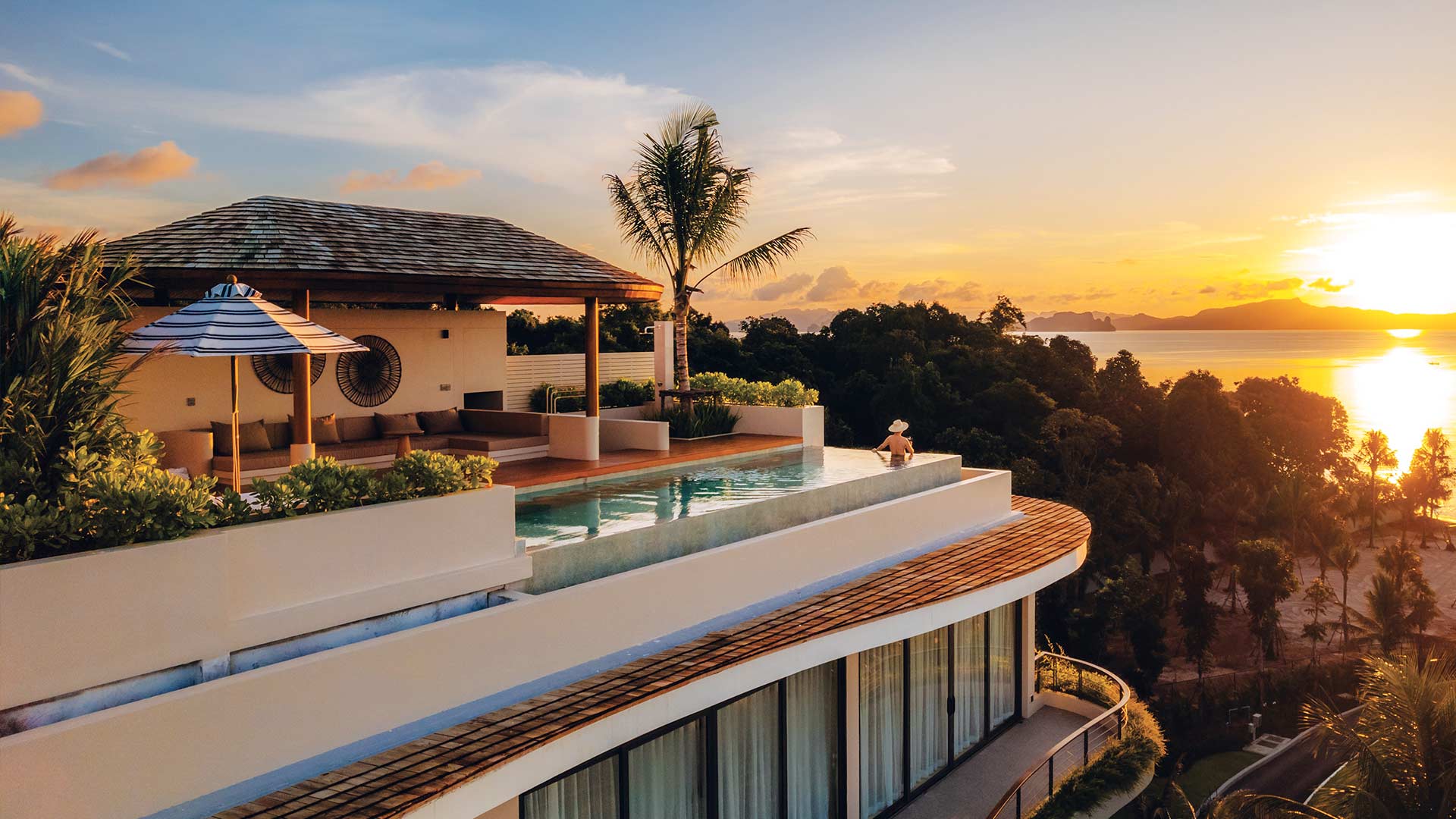
For the seasoned hotelier, luxury works best when it feels effortless—immersive, restorative, and quietly removed from excess. Seen here are a glimpse of Anantara Koh Yao Yai Resort & Villas.
You’ve often entered destinations before others. What signals do you look for that others might miss?
I’ve always been drawn to destinations I’ve personally discovered—Africa, Mozambique, the Maldives. These places require more effort, but they’re rewarding. India now fits into that space, especially with the growing demand from Indian travellers who already know our brands globally.
Does India still feel exotic, given rapid development and construction?
Absolutely. If you go into a rainforest or a tea plantation, you don’t see that development. There are still many untouched, beautiful parts of India. For the international traveller, it remains exciting, exotic, and comfortable.
You’ve spoken about vintage cars and experiences revolving around them as one way to attract discerning travellers. How do you see that translating into India?
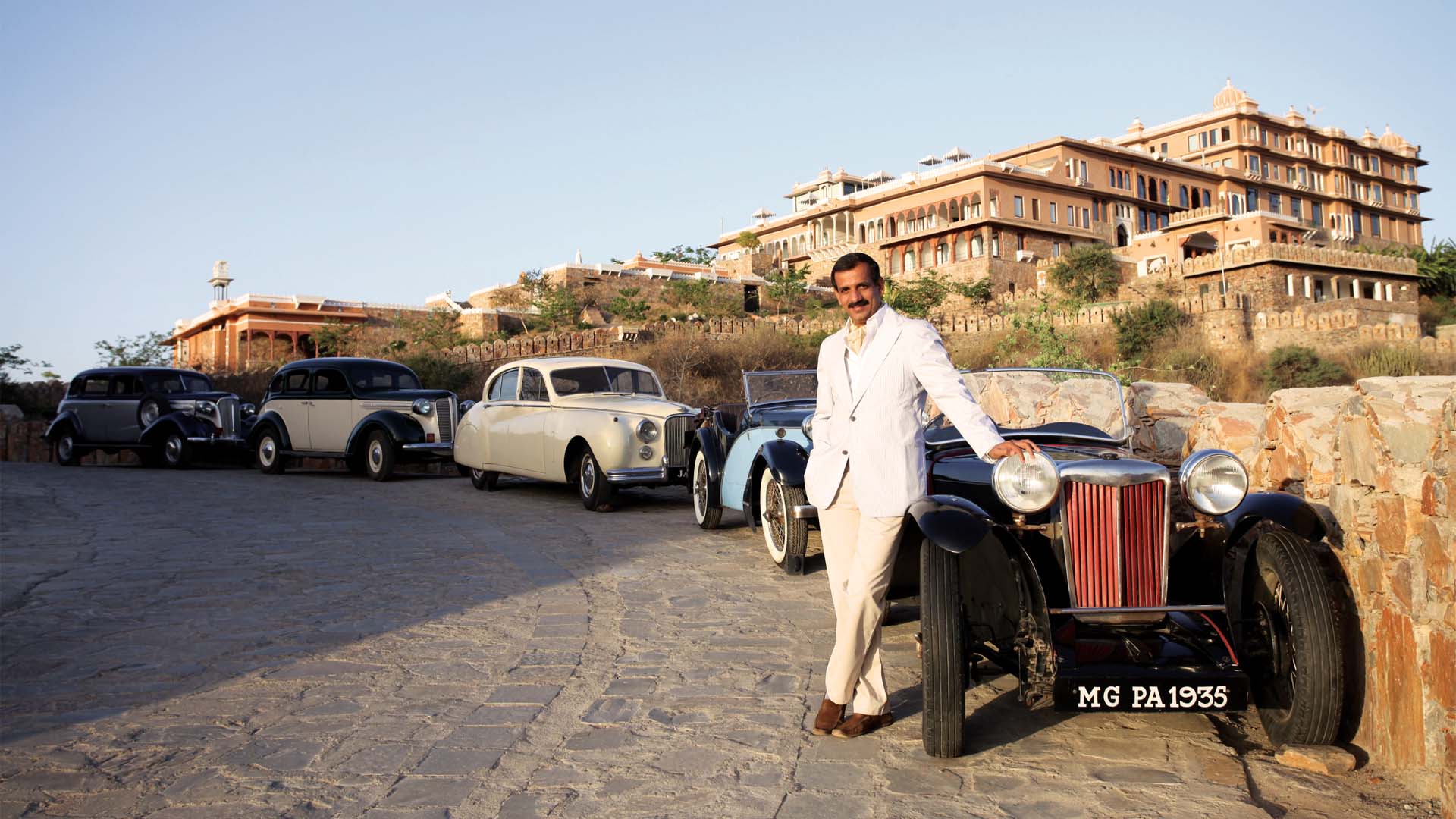
India has incredible vintage collections, the Rolls-Royces and Bentleys used by Maharajas. I personally prefer Italian cars. We’re organising the Anantara Concorso in Rome and would love to bring similar automotive experiences to India. We also have the Wolseley brand, based on an old English car brand. But we need more scale in India first; we’re targeting 50 hotels. Once we reach that, we can create curated experiences like these.
When you think about India as a destination, what is the quintessential experience you want to offer guests?
Food is central. Indian cuisine is loved globally, but sometimes not showcased enough within India. We’re known for our cooking schools, and I would love to introduce Indian cooking schools in our hotels so guests can both experience and learn the cuisine.
When building brands across geographies and price points, what is harder?
It’s about making something timeless that continues to evolve and remain relevant across generations.
If you could change one thing about the hospitality landscape today, what would it be? And how do you see global tensions impacting travel?
I would eliminate geopolitical tensions. But travel doesn’t stop; it gets redirected. As we saw during COVID, recovery is quick. Travel is here to stay, even if crises create temporary shifts.
How do you see the hotel of the future evolving?
Travellers today want authentic, sustainable experiences. There’s more awareness of overtourism and its impact. Governments and operators are becoming more careful. The future is about responsible, community-conscious travel.
If you were starting Minor Hotels today, what would you do differently?
Nothing. I would just start earlier. The best decade of my life is yet to come.
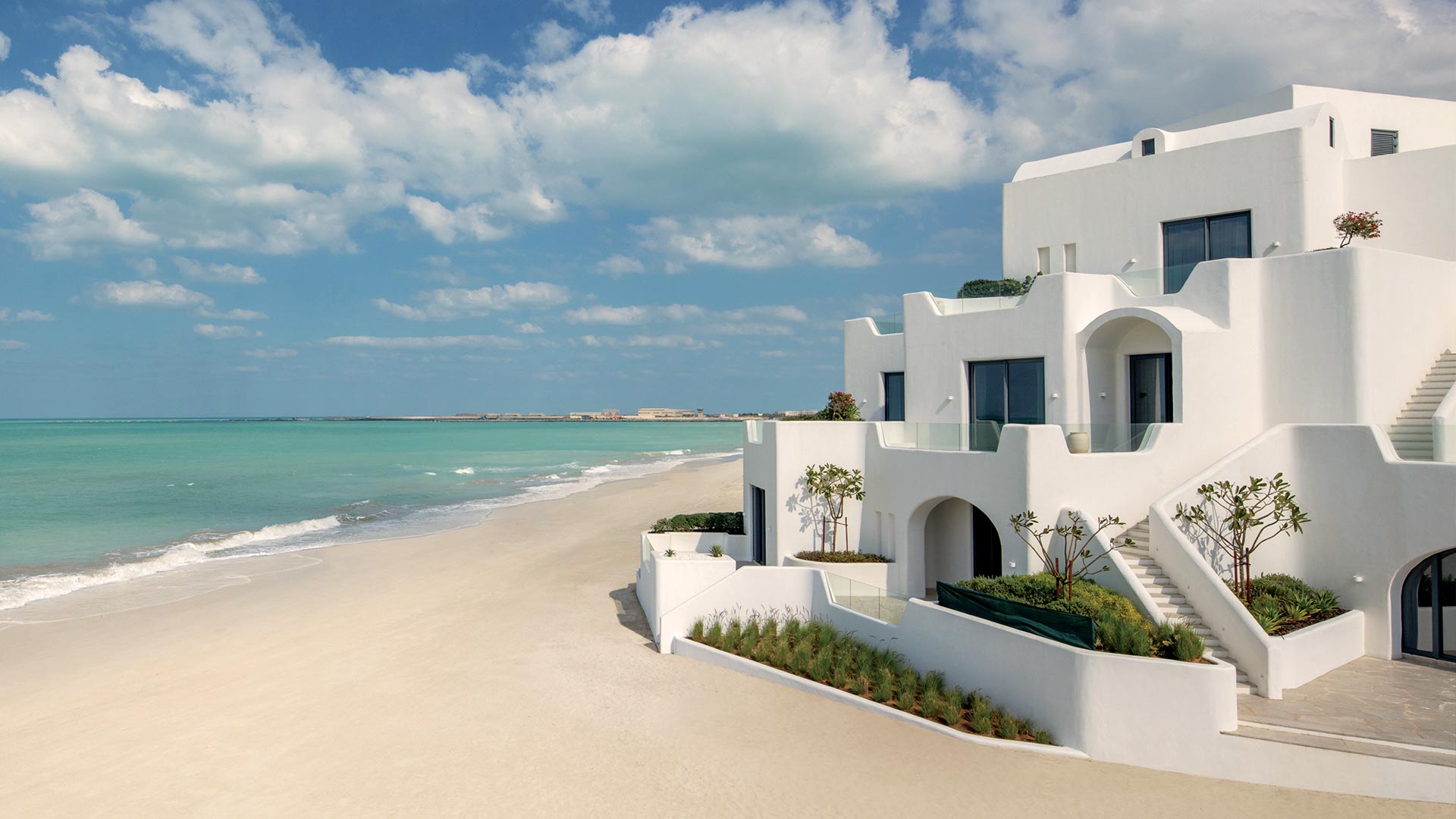
Anantara Santorini Abu Dhabi Retreat.
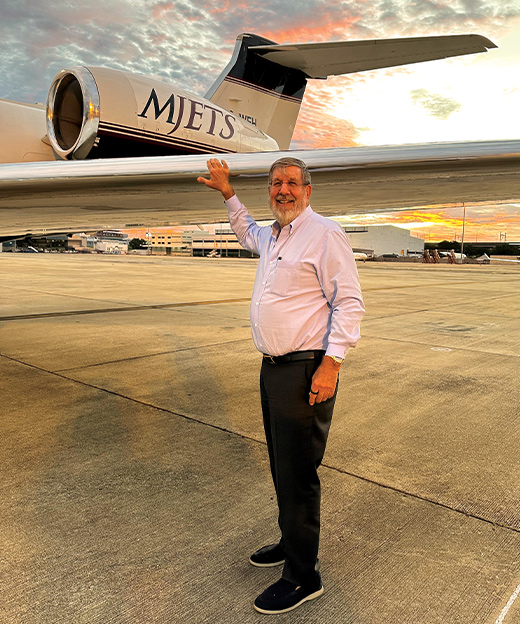
Travel is here to stay, even if crises create temporary shifts, says William.
I’ve always been drawn to destinations I’ve personally discovered—Africa, Mozambique, the Maldives. These places require more effort, but they’re rewarding. India now fits into that space, especially with the growing demand from Indian travellers who already know our brands globally.
William ‘Bill’ Heinecke
Founder & Chairman, Minor international

Beyond the Bio: Cars, yachts, jets, and the thrill of being on the move
Long before William ‘Bill’ Heinecke built a global hospitality empire, he was racing go-karts as a teenager, chasing velocity with the same appetite that would later define his business life. That early fascination evolved into overland record attempts, a stint at the Macau Grand Prix, and eventually a more measured, though no less exacting, pursuit of vintage rallying.
Today, his collection reads like a private museum of mid-century automotive excellence: 40 to 45 cars and 10 to 15 motorcycles, anchored by an extraordinary roster of 1950s–1970s Ferraris—many of them one-offs or rare prototypes. Alongside them sit Jaguars, Porsches, Mercedes-Benz (including the iconic 300SL Gullwing), Maseratis, Lamborghinis, and even a Shelby Cobra once featured in Ford v Ferrari. “I have a very special Ferrari 330 Speciale. They only made four of them,” he says.
The collection is as global as his business—housed across Phuket, Oxford, and Monterey—and constantly in motion. Cars are shipped to Europe to be driven properly and shown at concours events such as Pebble Beach and Cavallino, where provenance is as prized as performance. “I used to race cars in my youth,” he reflects. “Now, I do a little bit of rallying and vintage car racing.”
If the road offers adrenaline, the ocean provides equilibrium. Heinecke owns a 28–30 metre Sunseeker yacht, Major Affair, based in Phuket, along with another vessel sometimes referred to as Minor Affair. Here, the pace slows. Boating becomes less about speed and more about stillness—an extension of his passion for scuba diving. He has dived alongside whale sharks, hammerheads, and even great whites in cages.
That connection to the sea is perhaps best expressed at NH Collection Maldives Reethi Resort, which he describes as “a diver’s paradise, alive with sea turtles, manta rays, enormous whale sharks, and vibrant clownfish.”
In the air, the narrative shifts again. A licensed pilot, Heinecke is also co-owner of MJets, a private charter company. Flying—between properties, across continents, or simply for pleasure—is routine, less transport than autonomy.
Taken together, these pursuits are not trophies, but expressions of a life built around movement, curiosity, and control over time. “Whatever you love, pursue it with as much passion and energy as you put into your business,” he says.
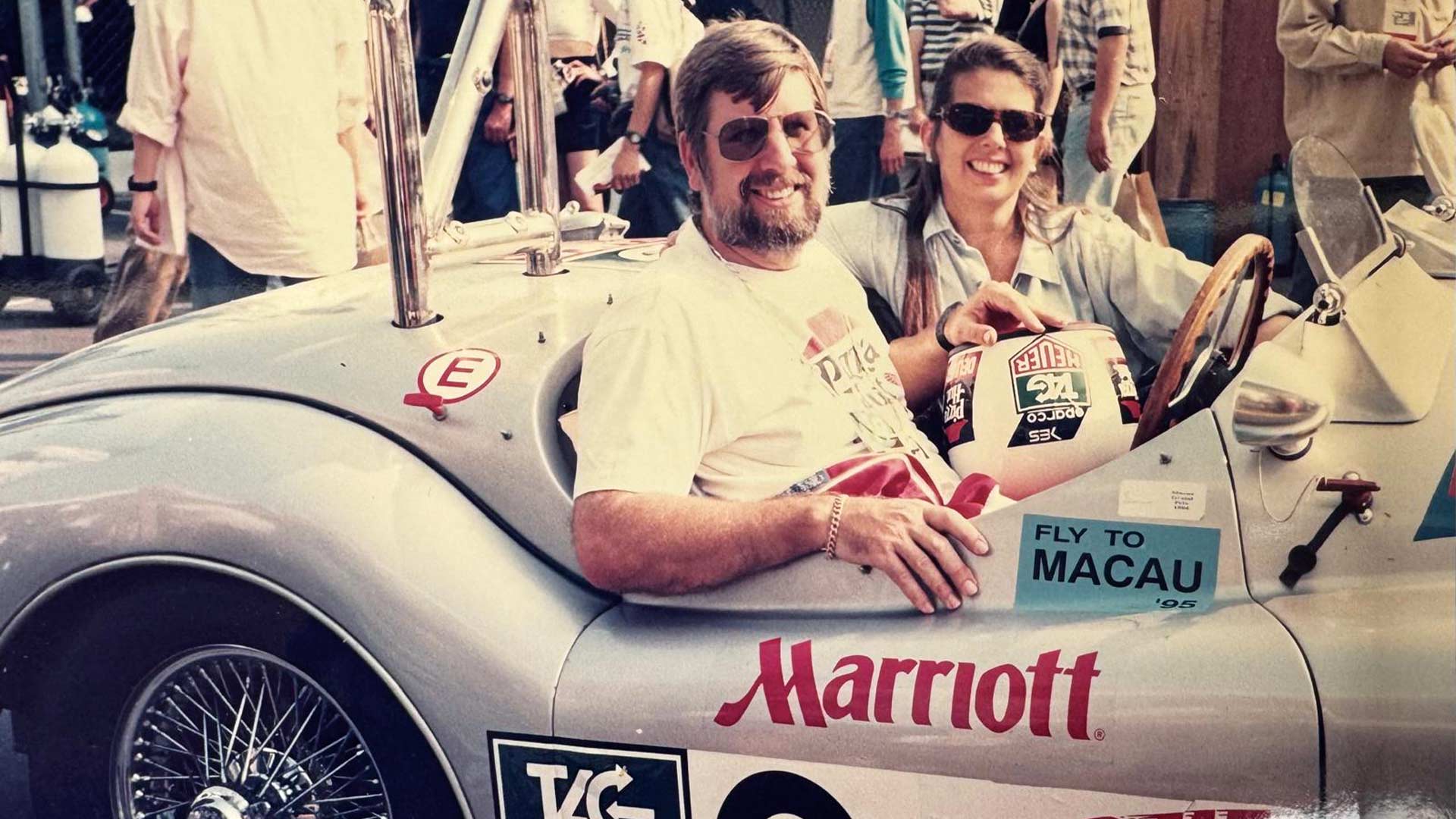
Racing a vintage Jag at a rally in Macau.
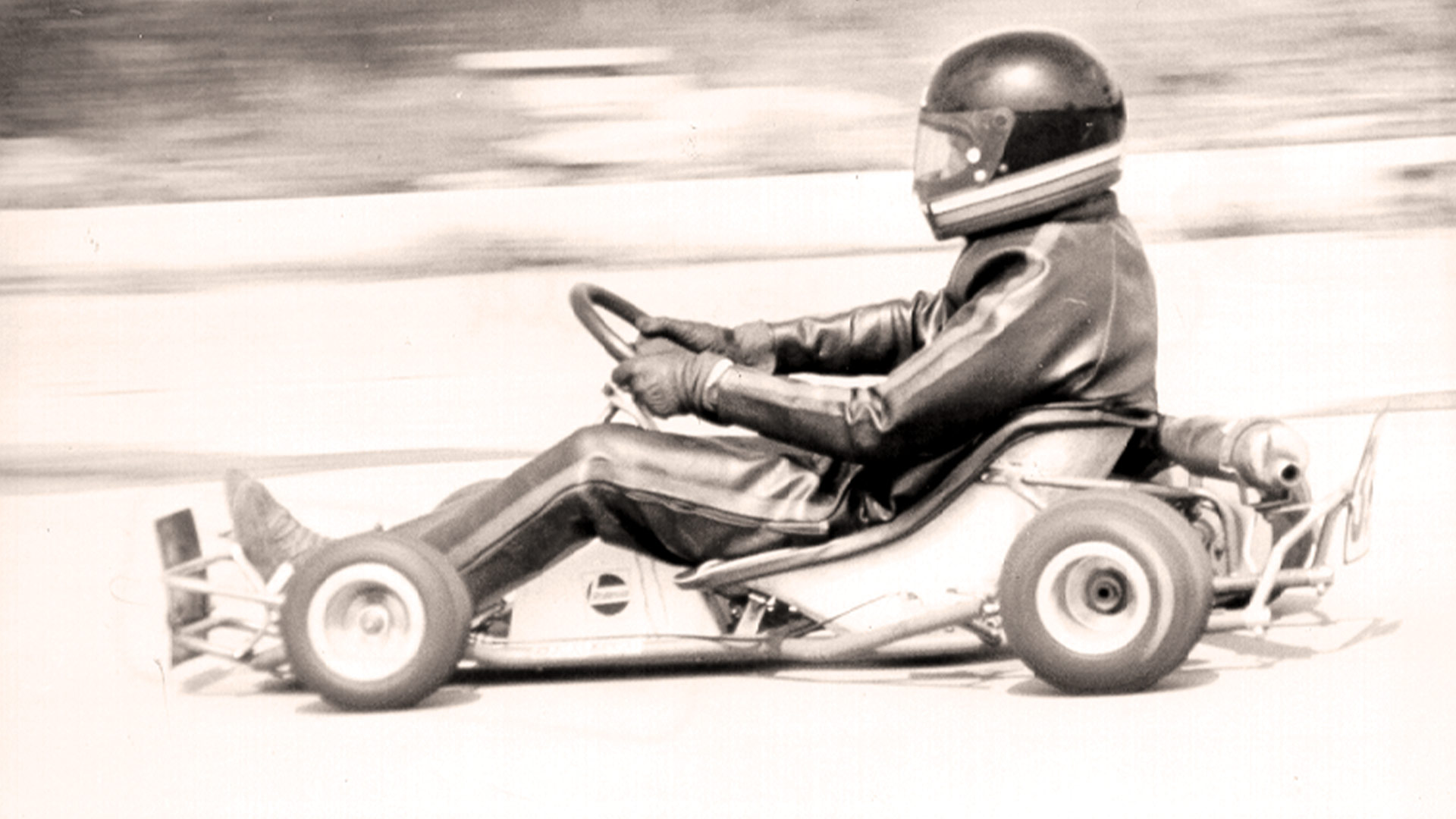
He first discovered the thrill of speed behind the wheel of a go-kart.